
Written by Gwyn Loud for the Lincoln Land Conservation Trust. She welcomes your sightings and questions at 781-259-8690 or gwynloud555@gmail.com.
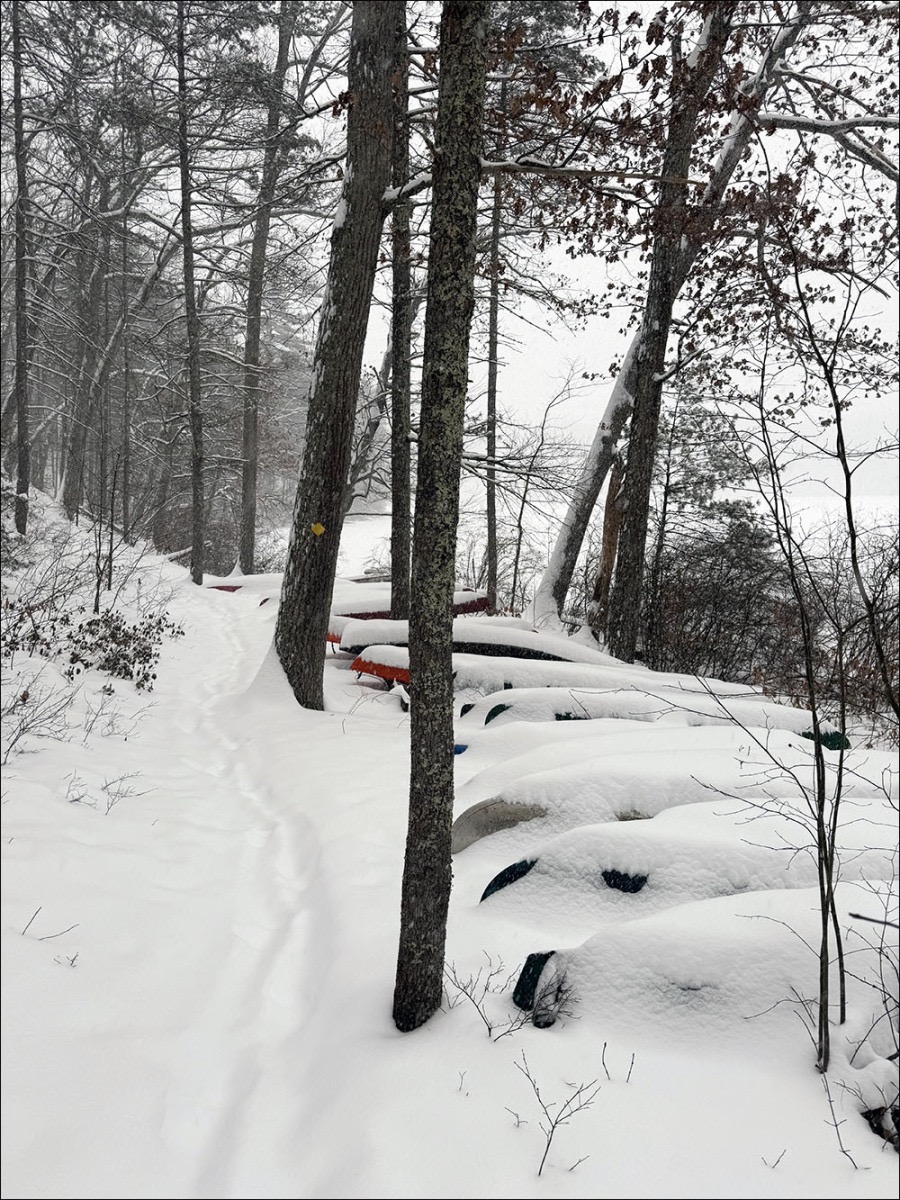
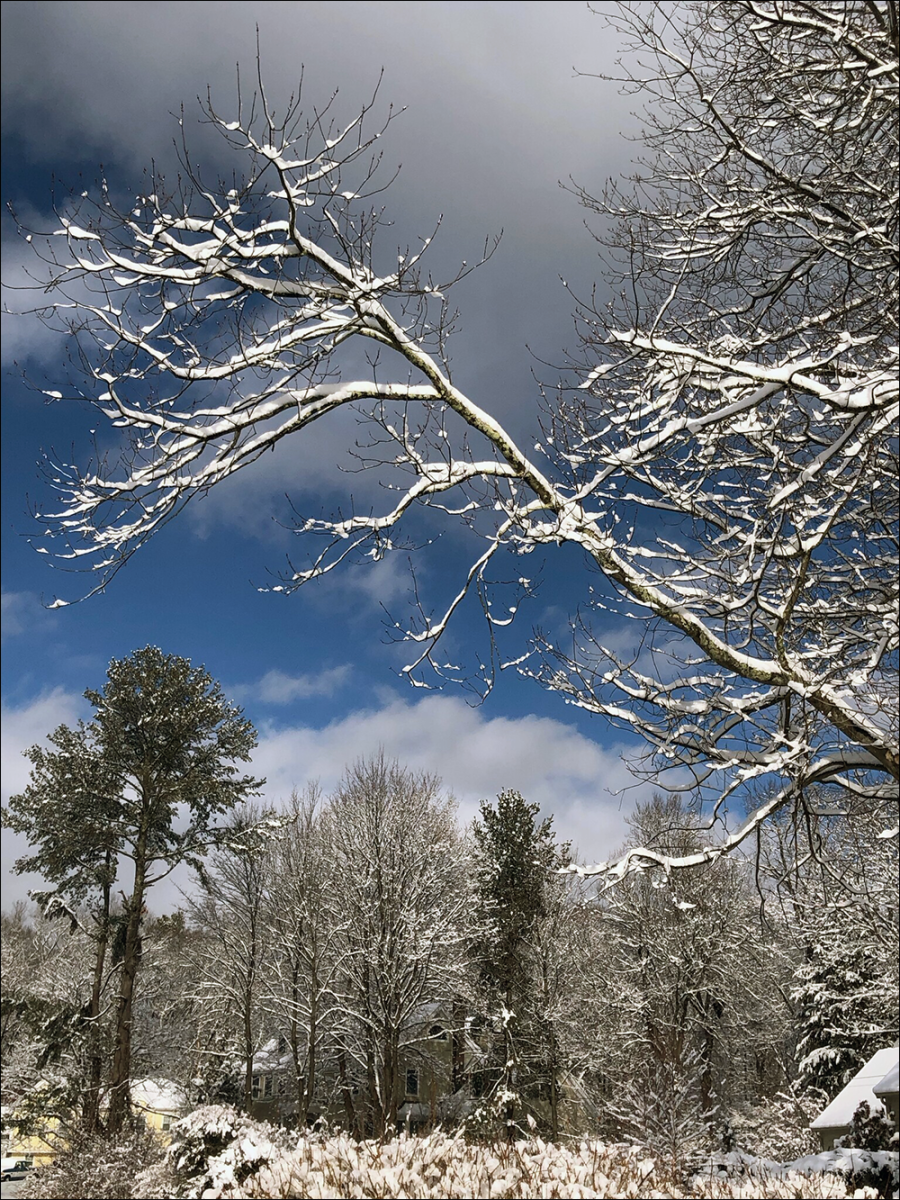
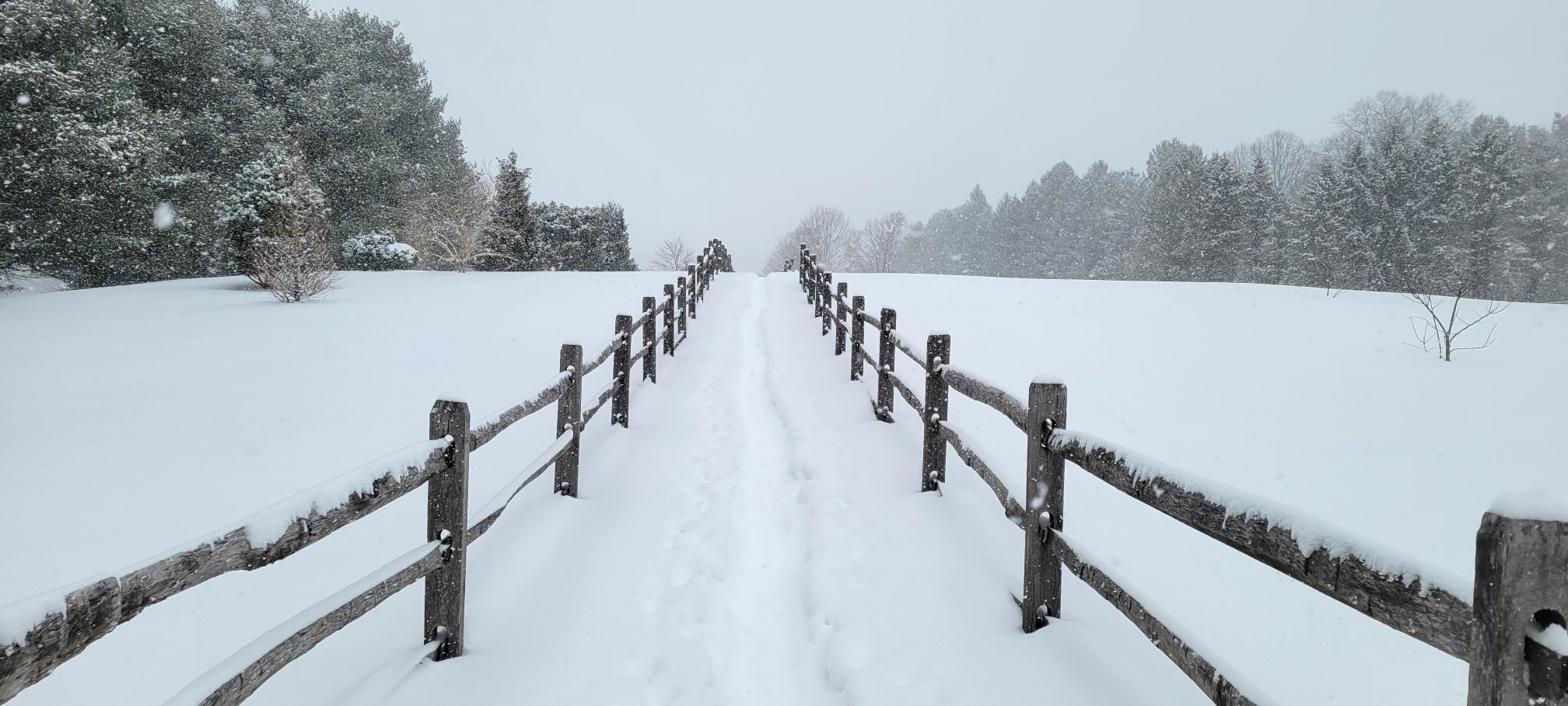
Readers who have been longing nostalgically for the “real winters” of long ago are happy. The last month has given us nearly two feet of snow and bitter cold, below zero on some nights, with many days when the temperature did not climb above freezing. People all over town have been dealing with ice dams.When this column reaches your in-box, more snow is on the way. According to various sources, we have not experienced this depth and length of cold for over twenty years.The resulting slow melting means that roadside walls of snow created by snow plows are just sitting there, getting dirty. One concern is that when the banks of snow finally melt they will take road salt into freshwater streams and ponds, with negative impact on freshwater organisms. Quoting from an article in the Feb. 15, 2026 Boston Globe, “There is, however, one environmental benefit to heavy snowfall. (Julie) Wood said slow, gradual snowmelt allows water to recharge groundwater supplies, something intense rainstorms often fail to accomplish. Still, the sight of blackened snowbanks offer a powerful visual reminder. “Snow is just revealing to our eyes the pollution that’s always there year-round,” Wood said. “That black stuff we see on the snow is not only there in the winter, it’s just only visible in the winter.” We are lucky, here in Lincoln, to have beautiful vistas of (mostly) clean white snow lying on the fields.
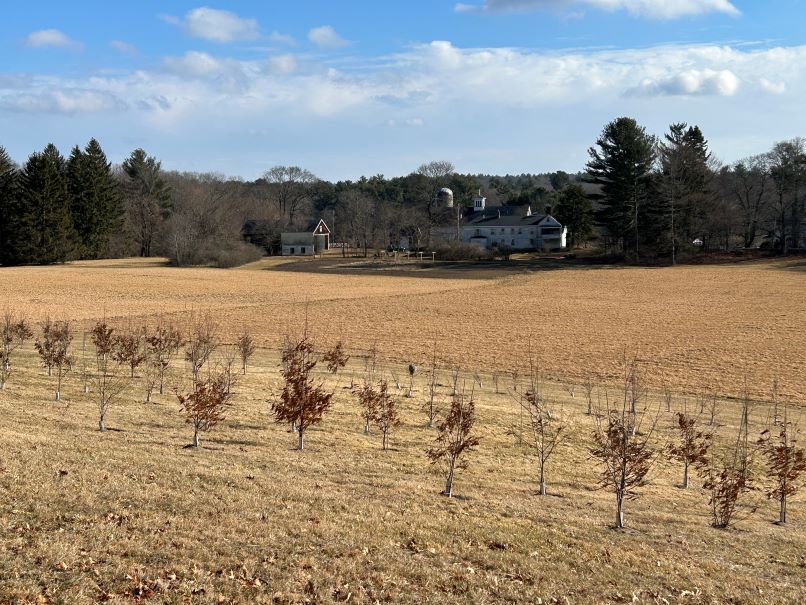
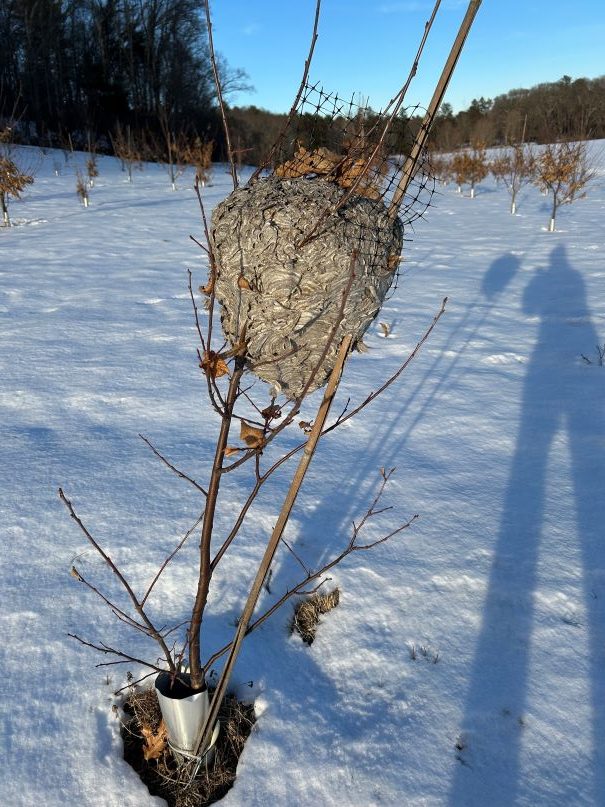
The plant world is just waiting, ready to respond as temperatures rise and the sun is higher in the sky. The snow is actually providing good insulation from the cold. I cut forsythia twigs and brought them inside to provide spring on the kitchen counter. Before the snow, a walk in Flint Fields provided views of the American Chestnut Foundation orchard on the slope, as well as an empty bald-faced hornet nest on one of the young trees. Snowdrops were already blooming, as they do each year, at the east-facing corner of my house but they are deep under snow now. Sugaring season is around the corner: daytime temperatures close to forty degrees and nighttime temperatures below freezing will get the process moving in the sugar maples.
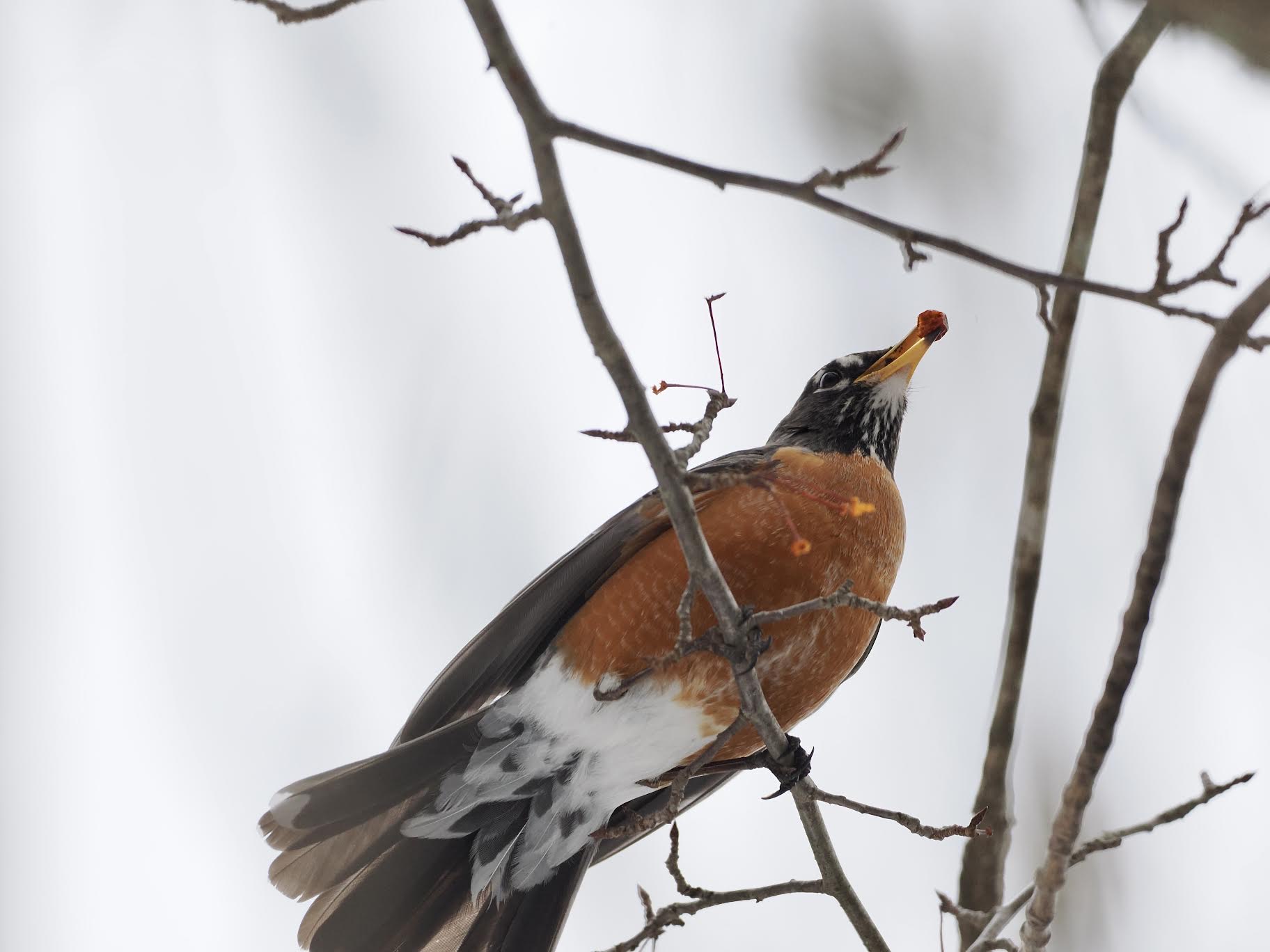
Lengthening hours of daylight signal that spring is actually on the way, and birds are responding with more singing. I have heard black-capped chickadees giving their fee-bee call, and house finches are twittering. Woodpeckers increase their drumming in February to communicate courtship, claim territories, and bond with mates, although they will not lay eggs until May. Robins which are over-wintering have to forget about earthworms, changing their diet to berries, such as those found on staghorn sumac or my holly bushes. Not all berries are equal, nutritionally. Native shrubs tend to be best, both for the birds and for pollinators. There are many resources available listing the best plants for the backyard gardener to plant with the goal of supporting wildlife.
Birds have been flocking to feeders throughout the cold and snow. The Winchells, on Concord Rd. were surprised to see a leucistic American goldfinch for several days, “all white except the wings with a yellow blush on the head and throat – quite dramatic!” Leucism in birds is a genetic mutation meaning loss of pigment in feathers, but the eyes and legs remain dark, unlike in albinism. Eastern bluebirds are frequenting many feeders, eating mealworms, suet, and even hulled sunflower seeds. They look gorgeous against the snow. A Baker Bridge Rd. resident was surprised to find a bluebird staring at him when he opened the woodstove door to lay the fire. Luckily, the wood stove was cold and the bluebird was caught gently and released, without injury But why and how did it come down the stove pipe? A few grackles turned up below my feeders recently, and before the end of February we can expect to hear the conk-a-ree call of red-winged blackbirds, annual harbingers of spring.
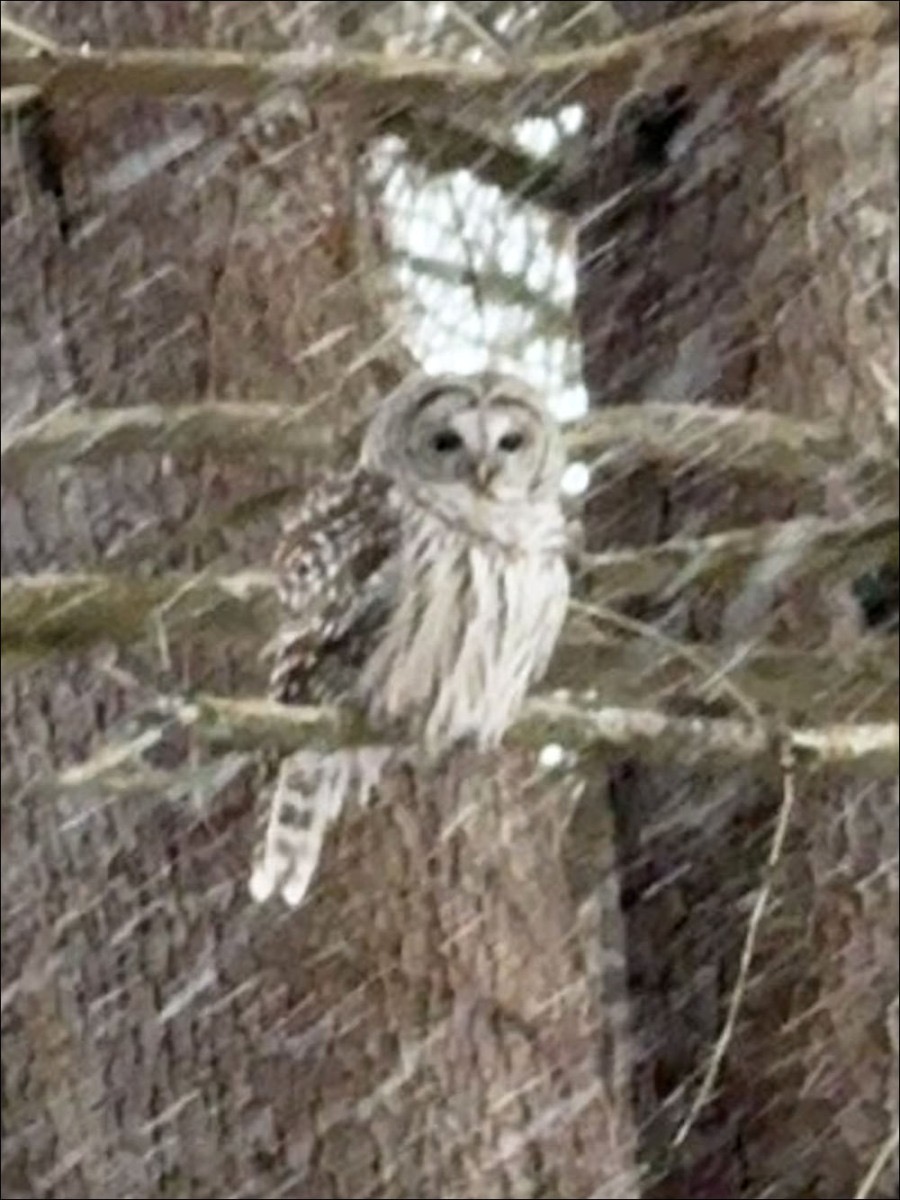
Great-horned owls are already nesting, usually occupying old nests made by larger birds such as red-tailed hawks. Eastern screech owls are courting at this time, making “ a variety of sounds, including barks, hoots, squeals and an occasional screech, but the most common calls of both male and female screech-owls are an even-pitched trill, or tremolo, and a shrill, descending whinny,” as Mary Holland explains in her blog. Owls have a hard time hunting for rodents in deep snow.
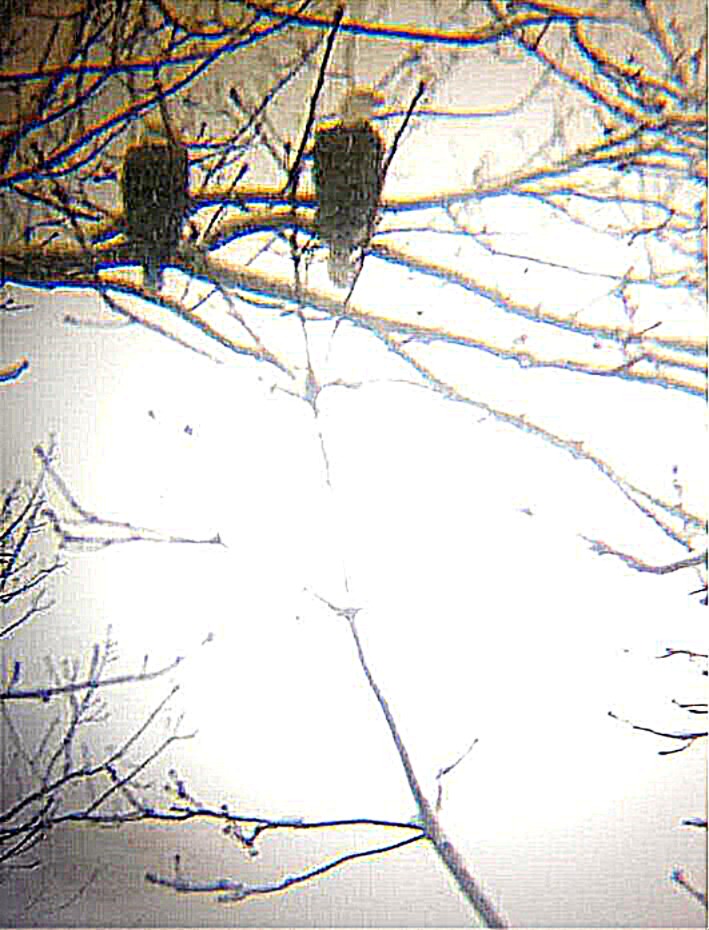
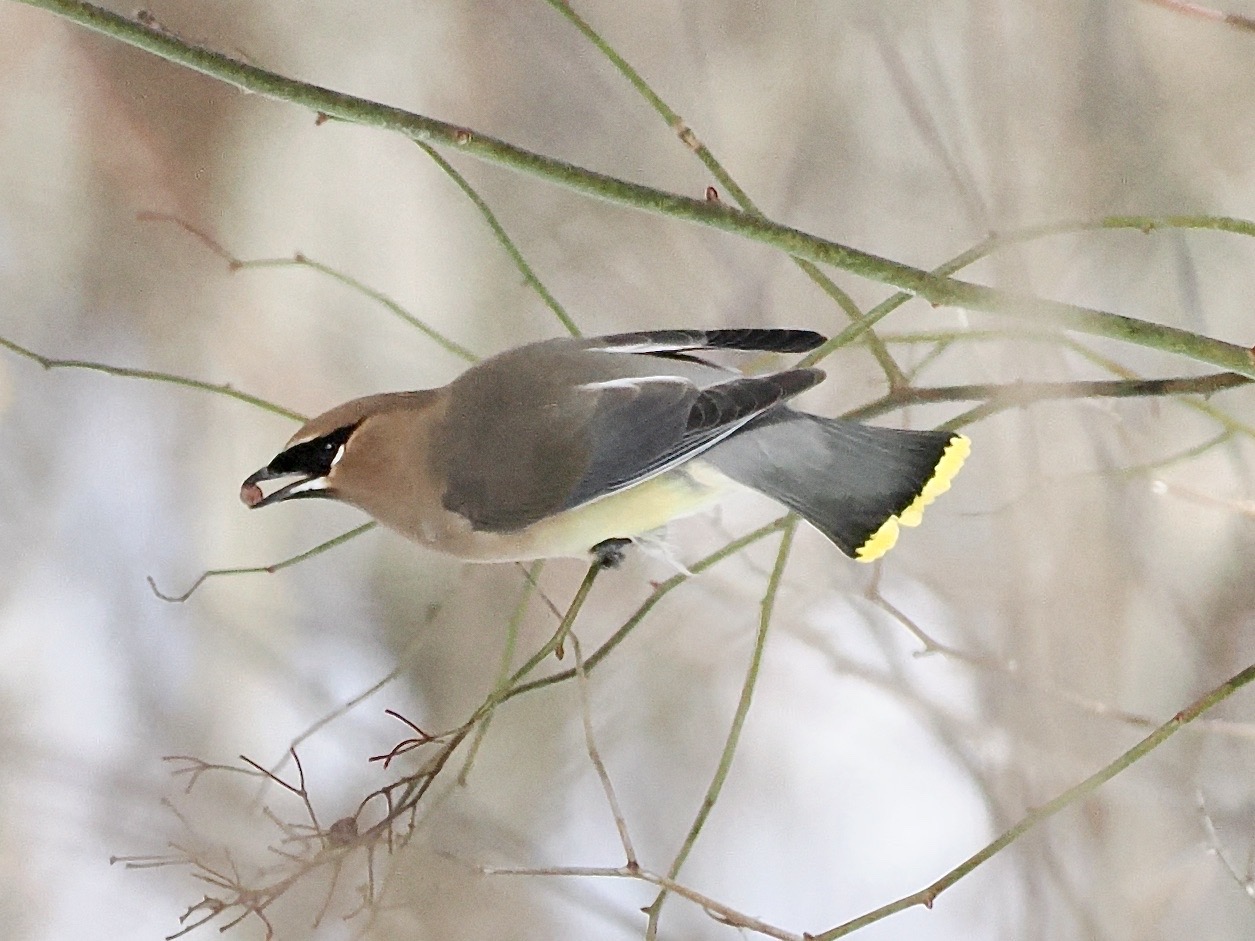
Other avian sightings of interest include flocks of horned larks and snow buntings near Hanscom, a solitary turkey vulture circling above the transfer station, and cedar waxwings. Purple finches, a few yellow-bellied sapsuckers, savannah sparrows, brown-headed cowbirds, and American tree sparrows have been spotted at Drumlin Farm. Will Leona led a walk in the snowstorm for a group of hardy walkers and snapped a photo of a pair of bald eagles in the snow in a tree near Farrar Pond. Carol Roede observes life in the swamp behind her house and found over thirty mallards and at least three black ducks “in a row” in a narrow channel of open water.
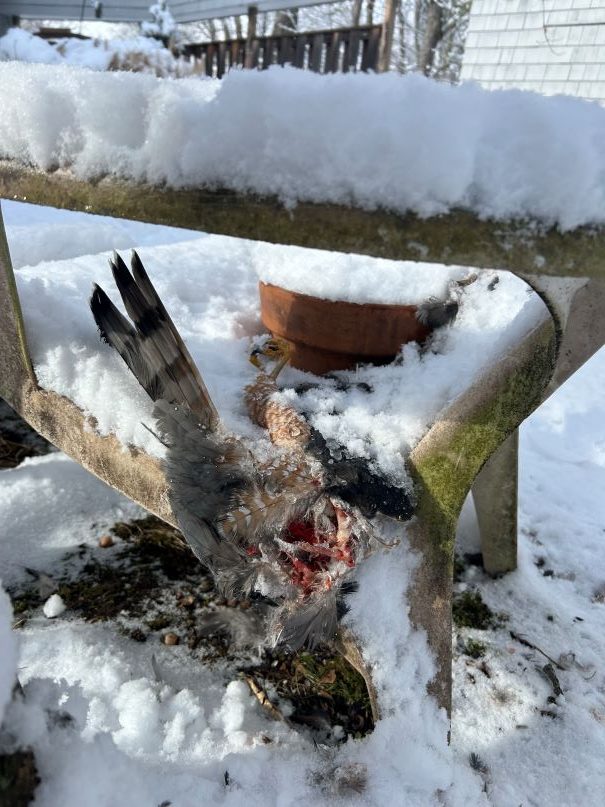
Common ravens, are indeed more common than years ago and have been heard, giving their deep croaks, in several parts of town; Susan Packard watched twelve ravens “playing with one an another” as they flew over Boyce field. An uncommon event was to see a Cooper’s Hawk attacked and killed by another raptor, probably a red-tailed hawk, behind a Lincoln Woods residence. Red-shouldered hawks are calling more noticeably now, preparing to nest.
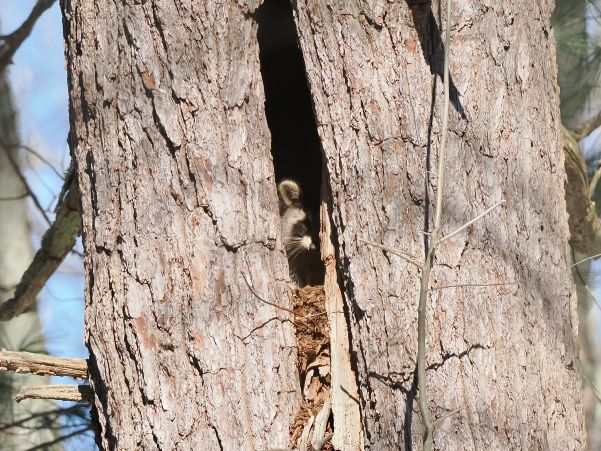
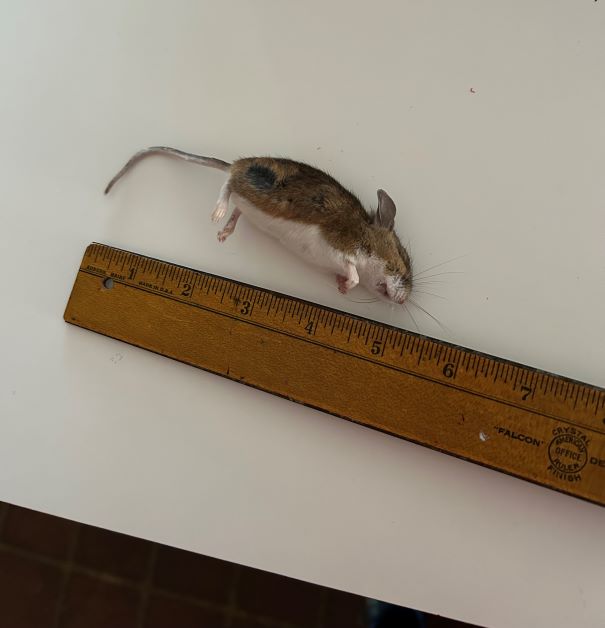
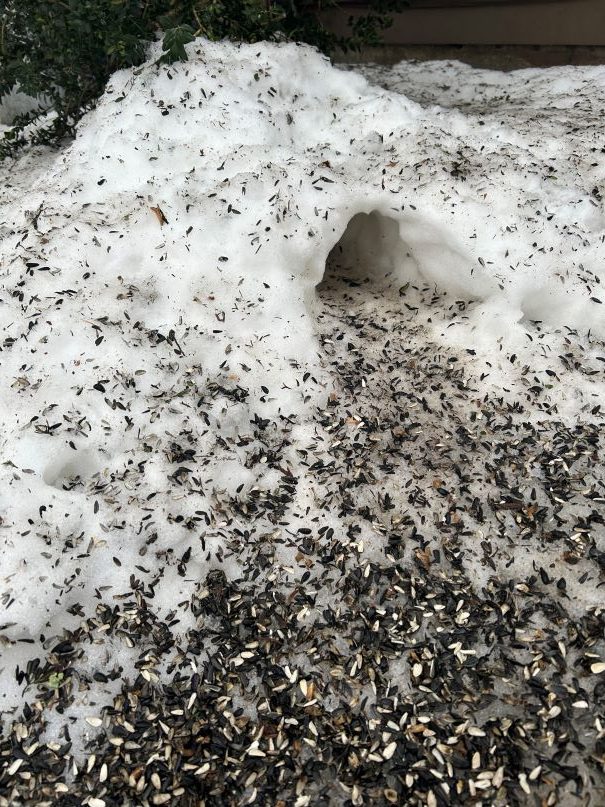
Our small mammals, such as voles and shrews, deal with the deep snow by making subnivian tunnels, which provide protection from both the cold and from predators. A couple of white-footed mice made their way into my house and met their demise when my cat considered them new toys. Numerous gray squirrels keep busy eating seed under my bird feeders, and red squirrels have created tunnels where they take seeds for snacks. This is breeding season for raccoons, beavers, bobcats, and coyotes, with coyotes howling a lot now as they seek mates. North American river otters give birth at this time after a ten-month gestation due to delayed implantation. Quoting Mary Holland, “The young are born fully furred, but their eyes are closed and they lack teeth. In a little over a month they are fully active, in two months they are foraging with their mother, and by the next winter they have dispersed and established their own territories.”
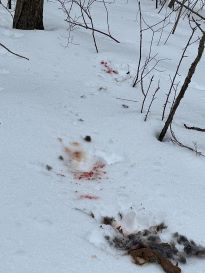
A snowy winter, such as this one, provides excellent opportunities to identify and follow animal tracks, which tell complex stories of “who, what, why, and where” . Ranger Will Leona writes, “The depth of the snow has made it hard to get good pictures of track definition. But so many tracks and proof of active wildlife have still been seen around Lincoln. Foxes, coyote, deer, mice, voles, ermines, long-tailed weasels, red squirrels, gray squirrels and more have been leaving evidence of their trails and meals behind in the snow.”
Two months ago I invited readers to report sightings of black-morph gray squirrels. I now have more, including at 235 Concord Rd., also in Concord by White Pond, near Spy Pond in Arlington and Lexington Center. A Concord reader wrote, “A friend who lived in Battle Creek, Michigan said the town had a lot of them as Mr. Kellogg, of cereal fame, saw them when he was in England, liked them, brought some back, and released them in Battle Creek area.” I think I am finished with my un-scientific survey, but am happy to have readers email me directly if they have more to say on the subject!
Looking out at our snowy scene makes it hard to imagine that the annual amphibian migration may only be weeks away. The first night in March or April when it is warm (38℉ or above), raining, and dark may find spotted salamanders and wood frogs making their way to their natal pools. More in the next column.
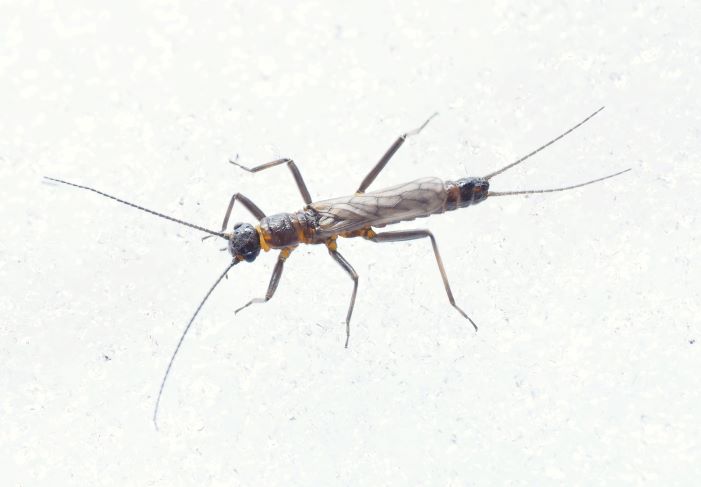
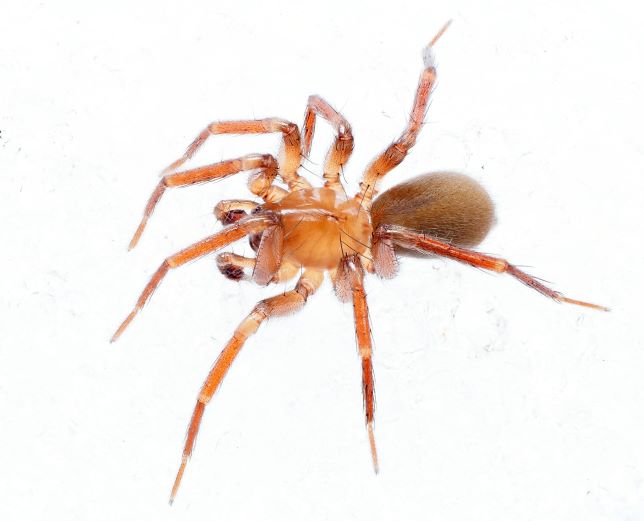
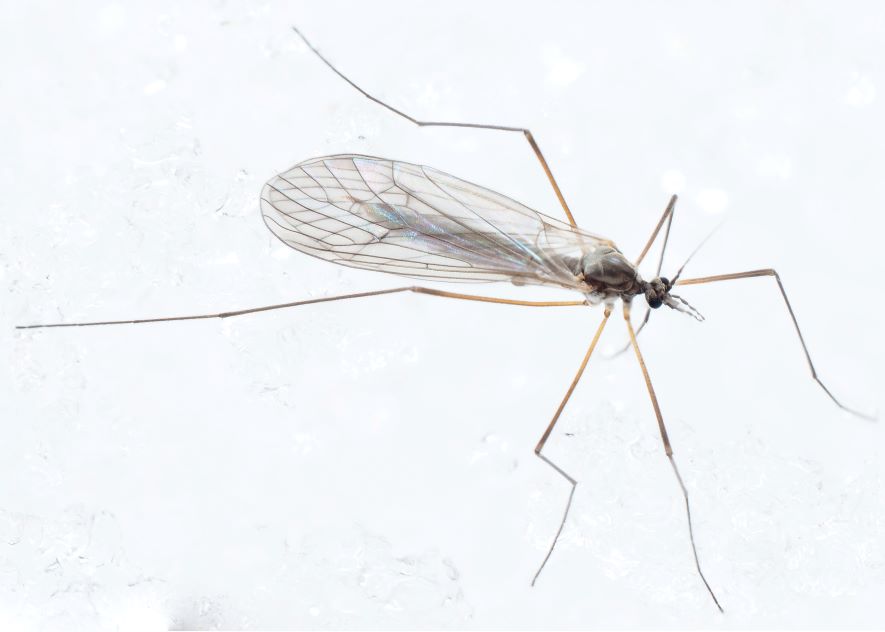
Most insects survive the winter in diapause, as pupae, eggs, or hiding as adults under bark or in other protected places. Birds know where to find them! A few insects are active, however, even in the cold. Norm Levey snowshoed in the riparian habitat at Tanner’s Brook and found winter stone flies, winter crane flies (very small: 7-9mm) and tiny non-biting midges, even smaller (4-5mm) recently emerged from the stream as adults looking for mates. Norm also photographed a spider, “Genus Cicurina, a sheet web weaver. The spider is six millimeters or 3/16 body length (Legs make it much longer.) This is a male and likely a young one. The spiders are hungry and emerge from the subnivean leaf litter to hunt springtails and small arthropods. Their bodies avoid freezing by producing cryoprotectant chemicals.”
In closing, I urge readers to check out neighboring Weston’s new digital newspaper, which includes interesting nature notes by Michael Pappone, the “Backyard Naturalist’. See link.
Links
To See Carol Roede’s Trail Cam Footage of Mallard and Black Ducks
https://drive.google.com/file/d/1nGG-dRoZT_VxKFj55rYc_HbK3ktSSj3_/view?usp=sharing
To read about winter wildlife survival adaptations
https://www.massaudubon.org/news/latest/wicked-winter-survival-adaptations
To read about sugar maple trees and the sap flow
https://www.massmaple.org/about-maple-syrup/how-sugar-maple-trees-work/
To read about insects in diapause
https://www.schlitzaudubon.org/2020/11/16/how-insects-survive-the-winter-diapause/
To read “The Backyard Naturalist” in the Weston Observer