
Written by Gwyn Loud for the Lincoln Land Conservation Trust. She welcomes your sightings and questions at 781-259-8690 or gwynloud555@gmail.com.
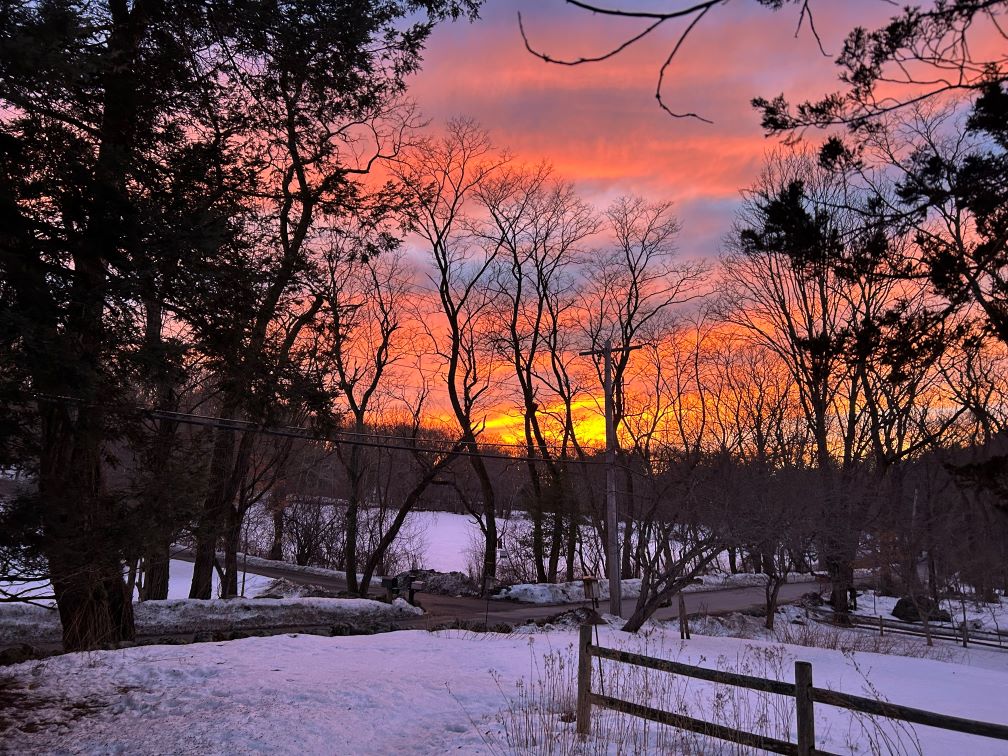
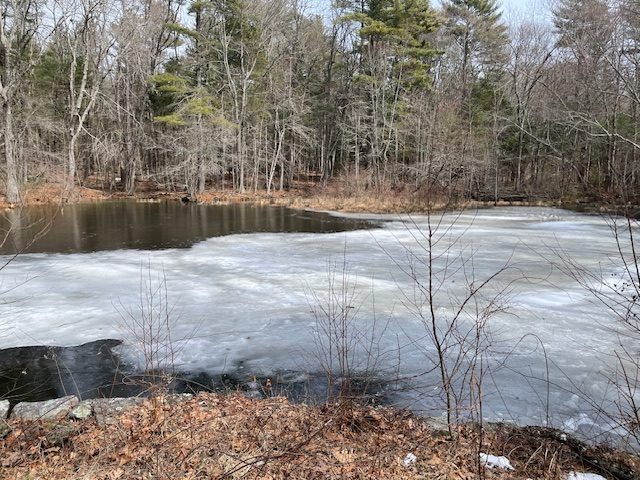
A blizzard on February 23 gave us over twenty inches of snow and the weather in March swung wildly from severe cold to summer teasers, such as 75℉ on March 10. Such is the nature of March, a month of transition and awakenings. The vernal equinox ushered in spring officially on March 20, and signs of the new season are all around us as days lengthen, birds sing, and a few remaining snow piles from a very snowy winter melt away. As I write, some ponds which get little sun are still largely ice-covered, but, in general, the big melt happened quickly. Is it safe to put away the snow shovel? Mine remains by the door, just in case, but the cross-country skis are back in the barn. Given the rushing streams, a snowy winter, and recent rain, it seems paradoxical that northeast Massachusetts is actually in critical drought status due to low ground water. See link to learn more.
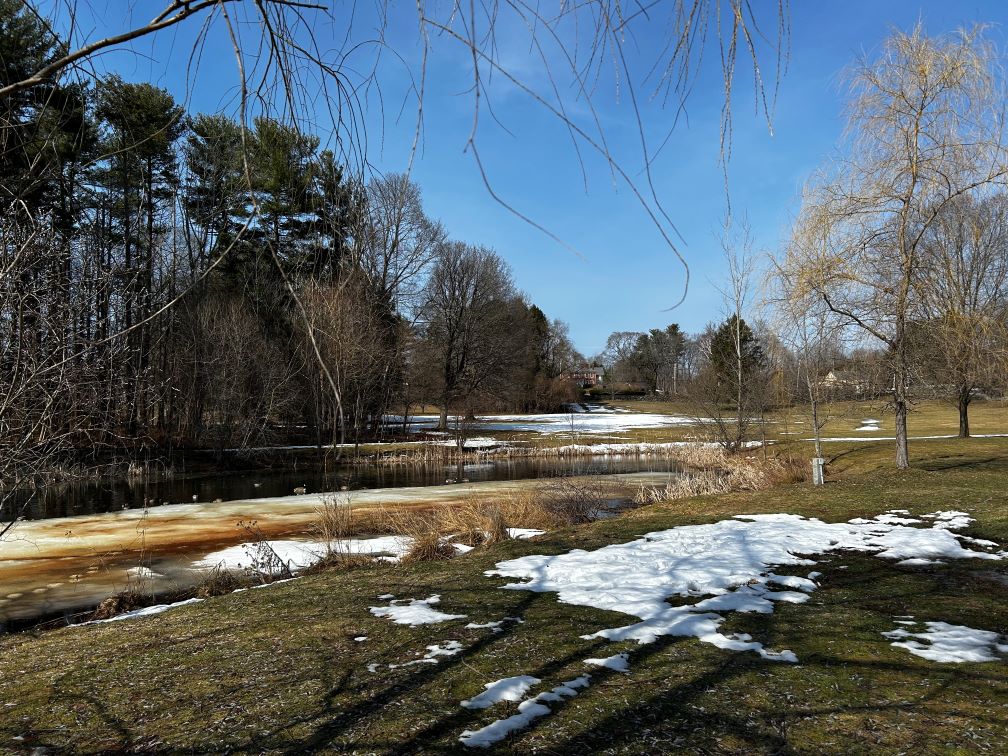
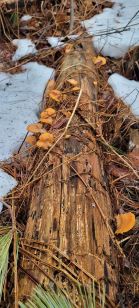
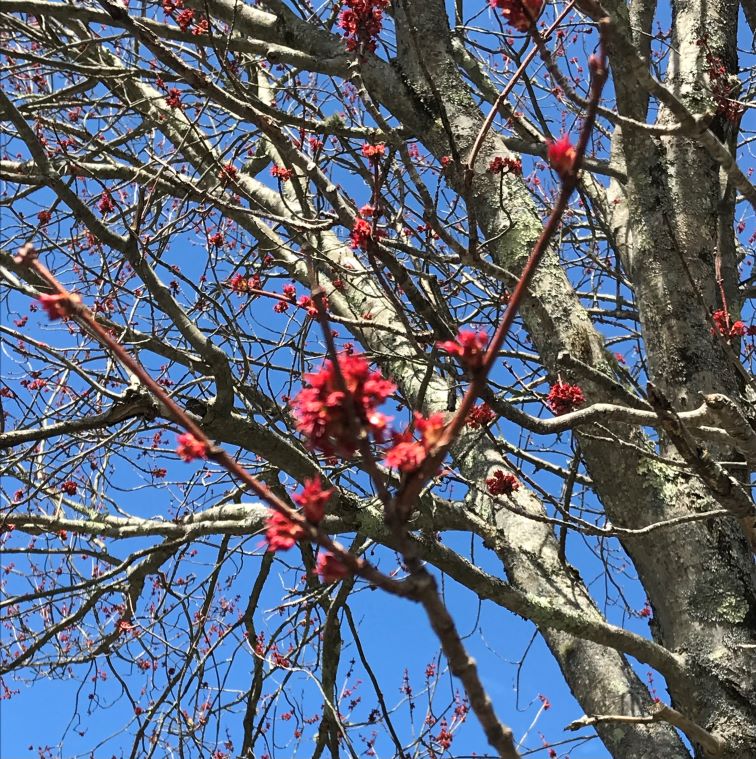
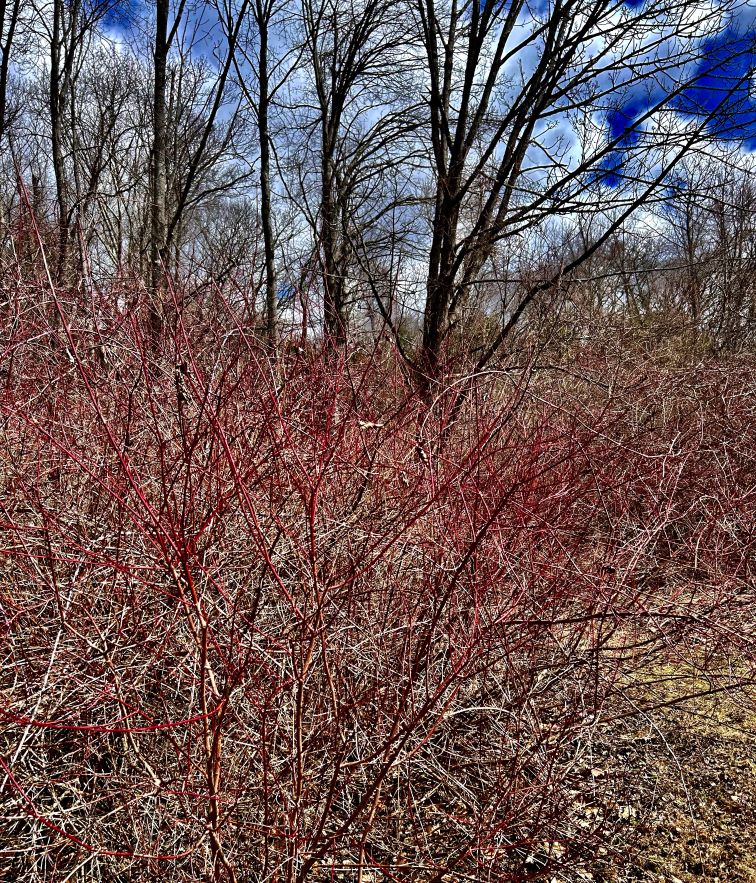
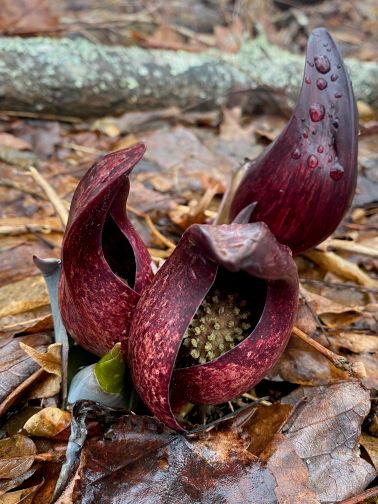
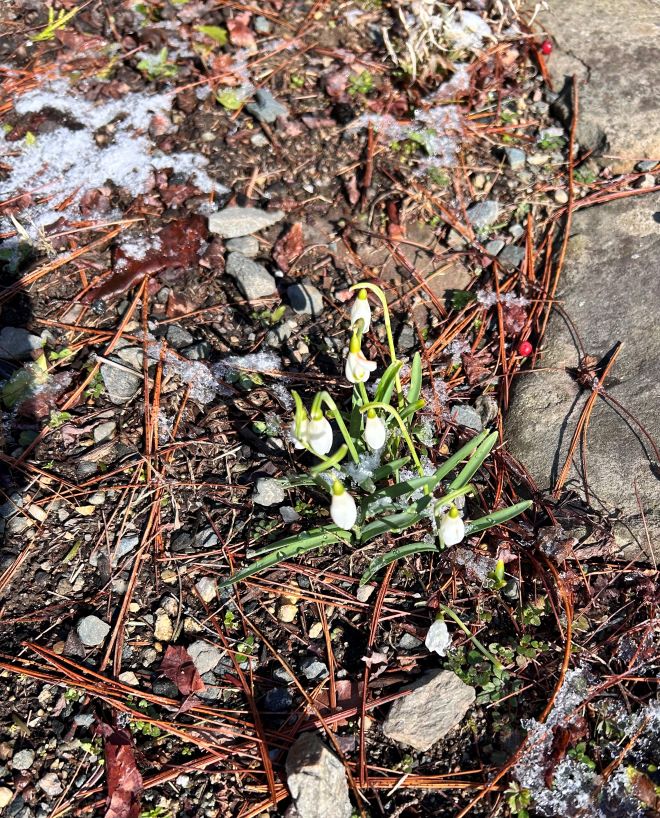
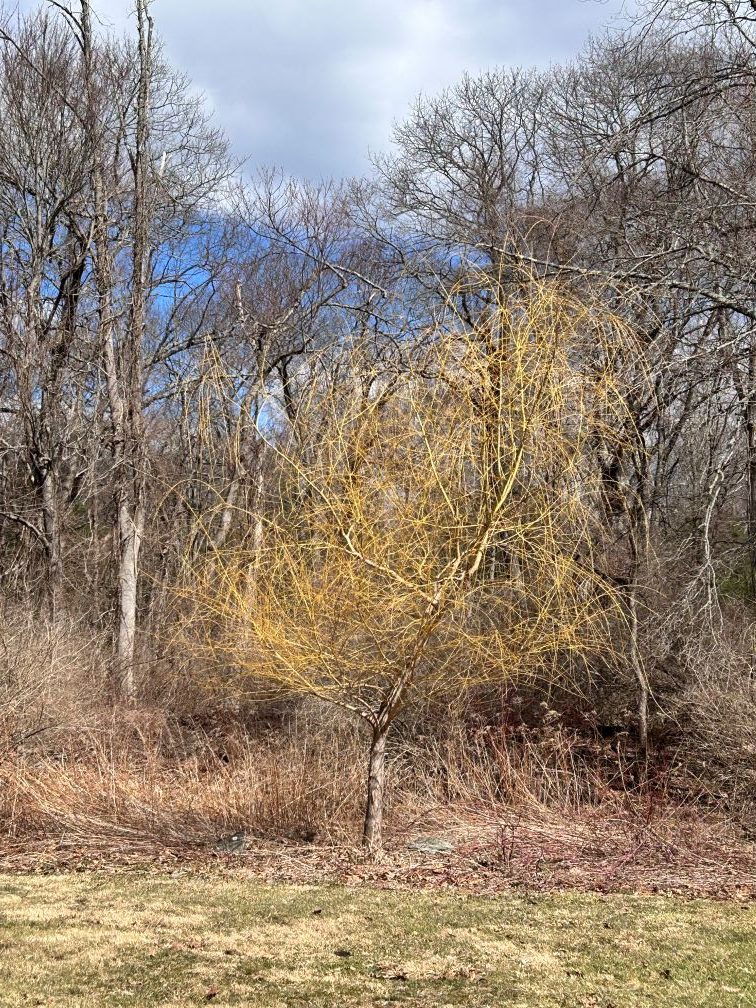
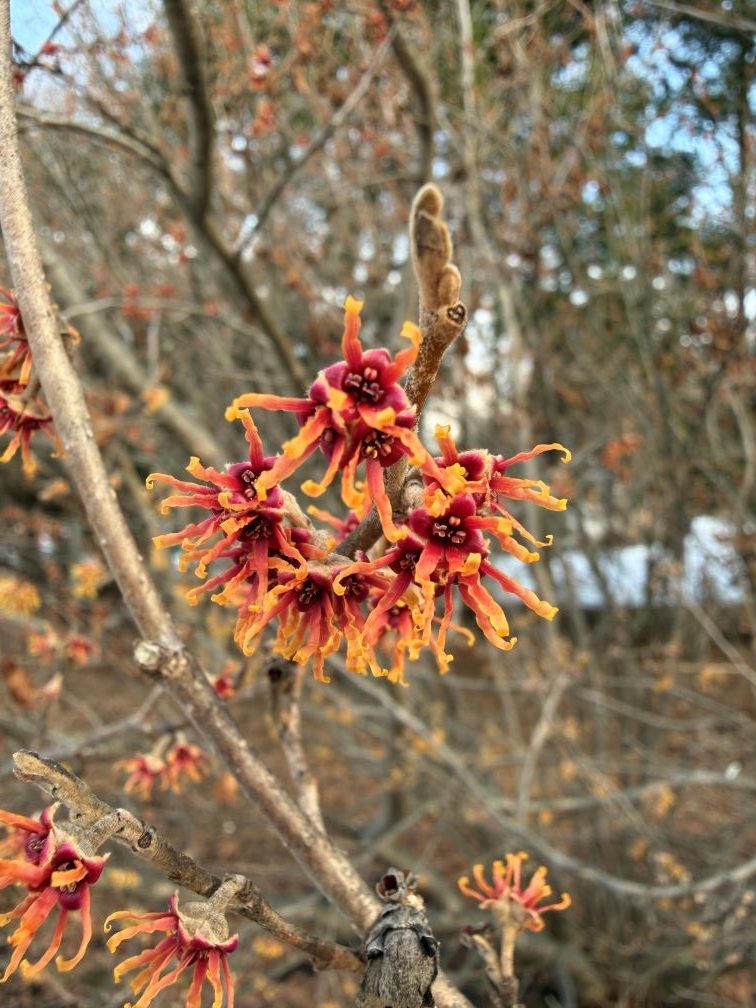
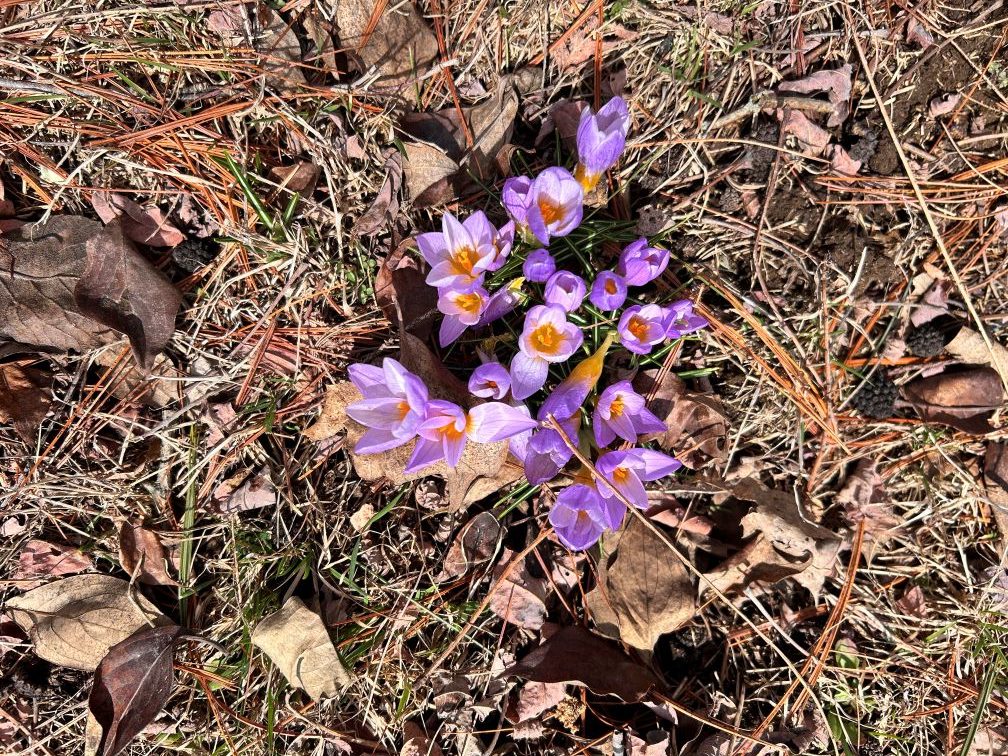
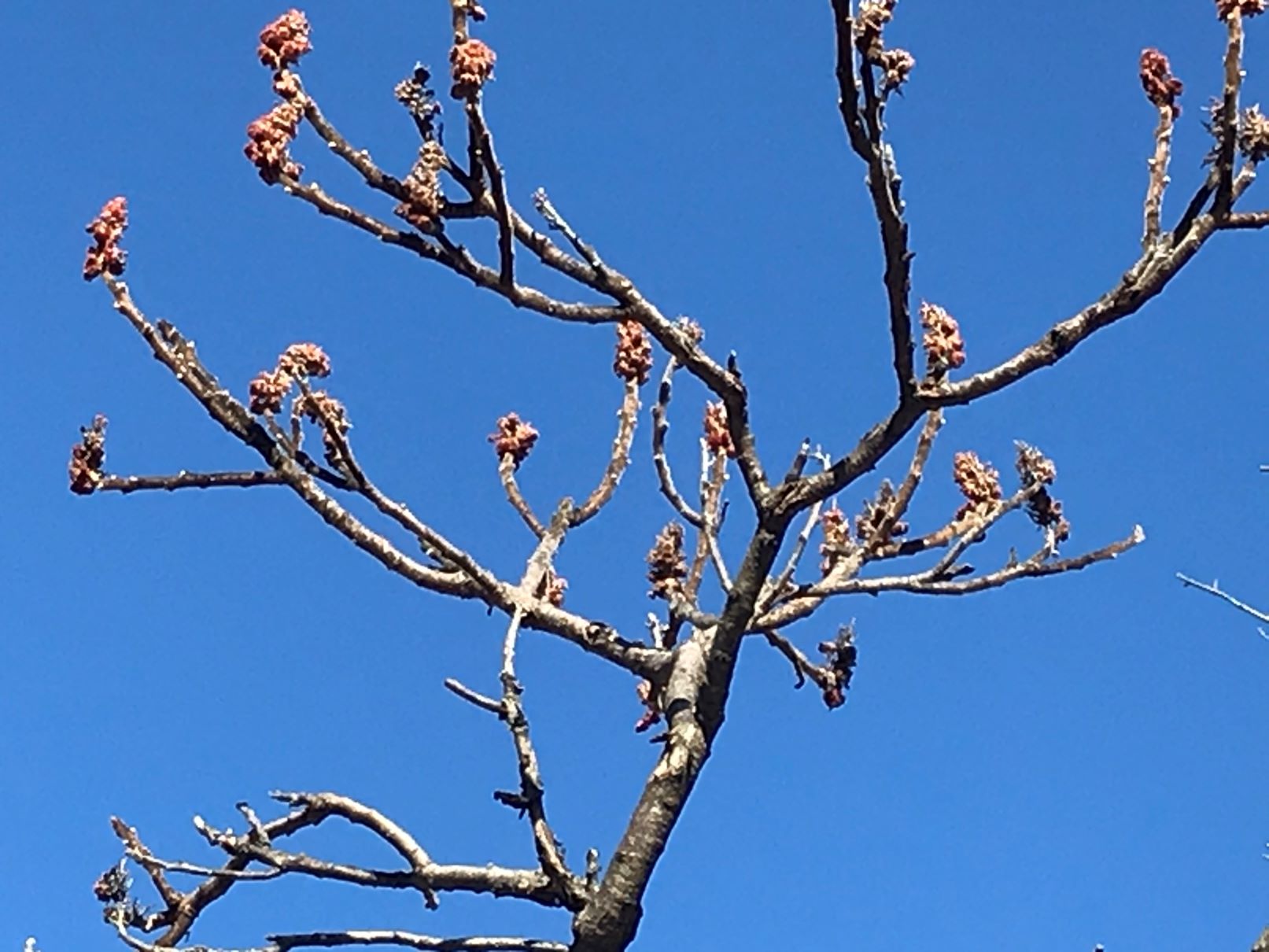
The palette of the landscape is largely brown but each day more hints of green appear in lawns, willows are yellowing, and the buds of red maples will soon burst into flower. Silky dogwood’s red stems provide color and snowdrops and crocuses bring cheer in gardens. Some homeowners have witch hazel (not wild) in bloom. Staghorn sumac’s hairy berry clusters can still be found; birds and other wildlife wait to eat them as “emergency food”, once more palatable berries have been consumed earlier in the fall and winter. Fungus such as mock-oyster (orange) may brighten your woodland walk. The purple spathe of skunk cabbage, a common but unusual plant found in marshy spots and along streams, is now visible. As I wrote in an earlier column, “skunk cabbage is among a small group of plants which produce their own warm micro-climate in a process called thermogenesis. In this process, skunk cabbage increases its intake of oxygen and rapidly burns starch from its massive underground root system, thus creating heat, which it maintains at a steady 72℉, no matter what the outside temperature is. The pollen in the flower provides early food for honeybees, and insects such as carrion beetles, flesh flies, and blowflies are attracted to the skunk cabbage’s fetid carrion-like odor, which is intensified by the plant’s warmth. Several species of spiders then prey upon these insects- a whole food chain happening in a small warm space.” Supposedly the roots may live over 200 years!
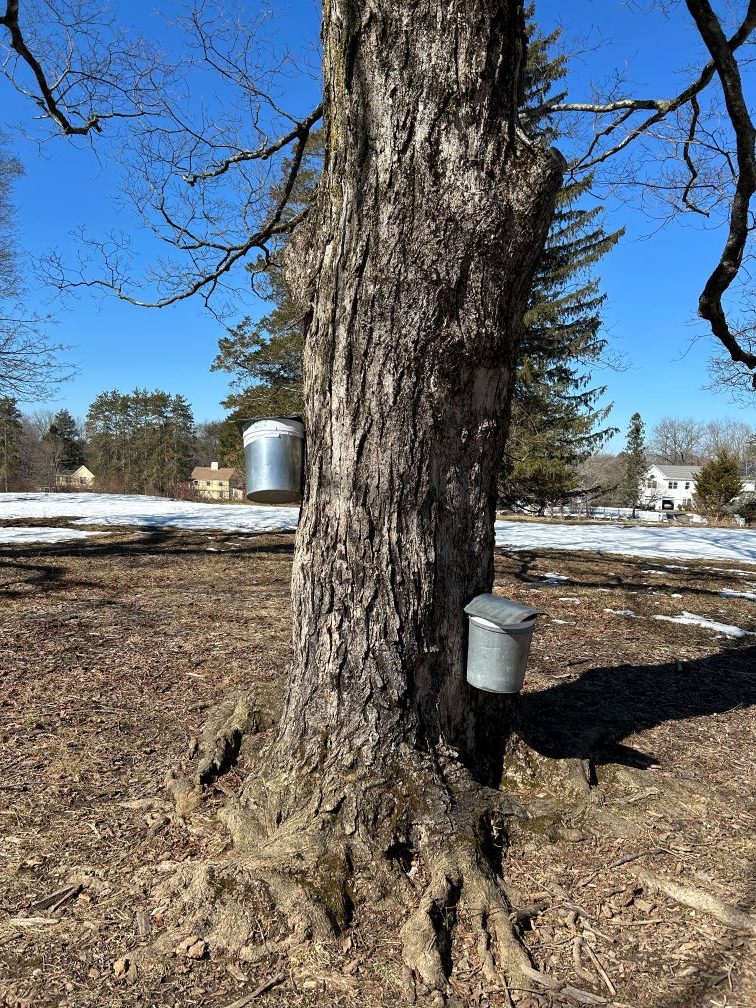
We have observed sap buckets hanging on sugar maples around town. Nan Bergen and Eph Flint run a sugaring business and say this will be a short season and probably not as productive as usual, due to deep snow around the trees, requiring lots of shoveling, then temperatures which were unfavorable. Ideal weather for sap flow has nights below freezing and sunny days, with temperatures in the mid-forties.
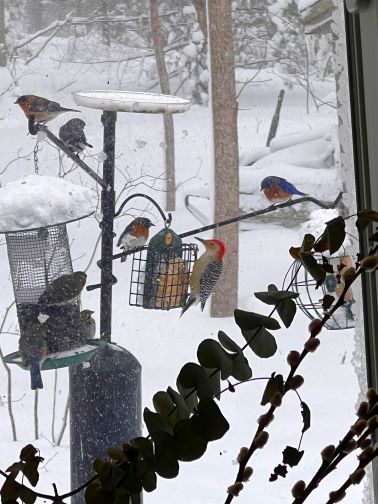
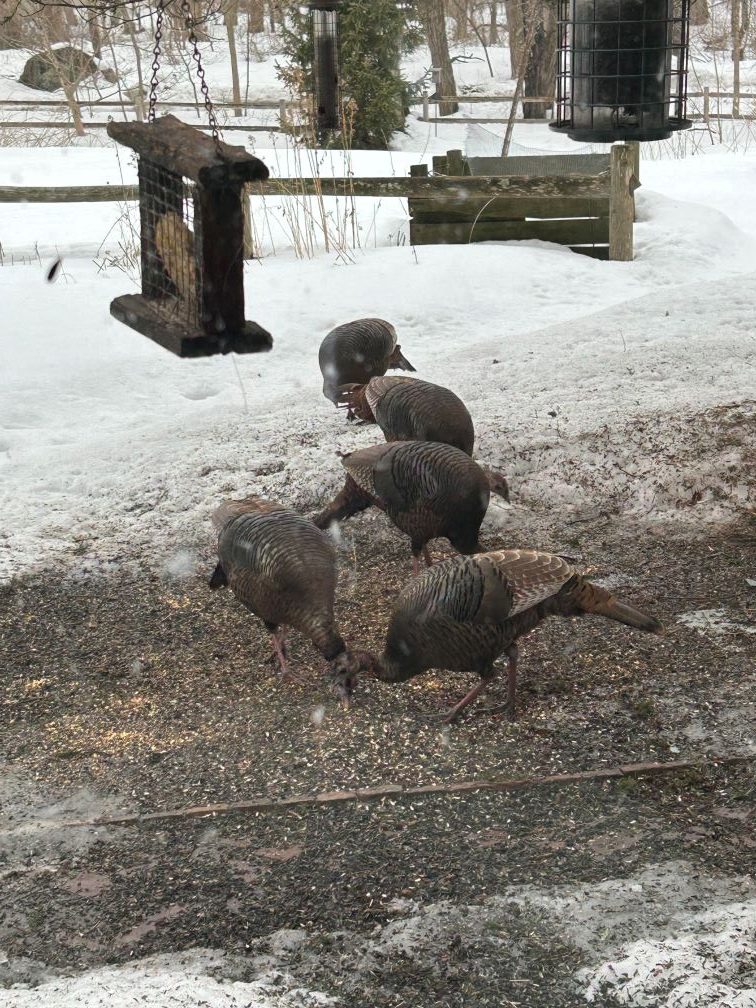
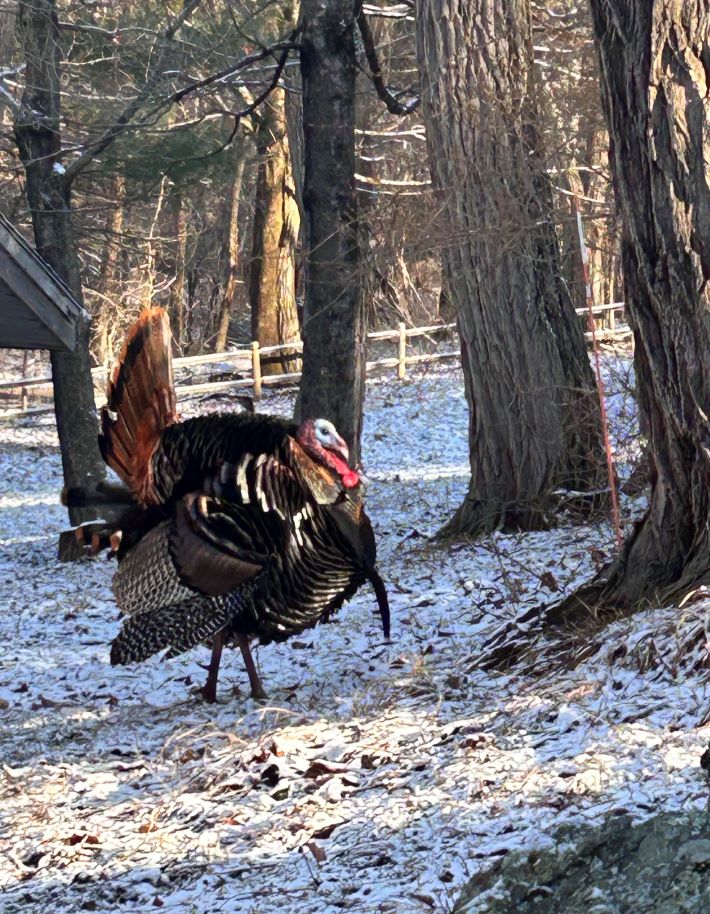
Increasing bird song is noticeable and welcome, starting with the mournful cooing of mourning doves as early as 4AM. Birds sing at this season primarily to attract mates and establish nesting territories, so they are busy! Winter visitors such as white-throated sparrows are “dressing up” in crisp breeding plumage, and dark-eyed juncos are trilling their spring songs. Both of these species will leave us soon to breed farther north. American goldfinches are molting to their summer plumage, with the males already showing hints of yellow. The skin on the skin of wild turkey toms (males) turns white, vibrant red, and blue to entice hens when the toms strut about in their mating displays.
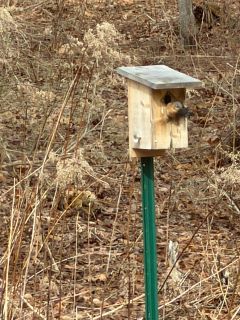
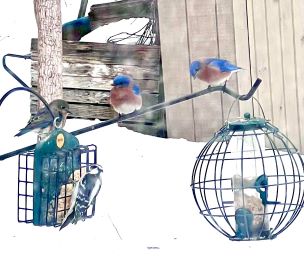
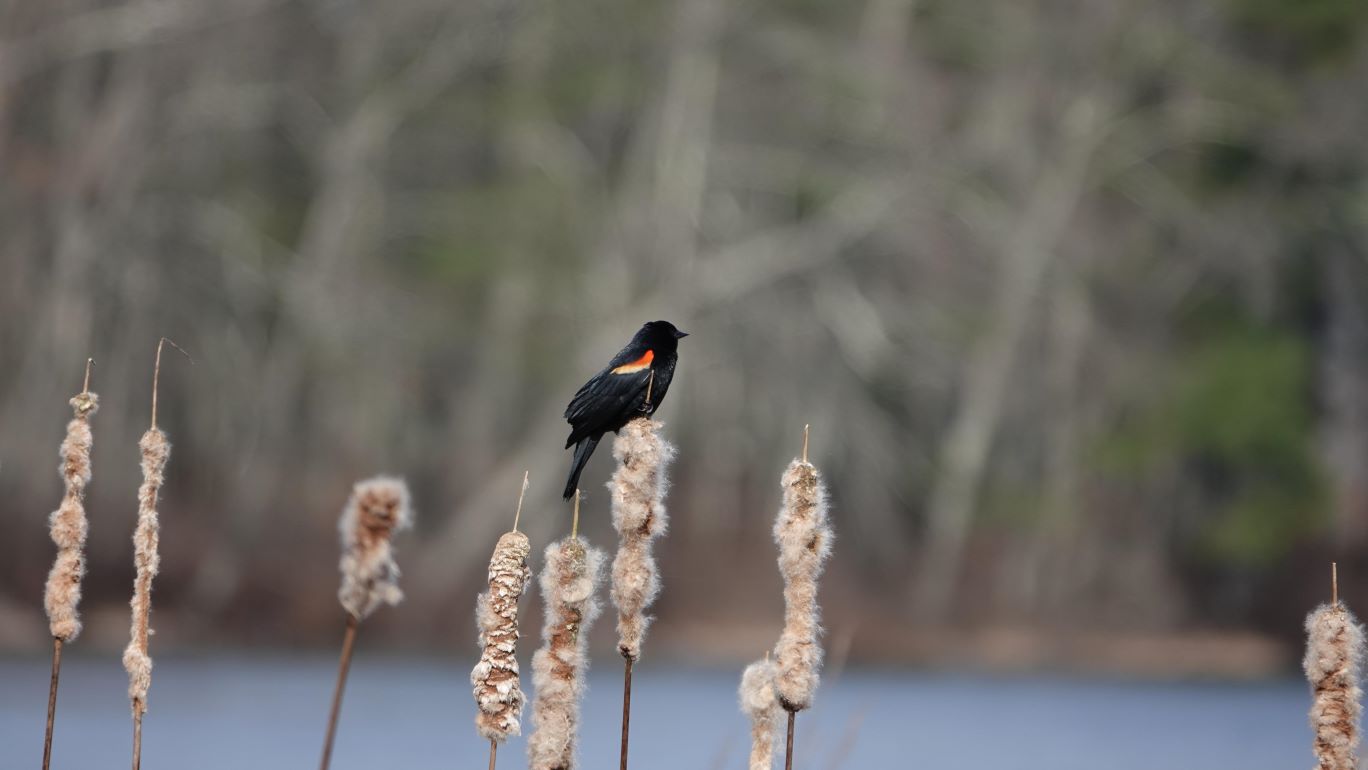
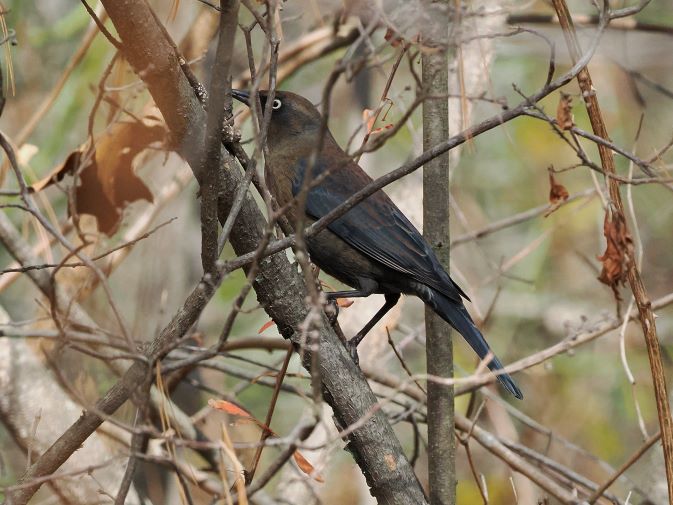
Flocks of grackles, red-winged blackbirds, and robins are back from points south. Brown-headed cowbirds have been seen, and a few killdeer have taken up residence in plowed fields, where they will nest right on the ground. Eastern bluebirds are investigating real estate (aka bird houses) and owls such as screech owls, barred owls, and great-horned owls are already on the nest. Other early avian arrivals include turkey vultures, pine warblers, and tree swallows. Rusty blackbirds and fox sparrows, both spotted recently, are migrants just passing through on their way north. The American woodcocks arrived on time in mid-March, with the males primed to do their mating dance ritual in damp fields soon after sunset. Check link to see and hear it. Great blue herons have returned and will start right away fixing up old nests made of sticks high on dead trees along streams or in swamps.
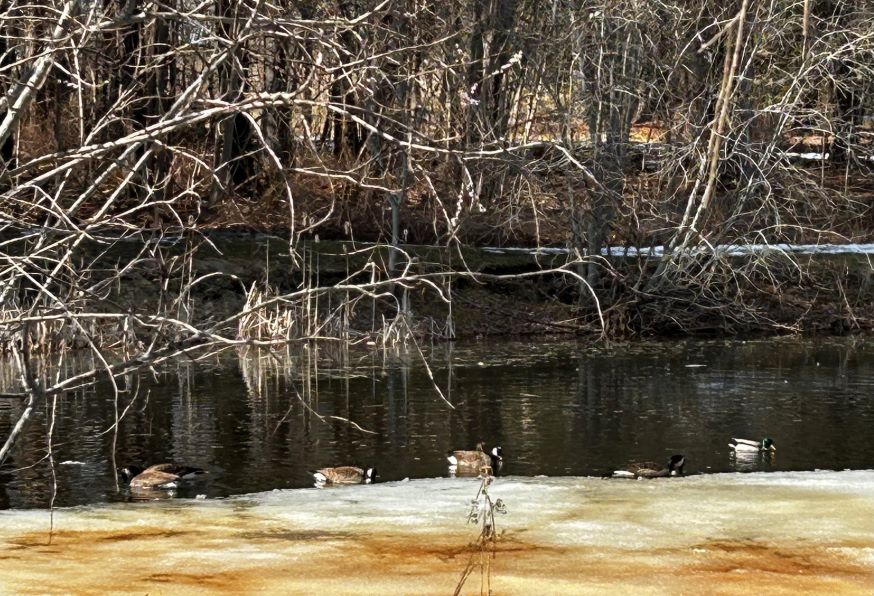
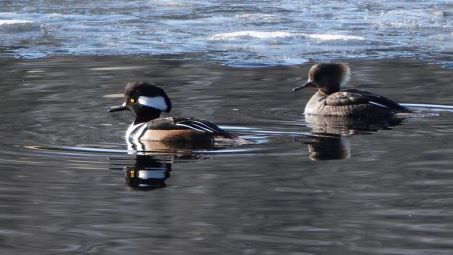
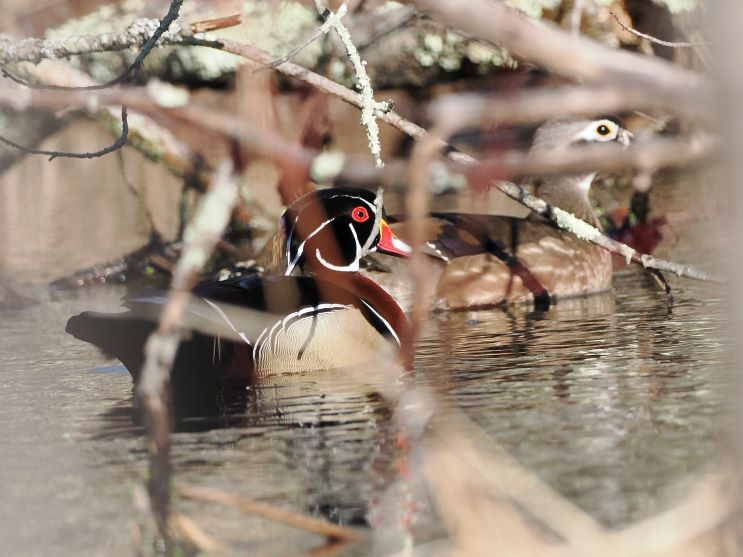
Farrar Pond, Flint’s Pond, Valley Pond, and the Cambridge Reservoir have hosted many rafts of ducks recently, including common mergansers, hooded mergansers, and bufflehead, all passing through on their way farther north. Wood ducks were early spring arrivals in secluded ponds; they will nest here, raising their brood in tree cavities or wood duck boxes. As usual, mallards and Canada geese are common Lincoln residents.
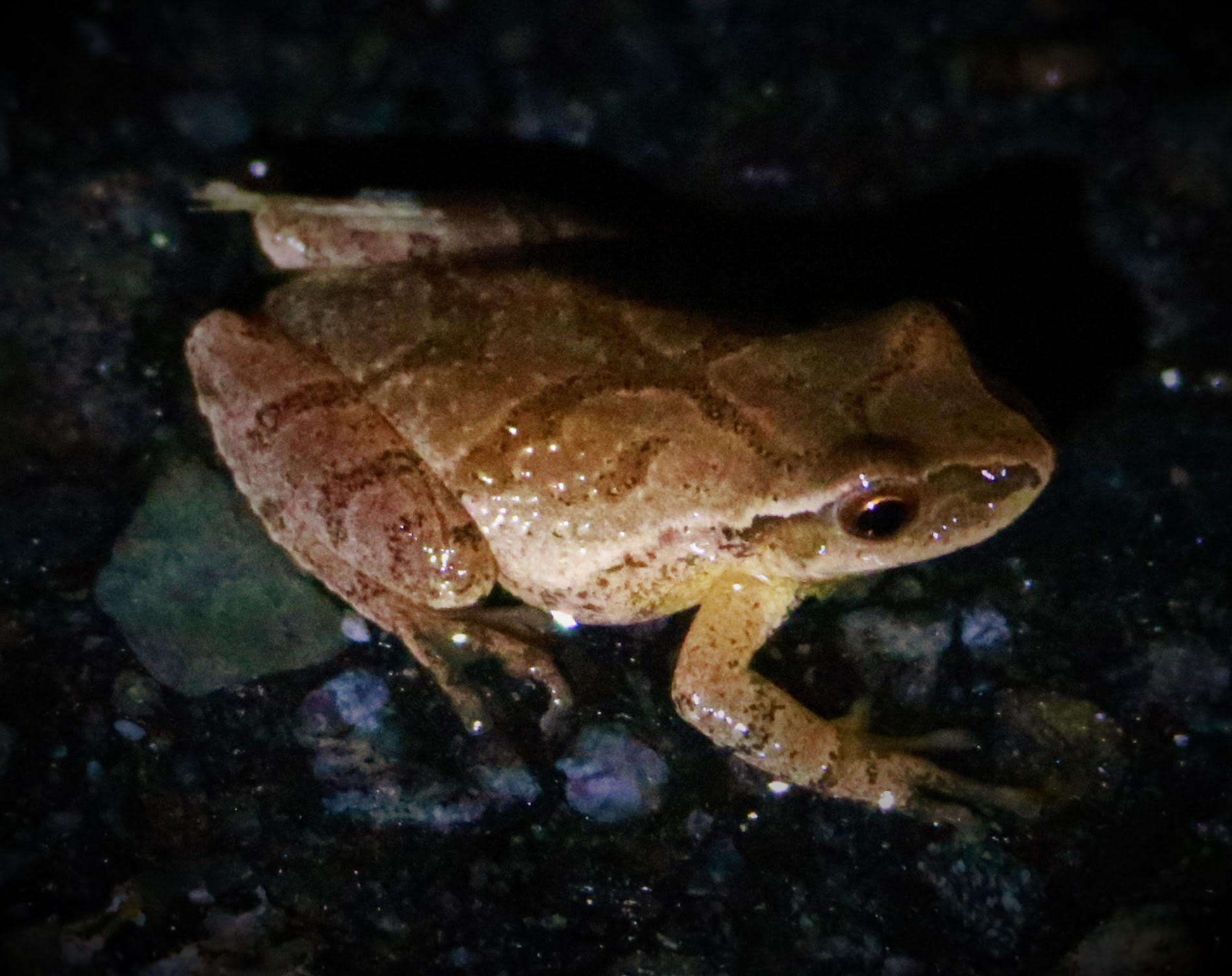
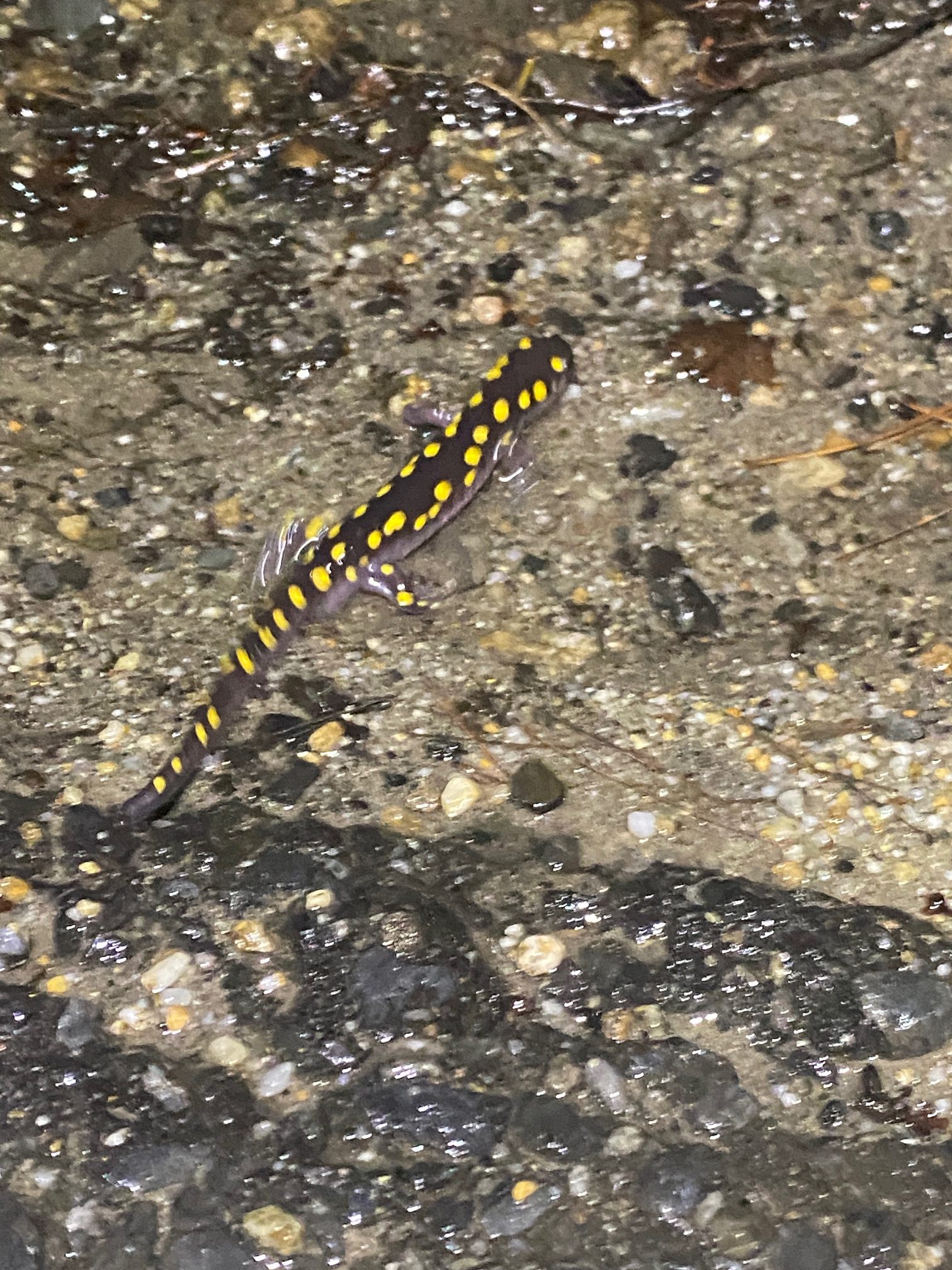
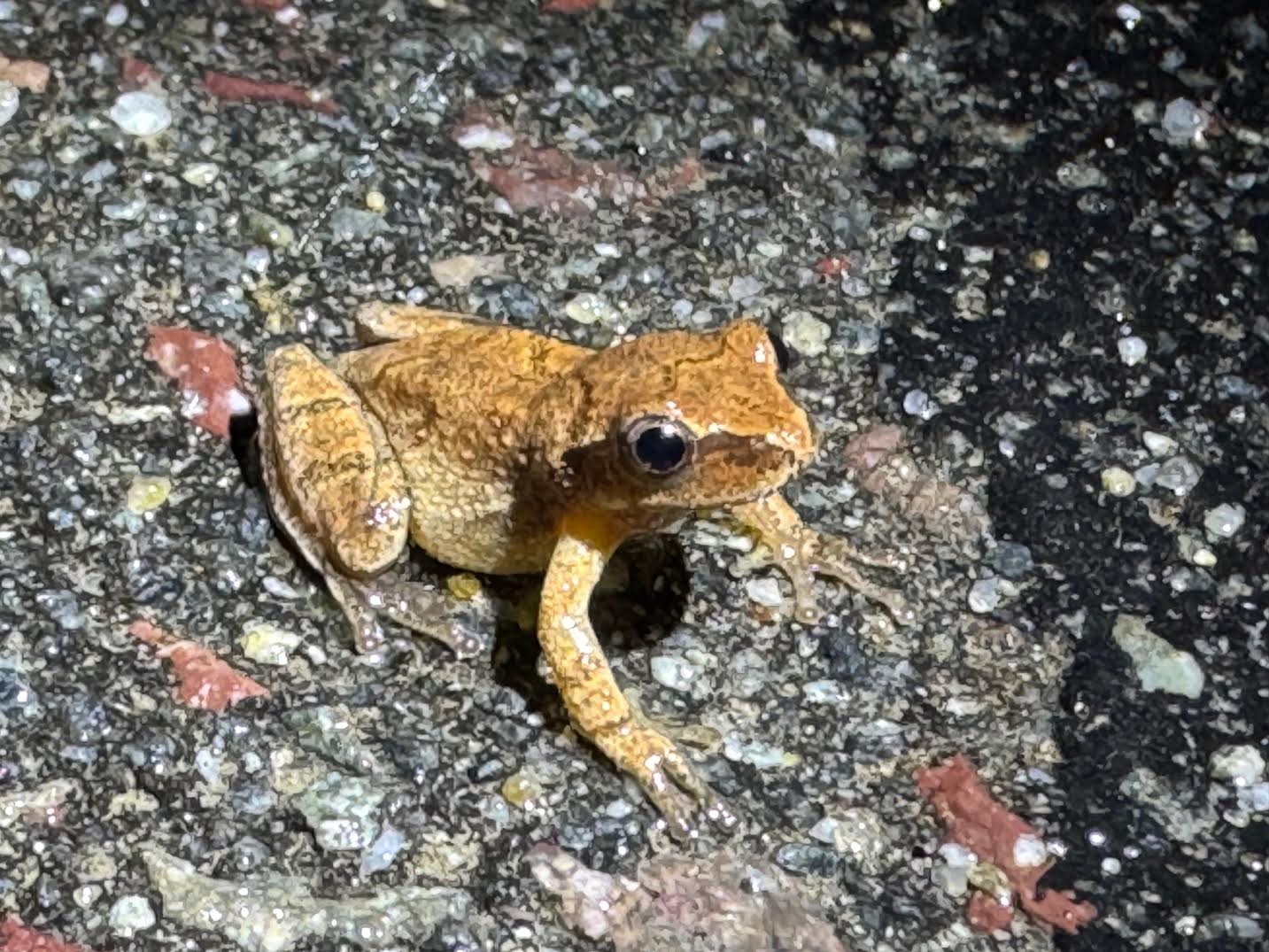
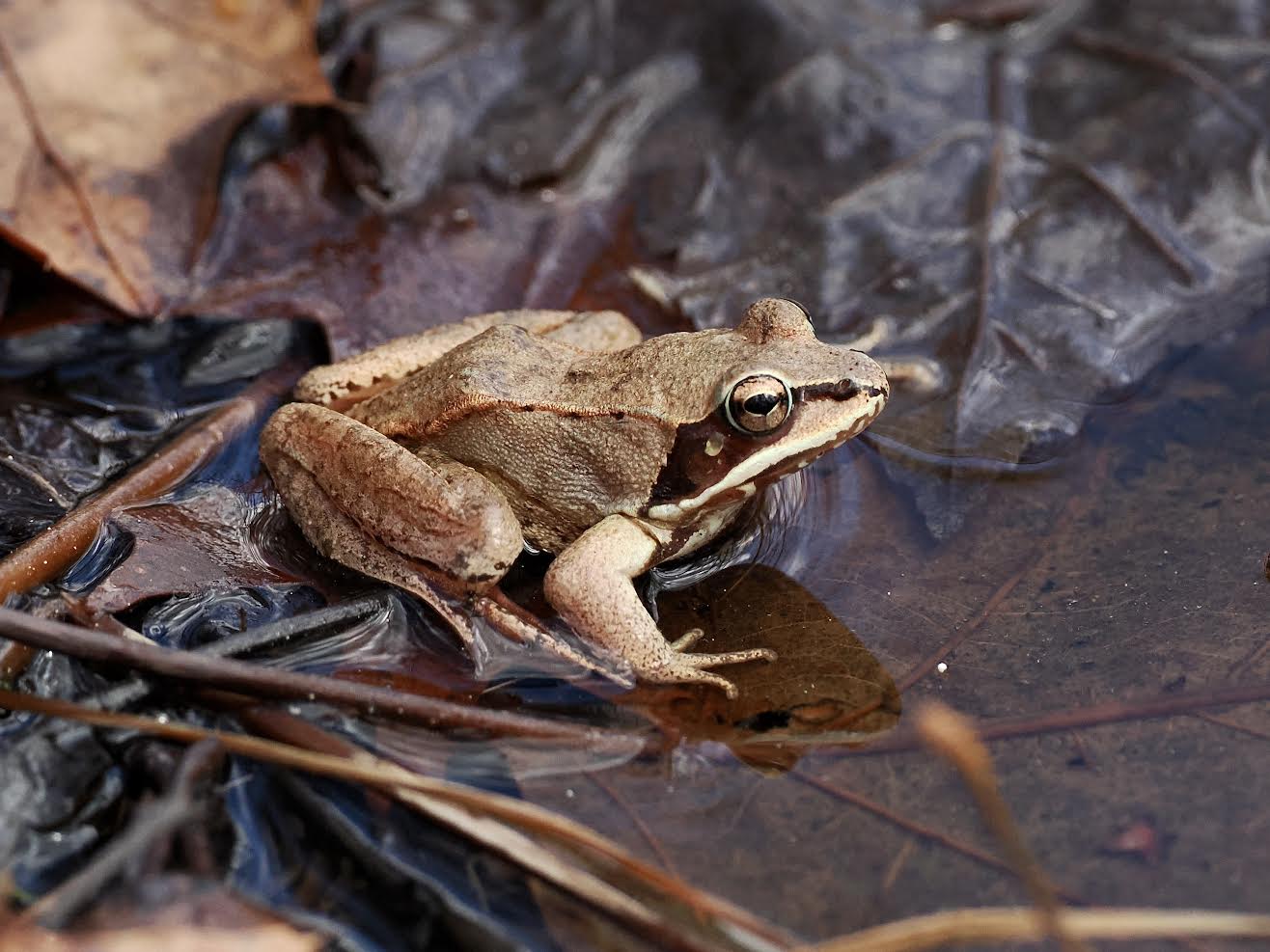
On the evening of March16 the conditions were perfect for the annual amphibian migration of spotted salamanders, wood frogs, and spring peepers to their natal vernal pools. These amphibians spend the winter in protected places in the woods, and after laying eggs in the vernal pools, the wood frogs and salamanders will return to the woods for the rest of the year. The salamanders do not make sounds, but the wood frogs sound a lot like quaking ducks for the roughly two weeks when they are mating and laying eggs, in gelatinous fist-sized blobs. The spring peepers are tree frogs, with sticky pads on their toes which allow them to climb up twigs and stems of grass in the swamp. They lay their tiny eggs singly or in small clusters, and will sing their loud chorus for several months.
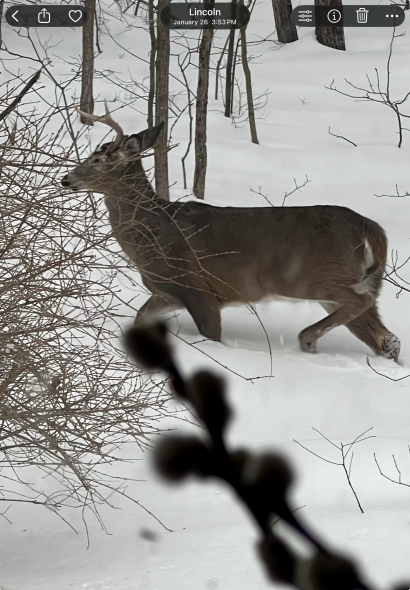
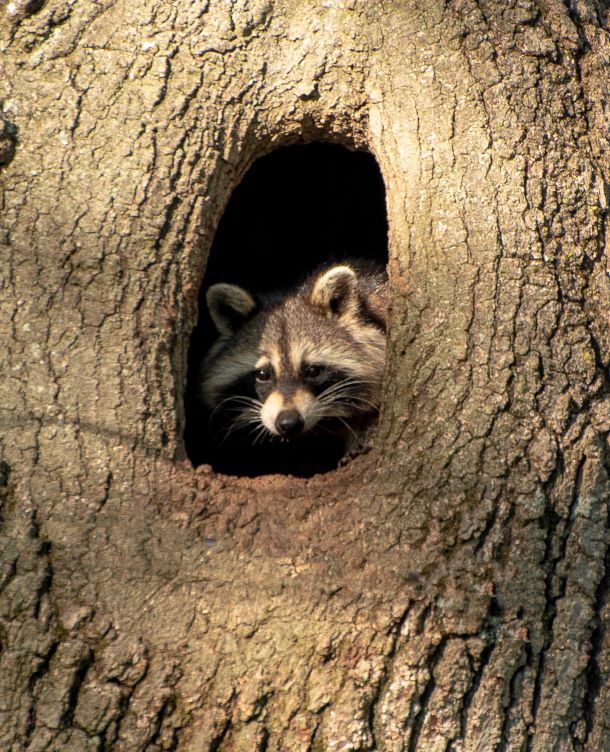
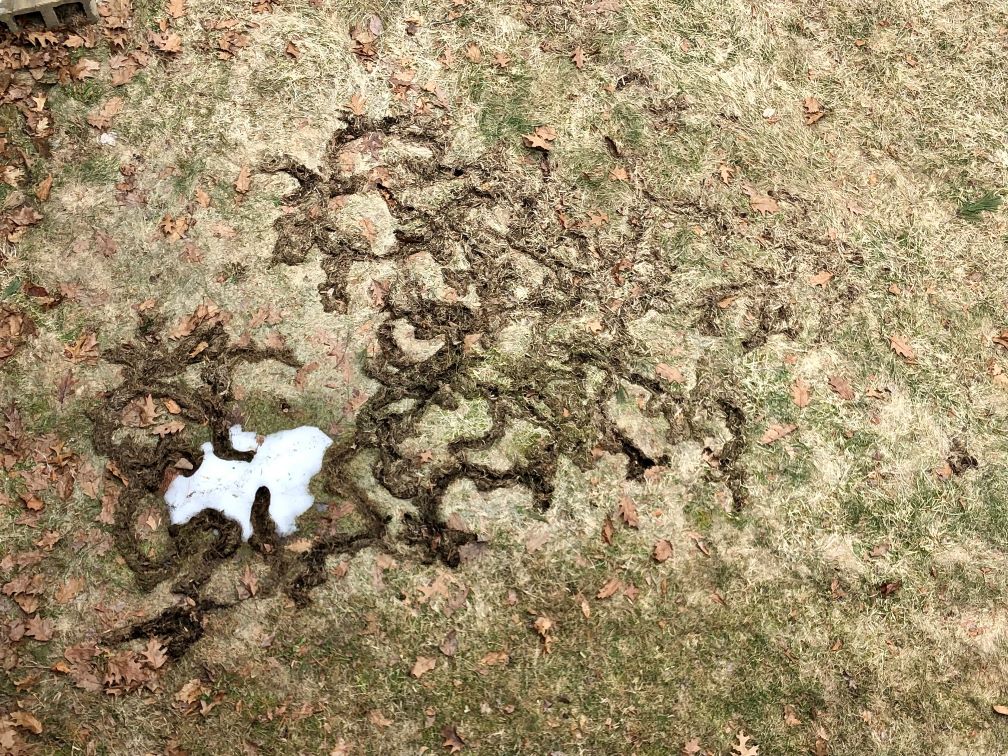
Many of our local mammals are breeding at this season, including woodchucks and chipmunks. I have not personally seen chipmunks or woodchucks yet but expect to any day. Woodchucks are true hibernators and the chipmunks have just been in a dormant state in their burrows. River otter, gray fox, mink, otter, and striped skunks are also breeding; the Drumlin Farm trail cam picked up pair of skunks denning under the shrub pile, which sounds promising. I read that skunks give birth to four-eight young in May or early June, that they are born with musk, and can spray when they are only eight days old. Red foxes and fishers give birth now; observers on Bowles Terrace watched a fisher catch and eat a rabbit right after the blizzard in February. Raccoons have emerged from their winter naps and I suspect it was raccoons which recently took down a couple of my bird feeders at night, as I have caught them in the act before. This means I need to bring the relevant feeders inside each evening. It has been a rough winter for white-tailed deer, navigating deep snow and trying to find enough food. They have had to resort to eating twigs and bark, and a Woods End Rd. resident wrote that deer had eaten all the rhododendrons and azaleas from the ground up to nose height. Our small mammals such as voles, moles and shrews, have been bustling about all winter in subnivian tunnels, which provide protection and a steady temperature of 32℉ under the snow. Now that the snow has melted, the patterns of tunnels are revealed.
I normally avoid politics in this column, but in this issue I want to urge Lincoln residents to vote in favor of Article 36 at Town Meeting on March 28. Passing the article would be the first step towards banning the use of anticoagulant rodenticides (ARs) on both public and private property in Lincoln. To quote Save Our Wildlife, “Raptors, foxes, coyotes, and other predators keep our ecosystems in balance. But rodent poisons- specifically first and second-generation anticoagulant rodenticides (ARs) – harm thousands of these creatures in Massachusetts each year after they eat poisoned rodents. SGARS can also harm children and pets who eat the poison itself.” See link to learn more, including about safe alternatives to rodenticides.
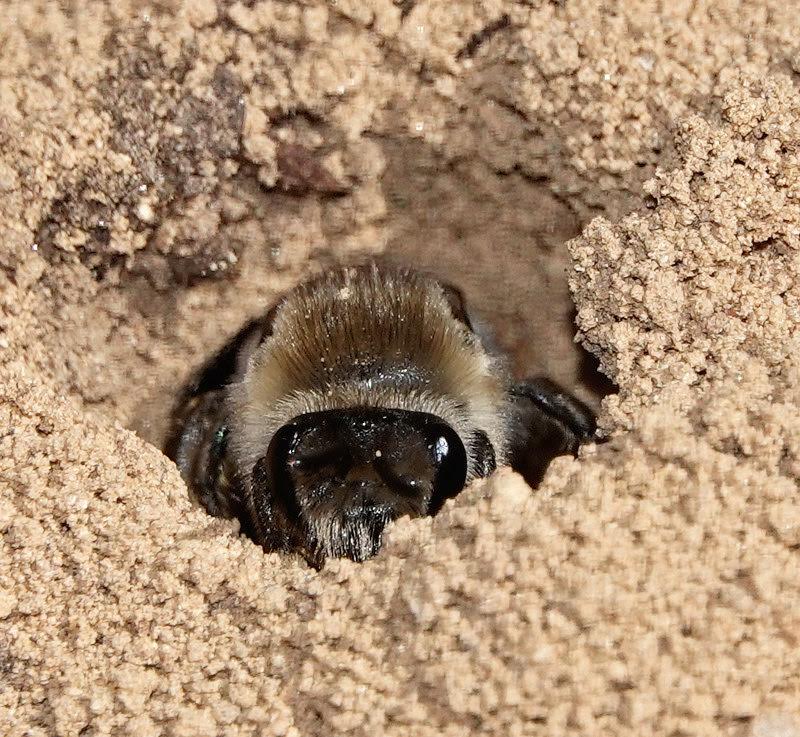
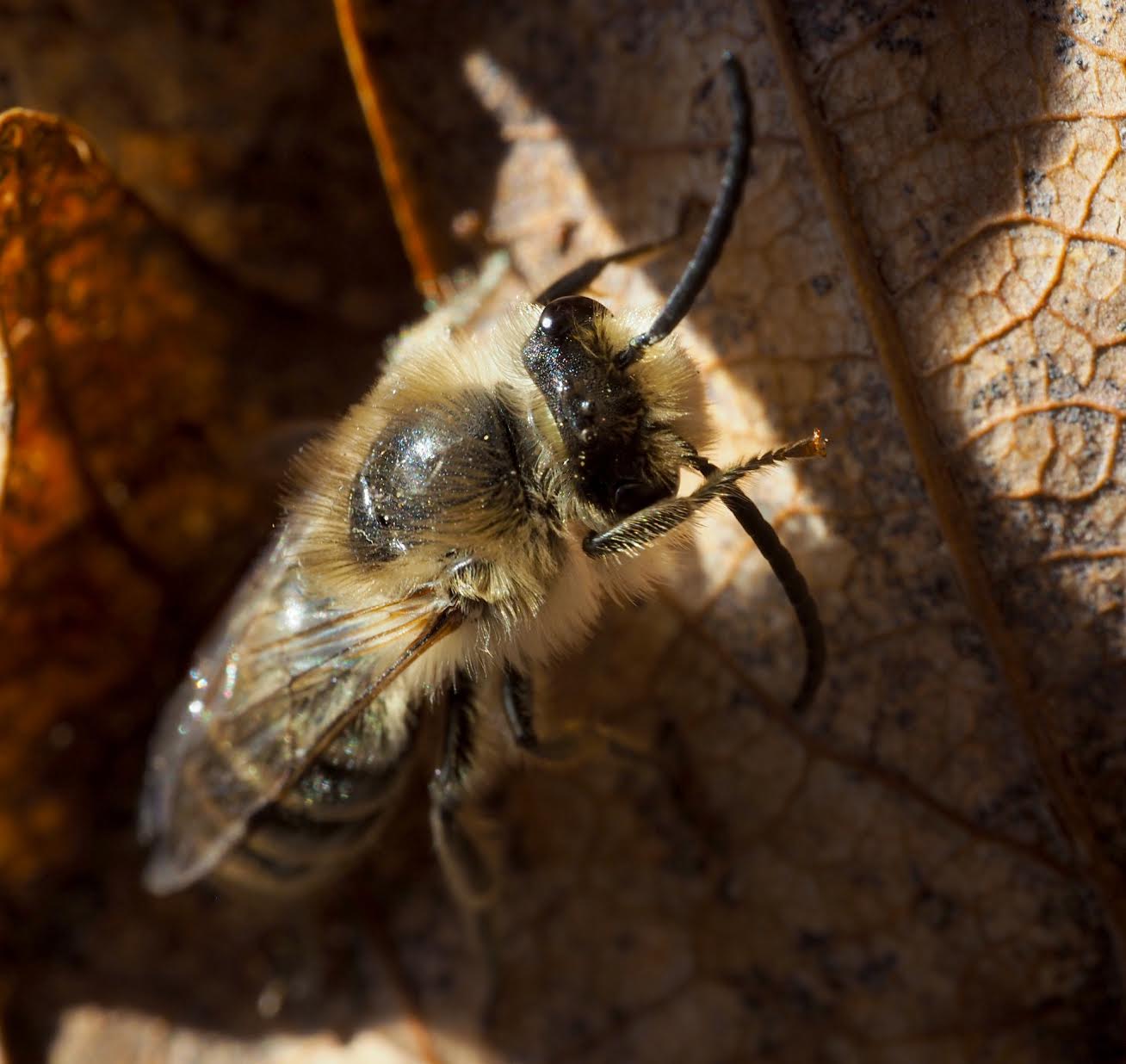
An insect we may notice climbing tree bark on mild winter days is the winter firefly. Unlike its summer relative, it does not flash. It is drawn to the sweet sap rising in trees and can find its way to sap taps and may fall into buckets of sap, giving it another common name: the sap-bucket beetle. Norm Levey writes about, “a truly first native bee of Spring called the Unequal Cellophane Bee which, like most solitary bees, nests in the ground. The nests are most often near early flowering pollen and nectar sources such as red maple and native willows The egg hatches into a larva and develops into an adult over the winter, emerging in March. Unequal Cellophane Bee nests form aggregations of several on sandy south-facing slopes. The mated females guard their nests against parasitoids while emerged males make circling flights in search of virgin female mates.”
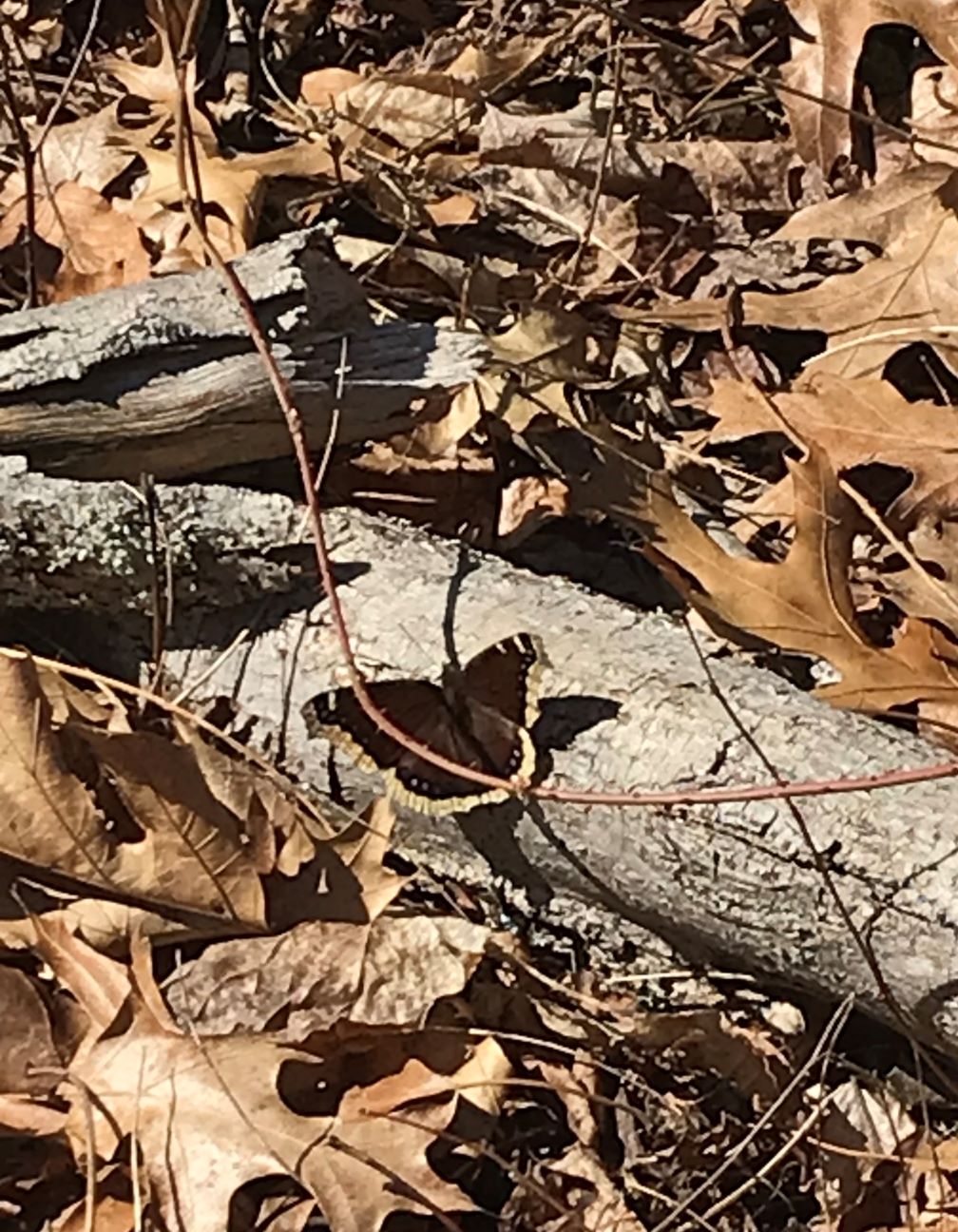
One of the first butterflies we may see in the spring is the mourning cloak, which, unlike most butterflies, over-winters as an adult. Look for its chocolate brown wings, bordered by yellow, with blue dots. Good news about monarchs! The World Wildlife fund, collaborating with other organizations, has published its 2026 report on the population of wintering monarch butterflies in the mountains of Mexico. The area the butterflies occupied increased 64% compared to last year. Overall, there has been a steady decline in the population, but this represents a hopeful one-year increase. This number refers to the eastern population of monarchs, which is the one we see in Lincoln. A western population migrates down the West coast, winters on the coast of California, and did not have a good year. Now, the monarchs which wintered in Mexico are starting their northward journey. We can think happy thoughts of seeing them in our gardens in a few months! You can follow the monarchs’ migration journey and report your own sightings on the Journey North website.
Links
To read about the status of drought in Massachusetts
To read about the American woodcock and hear its song
To read the 2026 population report for monarch butterflies
To follow the migration of monarchs and report sightings
To read more about why we should ban ARs, and safe alternatives