Written by Gwyn Loud for the Lincoln Land Conservation Trust. She welcomes your sightings and questions at 781-259-8690 or gwynloud555@gmail.com.
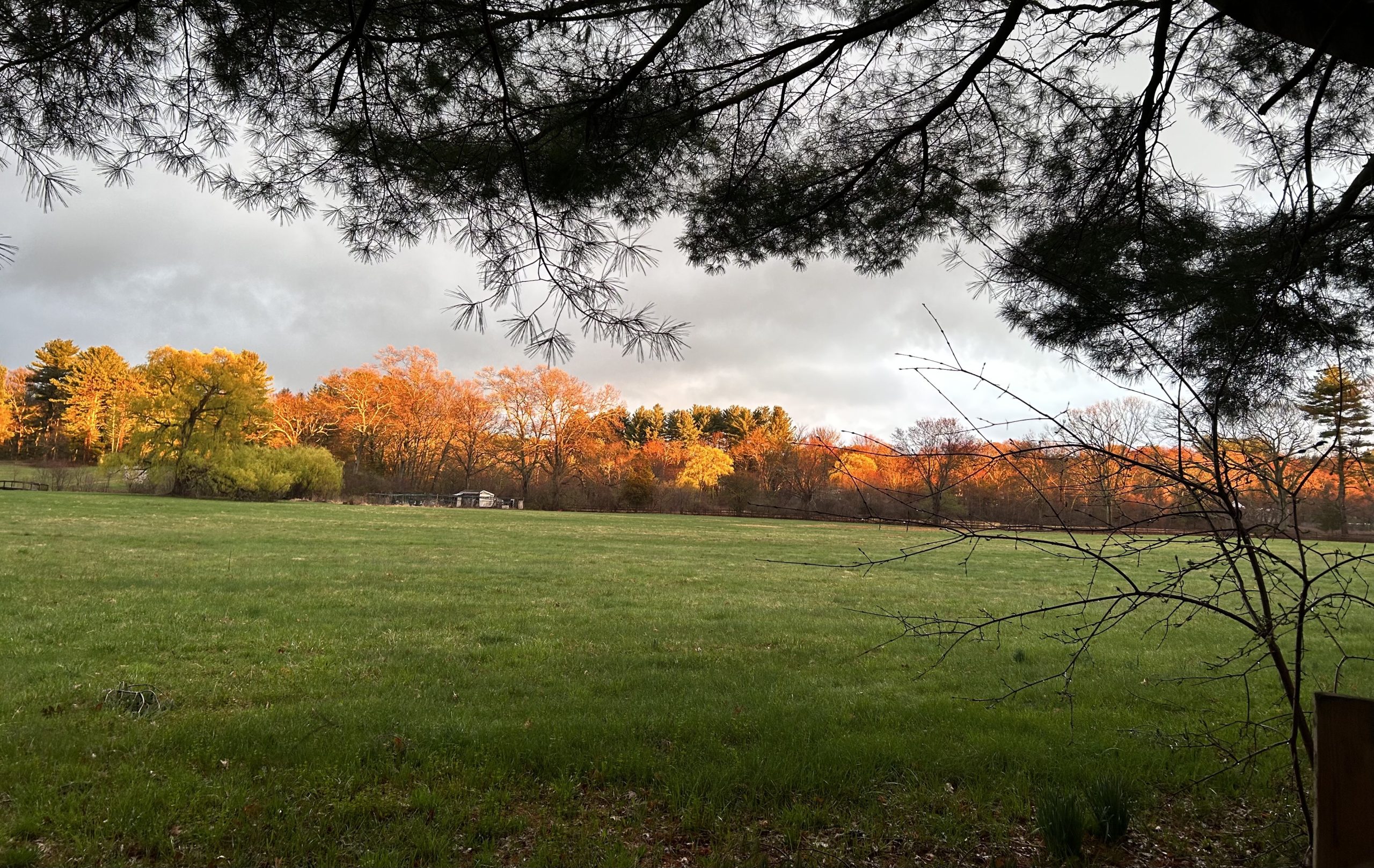
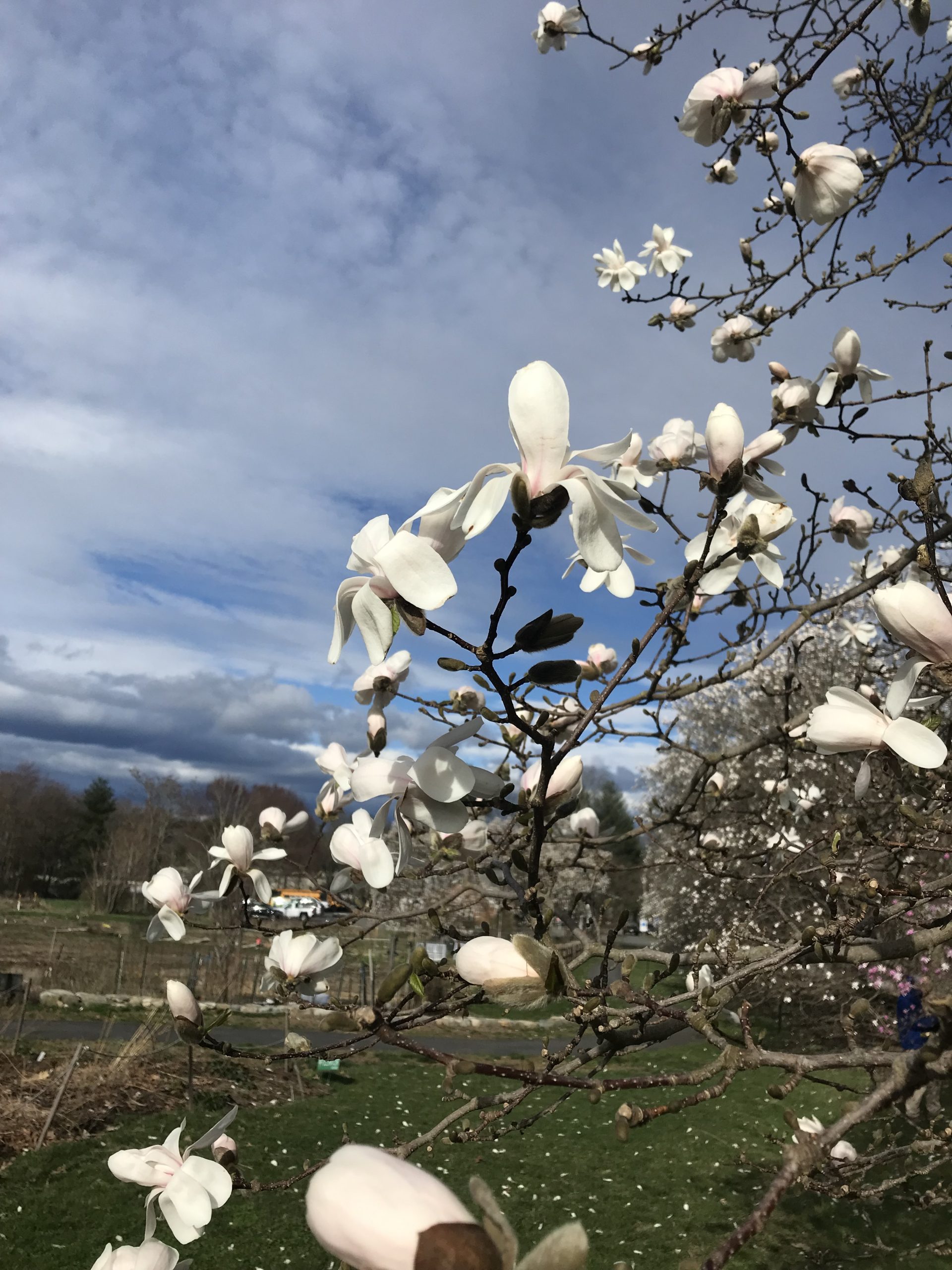
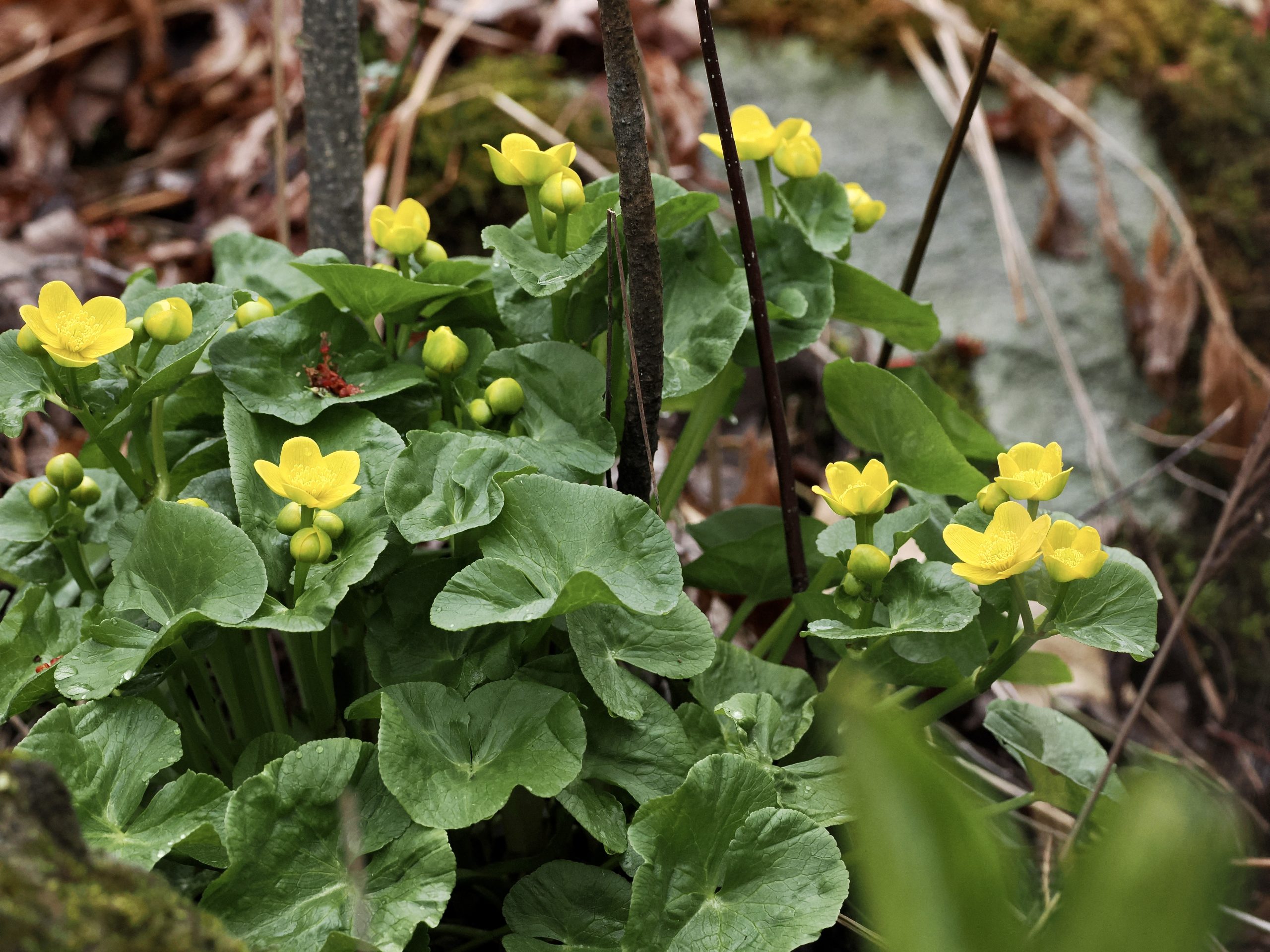
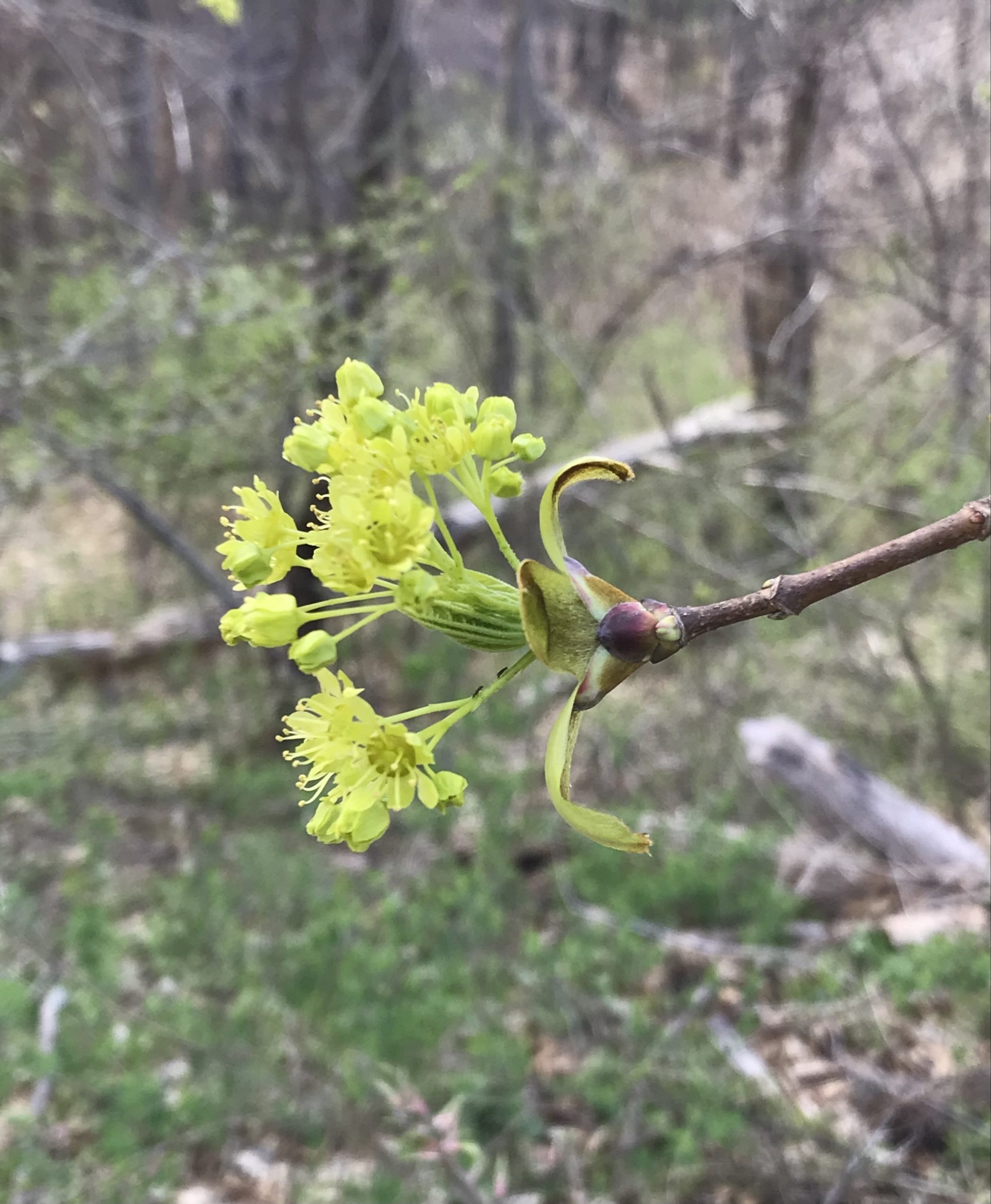
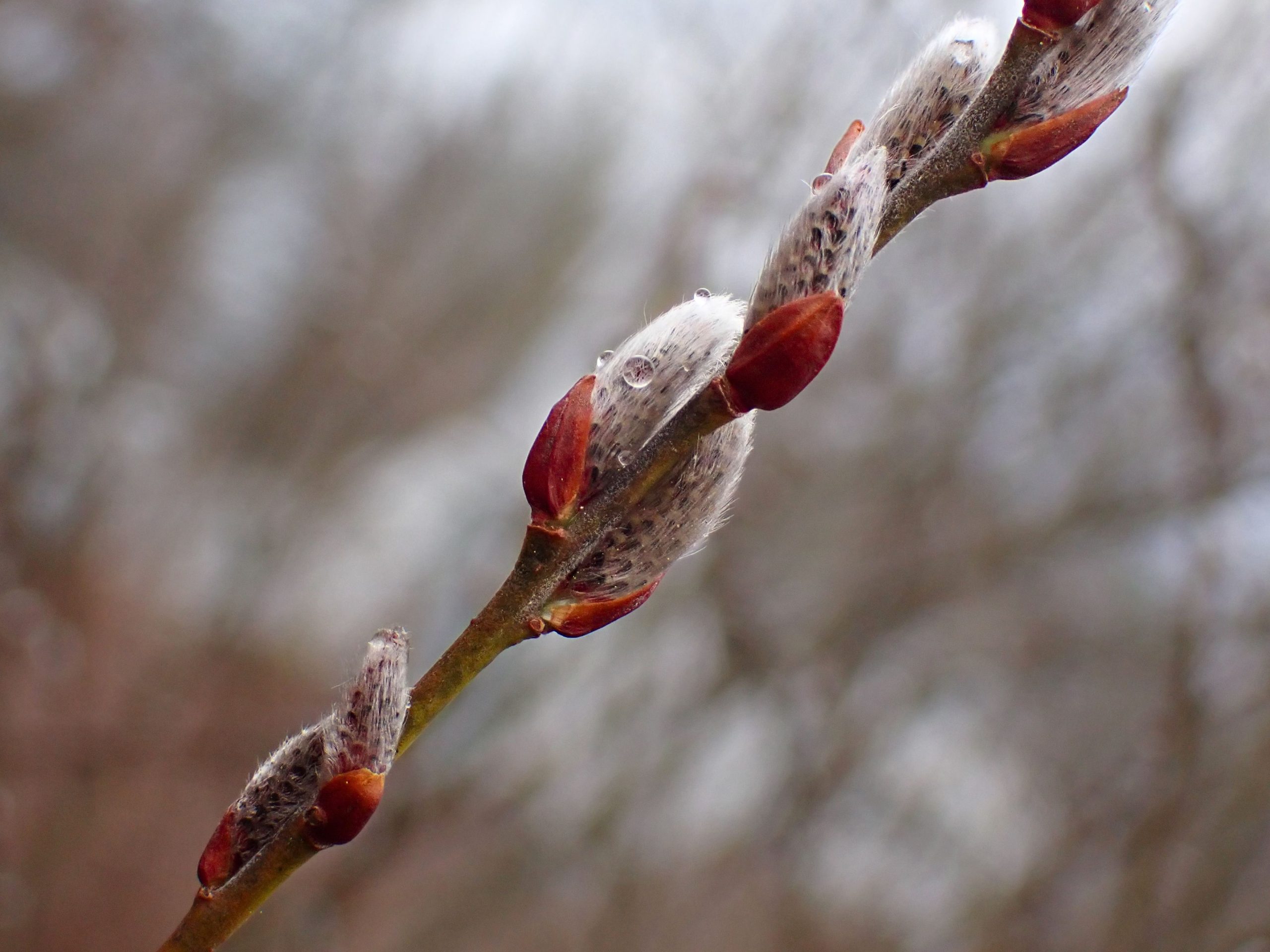
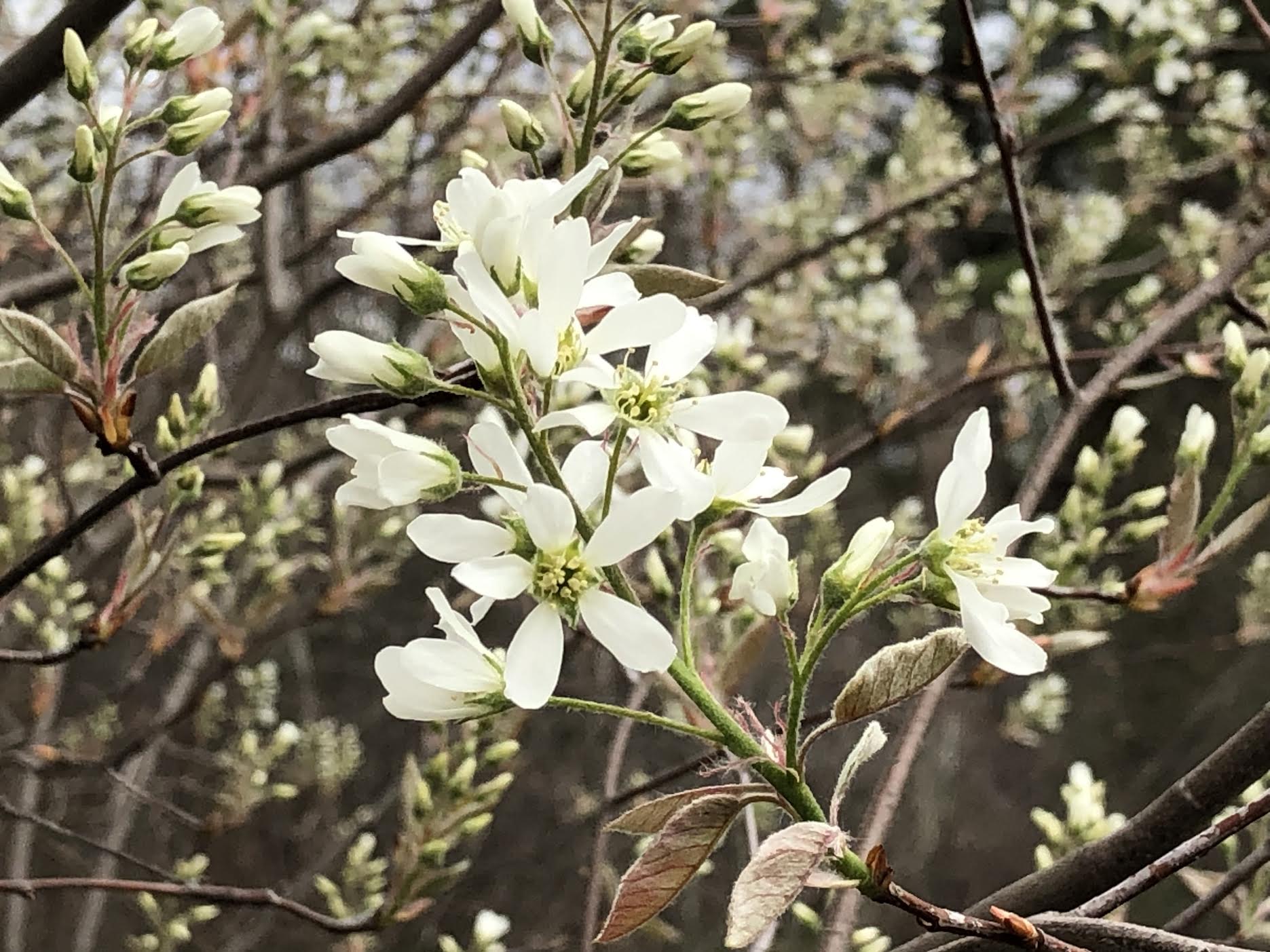
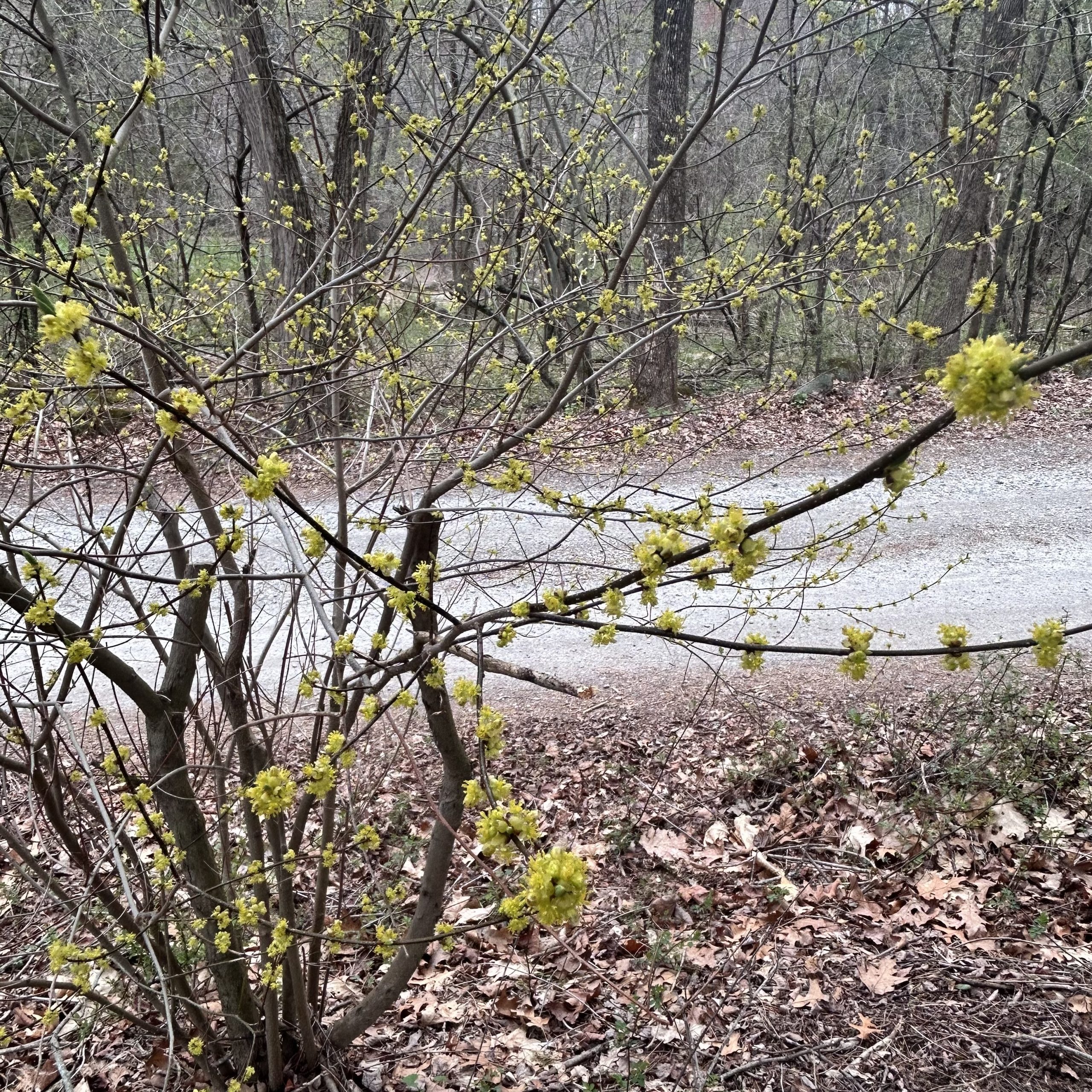
The weather over the past month has see-sawed between frosty mornings and summer-like days, with my thermometer hitting 83℉ on April 14 and 30℉ on April 21. The news of extreme weather events across the country is a clear message that climate change is making its mark. Rain over recent weeks has been welcome, whether in gentle showers or downpours, and we see the impact in rushing streams and the rapid greening of the landscape. Trees and shrubs are leafing out and trees such as Norway maples are displaying their bright green clusters of flowers. Red maple flowers give a reddish haze to my woodland view across a field, and, near homes, forsythia, daffodils, and magnolias brighten the landscape. In the woods, look for shadbush (aka serviceberry and Juneberry) in flower, and you might come across spicebush, with small yellow flowers. Scratch a stem to smell a spicy scent. Marsh marigolds, bright yellow, are blooming near streams, and ferns are unfolding leaves in their fiddlehead shapes. Pussy willows catkins are another early spring treasure; the male flowers have a fuzzy gray cover, which will soon open to reveal the pollen inside.
Phenology is the study of the timing of seasonal biological events, such as when various trees bloom or migrating birds arrive. Naturalists’ journals, such as those of Henry David Thoreau, are important in showing how a warming climate has affected phenology. In some cases there is a “mis-match” for birds migrating from great distances, such as from South or Central America. They may arrive in our backyards only to find that a tree whose blossoms attract the insects the bird eats has finished flowering. Short-distance migrants, such as birds which winter in the mid-Atlantic states, can sense warming weather and start north earlier.
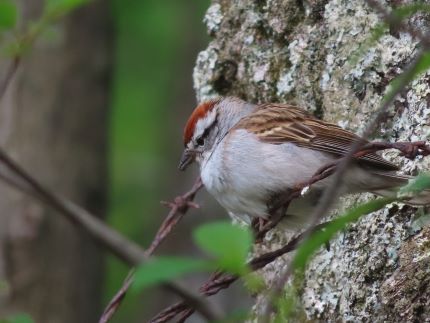
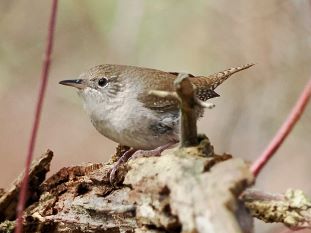
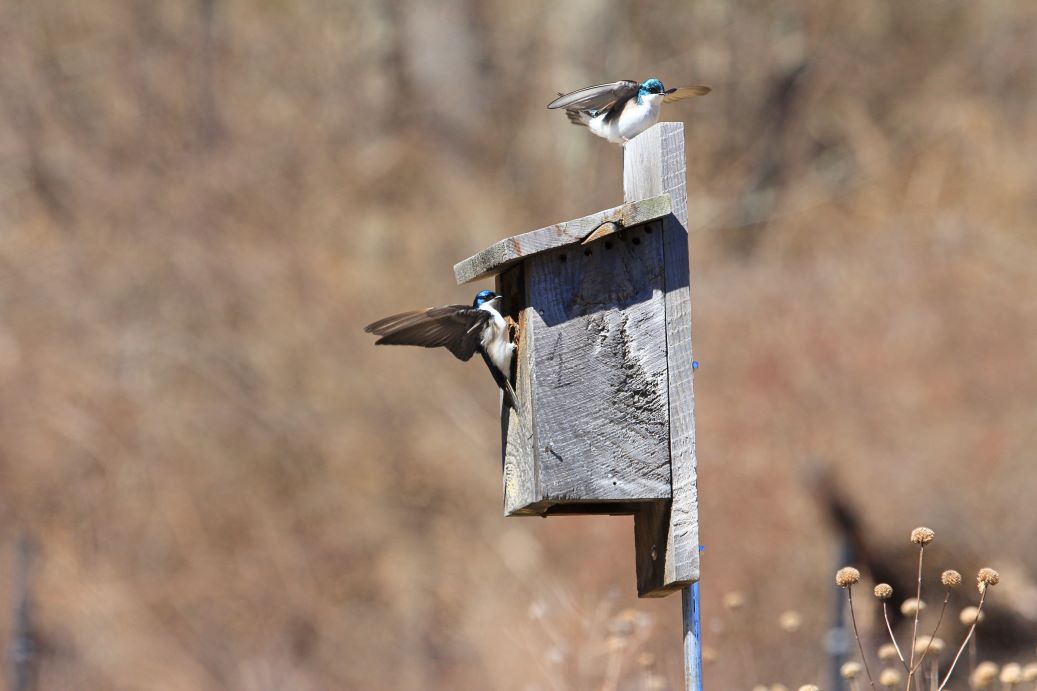
Recent avian arrivals include house wrens, chipping sparrows, Baltimore orioles, and a blue-headed vireo, all “early” according to my personal records, perhaps in response to unusually warm temperatures farther south last week. Let’s hope they can find the insects they need to eat. Both tree swallows and barn swallows have returned. May will see the arrival of more summer favorites such as tanagers and rose-breasted grosbeaks, along with many colorful wood warblers passing through on their way north. If you feed hummingbirds, it’s best to put your sugar-water feeders out by the end of April. Make sure to clean the feeder regularly to remove black mold which can harm the birds.
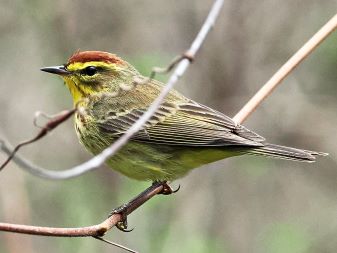
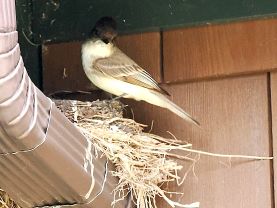
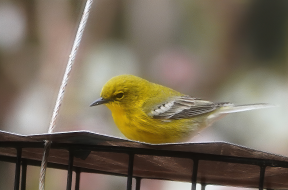
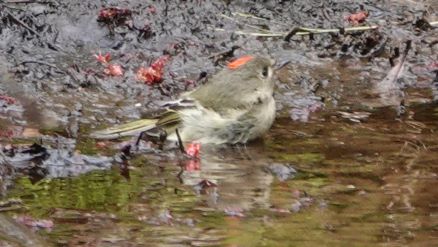
Migrants we expect each spring, such as Eastern phoebes, pine warblers, and killdeer, are here for the summer, and ruby-crowned kinglets are giving their very high tsee- tsee-tsee and twittering calls from evergreens. Ron McAdow had the treat of watching this tiny bird bathing in Heywood’s Brook. It is often hard to spot the ruby crown, but his photo captured the gem.
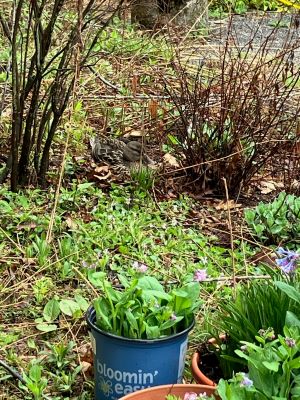
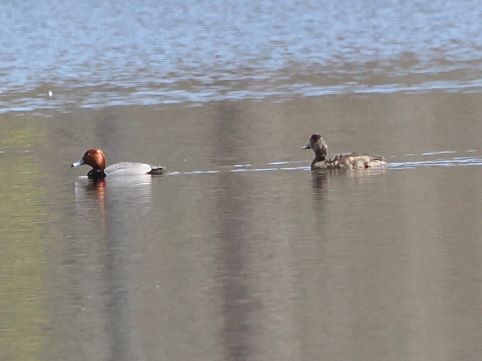
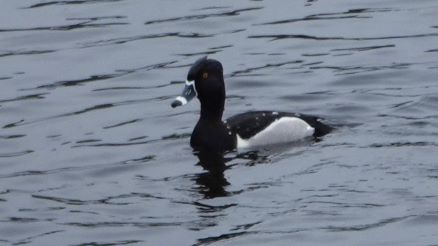
The usual migrating ducks such as bufflehead, and ring-necked have been seen on Farrar Pond and Valley Pond as well as a rare pair of Redheads. Mute swans are back on Farrar Pond, Canada geese are nesting in many places, and wood ducks are nesting in tree cavities or boxes in swamps. A mallard is sitting on a nest in an unusual (and maybe unwise) place: just outside the gift shop at Drumlin Farm!
“Our Flint’s Pond loon pair should be reuniting on the pond soon for a fourth nesting year. As readers know, we had a successfully reared loon chick two years ago after a hatching failure the previous year. Last year’s chick, sadly, did not survive beyond a week. Most common loon chicks are lost the first few weeks after leaving the nest and many clutches are predated or do not hatch but adult parents can live for decades and will attempt to nest and rear chicks the rest of their lives” Norman Levey, whom I quote, has informally monitored their summer presence on the pond for almost a decade and will continue.
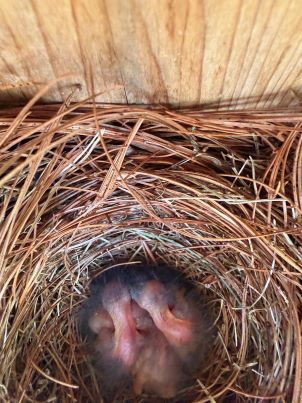
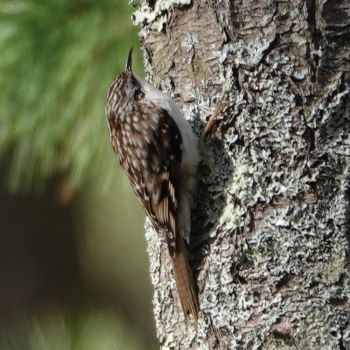
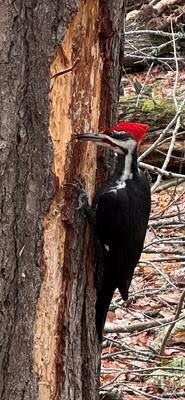
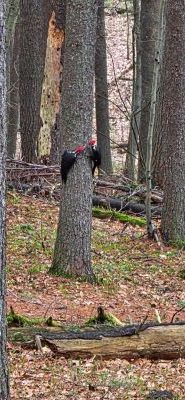
The air is filled with bird song, as the birds warble and whistle to attract mates and establish territories. Several people have reported Eastern bluebirds in boxes, eggs laid, and even some early hatchlings. House finches are nesting, including one in a bird feeder. Brown creepers are singing their thin wispy songs in the woods as they spiral up tree trunks, and will build a nest under loose bark. Woodpeckers abound, using their drumming to send messages. Ranger Will Leona wrote,”I was fortunate enough to watch an interesting scene with 3 pileated woodpeckers at Mt. Misery. Two males were engaged in either a territorial dispute or were trying to win a battle for the same female. The female was hanging out…. shouting out some calls of her own. I watched silently for a good 10 minutes before I gave them their space. Even then, they were still going at it.” Naturalist Mary Holland explains, “ A multitude of species of wildlife rely on the holes left behind by woodpeckers for nesting, roosting, and shelter. Squirrels, owls, salamanders, wood ducks, bats, nuthatches, grey treefrogs, mergansers – animals incapable of making their own cavities – benefit from the weeks of work that woodpeckers devote to creating them.”
What should you do if you find a baby bird on the ground, or, for that matter, other baby animals such as fawns or bunnies? In almost all cases it is best to leave them alone, and the mother will find the young. Check link to read more details and advice.
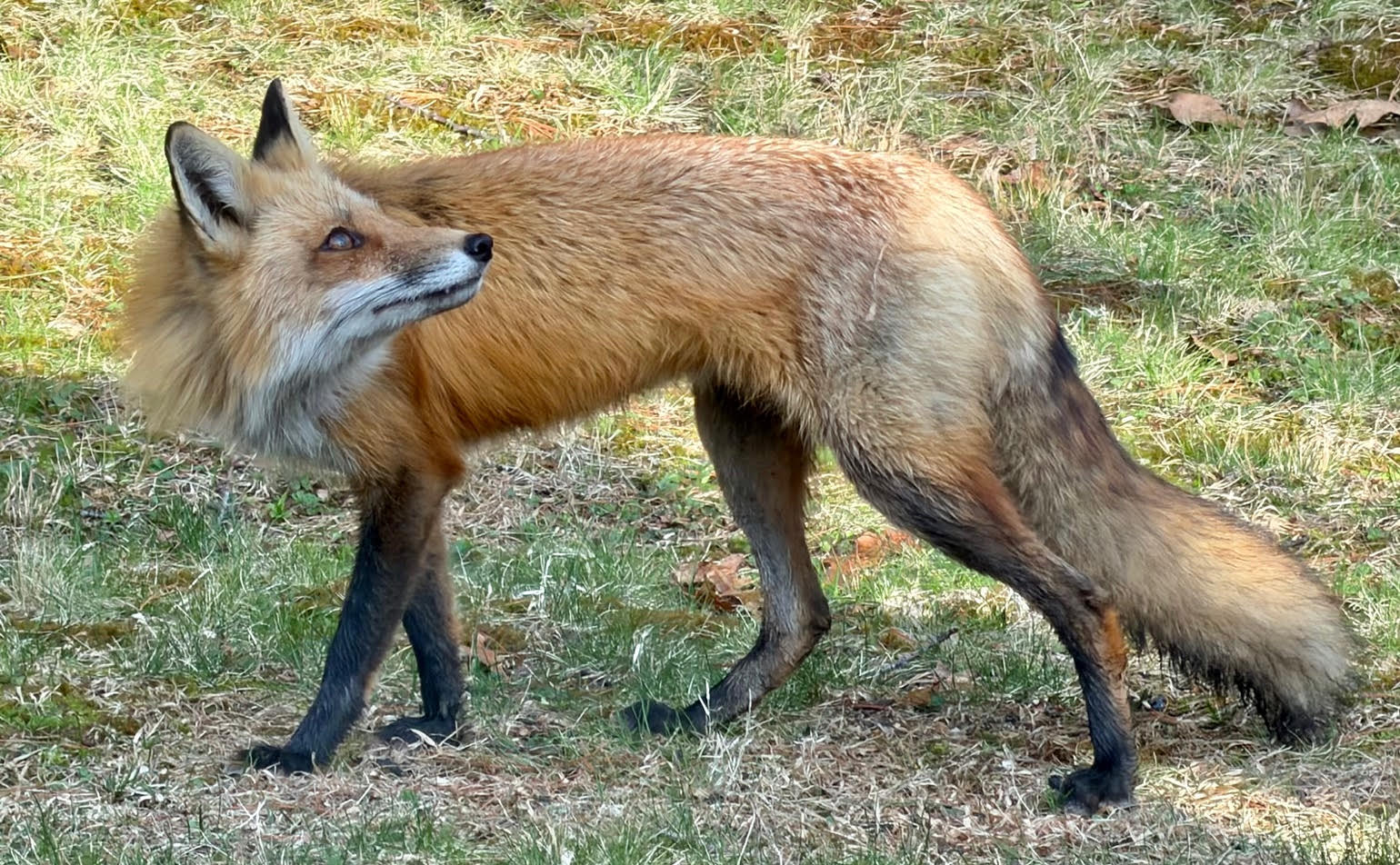
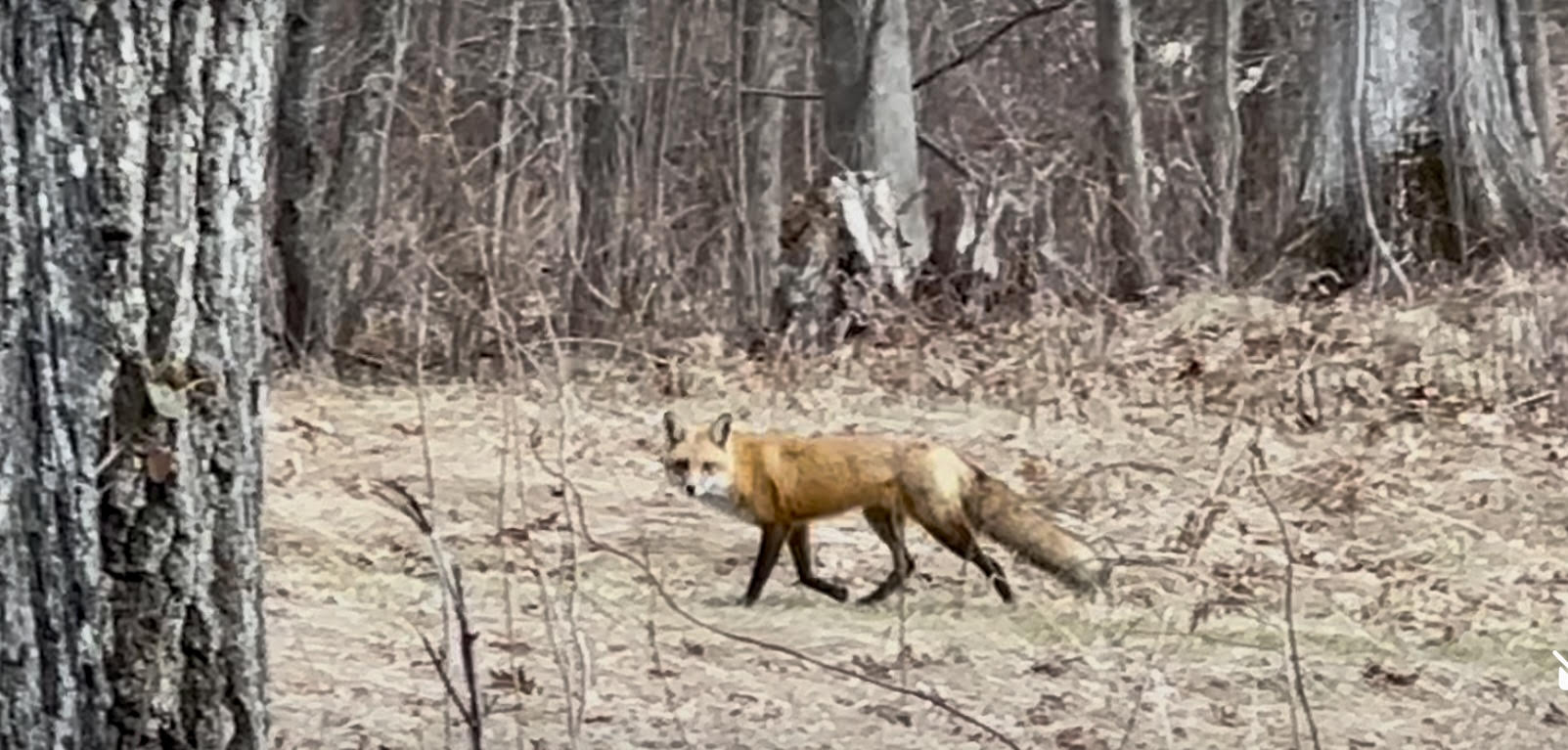
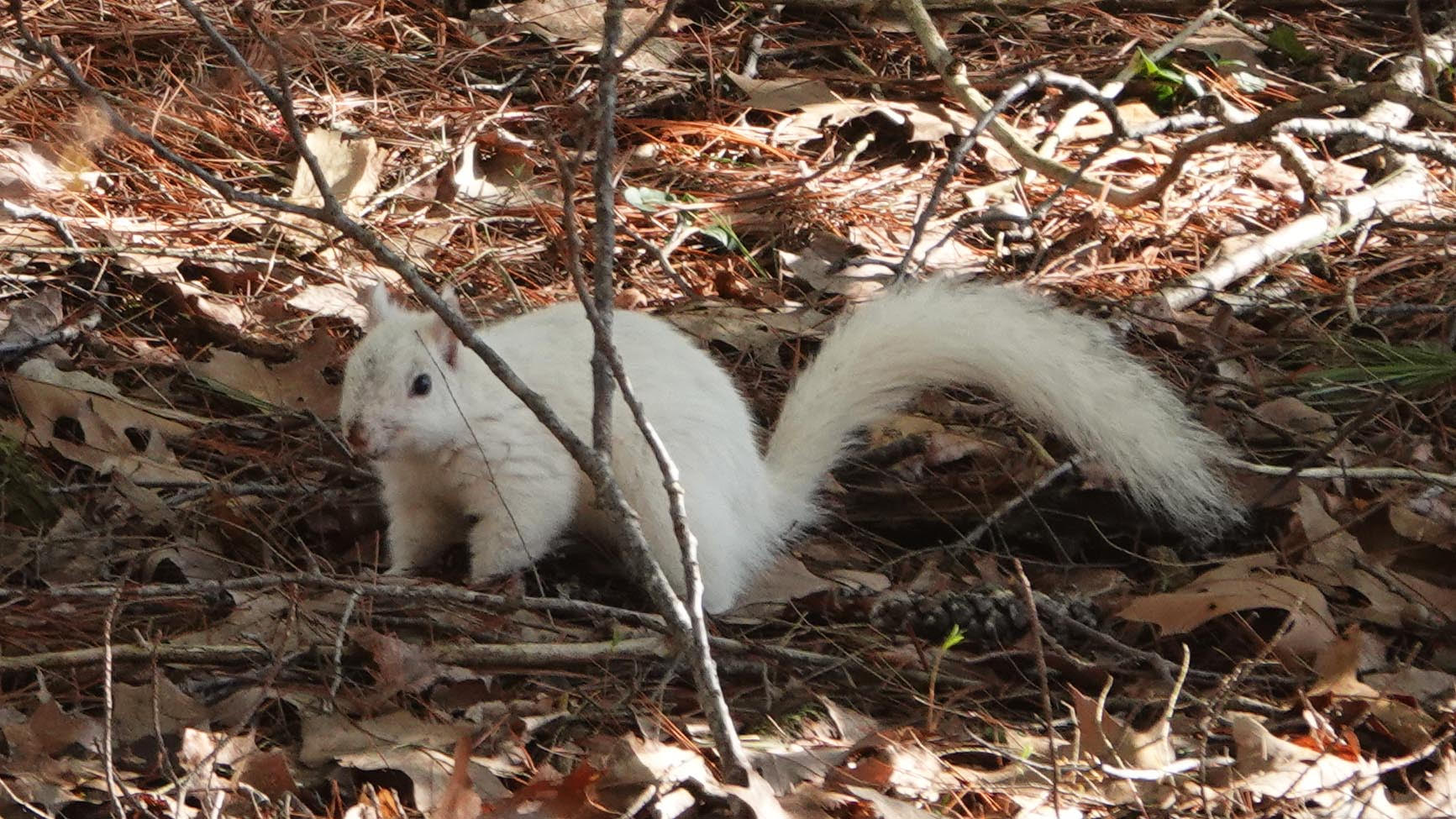
Red fox pups, born in a den, blind and helpless, between mid-January to the end of February, are cared for by both parents, and by now should be venturing out but still staying close to the den until they are weaned at 12 weeks. If you think you are smelling a skunk it could be a fox, as they often mark their territories with a skunk-like scent. I was astonished to read in a Mass Audubon publication that, “Foxes are the only animal known to use the earth’s magnetic field for hunting. They use it to judge the distance and direction of their prey to make a more accurate pounce. When listening for prey underground, the fox waits until the angle of the sound matches the slope of the earth’s magnetic field telling the fox the distance it is away from its prey. The fox then knows exactly how far to pounce to land upon it.” Chipmunks are normally numerous around my property but, so far, I have only seen one, a month ago. I consulted Flavio Sutti, Senior Conservation Ecologist at Mass. Audubon and he wrote, “Chipmunks, like many other small mammals, fluctuate in numbers every year. Often the numbers are tied to previous years mast production of acorns. Also, a very snowy winter with low food storage could have caused higher mortality.” Last fall was a low mast season, so perhaps that was the problem. A number of mammals are molting their fur at this time, shedding a thick winter coat for a lighter-weight one. For white-railed dear, the color changes as well, from the darker-colored winter coat, which absorbs heat from the sun, to a more reddish color, which better reflects the sun on hot days. An odd recent sighting was reported from Heywood’s Meadow: a white gray squirrel, obviously leucistic and not albino, since it had dark eyes.
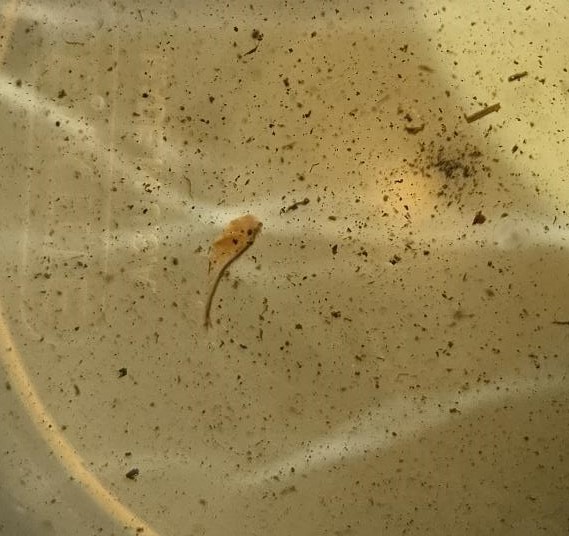
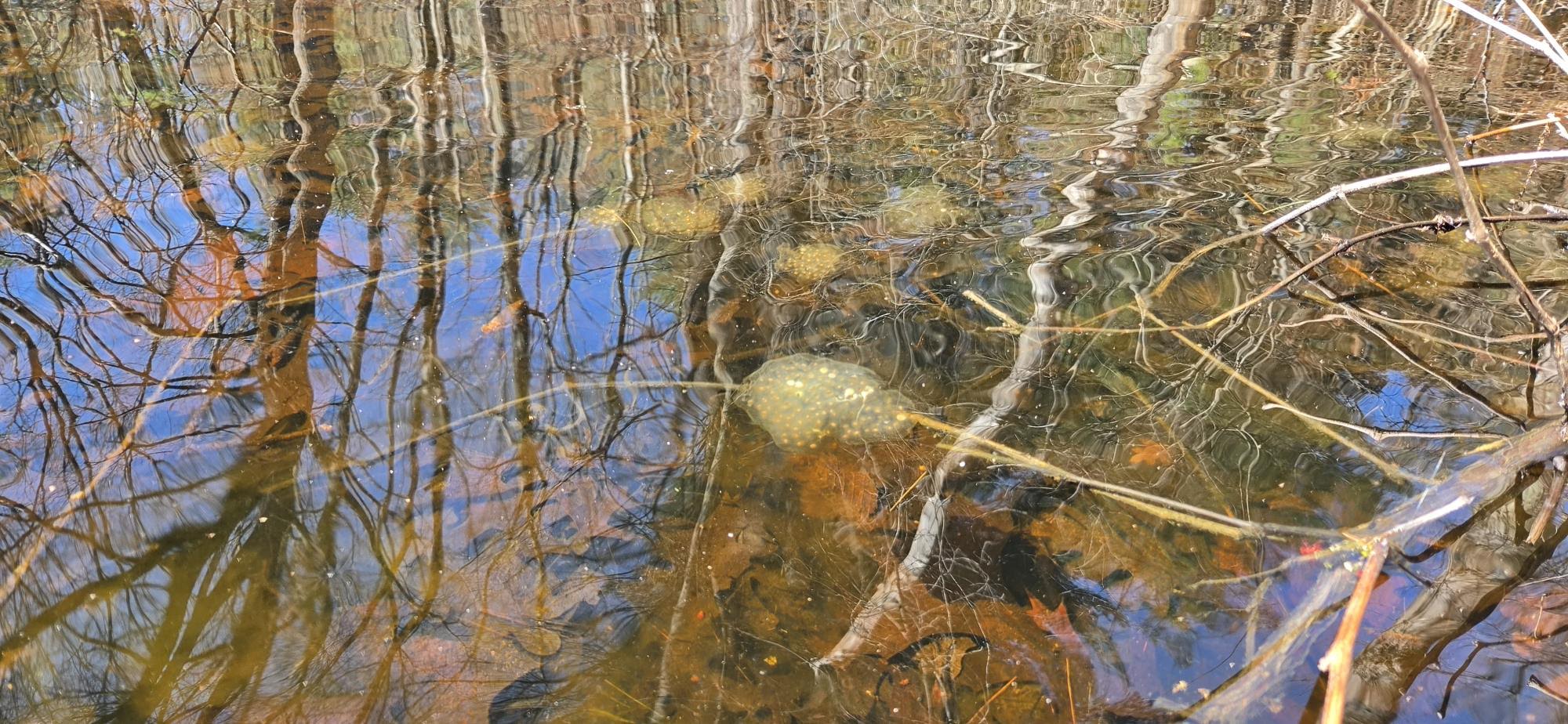
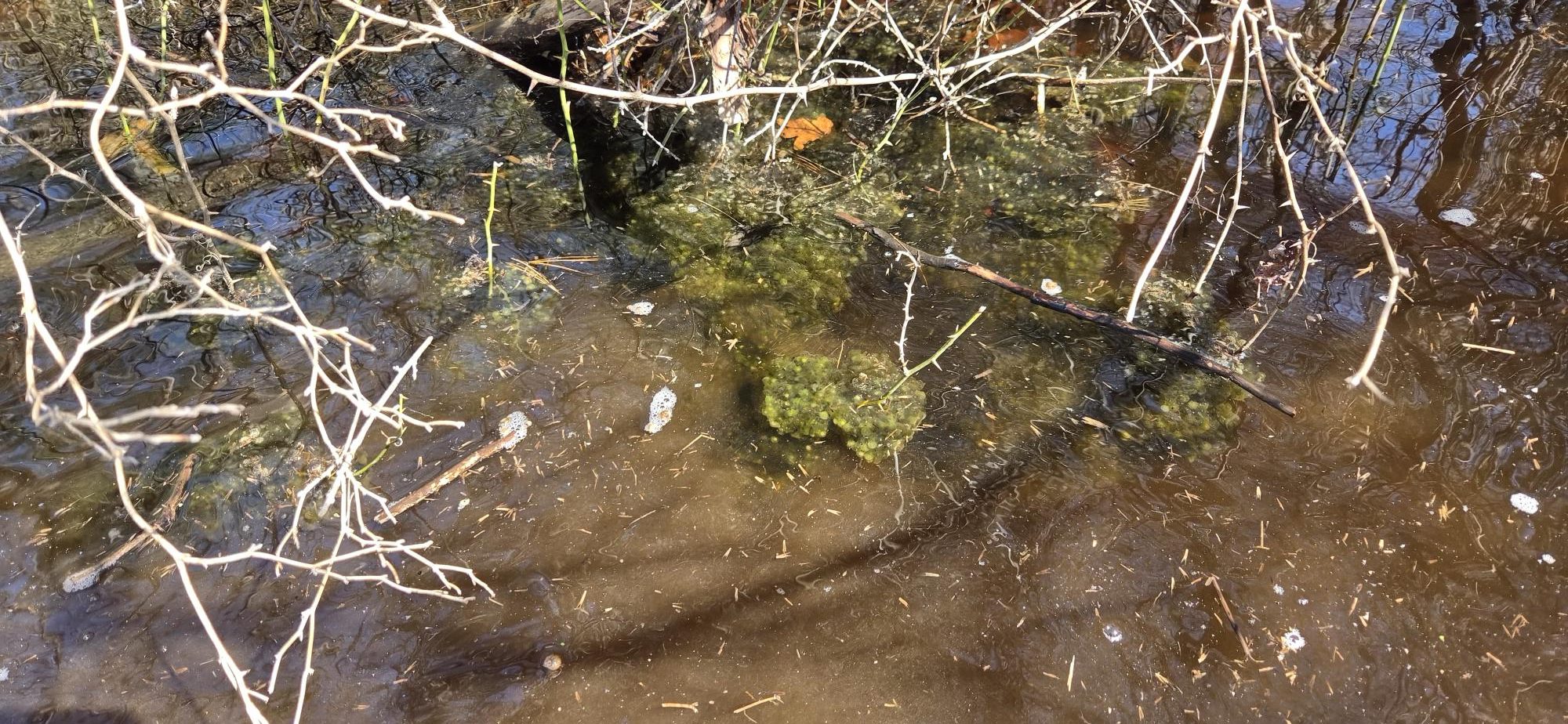
Wood frogs and spotted salamanders completed their migration, laid their eggs in vernal pools, and tadpoles are hatching. Spring peepers will continue singing their chorus of peeping from wetlands right through May. Research shows that male peepers can peep up to 5000 times an hour, inflating their vocal sac each time (sounds exhausting). I was happy to learn that Will Leona has been helping students at Minuteman High School collect data to certify vernal pools. These students are our future conservationists. Among other things, they found fairy shrimp, one-inch long crustaceans which swim on their backs, waving gill feet which provide breathing, feeding and swimming. They are indicators of a healthy eco-system. Any day we should hear the high trilling of American toads and soon after you might come across their eggs, which are laid in shallow water and look like strings of tiny black pearls. Gray tree frogs will be next in the frog chorus line-up, with American bullfrogs coming last.
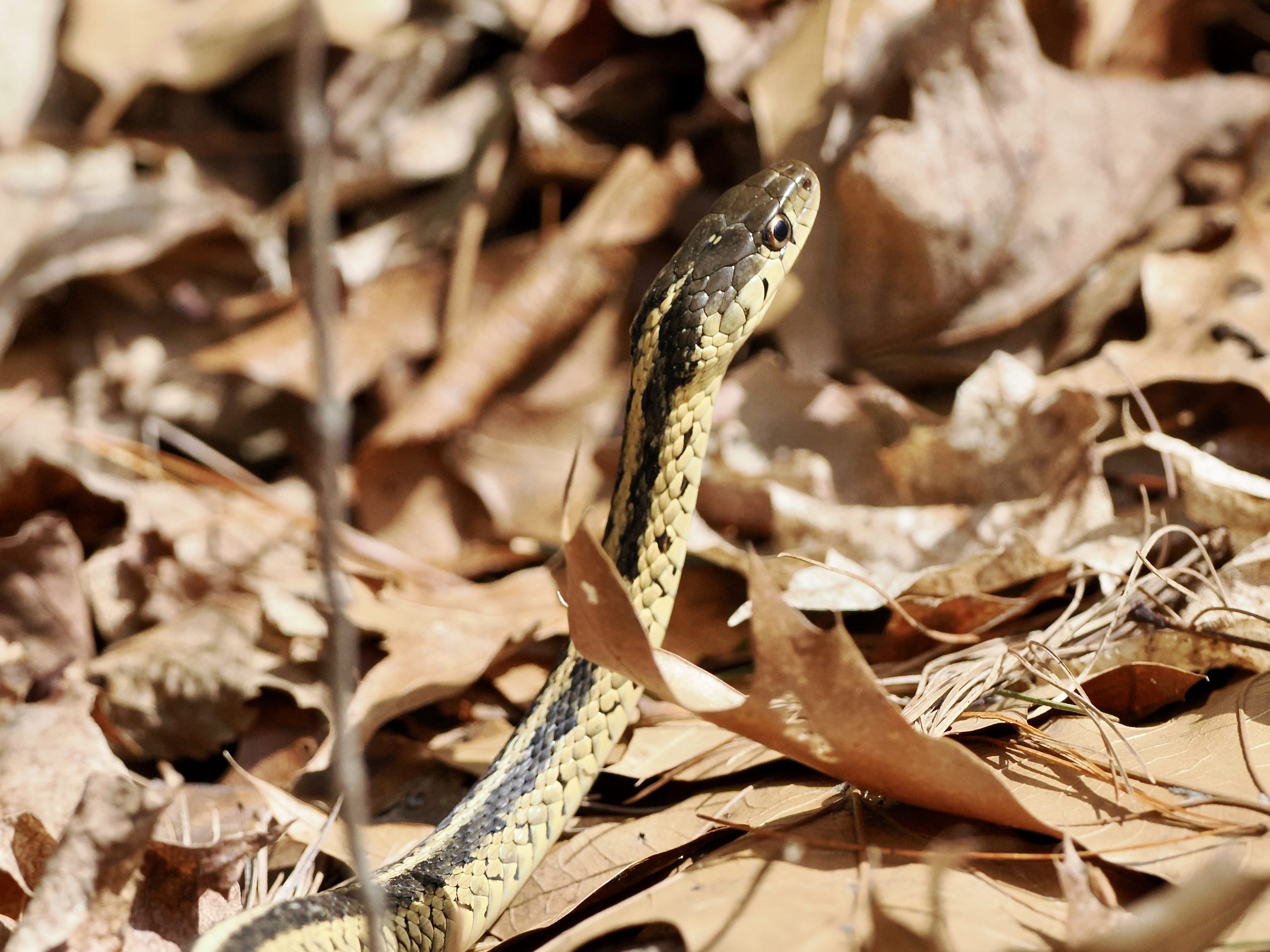
Snakes and turtles are emerging as warmer weather returns. Painted turtles can be found sunning on logs in the pond on mild sunny days. Some baby snapping turtles, laid in eggs last June, emerge in the fall but others wait until spring. Rakesh Karmacharya captured the perilous journey of one baby snapper on video as it made its way to a pond.
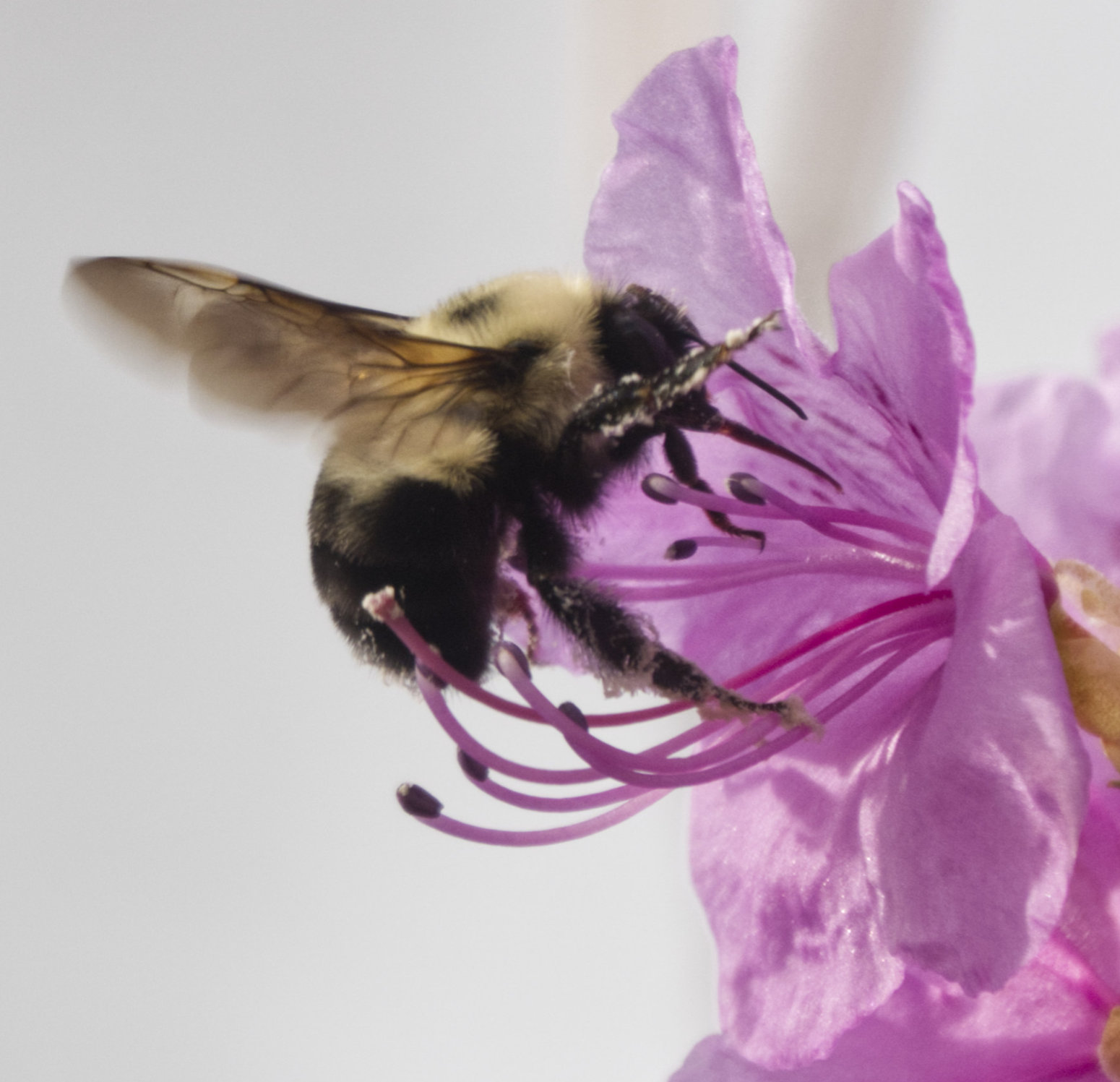
In Norman Levey’s words, “April is the month our queen bumble bees emerge from their hibernacula after a long winter’s nap. The queens we see now were some of the last bumble bees to leave nests mid to late summer last with the males who wander far and wide searching for other new queens to mate. The males die before November and the overwintering queens fat with eggs and sperm are the ones we are seeing now searching for suitable nest sites and foraging on scarce early April nectar and pollen sources. Early bloomers for bumble bee queens are willow, callery pear, and rhododendron.”
Other insects are appearing as the weather warms. Blackflies are out, tiny ants have appeared in my kitchen, and observers have seen mourning cloak butterflies. Dog-walkers tell me that ticks, (which are not insects), are numerous now, so please check for them after you have been in woods and fields.

Looking skyward, early risers before dawn may spot the Lyrid meteor shower, which lasts until April 25, peaking on April 22. Quoting space.com, “Shooting stars associated with Comet Thatcher are known for producing fast-moving meteors that tend to lack long-lasting trains. The shower can also spawn impressive fireball events that outshine even the brightest planets, as bigger chunks of cometary debris — sometimes the size of a basketball, or larger — forge a flaming path through Earth’s atmosphere”. Read the link to see how best to see the show.
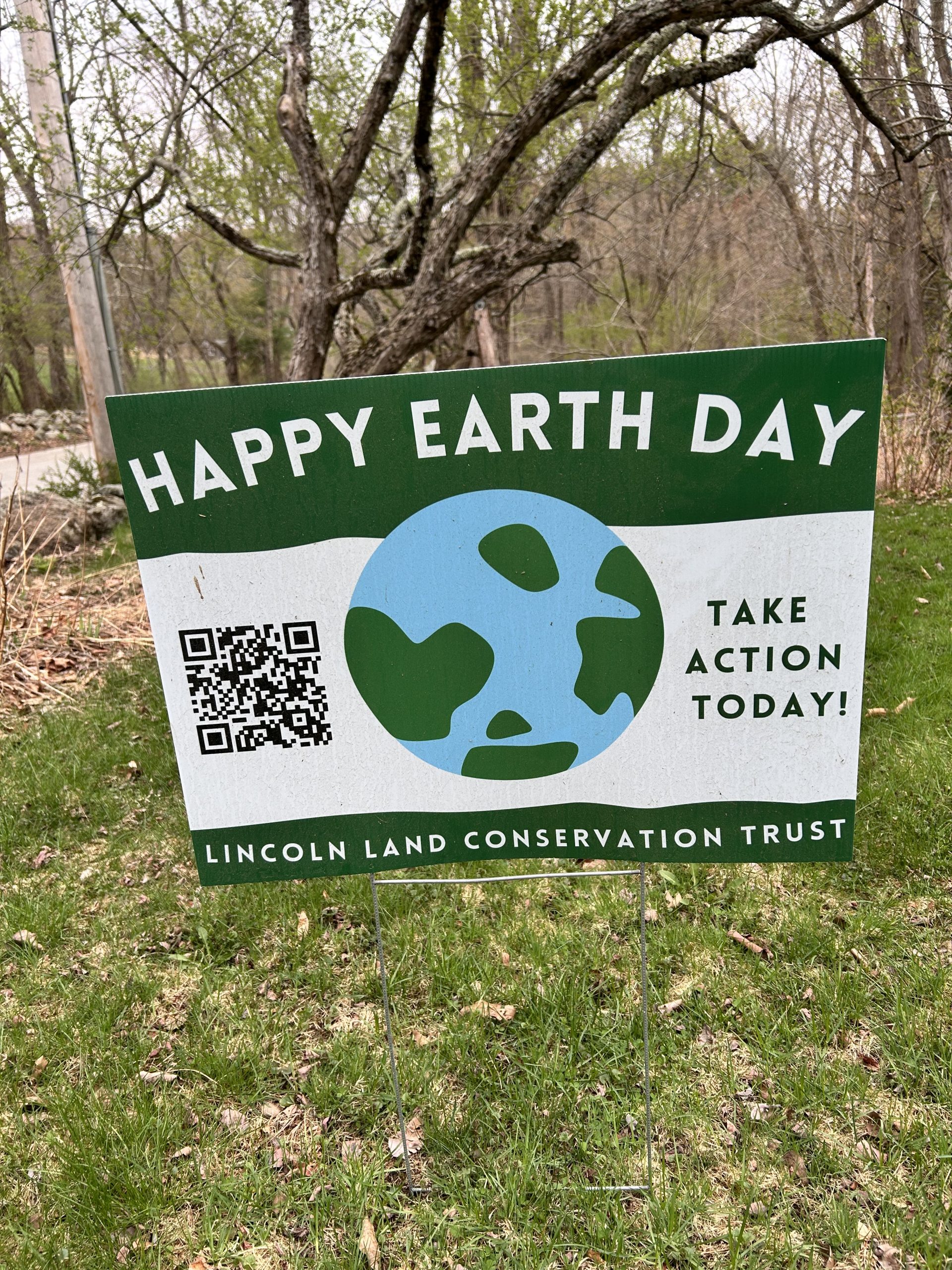
Finally, Earth Day began on April 22, 1970. The environmental movement began, leading to the creation of the EPA, the Clean Air Act, the Clean Water Act and banning DDT, to name a few results. A major catalyst for the movement was the publication of Silent Spring by Rachel Carson in 1962, in which Lincoln’s own Paul Brooks had an important part. He was Editor-in-Chief at Houghton Mifflin, a conservationist himself, helped Carson edit her book and championed it, getting it published by Houghton Mifflin. It became an immediate best-seller. We are now in the throes of an Administration trying to undo environmental regulations. I hope we can each honor Earth Day by taking action in some way, small or big. Our planet needs help.
Links
What to do if you find young wildlife
Rich Rosenbaurm’s video of a pine warbler eating mealworms
Rakesh Karmacharya’s video of a snapping turtle baby making its way to the pond
How, where and where to observe the Lyrid meteor shower
To read about the first Earth Day