May 2026 Wildlife Column
Written by Gwyn Loud for the Lincoln Land Conservation Trust. She welcomes your sightings and questions at 781-259-8690 or gwynloud555@gmail.com.
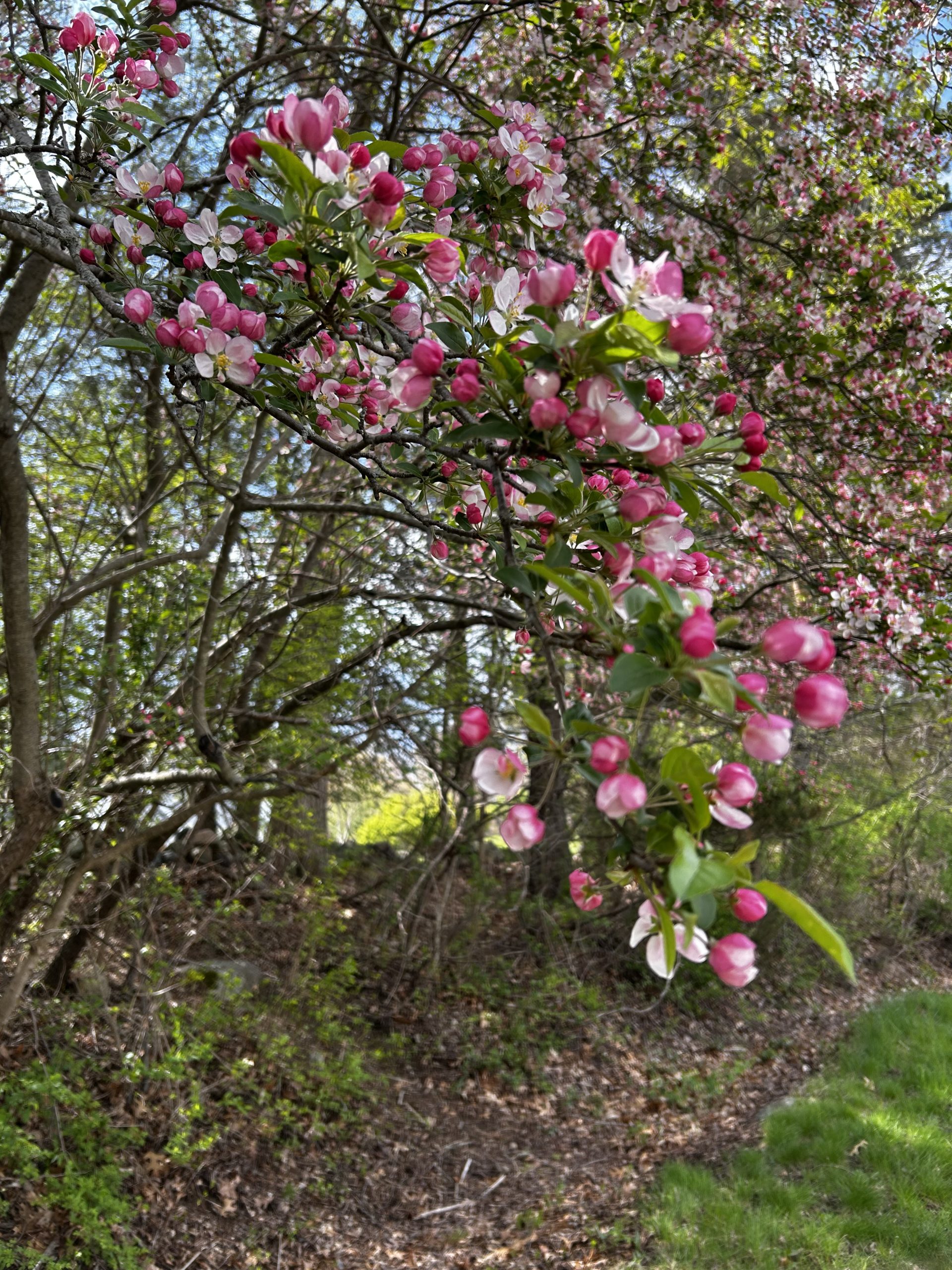
It seems that the blooming trees and shrubs have been more beautiful than ever this spring, perhaps because we have had enough cool weather to sustain the blossoms. Sporadic rain has also helped, although we are still in drought, a drought which began in 2024. Basically, we are low in ground water due to insufficient rainfall. See link to read more details. There have been many winter-jacket-chilly mornings, but as I write, in the midst of an unseasonable mini-heat wave, it is 96℉.
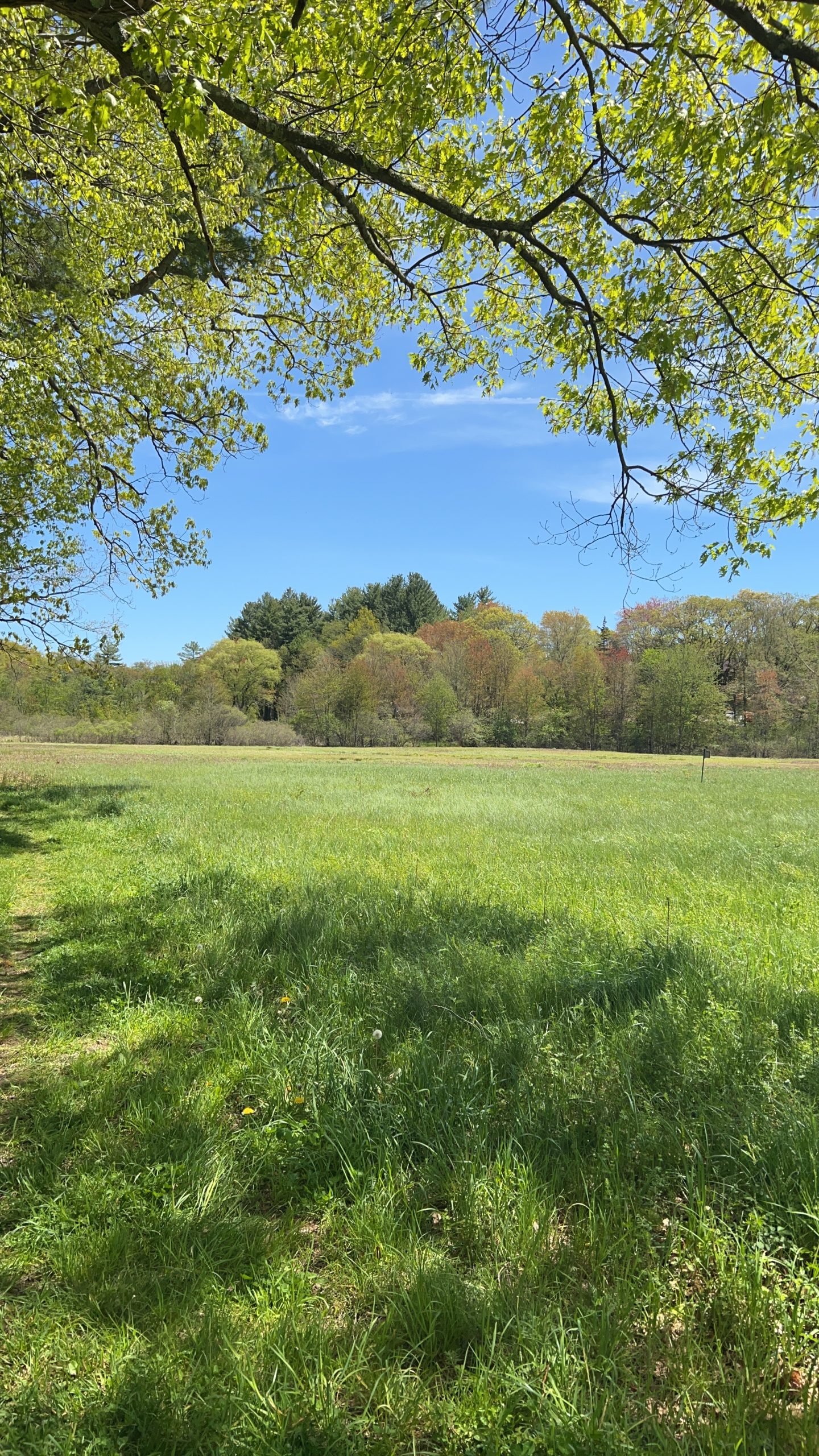
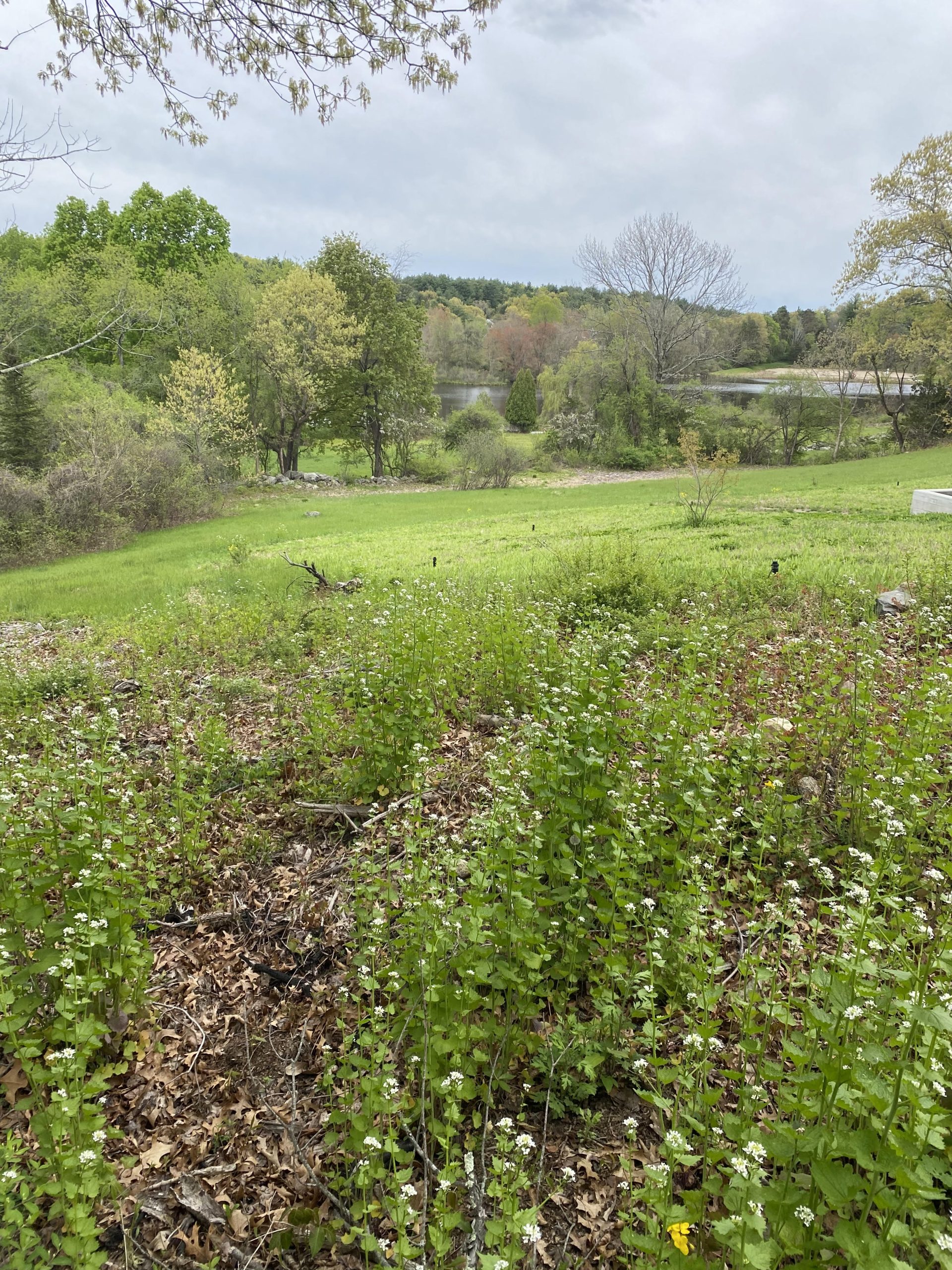
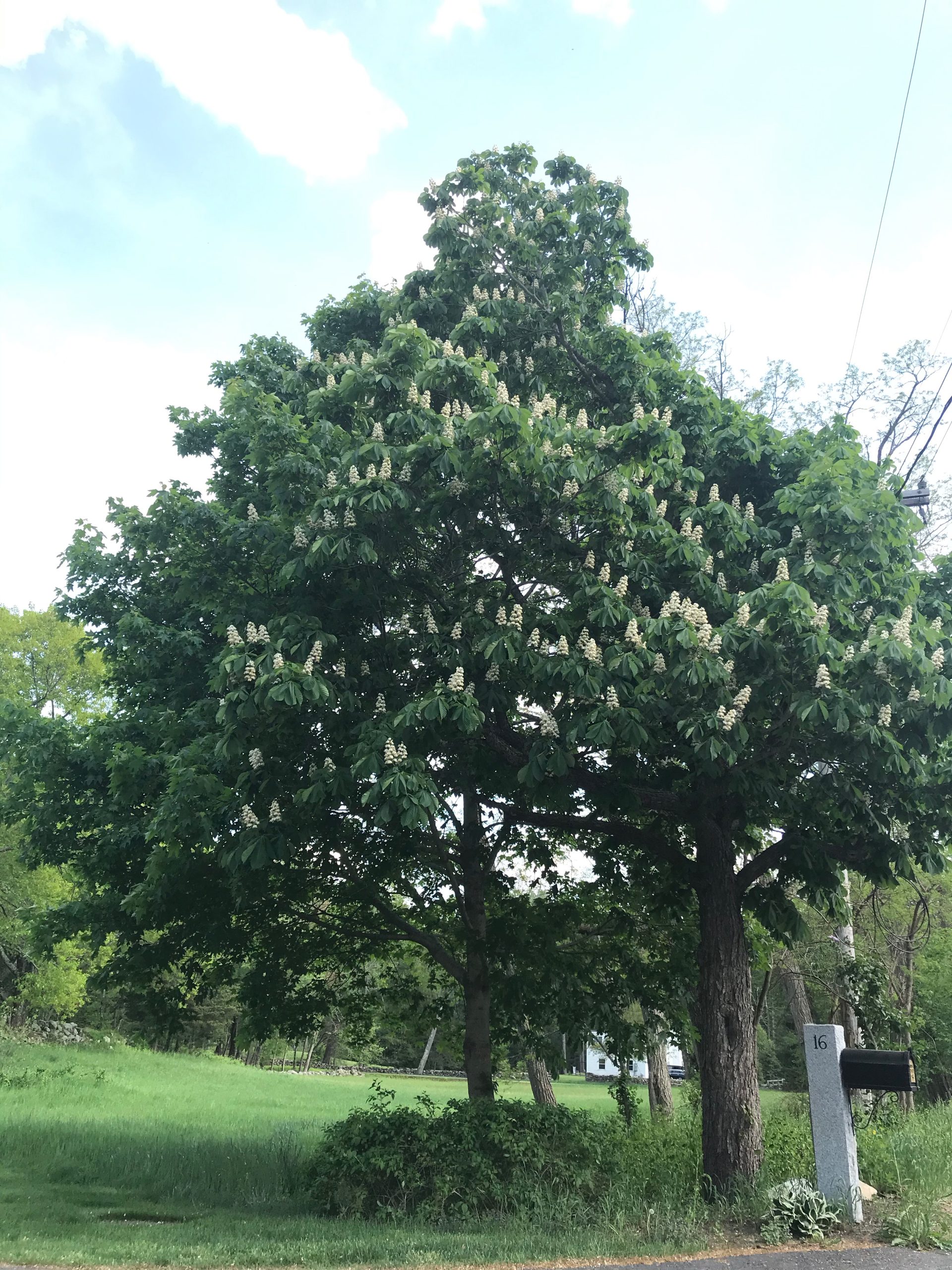
Deciduous trees are largely leafed out, with the black locusts leafing out last, as usual. I always marvel at the numerous shades of green at this time of year. Horse chestnut trees are about to display their erect clusters of white flowers, and the samaras of red maples add touches of red to the scene. In response to the numerous trees marked by Eversource for removal, Marcia Gnagey did some research and she shared the letter with me which she wrote especially in defense of oaks. For example, “According to a 2019 study a mature white oak can support over 2,300 species of wildlife”, from birds to invertebrates, to lichen, and fungi. And ecologist/author Doug Tallamy advises us, if we love birds, to plant oaks. Baby birds need to eat caterpillars (think soft, easy to digest); over 500 species of moths and butterflies lay eggs on oaks, which hatch into caterpillars i.e. baby birds’ breakfast, lunch, and dinner. We know that the population of songbirds has seriously declined over the past thirty years, so let’s do all we can to help the birds prosper by planting bird-friendly trees and shrubs on our properties. See link for suggested list.
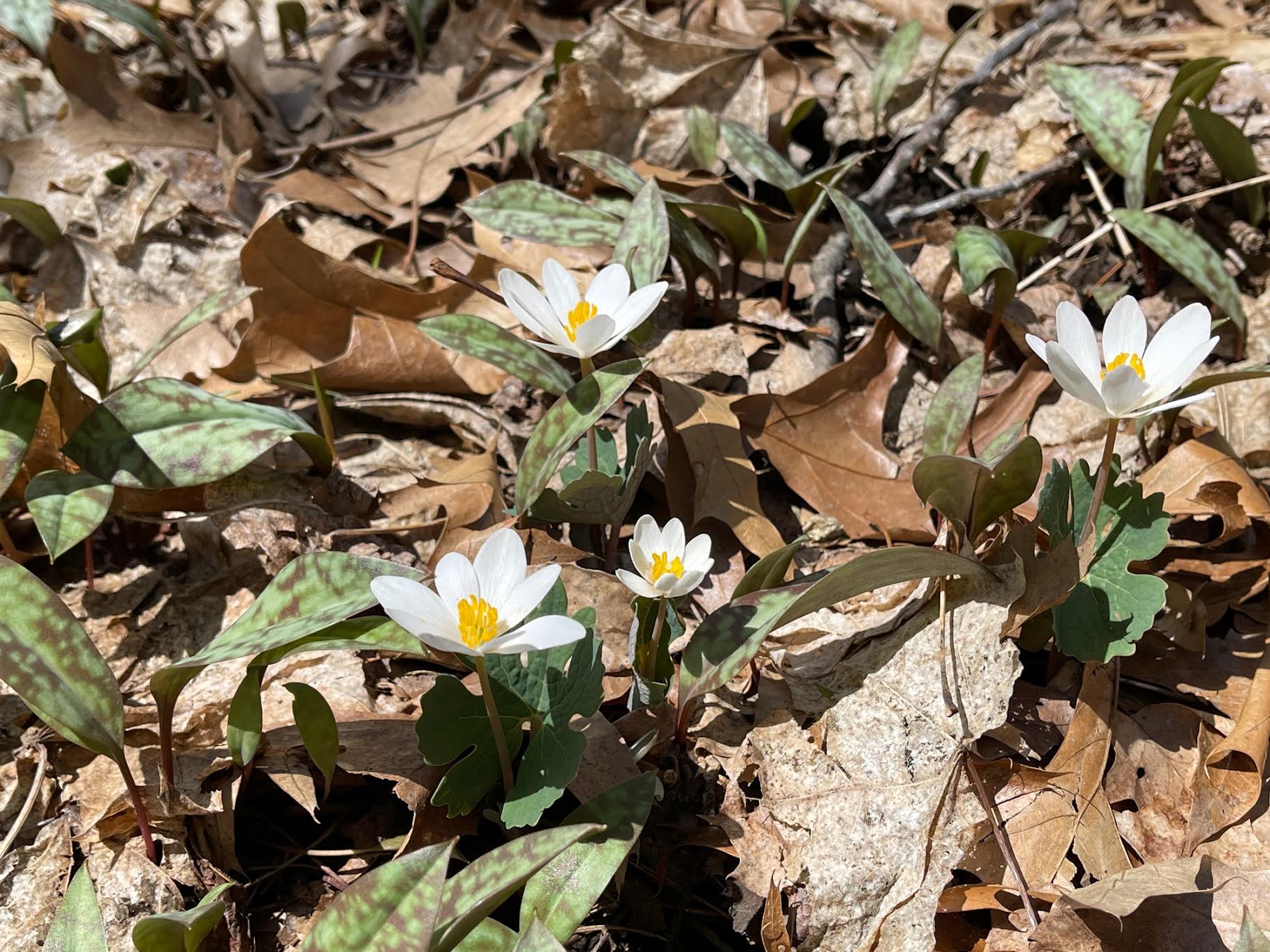
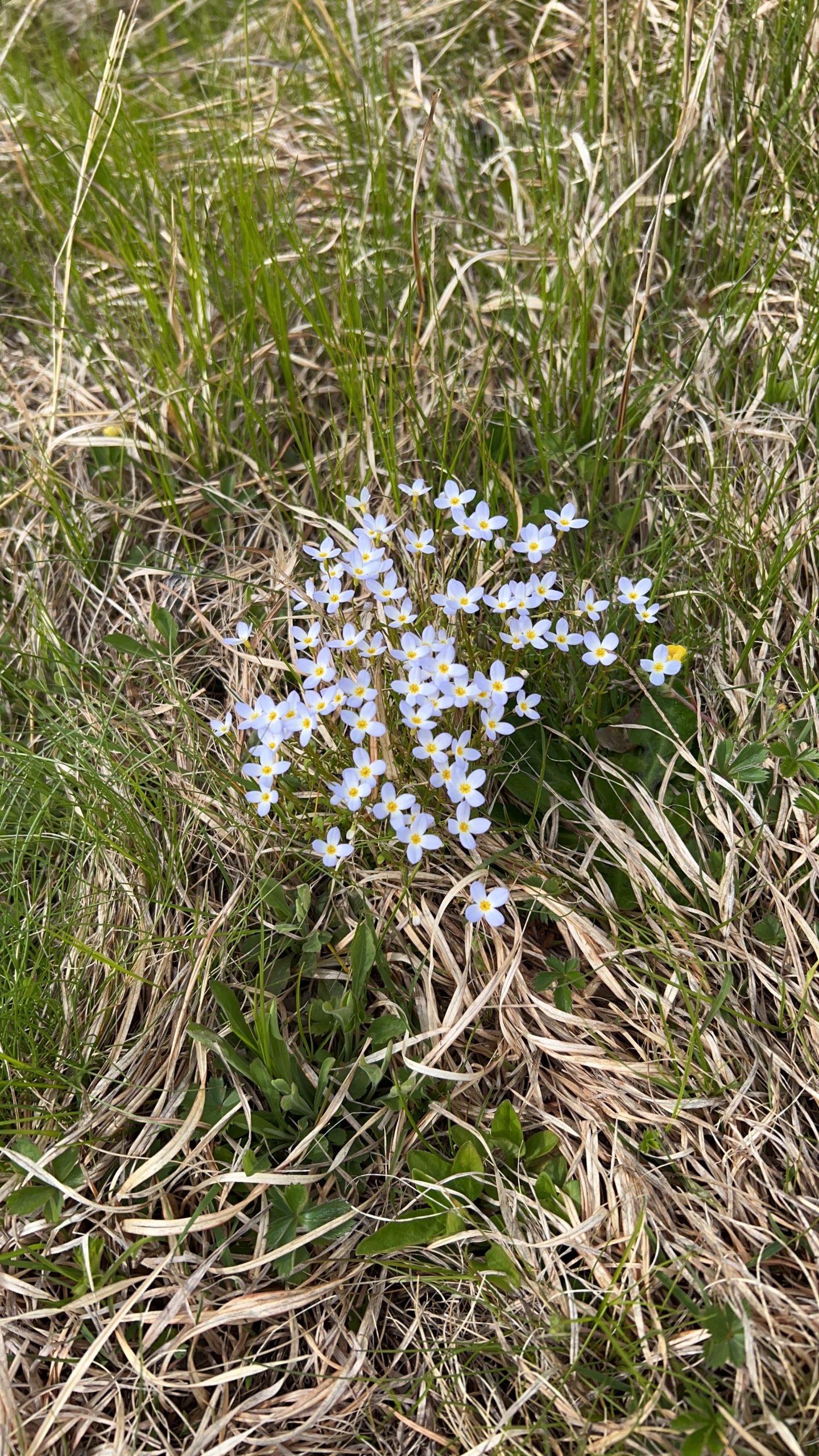
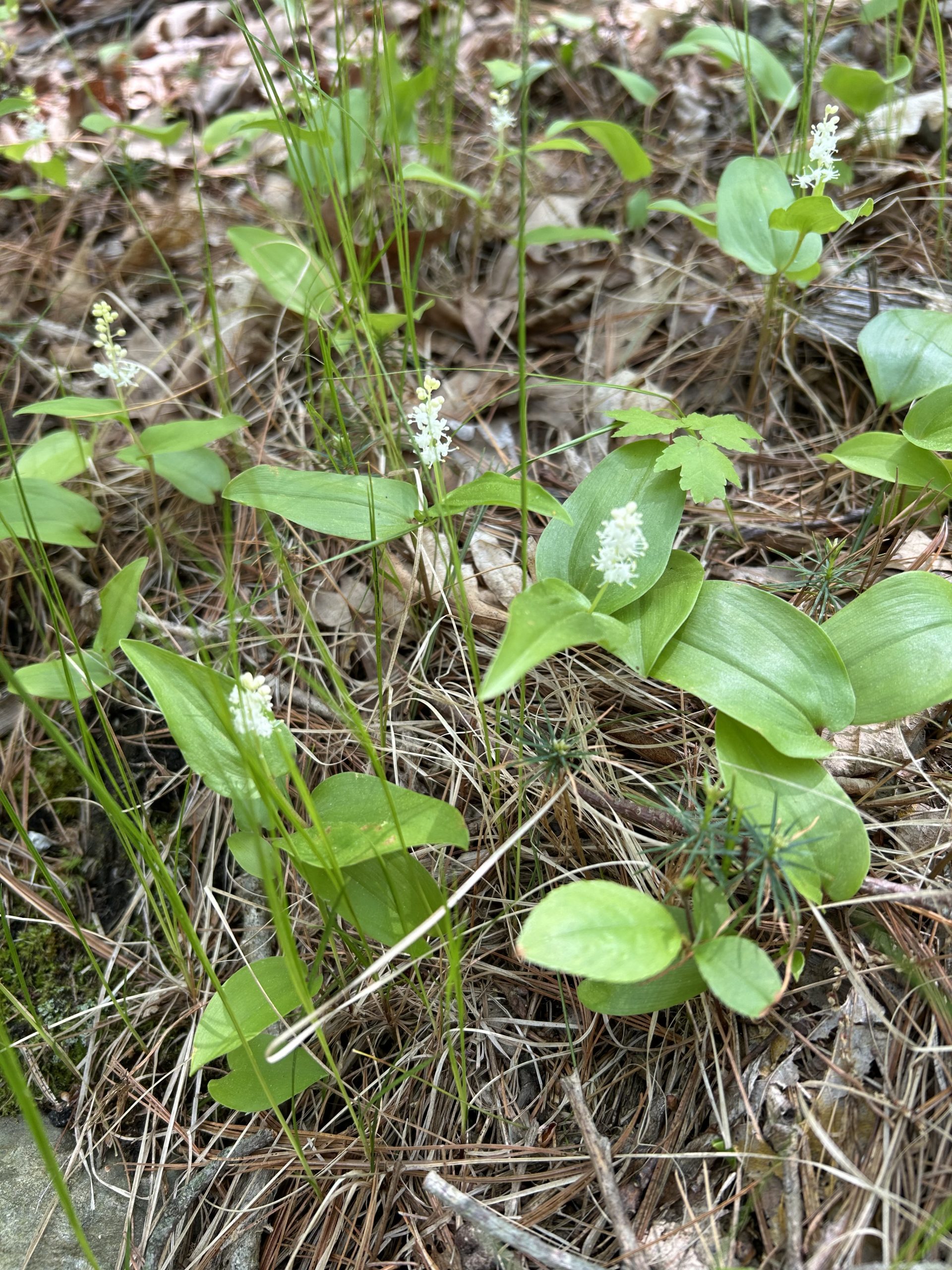
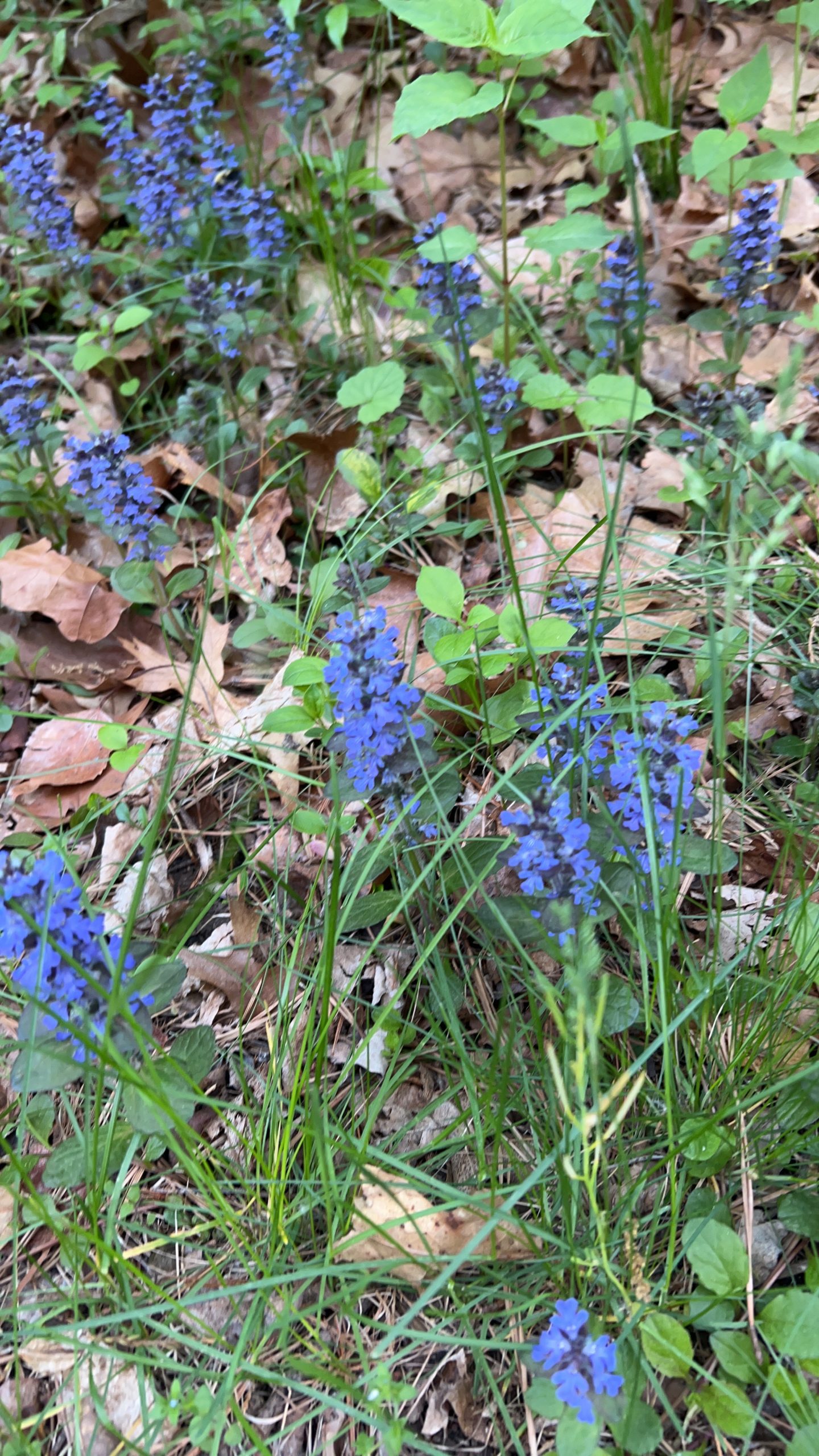
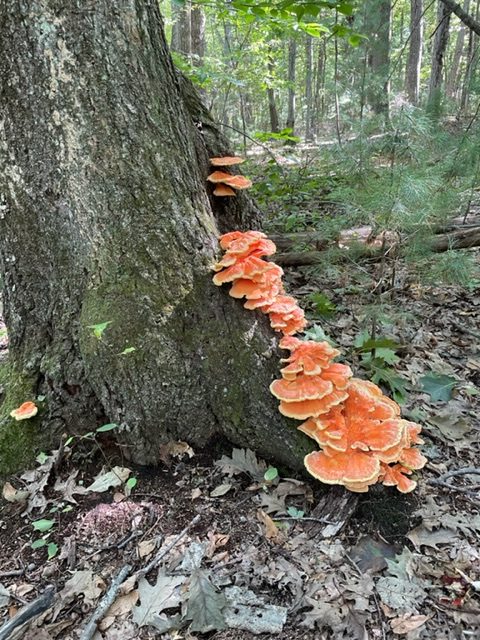
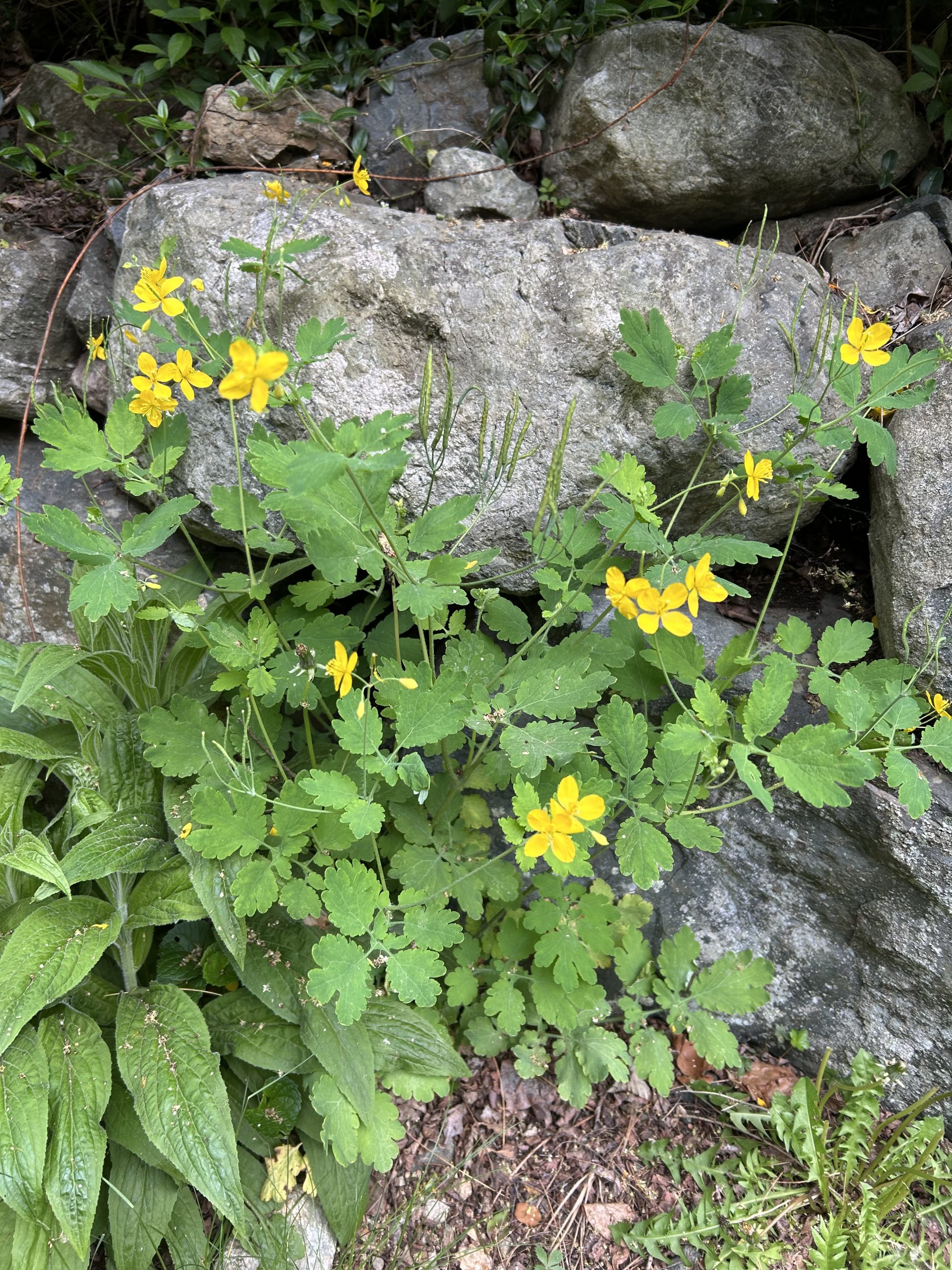
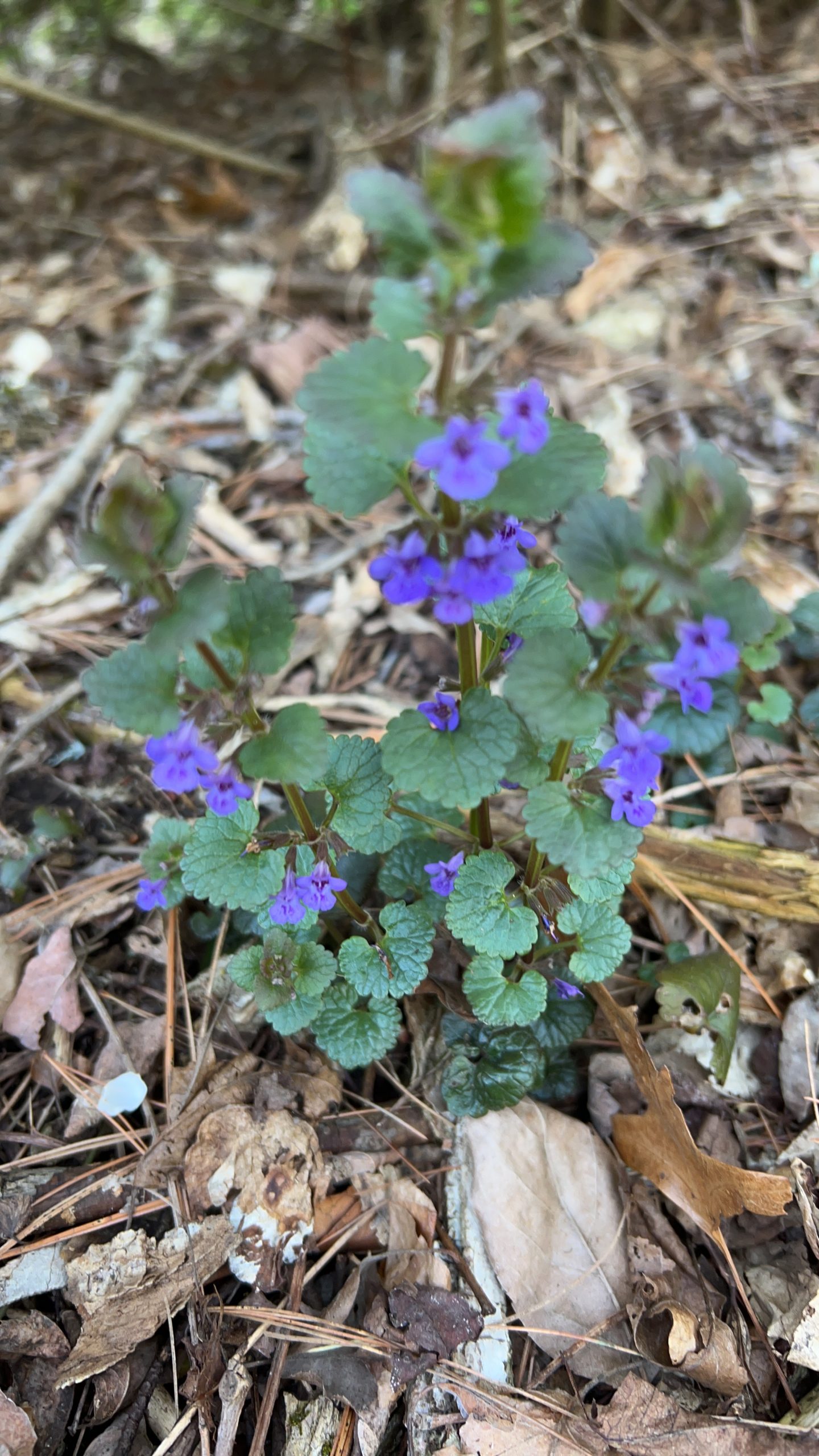
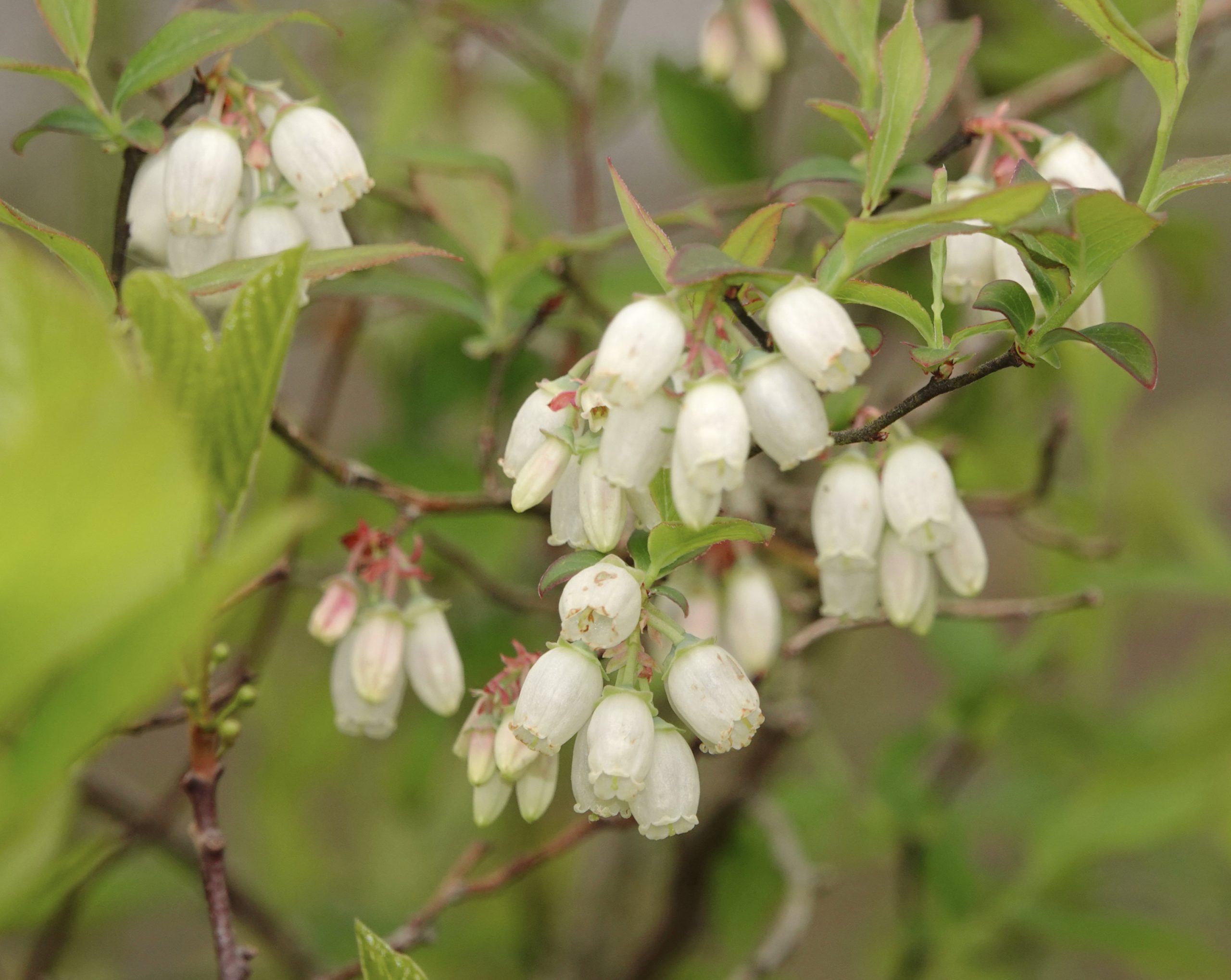
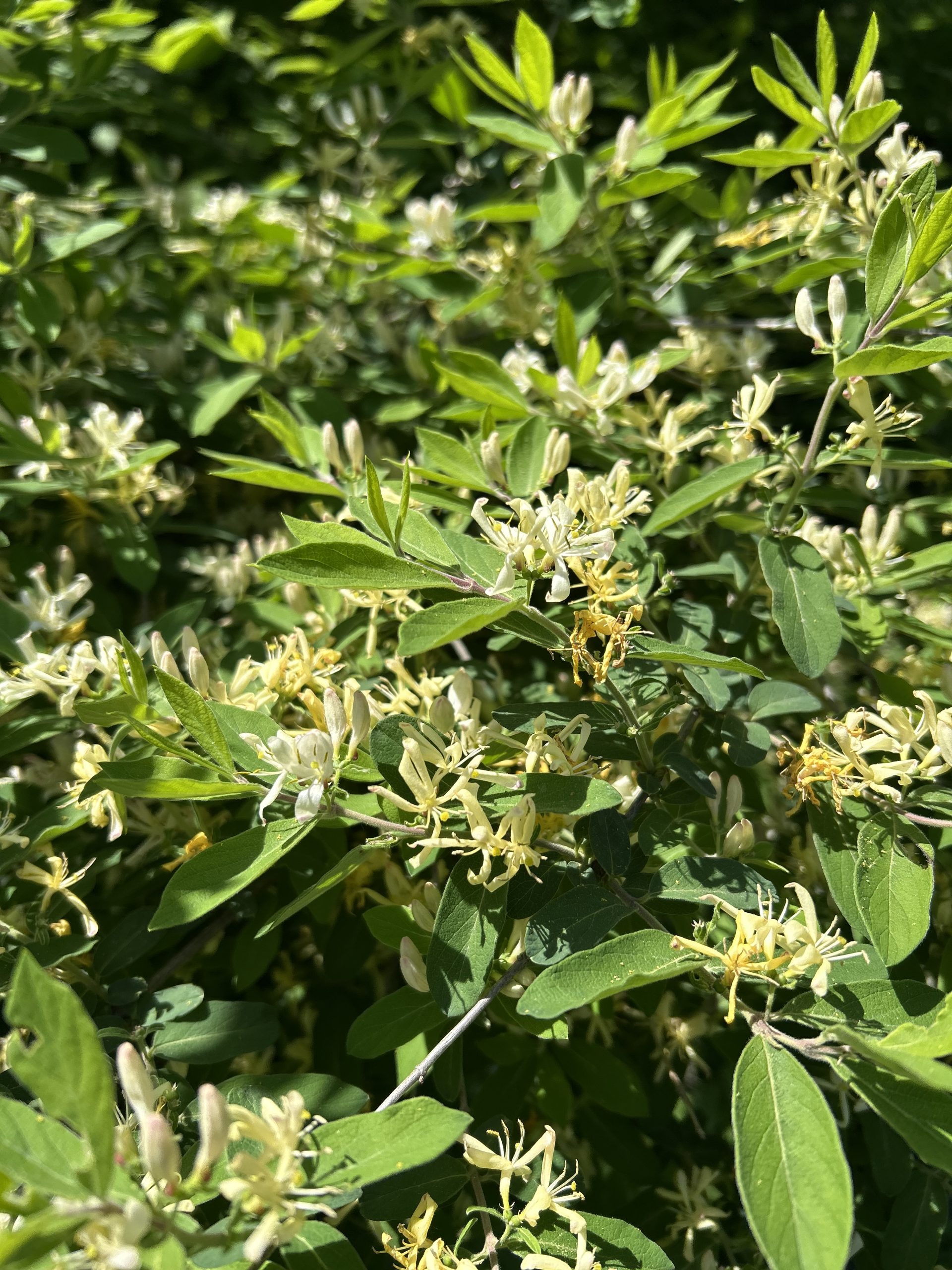
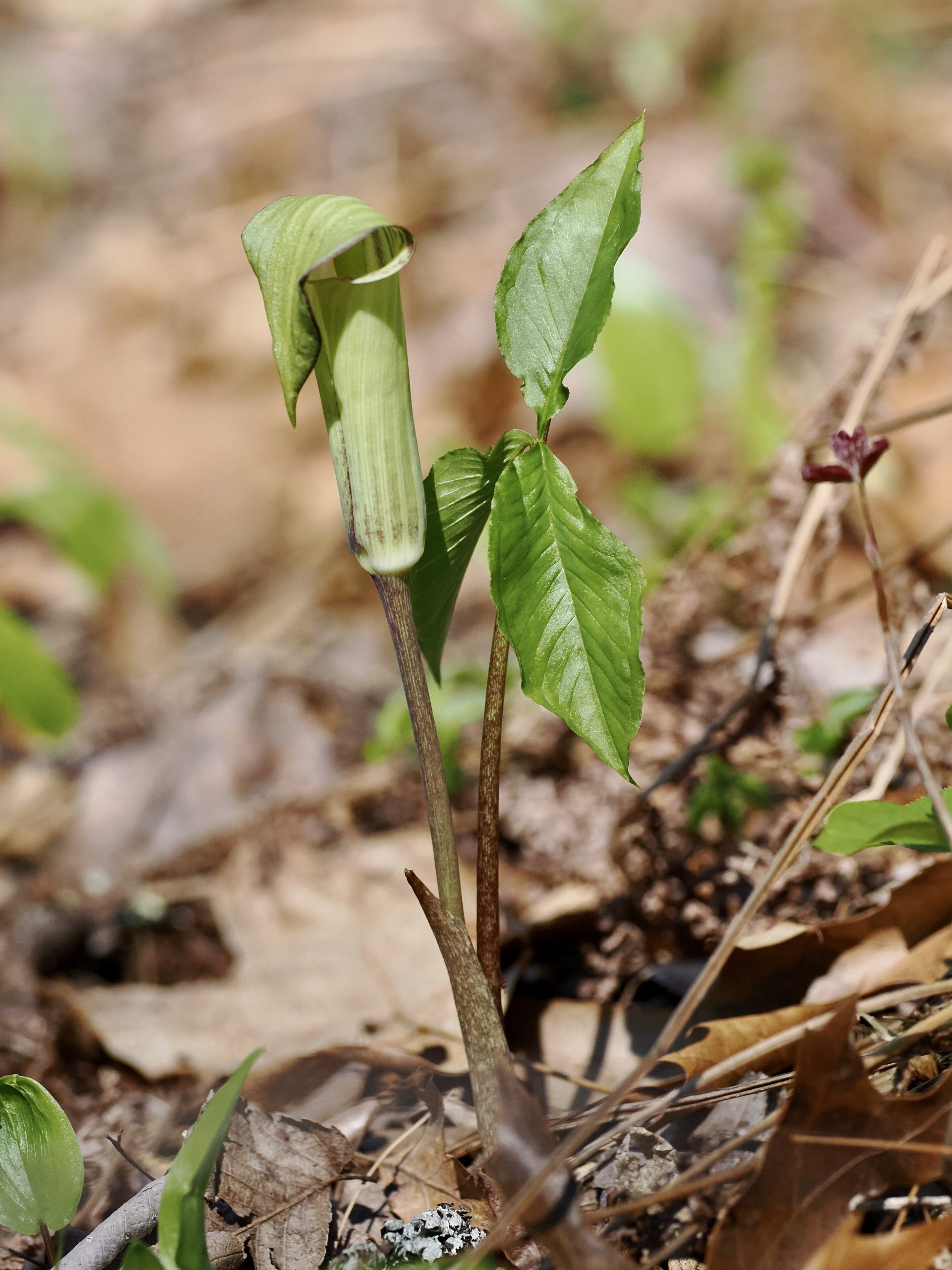
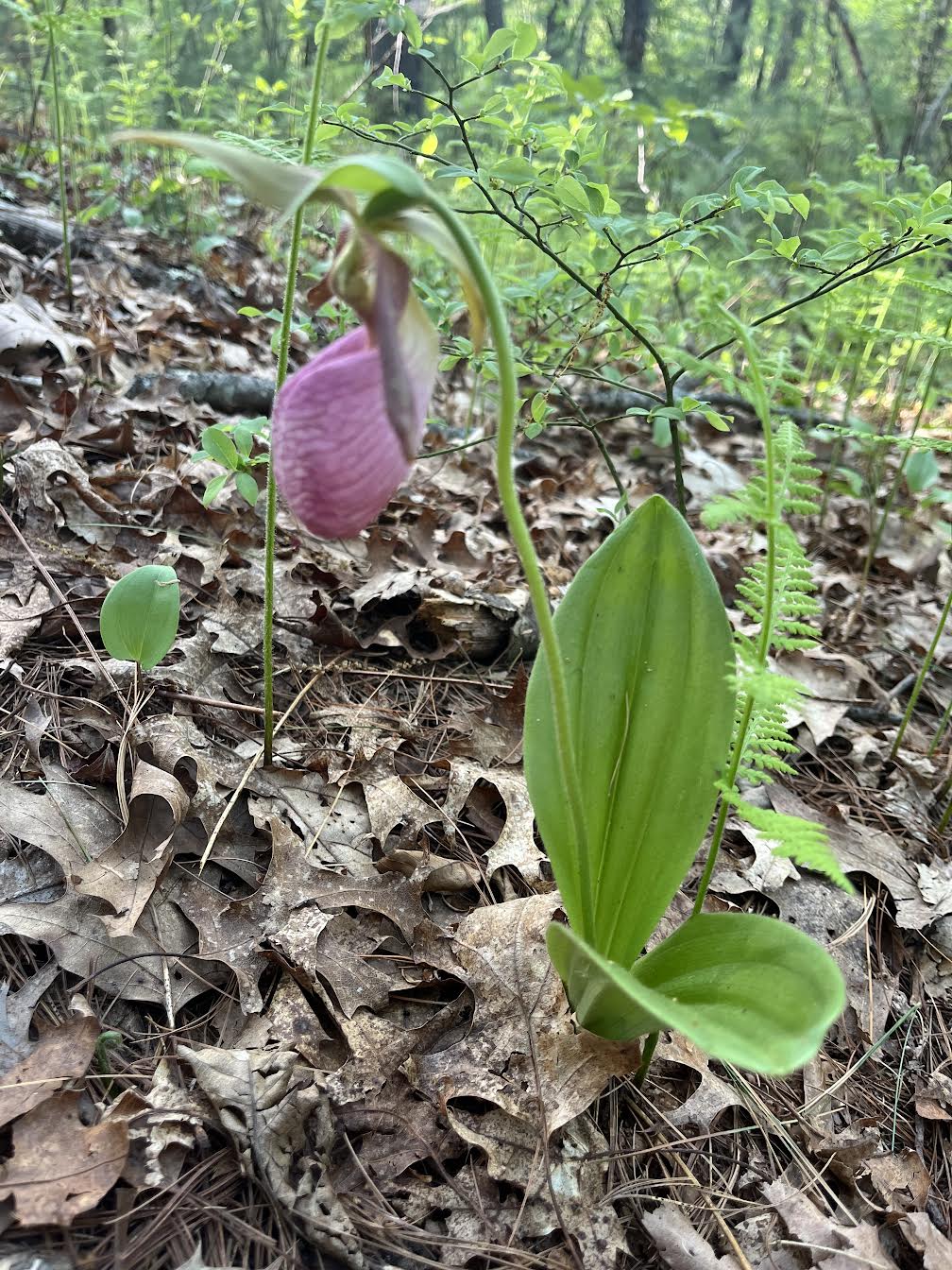
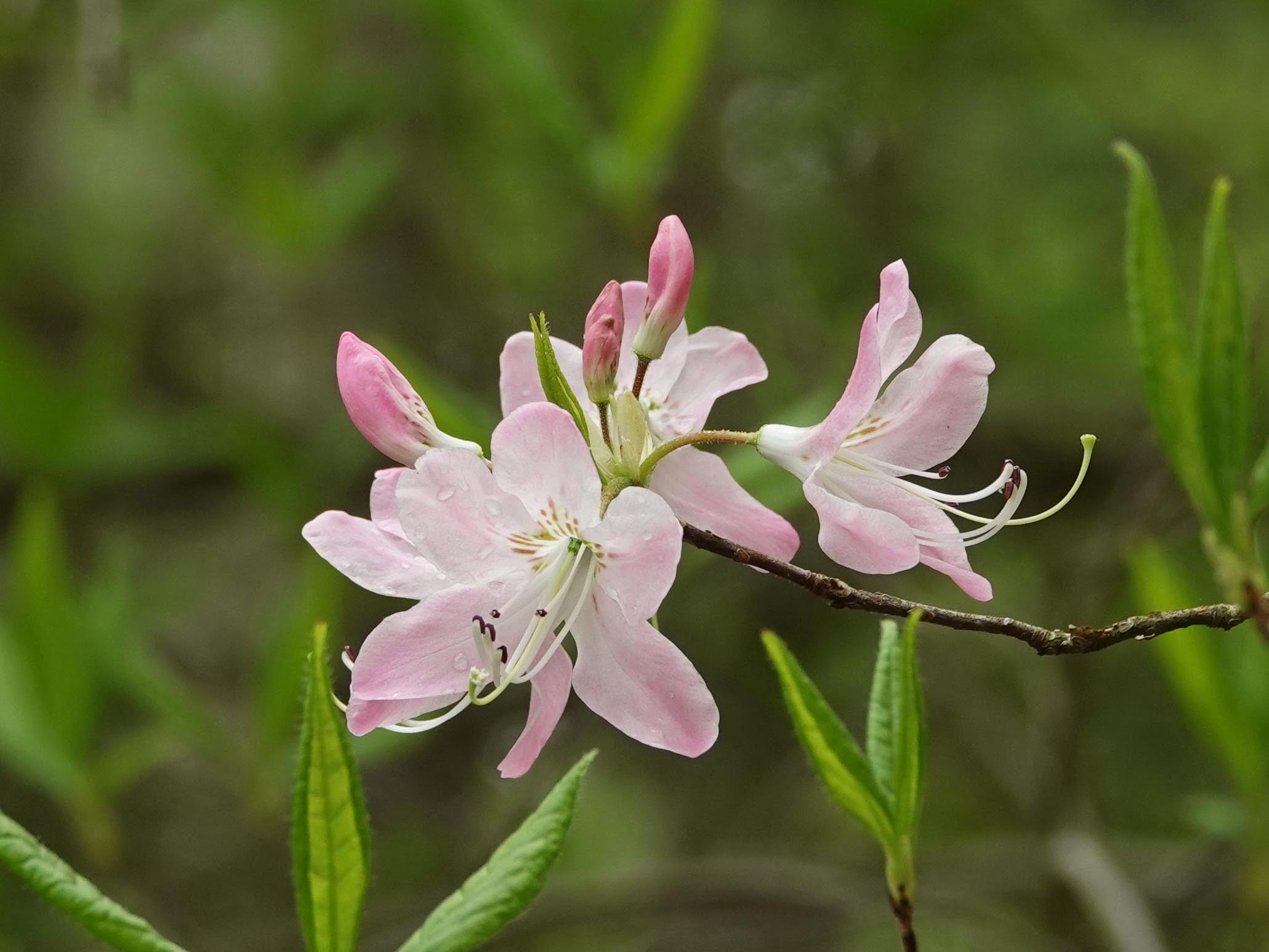
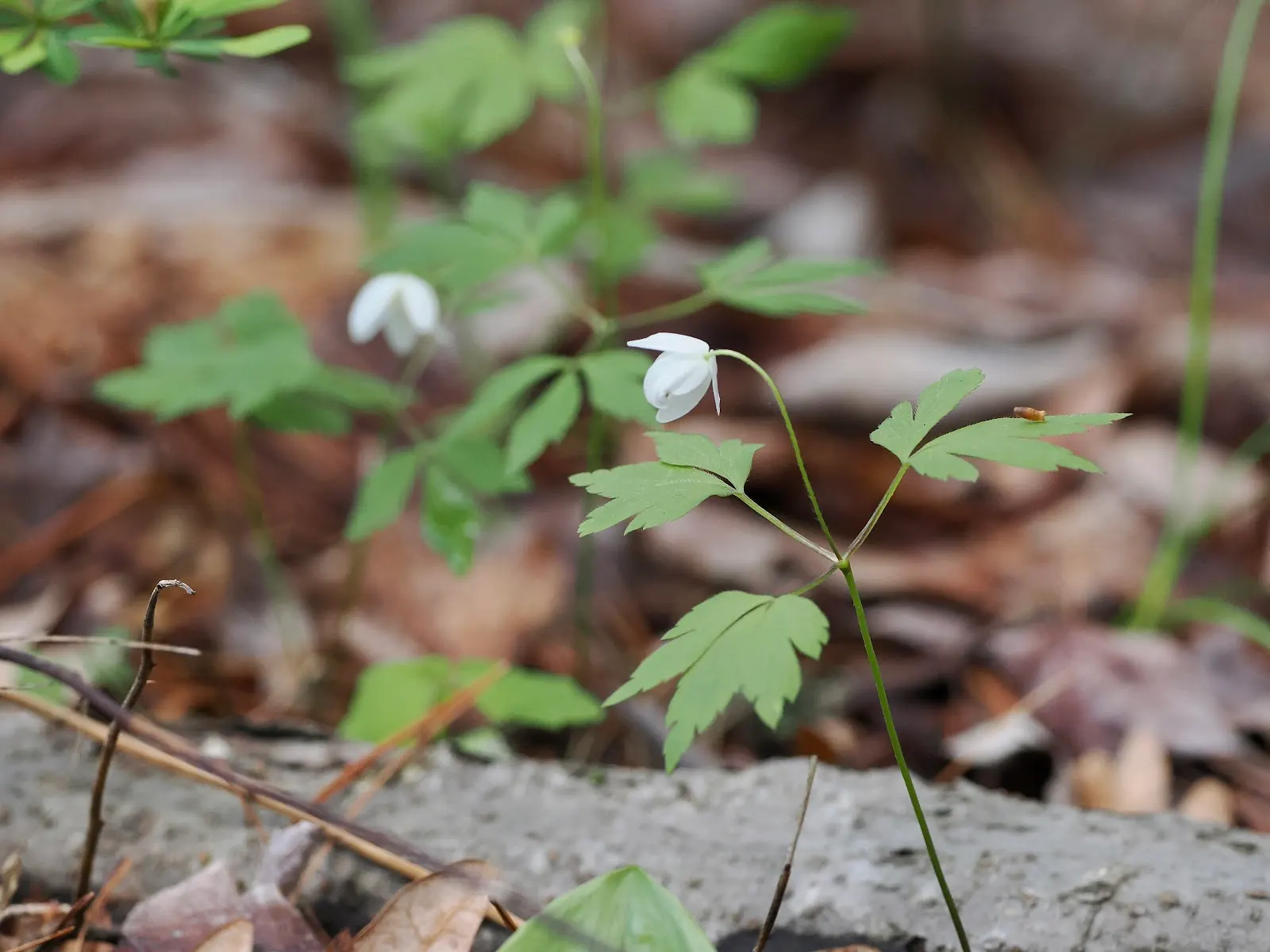
Roadside flowers blooming now include greater celandine, dame’s rocket, and carpet bugle. Garlic mustard, an invasive, is everywhere and this is the time to pull it, while it is flowering and before it sets seed. My lawn is sprinkled with small flowers such as dandelions, buttercups, violets, ground ivy, chickweed and cinquefoil. On a woodland walk, you might come across bloodroot, wood anemone, jack-in-the-pulpit and Solomon’s seal. Canada mayflower (aka wild lily of the valley) carpets the woodland floor and the beautiful lady’s slippers, members of the orchid family, have just started blooming. Both high bush and low bush blueberries are in flower in the woods, giving promise of wildlife food to come. A flowering pinkshell azalea is a spectacular find and honeysuckle is a pervasive shrub in flower. I was happy to come across a bright orange chicken of the woods, one of the bracket fungi.
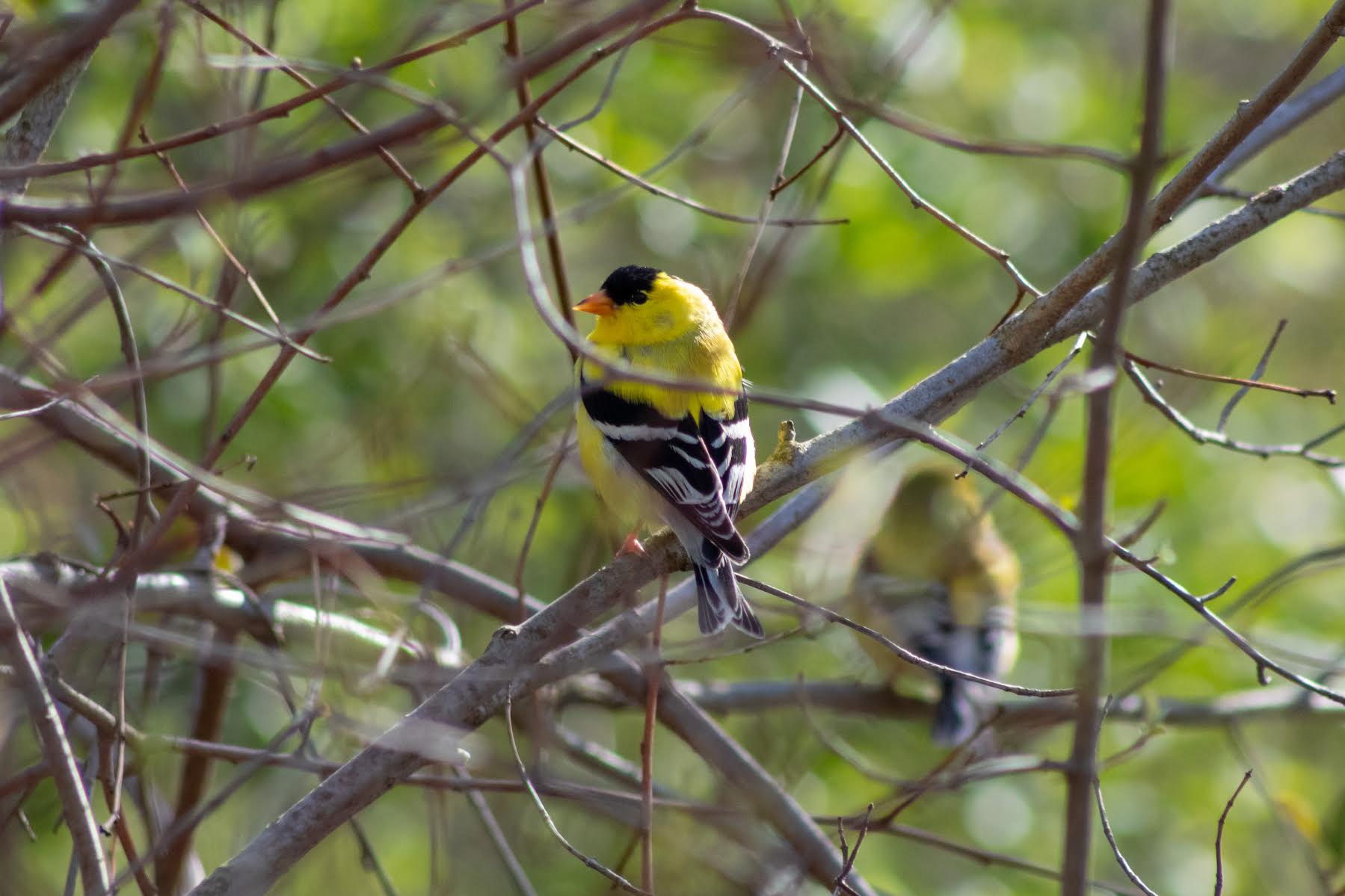
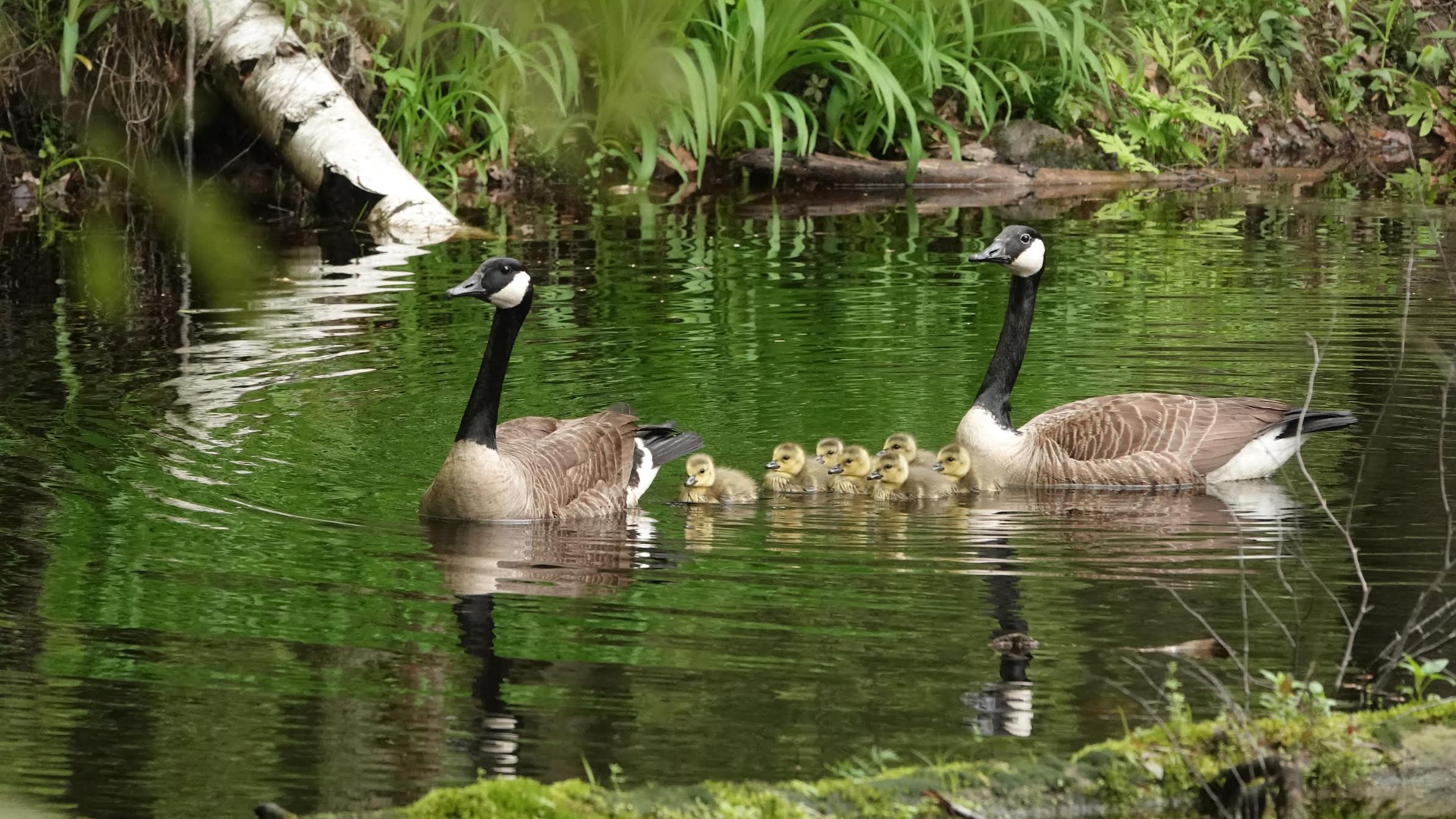
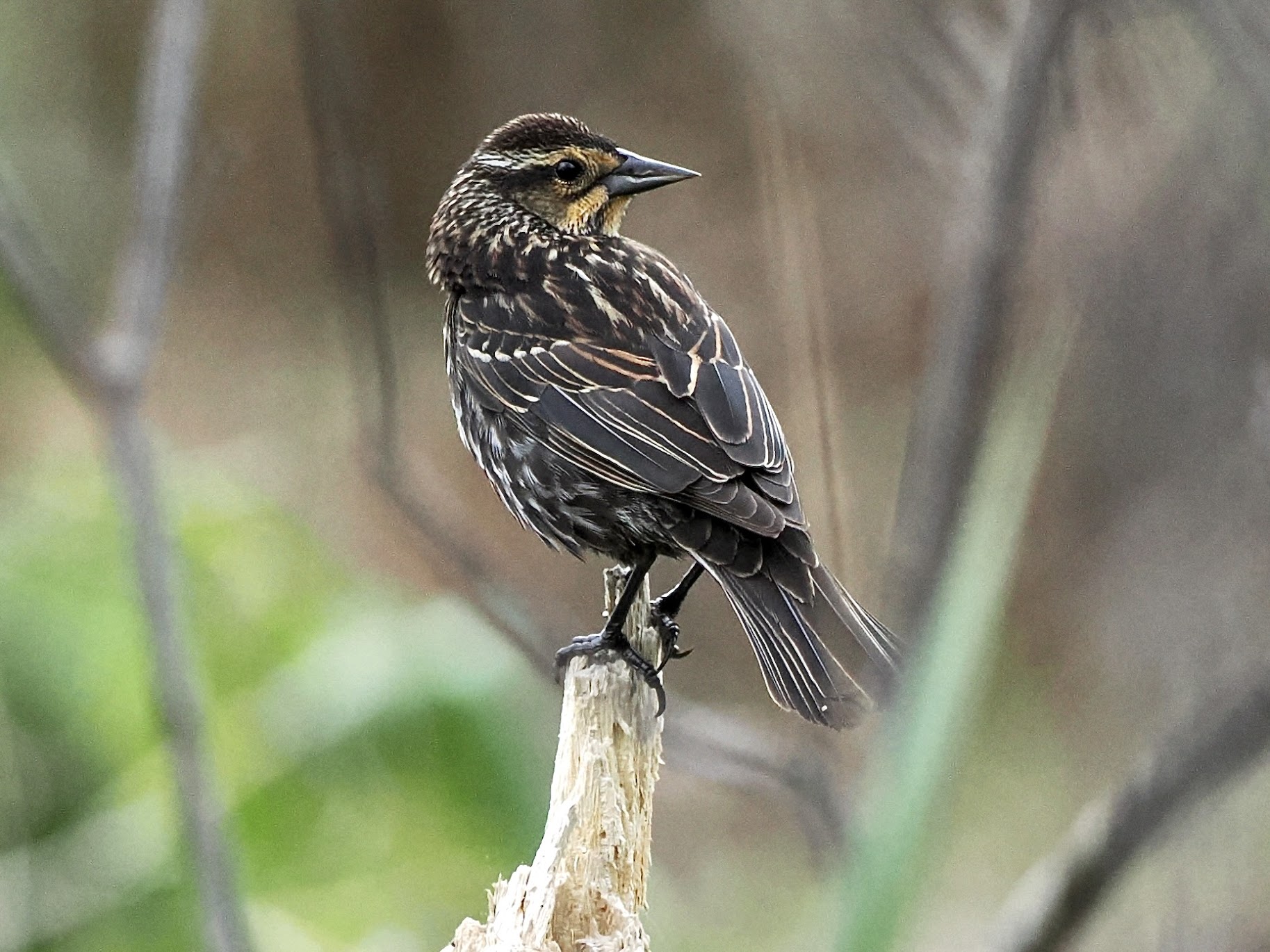
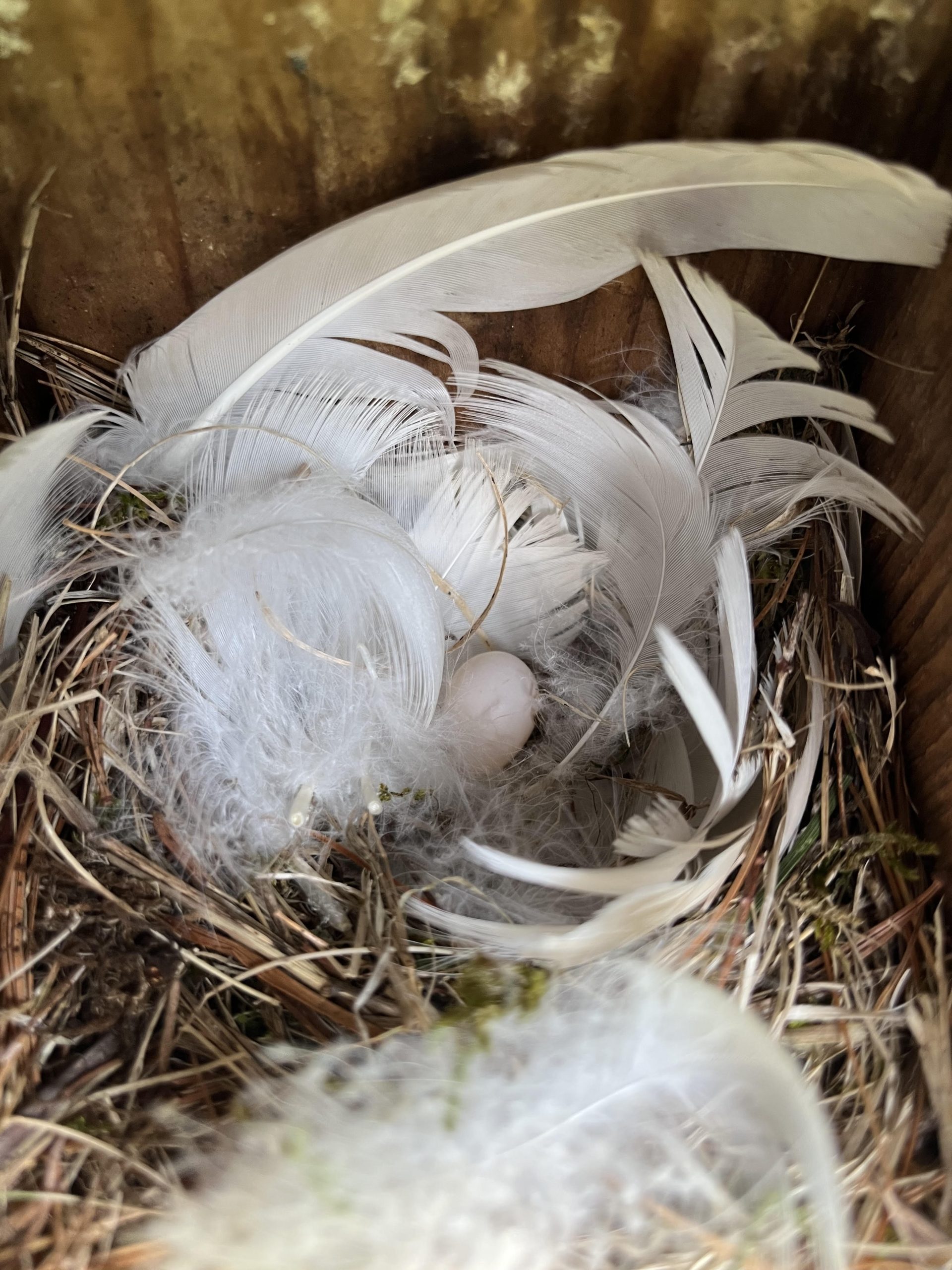
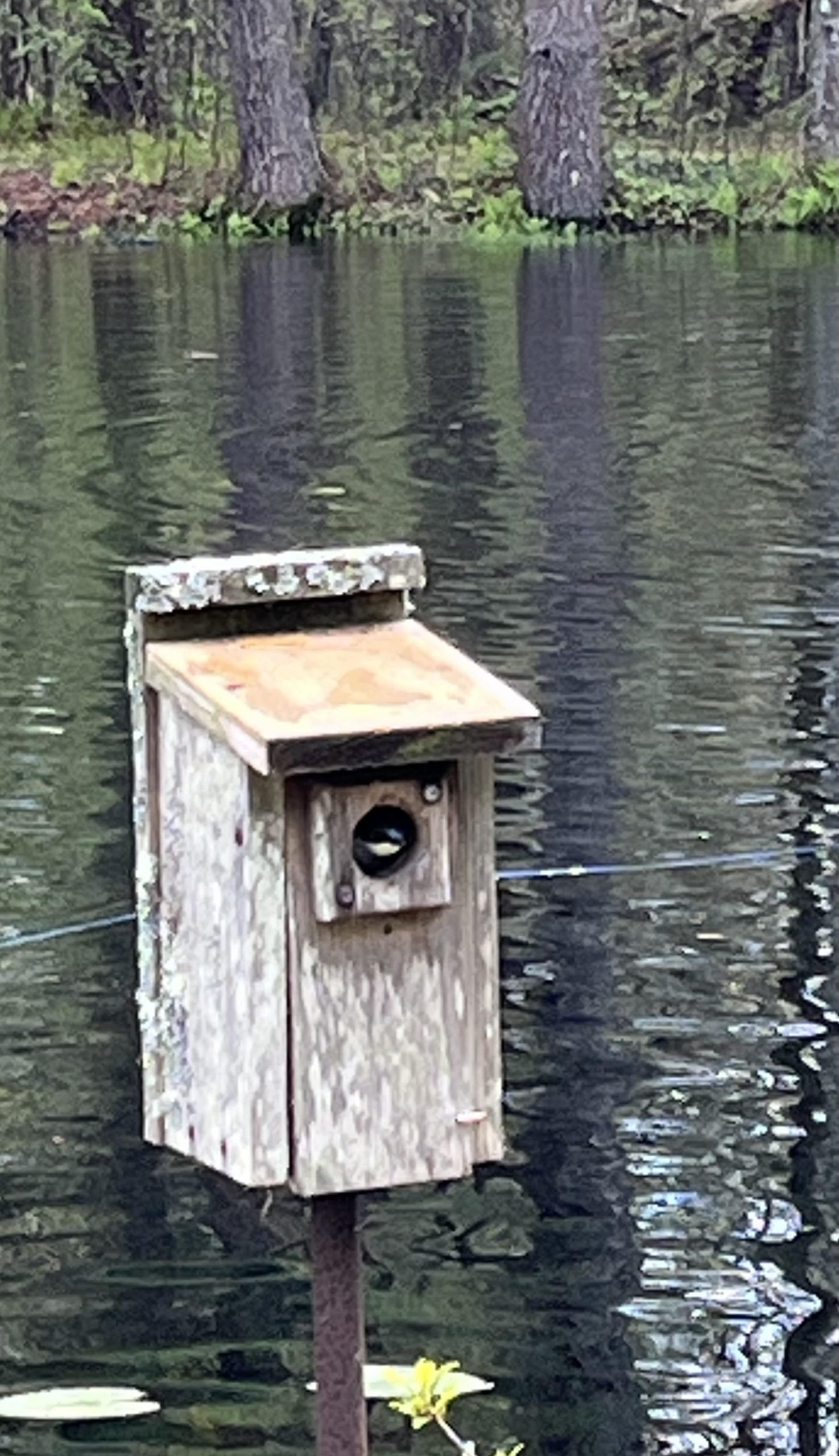
Bird song greets us early in the morning and many people now use the Merlin app. to identify what species they are hearing. The loud warbling whistle of the Baltimore oriole is my dawn alarm clock. The spring bird migration has just peaked, and many birders have signed up for alerts from a website, BirdCast, forecasting the numbers and locations of migrants on a given night. The common summer residents in our backyards, woods, and fields are busy in May and June raising young. “My” first four bluebird fledglings fledged into the big wide world on May 10, and now the parents are building a nest in the same box for family #2. Nature has its share of tragedy. For example, one of my neighbors found very young dead baby bluebirds tossed out of the box onto the ground. What did it? Why? She also saw a red-tailed hawk grab a wood duck and fly off, and another neighbor, admiring six Canada goose goslings, watched them disappear one by one, until none were left in only a few days. Maybe a snapping turtle was the predator or perhaps the afore-mentioned neighborhood red-tailed hawk? Of course, the predators have to eat too but it is always hard to watch when our sympathies are with the innocent victim. Only 20-30% of baby birds survive to adulthood due to predation, weather, disease, or starvation during the vulnerable nestling and fledgling stages.
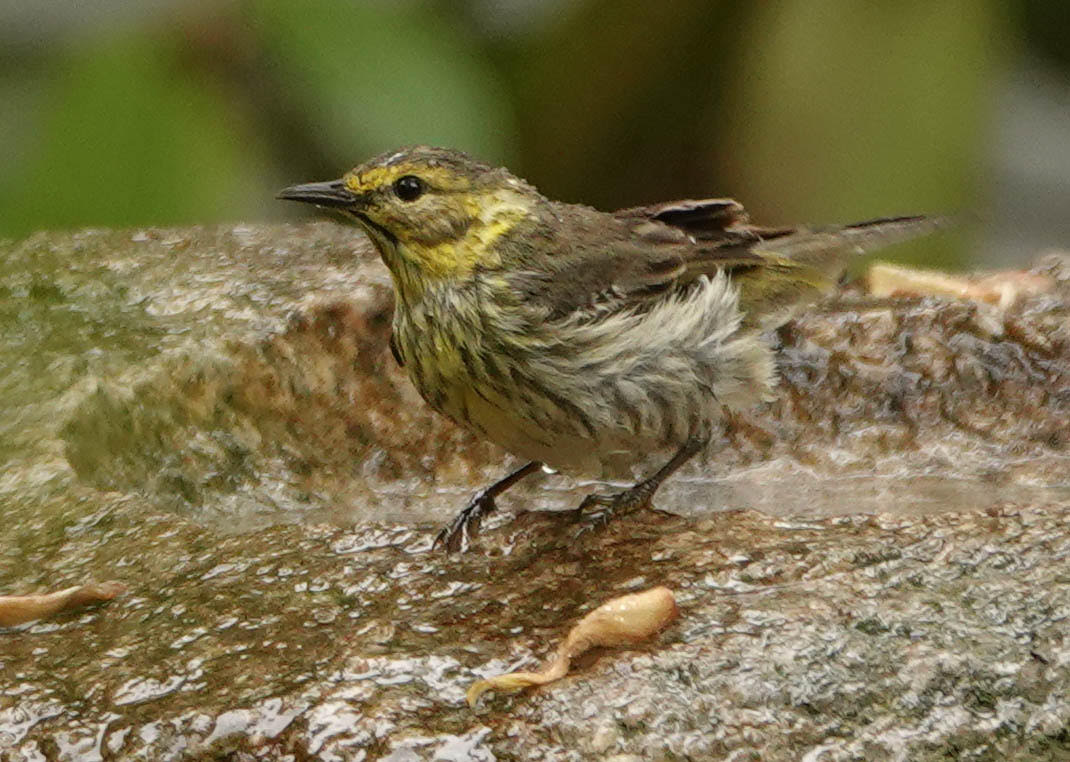
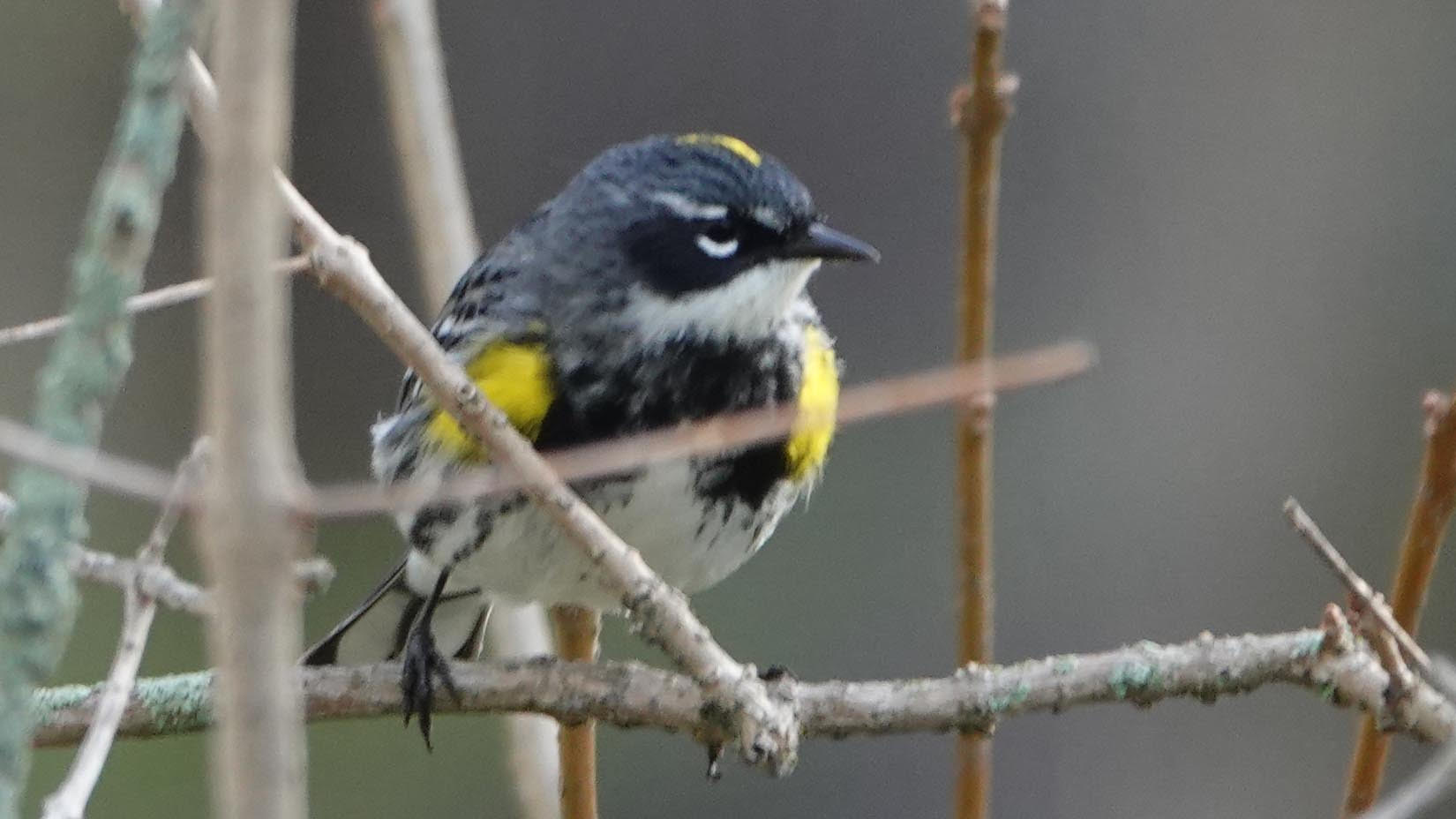
On a happier note, the wood warblers, dressed in their best breeding plumage, are annual highlights for birders during migration. Warblers such as pine, yellow, common yellowthroat, ovenbird, and American redstart will nest here. Magnolia, black-and white, black-throated blue, black-throated green, blackpoll, prairie, yellow-rumped, Northern parula, Nashville, Canada, Cape May, and Wilson’s have all been spotted as they pass through on their way farther north. We may see them again if we vacation this summer in the woods of Maine, New Hampshire, Vermont, or Canada.
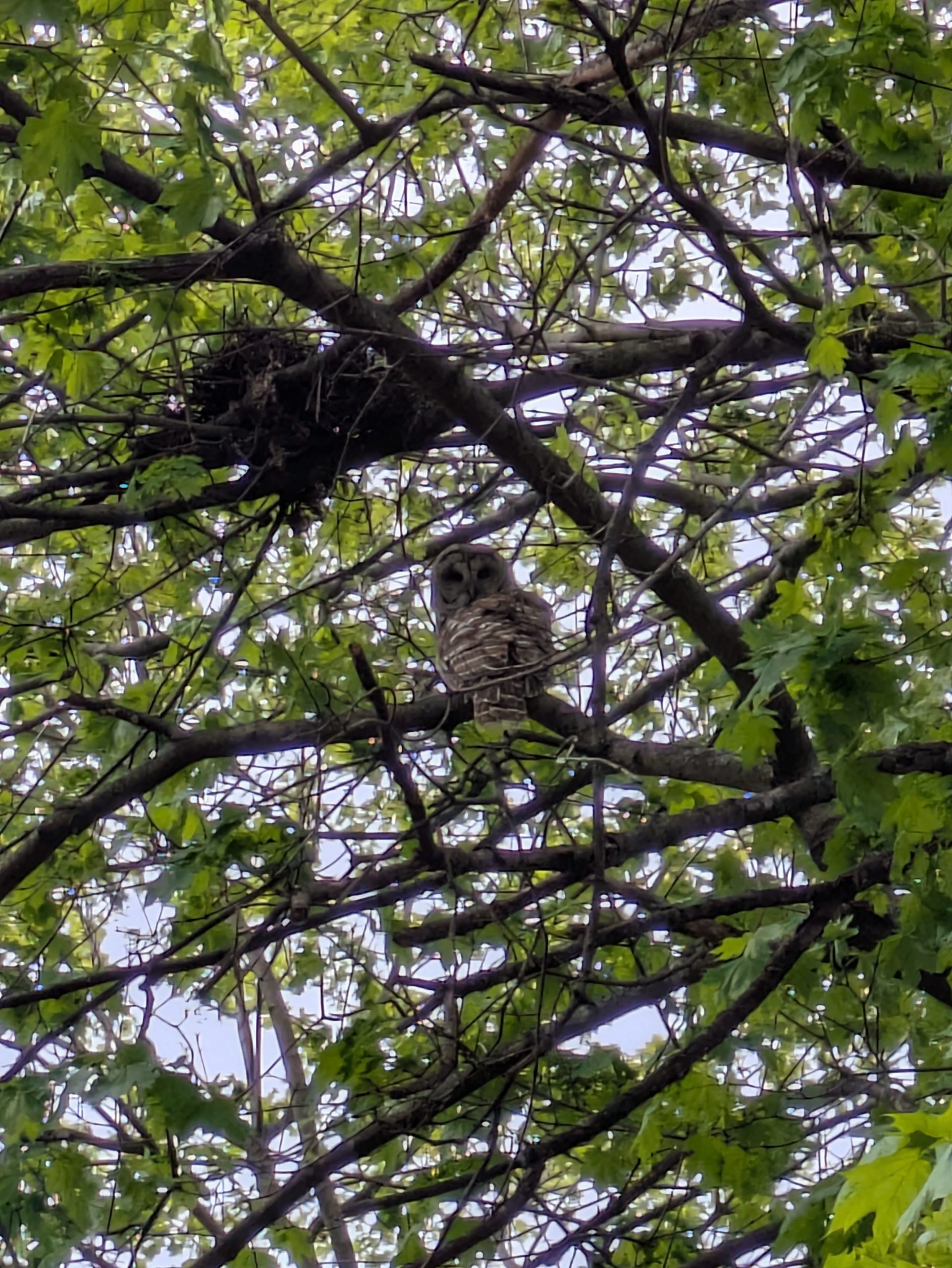
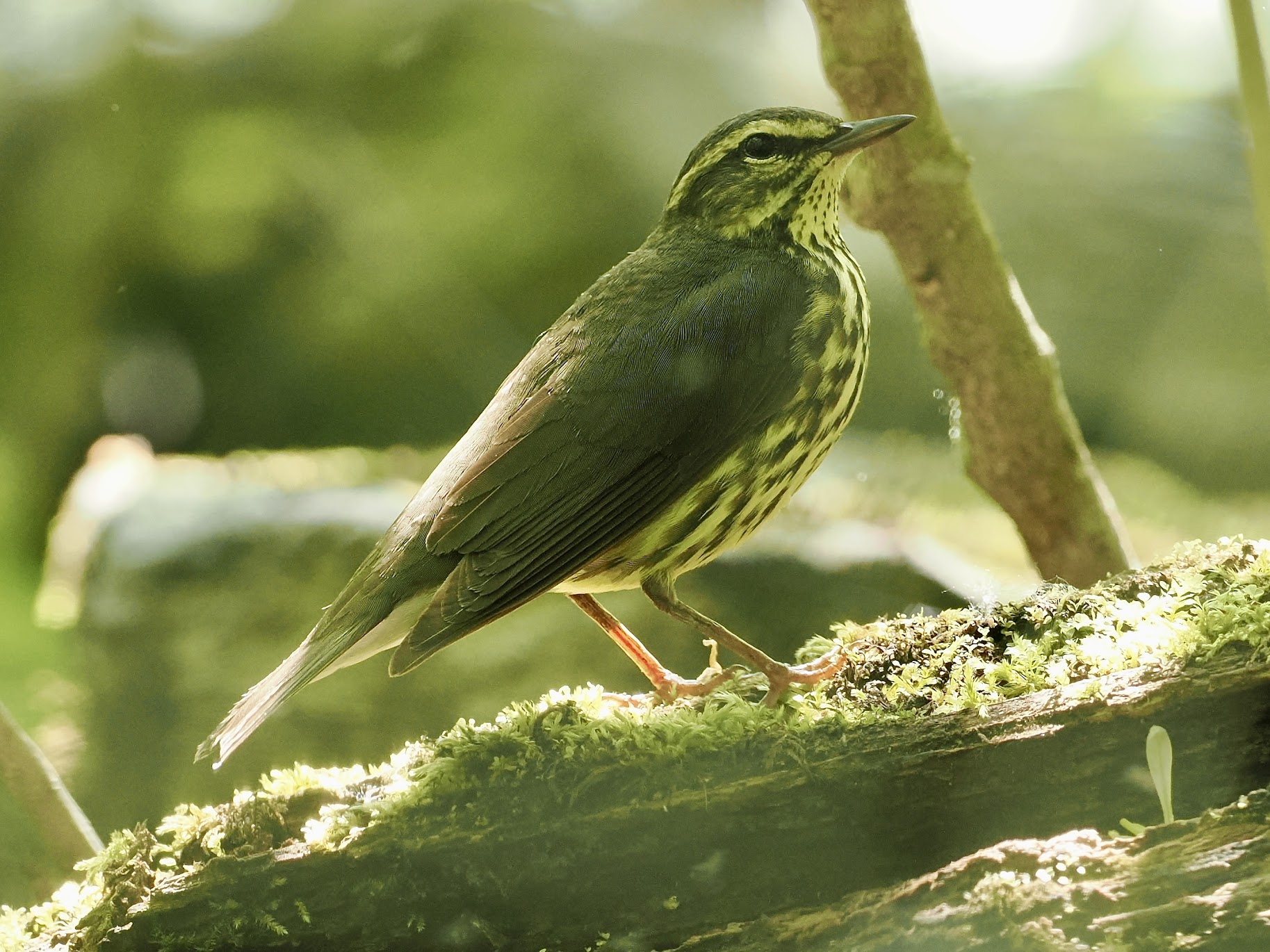
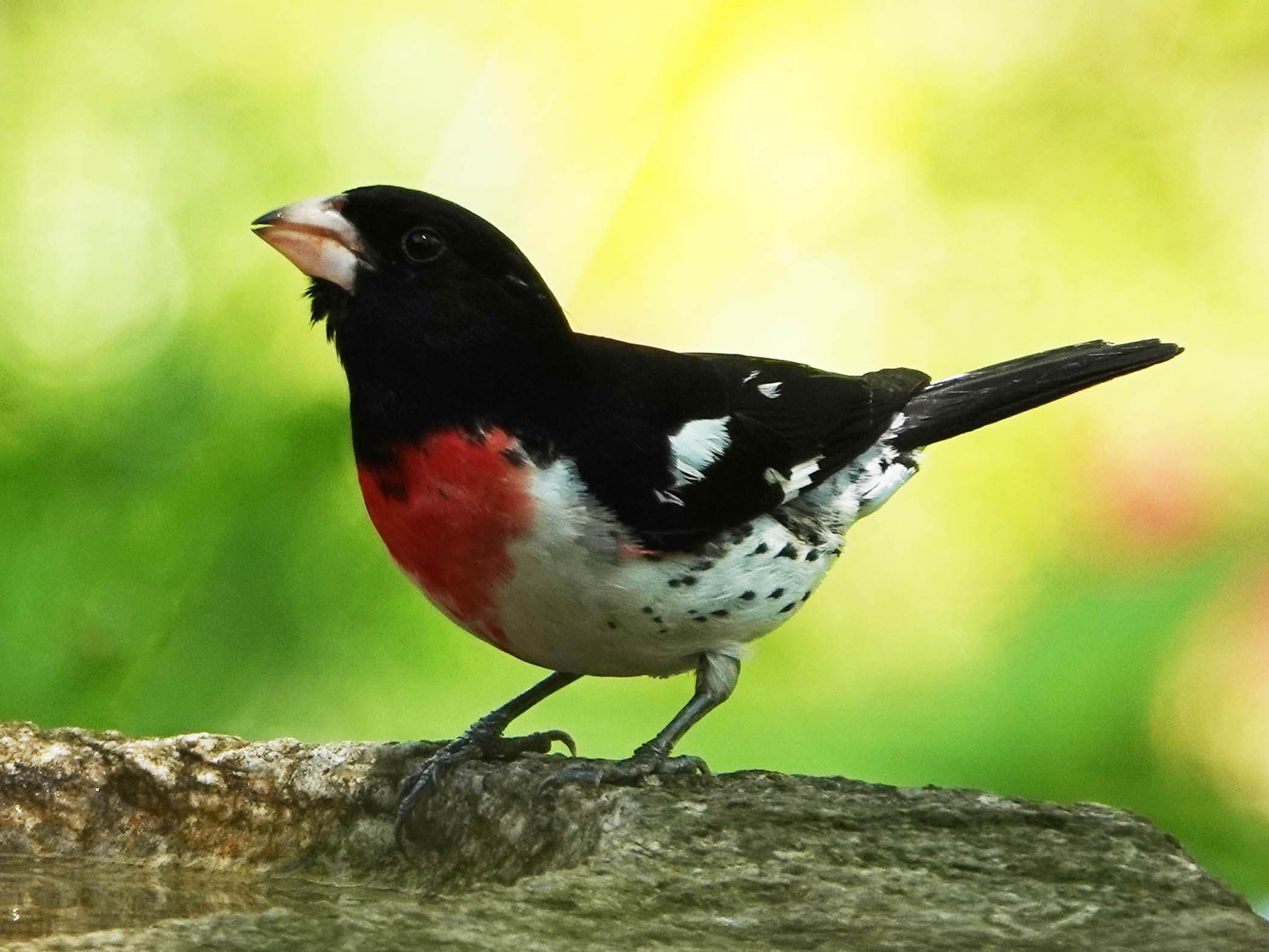
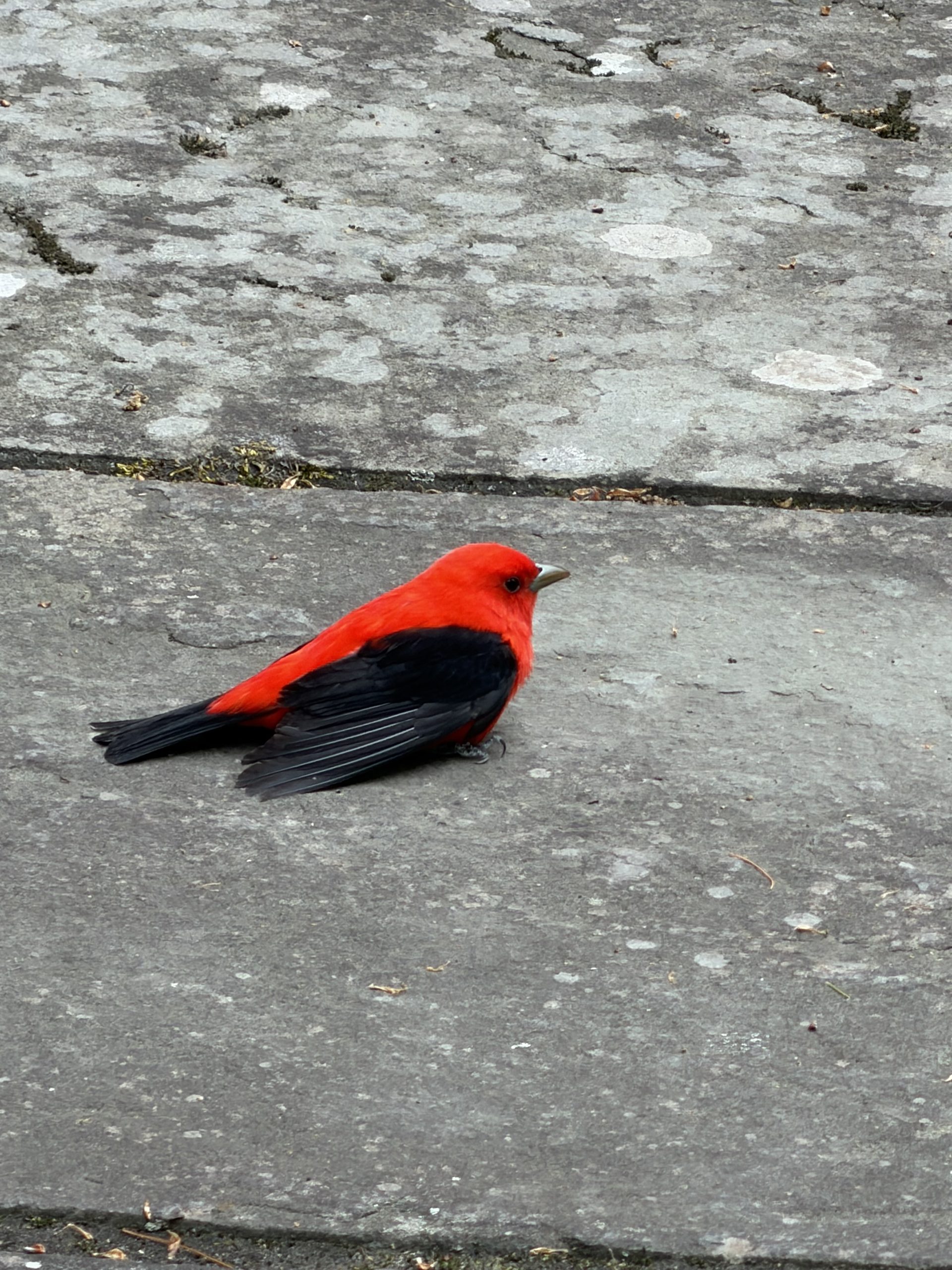
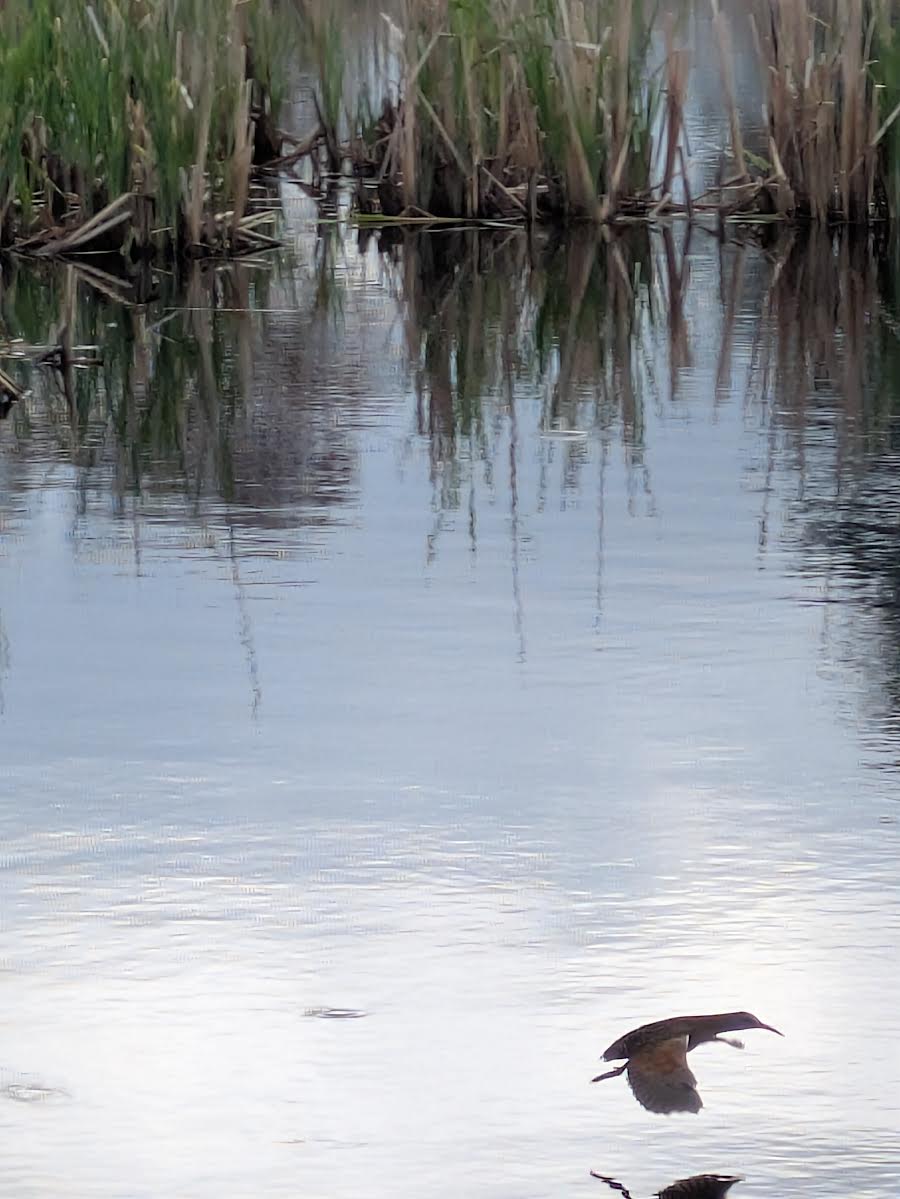
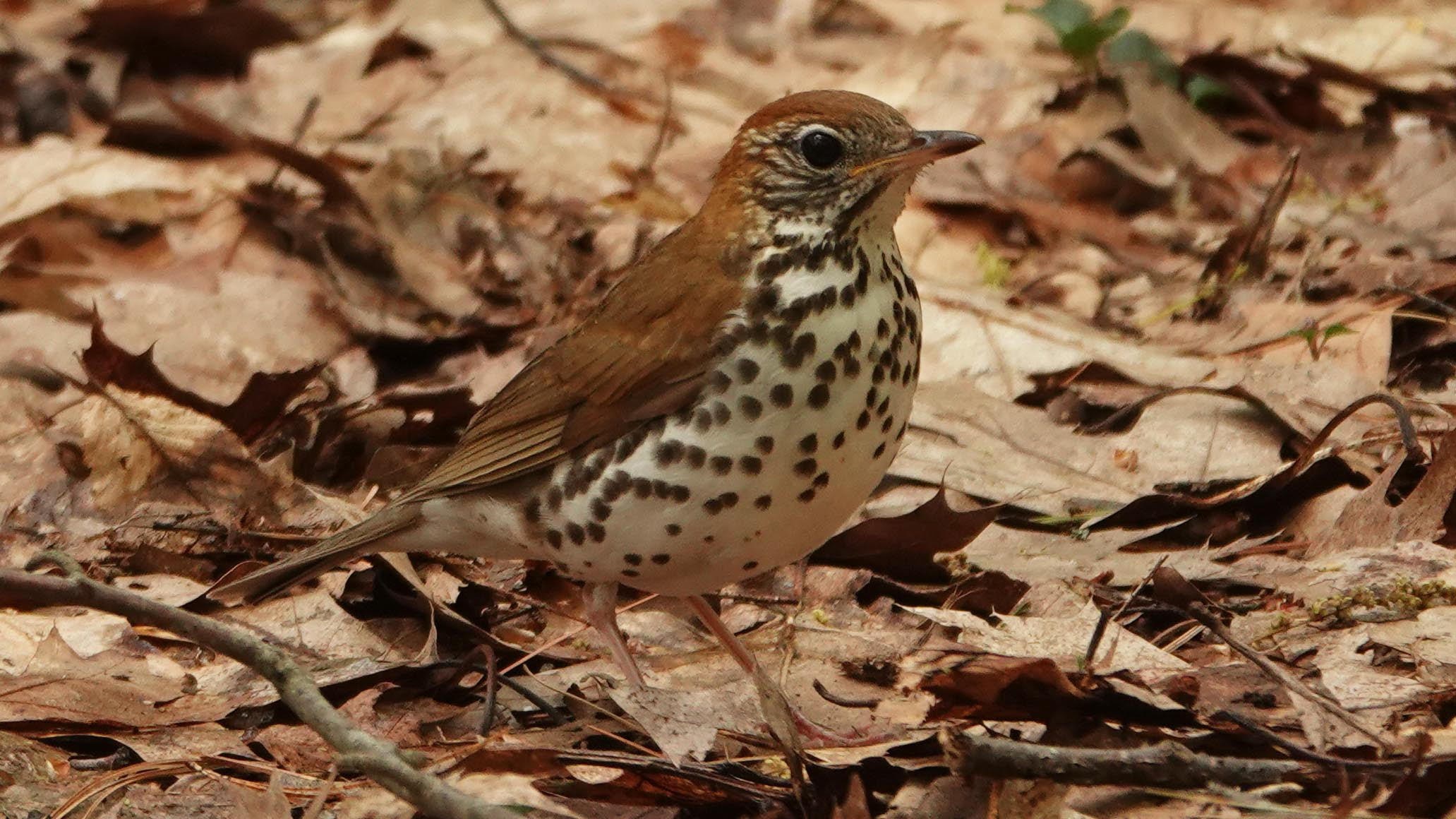
Other colorful summer residents have arrived, such as ruby-throated hummingbirds, scarlet tanagers, indigo buntings, Baltimore orioles, and rose breasted grosbeaks. The melodious “ee-o-lay’ song of the wood thrush calling from the woods adds a dreamy note to a summer evening. Tree swallows and barn swallows swoop over ponds and fields, catching mosquitoes and other insects on the wing. A notable sighting on a recent bird walk was of Virginia rails skulking amongst the cattails in the pond below St. Anne’s. Our summer flycatchers such as Eastern phoebes, great crested flycatchers, Eastern wood-pewees and Eastern kingbirds are back for the summer. Other recent notable avian sightings include a Northern waterthrush, a pair of barred owls, American kestrels, orchard orioles, and a few bobolinks.
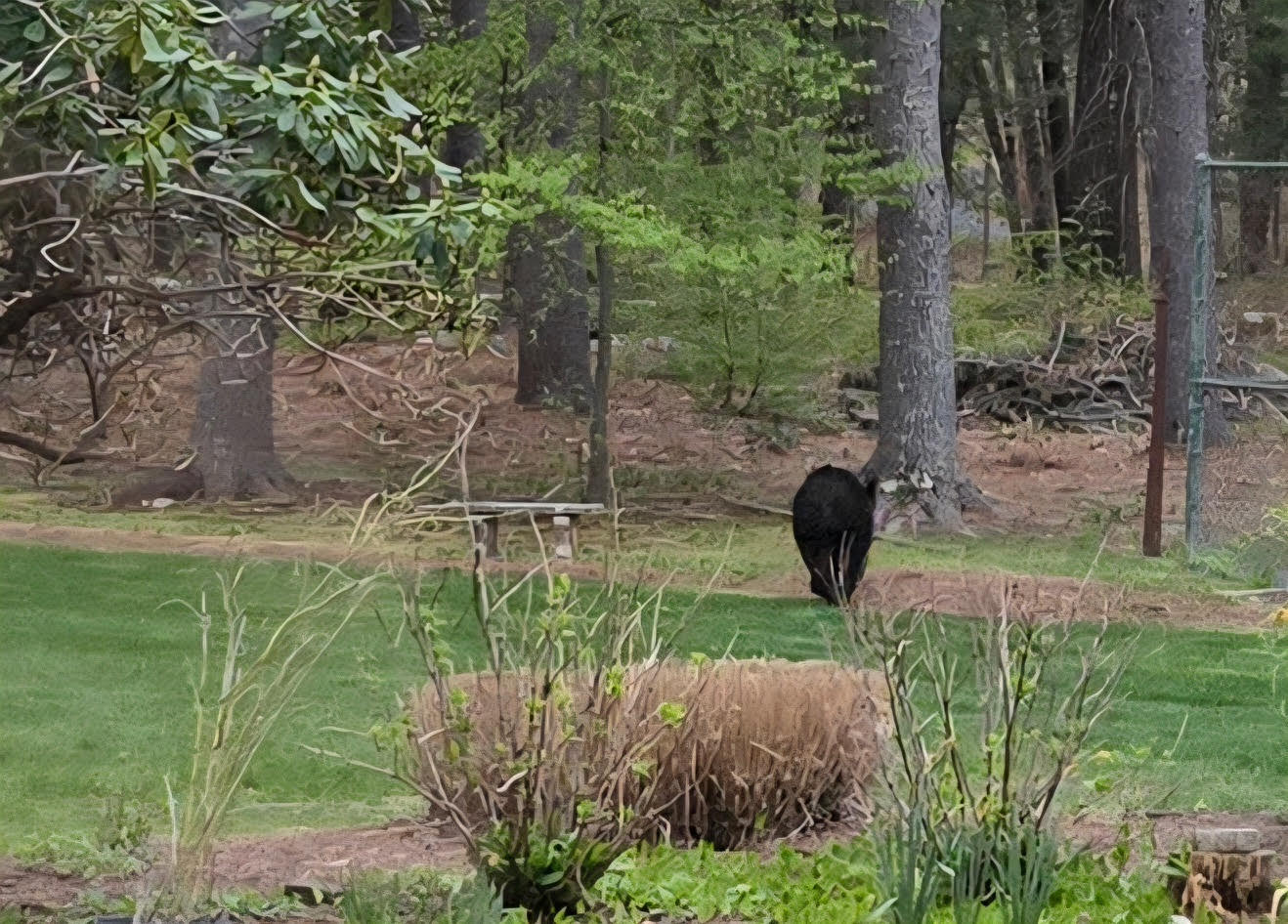
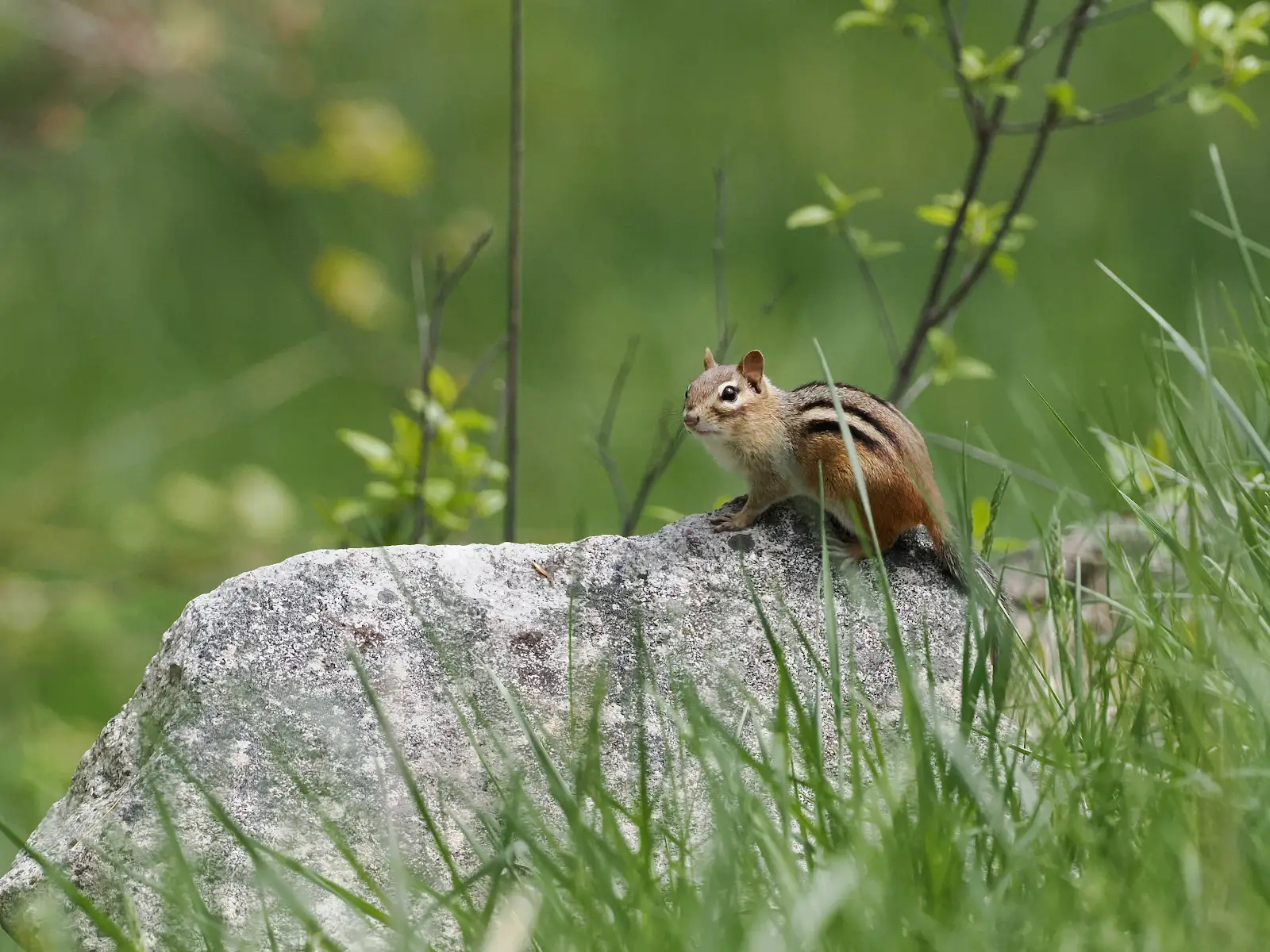
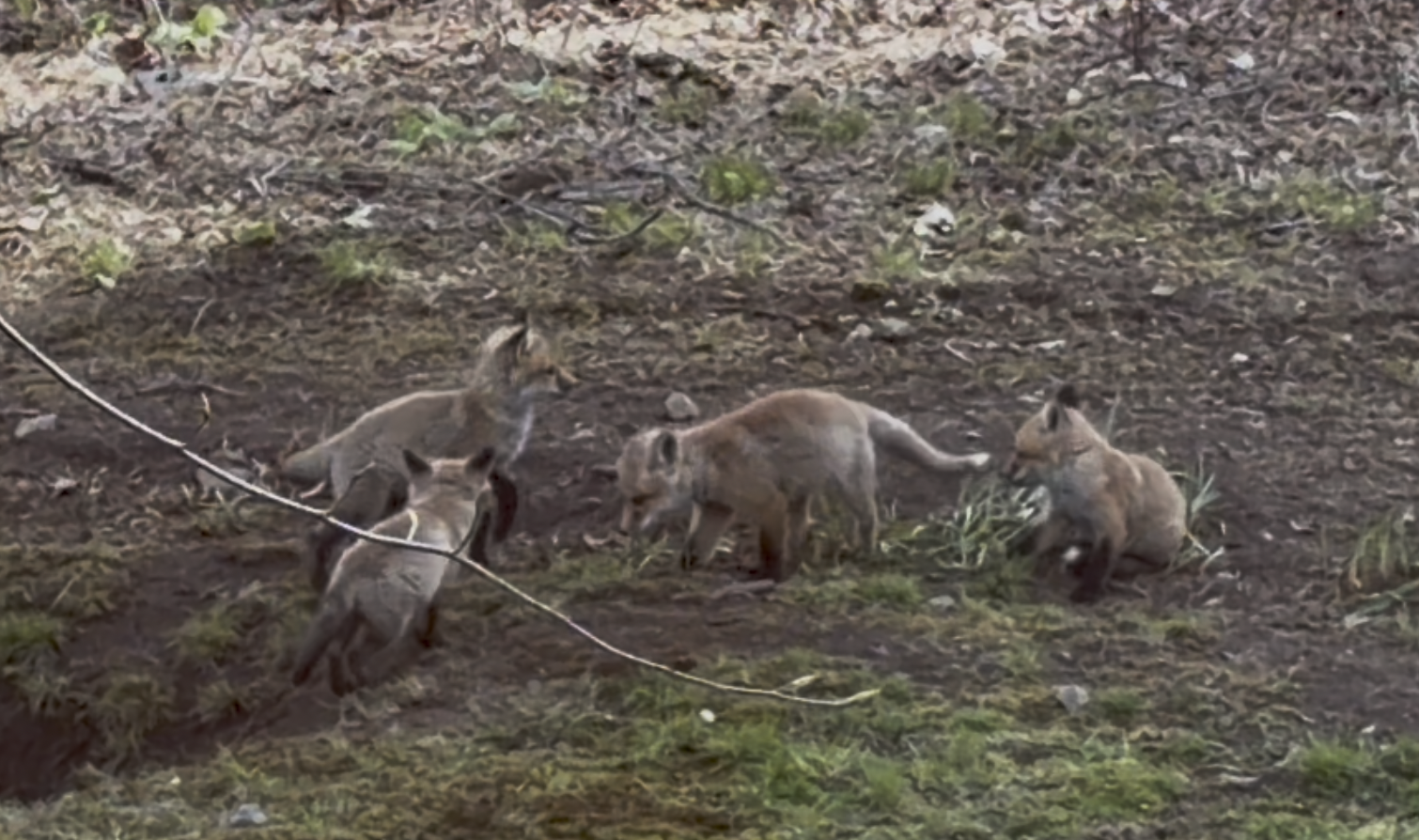
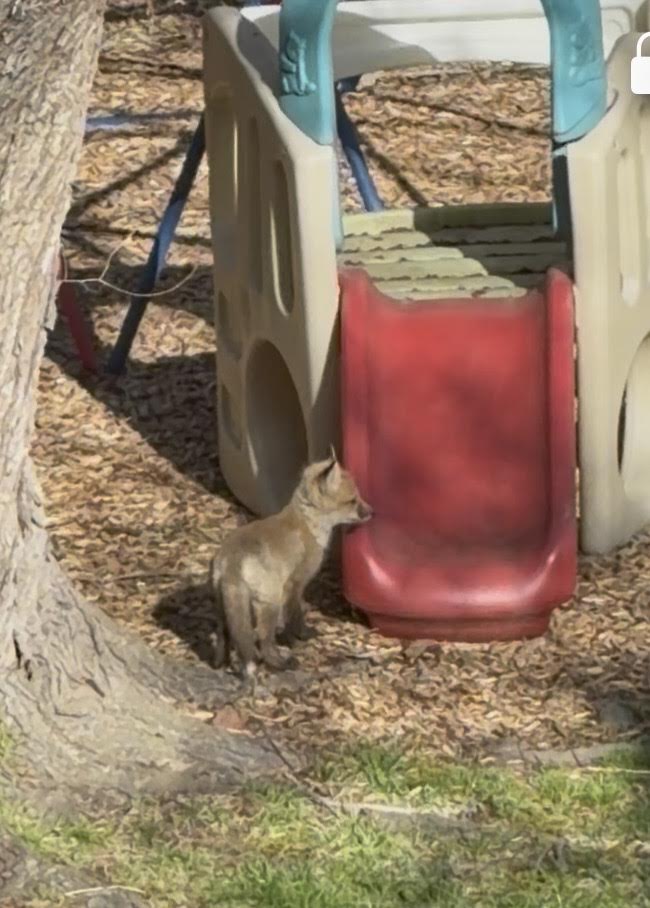
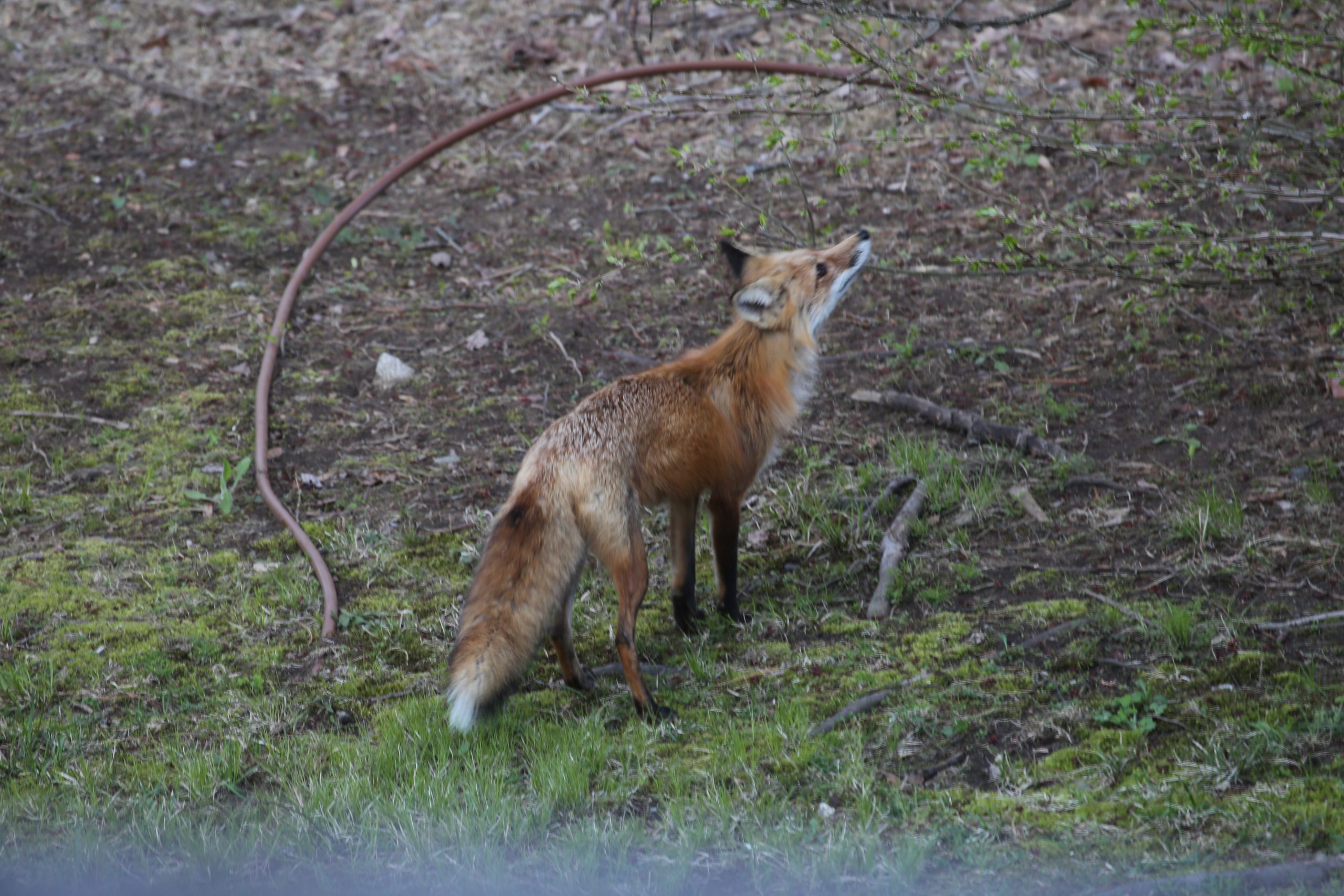
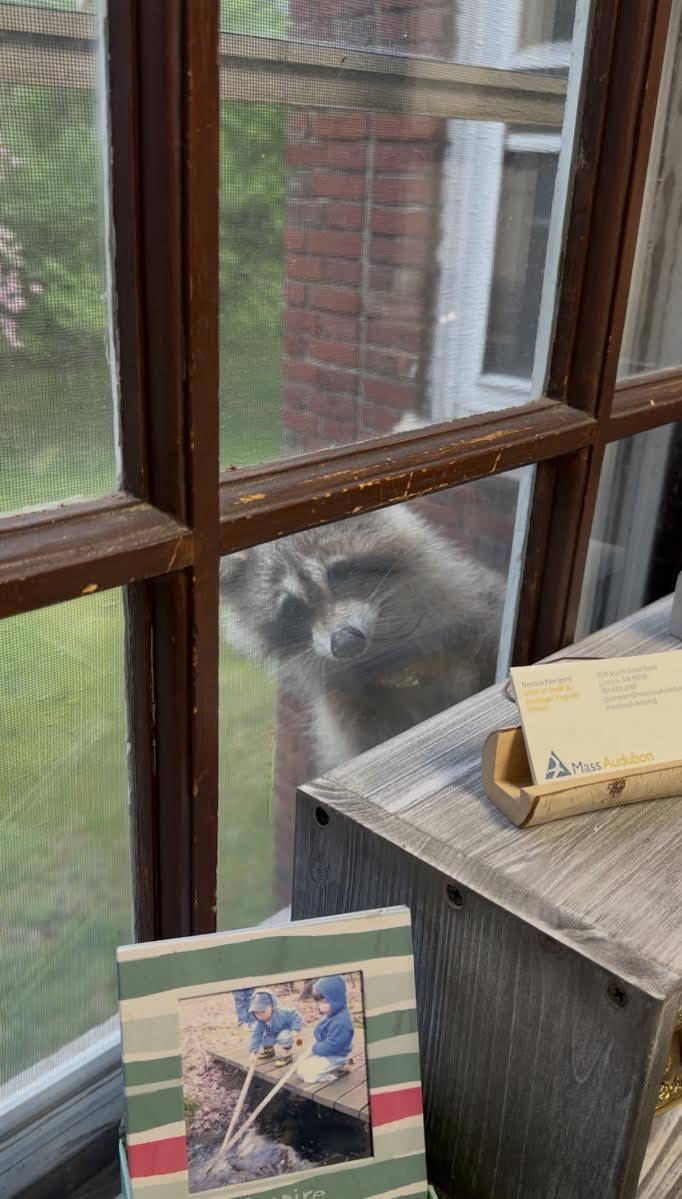
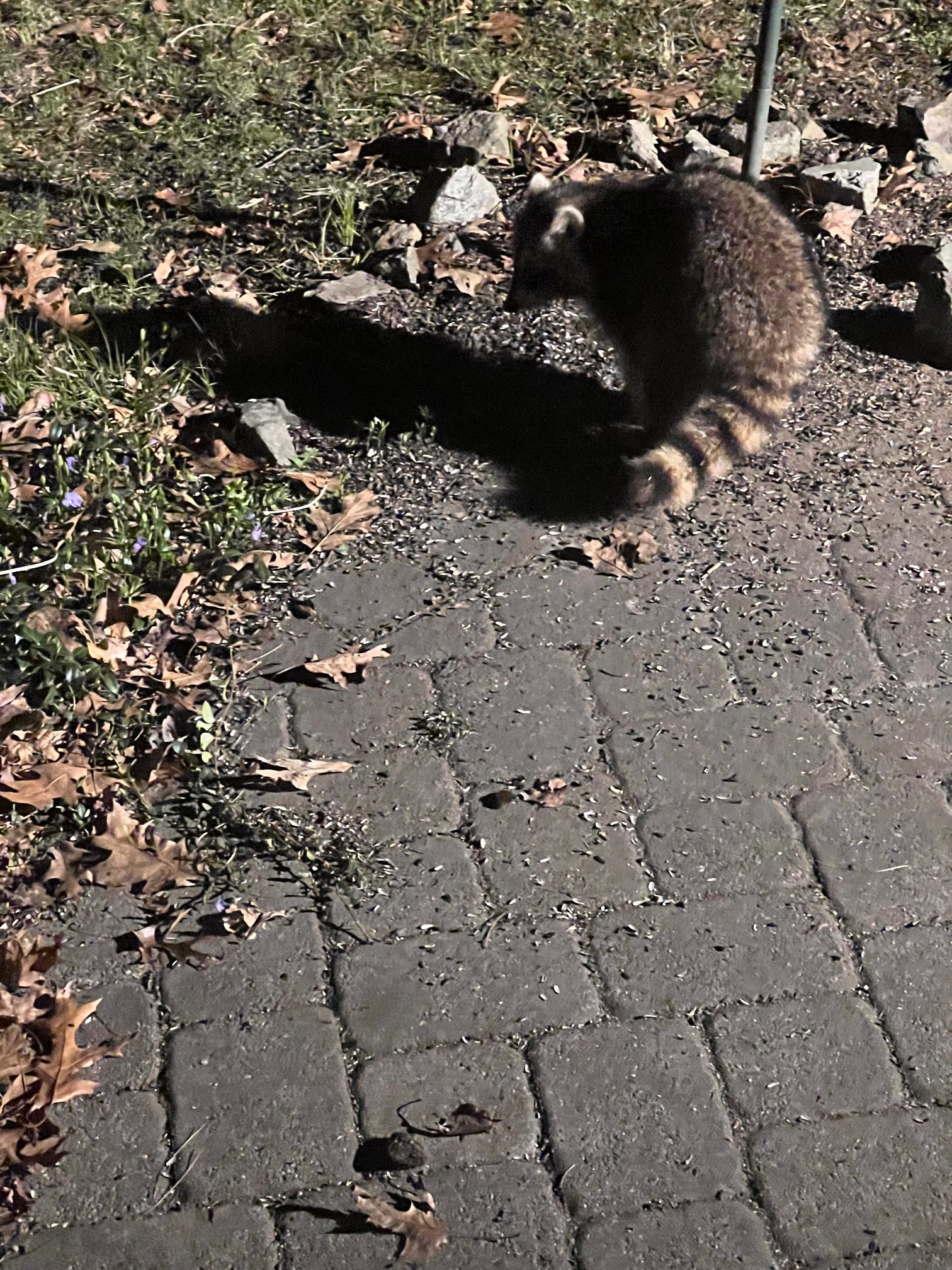
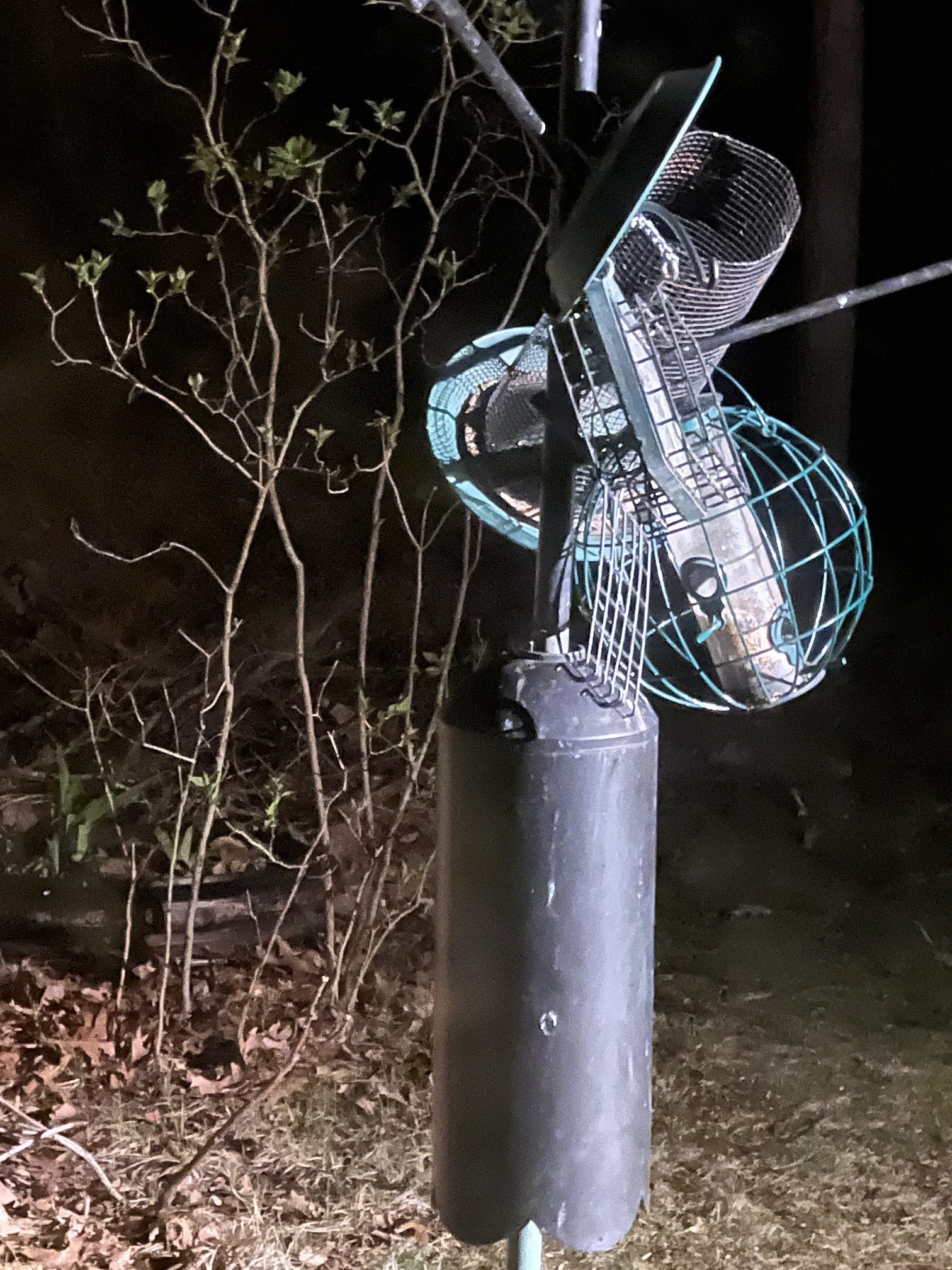
An exciting report in the world of mammals was of a black bear wandering through a backyard on Tabor Hill Rd. and a Winter St. resident was amazed to see a bobcat quite close to their house on their deck. A lone coyote has been seen frequently near my house on Conant Rd, and a howling coyote chorus is an eerie sound at night. The Taylor family on Beaver Pond Rd. had the pleasure of watching a family of foxes born in a den near their house, with the fox kits even exploring the backyard play equipment. The kits are now weaned and out on their own. For years I have had numerous chipmunks on my property but now I just see one or two darting along the stone walls. I do not know why there are so few this year but since there are two, there will be more! Raccoons took down bird feeders by a house on Bowles Terrace, and an enterprising raccoon climbed up to the second story to peek in an office window in Gordon Hall. Carol Roede’s trail cam recorded a raccoon carrying a turtle.
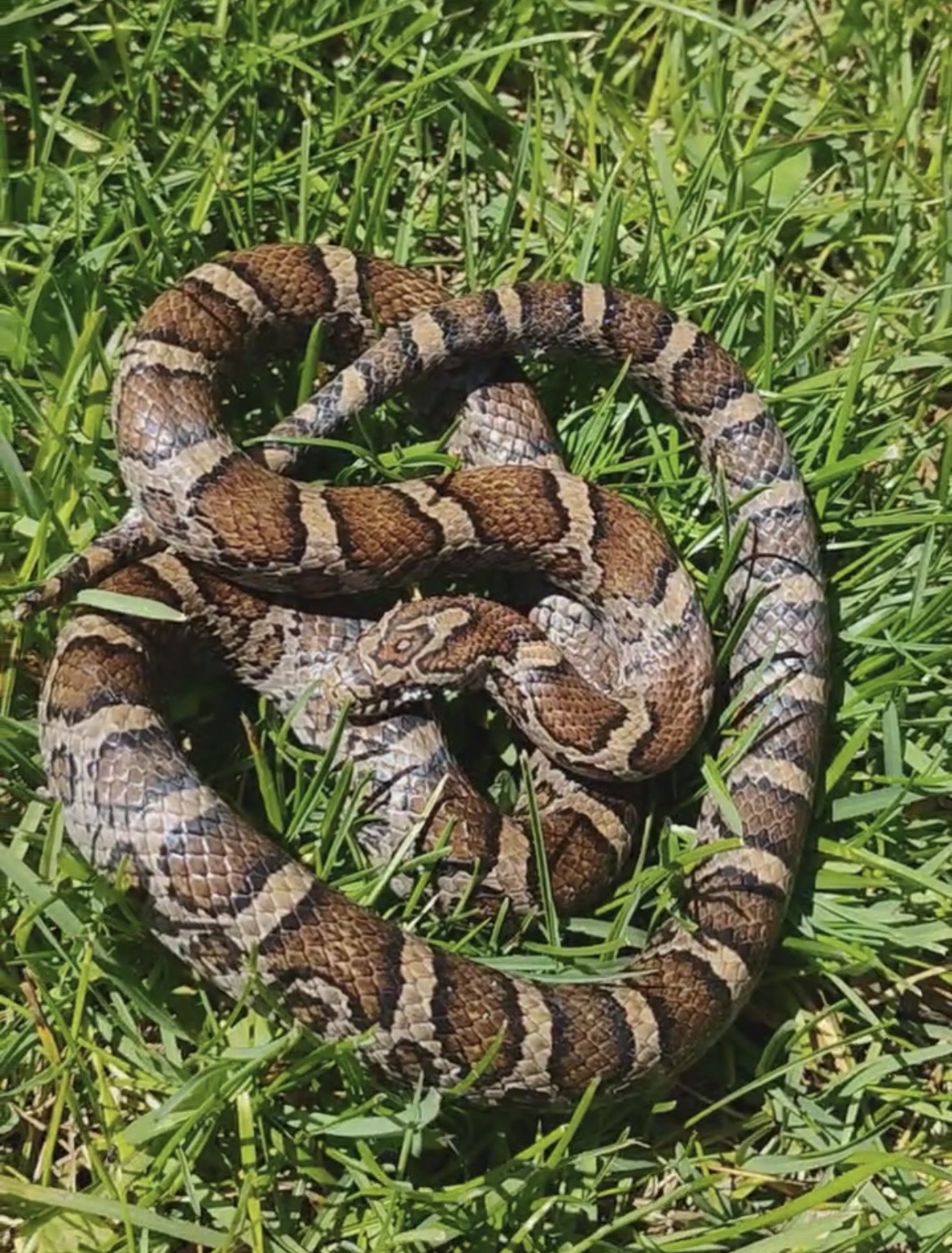
Ranger Will Leona writes,”Our reptile friends are all enjoying the recent warmer weather. Painted turtles and garter snakes have been out in full force trying to catch some rays in the sunny spots scattered throughout your forests and ponds.” This is the season when female snapping turtles are hunting for good places to lay their eggs and sometimes they cross roads on their mission. Please watch out for them. If you decide to help them cross, you need to do it safely for both you and the turtle, See link for tips on how to do it.
Frog and salamander eggs laid in March and April are now tadpoles and may even be growing legs. If you find jet black tadpoles they would be American toad tadpoles. We can now hear gray tree frogs giving their trilling calls and you might even discover one clinging to a low window using the sticky pads on its feet. The last frog to sing in the frog chorus line-up is the bull frog, calling a deep “jug-a-rum”, a sound which can carry quite a distance on a hot summer night.
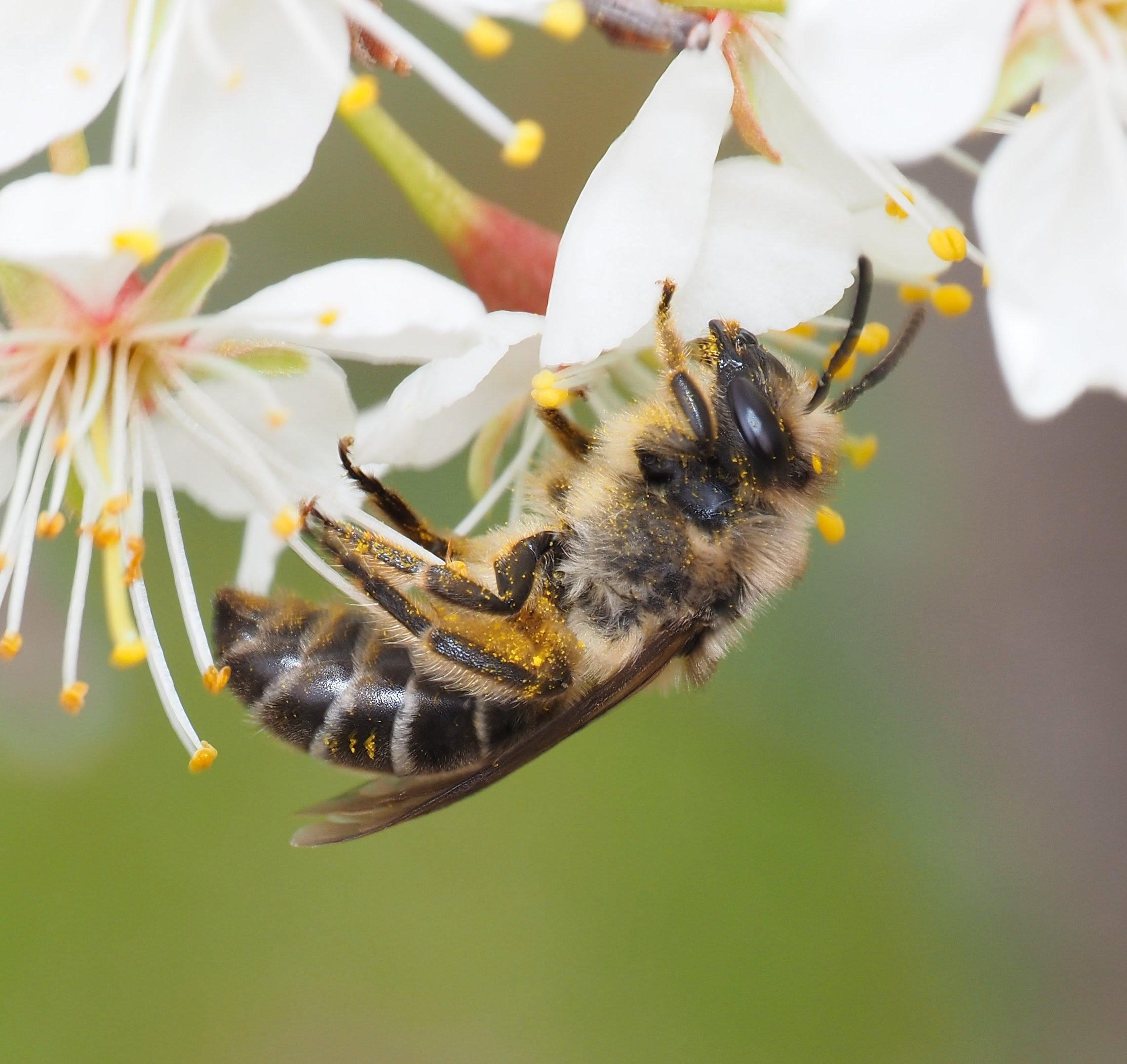
We are starting to see various butterflies, including the blue spring azures and cabbage whites. Soon it will be time to watch for fireflies blinking their signals after dark. Norman Levey visited the Pollinator Meadow behind Smith School and wrote, “There are two early flowering native plums recently planted by the fenced meadow and one attracted two species of mining bee and the cellophane bee shown below during my survey. Native flowering plants for bees are scarce in April and May so this is a good one to cultivate in your yard.”
Looking skyward, the western evening sky after sunset gives a beautiful show, dominated by the waxing moon, Jupiter, and Venus.
Links:
To read about the on-going drought in Massachusetts
A starter list of the best trees and shrubs to benefit birds
To see the avian migration forecast map
Watch Diane Climo’s video of a hummingbird taking a shower in a sprinkler
With Carol Roede’s video of a raccoon carrying a turtle
Watch Susan Taylor’s video of four fox kits playing