Nature Survives the Cold
Written by Gwyn Loud for the Lincoln Land Conservation Trust. She welcomes your sightings and questions at 781-259-8690 or gwynloud555@gmail.com.
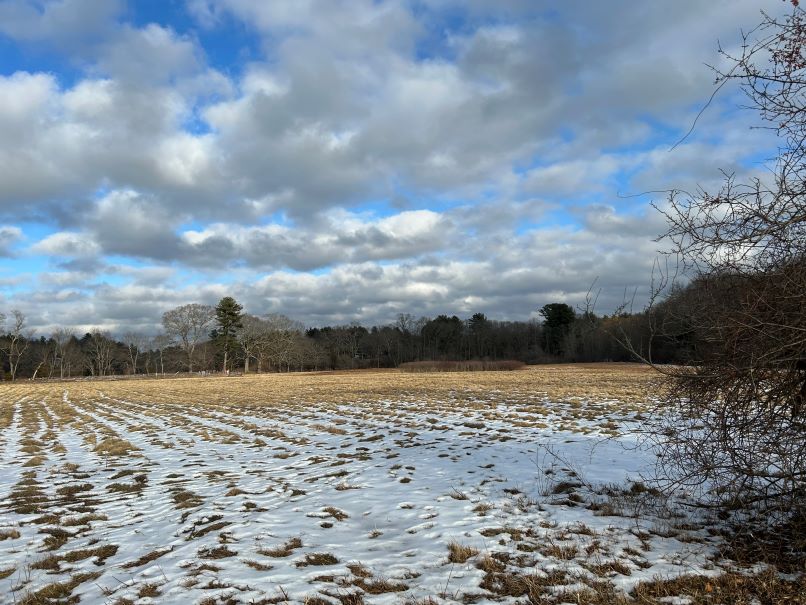
COLD. That basically sums it up for much of the past month, until a warming trend (I.e. it got to a high of 33℉) began on January 6. December was the second coldest December in the past twenty-five years for Boston, with arctic blasts and bitter wind chills. Paradoxically, global warming may be the cause, making changes in the polar vortex and jet stream. See link to read more. Here in Lincoln, ponds were frozen well before Christmas and a few small snow storms, starting with 4 inches on Dec. 27, allowed intrepid sledders and cross-country skiers to have some fun, even though the snow was not deep. As of this writing, we are in a January thaw, which has contributed to very icy driveways, paths, and trails, caused by daytime melting and overnight re-freezing. Roads appear clear, due to large amounts of brine. Drivers are happy, but I wonder about the effect on roadside trees. Dog walkers are wary of salt on dogs’ paws. We are all heartened by the gradual lengthening of daylight hours.
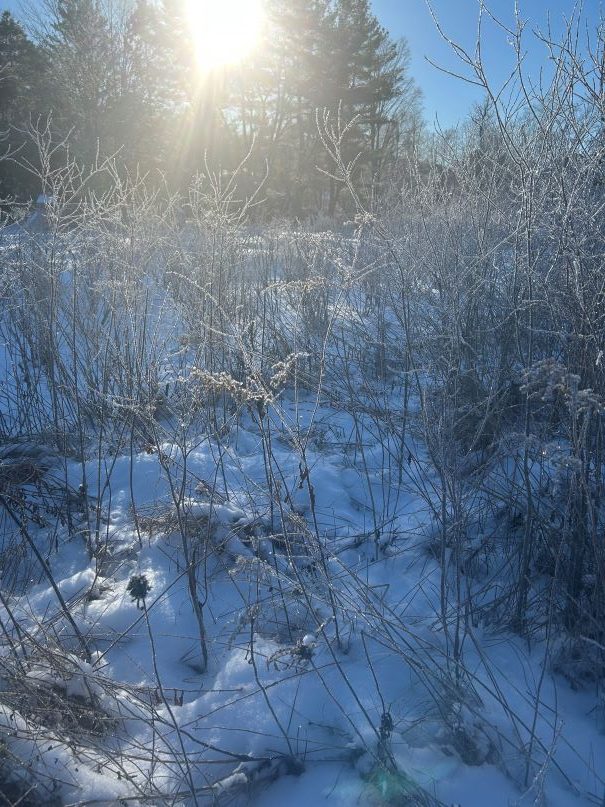
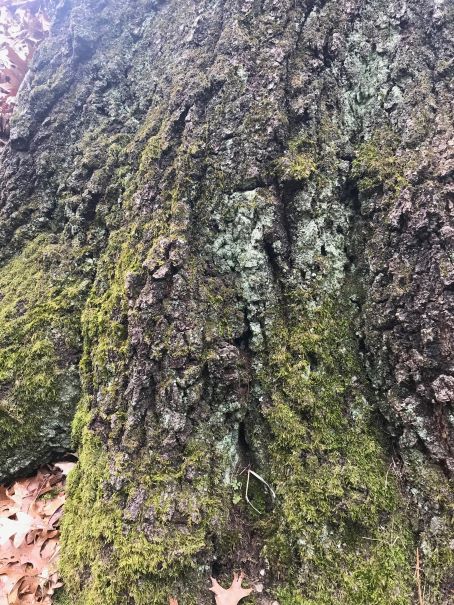
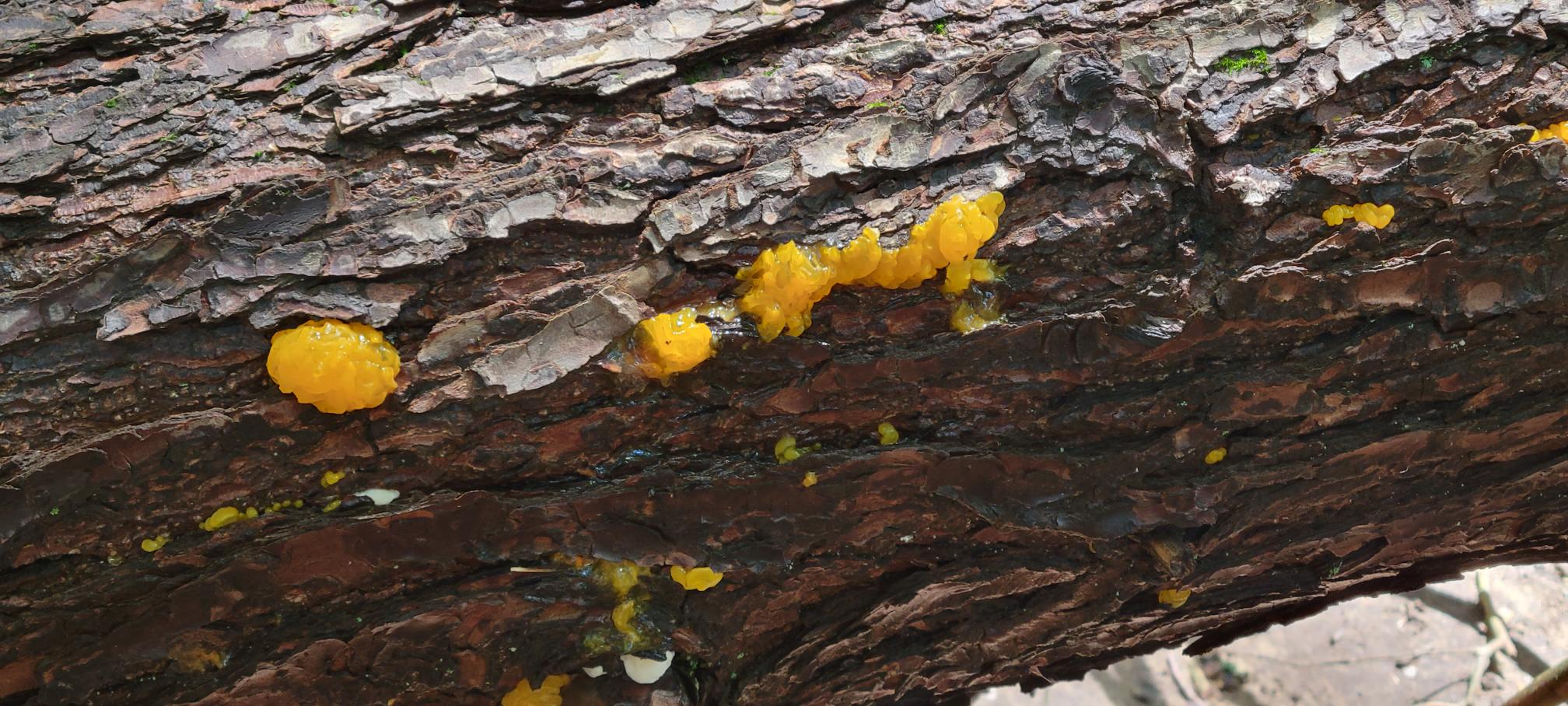
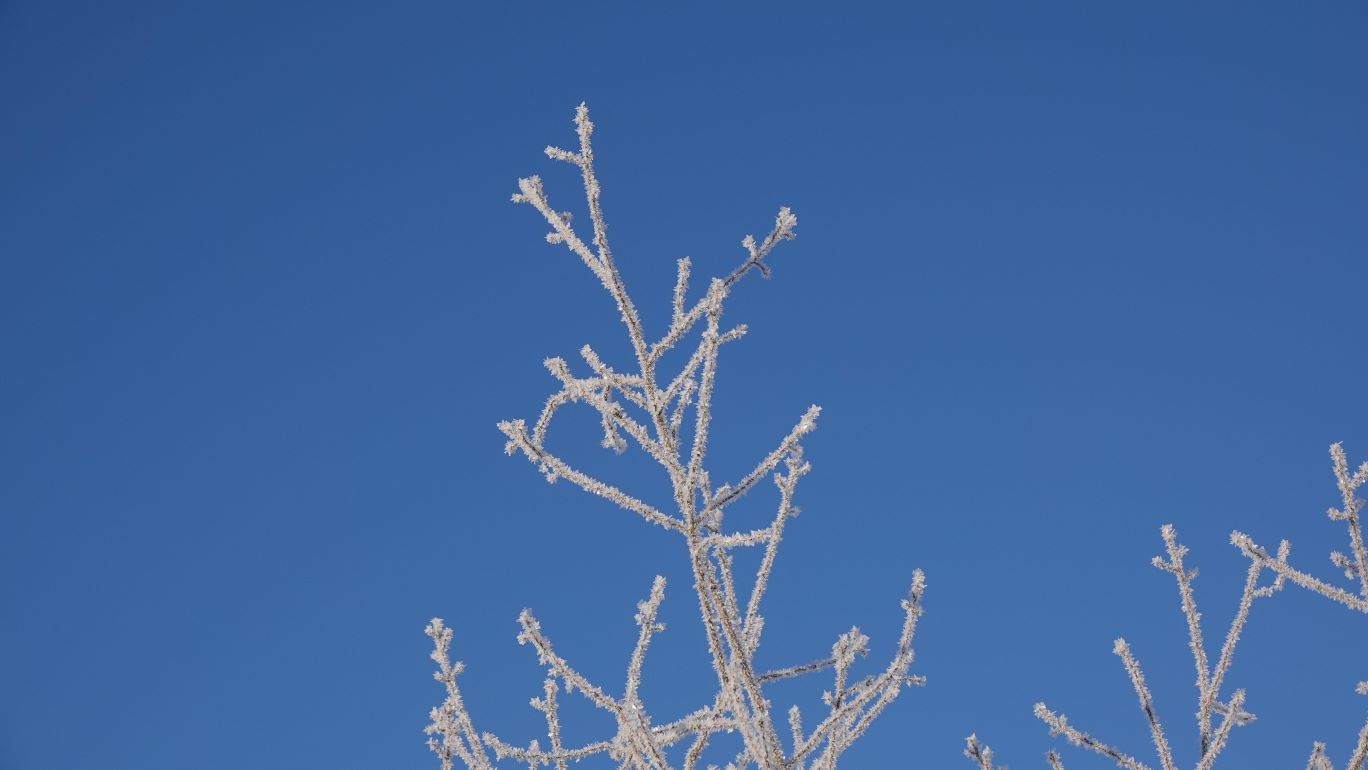
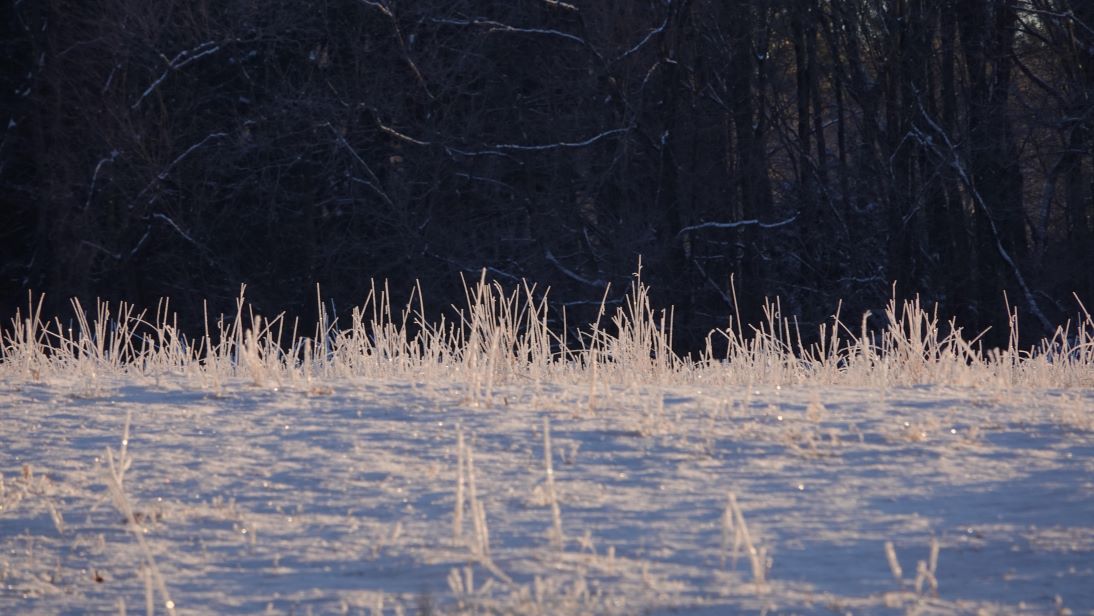
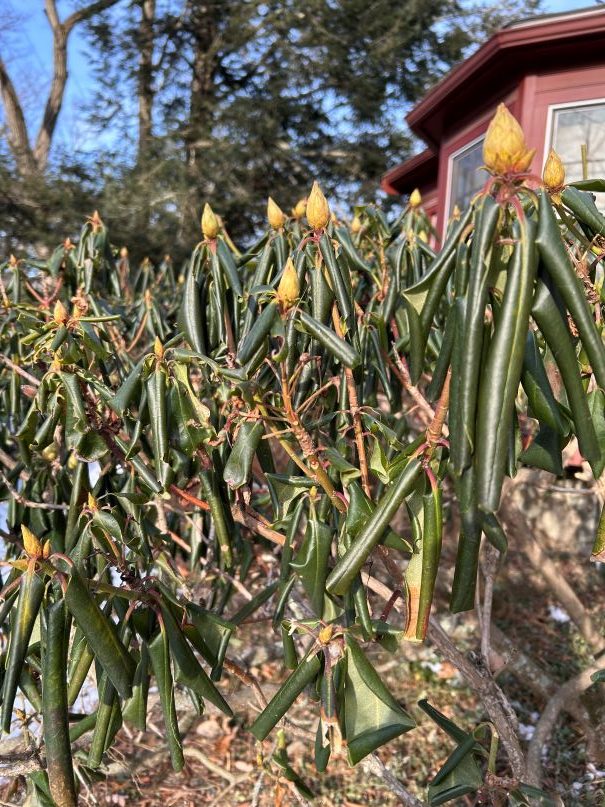
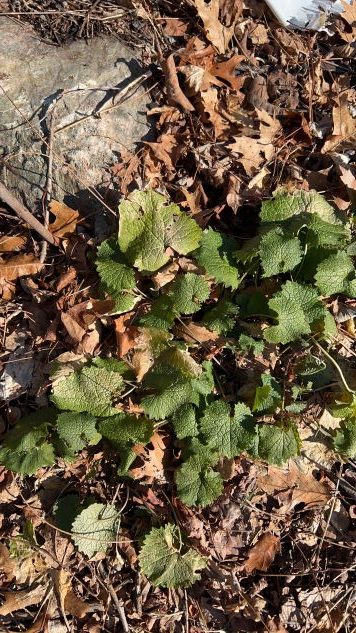
The snow gave the landscape white beauty, while frost and hoarfrost bejeweled many plants. Hoarfrost forms on clear windless nights when water vapor freezes directly to ice crystals in light feathery patters. This cold season invites us to observe shapes and colors of winter weeds, tree bark, lichens, mosses, and evergreen plants. Tree buds are there, just resting and waiting. Rhododendron leaves reveal the temperature, curling up tight the colder it gets. Why do some some vascular plants stay green all winter but others die? It’s all about evolution and genetics. Frost-hardy plants have various chemical adaptations which prevent ice freezing inside their cells and then rupturing cell walls when the ice expands. Garlic mustard, for example, is looking green and happy in temperatures well below freezing, Gardeners know to pay attention to the USDA Plant Hardiness Zones when selecting perennials, trees, and shrubs; zones have shifted due to a warming climate.
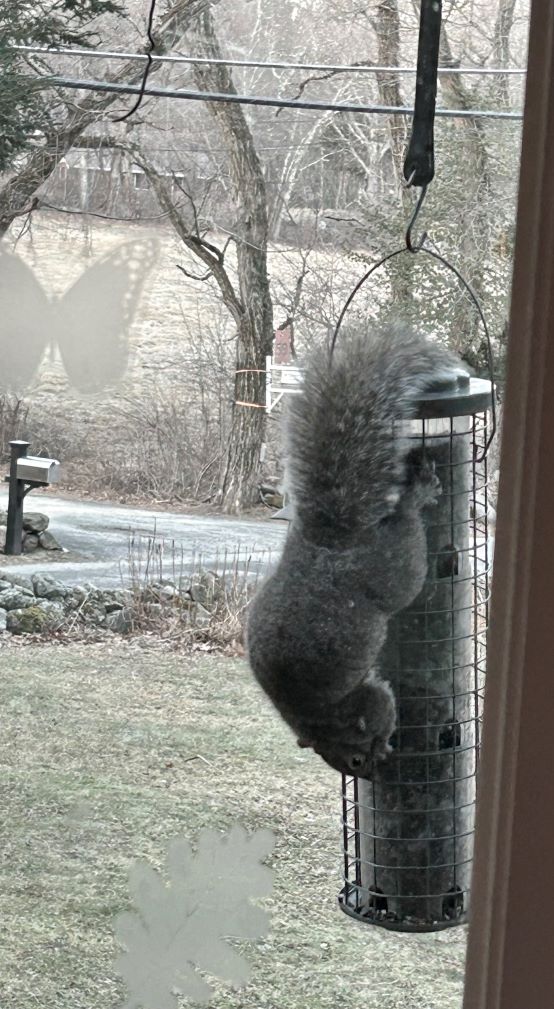
Birds were especially mobbing feeders during recent snowfalls. I also seem to be feeding ten (yes, ten) gray squirrels and four red squirrels, mostly on the ground, but the grays do all sorts of acrobatics, trying to access the hanging feeders. An annual citizen-science opportunity, the Great Backyard Bird Count is coming up on February 13-16 in which you count birds at your feeders and enter the results on-line. It’s easy, and contributes to understanding bird populations across the US. See link to learn how.
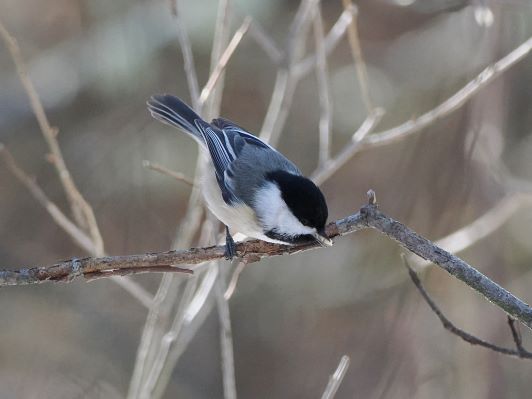
Any day now we will hear the first two-syllable fee-bee call of the black-capped chickadee, a sign of courtship beginning. This call is triggered by lengthening hours of daylight rather than weather. Click link below to learn what many chickadee calls mean.
Frozen ponds by mid-December meant no chance of seeing ducks and swans on the Christmas Bird Count, The Cambridge Reservoir (which is outside our Count Circle), had a small bit of unfrozen water on the Waltham side. Norman Levey described the scene: “This doesn’t happen every year but when there is a small patch of open water on the reservoir it concentrates the ducks wonderfully along with dozens of goofy mute swans. A passing flock tried to join the party and made two go-arounds but could not find enough open water for a landing without crashing on the backs of the ring-necked duck raft. It was at once fascinating and comical and like Times Square on New Year’s eve. About twenty mute swans came in for a landing but air traffic tower control called them off for a go-around but on second approach there was no runway space with the dense rafts of waterfowl and the flock left. One clumsy individual managed a comical touch and go head plant on the snow/ice.”
As for the Christmas Bird Count (CBC), Norman Levey, who coordinated the whole Concord Circle, wrote,“The winter bird count held on December 28 was notable for, well, how unremarkable it was. Abundance and diversity were typical for mid January. The birds seen and heard were our common winter roster. The morning dawned at a frigid two degrees but by early afternoon it warmed to the mid thirties and our field volunteers shed layers as if it were a spring day in early March.
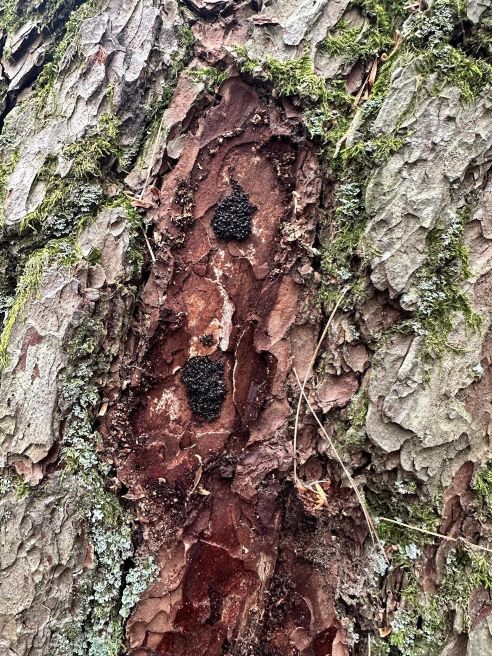
We did achieve one record high: pileated woodpecker with a tally circle-wide of 90, a dramatic uptick after flat numbers for several years averaging 53. Perhaps we had a good hatch year. This was a rare New England bird in the 19th Century after extensive land clearing for farmland but a few decades into the 1900s this woodpecker made a slow and steady population climb as cropland and pastures were abandoned and reforested. Our present day mature woodlands provide abundant nesting and overnight roosting opportunities in large dead and decaying trees that also harbor their favorite food, carpenter ants, and beetle larvae a distant second. Watch this large woodpecker scale bark and excavate in search of ants and grubs in my video (see link). I had to go to Vermont to see a pileated as a kid birdwatcher.”
As always, warmly dressed volunteers tromped through fields and woods to count on the CBC, and others tallied birds at their feeders. Many thanks to all who helped the Lincoln count: Pam Boardman, Jenifer and Dennis Burckett-Picker, Mathias Bitter, Larry and Kim Buell, Patti Cable, Mary Capkanis, Rob DeNormandie, Marjorie Durand and Greg Stathis, Jason Forbes, Deborah Gerstein, Sam Harris, Rakesh Karmacharya, Allison Lu, Jacqueline Kluft, Norman Levey, Gwyn Loud, Ron McAdow, Nancy Nicholson, Barbara Peskin, Grayson Shannon, Lucy Sprayregen, Betsy Stokey, Barbara Peskin, David Peterson, Jocelyn Pyne, Lucy Sprayregen, Betsy Stokey, Anne Sobol, Joan Stoner, Vanessa Vallée and Robin Wilkerson.
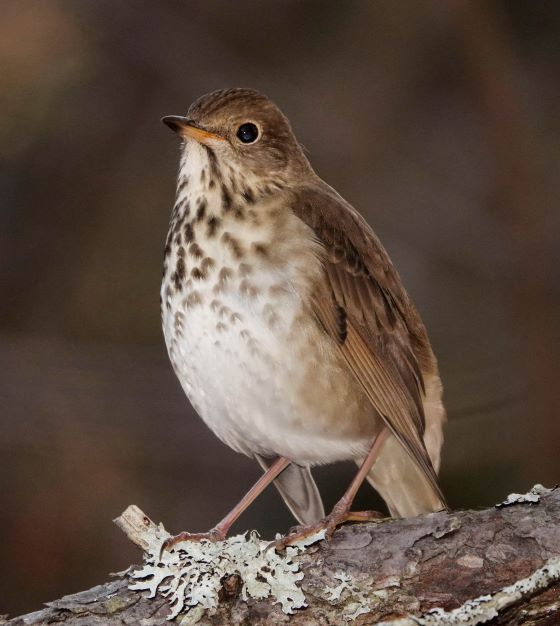
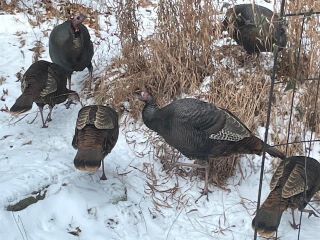
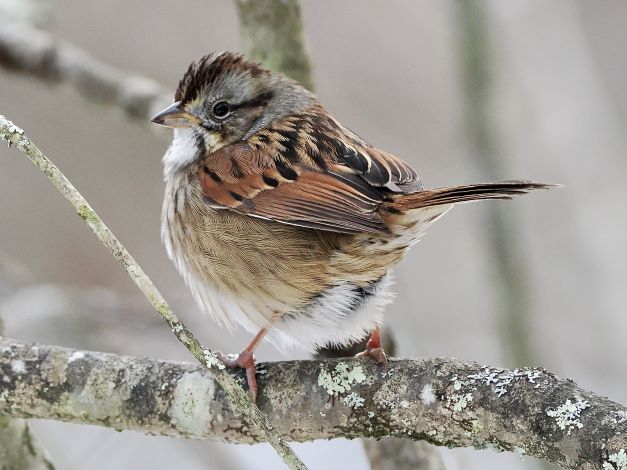
Other interesting recent bird sightings include a rough-legged hawk, a northern harrier which continues at Drumlin Farm, a few lingering swamp sparrows and savannah sparrows, and snow buntings in Boyce Field. While American robin counts were generally low on the CBC, on Jan. 4 a flock of 92 turned up at Drumlin. My neighbor had a dozen red-winged blackbirds on Jan. 9. Are they early spring arrivals? I doubt it- probably just rugged over-winterers. The “best birds” from my field team on the CBC were a winter wren, hermit thrush, and yellow-rumped warbler, all seen near Valley Pond.
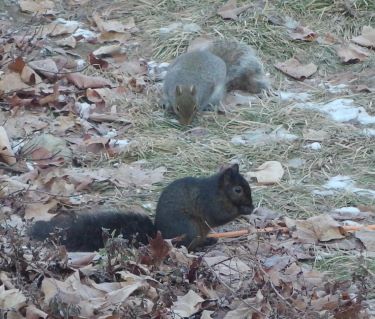
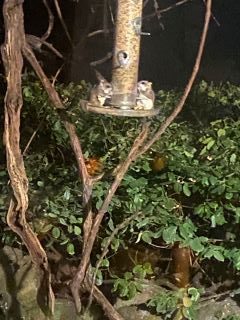
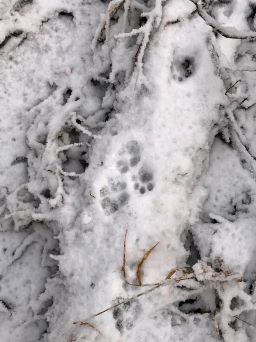
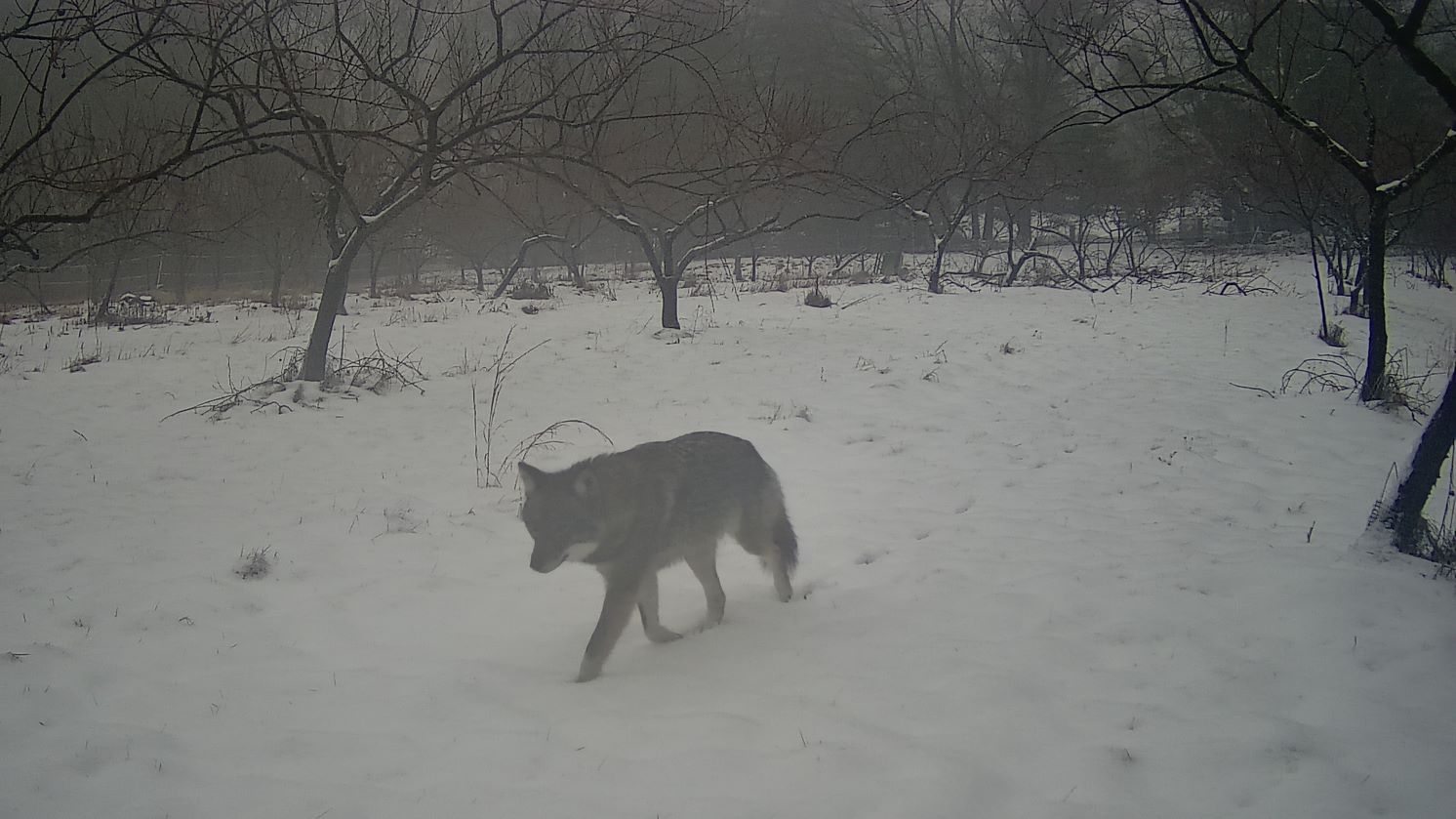
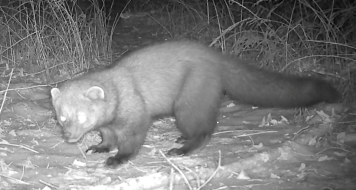
Some of our local mammals take naps during the bitter cold and wake up to feed during mild spells. Last night I heard noises outside near the birdseed cans and when I flicked on the outside light, three very fat raccoons, waddled off, disappointed. Another day I noticed something dart past the front door and saw it was an agile long-tailed weasel, poking around a big flower tub and running along the foundation. It stays brown all year, unlike its relative, the short-tailed weasel, which turns white in the winter, then called an ermine. Meadow voles are numerous, but we often do not see them until their tunnels become obvious in the snow. Carole Roede wrote, ‘Some days the meadow voles seem quite active out in the swamp – I hear them gnawing and squeaking inside clumps of reeds and occasionally see them zooming between tunnel entrances.” Carol also spotted two fishers following each other, perhaps thinking about breeding season, which peaks in March. Her trail cam picks up many sightings, including mink. John Nolan, on Codman Road, took videos of a bobcat, and an opossum (see below for videos). I think of opossums as slow-movers, but not this one! Rob DeNormandie was excited to see four flying squirrels at his feeders. They are nocturnal; more of us might see them if we shown a light on our feeders (briefly) at night. I have had four more responses to my black-morph gray squirrel survey: one from Concord Rd. near St. Anne’s, one from 3 Old Concord Rd., another from 52 Bedford Rd. and one from a reader in Cambridge who sees them at Danehy Park. Fresh snow is a great time to look for animal tracks, telling the story of the the animals which live around us. Michele Grzenda reminds us of resources on tracking offered by the Mass. Division of Fisheries and Wildlife. See link.
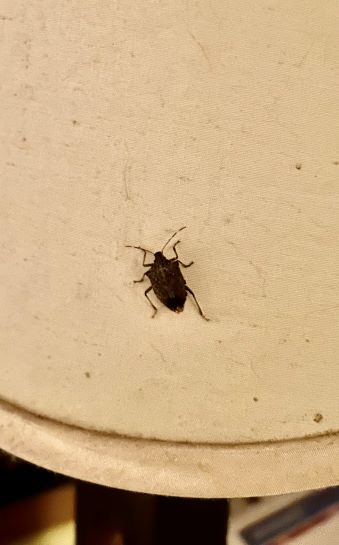
Finally, what about insects? We do not see them outdoors, but birds know where they are. Insects are in diapause, literally pausing in their development during the harsh season of winter. They are resting in the form of eggs, larvae, pupae, or adults in protected places such as under logs or bark. These insects provide food for birds such as woodpeckers, who know where to find them. A few insects seek the warmth of our houses in the winter. For example, I have found several brown marmorated stink bugs in my house; they are harmless indoors but can damage crops. They first appeared from Asia in Pennsylvania in the mid-1990s, probably arriving on a cargo container. which is how many non-native insects and seeds travel around the world.
Thanks to a new moon on January 18, the skies will be wonderfully dark on and near that date, making perfect constellation-watching conditions on a cloudless night. Bundle up and look up!
Links:
To see the USDA Plant Hardiness Zone Map
Learn how to join the Great Backyard Bird Count Feb. 13-16
To hear chickadee calls and their meanings