The Long Winter Watch
Written by Gwyn Loud for the Lincoln Land Conservation Trust. She welcomes your sightings and questions at 781-259-8690 or gwynloud555@gmail.com.
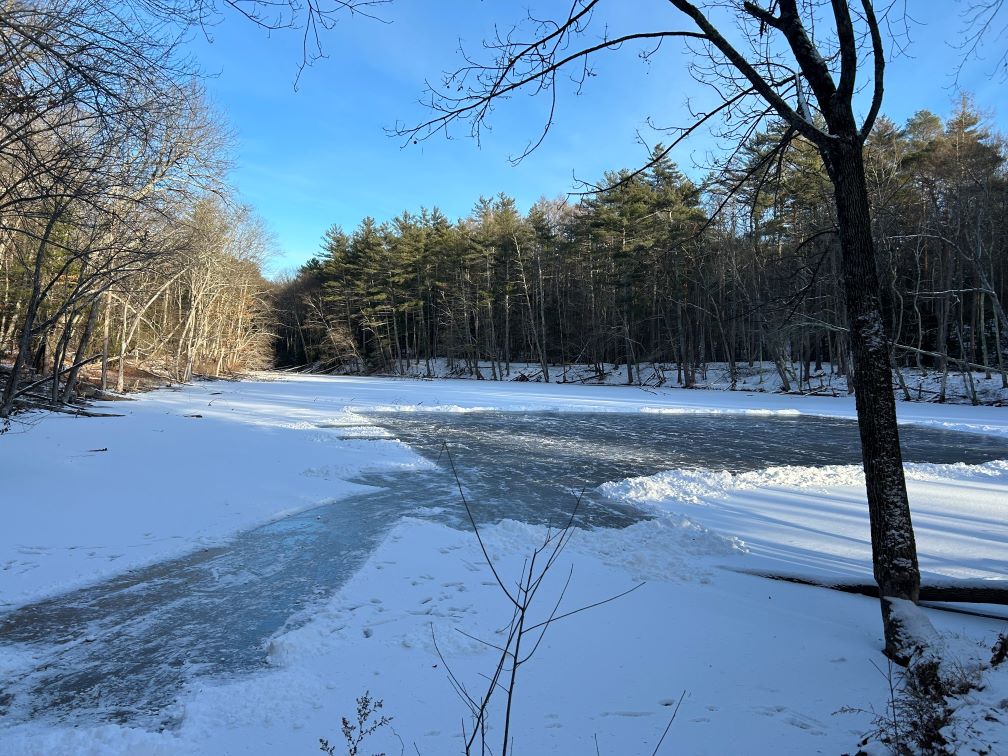
Winter officially arrives on December 21, the solstice, but recent biting cold and winds have made it feel as if the new season is already with us. Single- digit temperatures overnight led to partially frozen streams and ice on the ponds. On Dec. 12/13 people were sailing ice boats on Farrar Pond and skating on Cemetery Pond. The winter solstice marks the shortest day of the year in the Northern hemisphere; thereafter the hours of daylight gradually lengthen. The Climate Prediction Center predicts a warmer than normal winter for most of the east coast; “Here in Boston, our average high temperature is 46° in early December, bottoms out near 36° in mid January, and climbs back toward the low 40s by late February. Above normal trends could mean fewer prolonged cold snaps and more “mild” stretches breaking up the cold air. Precipitation for New England is forecast to be “near normal.” This “doesn’t mean a snow-free winter, though. On average, Boston picks up about 7.6 inches of snow in December, 12.3 inches in January, and 12.8 inches in February. Even with above-average temperatures, we can still see impactful snow events, they are just more difficult to achieve. They will have to align with overnight colder temperatures or a system comes in during a cold snap.” We’ll find out in March what happened.
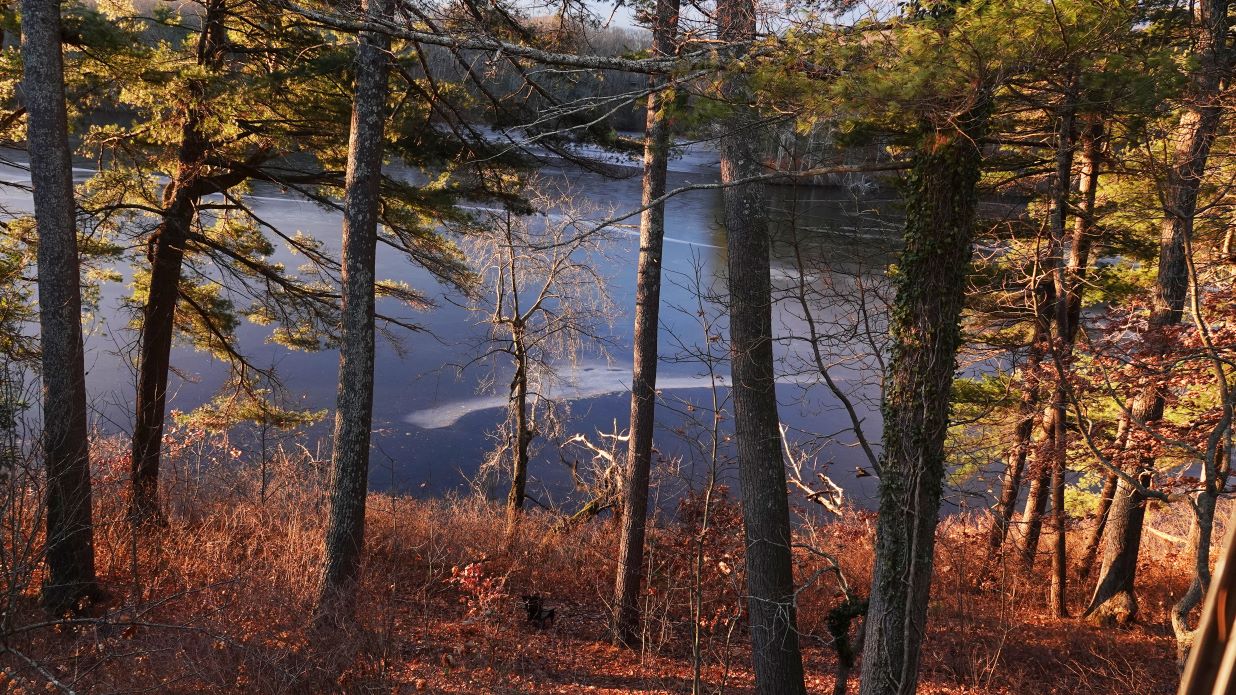
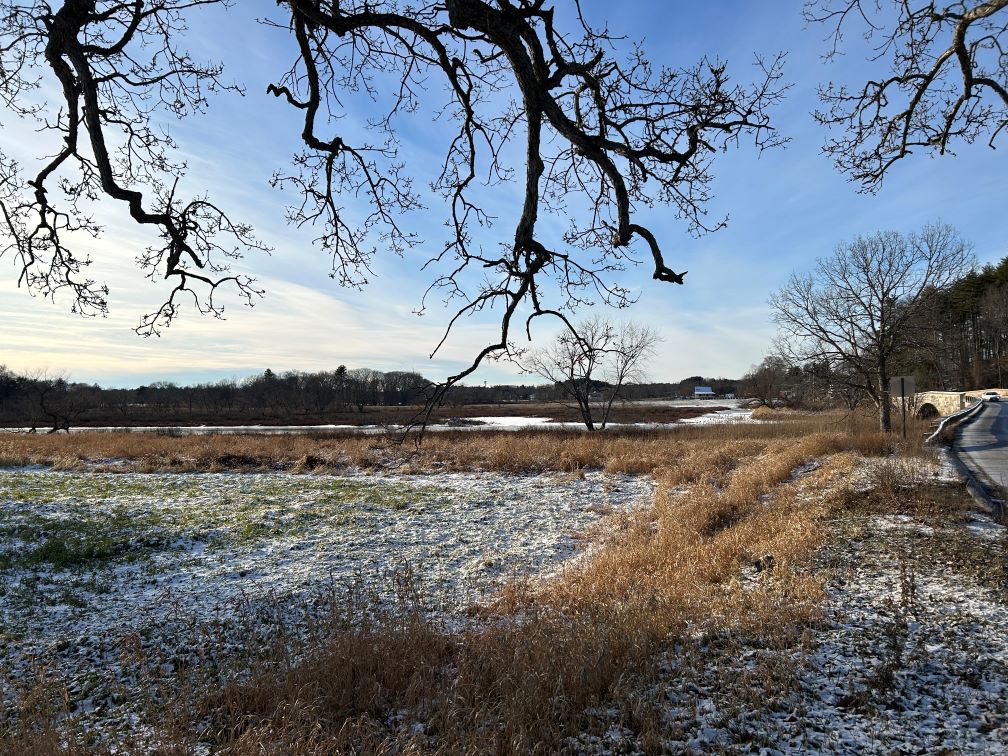
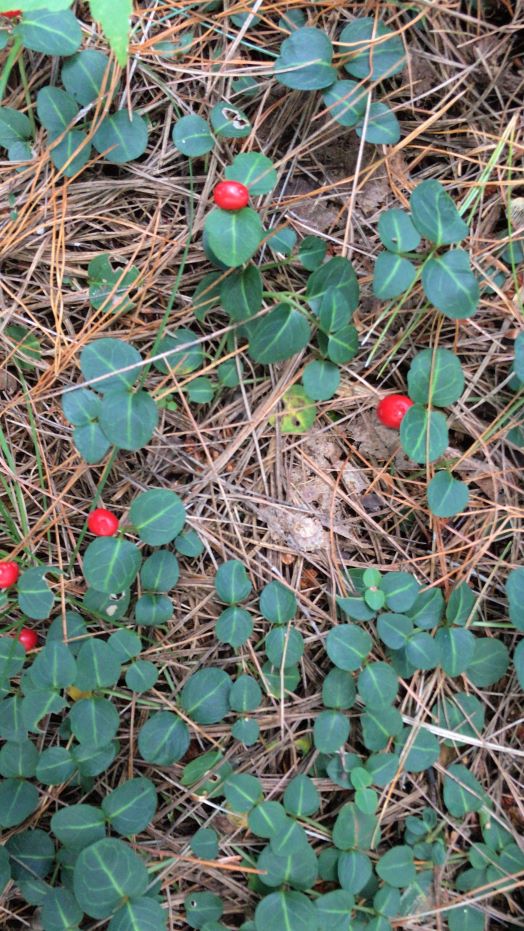
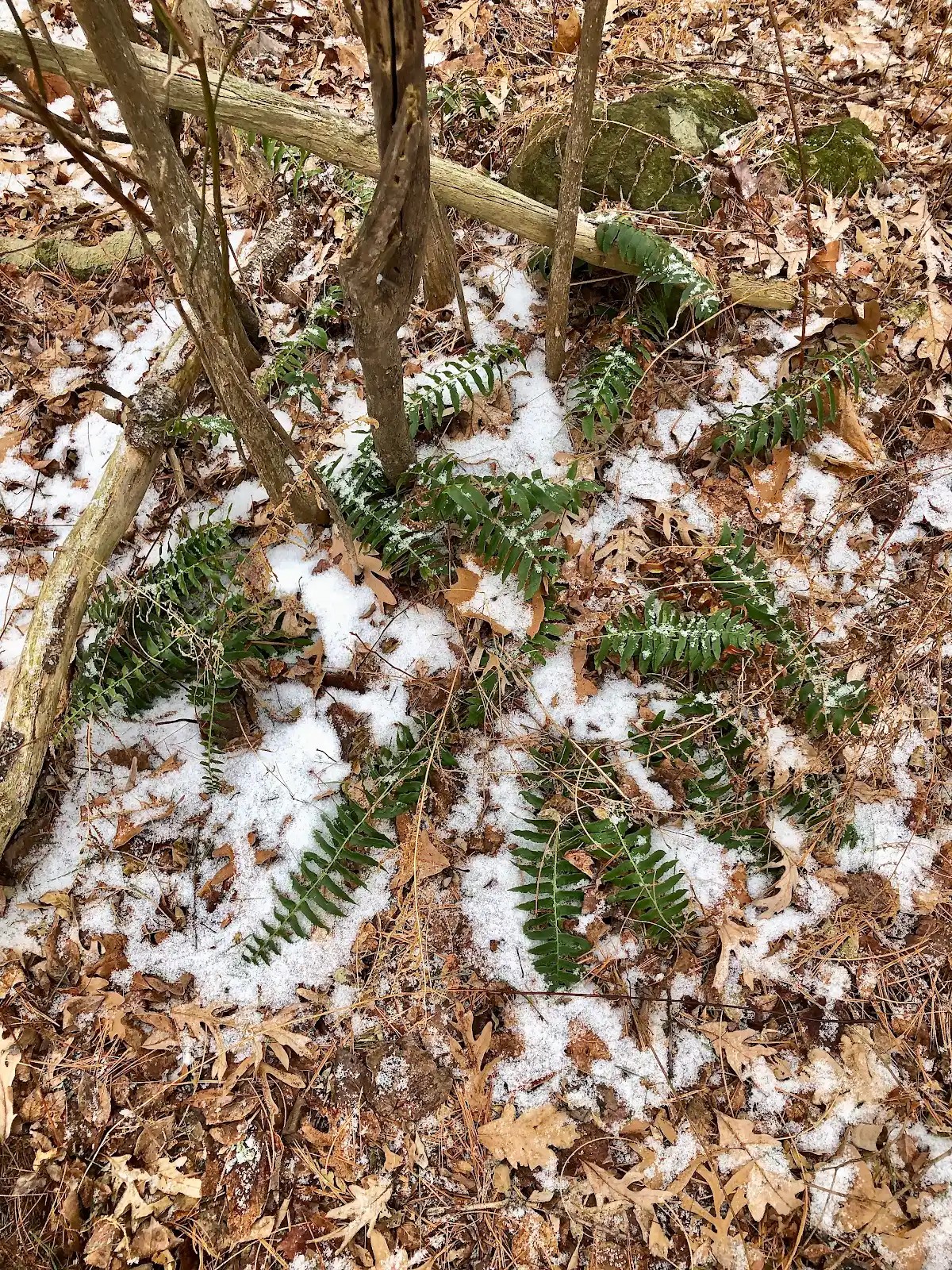
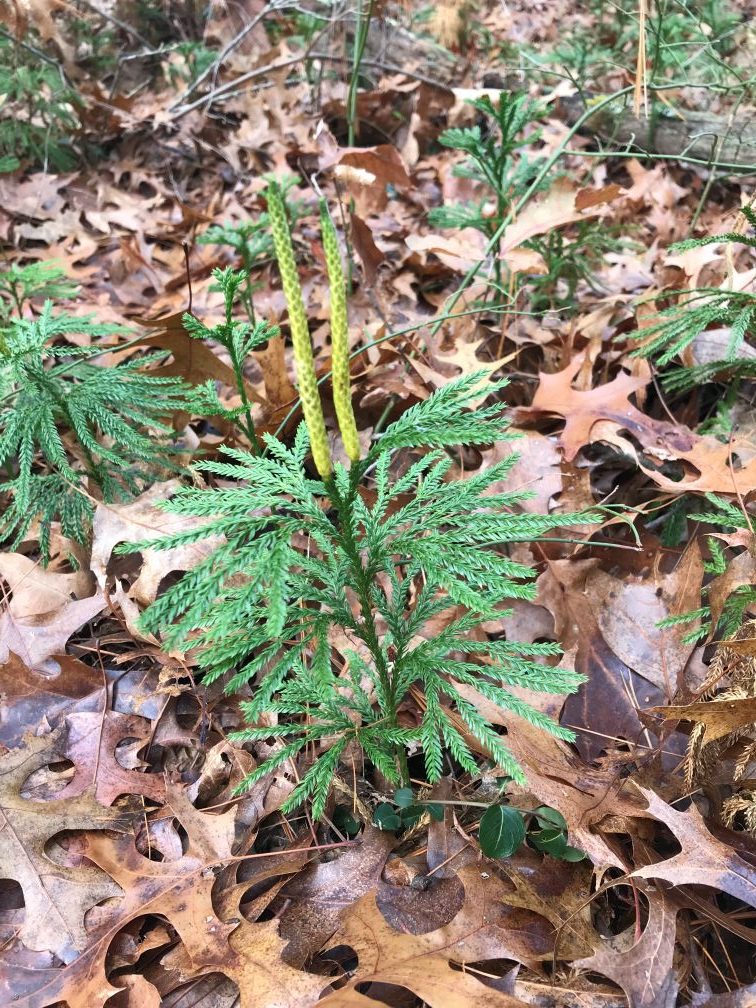
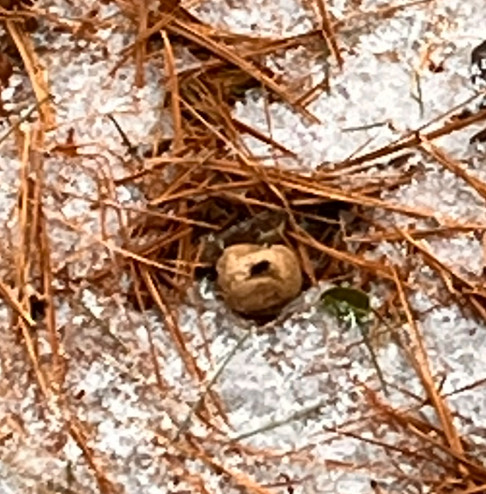
Winter walks are opportunities to observe and appreciate the less showy aspects of flora, the variety of subdued colors, shapes, and textures. Weeds display their seeds, which are important wildlife food, along with berries from holly, multiflora rose, and other shrubs. The woodland floor retains greenery in plants such as Christmas ferns, club mosses, and partridgeberry. Participants on a walk led by Ranger Will Leona came across what looked very similar to an oak apple gall, but no, it was a lonely pear-shaped puffball (they are usually seen in clusters), with the common name of wolf fart mushroom. As Will explains, thanks to AI, “Pear-shaped puffball” (Apioperdon pyriforme, formerly Lycoperdon pyriforme) is a common mushroom named for its shape, but also nicknamed the “wolf fart mushroom” because its scientific name Lycoperdon combines Greek words for “wolf” (lycos) and “breaking wind” (perdon), referring to the powdery spores released like gas from mature fungi. These small, edible (when young and pure white inside) mushrooms grow in clusters on decaying wood, releasing clouds of spores when mature, and are a fun find for foragers and nature lovers.’
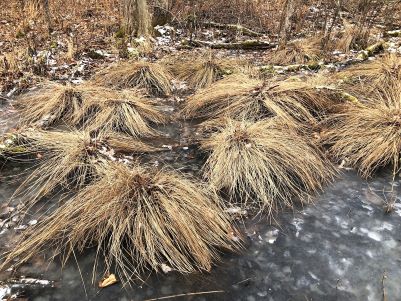
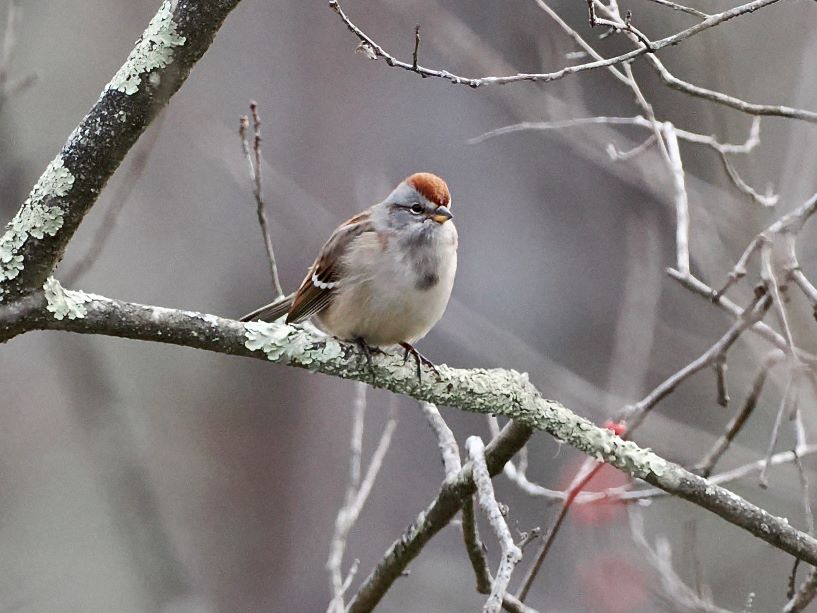
Birds are dining on all sorts of wild food, and flocking to bird feeders. They need water year-round and seem to be grateful for the open water in my birdbath, thanks to a heater. A dusting of snow on December 14 brought even more ground-feeding birds such as white-throated sparrows and dark-eyed juncos to the seed I scattered. Supposedly this will be a good winter to see irruptive species from Canada; so far only one red-breasted nuthatch has turned up at my feeder but they, as well as pine siskins have been reported from Drumlin Farm, where a single red-crossbill and evening grosbeak were also seen. Tree sparrows are winter residents here, and a few swamp sparrows and savannah sparrows have still not migrated south. Robins and bluebirds are examples of birds which have two populations, one staying with us through the winter but another heading south to warmer climes. They usually turn up in moderate numbers on the Christmas Bird Count, which will be held on Dec. 28 this year. Lincoln is included in the “Concord Circle,” which Norman Levey coordinates. We have birding teams lined up to go out in the field but we could use more counters at feeders; please contact me if you are interested in participating. The Count is run by National Audubon and encompasses all of North America, with thousands of circles, each fifteen miles in diameter. The counts, which are always held in a two-week window around Christmas, are a huge citizen-science project and the data collected provides important information on bird populations.
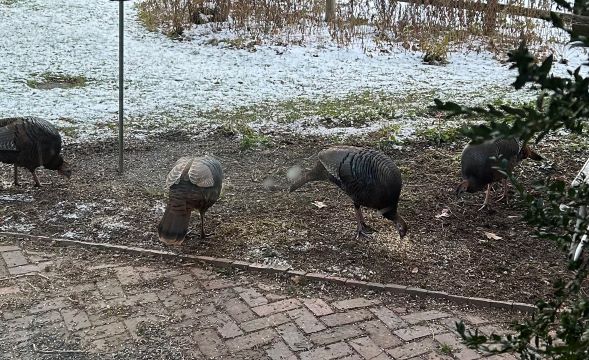
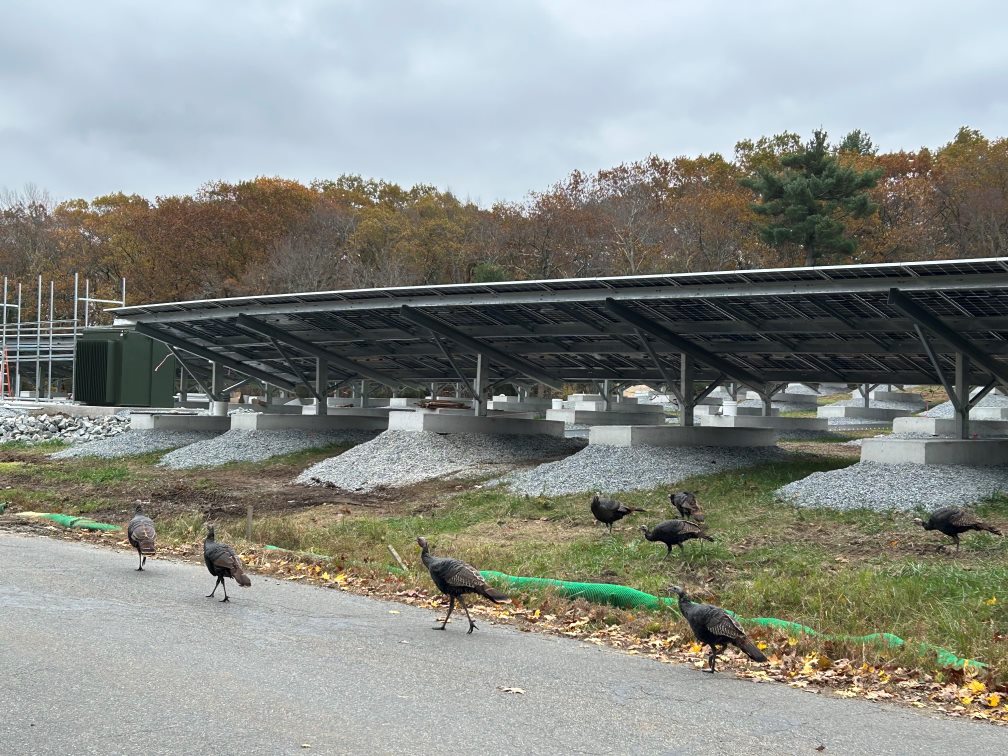
A small flock of wild turkeys appeared under my bird feeders last week, to my surprise. They were all hens, and cleaned out the scattered bird seed in a short time. So far they have not returned, to my relief. The winter flocks separated by sex, comprise large flocks of hens and small flocks of toms. I was amused back in November to witness turkeys exploring the new solar panel installation at the transfer station.
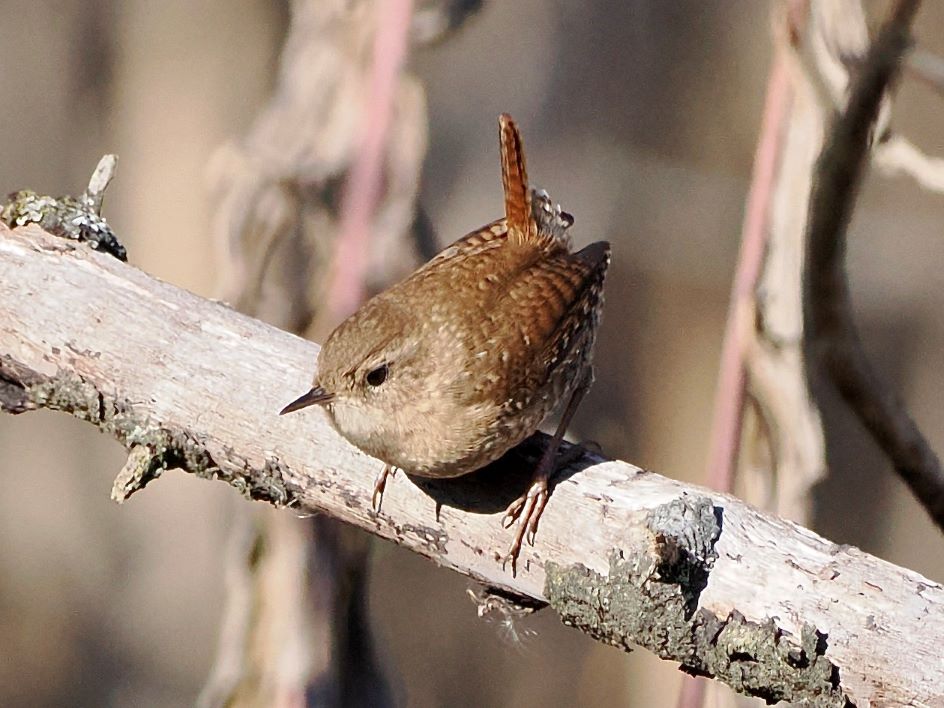
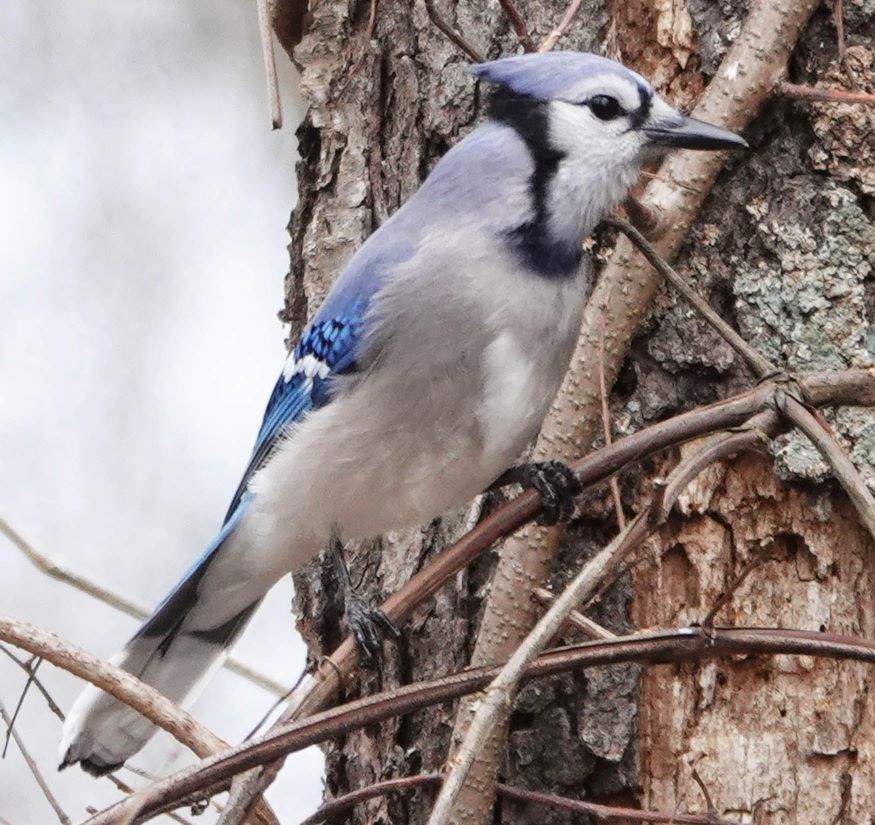
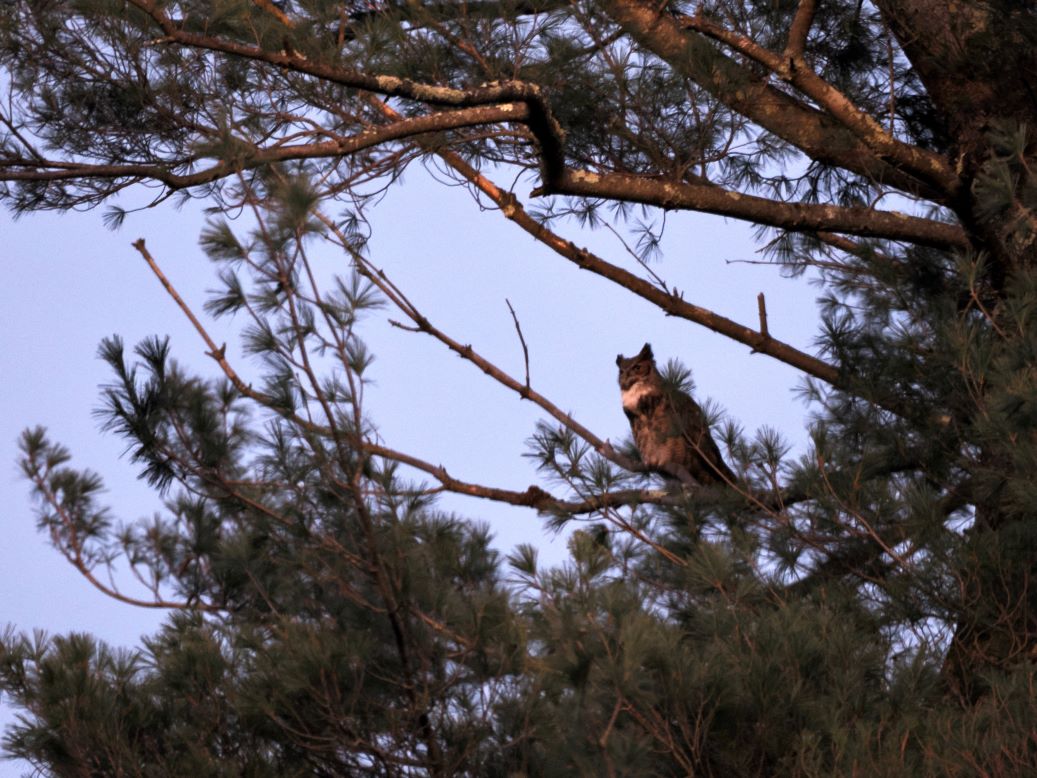
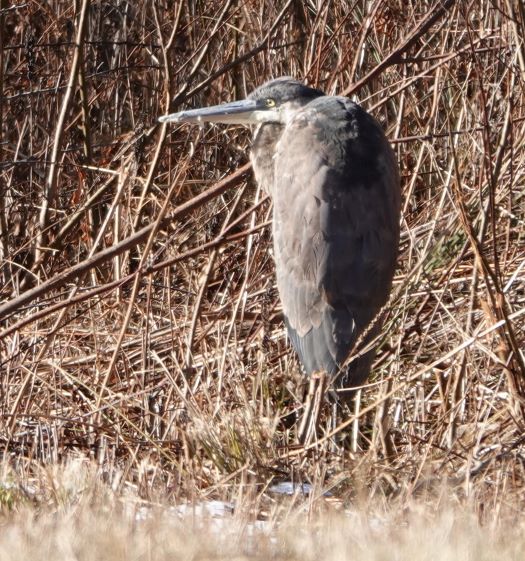
Other recent notable bird sightings include winter wrens, cedar waxwings, fox sparrows, and at Drumlin Farm, a “gray-ghost male northern harrier” which has been cruising over Boyce Field. Cooper’s hawks swoop through backyards with bird feeders, hoping to snatch a meal. In my November column I wrote about a possible bald eagle nest site on the Cambridge Reservoir. It turns out that the staff at the Reservoir have seen bald eagles nesting along the Reservoir for three years! The nest is not in Lincoln, but on the Waltham side, close to I-95. Great horned owls continue to hoot; I am thrilled when I can see an owl silhouetted on a moonlit night high in my neighbors’ Norway spruce. On December 6, before ponds iced over, Norm Levey spotted a ring-necked duck, common goldeneye, common mergansers (81), hooded mergansers, and a single common loon, and ring-billed gull on Flint’s Pond. A great blue heron looked cold in the wet meadow behind St. Anne’s Church. A few hardy great blue herons will stick around as long as they can find fish, even in small pools of unfrozen water. Will Leona saw two bald eagles by Flint’s Pond, and caught one on camera after it spooked ducks in the pond.
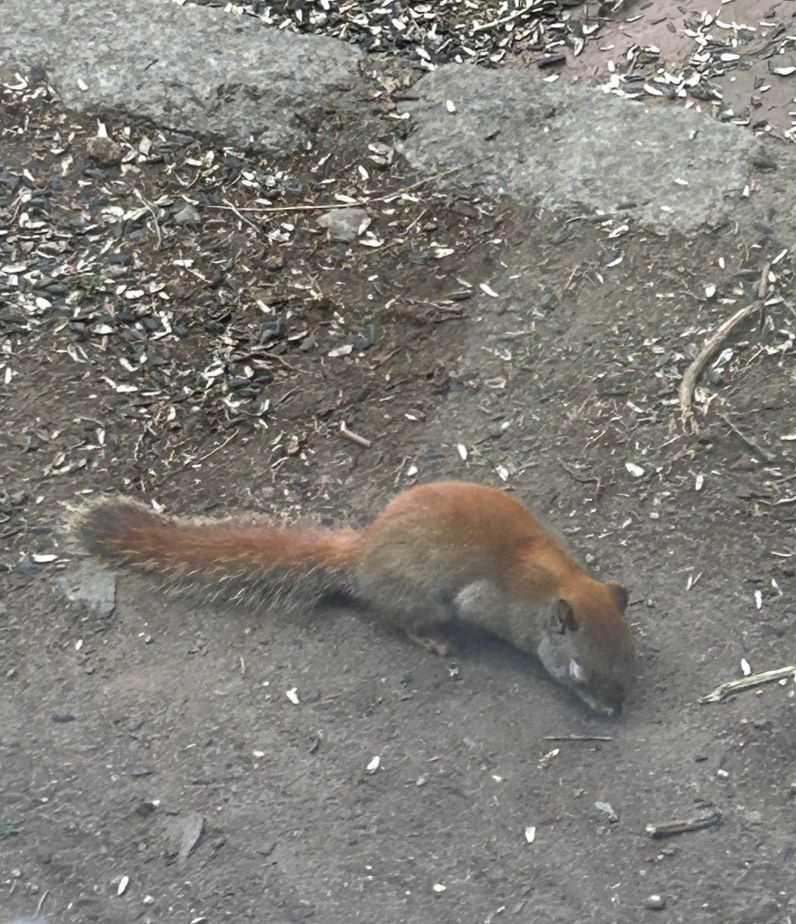
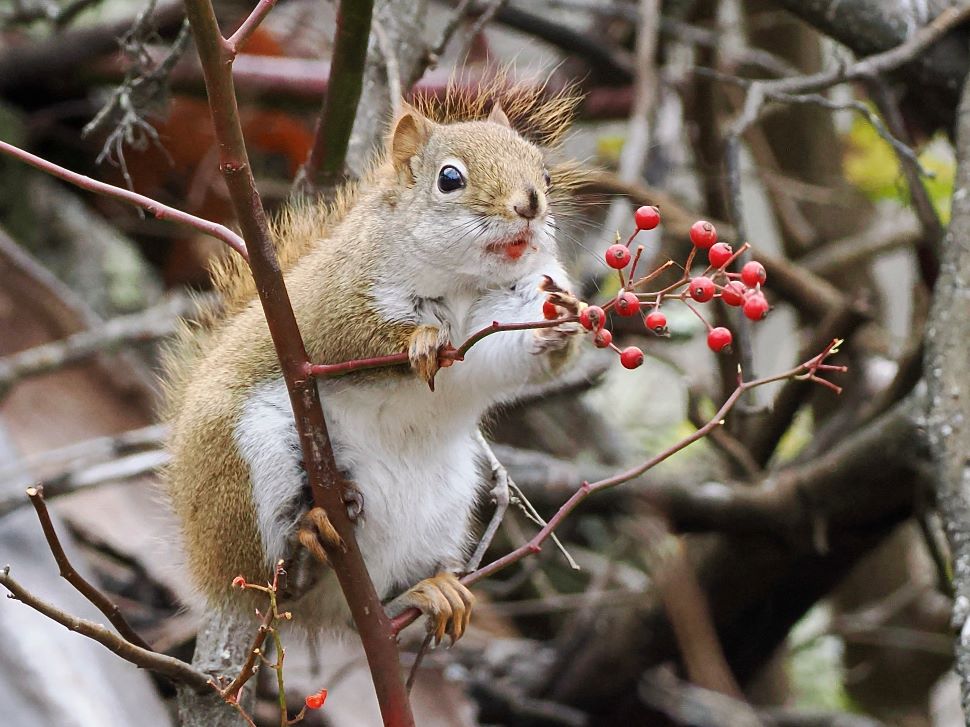
Last month I invited readers to tell me if they had seen black-morph gray squirrels. So far I have heard about sightings on Trapelo Rd. in Lincoln (near intersection with Lexington Rd.), three on Dugan Rd. in Concord, two at Drumlin Farm, and at least two along Oxbow and Farrar Roads on the Lincoln-Wayland line. Feel free to send me other sightings. Gray squirrels are active all winter, searching for food in the day and finding nighttime protection in tree cavities. I see nine squirrels regularly under my bird feeders, looking fat and happy. A lot of chasing is going on, with several males competing for a female, indicating this is the winter mating season. After a gestation period of about six weeks, up to six kits will be born in the tree cavity, with the females doing all the care of the young. Gray squirrels have a second mating season in May-June. Red squirrels are also active in the winter and one of their winter adaptations is to molt to a thicker winter cost, including ear tufts. There is a noticeable red band of fur down the back, which changes to a more grayish color when the summer fur molt occurs.
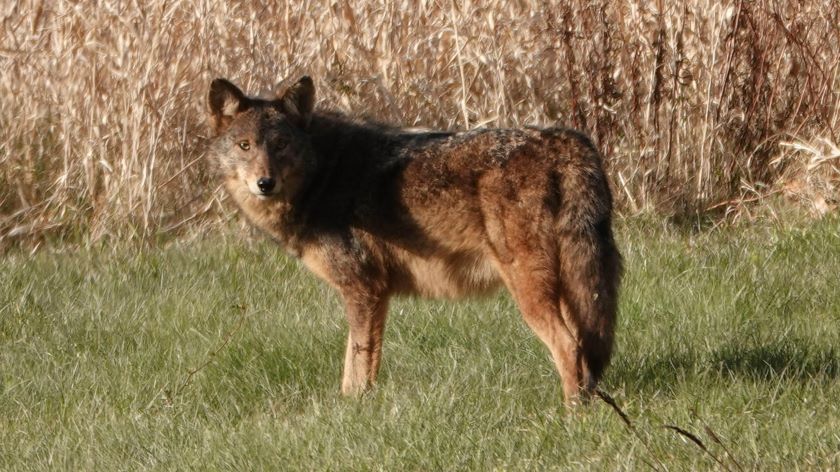
Several people have reported hearing coyotes howling, and Kathleen Lomatoski wrote, “Very late one recent cold night I walked to Pierce Park. As I was approaching the adjacent soccer field behind town hall, a lone coyote came racing down & across the park from Lincoln Rd. At first, due to its swiftness, I thought the creature had to be a deer, then noticing its stride and size more clearly, as it passed closer to me, I could see it was a long legged, dark colored coyote—with breath-taking speed and a smooth gait. Otherwise, during the cold stretches I have frequently seen voles emerge from fields or from beneath small leaf piles then running with impressive velocity—where they were heading, I was not ever sure. I am still finding deceased wildlife on trails, likely the victims of rodenticide. Usually I find chipmunks, mice, or red squirrels. I always bag the critters and put them in the trash. I hope Lincoln residents know there are now poisons with corn meal that impact only the creature who has died and not other creatures who may eat the carcass. Of course, it is ideally preferable not to kill wildlife at all.”
Save Lincoln Wildlife are a group of caring Lincoln residents who treasure Lincoln’s amazing wildlife. SLW hopes to educate the community on the harms of Anticoagulant Rodenticides (ARs), encourage the use non-toxic alternatives, and hopefully ban the use of ARs completely in Lincoln. Want to learn more about the impacts rodent poison is having on Lincoln’s predators and how you can help? Check out their website in the link below or contact info@savelincolnwildlife.org to get more involved.
Kathleen also spotted an opossum crossing Weston Rd., almost exactly where I f found a dead one last month, just south of Pierce House. Opossums are active all winter but take shelter in burrows or other protected spots. Their ears and tails, without fur, are susceptible to frostbite. One of the many ways opossums benefit our ecosystem is by eating a lot of ticks.
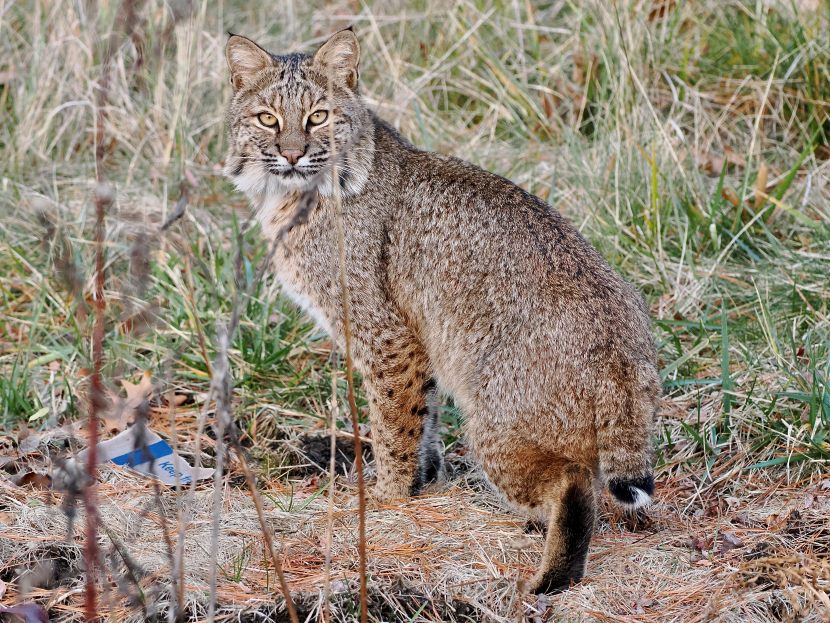
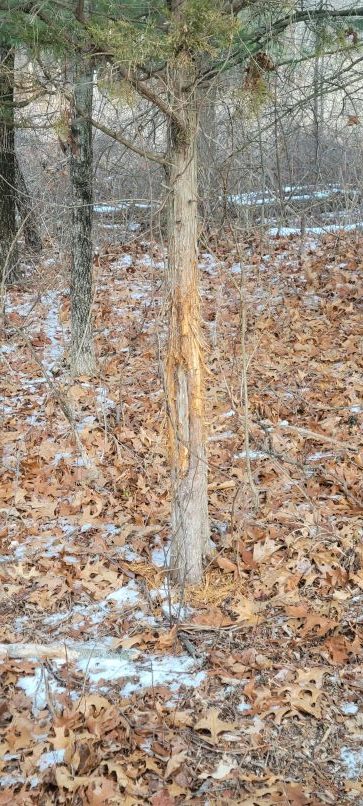
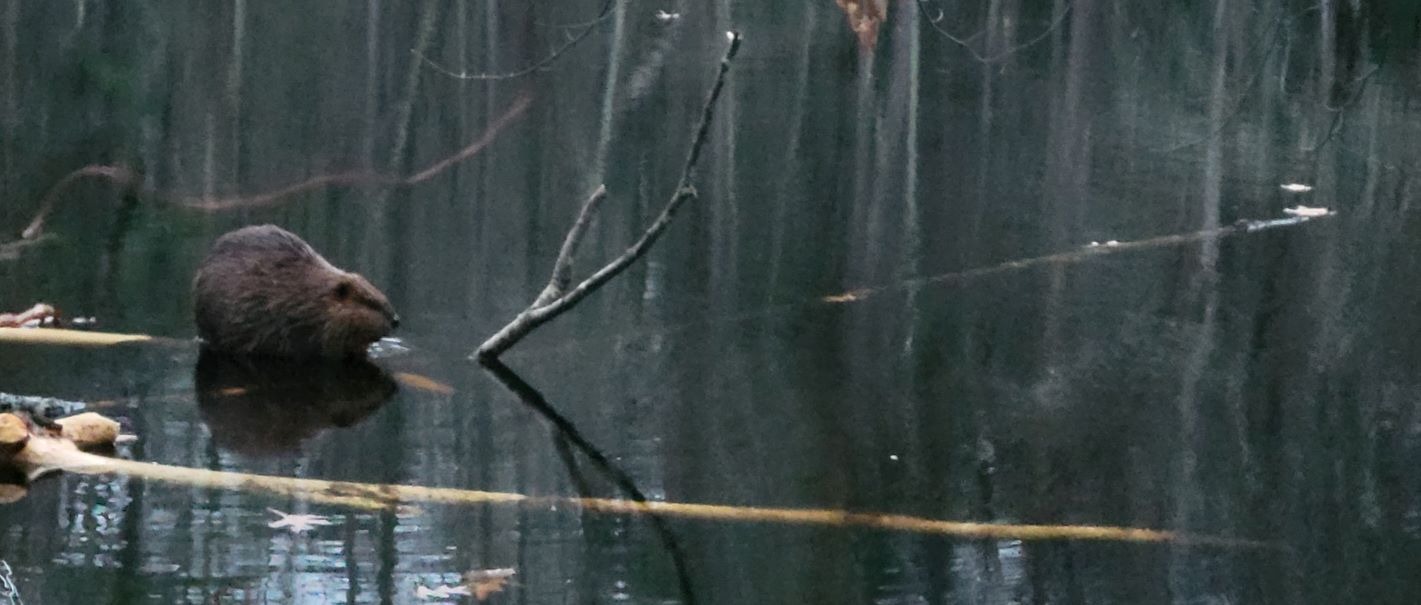
Bobcats have been reported from various parts of town and Will Leona wrote, “Beaver continued to prepare for the winter before the ice set in. They stocked their caches and fortified their lodges and now are ready to hunker down….. I have seen many deer browses and buck rubs lately.” Bucks rub their antlers on tree trunks, removing some of the bark, and then they rub their scent glands on the exposed wood. As Susan Morse, tracker and naturalist, writes, “Researchers have recognized that rubs serve as visual and olfactory “bulletin boards”, enabling the maker as well as other deer to communicate their social and sexual status”.
As this is my final wildlife column of 2025 I would like to take the opportunity to thank my “official team” of wildlife observers: Mathias Bitter, Ryan Brown, Stacy Carter, Vin Durso, Marcia Gagney, Michele Grzenda, Sue Klem, Jane Layton, Will Leona, Norman Levey, Kathleen Lomatoski, Ron McAdow, Ellen Meadors, Corey Flint, Tia Pinney, Carol Roede, Nancy Soulette, Pam Sowizral, Rob Todd, Fred Winchell, and Robin Wilkerson. I am also grateful for the calls and e-mails from other observant townspeople who appreciate the many forms of wildlife around us. Thanks go as well to Miranda Loud for proofreading and to Bryn Gingrich, who put the column and photos on the LLCT website, until Danielle Proulx took on the job in November.
I wish all readers a happy holiday season, with ongoing enjoyment of the natural wonders around us in 2026.
Links:
To learn more about harm done by Anticoagulant Rodenticides
Watch Will Leona’s video of a bald eagle flying over Flint’s Pond