
In early April 2026, LLCT and Lincoln Extended-Day Activities Program (LEAP) sponsored a visiting Turtle Travels program from the Worcester Ecotarium for over thirty 3rd and 4th graders. Check out the photos below to follow along with this hands-on activity!
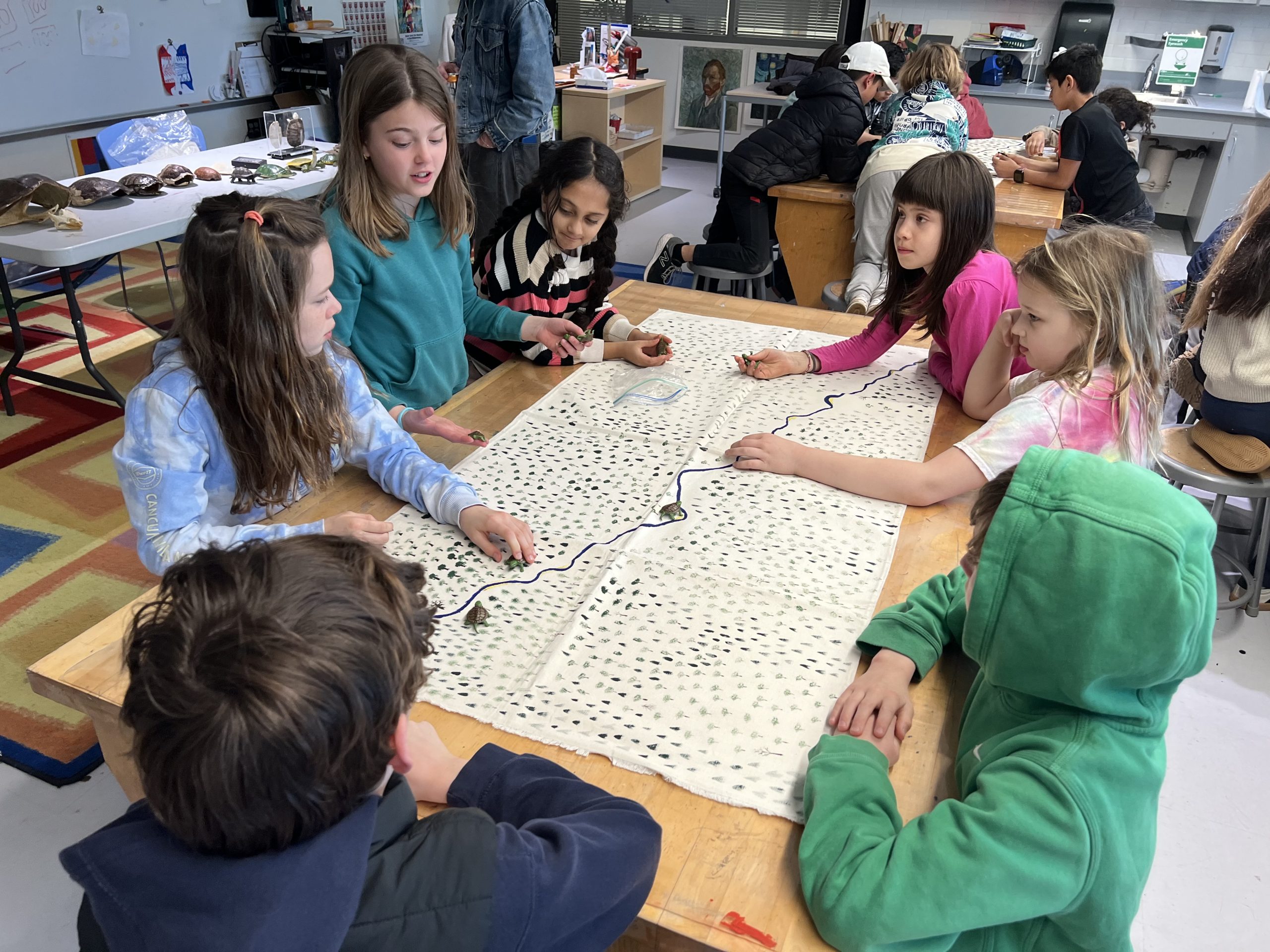
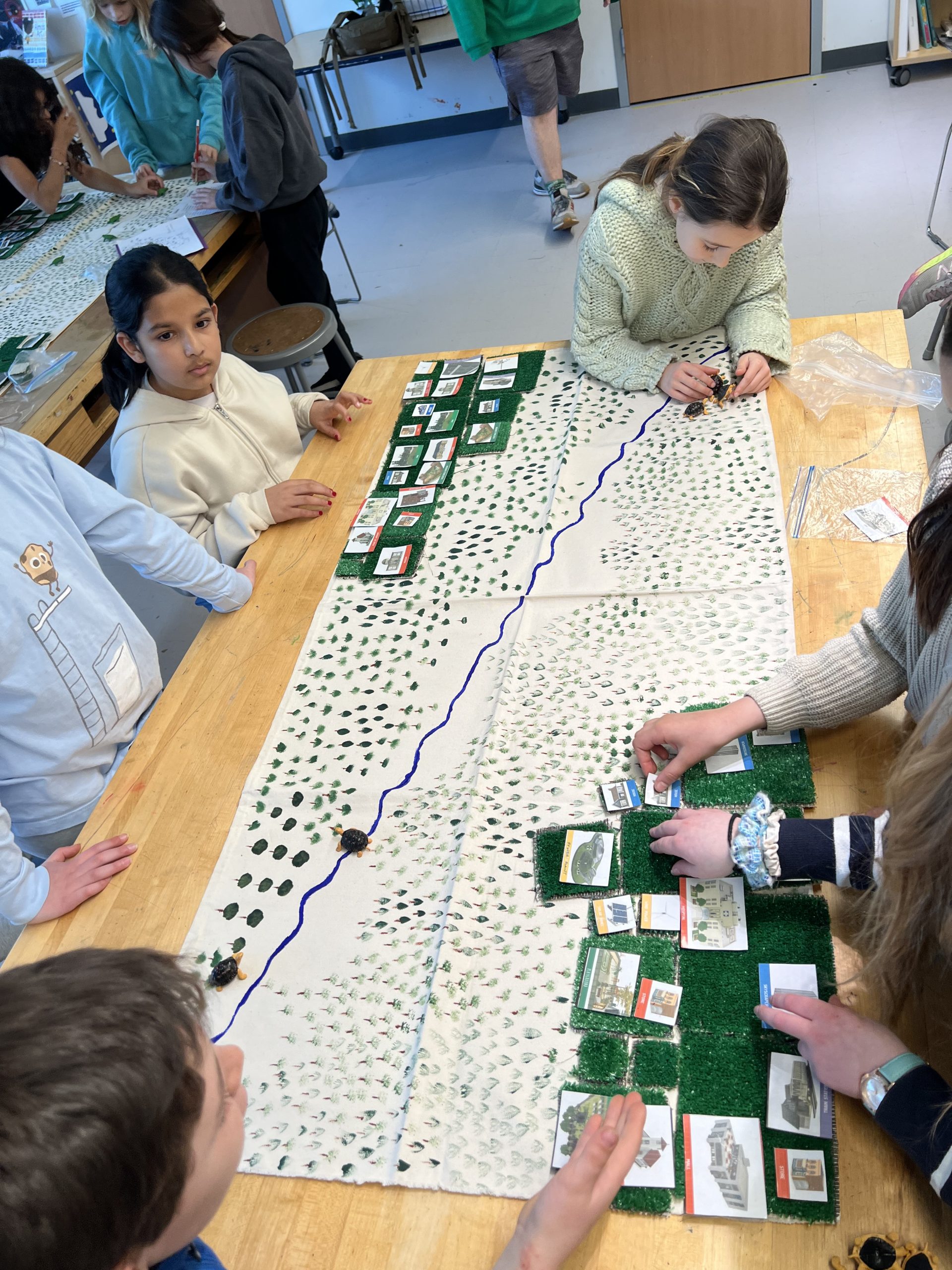
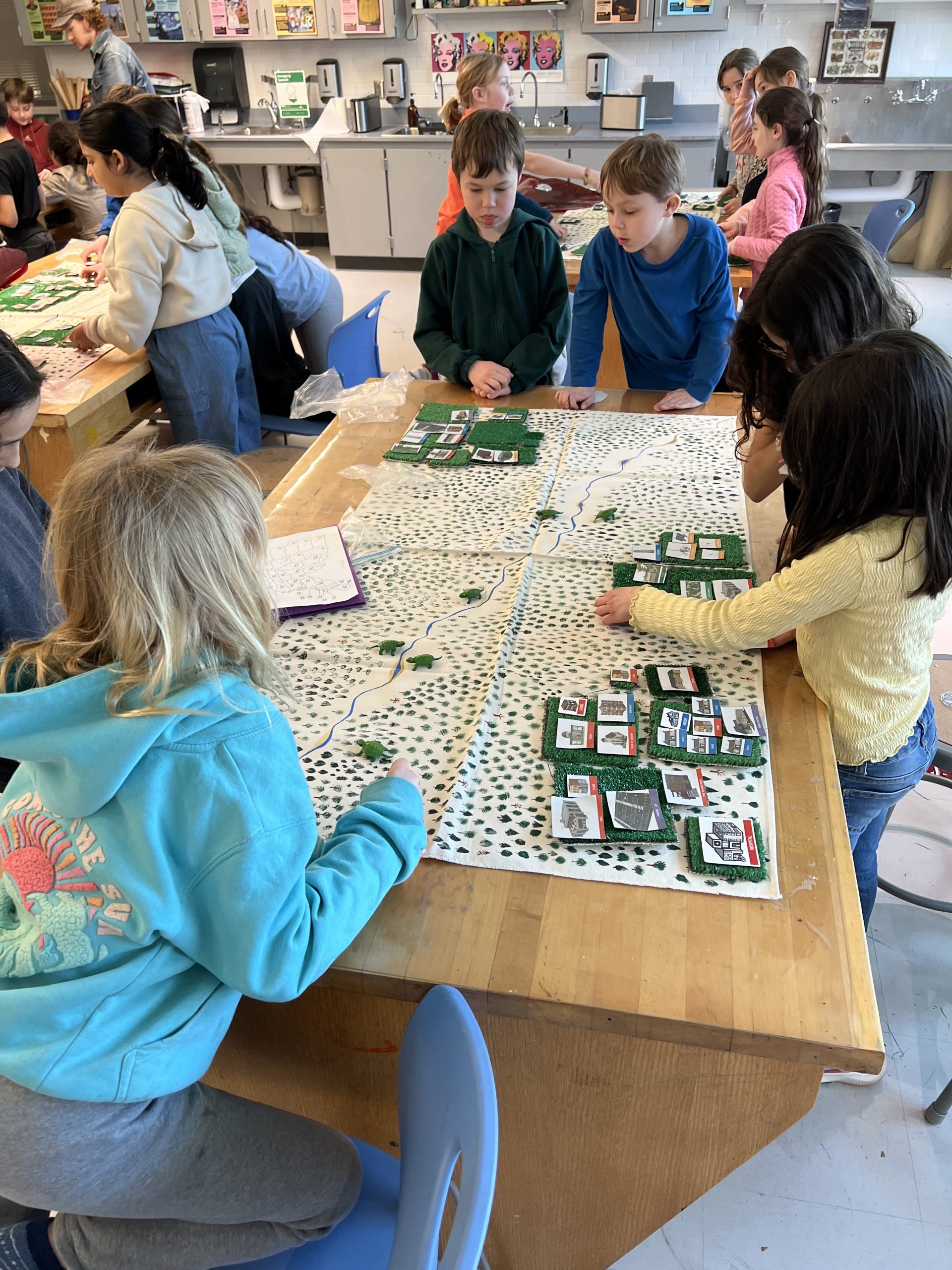
Turtle time: Students were first given plastic turtles and asked to lay them out evenly along a stream, representing a stable population in an undisturbed environment.
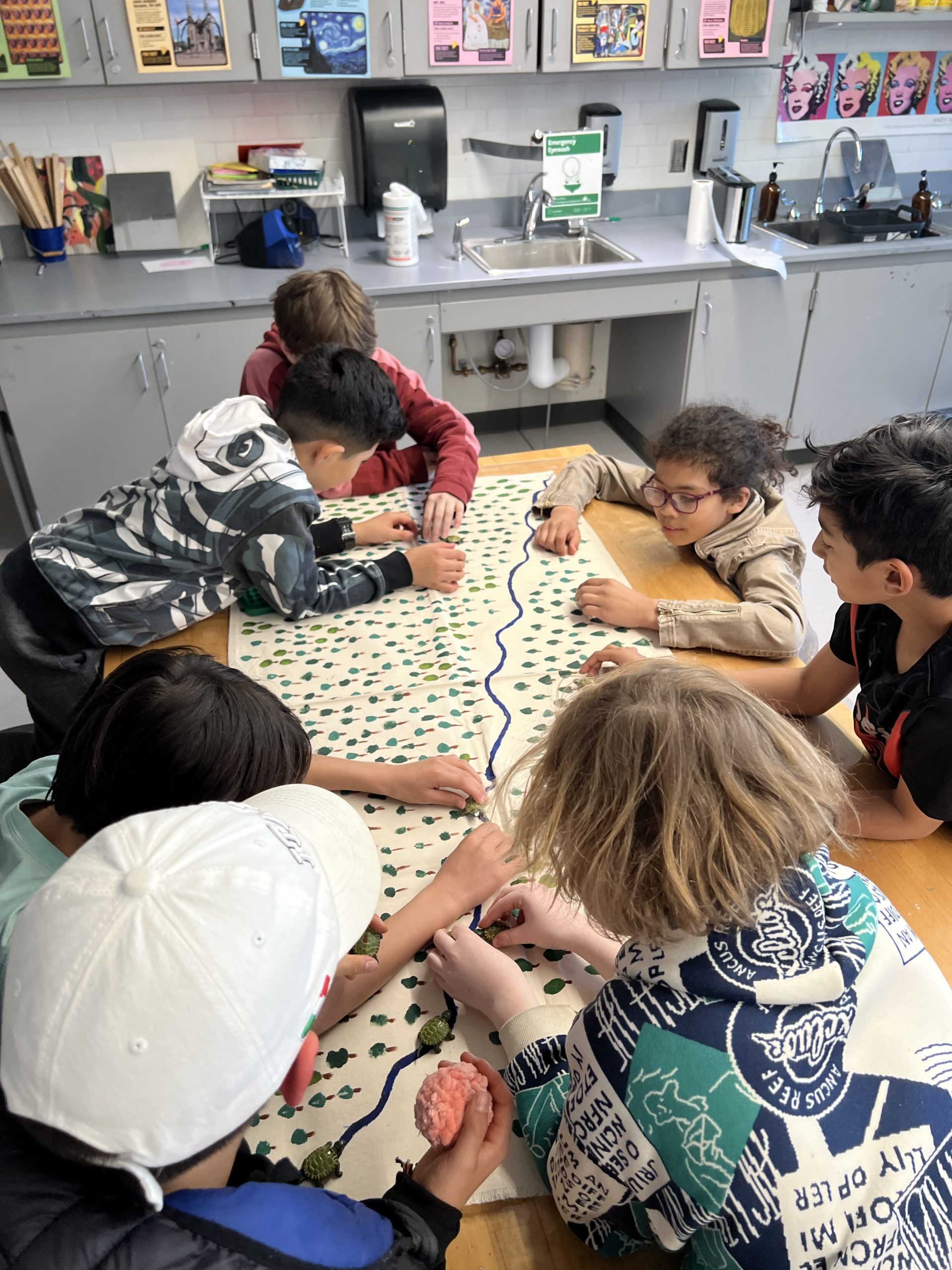
Let’s make a city: The student groups worked to create a city by laying out the pieces of paper representing “buildings” such as hospitals, fire stations, schools, grocery stores etc. They had fun working with their groups to design a place they themselves would like to live in.
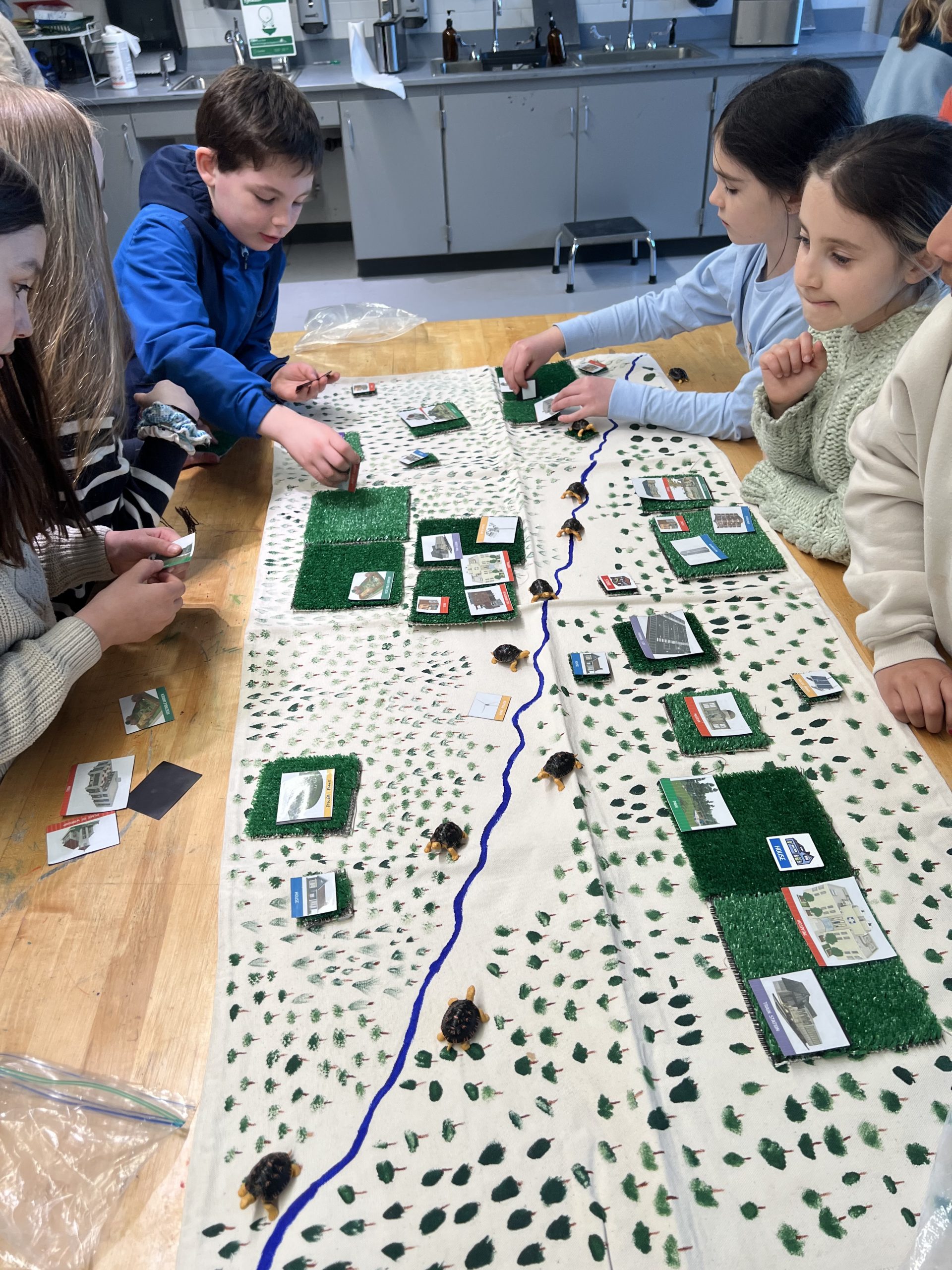
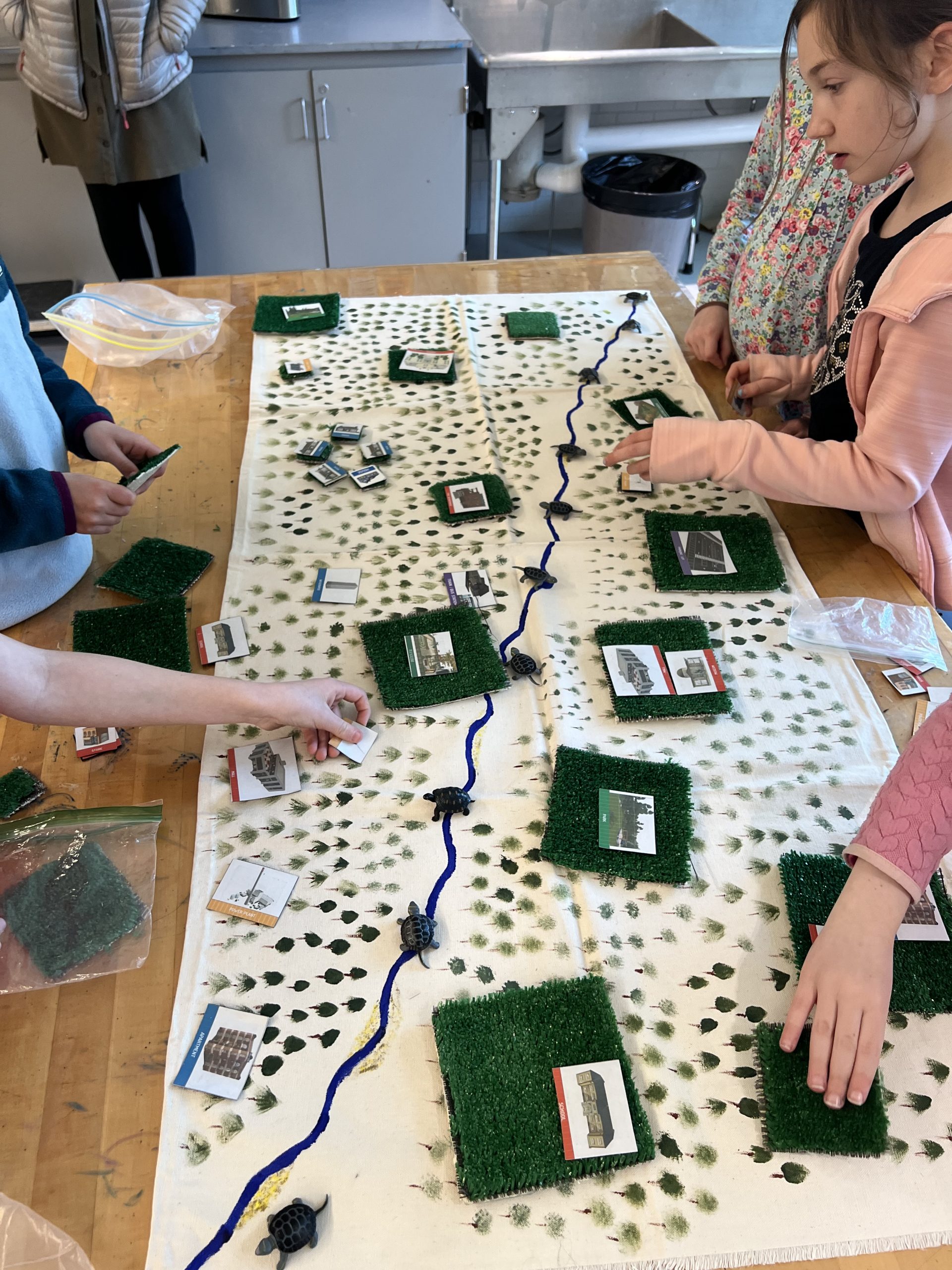
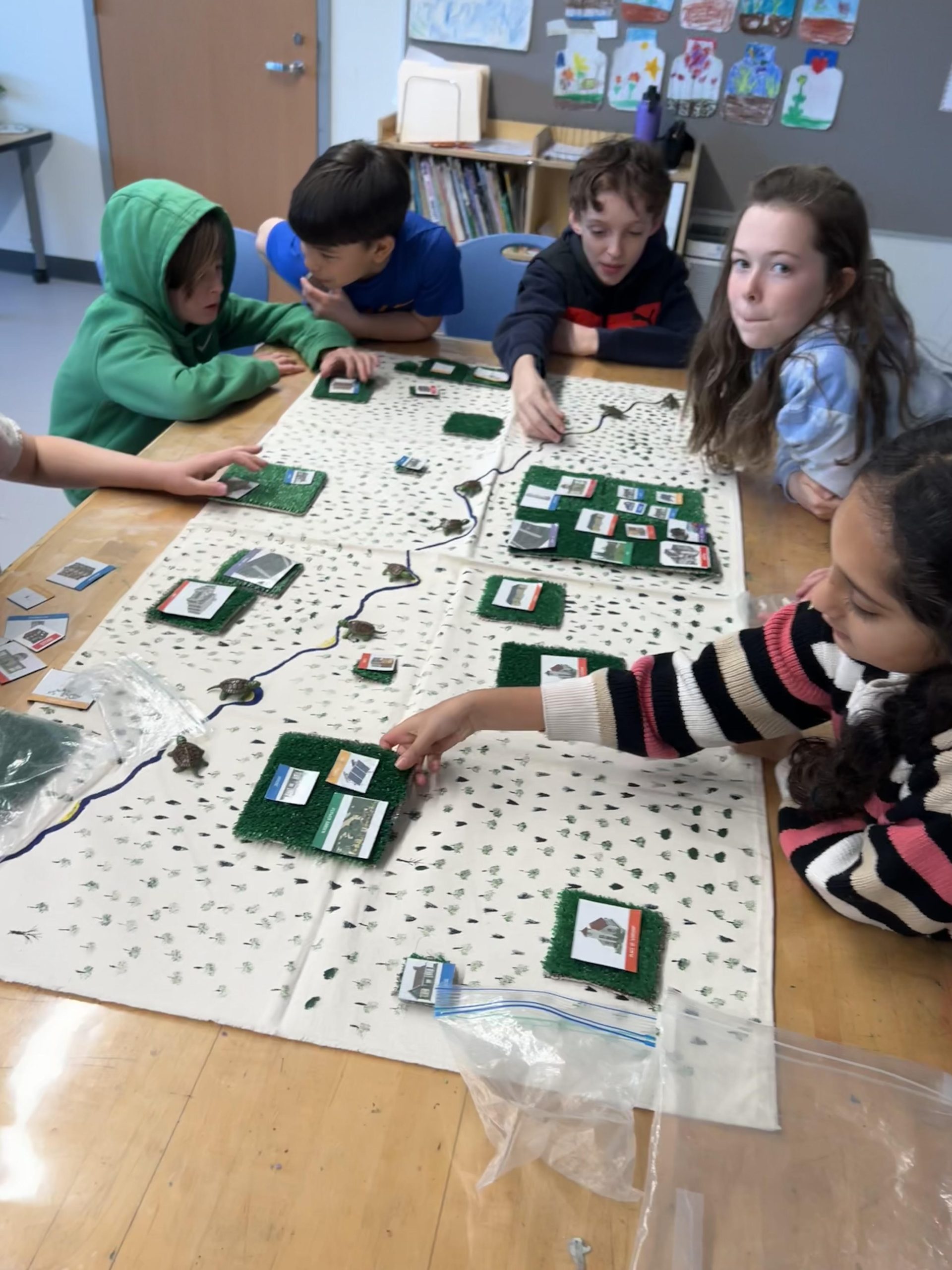
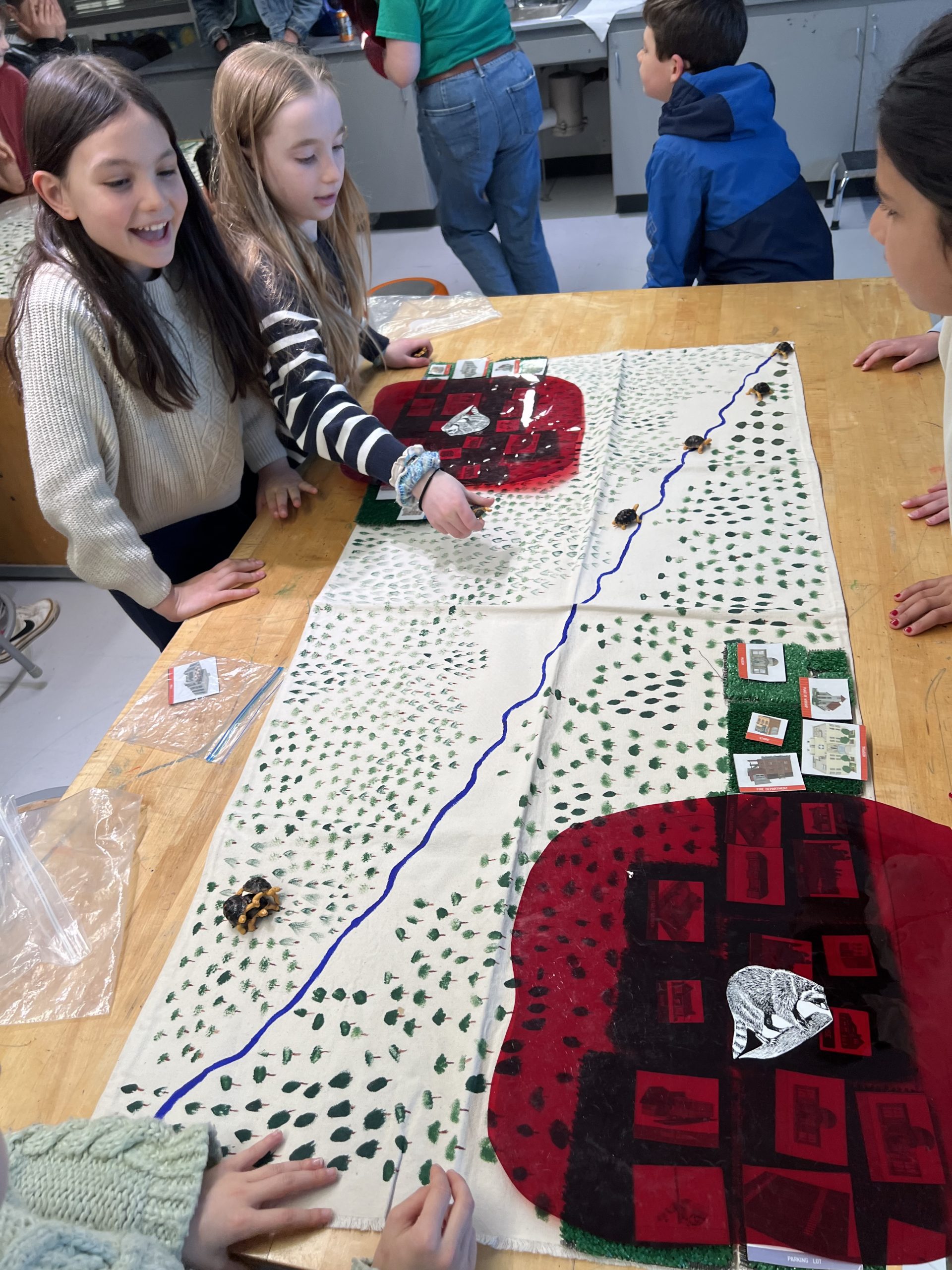
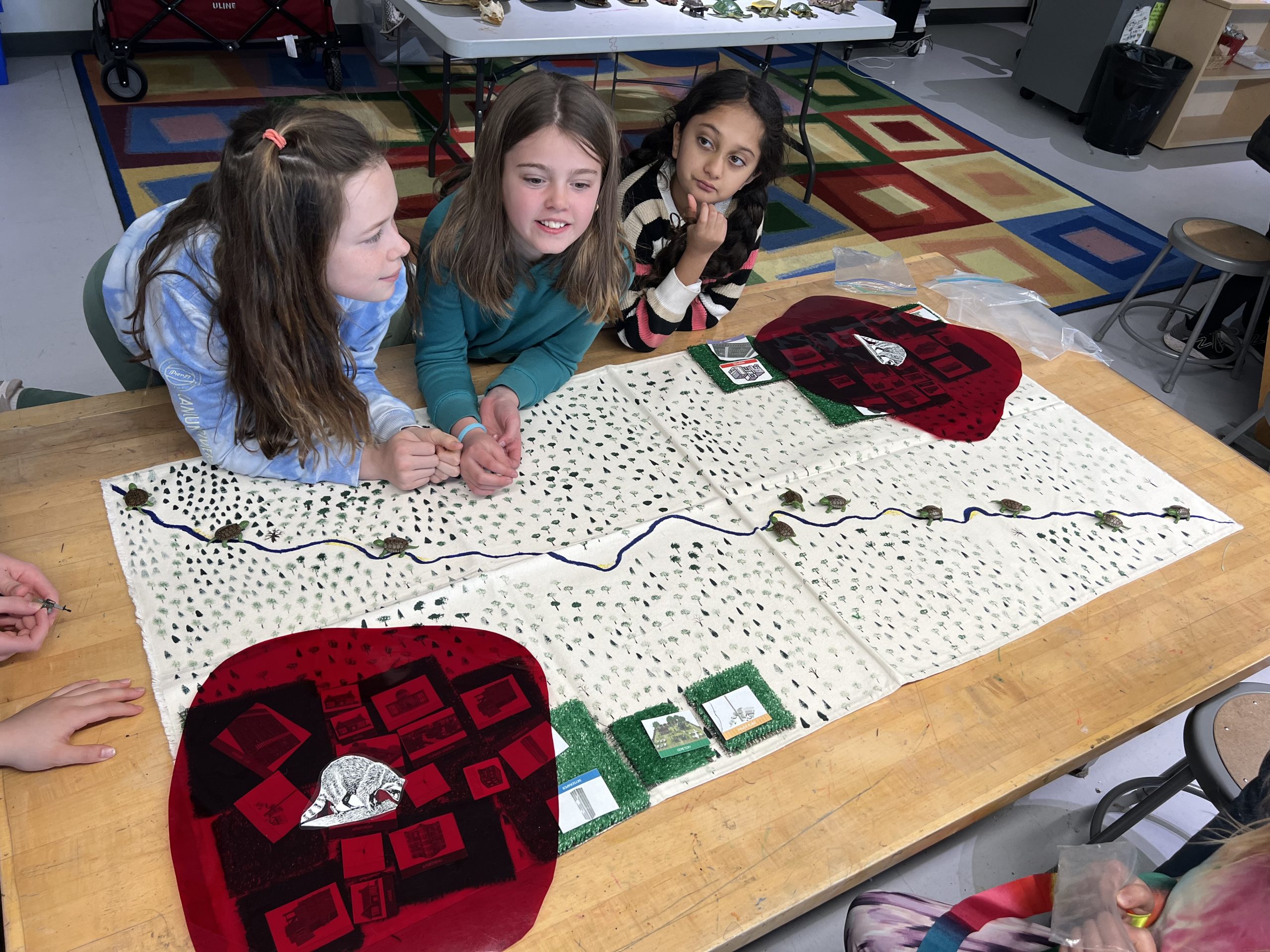
Raccoons Incoming: Raccoon populations center around human developments. While Raccoons greatly appreciate eating our trash, they are also capable of robbing turtle nests of their eggs for a snack – plummeting the surrounding turtle population numbers. The red splotch represents the radius of the city raccoon population; any turtle nests touching the red did not survive. There were definitely some woeful reactions from the students as their turtles were covered!
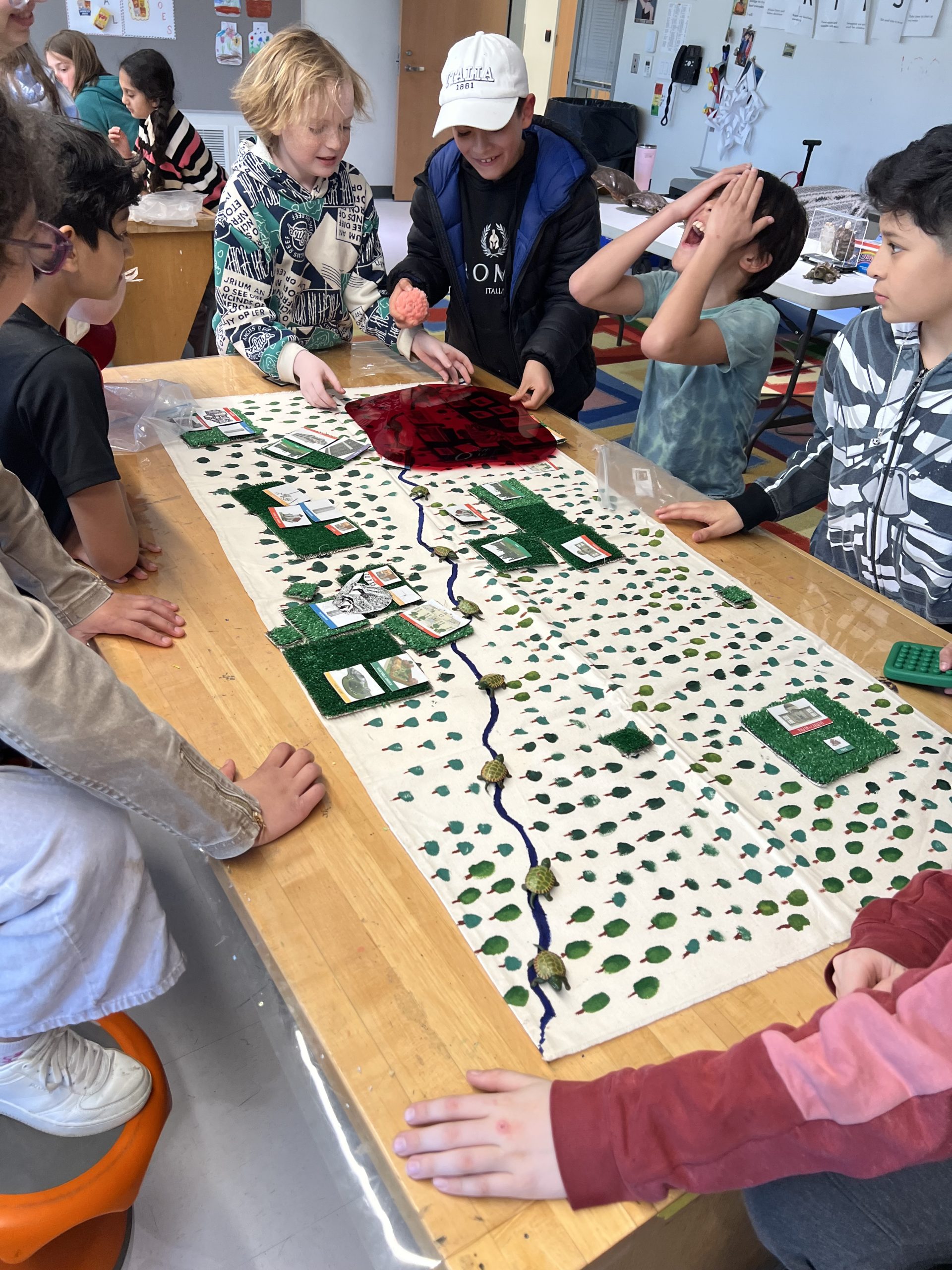
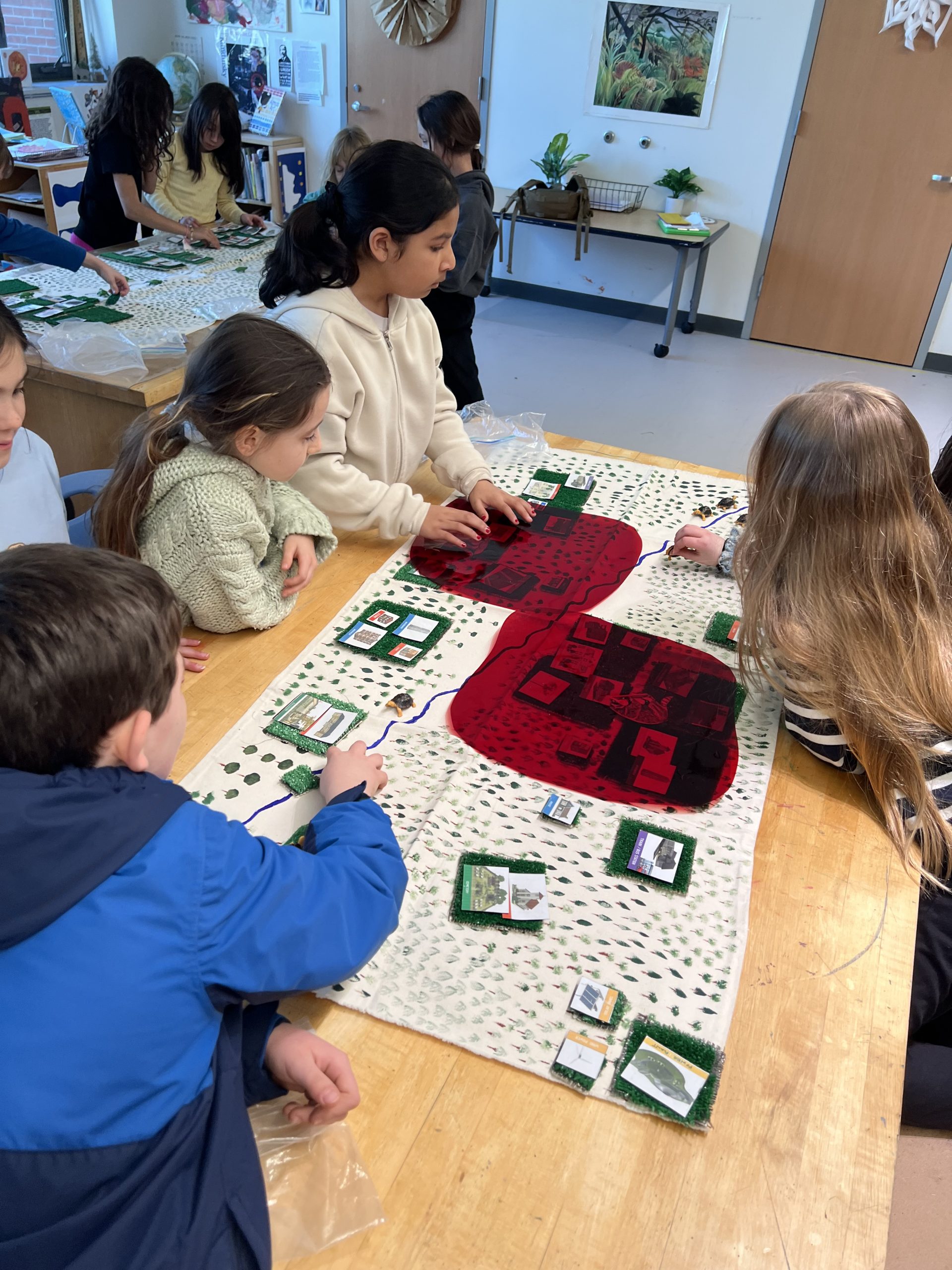
Let’s try that again: The student groups worked to redesign their cities. This time, many city designs appeared more compact and further away from the stream where turtle populations are. Other groups decided that some buildings and infrastructure were unnecessary and removed them from their layout.
Future city planners: Now, the raccoon populations are much more centralized over the cities and all the turtle populations near the stream survived! Good work LEAPers!
Meet Lemonhead: The students also got the chance to see a live box turtle up close. This turtle is 25 years young!
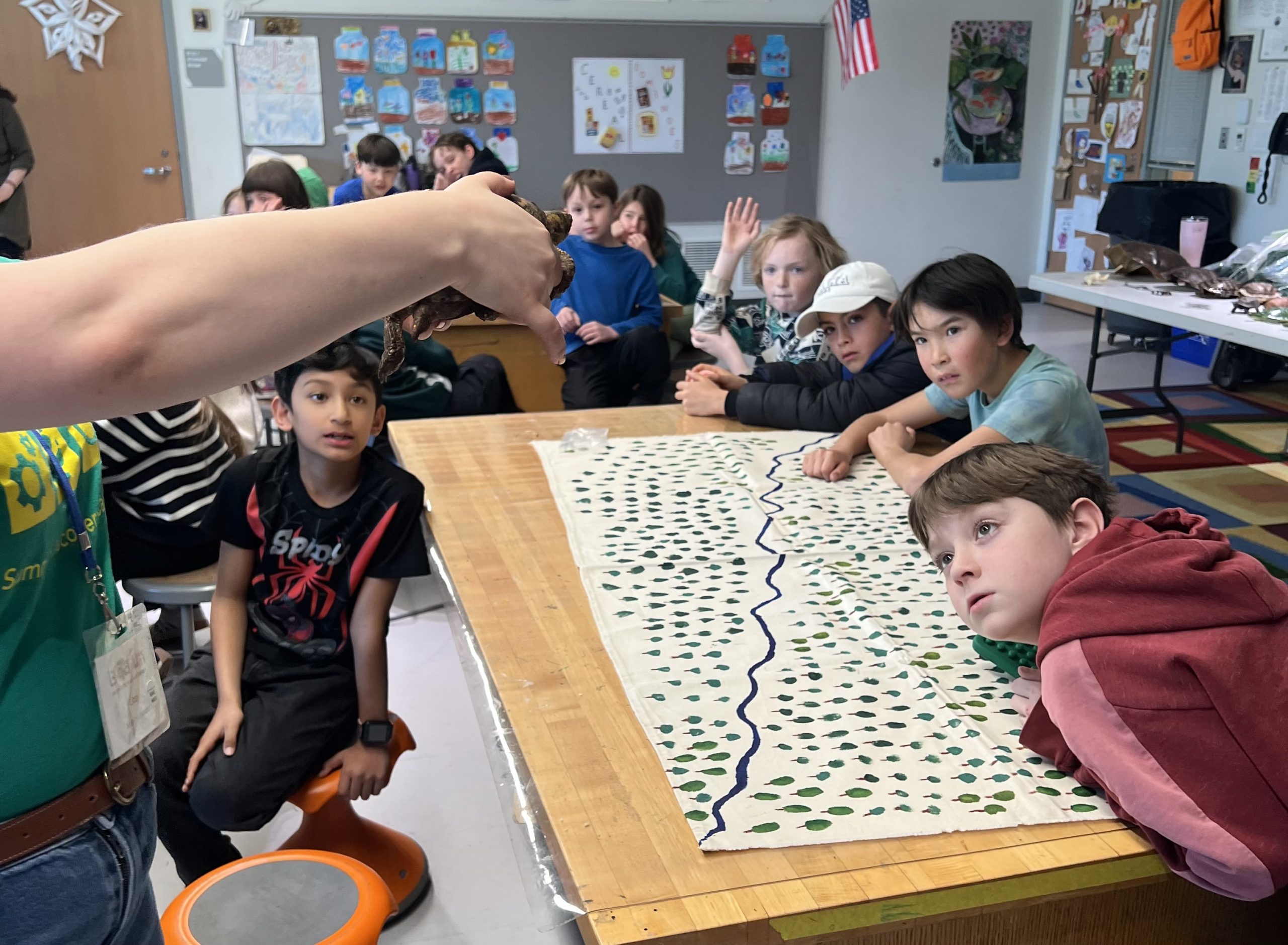
Fun Facts We Enjoyed Learning about Box Turtles:
They can “breathe” through their butt! Box turtles can absorb oxygen from water using a special opening called a cloaca. This helps them stay underwater longer (up to 20 minutes!), though they still mainly use lungs.
They are endangered in Massachusetts. It is important to protect their habitat and never take them from the wild.
Box turtles can live 50 to 100 years. Lemonhead could live for decades more!
Each turtle’s shell has a unique pattern, kind of like a fingerprint.
Box turtles usually spend their entire lives in a small area, so moving them can be harmful.
Turtles move with purpose! If you need to help a turtle cross the road, ask for an adult’s help. Do not turn them around, help the turtle continue in the same direction it was already going. Turning it around can confuse it and disrupt its home range. Give snapping turtles a wide birth; they can snap down their bone crushing jaws in a radius of over 2 feet, 360 degrees around their entire body.