June 2026 Wildlife Column
Written by Gwyn Loud for the Lincoln Land Conservation Trust. She welcomes your sightings and questions at 781-259-8690 or gwynloud555@gmail.com.
We have had variable temperatures over the past month, except for the second week in June, which delivered high heat (90s℉) and humidity. It certainly felt like summer, although the new season will not officially arrive until June 21, the solstice, marking the longest day of the year in the Northern hemisphere.
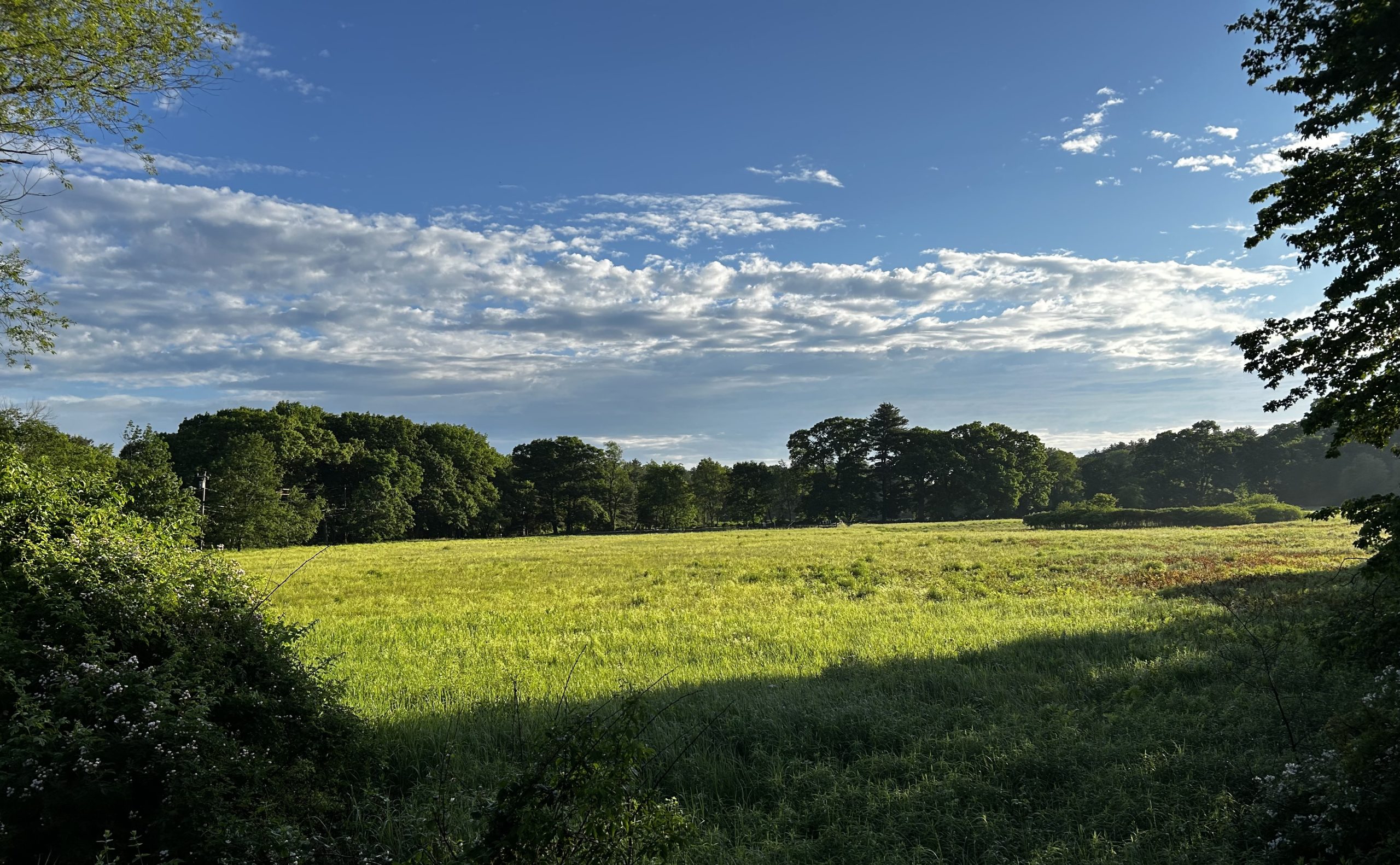
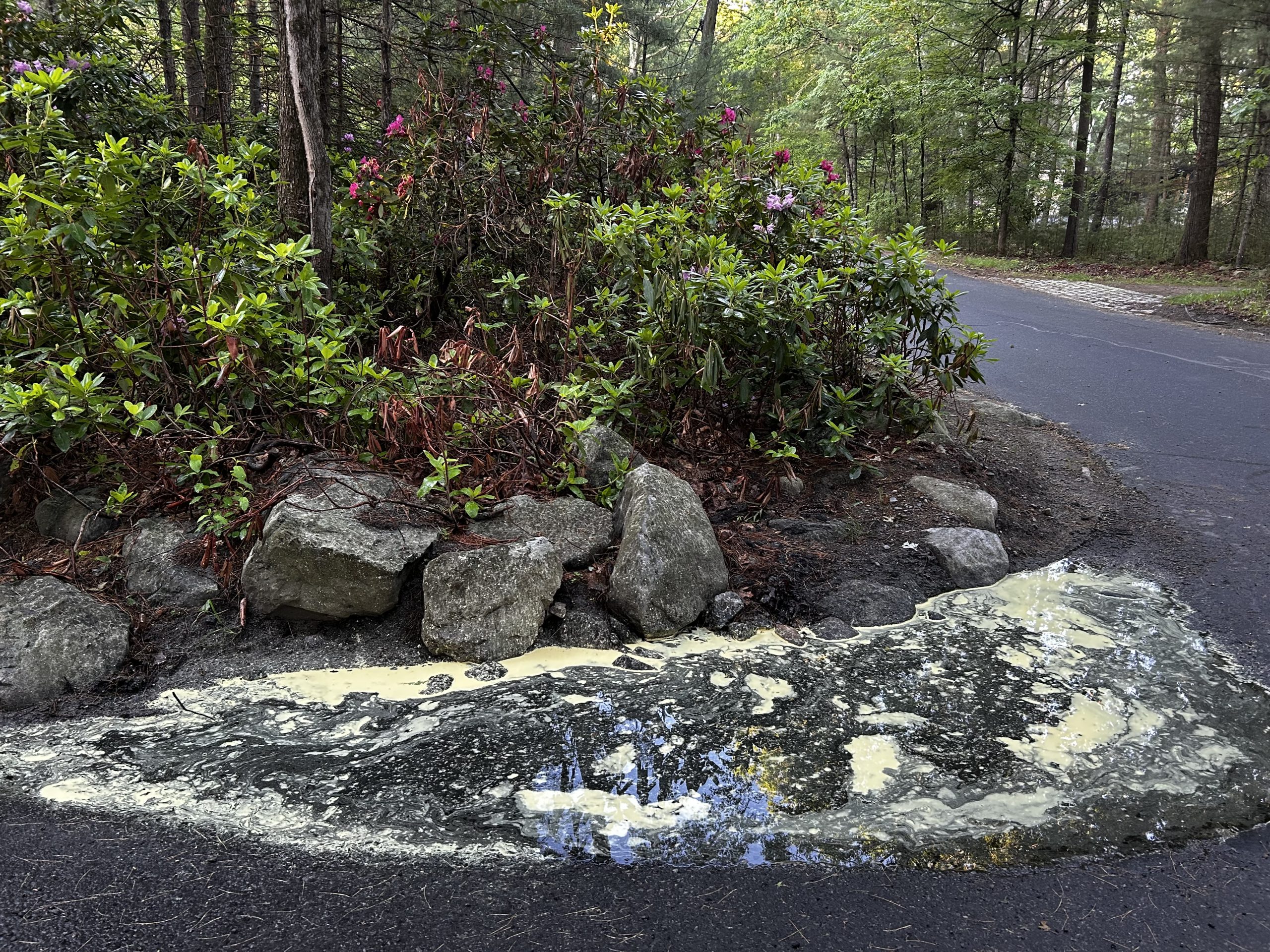
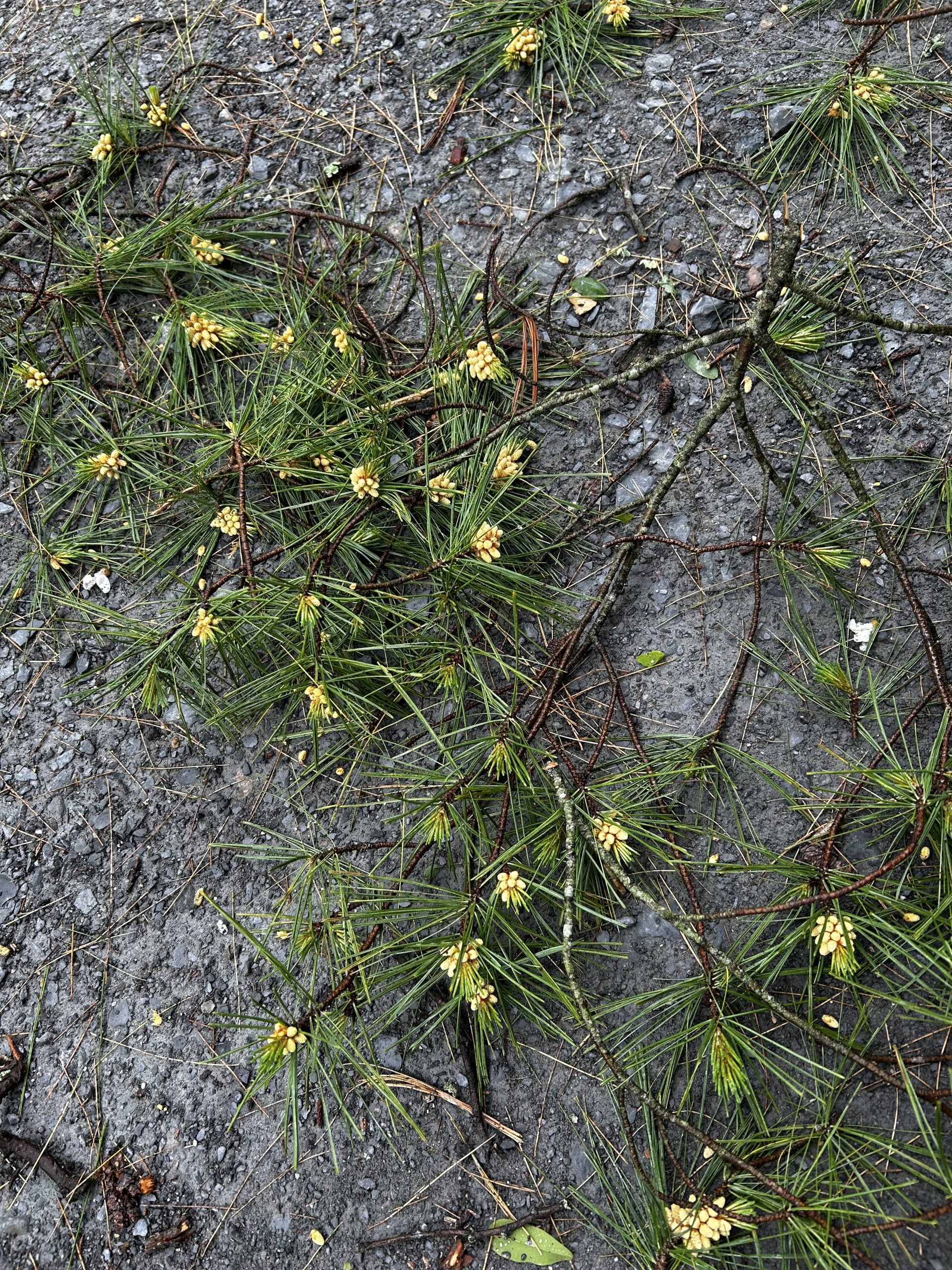
Eastern Massachusetts is in critical drought; ponds are low and watering restrictions are in place. Even so, the landscape is lush with blossoms and greenery, helped a bit by brief showers. It’s pollen season, manifested by people sneezing and pollen covering our cars and windowsills. Meteorologist Dave Epstein gave an informative talk on Morning Edition on June 5, explaining, “We are actually at the tail end of tree pollen season and the beginning of grass pollen season, so there’s an overlap right now. This is one of the reasons why the second half of May into June can often bring about some of the worst of your allergies. There was actually pollen in the air back in early March from maples, elms, ash and alder. Since then, pollen has come from oak, birch, cottonwood, walnut, mulberry and of course pine — the pollen of which we are all seeing all over the place. However, yellow pine pollen grains are very large so they are not typically an allergen for most of us. One thing that does contribute to seasonality and even daily variations in pollen is the lack of rain. With roughly 18% of Massachusetts in severe drought, and virtually the entire state drier than average, there’s nothing to regularly cleanse the air. The lack of rain prevents the pollen from being pulled out of the atmosphere by the raindrops. If we were in a rainy, wet June, there would still be pollen released from the trees and the grass, but it would most certainly end up getting washed from the atmosphere on a more regular basis.”
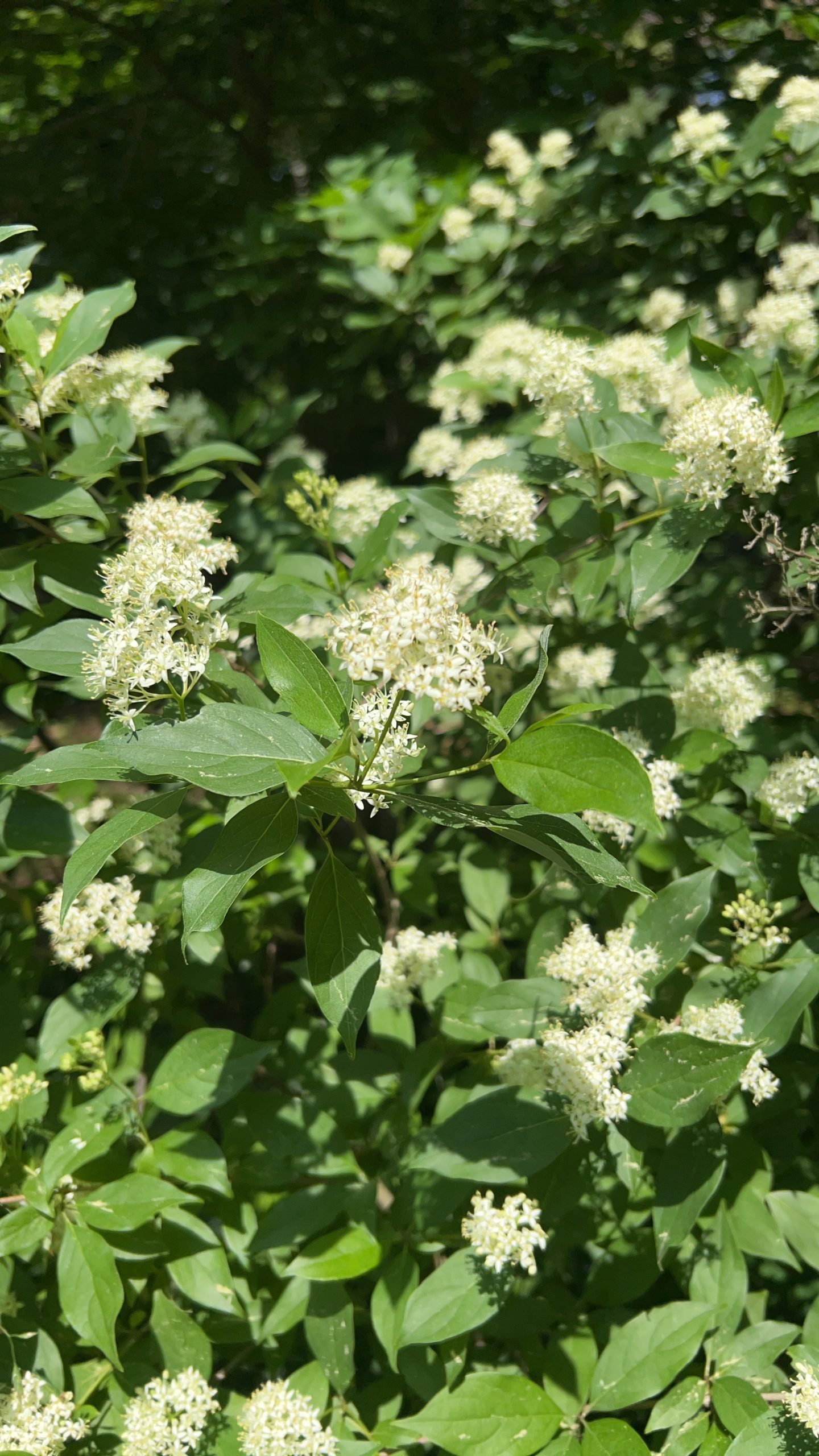
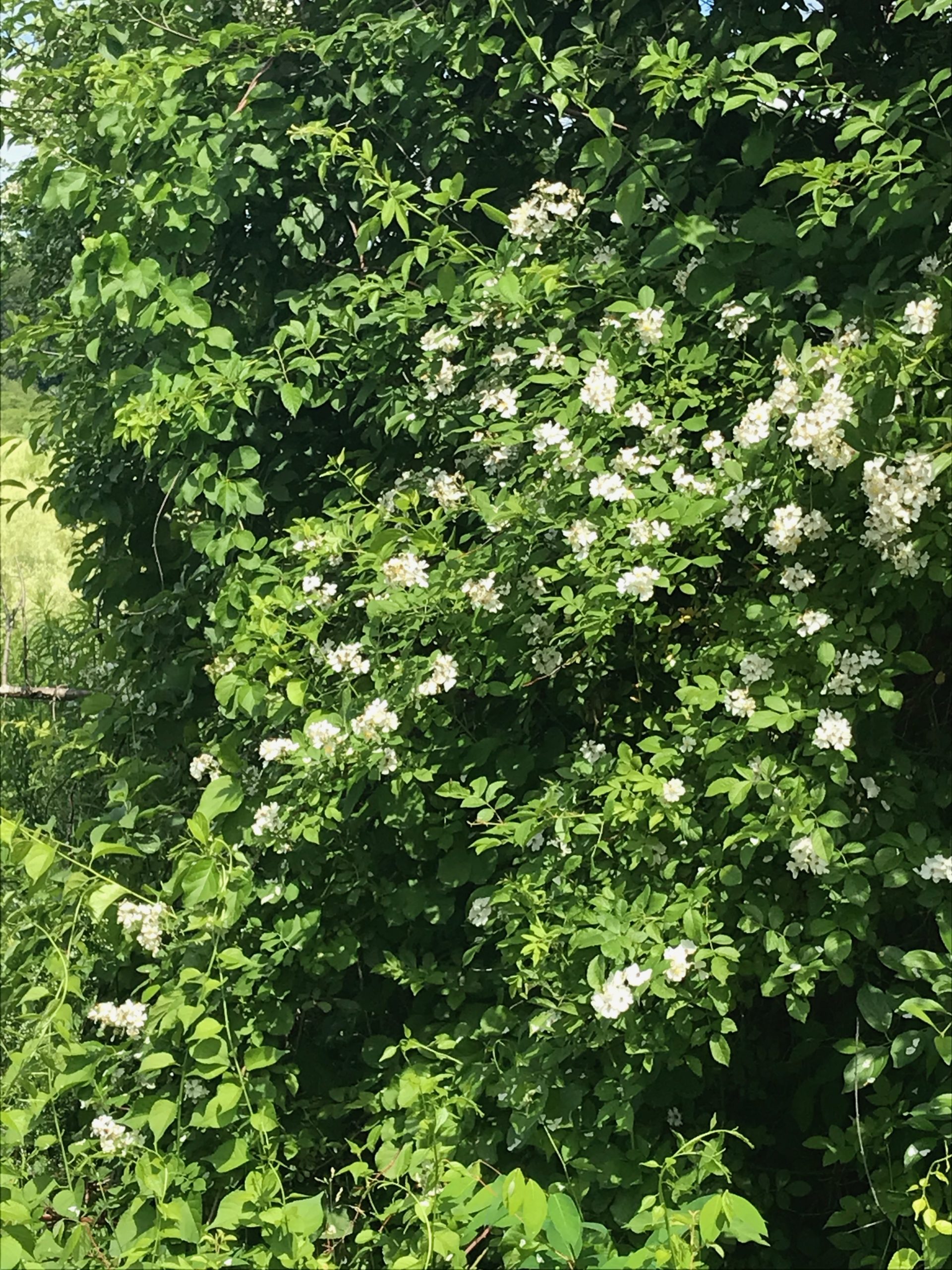
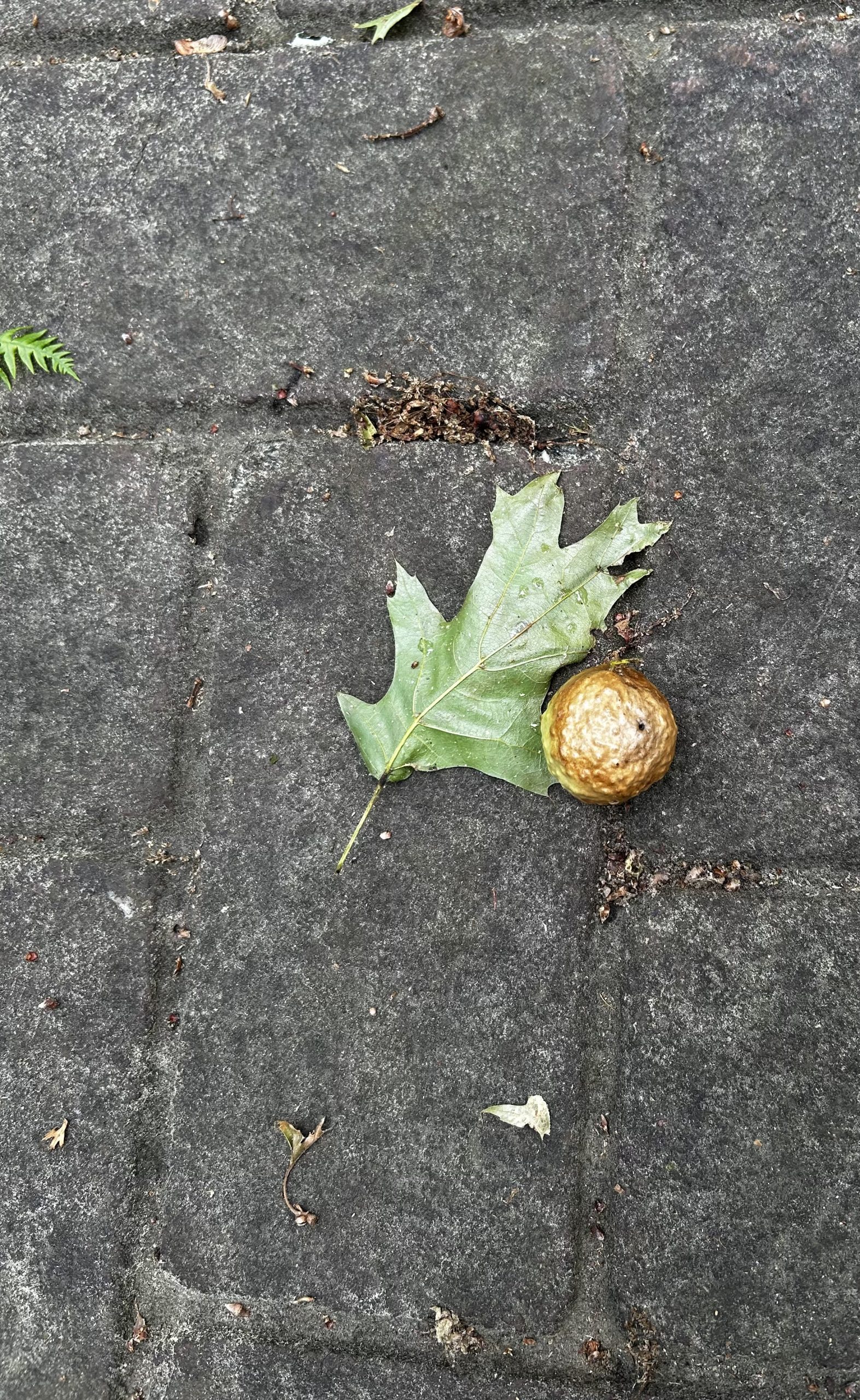
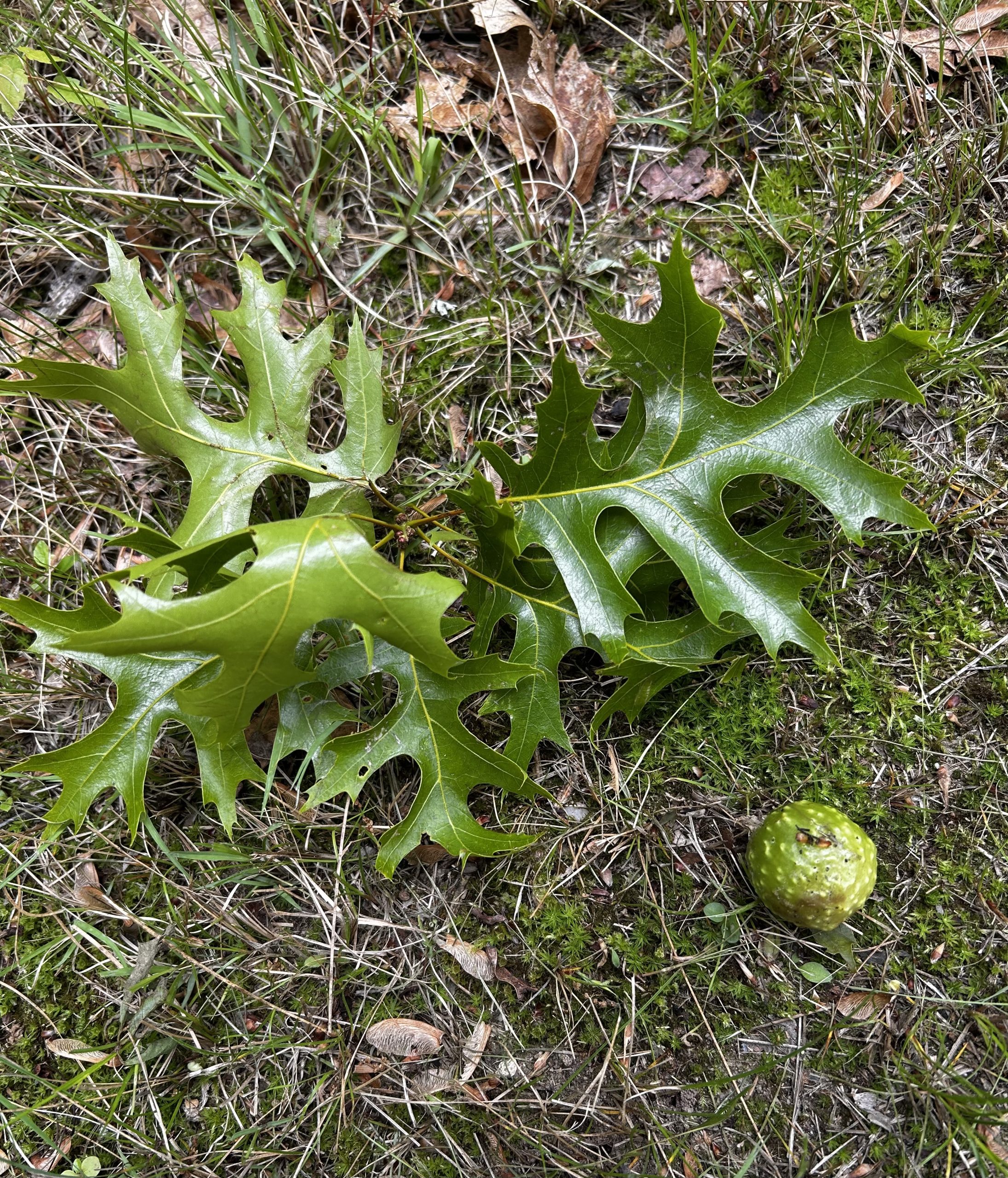
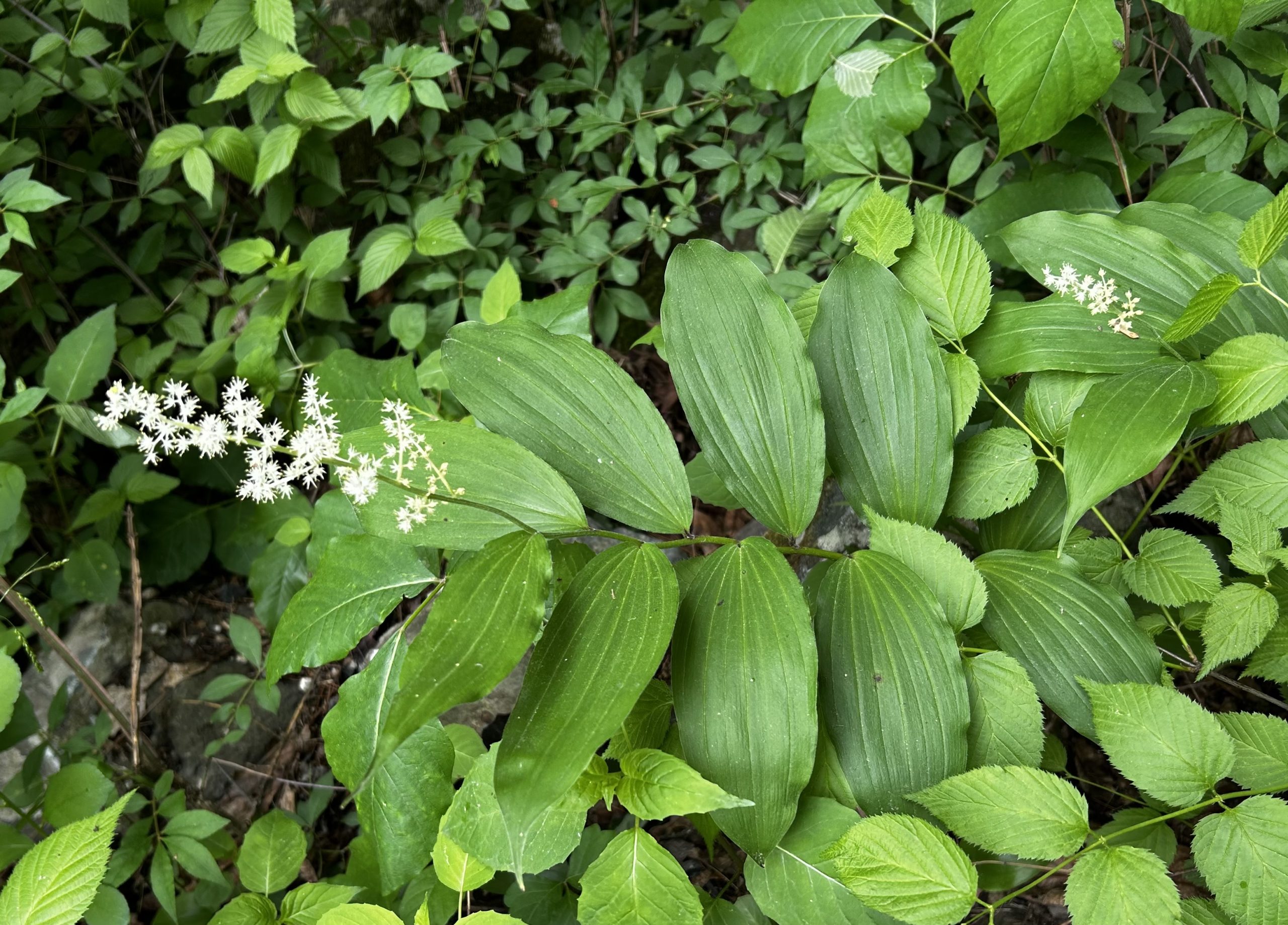
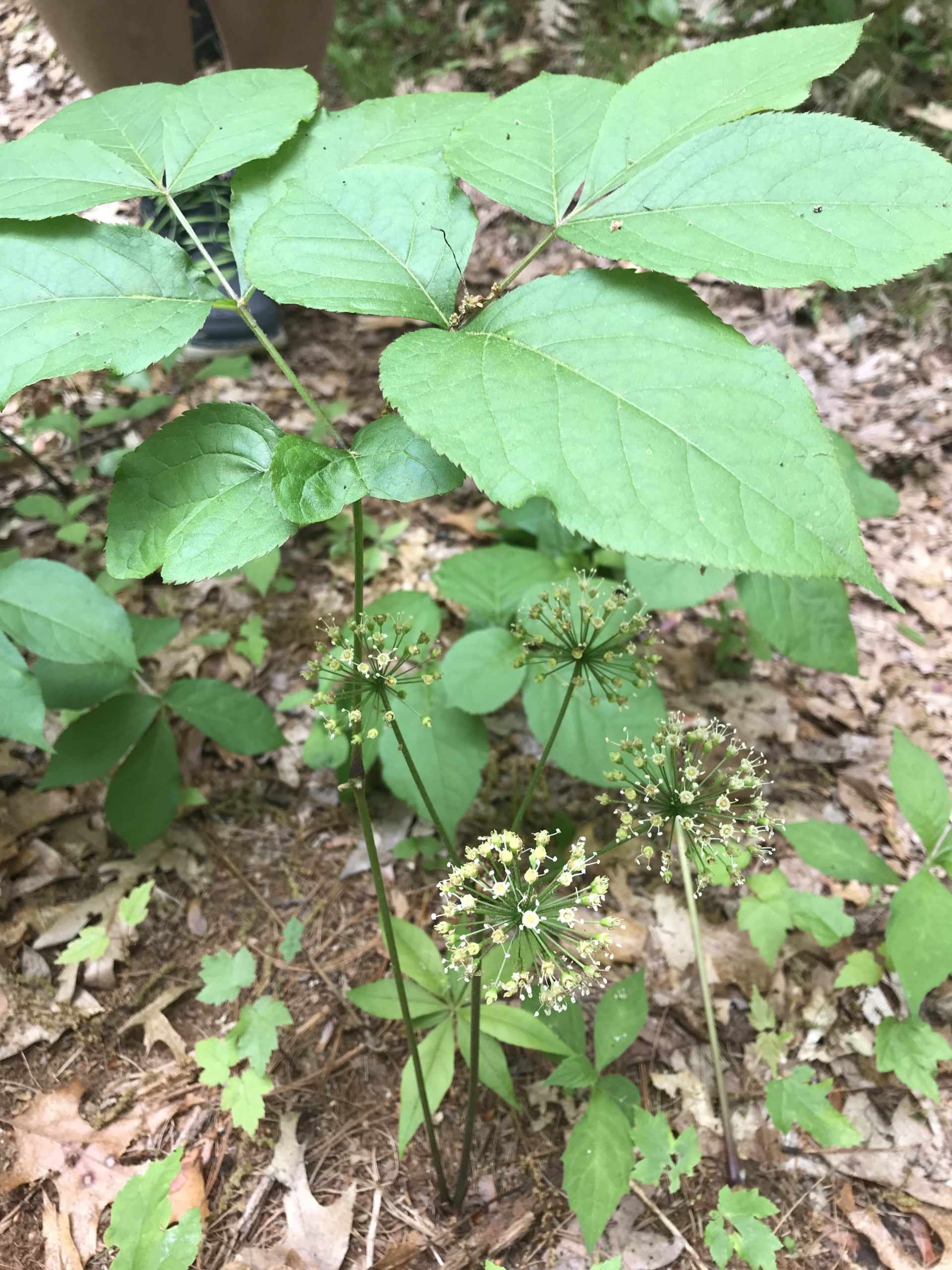
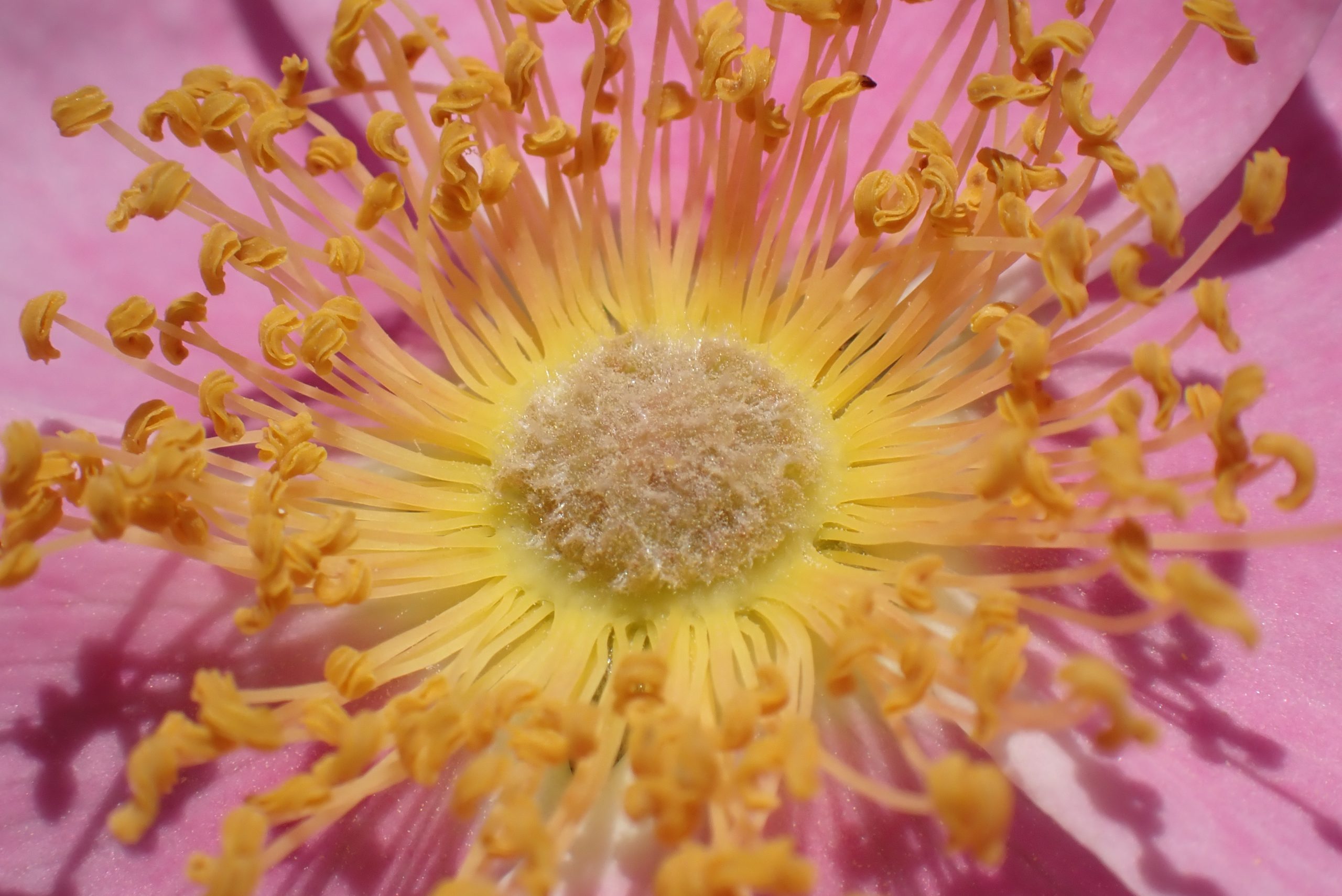
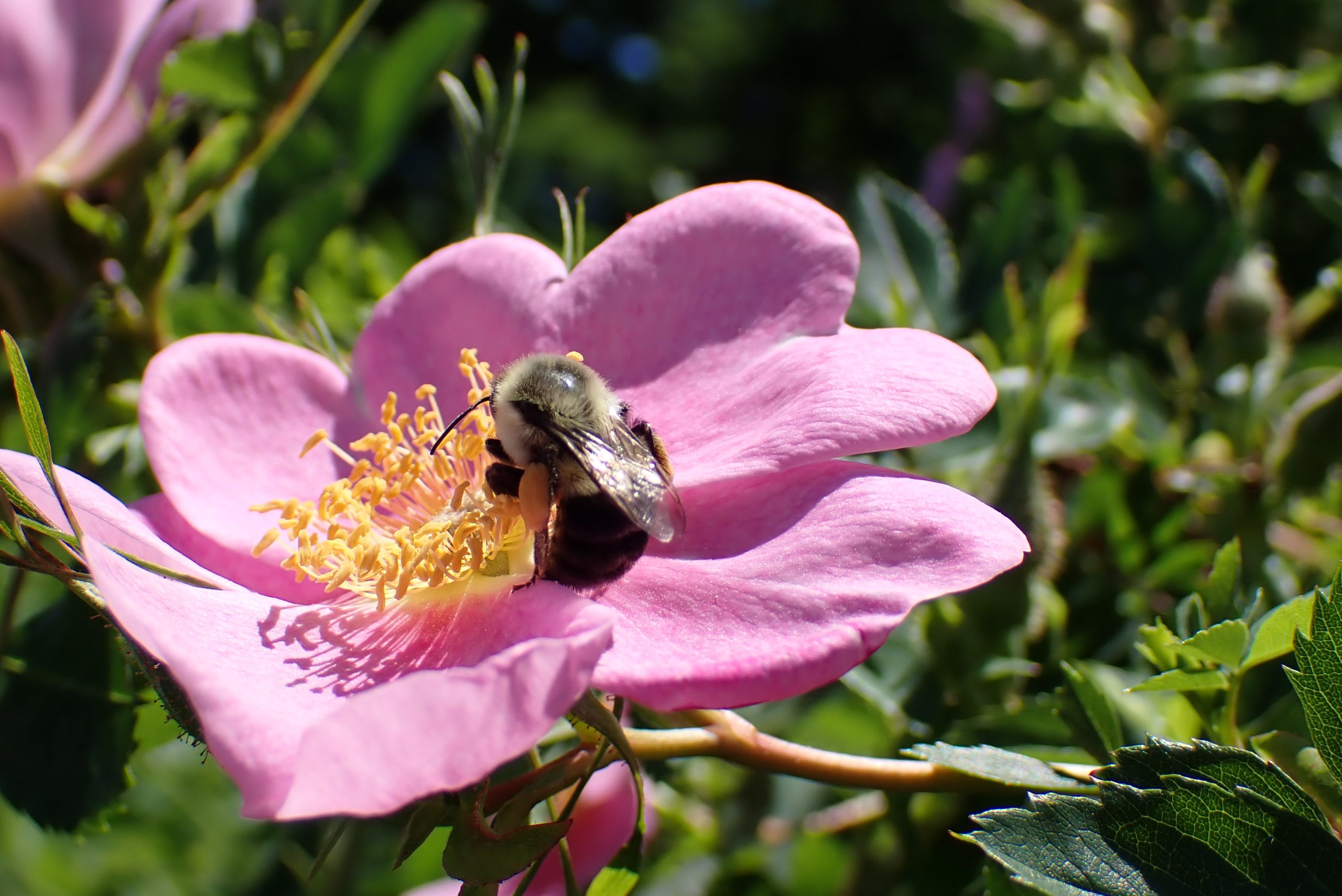
Shrubs flowering now include multiflora rose, elderberry, and gray dogwood, and in the woods, you may find the inconspicuous flowers of wild sarsaparilla, Solomon’s plume, or an oak apple gall lying on the path, looking like a green ping-pong ball. Galls are homes for specific insects, in this case a small cyanid wasp. The female wasp, while laying eggs, injects certain chemicals into the oak leaf which trigger the development of a spherical home for the eggs, with nutrients for the larvae when they hatch. Even now, the process is not fully understood. If the gall is brown and papery, with a tiny hole, the occupant has left and flown away.
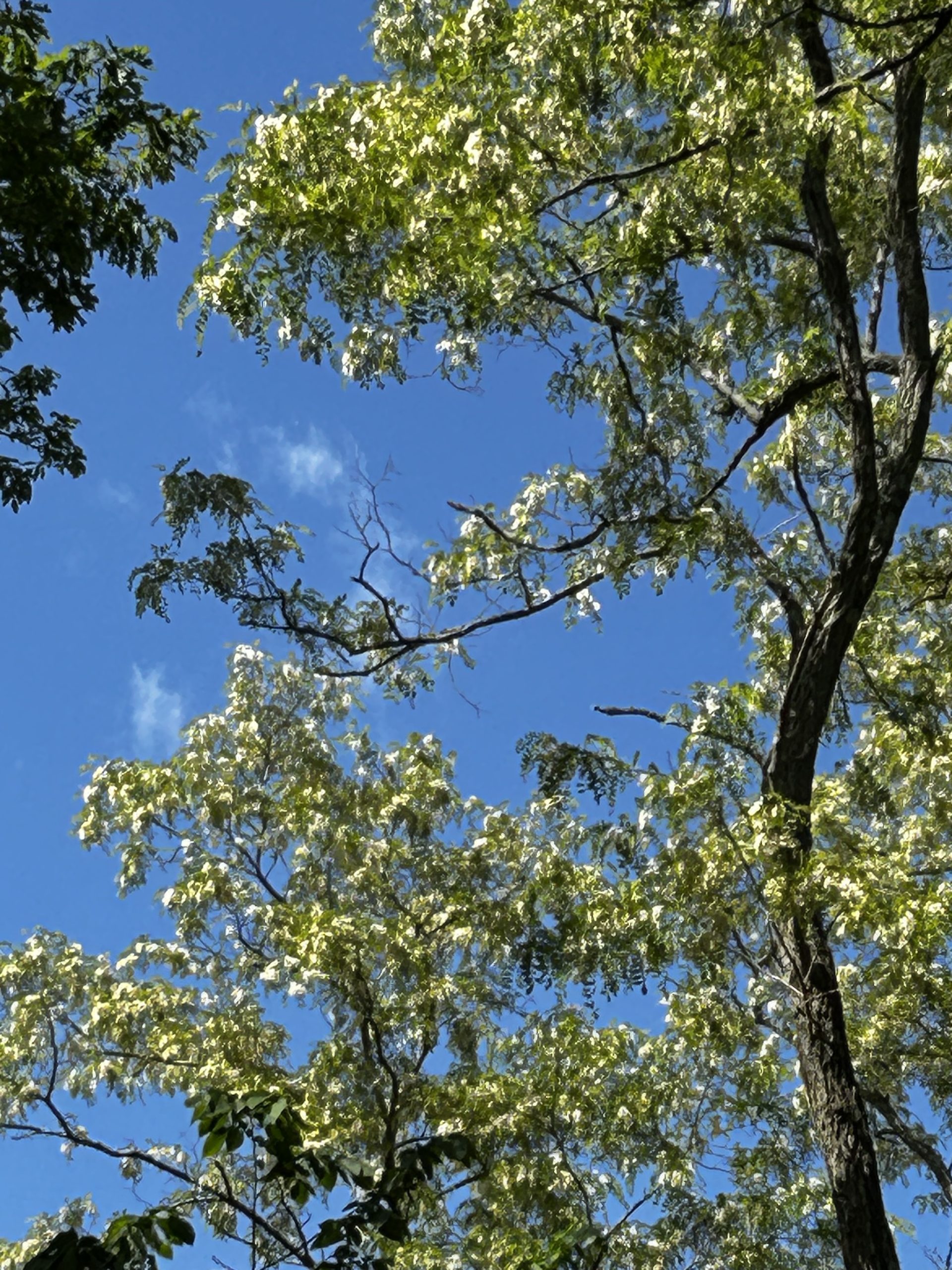
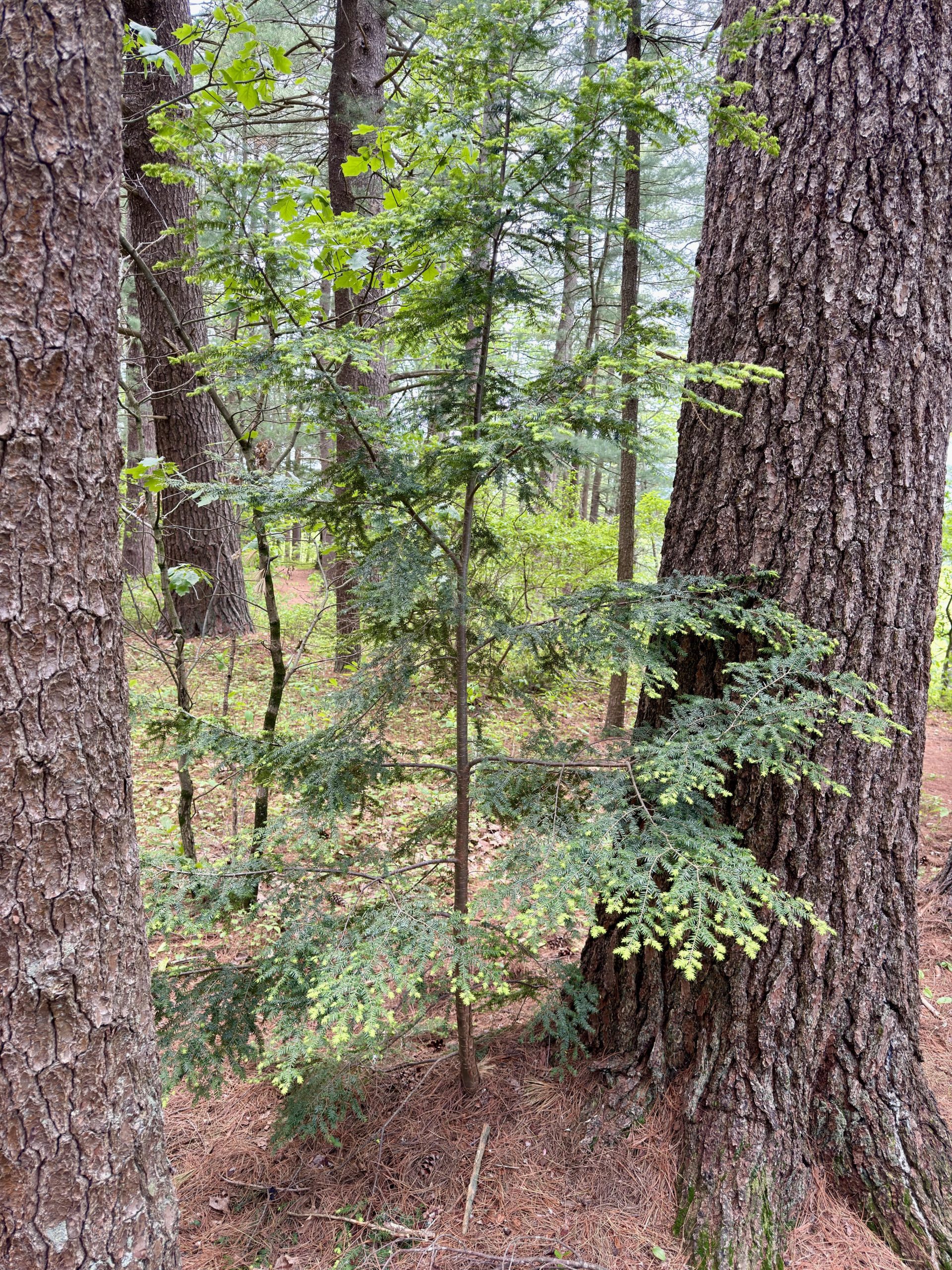
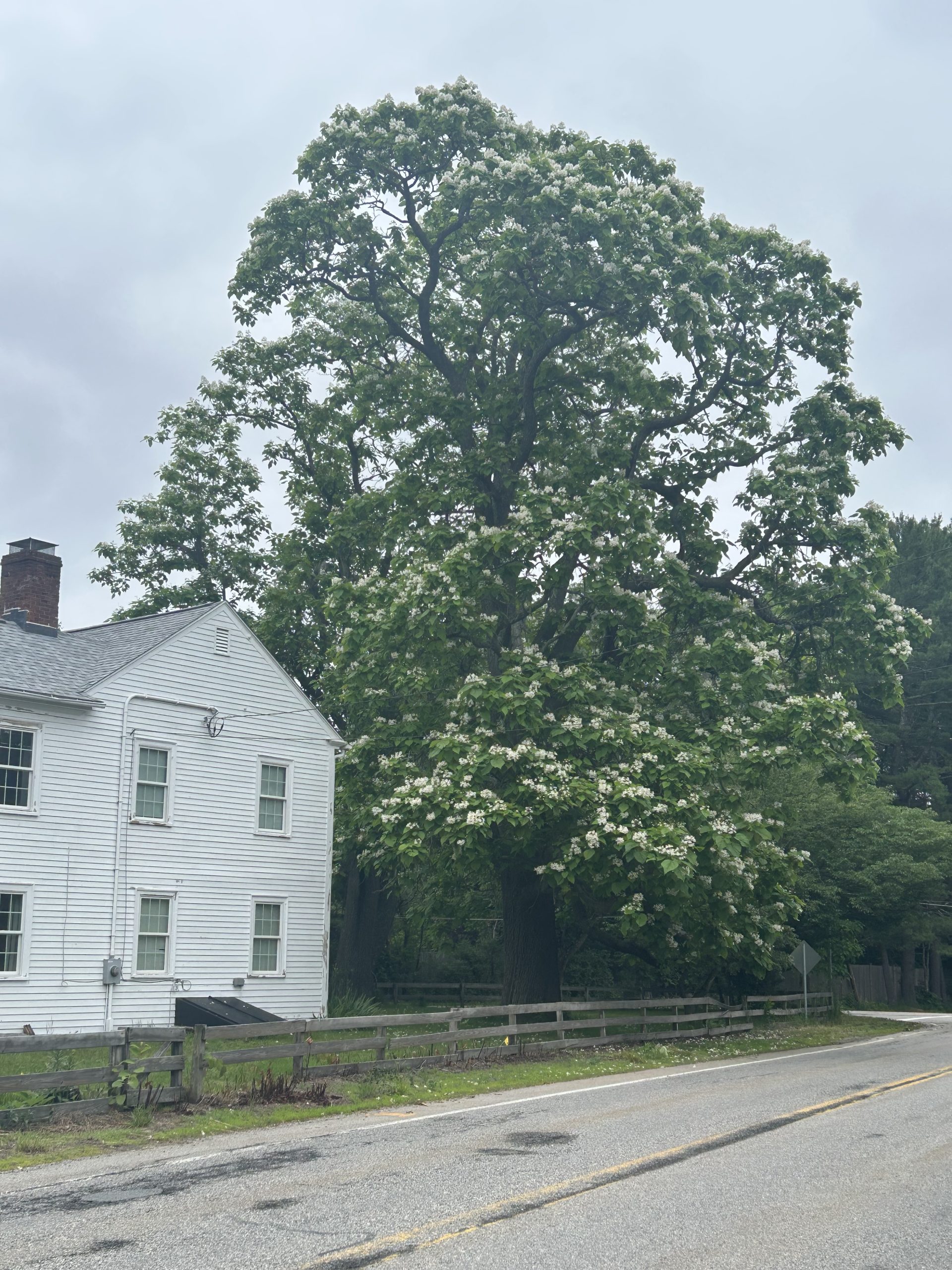
Black locust trees bloomed recently, the white flower petals lining the roadsides where they fell. Catalpa trees are just starting to bloom, displaying their spectacular white blossoms. My large mulberry tree is already attracting birds, chipmunks, and squirrels, even though the mulberries are still green. In ten days the ripe purple berries will litter the grass, attracting more diners. Small male cones on white pines were covered with pollen two weeks ago and now it is a pleasure to admire the bright green growing tips on conifers such as hemlocks. To quote Norm Levey, “Both the oaks and the white pines are caterpillar factories and for a week when the pine tree caterpillars rain on the driveway it is hopping with various birds foraging on the buffet table.”
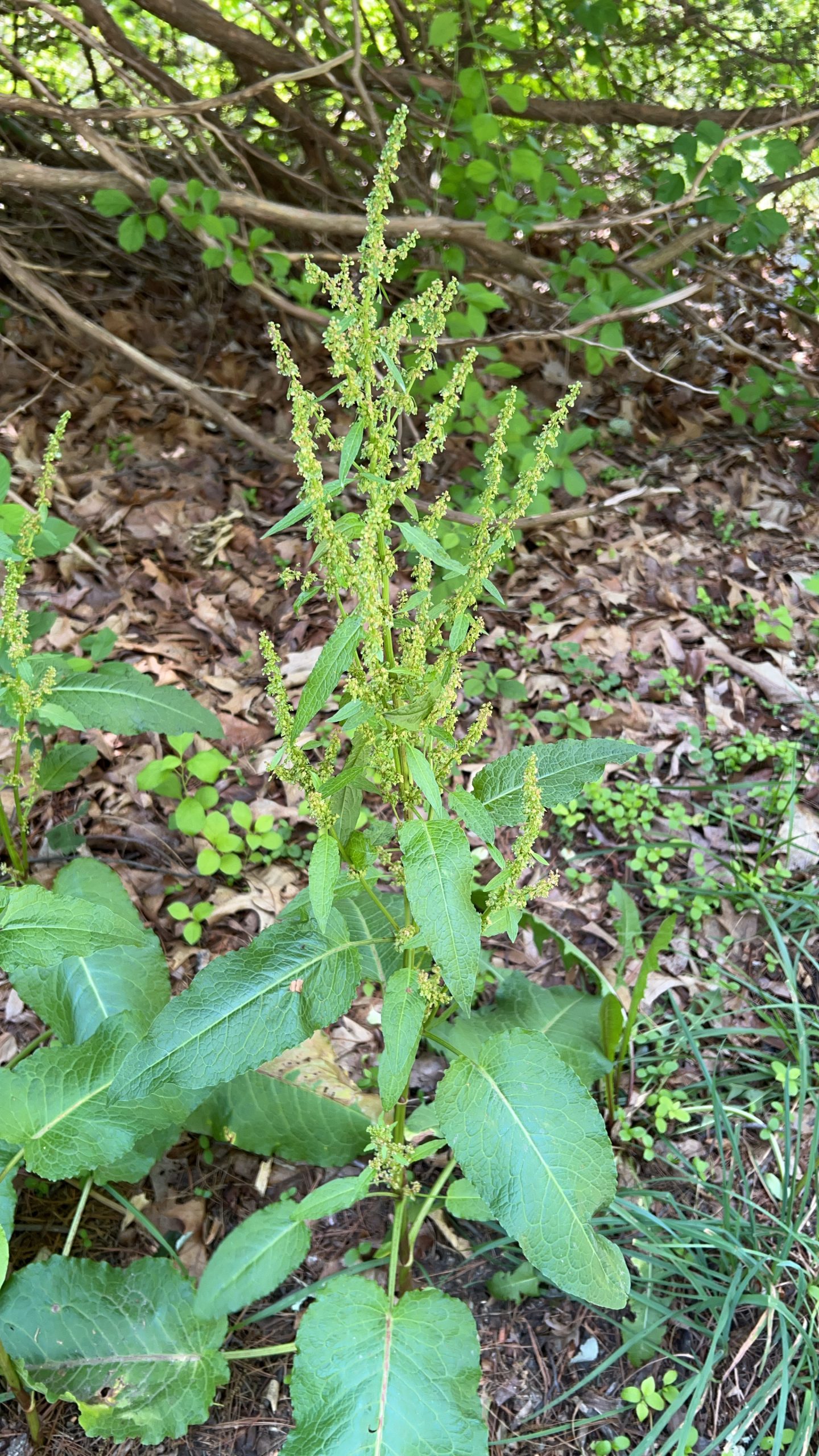
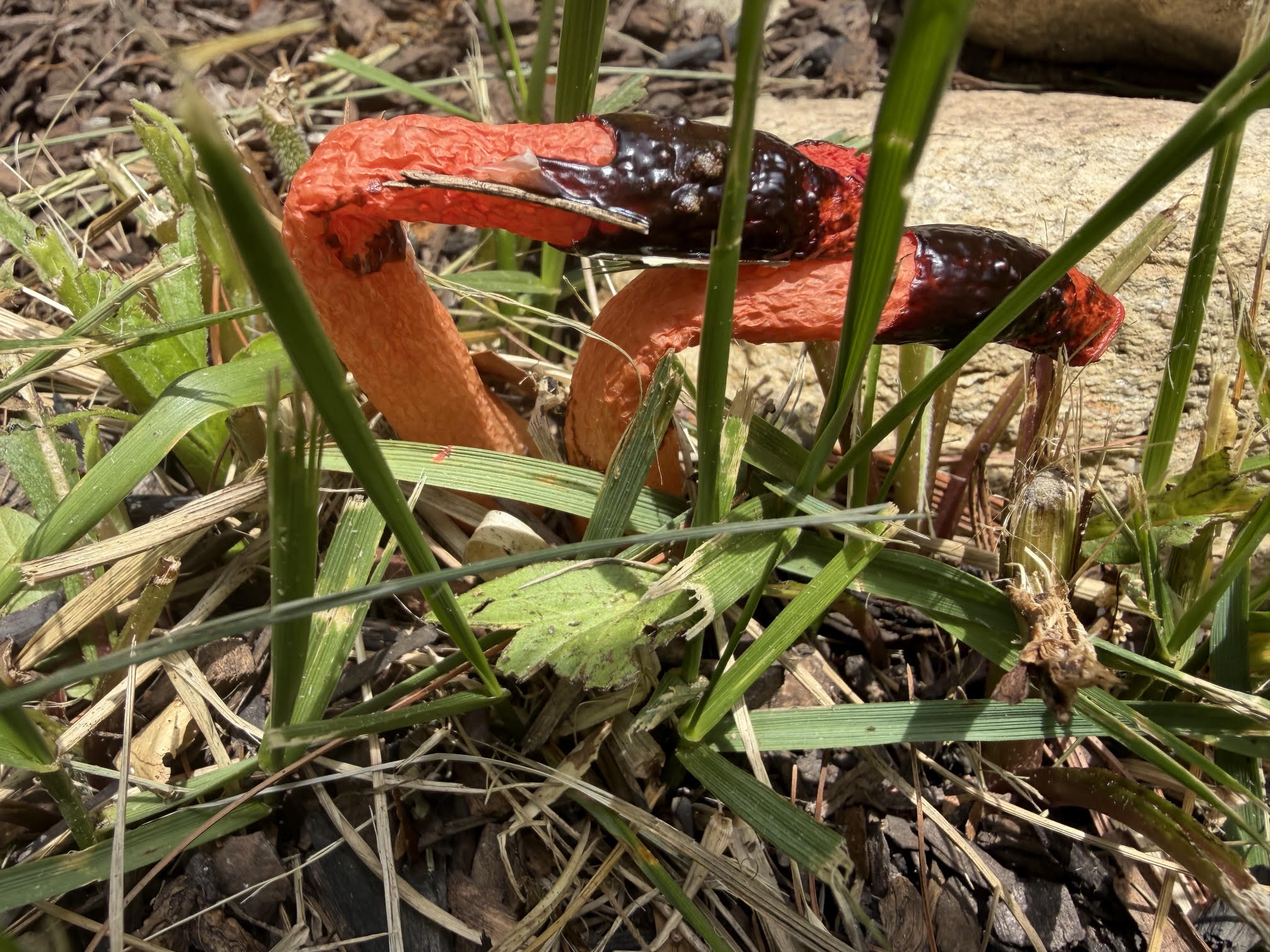
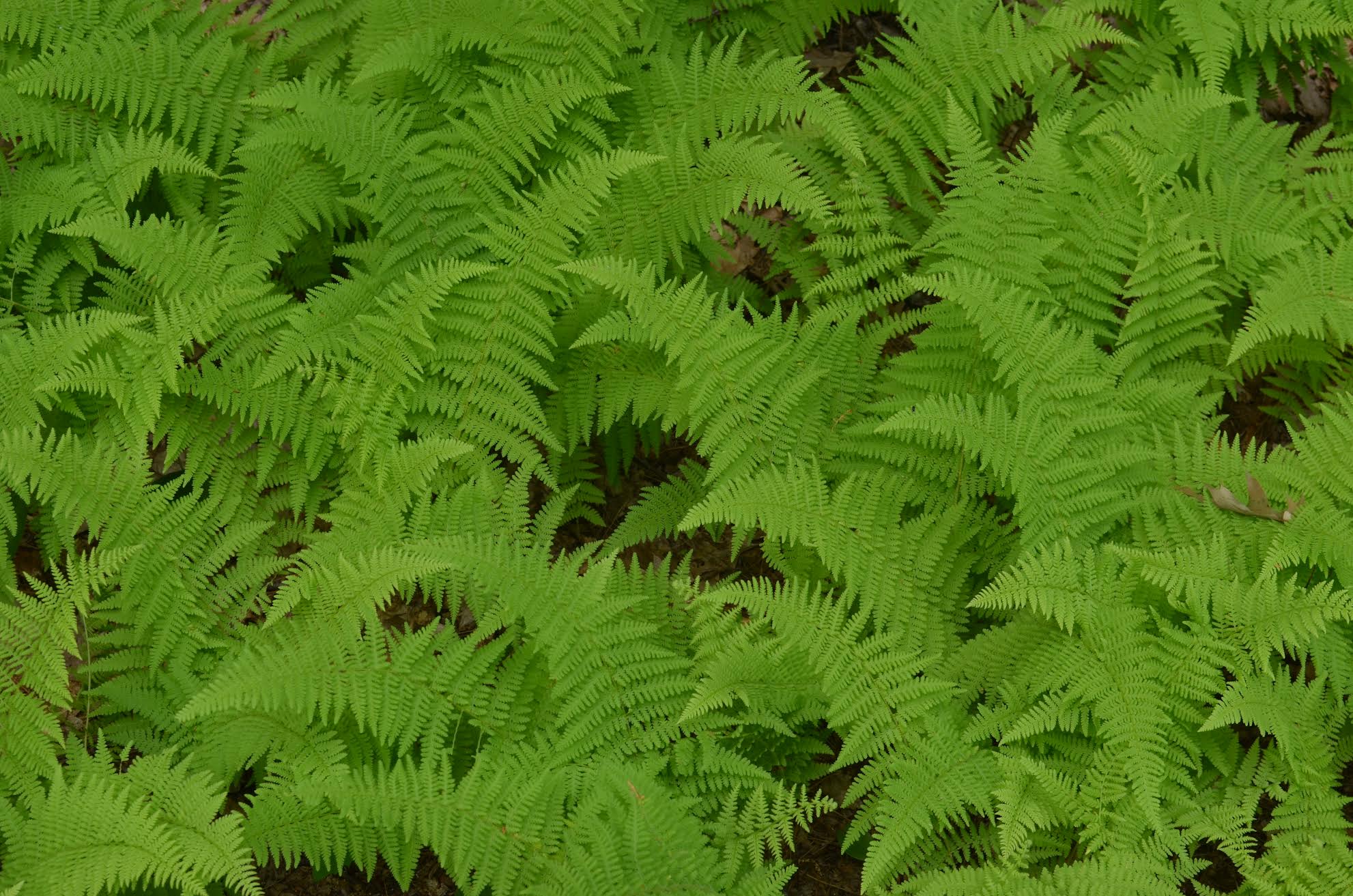
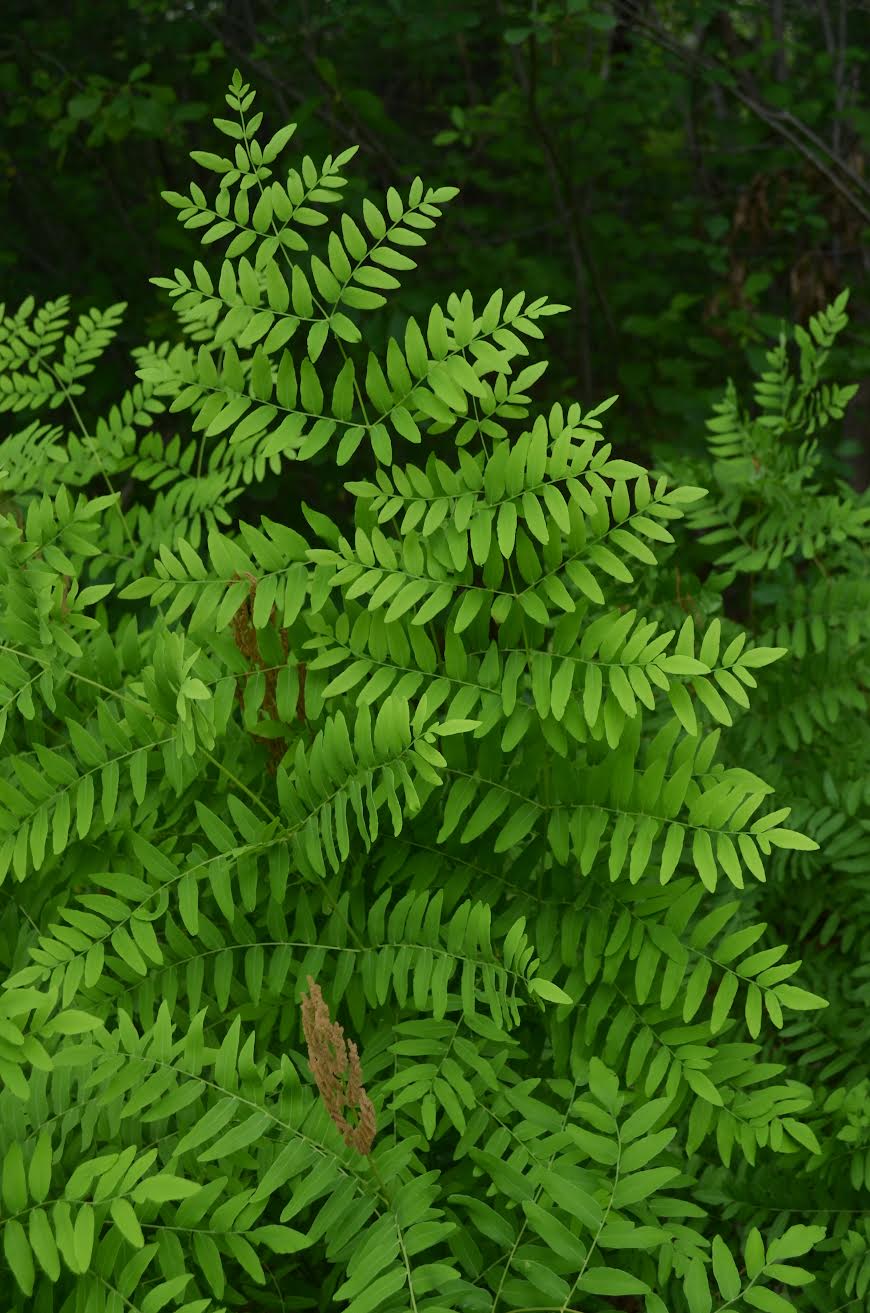
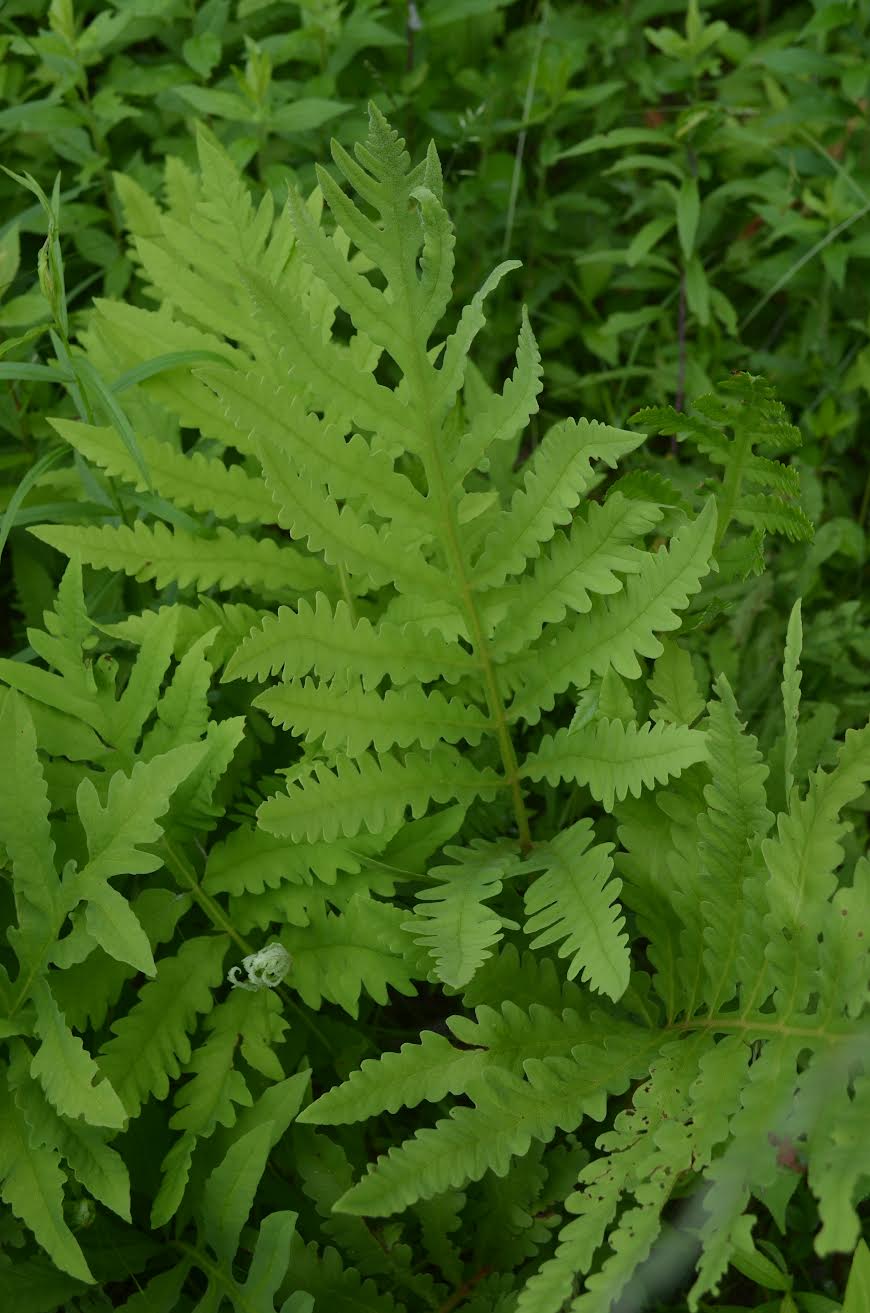
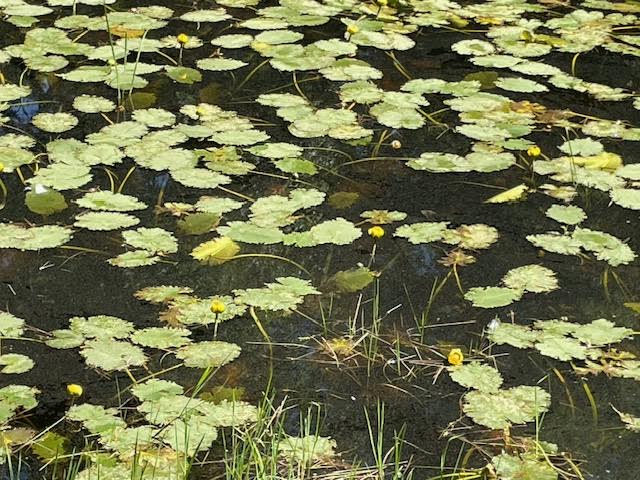
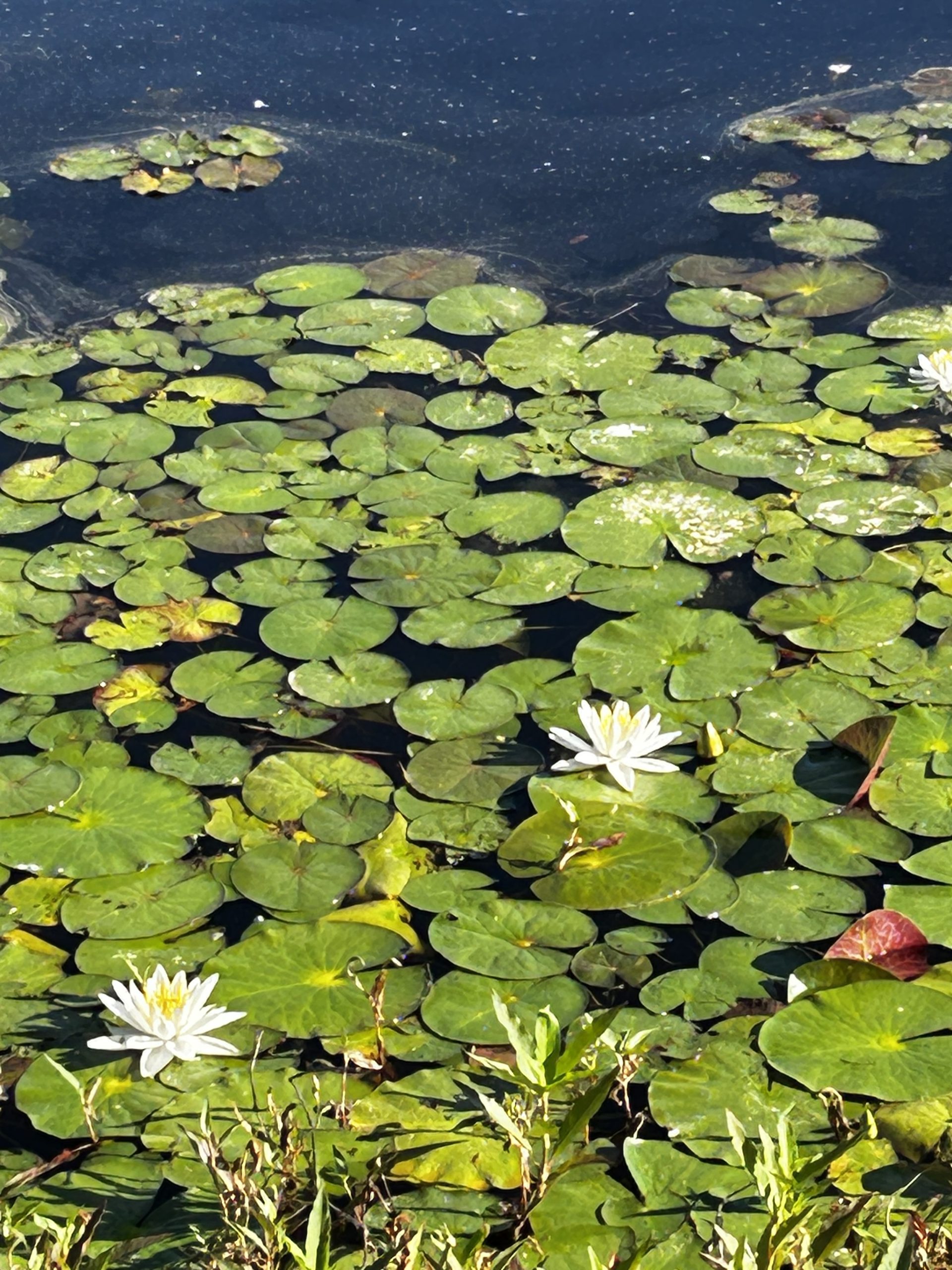
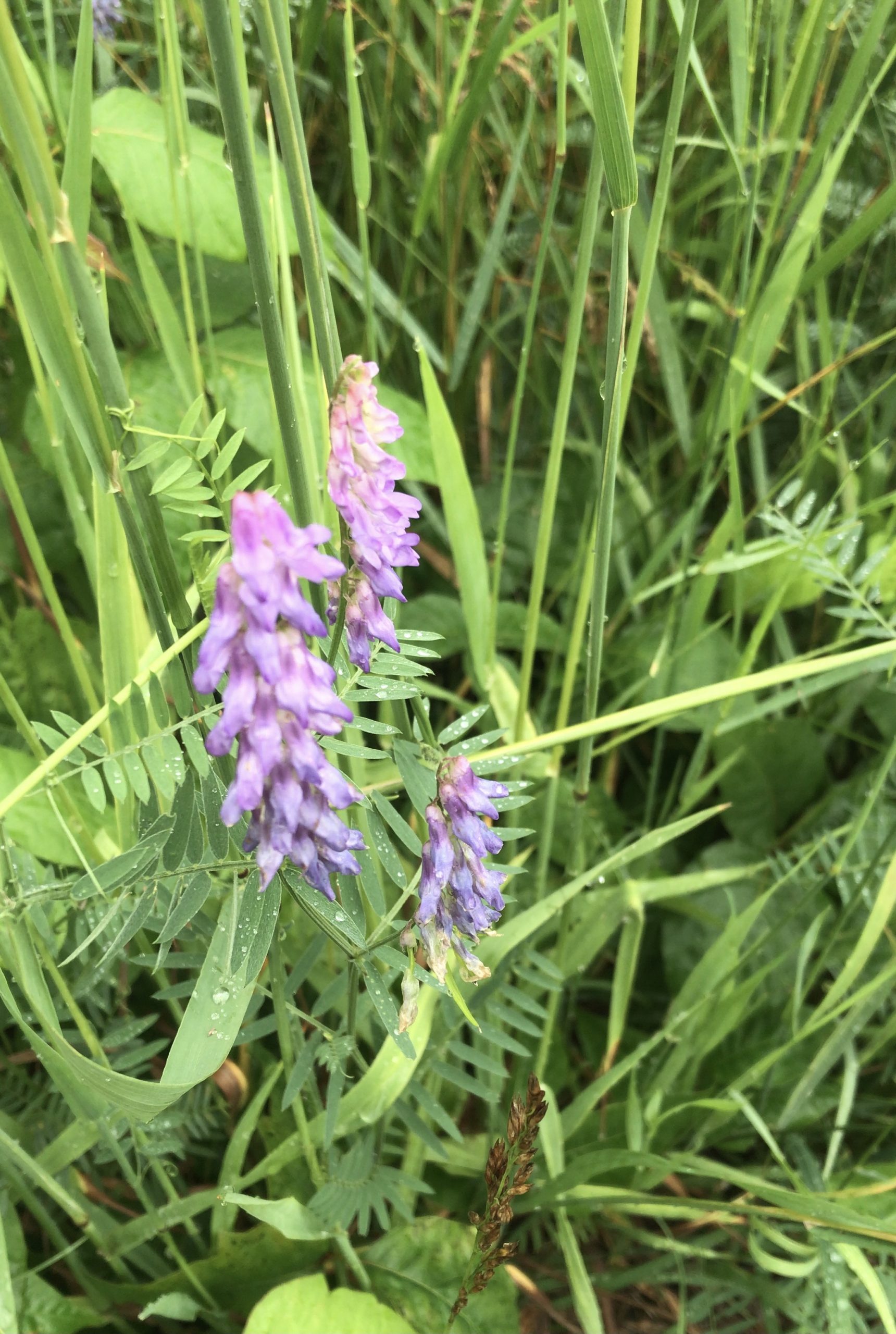
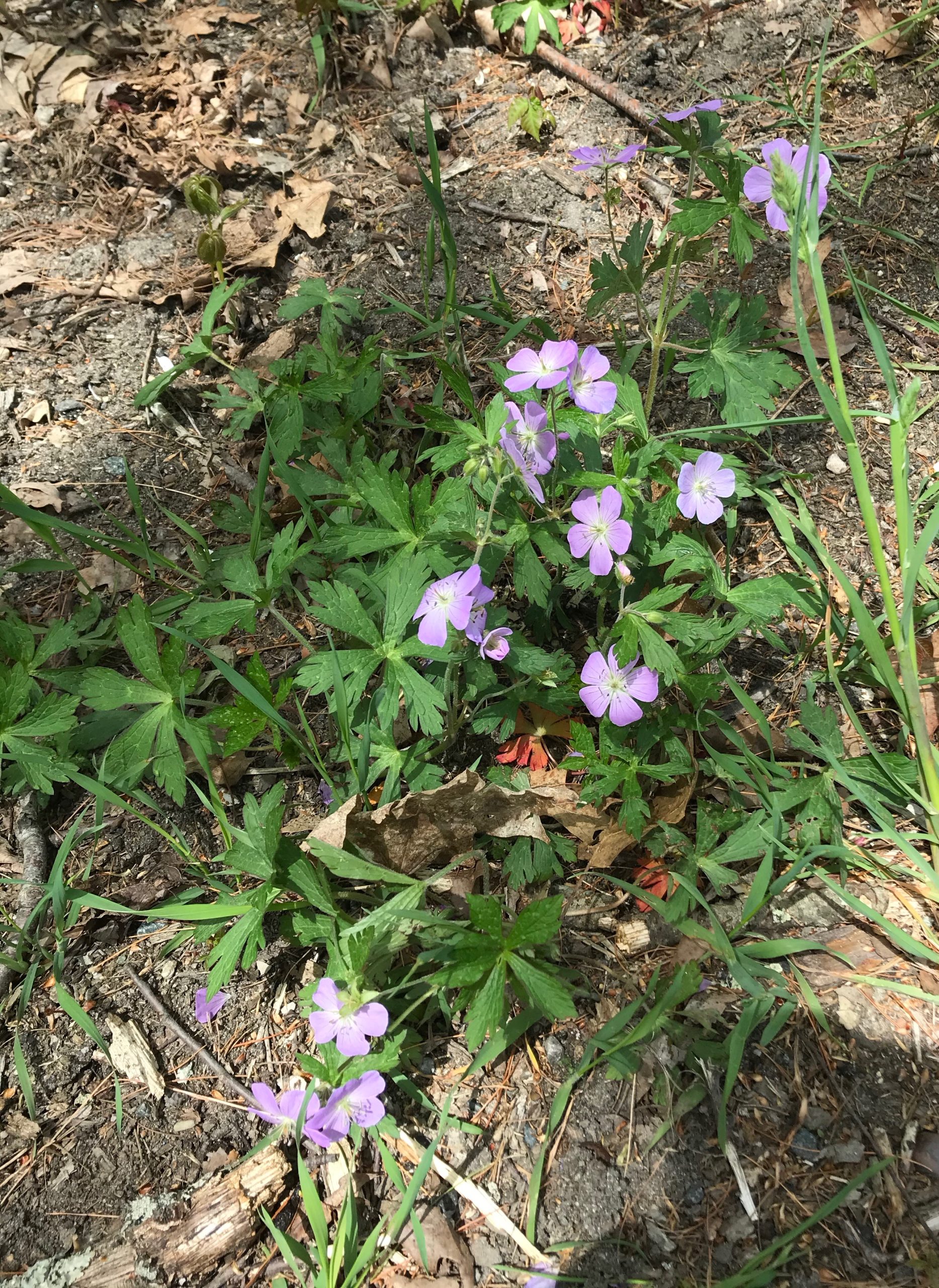
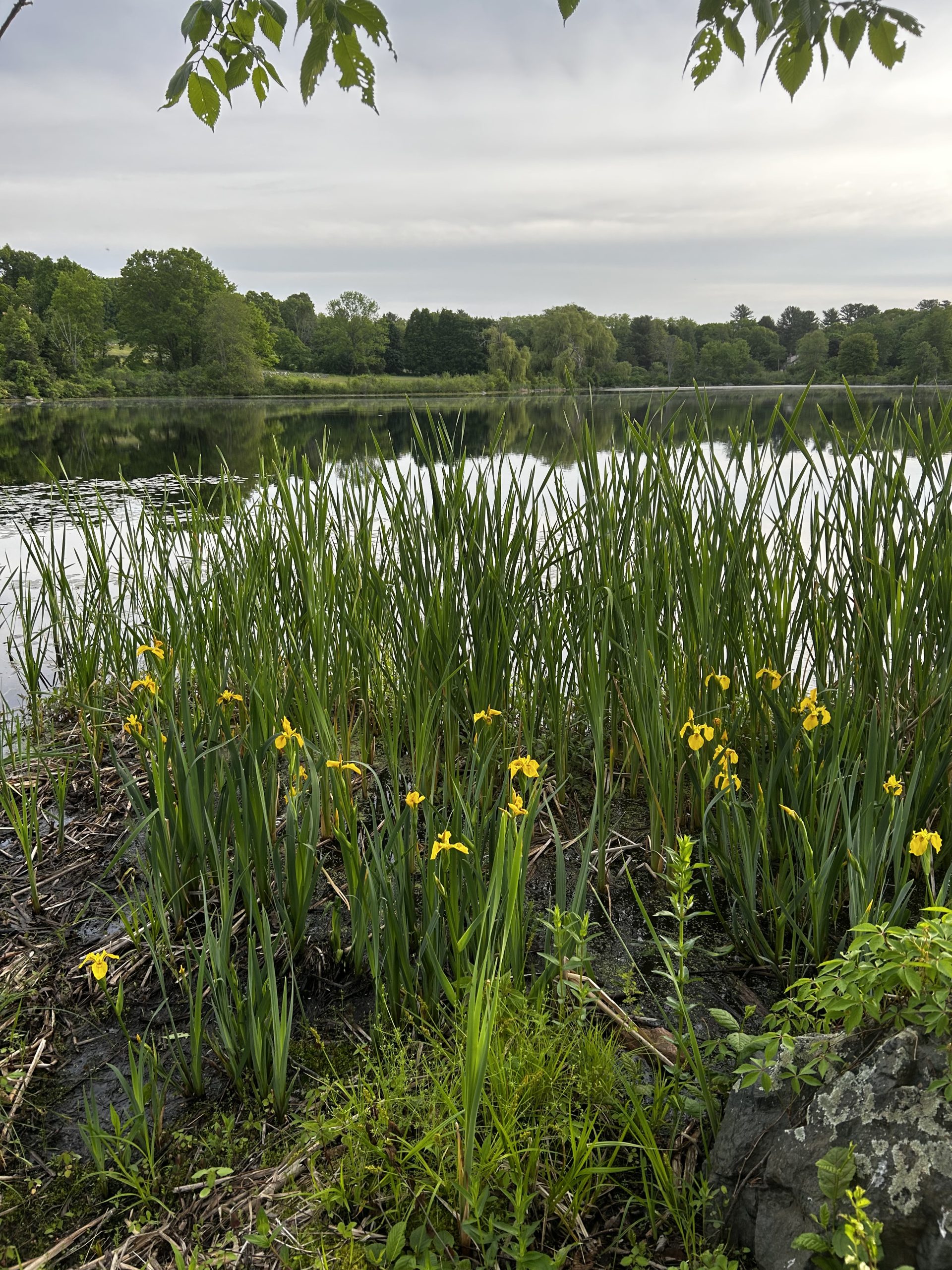
The big leaves and tall spikes of broad-leaved dock are lining roadsides and the twining tendrils of bittersweet seem to be everywhere. Poison ivy is thriving and research shows that its leaves are larger than ever, thanks to more CO2 in the air. Greater celandine, wall lettuce, and wild geraniums are blooming along the roads, and in grassy areas look for oxeye daisies, red clover, white clover, and tufted vetch in bloom. Fields no longer mowed for hay, such as Browning North and South, are now being taken over by plants such as bedstraw. Yellow iris flowered along streams and ponds in May, and now both spatterdock (yellow) and sweet-scented (white) pond lilies are showing their beauty. These two species do not actually belong to the lily family, and are in different genera. Their leaves float on the water and are attached by a long stalk to a horizontal rhizome at the bottom of the pond. Jim and Ellen Meadors led a fern walk in May along Stony Brook and saw many varieties, including royal, interrupted, sensitive, and hay-scented. Marcia Gnagey was happy to find elegant stinkhorn on her property, explaining, “They are highly specialized fungi that often pop up overnight in wood chips, mulch, or fertile garden beds during warm damp weather, and are signs of a healthy, active ecosystem.”
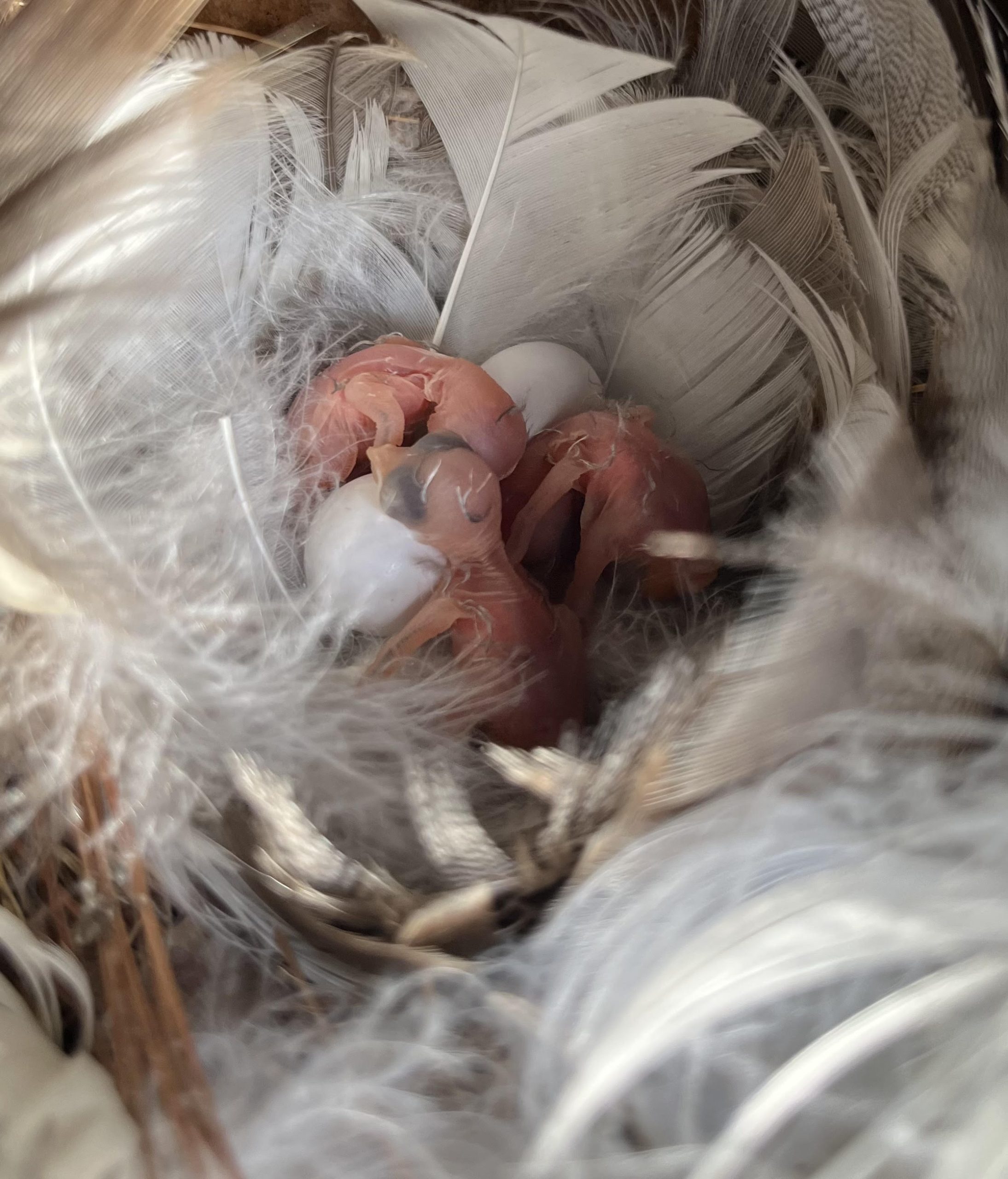
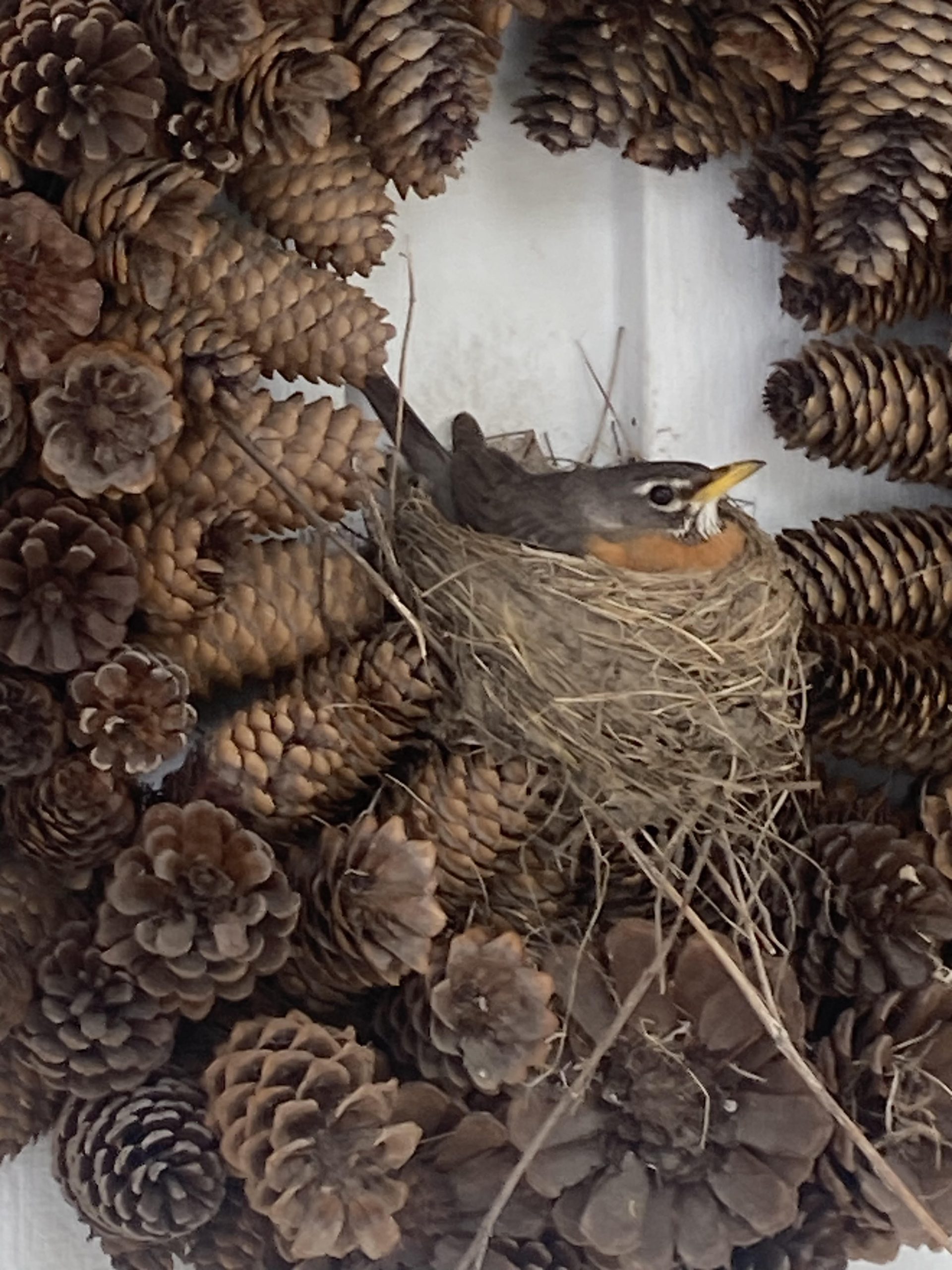
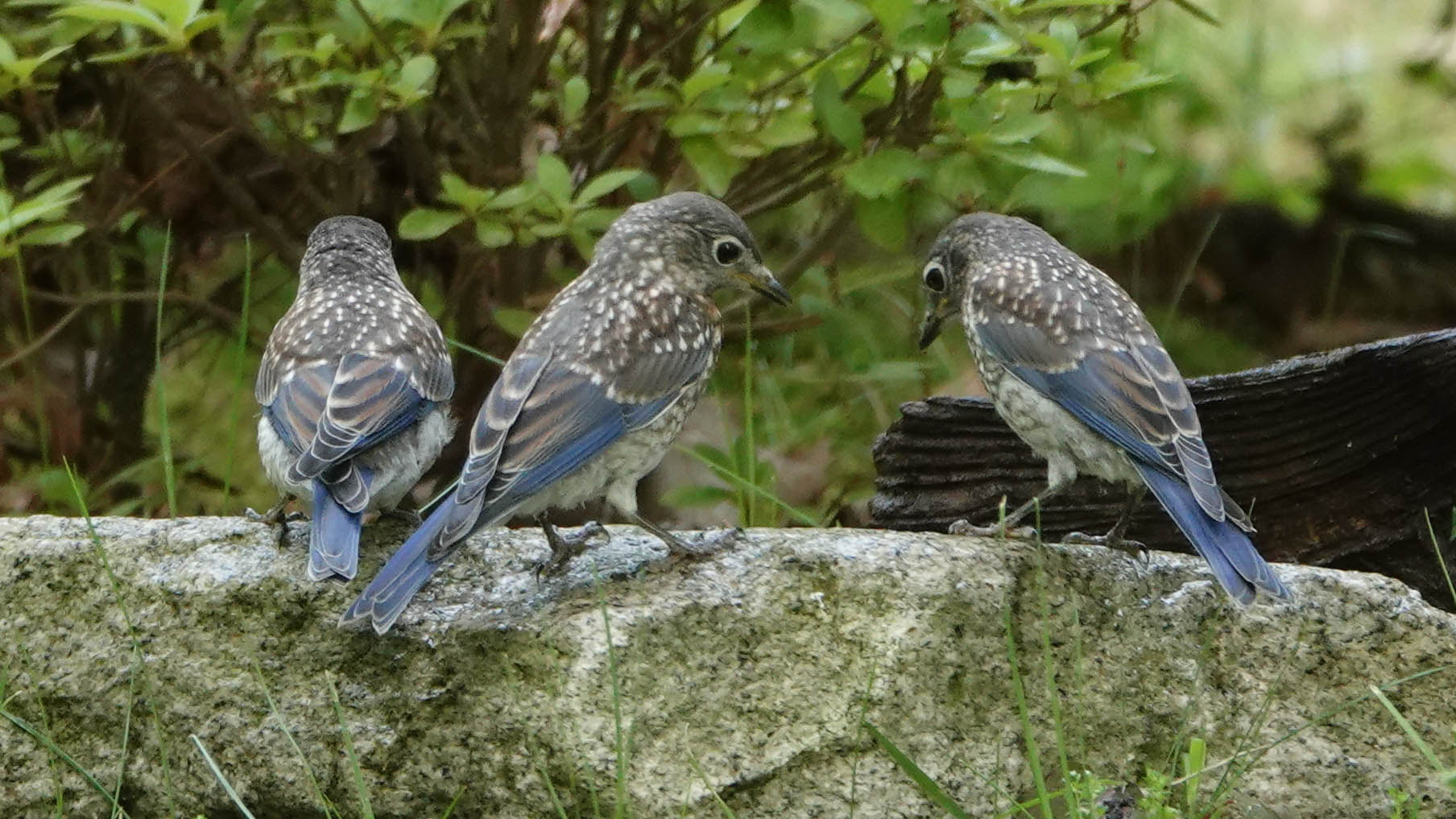
Birds are busy caring for young, and some songbirds are raising second broods, including “my” bluebirds with six growing nestlings in a bird box. We are starting to hear the begging calls of fledglings as they move out into the world but still want mom and dad to bring them meals. As usual, some birds like to nest on man-made structures, perhaps above an outer door or in an old wreath. During the current drought it is especially important to provide water for the birds; they drink but also like to splash around in the bird bath. If you come across a baby bird which you think is lost, in most cases it is actually being carefully watched by a parent and you should not try to “rescue” it. Check the link for more about what to do in this situation.
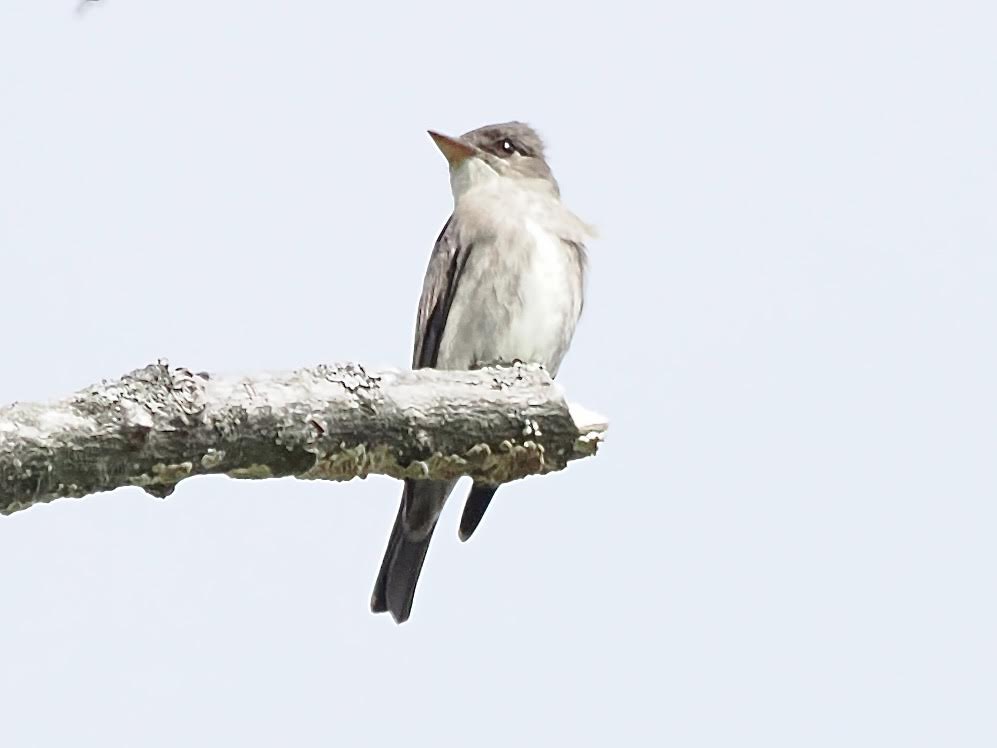
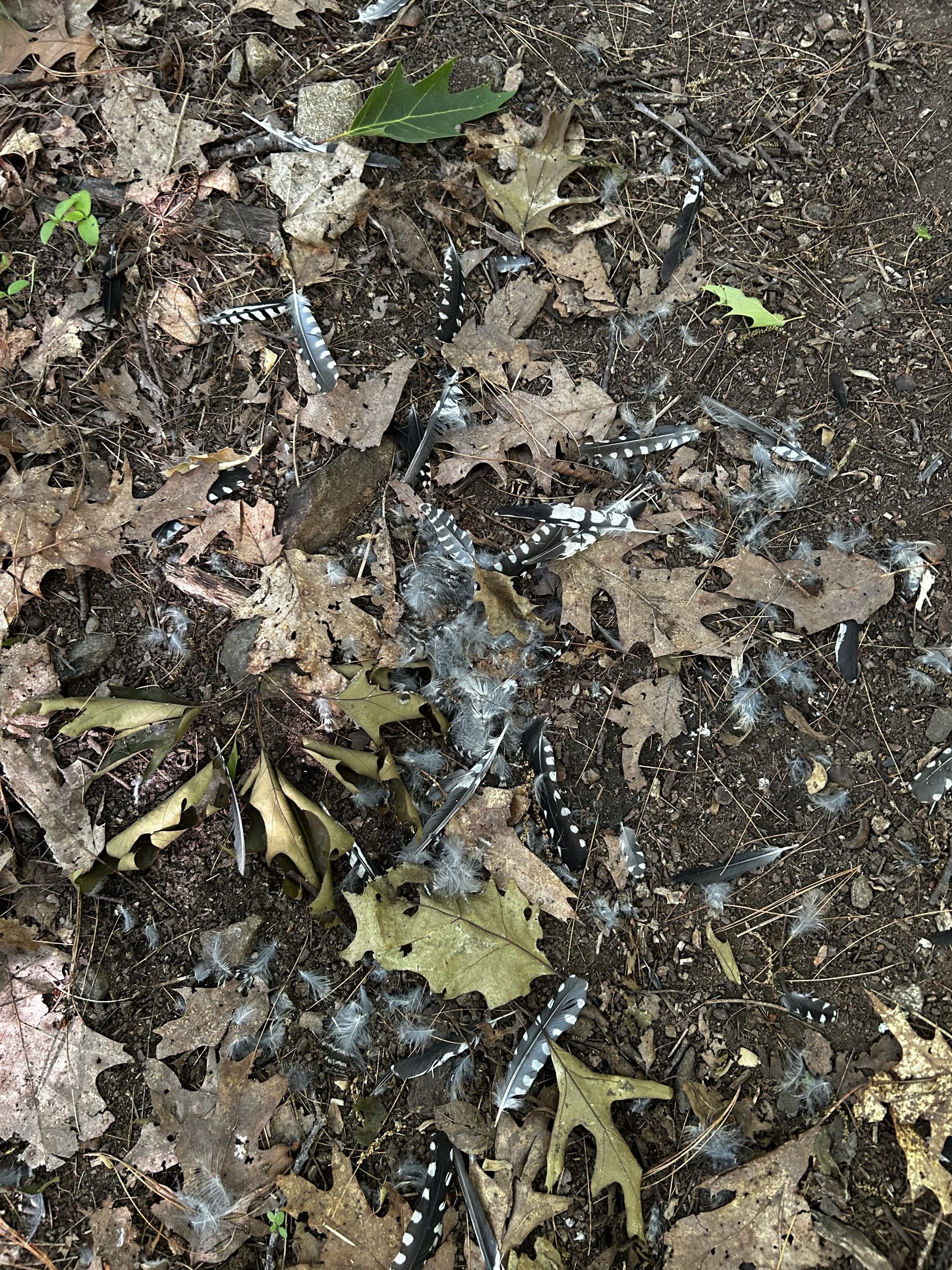
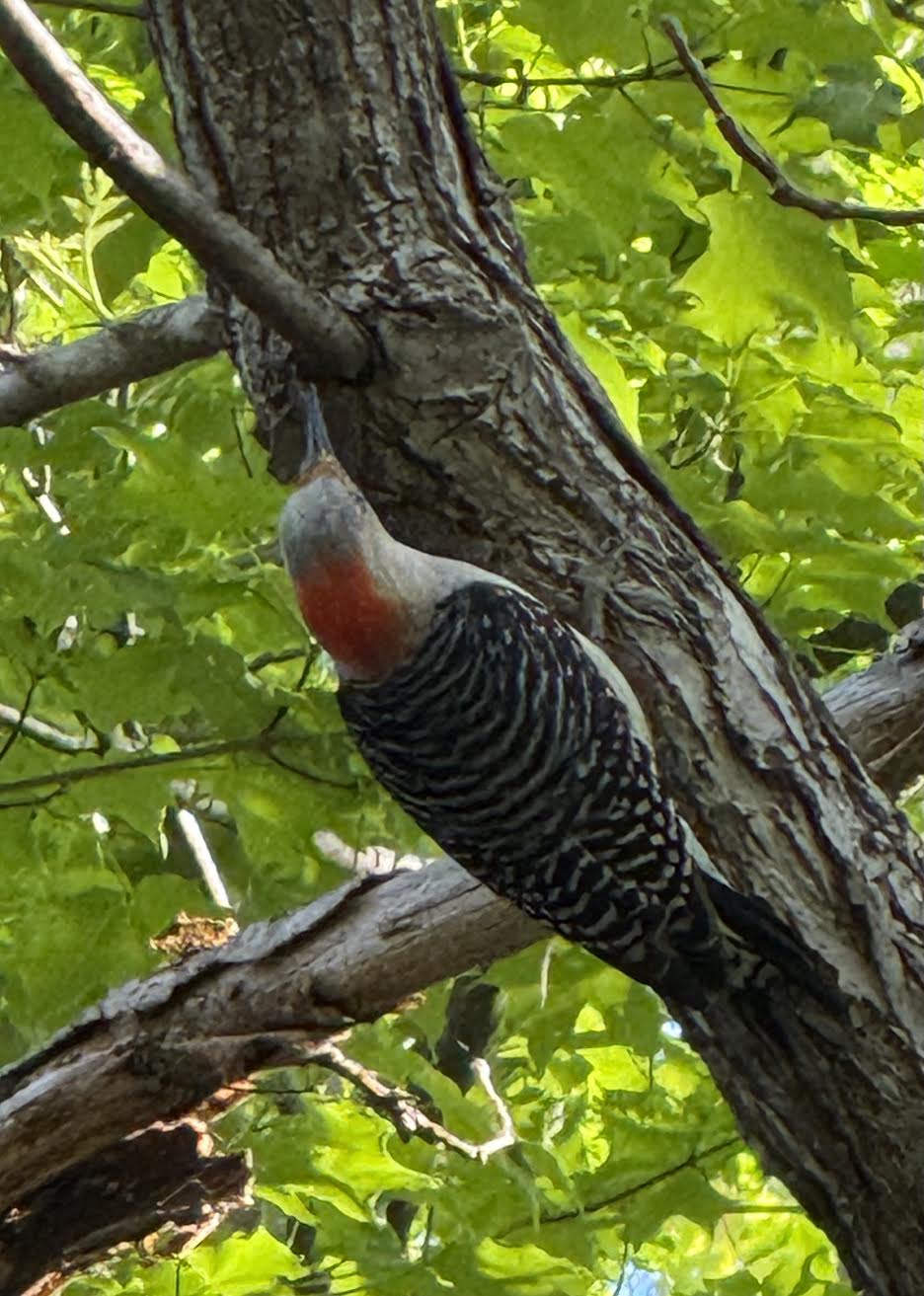
On a walk in the woods you might hear a great-crested flycatcher giving its nasal ascending wheep call from the canopy, or a scarlet tanager singing ‘like a robin with a sore throat’, as its song is often described. Closer to the woodland floor an ovenbird calls out its loud “teacher teacher teacher” song. On a woodsy path I came across a pile of feathers, clearly telling the story of a downy woodpecker’s demise; ah, the cycle of life and death.
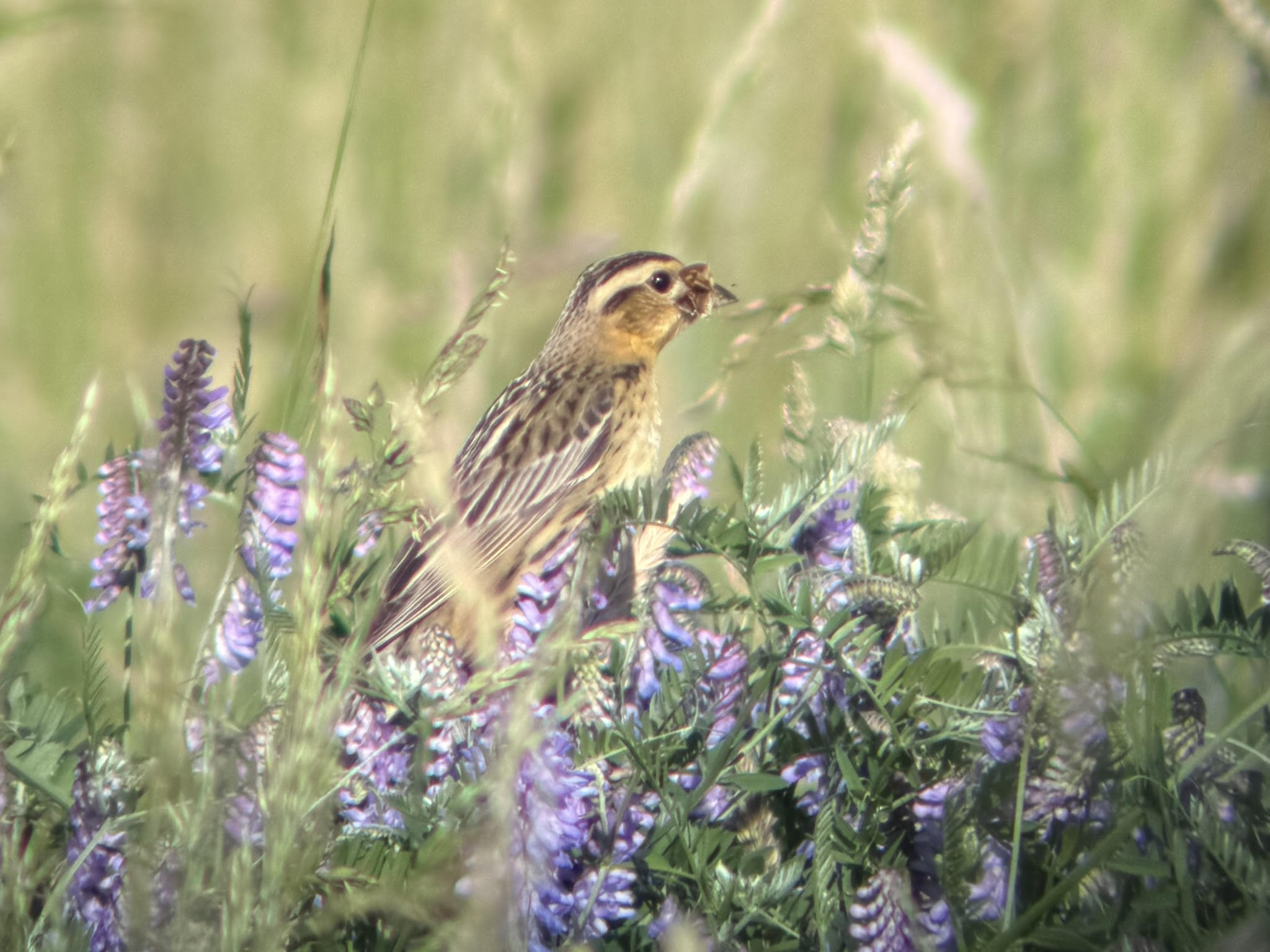
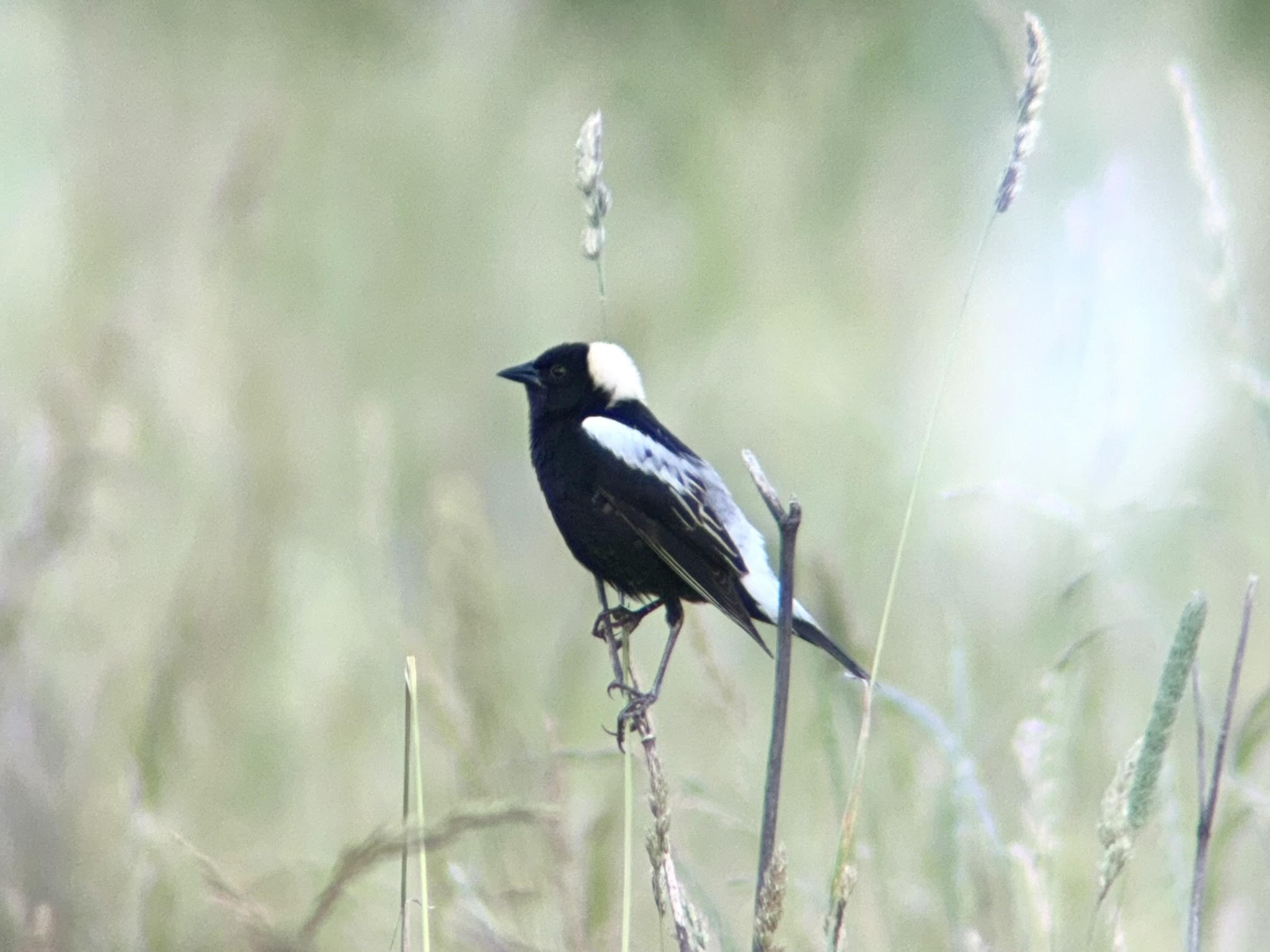
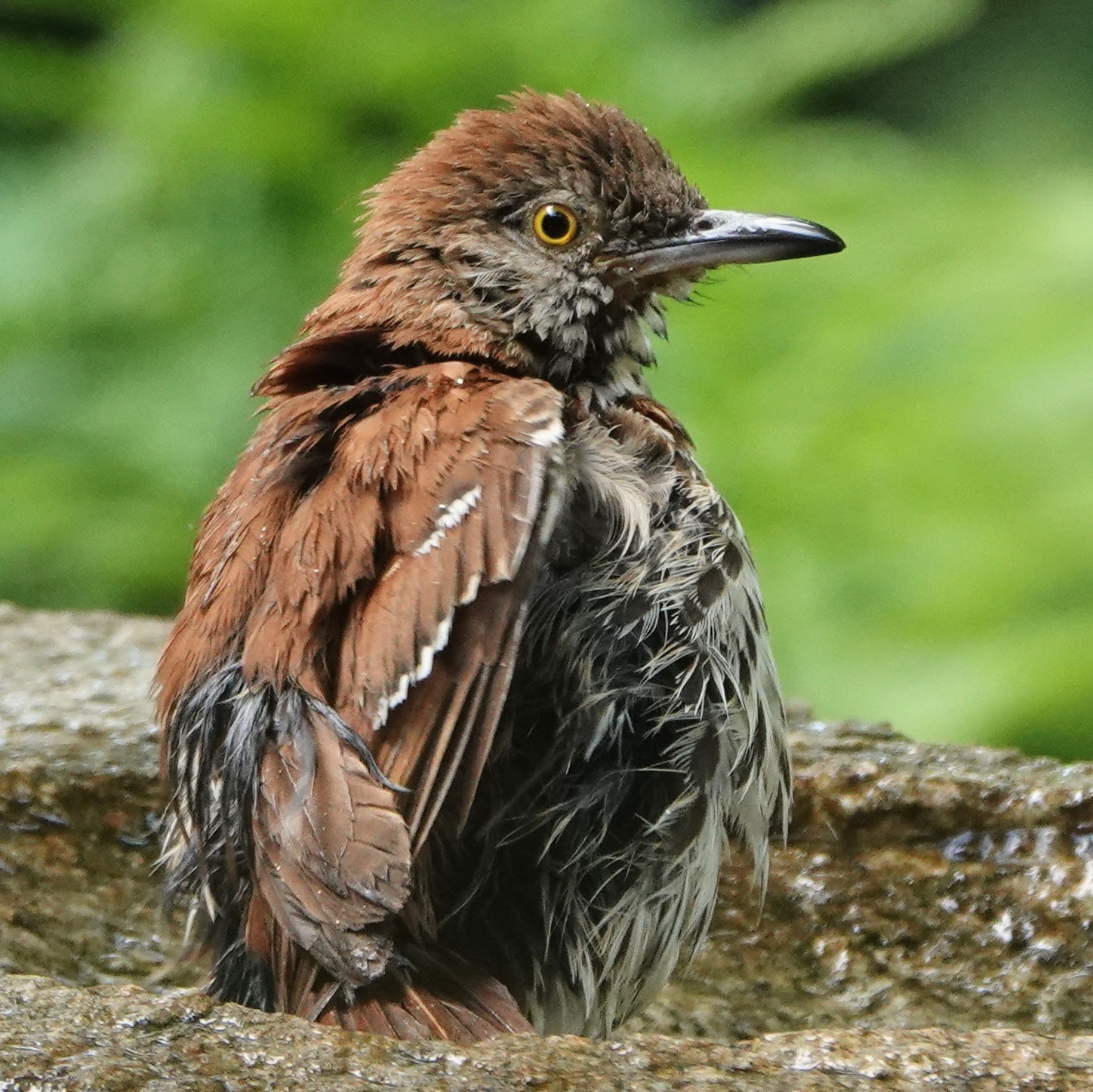
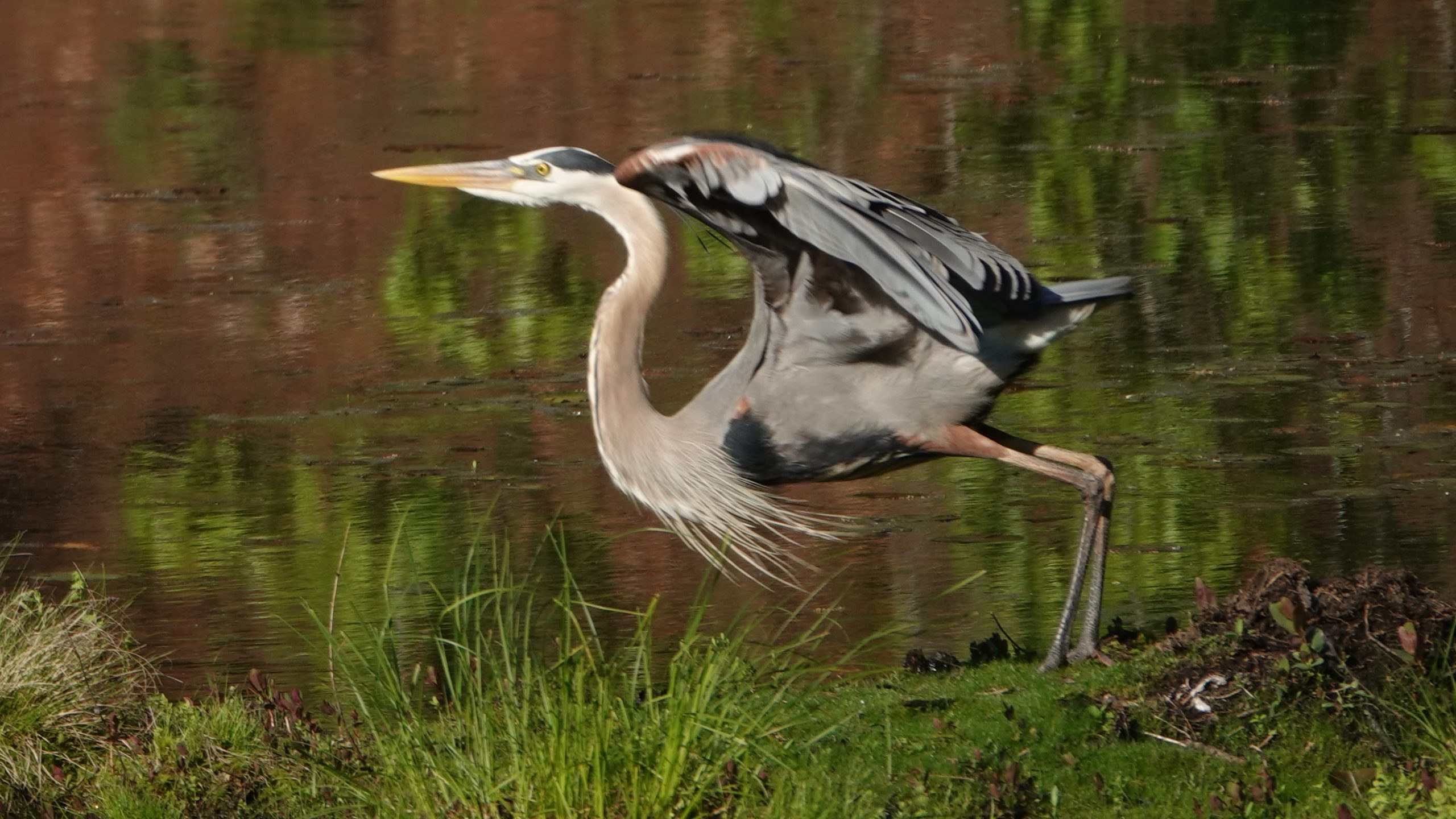
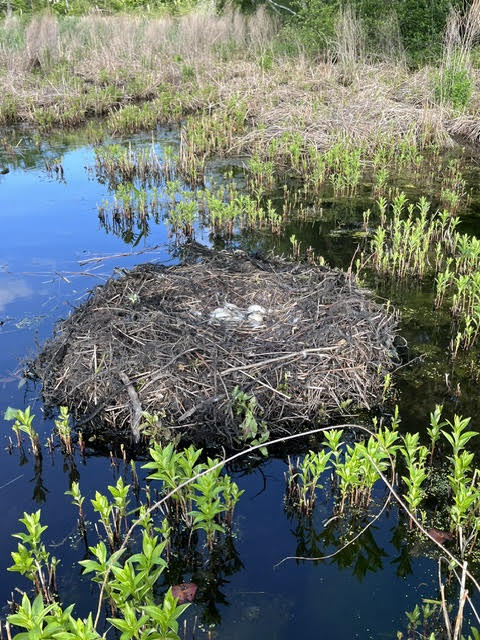
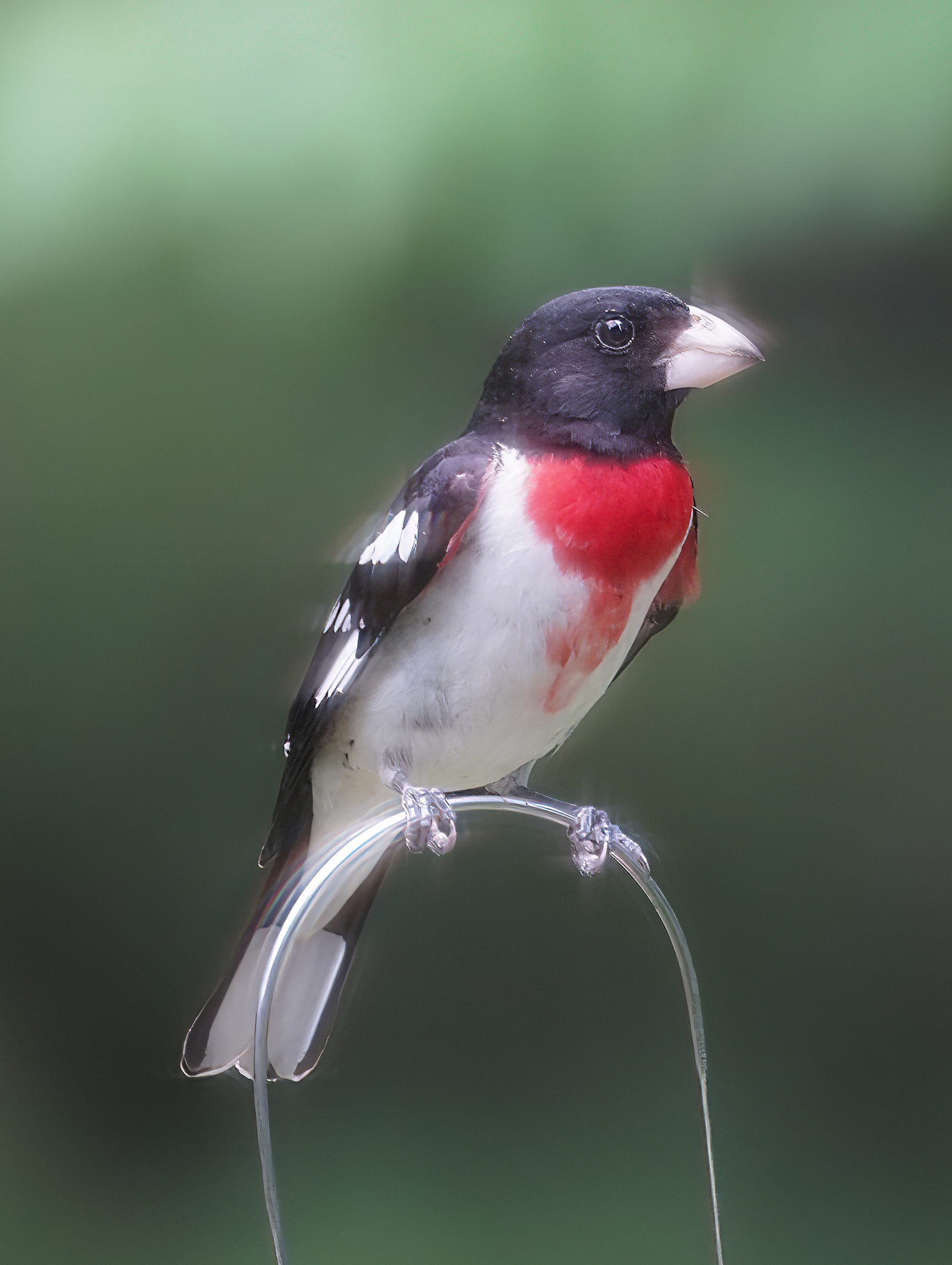
Most of the time we are enjoying our summer “regulars” such as rose-breasted grosbeaks, Baltimore orioles, gray catbirds, wood thrushes, and house wrens, but observers have also spotted less common visitors, such as olive-sided flycatchers, a brown thrasher, common nighthawk, and blue-winged warblers. Tree swallows, barn swallows, and chimney swifts scoop up insects as they fly but their populations are dropping due to the the well-documented decline in insects. Lincoln has long treasured bobolinks and their populations are also threatened, due to the decline of sufficient grassland habitat. We know that at least one pair is nesting at Drumlin Farm and Mathias Bitter, who has been checking Farm Meadow, reports at least one breeding pair there. As for birds on the water, mute swans are sitting on a nest of seven eggs on Farrar Pond, green herons are nesting at Drumlin Farm, and Carol Roede observes as many as twenty wood duck ducklings swimming in the swamp behind her house on Conant Rd. Norman Levey is monitoring the pair of common loons on Flint’s Pond for MassWildlife. Due to the low water level, the loons could not access their usual shaded nest site on top of the island so built a nest and laid two eggs on a stony beach exposed to afternoon sun. Unfortunately, due to the severe drought and rapidly dropping water level, it was just too much of a challenge for the loons to crawl over the rocks to the nest and it was abandoned, Let’s hope for better luck next year.
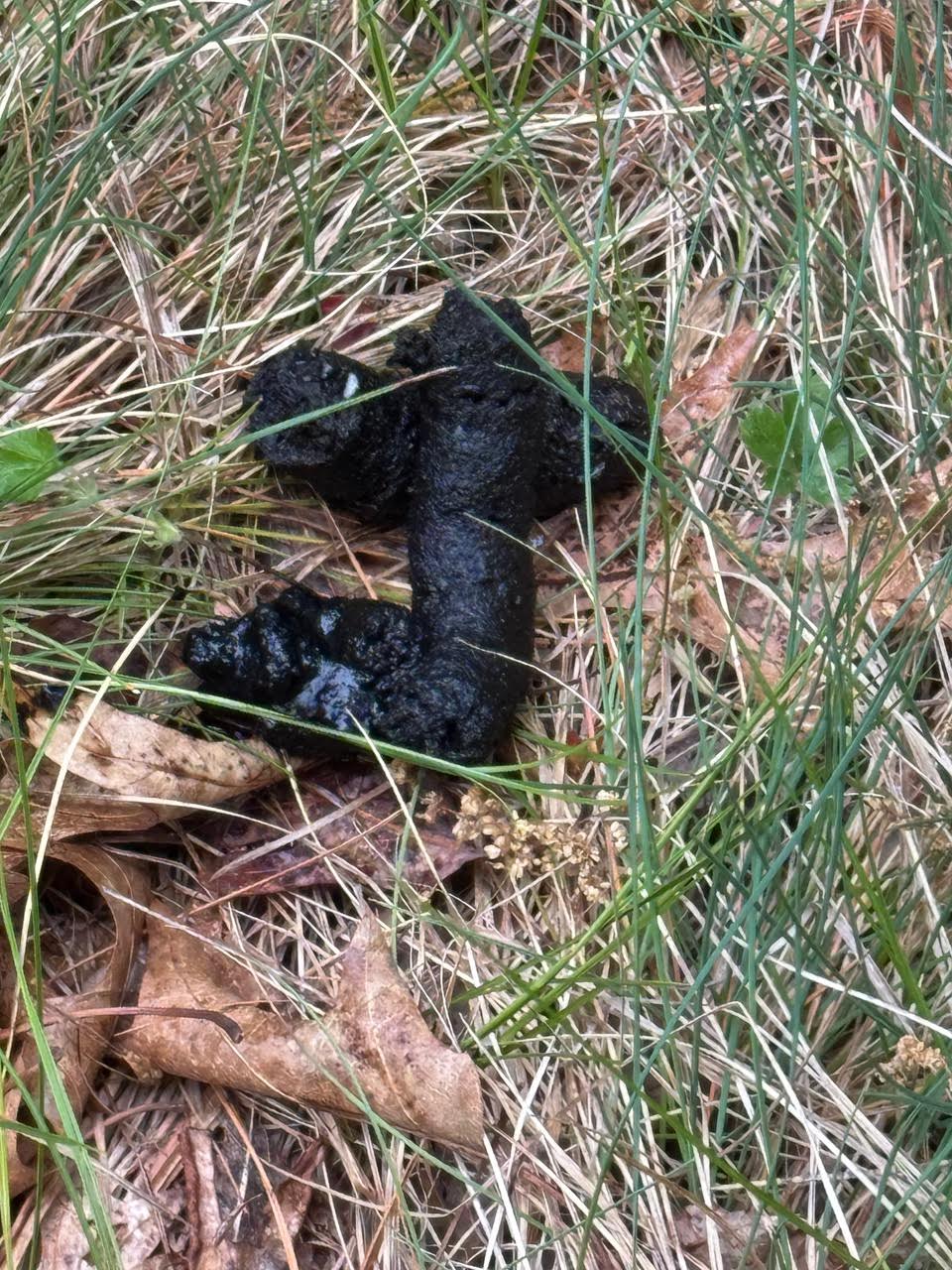
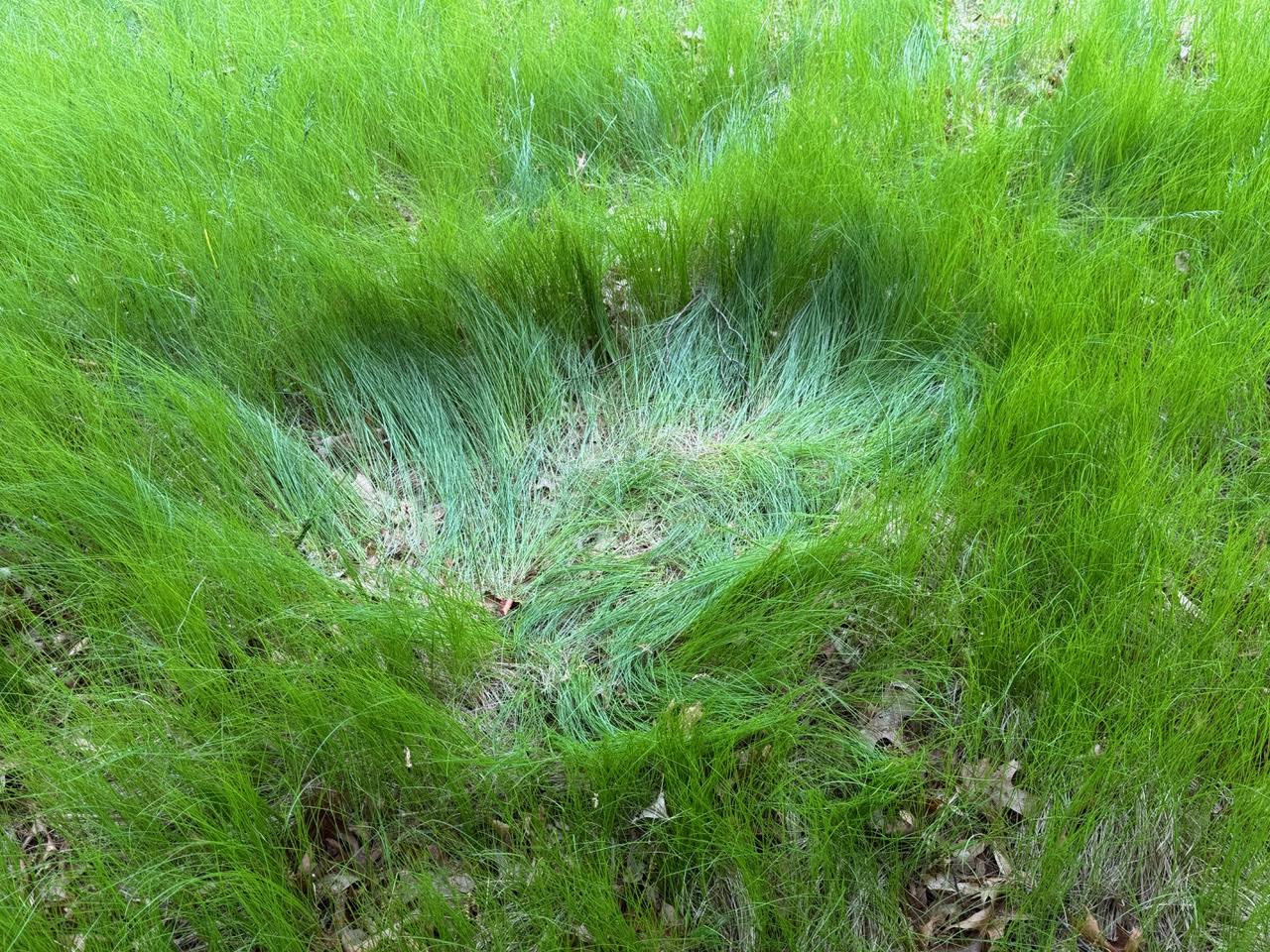
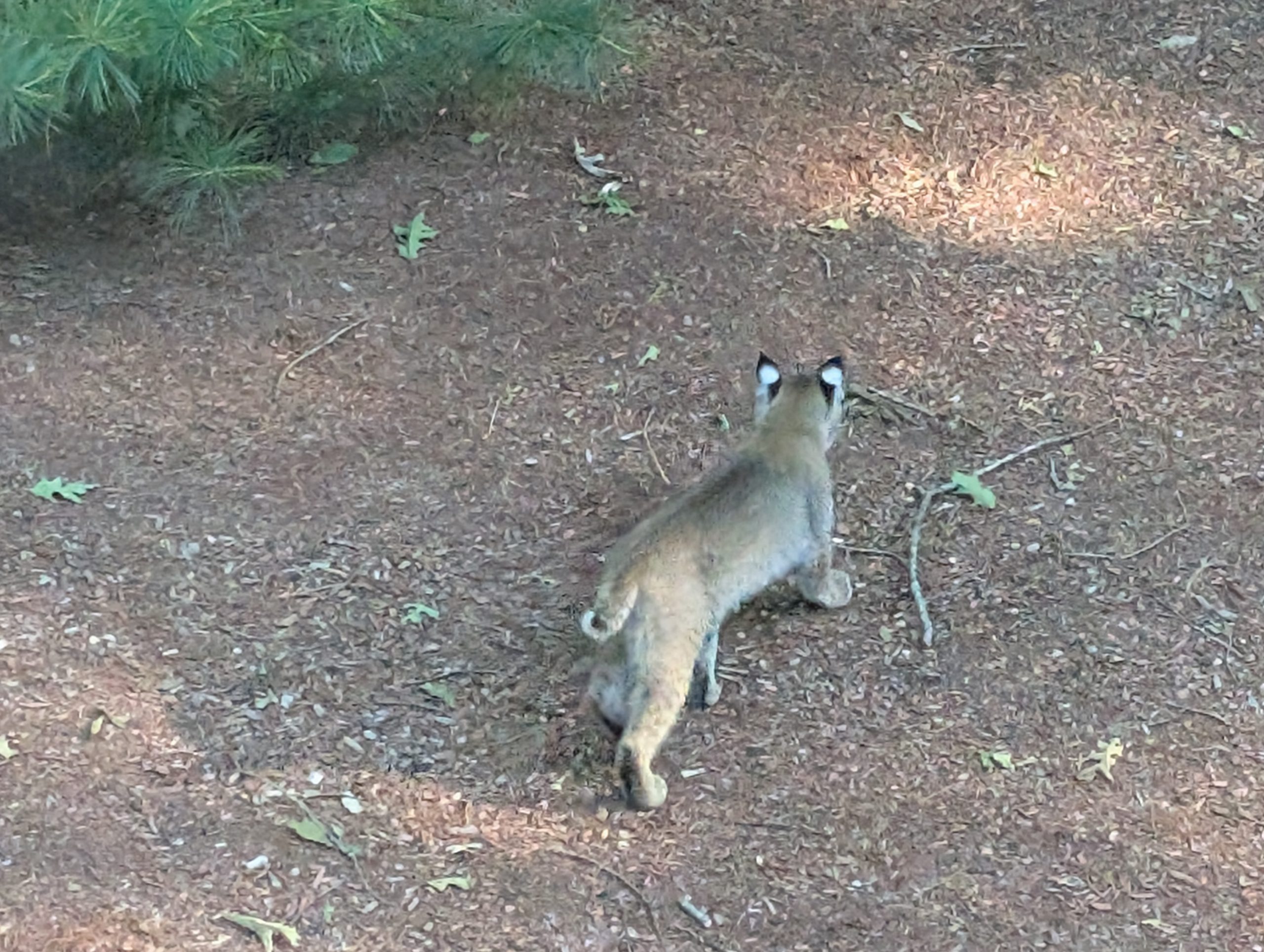
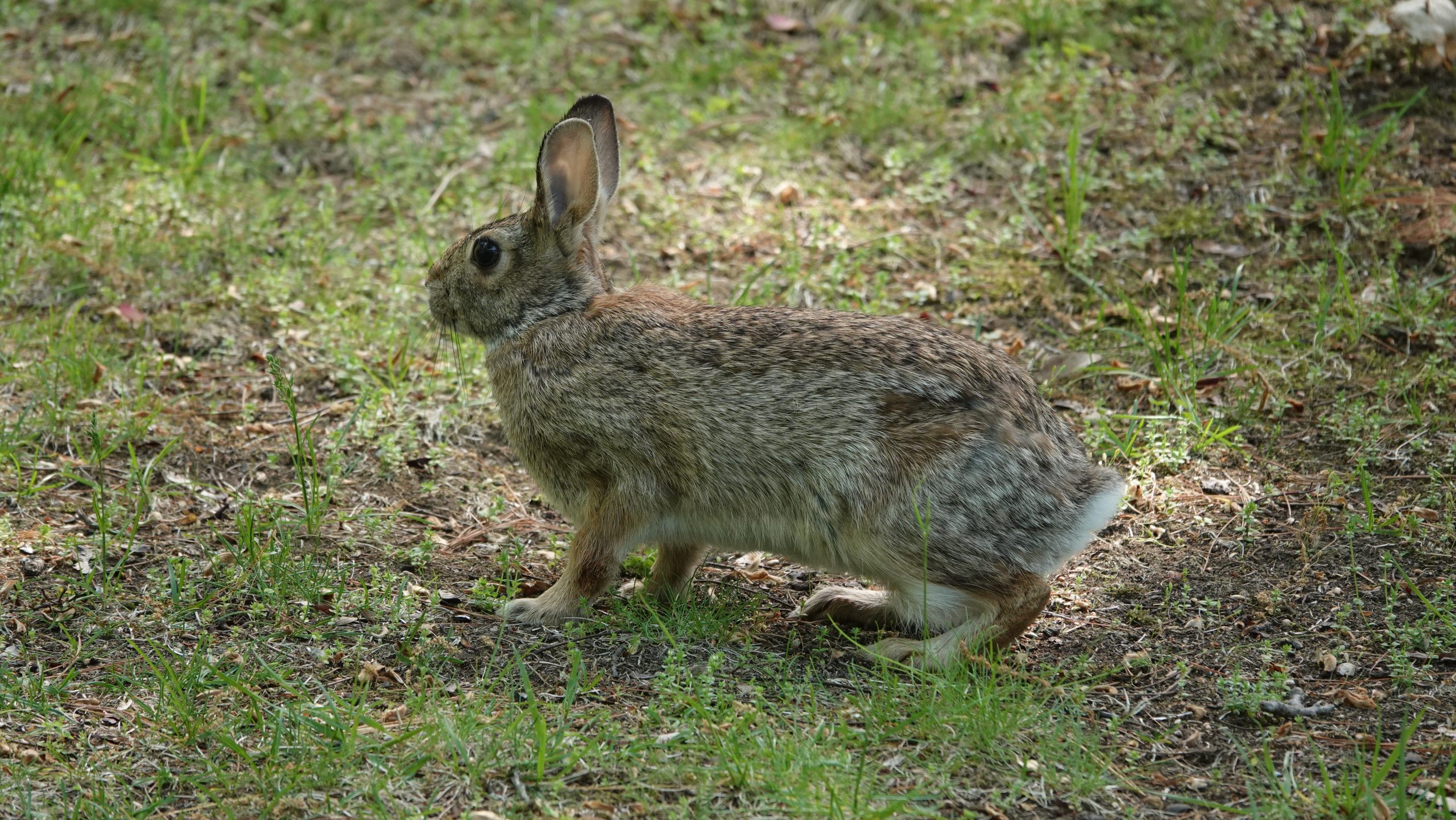
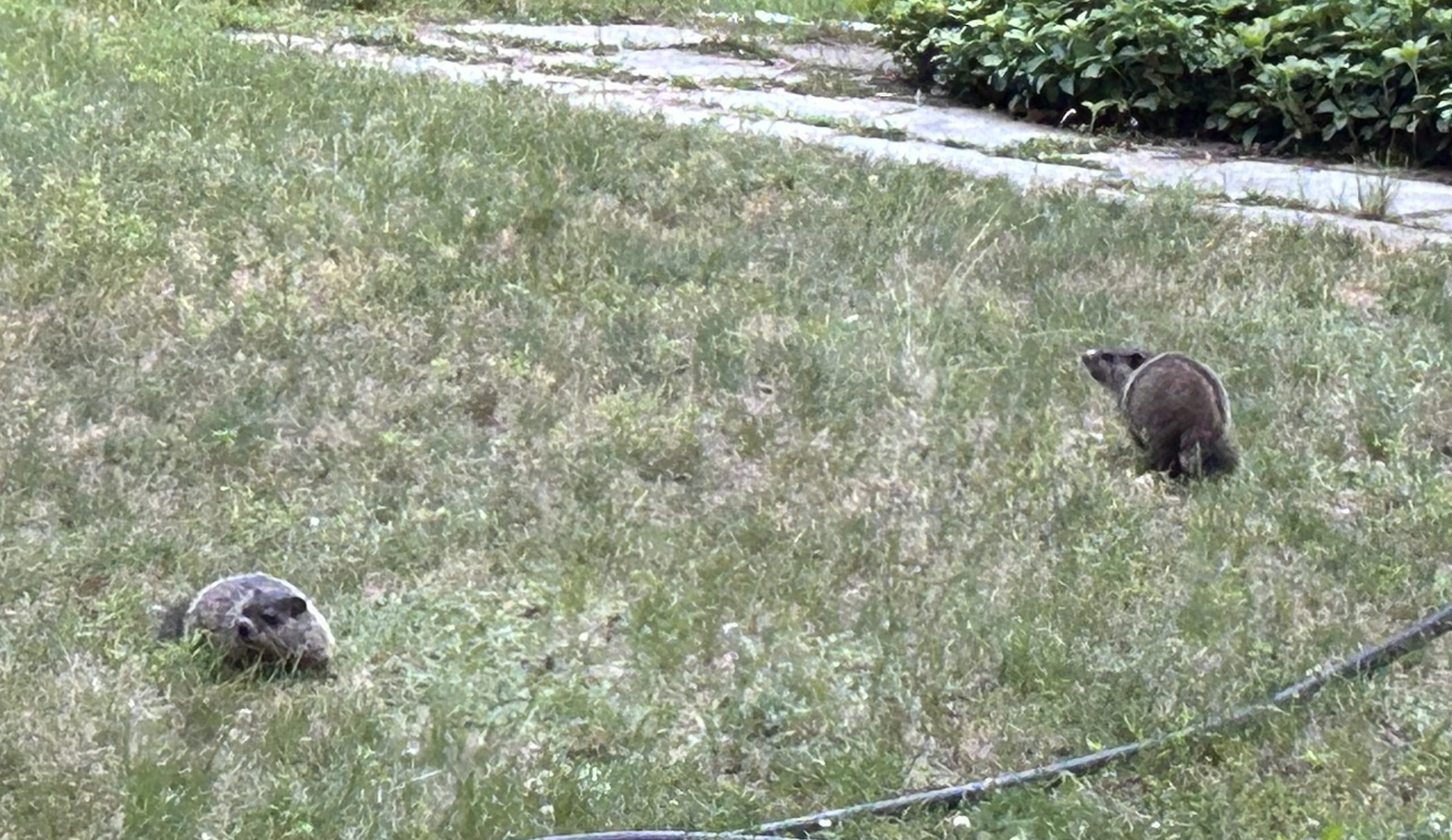
The most unusual mammal report was of a probable bear’s sleeping spot behind a house which abuts Valley Pond. The grass had clearly been matted down in a large circle, and scat was nearby. An odor- rather like damp dog- was detected by the homeowner. A resident on Trapelo Rd. photographed a bobcat in yet another location (among many) where bobcats have been seen around Lincoln. Rabbits and woodchucks are thriving on my property, including three young woodchucks sampling my garden.( I have to admit they they are cute). The numbers of Eastern chipmunks have rebounded after a slow start. I was dismayed to watch one eating a peony bud as I wrote the previous sentence.
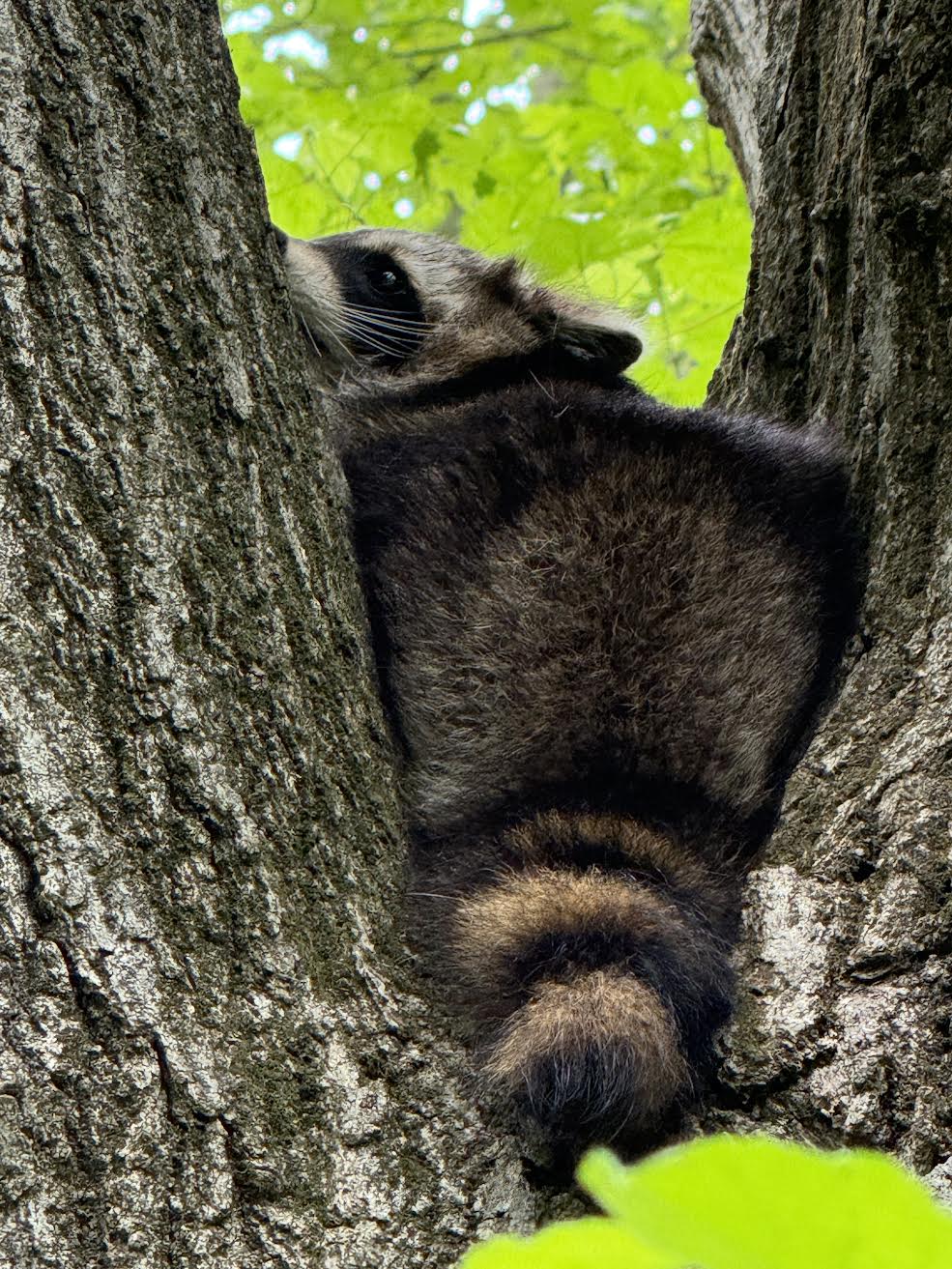
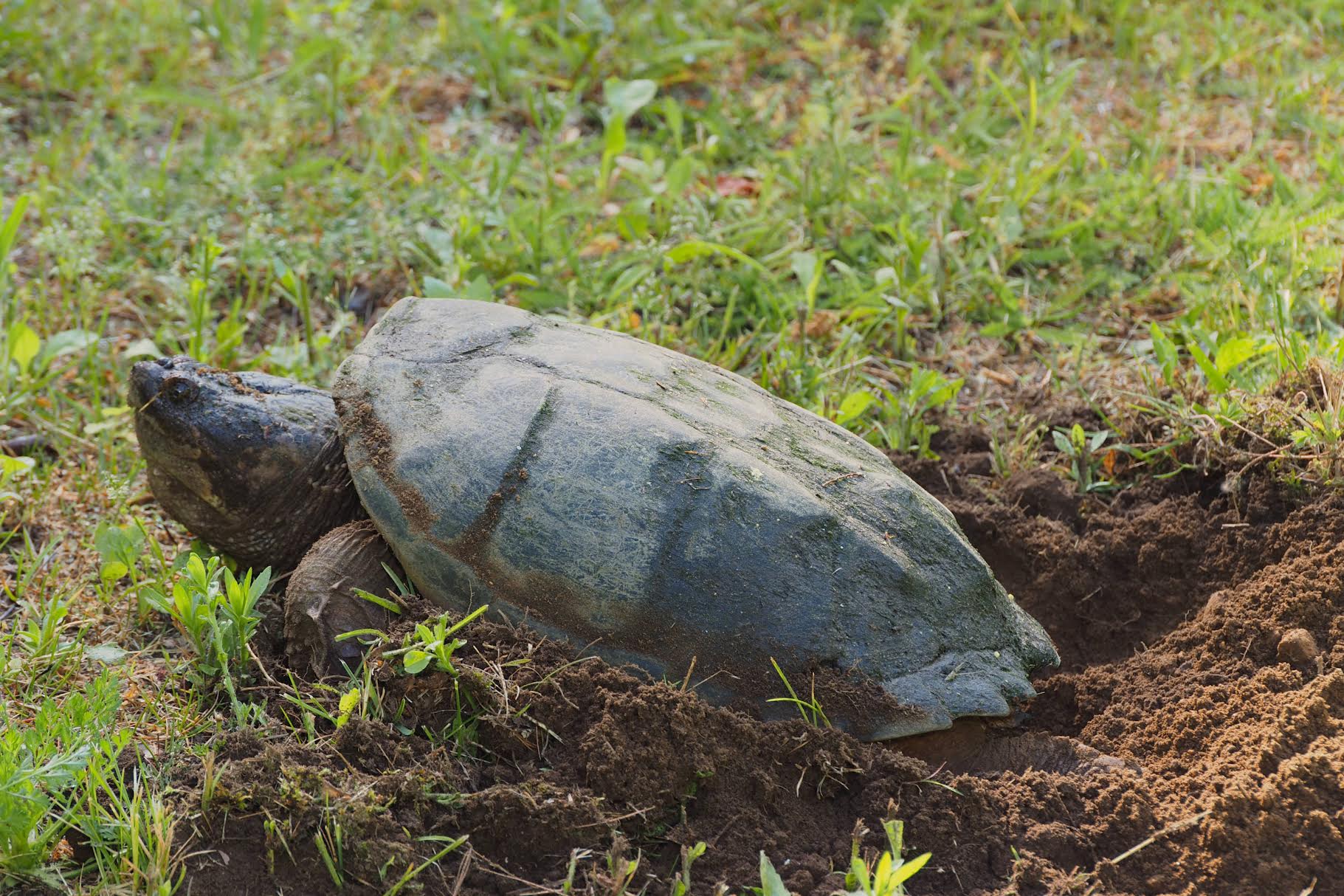
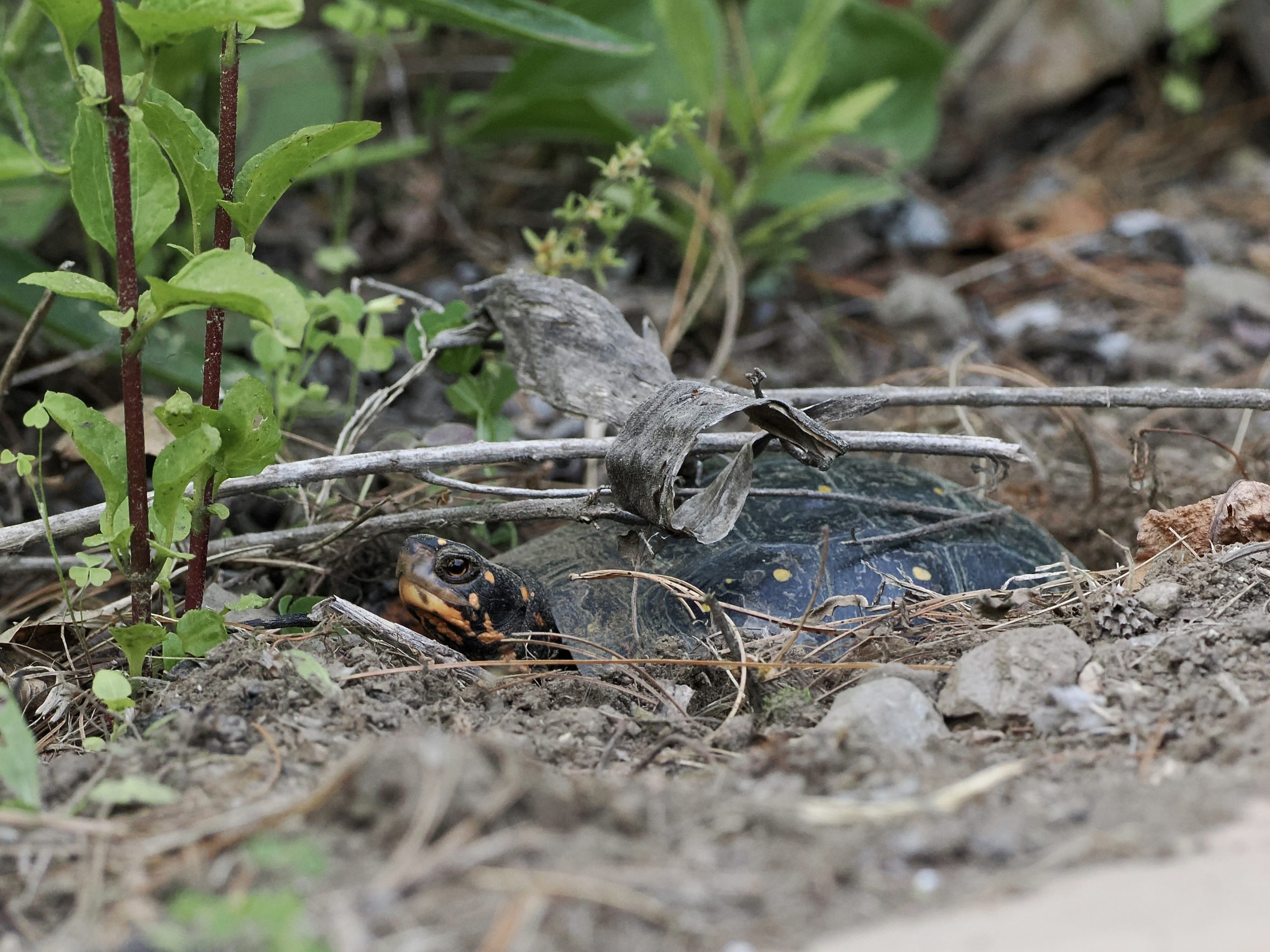
This is egg-laying season for turtles and it has been good to read many comments on Lincoln Talk about watching out for them on roads, and moving them correctly and safely, if needed. Turtles leave ponds to find a sandy or gravelly place to lay their eggs, often returning to the same spot over the years. A snapping turtle at Drumlin, determined to lay eggs in its usual spot, tore though black plastic (part of a garden restoration project) to dig its hole. Once the eggs are laid and covered with soil, the female plods back to the pond, another precarious time if crossing a road is involved. Some eggs are dug up and eaten by predators such as raccoons or skunks. We see many painted turtles and snapping turtles, but it was a welcome discovery for Carol Roede to come across a spotted turtle, rarely seen.
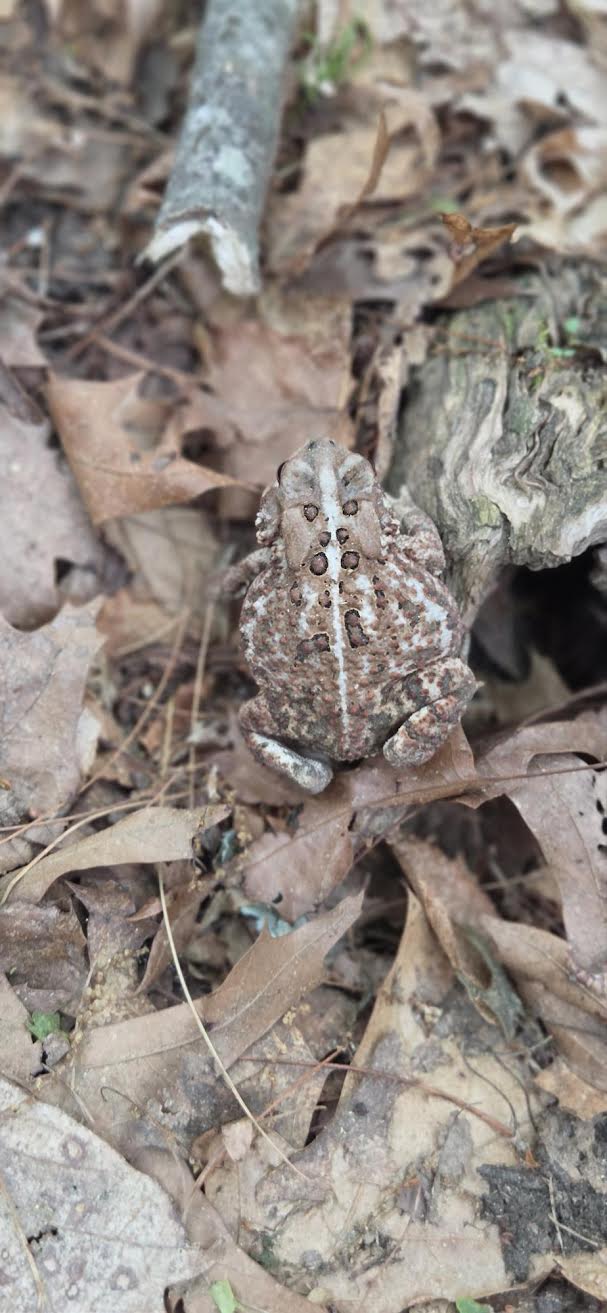
Adult toads are plentiful in many habitats and often turn up in gardens. American bull frogs and green frogs are singing, the latter giving a banjo-like ”plunk” and the bullfrogs their deep “jug-a-rum”. They are laying eggs in clumps at this time, 3000-5000 for green frogs, and up to 80,000 for bullfrogs, according to Mary Holland. Green frog tadpoles do not become adults until the following summer after they hatch. Bullfrog tadpoles, among the largest in North America, may reach 4-6 inches and take 2 – 3 years to metamorphose to adults.
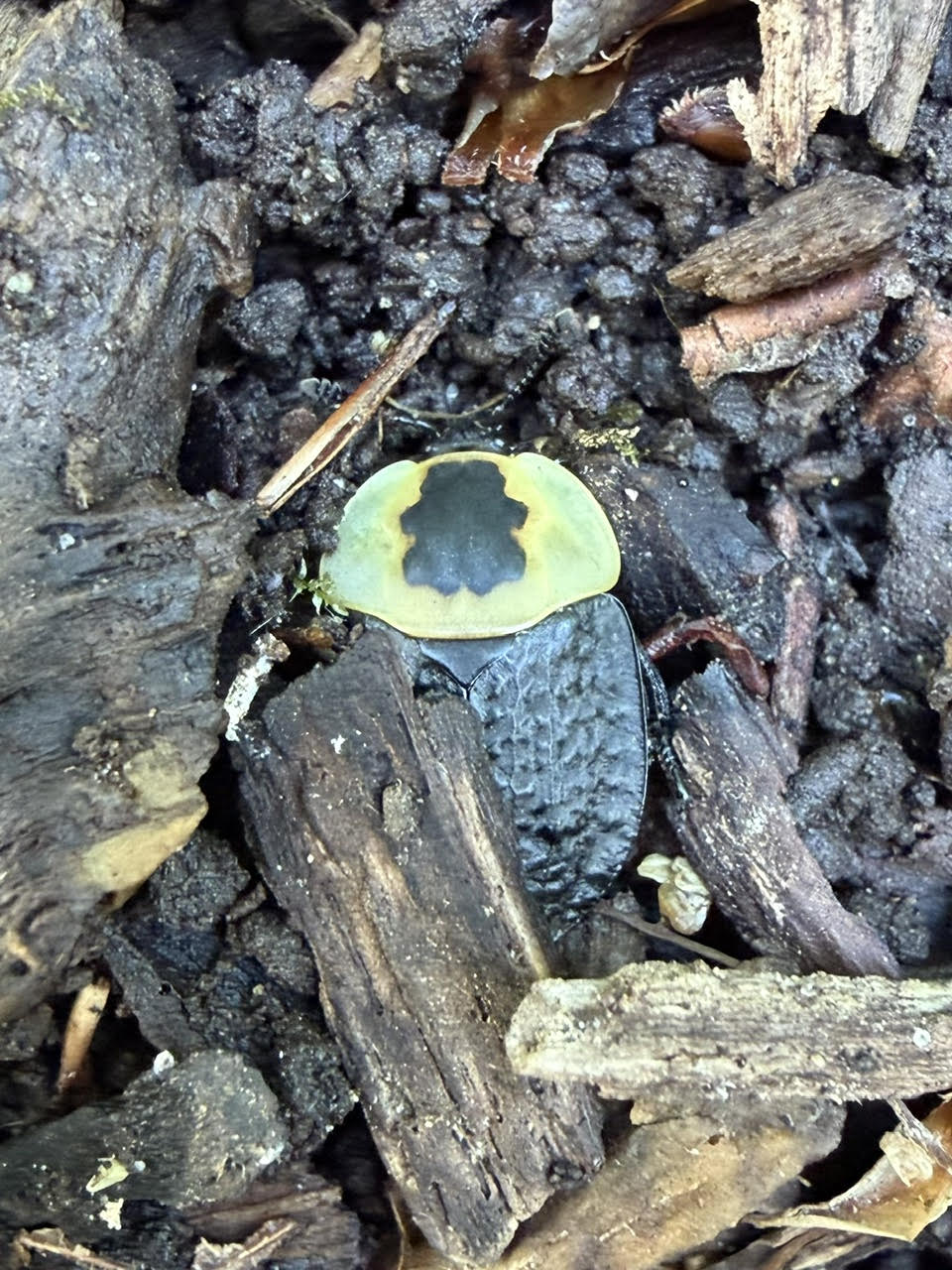
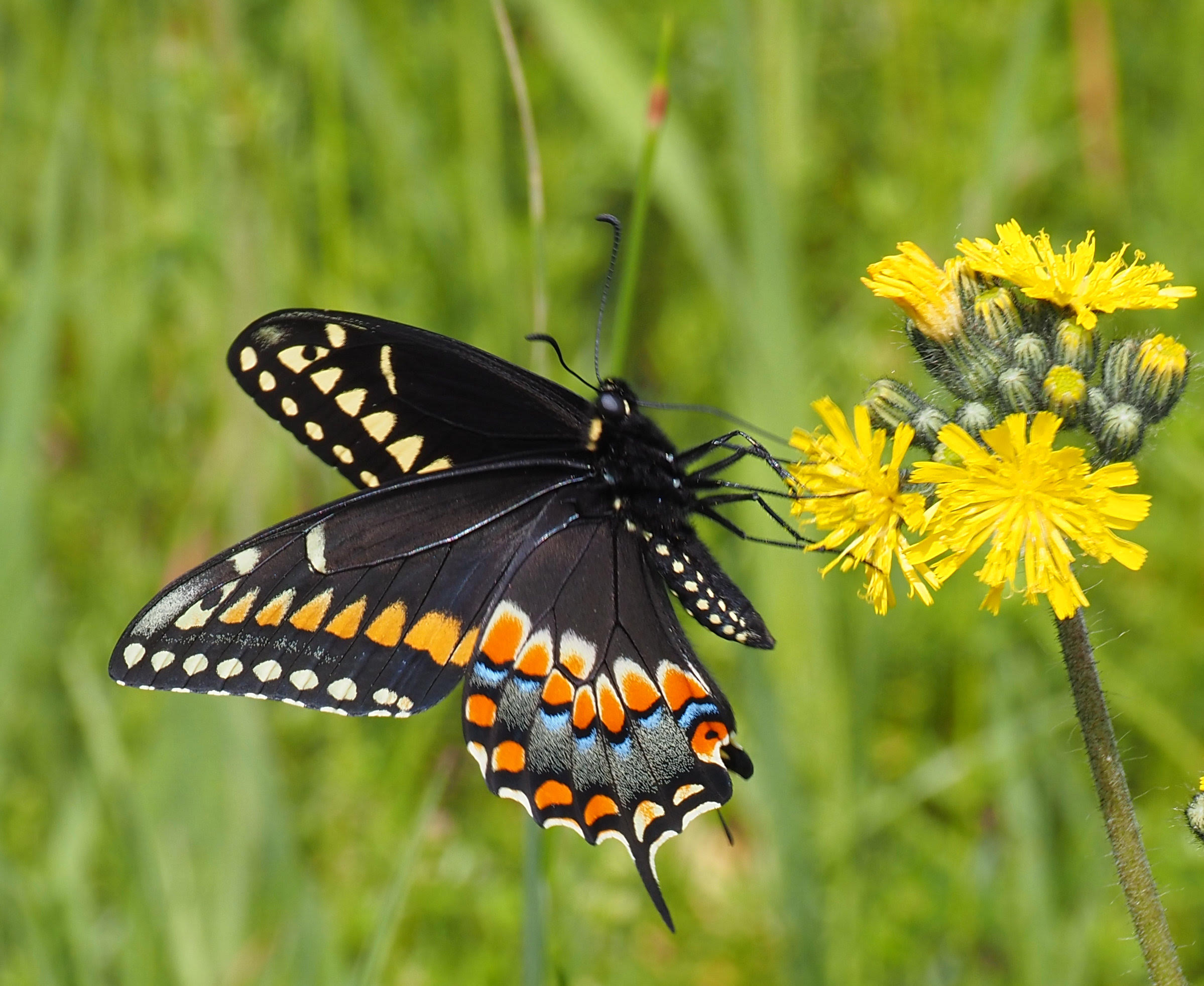
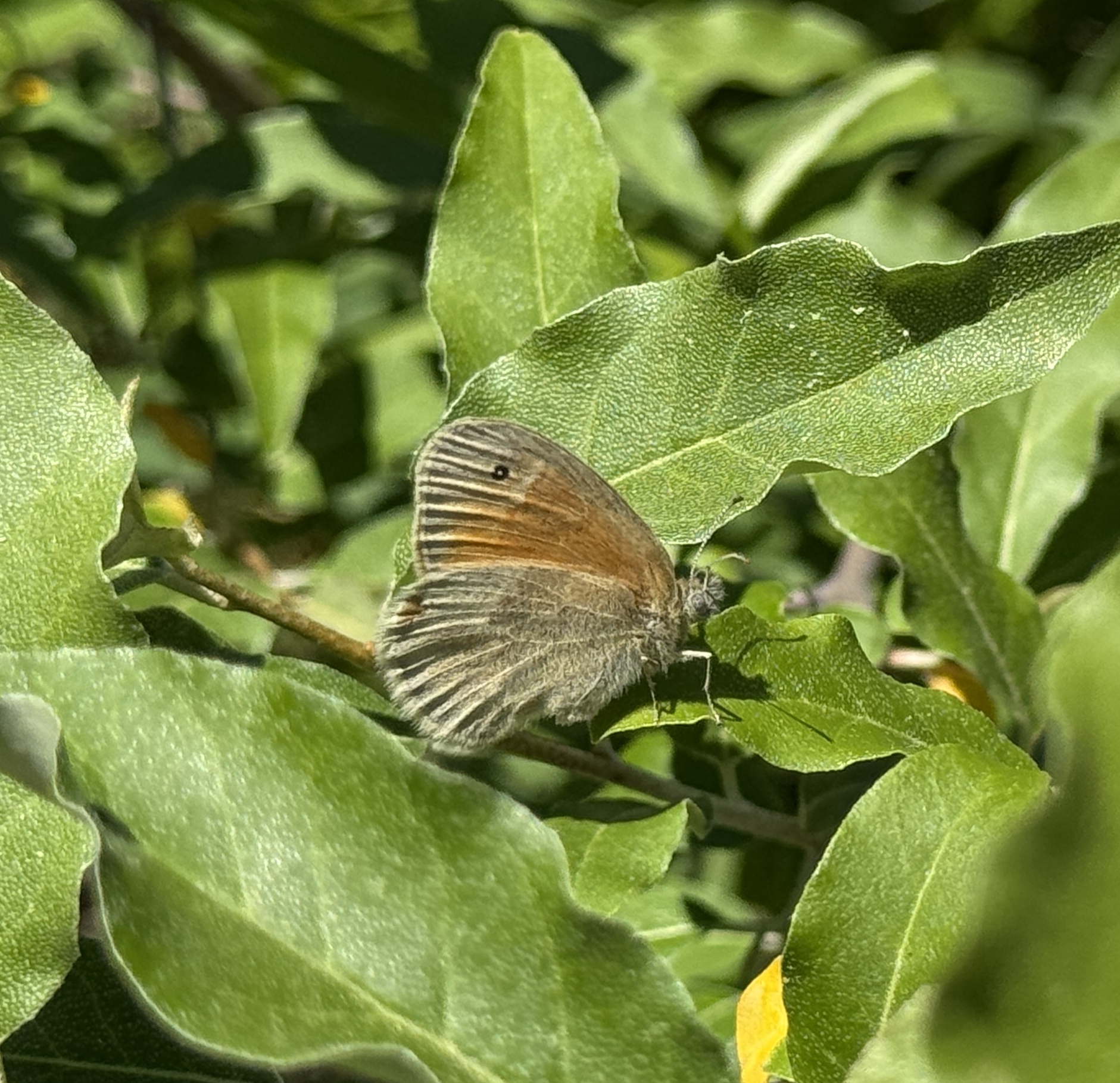
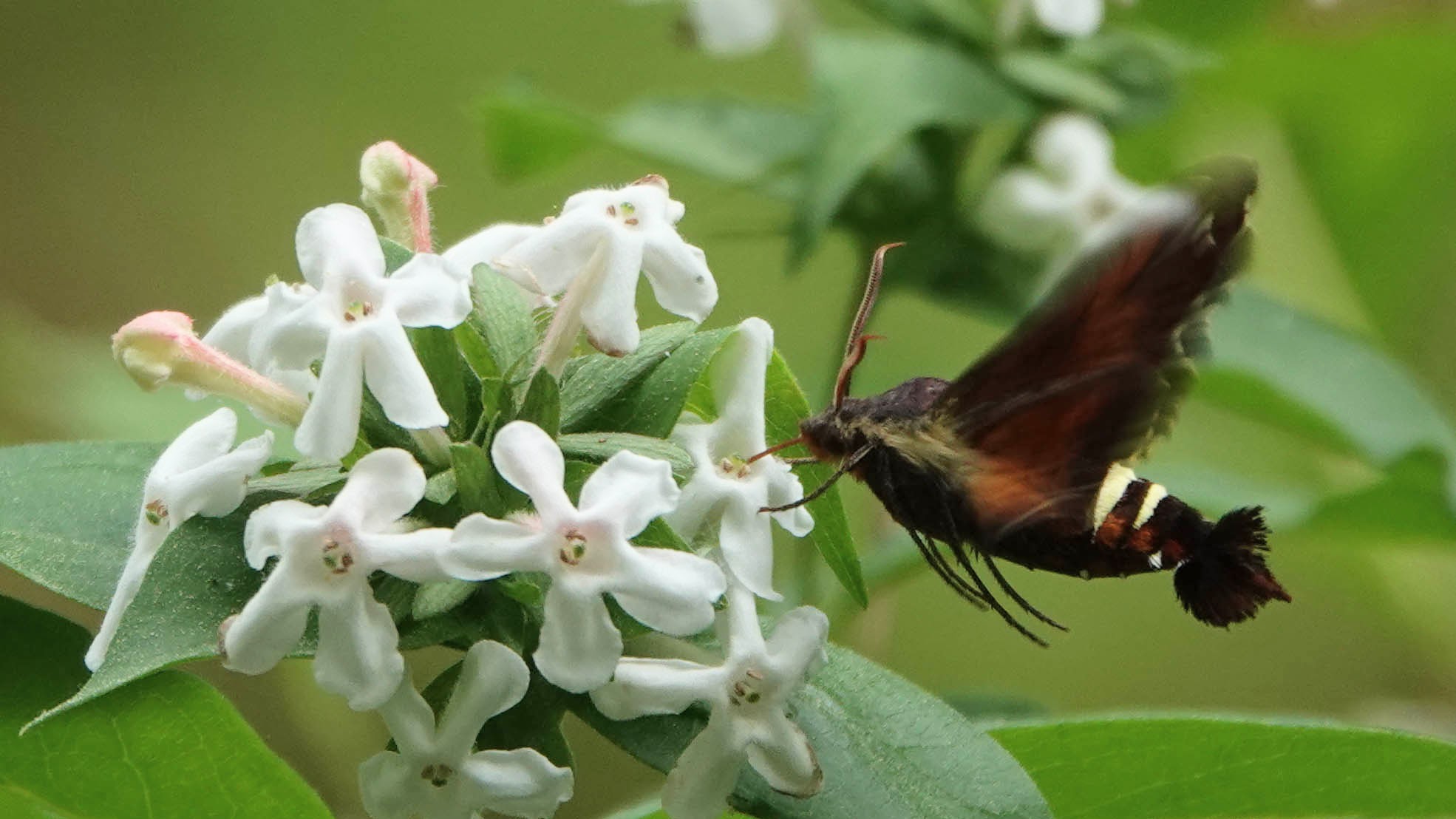
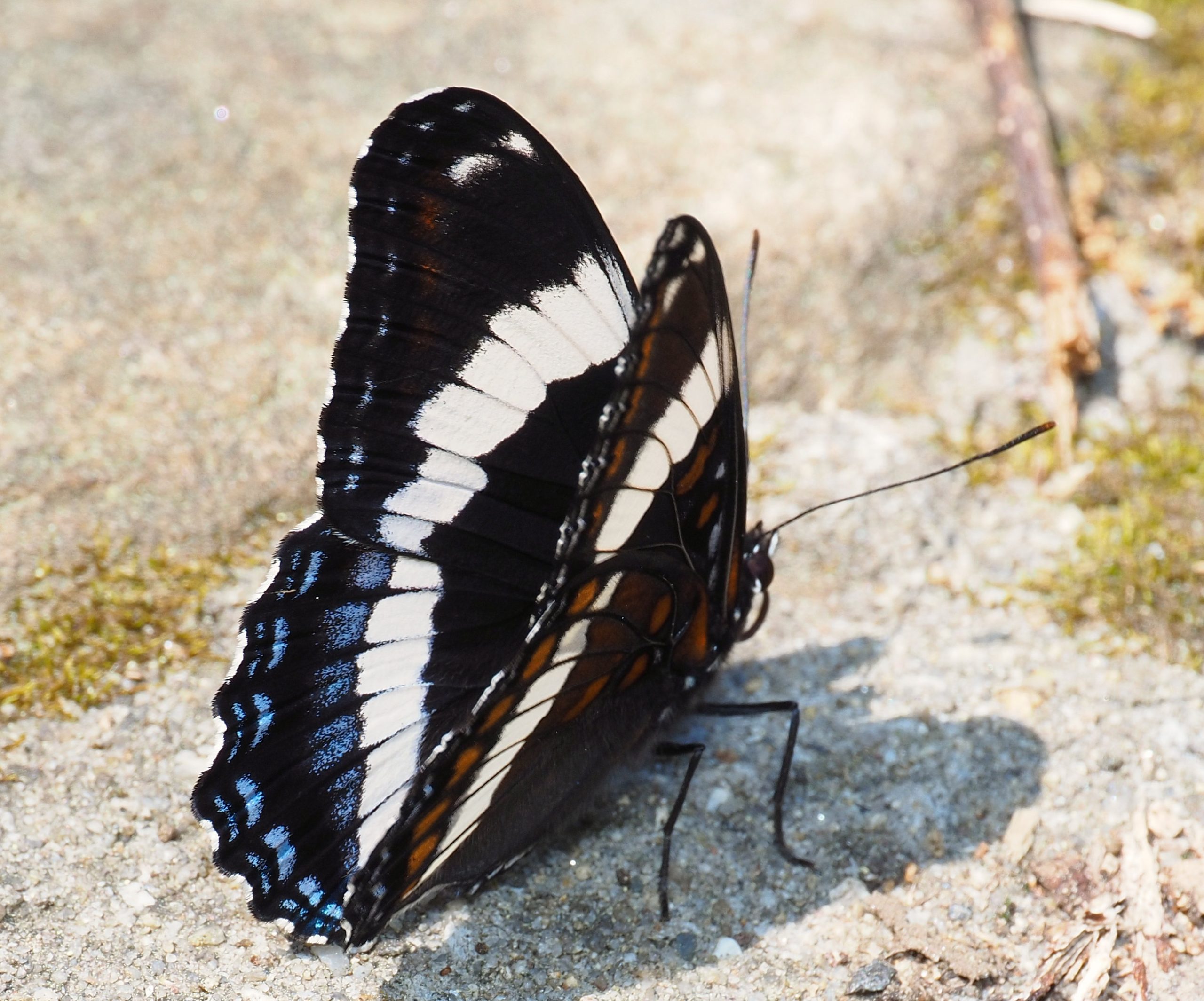
Crickets have been singing on warm evenings, fireflies are signaling after dark, and lots of butterflies and moths are flitting about. I have yet to hear of a monarch butterfly in Lincoln but according to the website Journey North, they are just now appearing in New England. See link to follow their progress. One of the butterflies shown below, the American white admiral, is, “a color morph of the red-spotted admiral and and is not often seen this far south. They are common in the northern New England states, and I have seen huge flights in Northern Vermont,” as photographer Norman Levey explains. Marcia Gnagey found an American carrion beetle in compost and writes, “They are highly beneficial to our ecosystem—feeding on decaying organic matter, they play a vital role in nutrient recycling. The adults aren’t just scavengers, they actively hunt and consume, fly maggots.” Ron McAdow photographed what one might mistake for a hummingbird, a diurnal moth hovering above flowers as it fed, a Nessus Sphinx moth. It is less common than the hummingbird moth we often see.
June 29 will usher in June’s full moon, often called the Strawberry Moon. According to The Old Farmer’s Almanac the “Strawberry Moon” name has been used by Native American Algonquian tribes that live in the northeastern United States as well as the Ojibwe, Dakota, and Lakota peoples to mark the ripening of “June-bearing” strawberries that are ready to be gathered. The Haida term Berries Ripen Moon reflects this as well. As flowers bloom and early fruit ripens, June is a time of great abundance for many.
An unusual astronomical event occurred on the afternoon of May 30 when many of us heard what turned out to be a sonic boom due to a meteor entering Earth’s atmosphere over the northeastern US. The space rock broke into fragments and fell into Cape Cod Bay.
Links:
To read about oak-apple galls and the gall-making process
What to do if you find a baby bird and you think it needs help
To follow the migration of monarch butterflies
To read about the sonic boom on May 30
Watch Carol Roede’s video of otters vocalizing
Watch Carol Roede’s video of wood duck ducklings
Watch Norman Levey’s video of a common loon going to its nest