July 2026 Wildlife Column
Written by Gwyn Loud for the Lincoln Land Conservation Trust. She welcomes your sightings and questions at 781-259-8690 or gwynloud555@gmail.com.
Heat, humidity and unhealthy air are the memorable features of July weather so far. We endured a record-breaking heat wave the week of July 4, with the thermometer reaching 100℉ on July 3. The whole northeast region of MA is in critical drought status, although 2.3 inches of gentle rain on July 7 helped a bit, and rain fell briefly on July 18. The soil is dust-dry and streams and ponds are low. Starting on July 15, we were warned of unhealthy air due to smoke from wildfires in Canada, and, indeed, sometimes one could smell the smoke. The sky turned gray with smoggy haze, obliterating distant views. Some outdoor events were cancelled, many people stayed indoors, and rummaged around to bring out the masks again. We are definitely living with the impacts of climate change. How does the poor air affect the wildlife around us? Average-sized songbirds breathe 30-60 breaths per minute when resting but that increases when birds fly or sing, so they are taking in a lot of air. Certainly the fine particulates in the air cannot be good for any animals, and it is very sad to think of the wildlife impacted where the fires are actually raging, as well as the impacts on habitats and people.
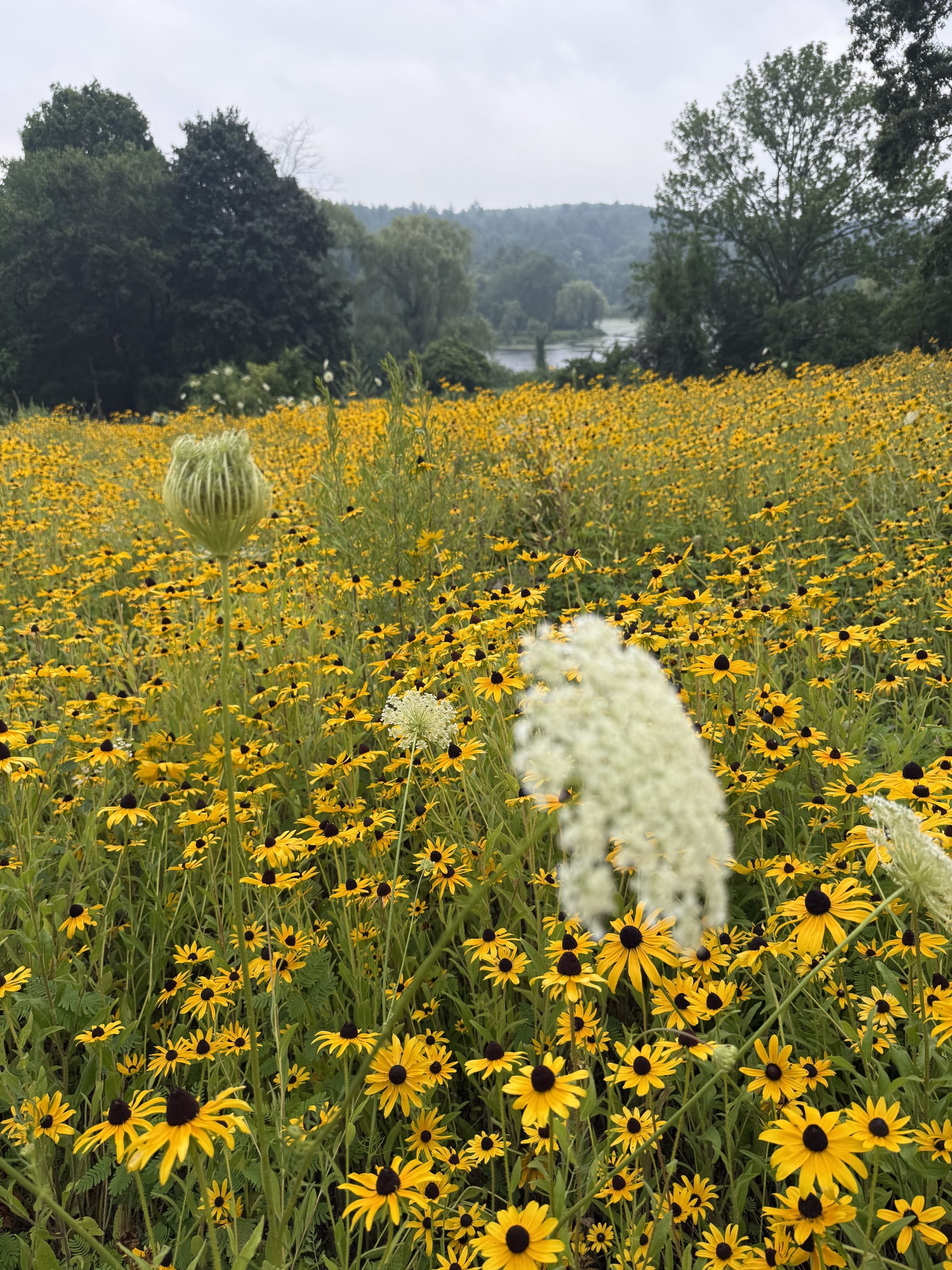
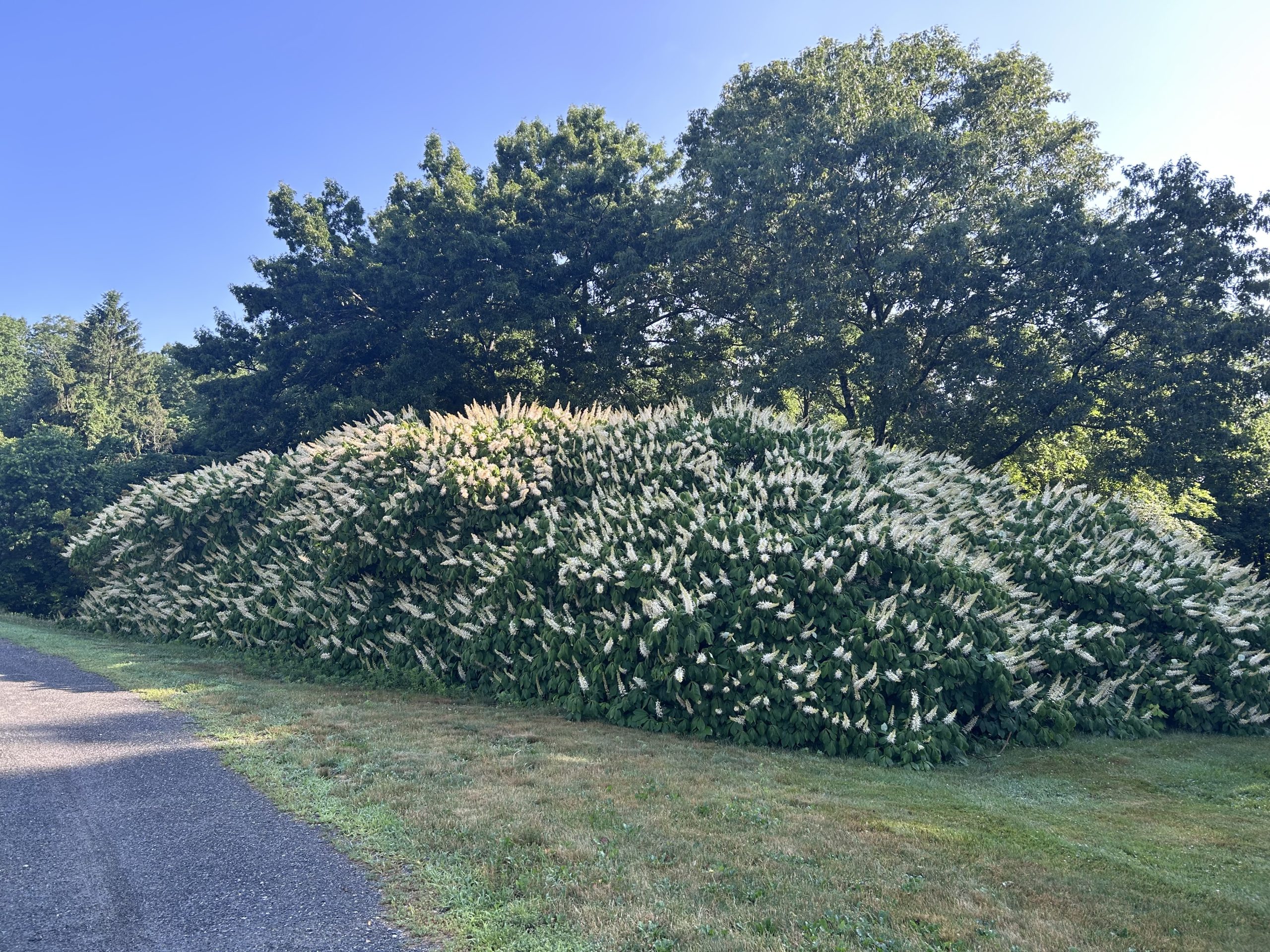
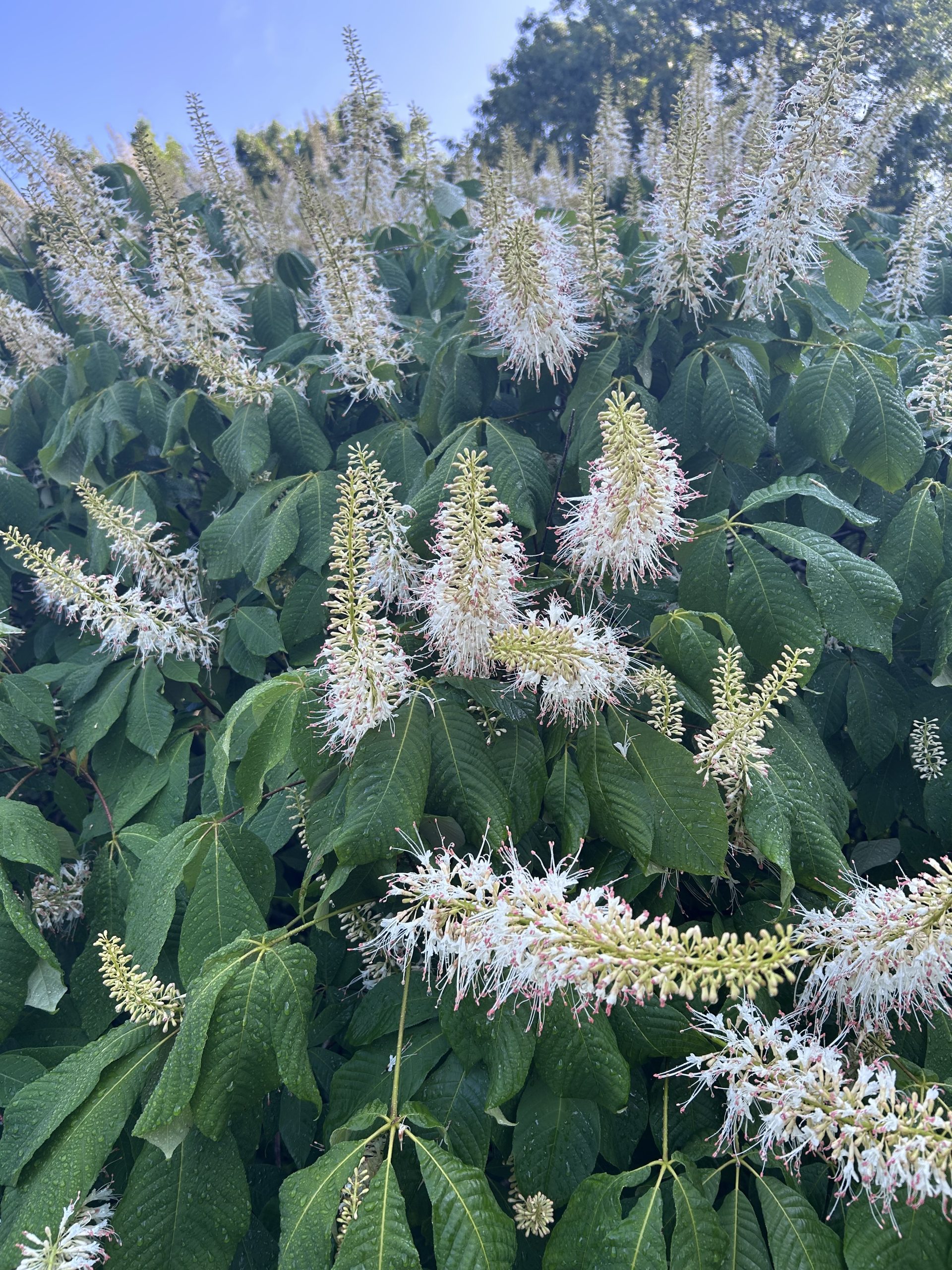
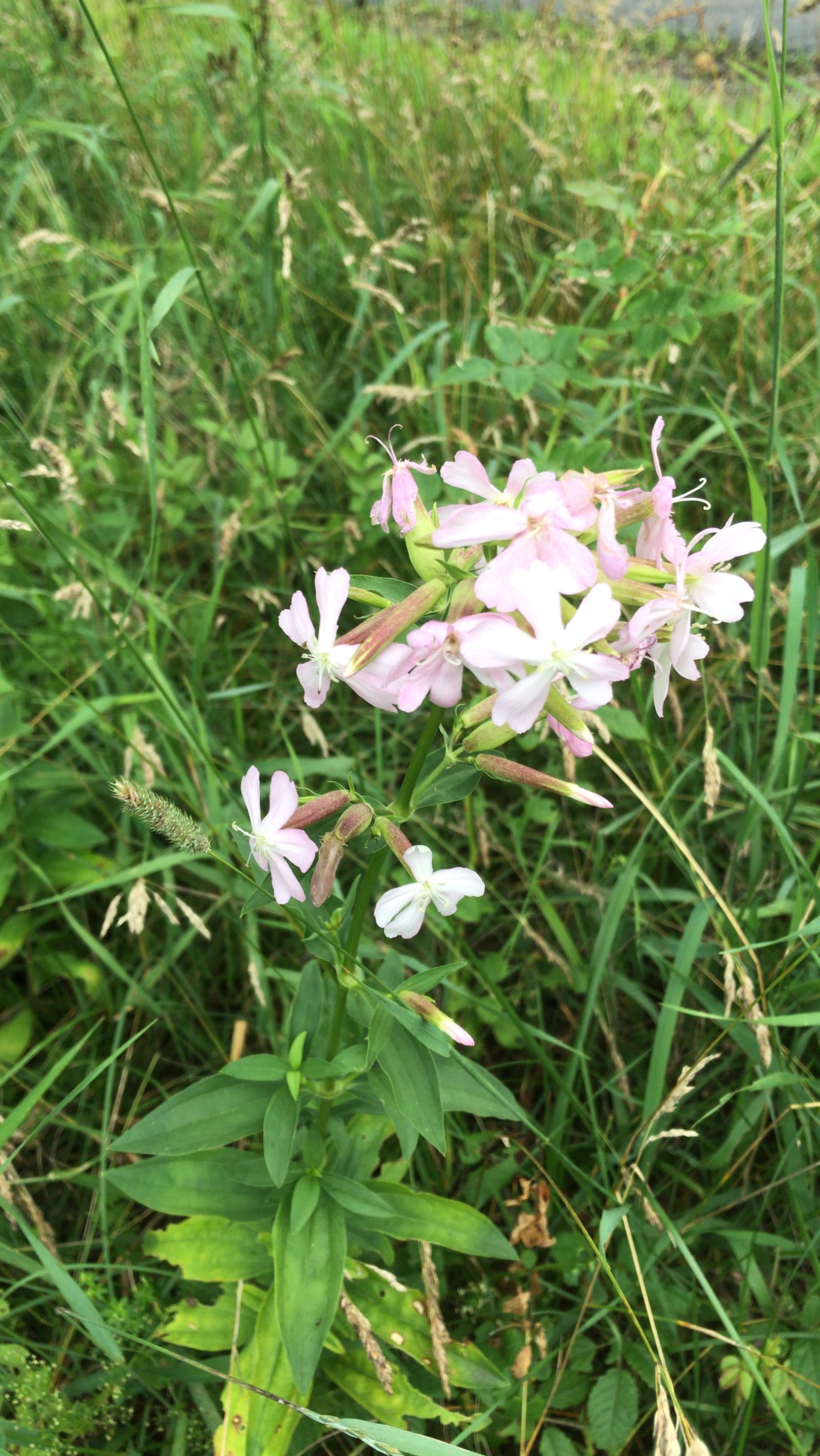
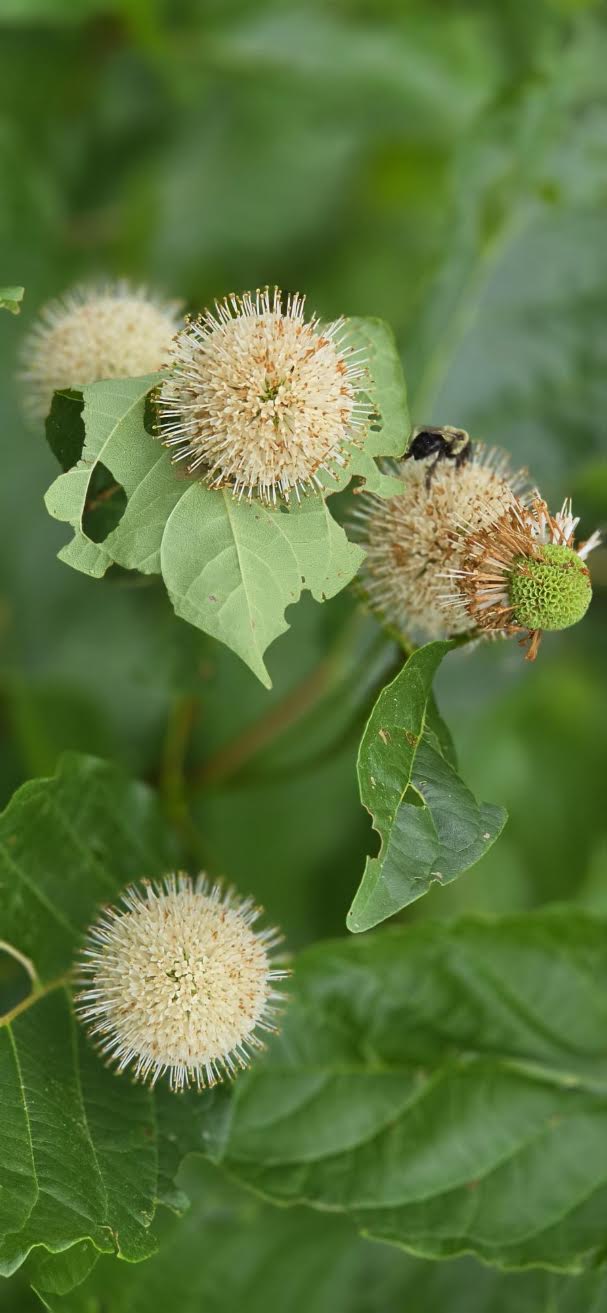
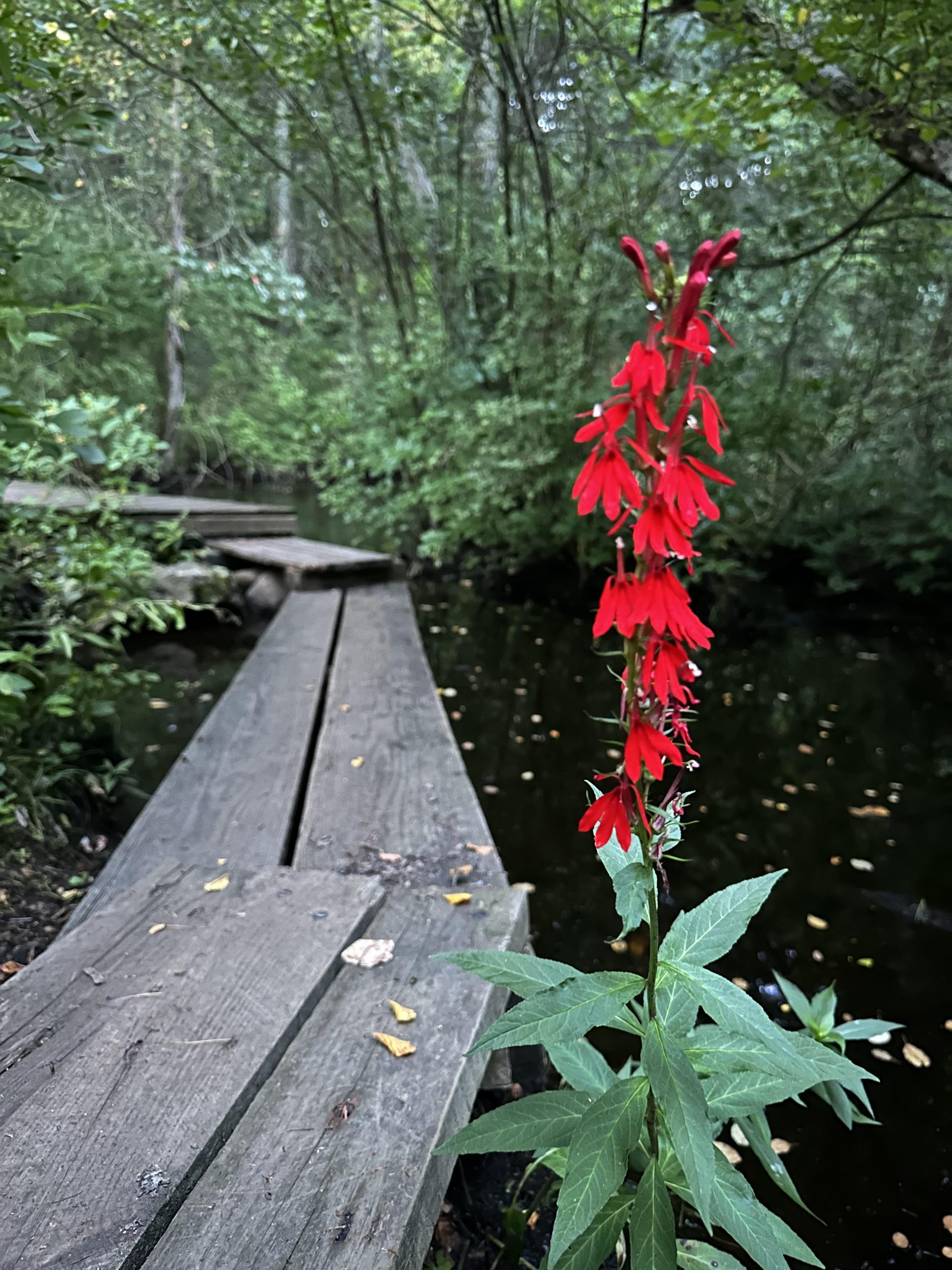
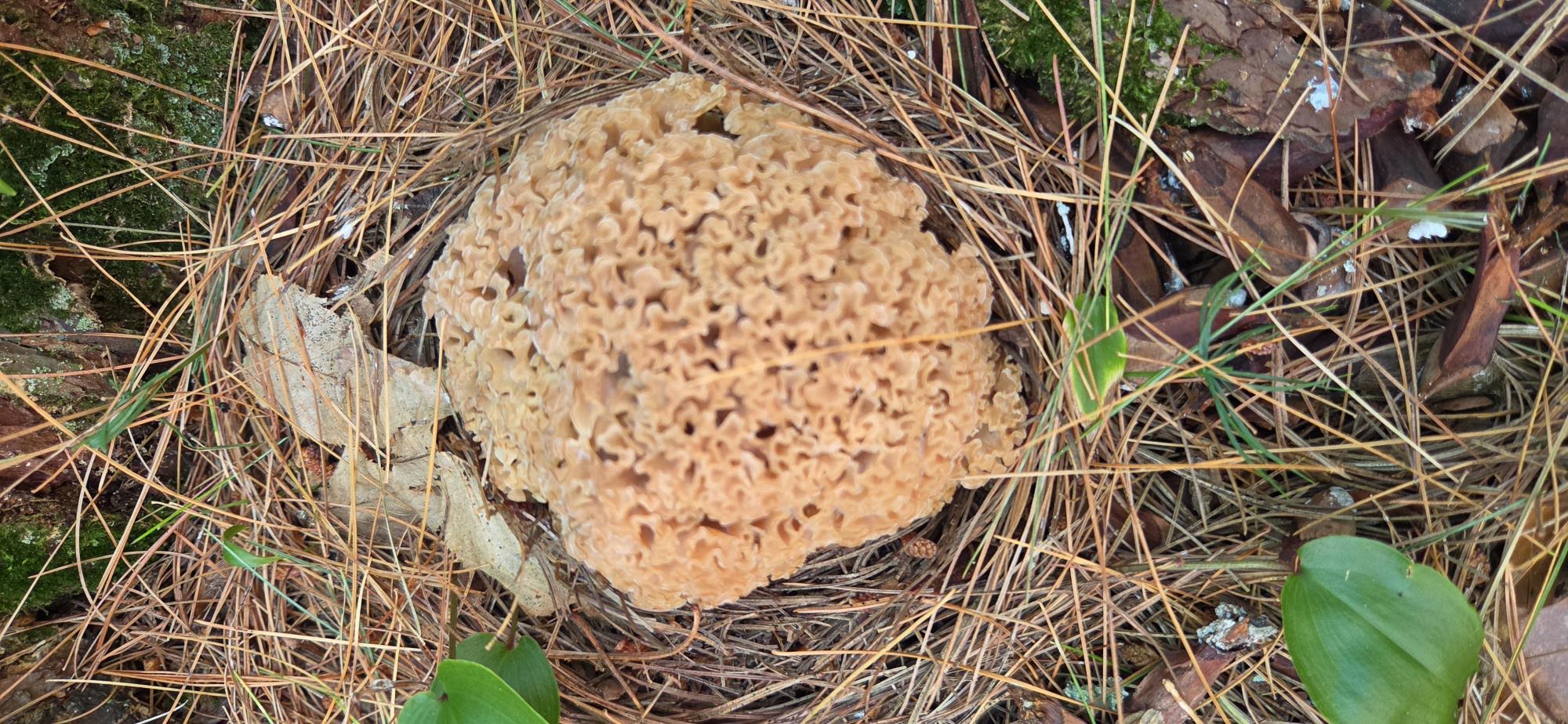
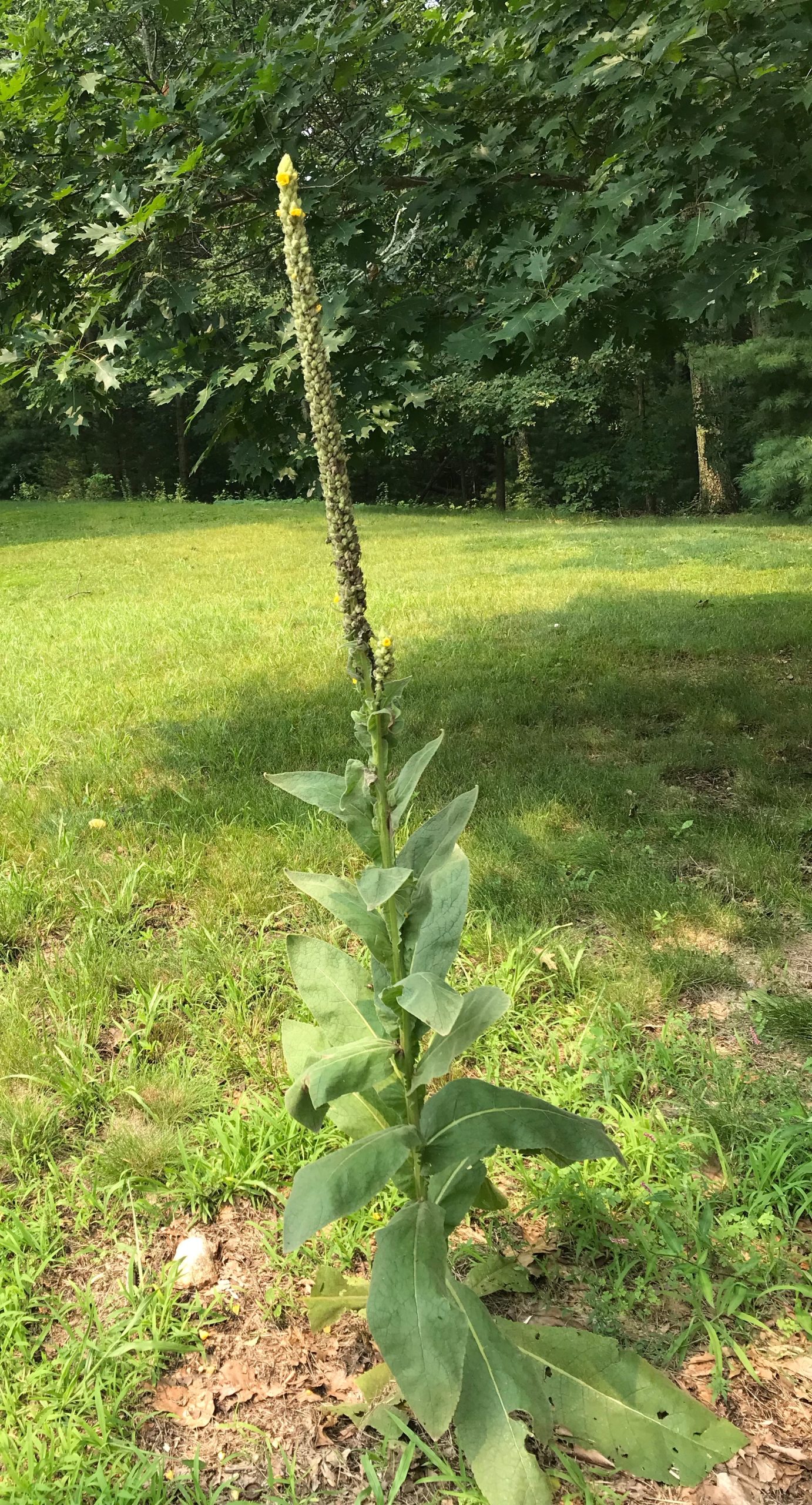
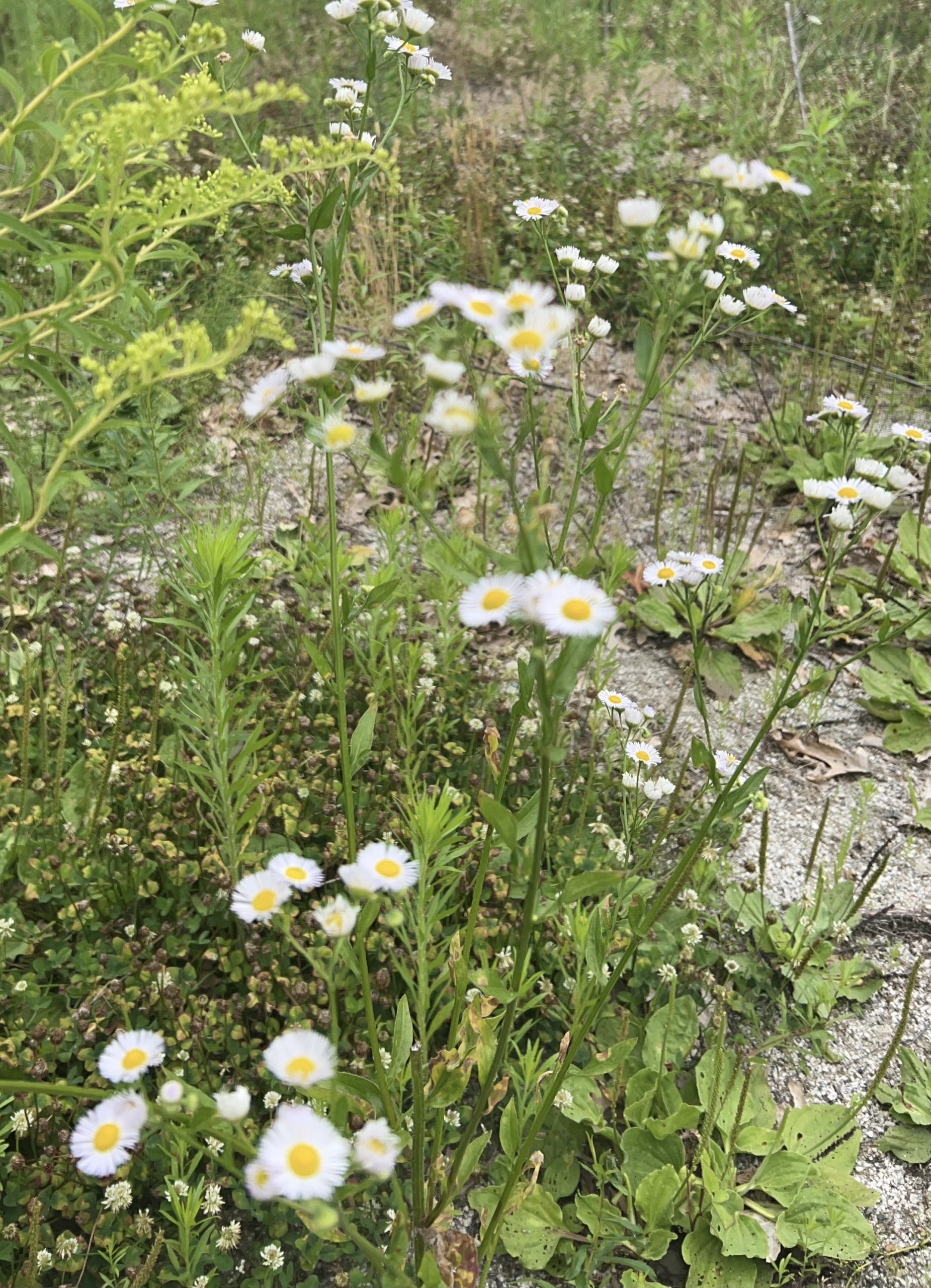
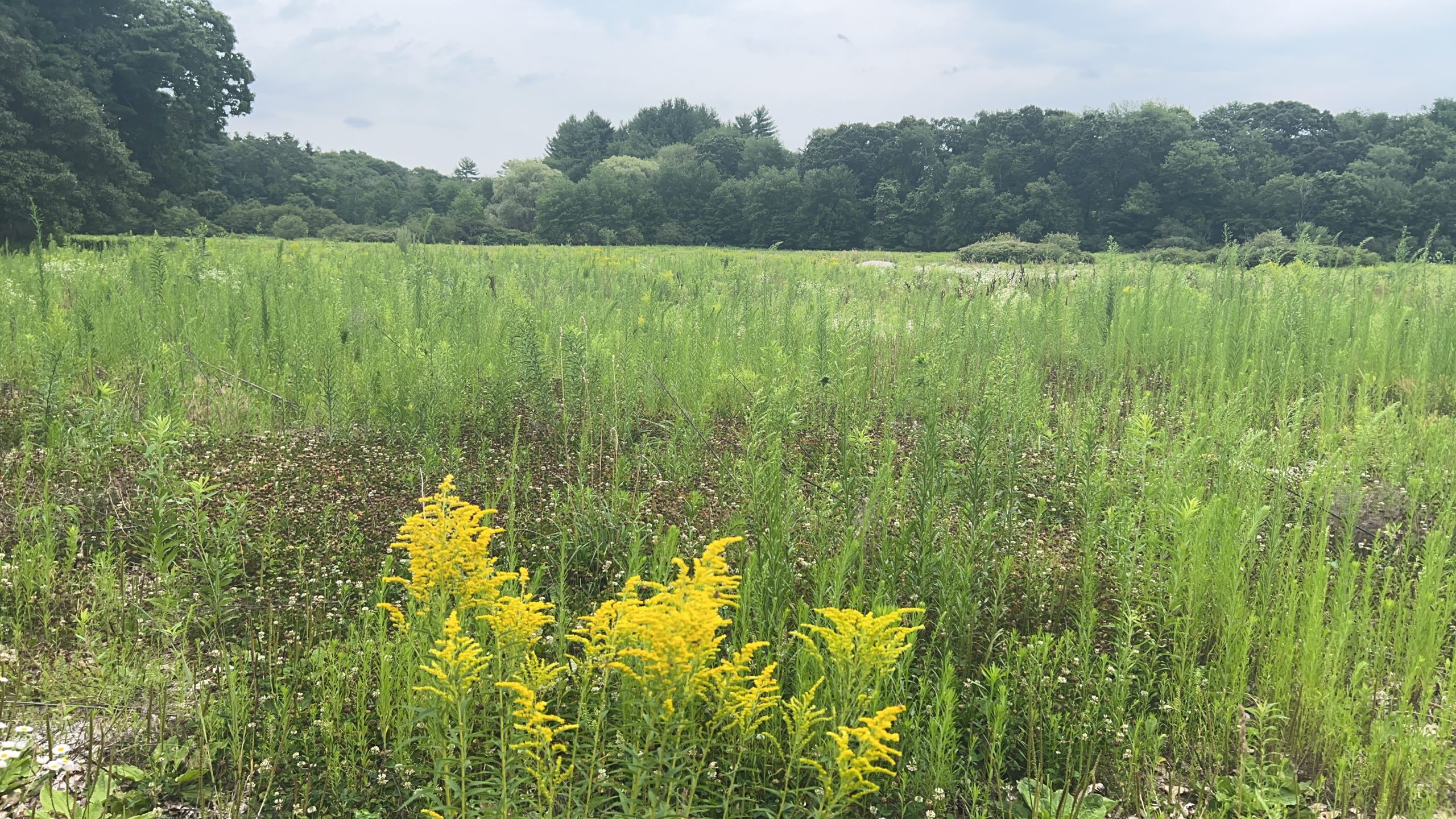
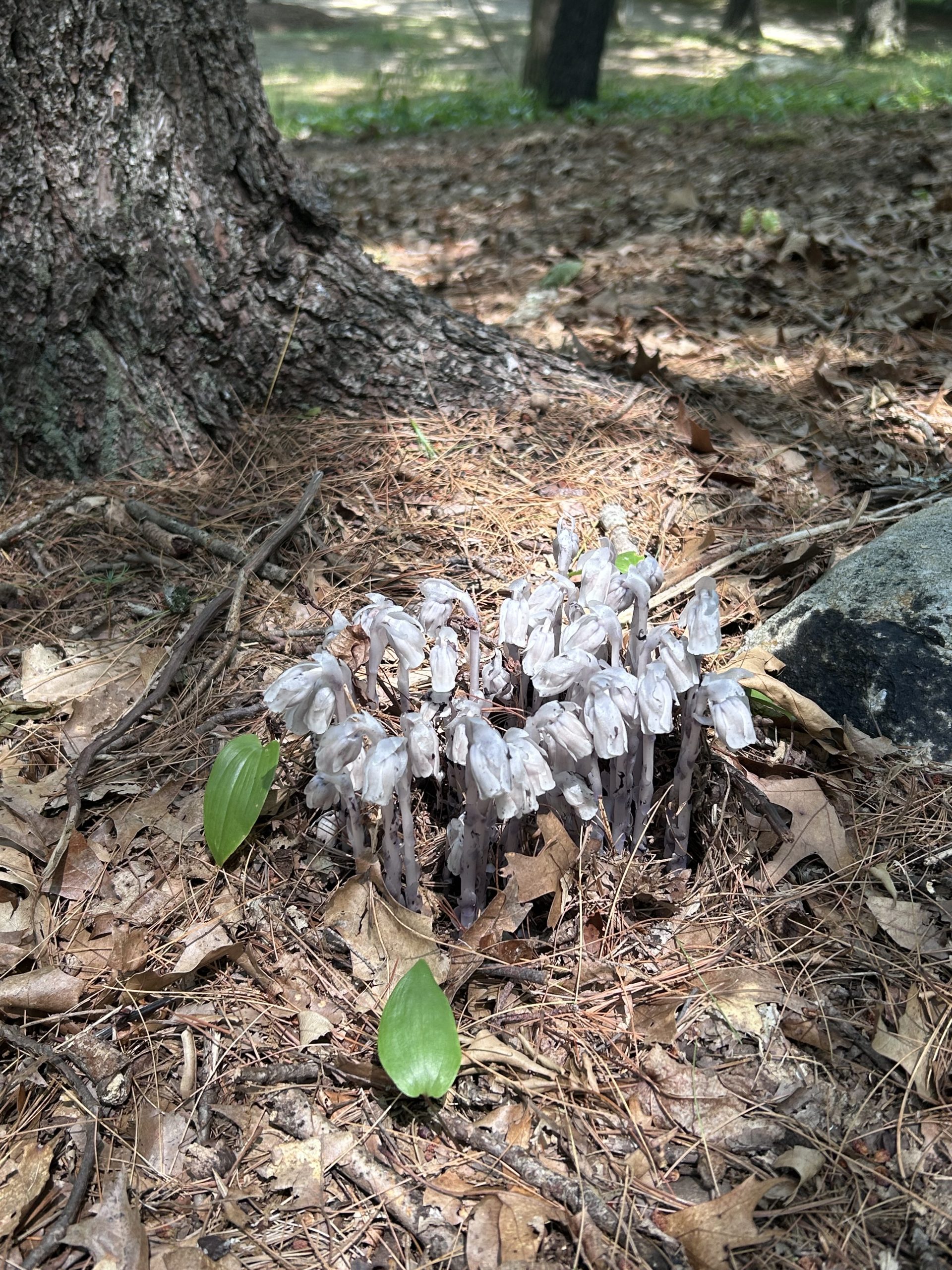
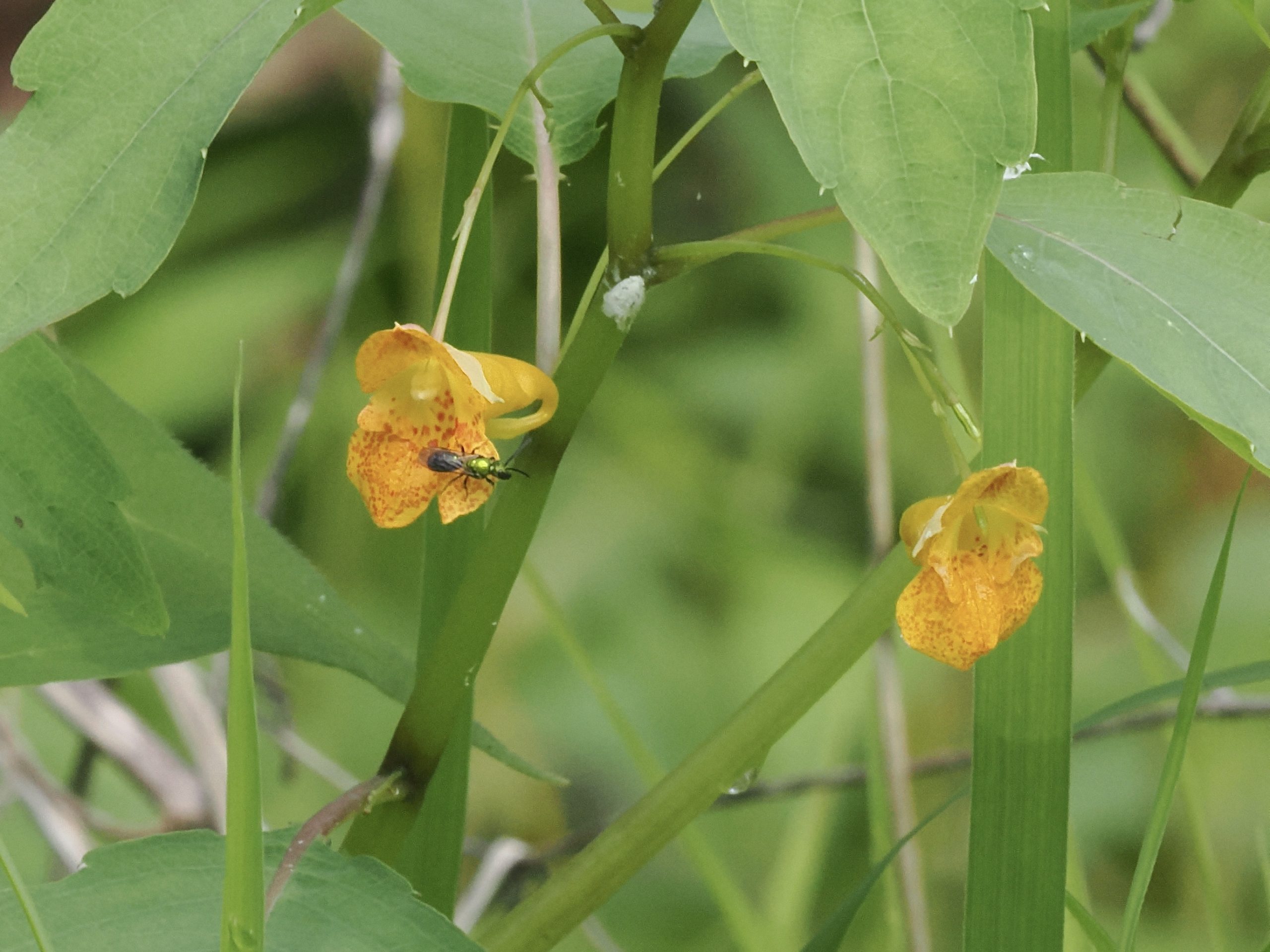
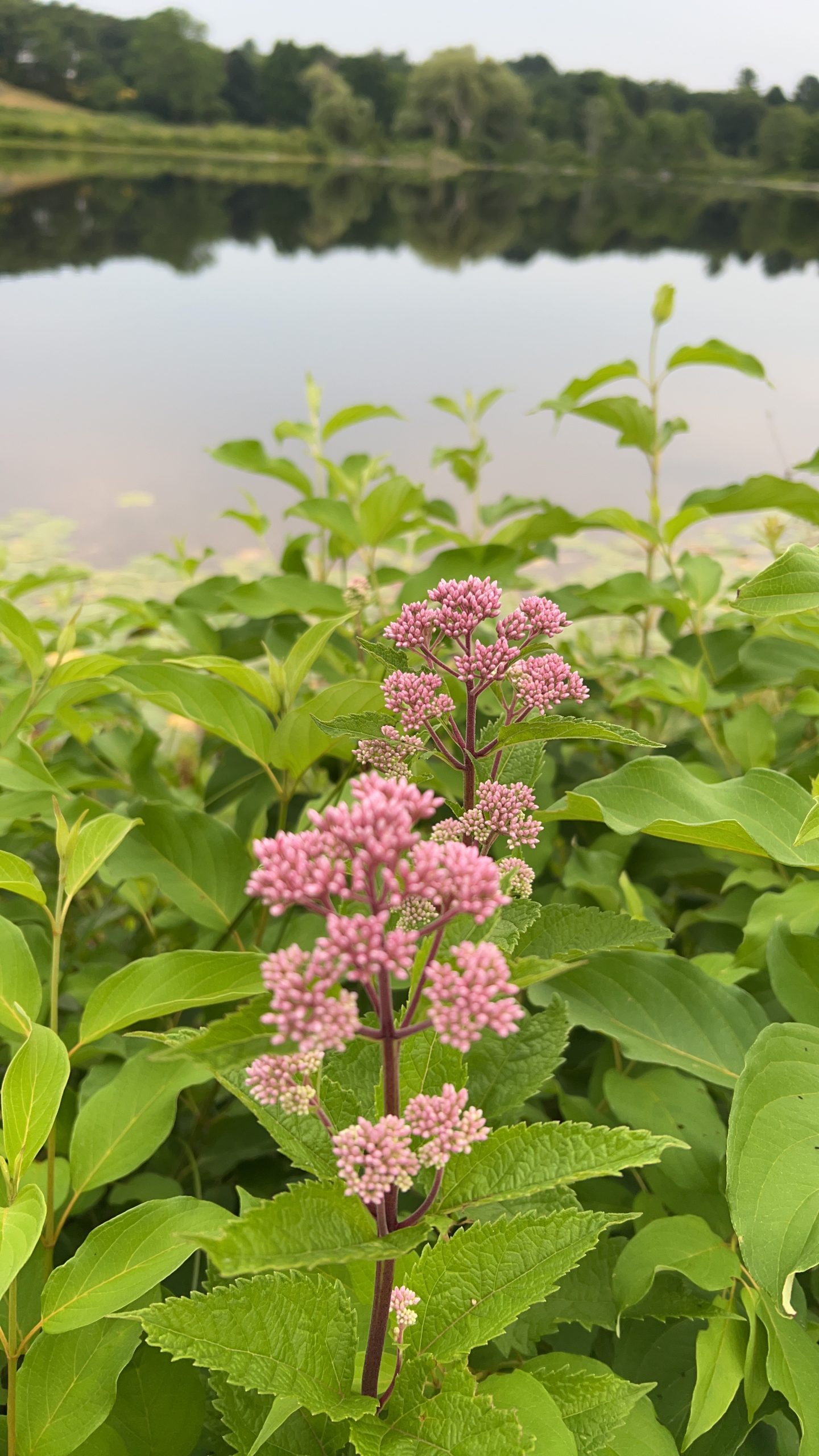
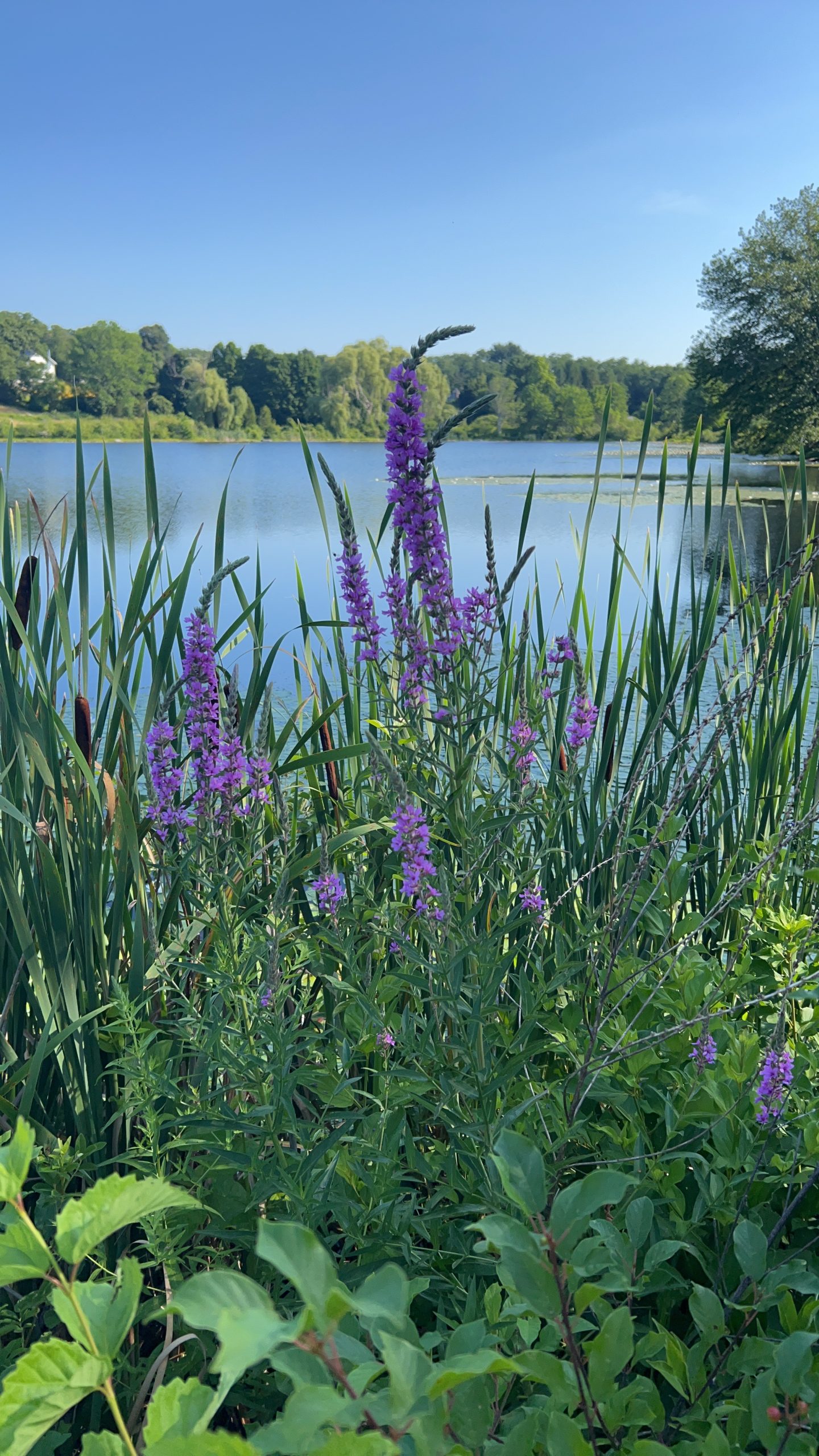
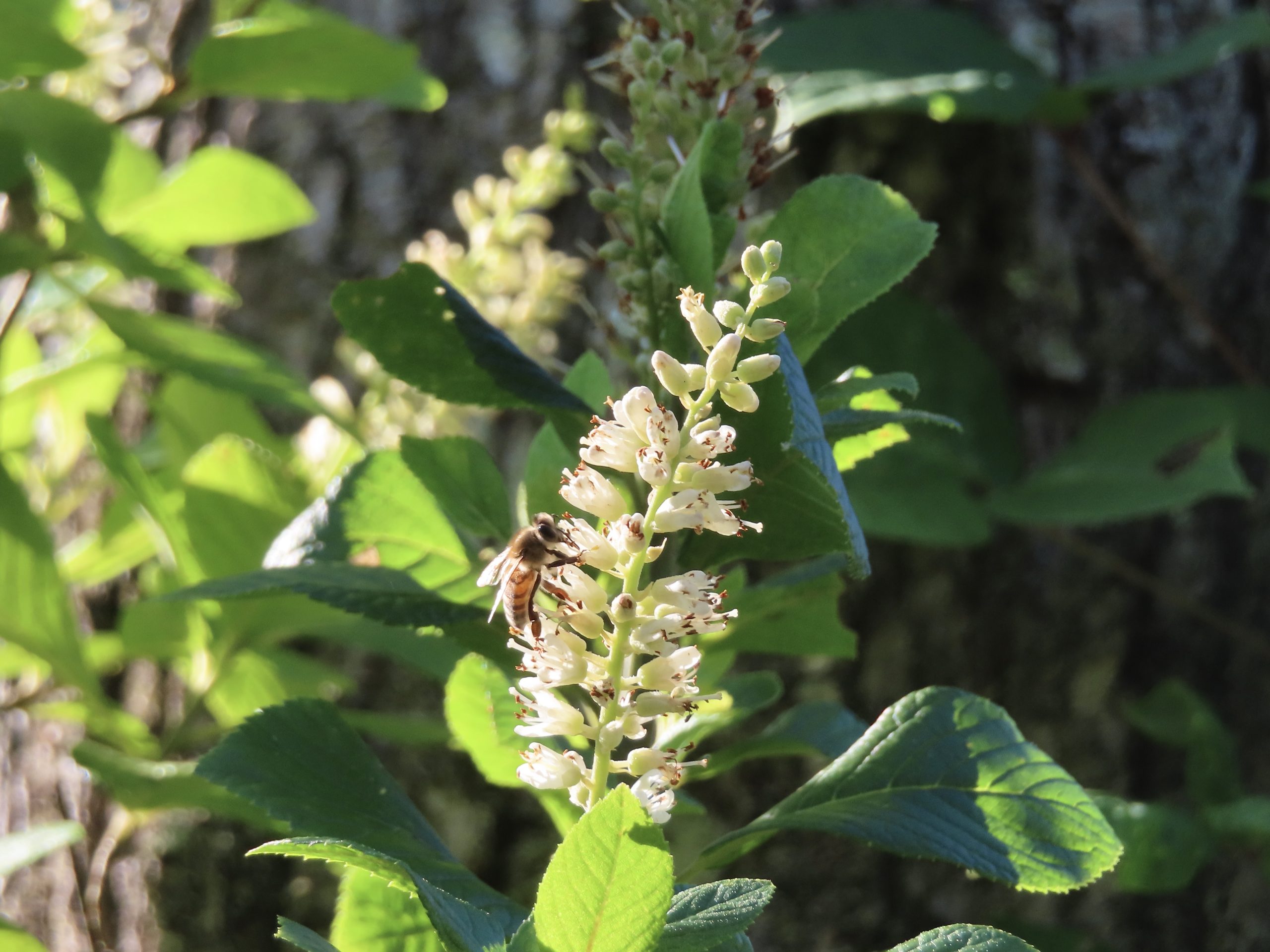
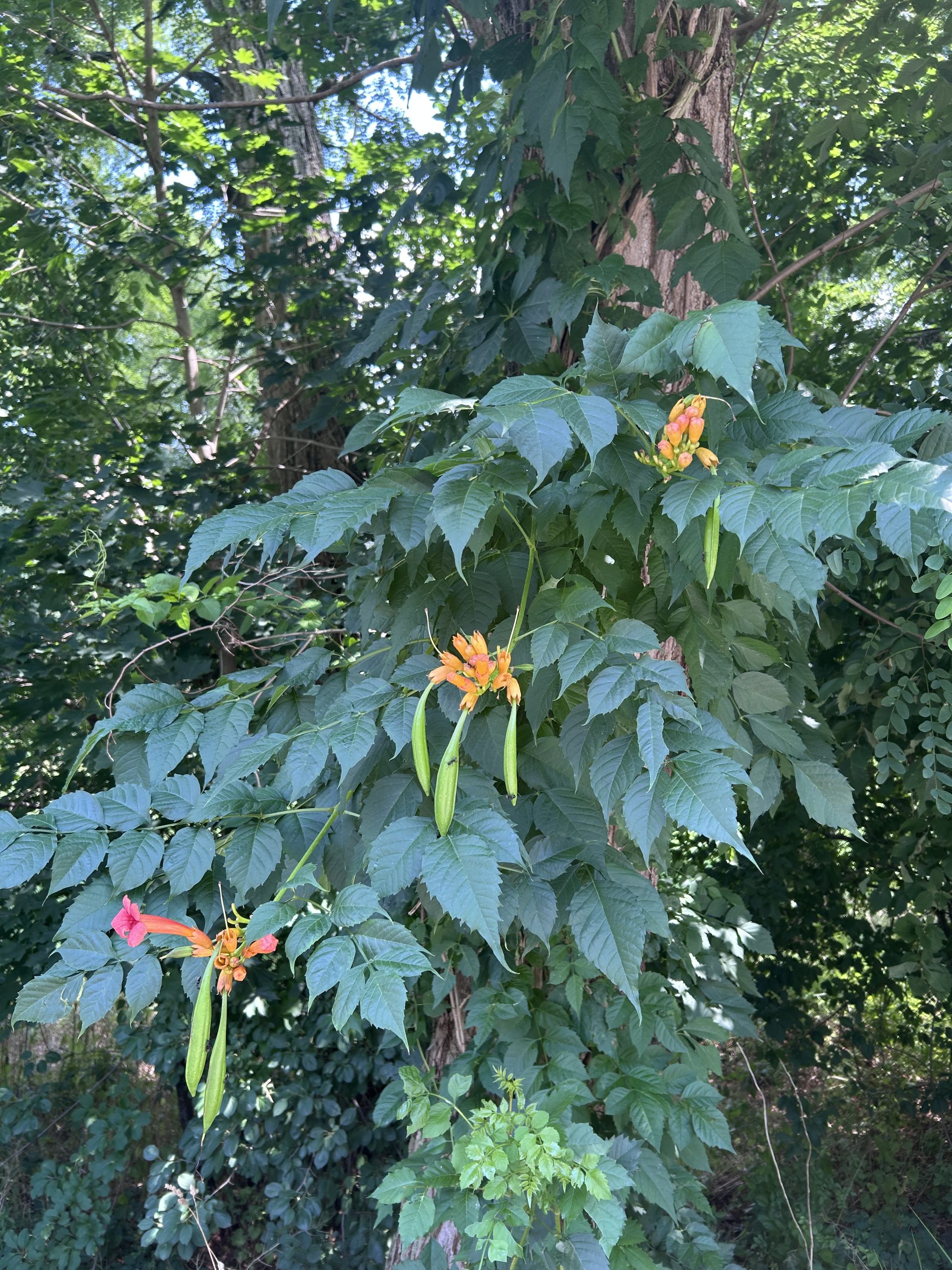
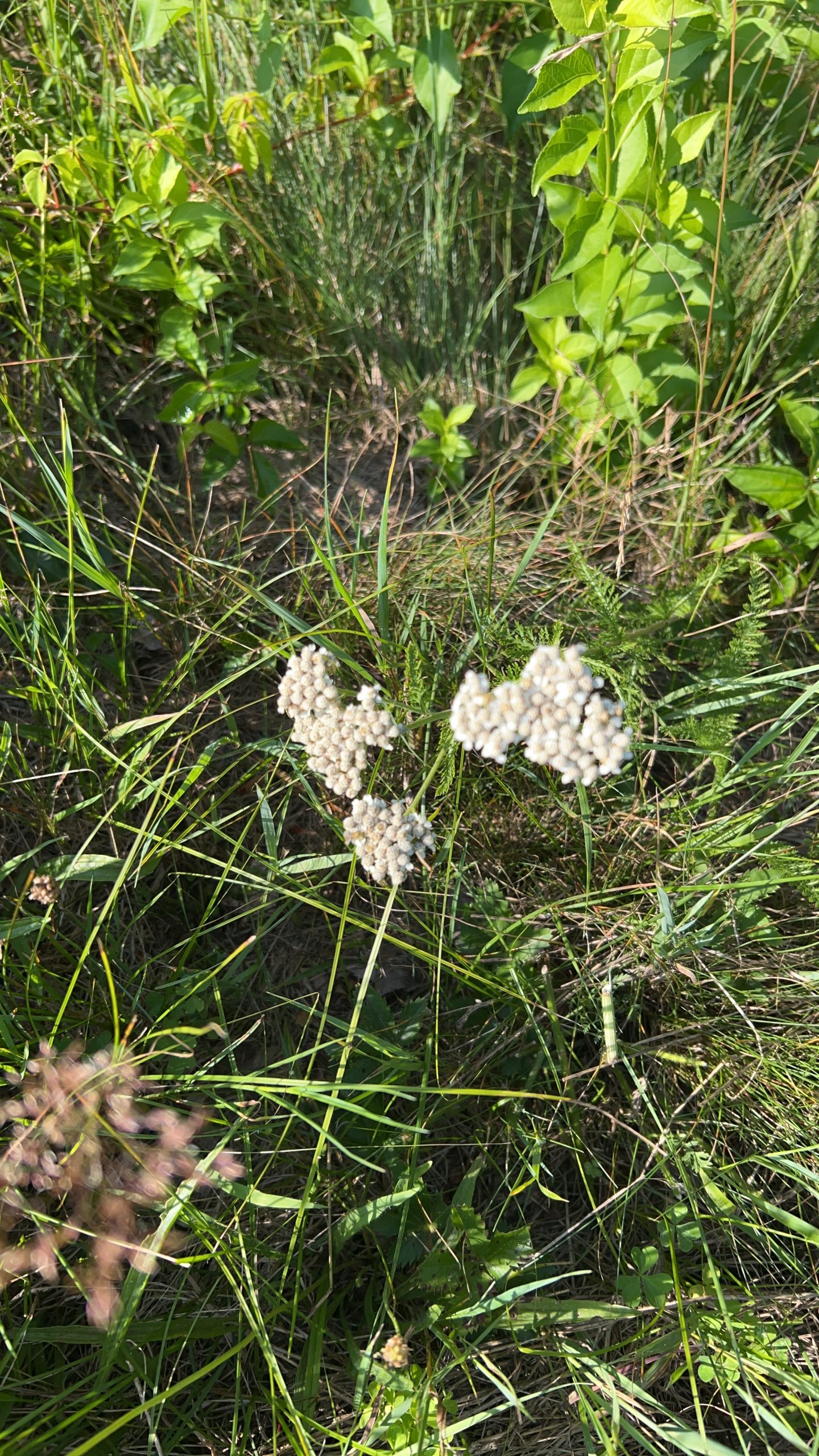
Plant life grows on, even if stunted by drought. Field flowers in bloom include Queens Anne’s lace (aka wild carrot), bouncing Bet (aka common soapwort,) red clover, yarrow, white clover, and daisy fleabane. Black-eyed Susan adds color to the scene. Joe-pye weed is starting to flower and will get much taller by September. Mullein, with its fuzzy leaves and small yellow flowers on a tall single spike, is unmistakable. Near streams, the spectacular cardinal flower is in flower and In damp areas, one can find jewelweed blooming, visited by hummingbirds who suck nectar from the tubular flowers. The same goes for trumpet vine, with its showy orange blossoms. Purple loosestrife, an invasive which used to carpet wet meadows, is still present, but has diminished significantly thanks to a successful bio-control method: early in the 2000s a beetle which only feeds on purple loosestrife was released into the wild. In shaded, moist and mature woods you may come across ghost pipes, a white waxy wildflower which lacks chlorophyll and therefore cannot photosynthesize. It gets carbohydrates and nutrients from mycorrhizal fungi growing around roots of trees. Behind the Codman house a shrubby mound covered with large white flowers caught my eye; it was bottlebrush buckeye, sometimes called “dwarf horse chestnut,” to which it is related. It is a native shrub, primarily found in the southeastern USA, but is also frost-hardy farther north. Other shrubs blooming now in damp areas are sweet pepper bush and buttonbush, with its distinctive spherical flowers..
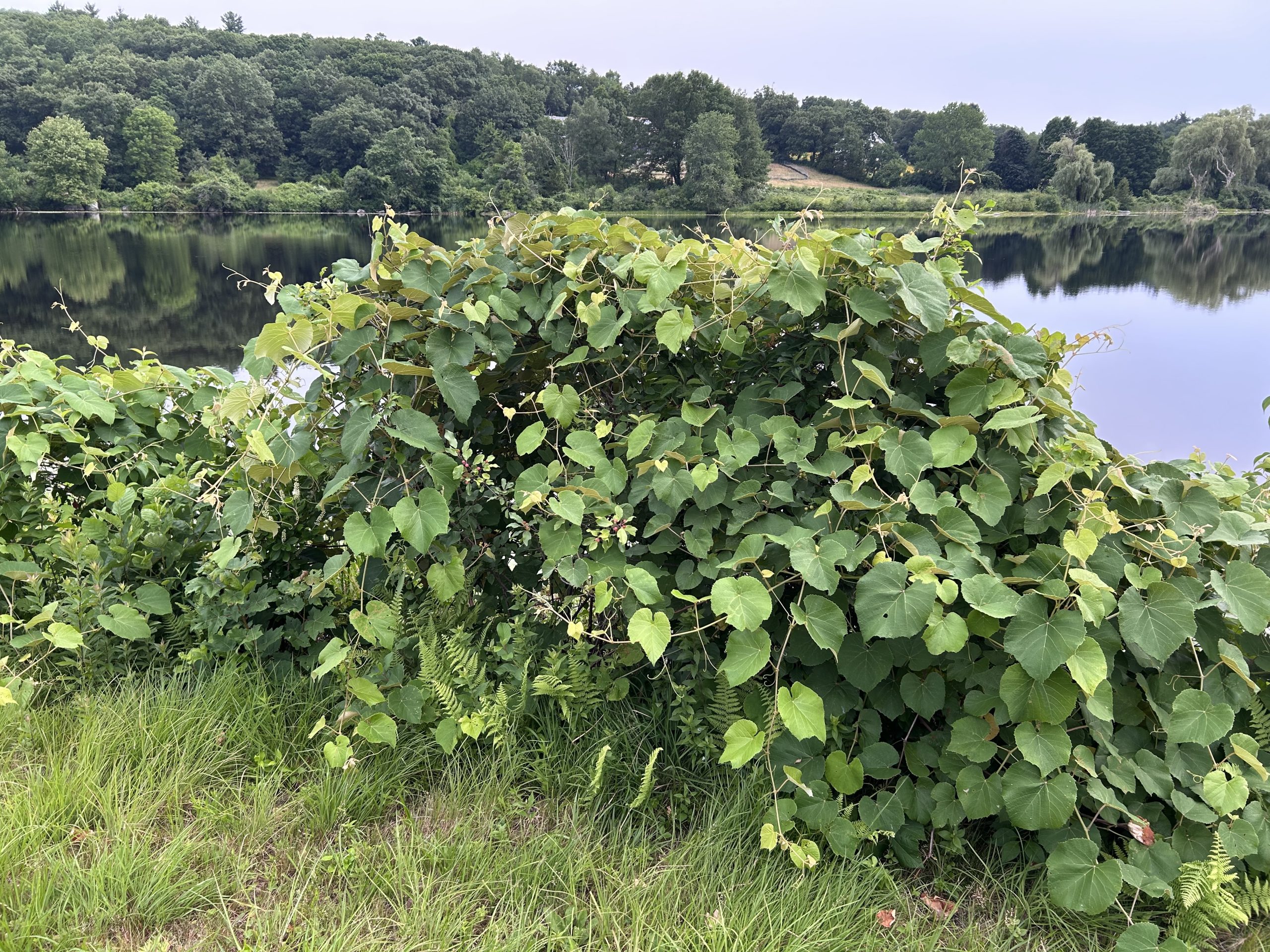
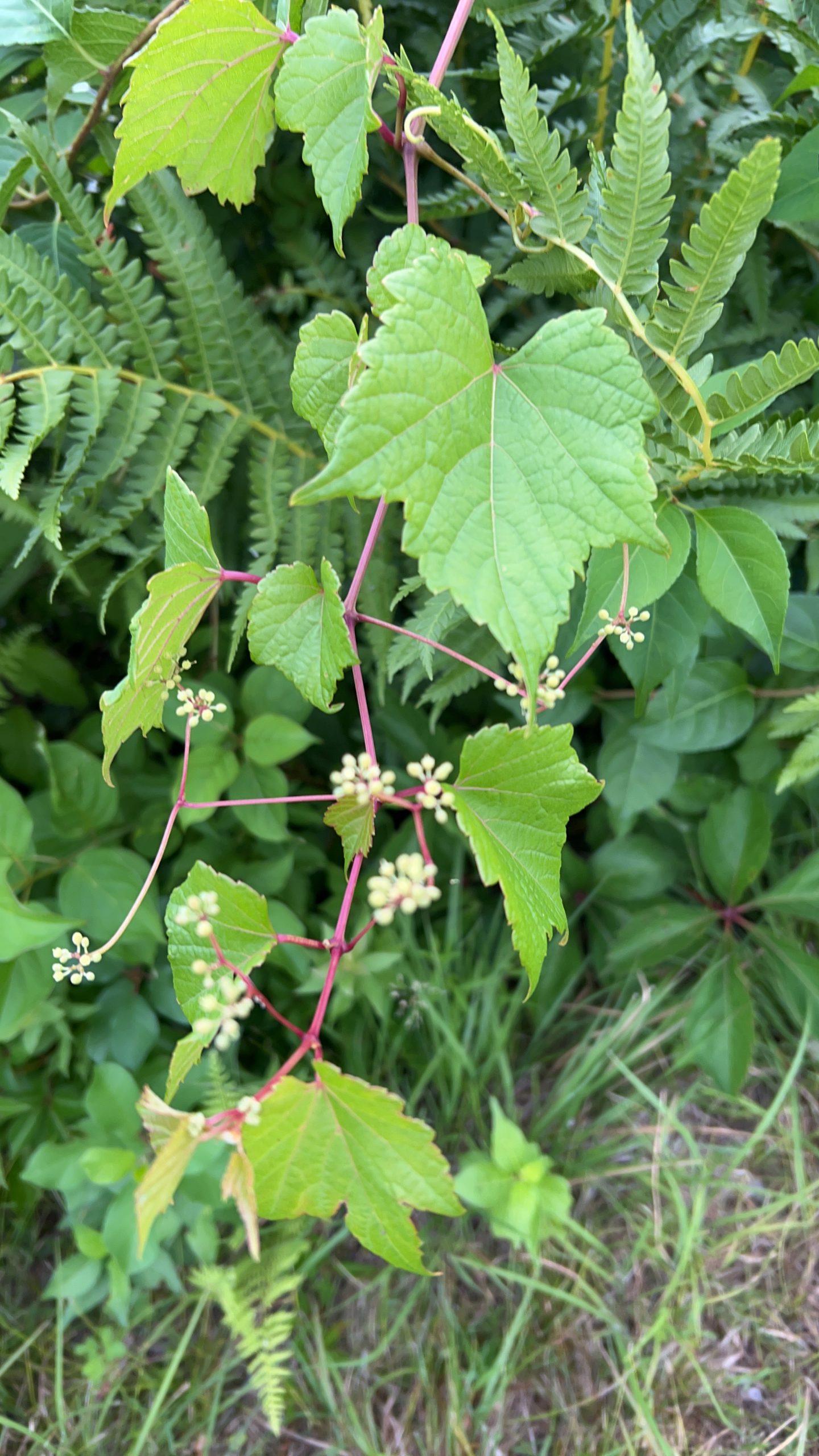
If you come across a vine which looks like a wild grape, look carefully; if it has tiny white clusters of berries at this time, it is porcelain-berry, a worrisome invasive, related to grapes. Its “strategy” is to grow very rapidly, twine and climb over nearby vegetation, smothering its neighbors. Read link below about what to do.
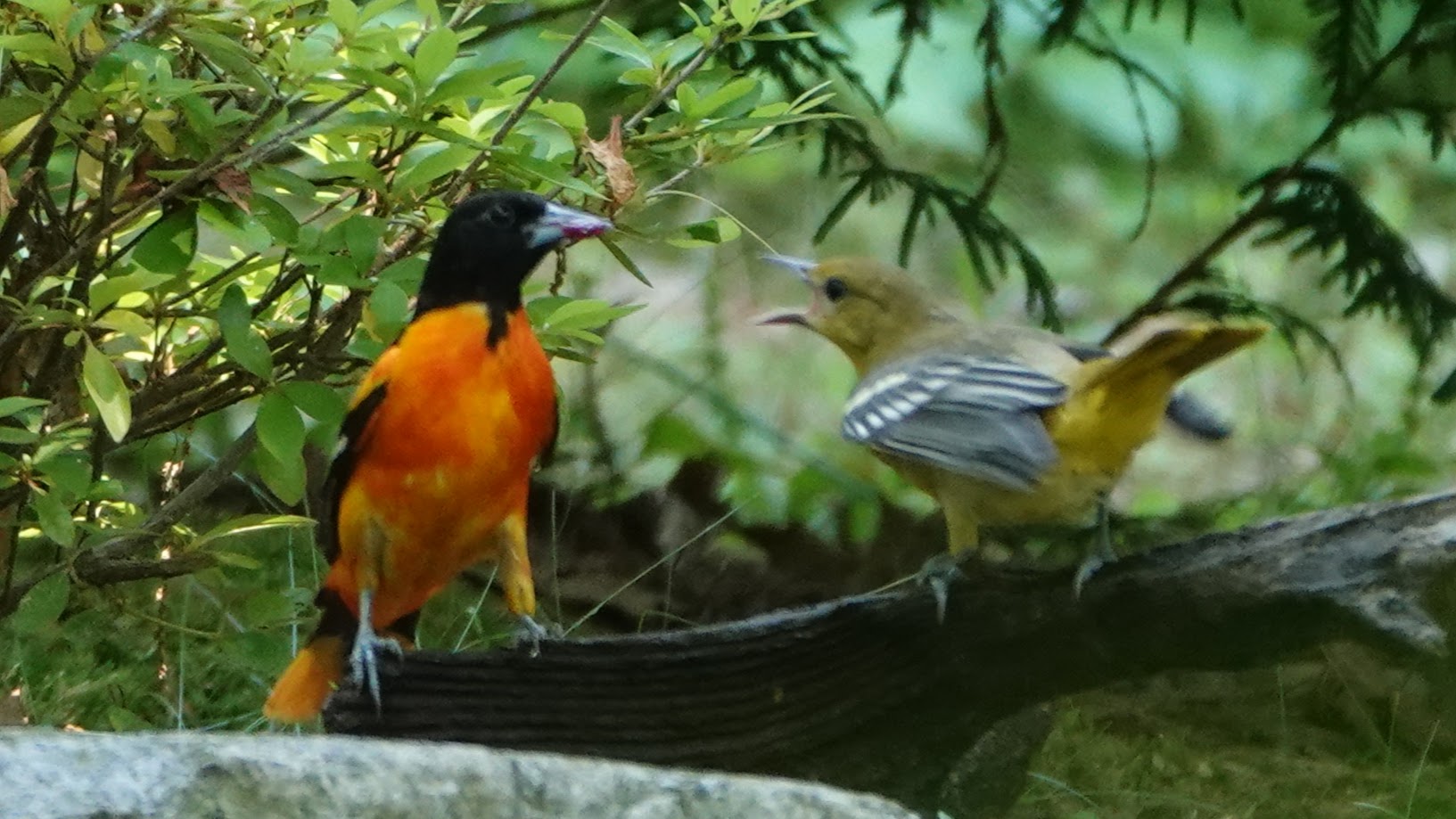
Bird song is diminishing, now that courtship and territorial protection are not primary activities. The house wren, however, seems to sing non-stop near my house, robins still start singing before dawn, and the plaintive call of the Eastern wood pewee can be heard in the woods. From the forest canopy you might hear the characteristic “chuck-burr” of the scarlet tanager or the “teacher, teacher, teacher” of the ovenbird. Norman Levey, walking a trail in Ricci Field, was delighted to come across a singing veery (a species of thrush), not often heard in Lincoln. The veery is an unusual singer; as author Nathan Pieplow explains on his “EARBIRDING” site, “the veery is a polyphonic singer; it sings simultaneously with both sides of its syrinx. The bird literally has two voices, one from each of its lungs, and it can control them separately. A single veery sings a duet — and when you slow the song down, you can hear the bird actually harmonize with itself.” Listen to Norman’s recording in the link, which also includes begging calls of Baltimore oriole fledglings and an ovenbird singing in the background.
Some of our local birds, such as “my” bluebirds are starting on third broods. Others are busy raising young and still others are sensing it’s time to think about migrating. Carol. Roede captured a video of young mourning doves pestering a parent for “crop milk”. Both parents produce this nutrient-rich substance in their mouths and allow the young to put their beaks directly in the parent’s mouth to drink it. As the chicks grow, the parents add softened seeds to the mix.
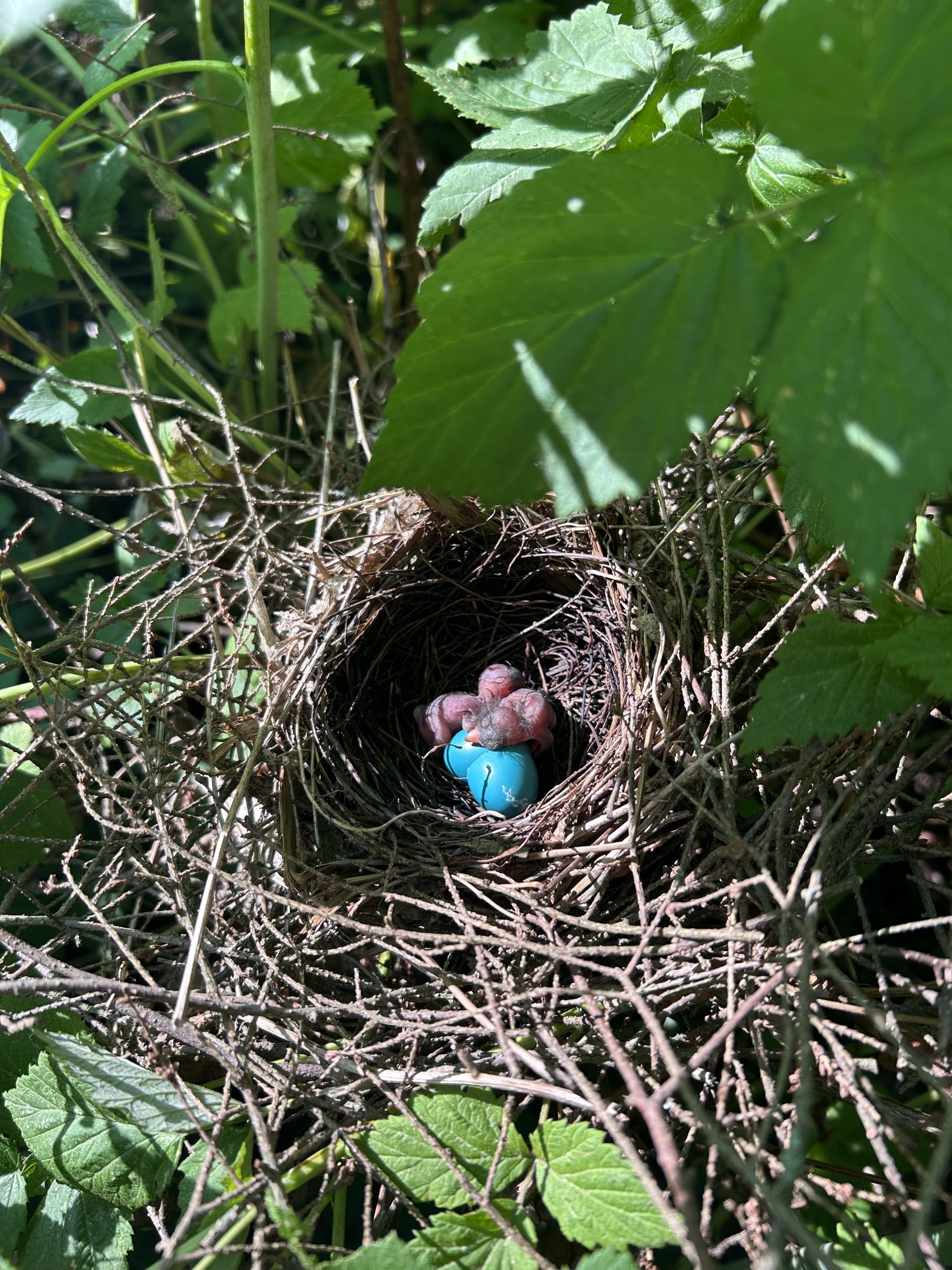
I was excited and worried to discover a catbird nest with two eggs and brand new babies in my raspberry patch, about four feet off the ground. It was clearly visible from above, easy for a potential predator such as a crow or blue jay to spot. The babies lasted two days before they disappeared. I marvel at how a first-time pair of avian parents knows how to construct a nest, where to put it, and what materials to use. No nest-building classes exist- it’s instinctual. I wonder of the adults get better at it and learn from experience after the first year.
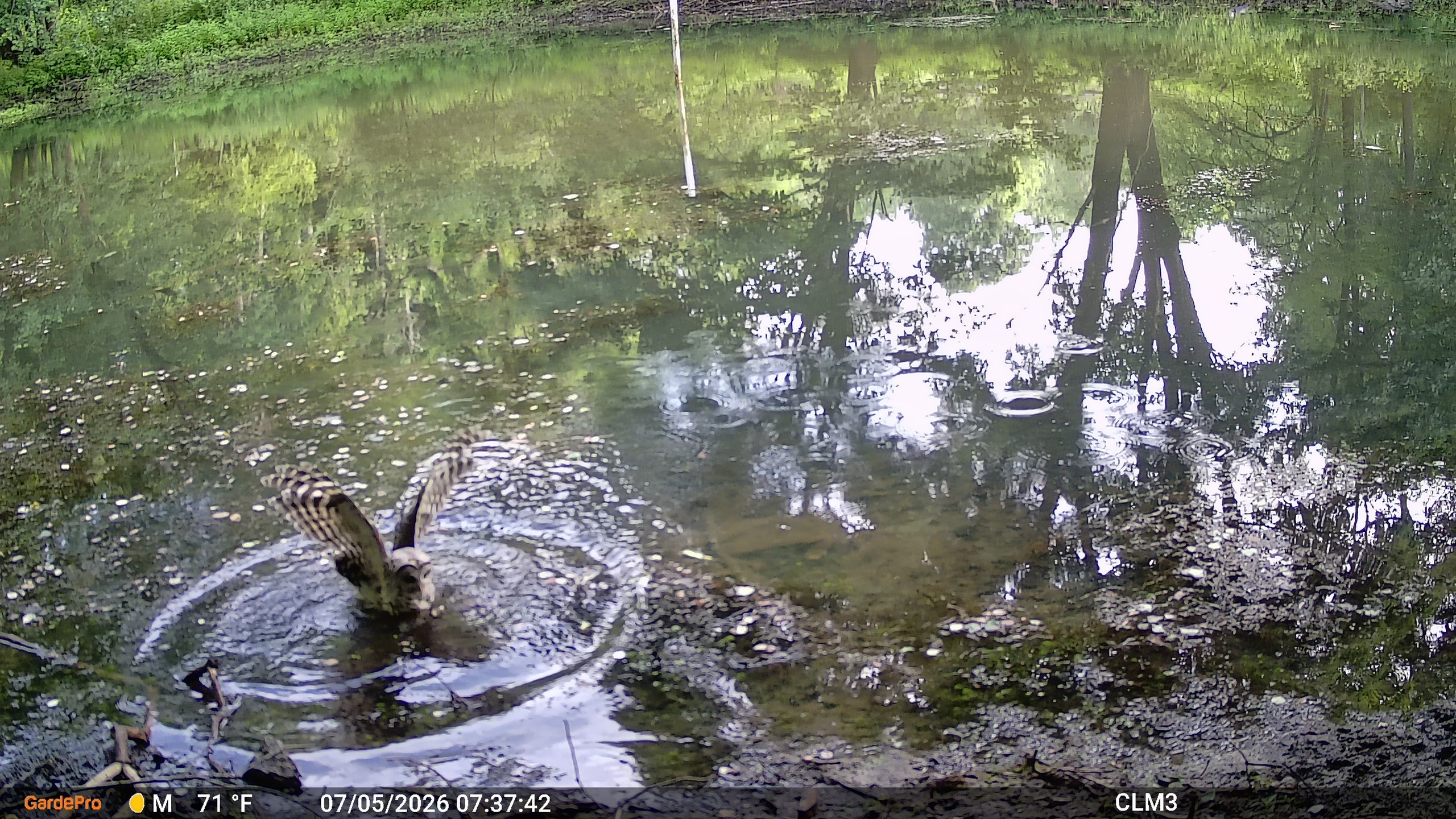
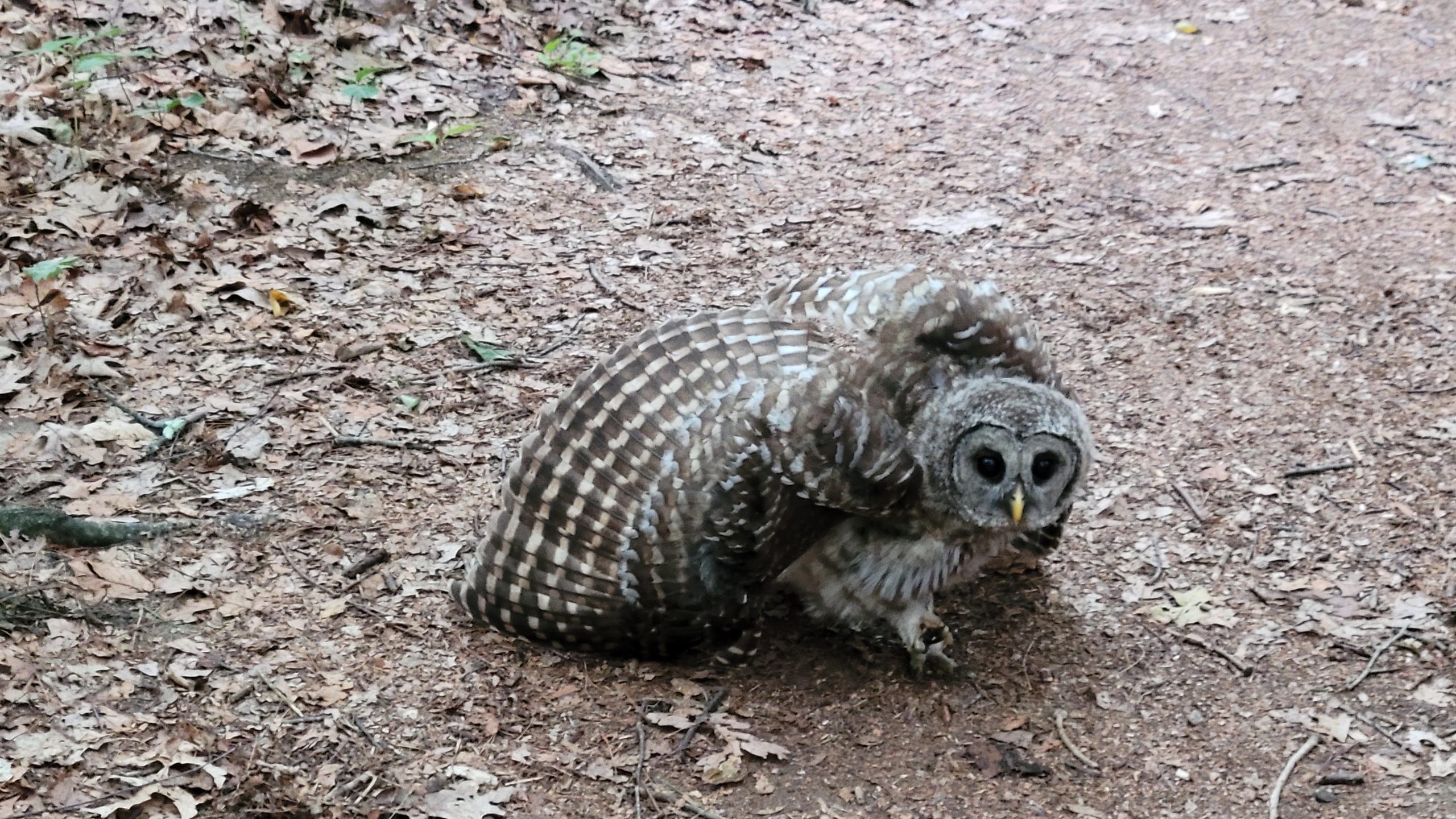
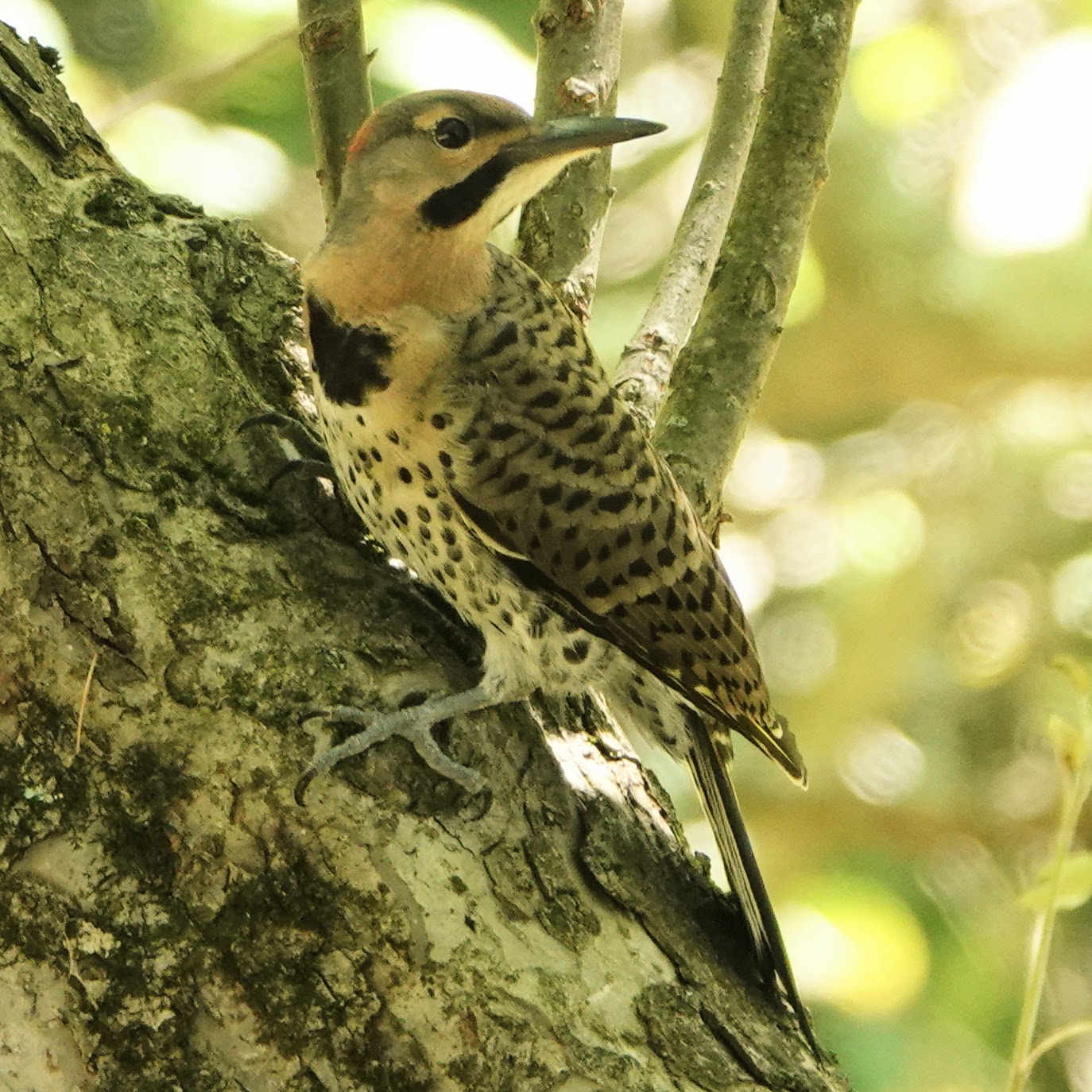
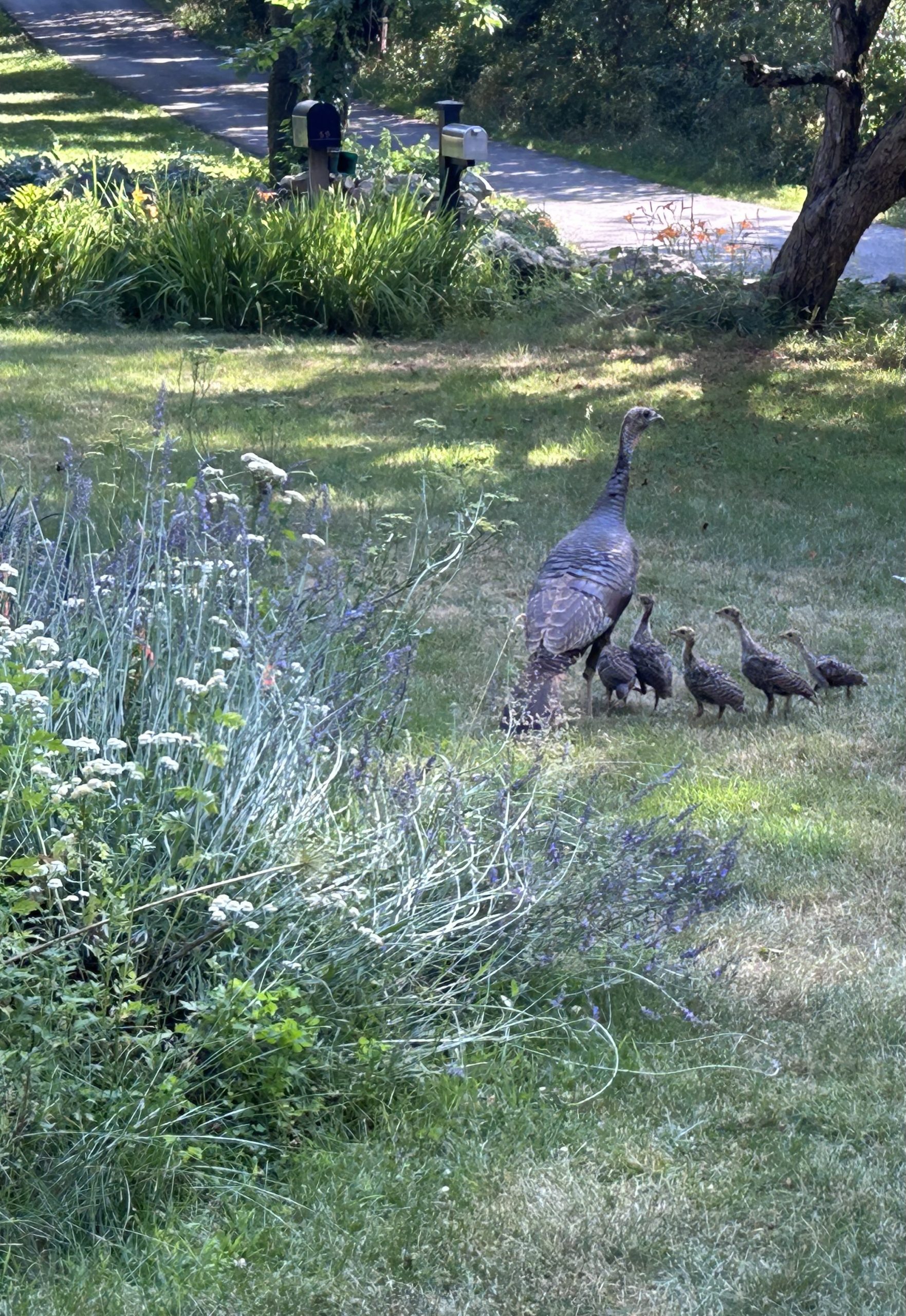
Other avian reports of note include sightings of a brown thrasher, red-breasted nuthatch, many young barn swallows, chimney swifts, indigo buntings, a common raven and a greater number of killdeer (13- perhaps gathering before migrating), at Drumlin Farm. Warblers which nest here, such as pine, common yellowthroat, and yellow, can be heard in many parts of town. Will Leona wrote, “I am happy to say that the eagles on Fairhaven Bay have successfully bred again. Yesterday, we saw at least one adult and a juvenile chatting up a storm”. On Farrar Pond osprey are seen regularly, and a pair of adult mute swans is escorting a single cygnet- many fewer swans than in some recent years. One observer discovered that red-bellied woodpeckers love the oranges she puts out for the Baltimore orioles, and I have several downy woodpeckers who must have a “sweet tooth” (although they don’t have teeth…) because they come frequently to sip from my hummingbird feeder. Another woodpecker a Northern flicker, likes collecting ants from patches of bare soil in the lawn. Hen wild turkeys are keeping the young (poults) with them all summer as the poults learn to forage. Sometimes two families live together; the dads are off on their own. During the drought it is important to provide water for wildlife. I have never seen a photo of an owl bathing until Chris Leigh-Manuell snapped one of a barred owl enjoying a bath in a puddle at Drumlin Farm.
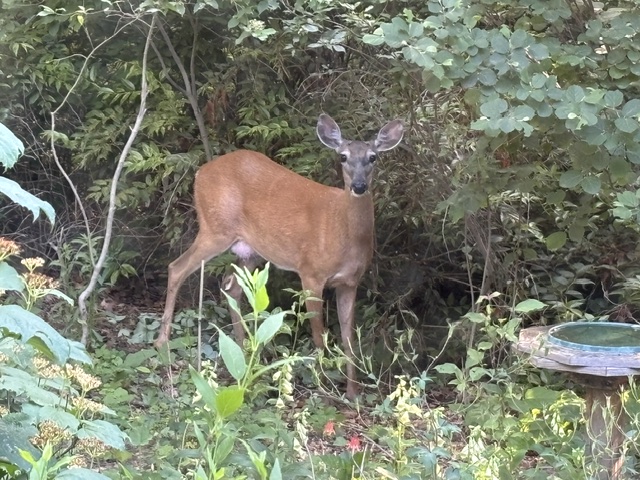
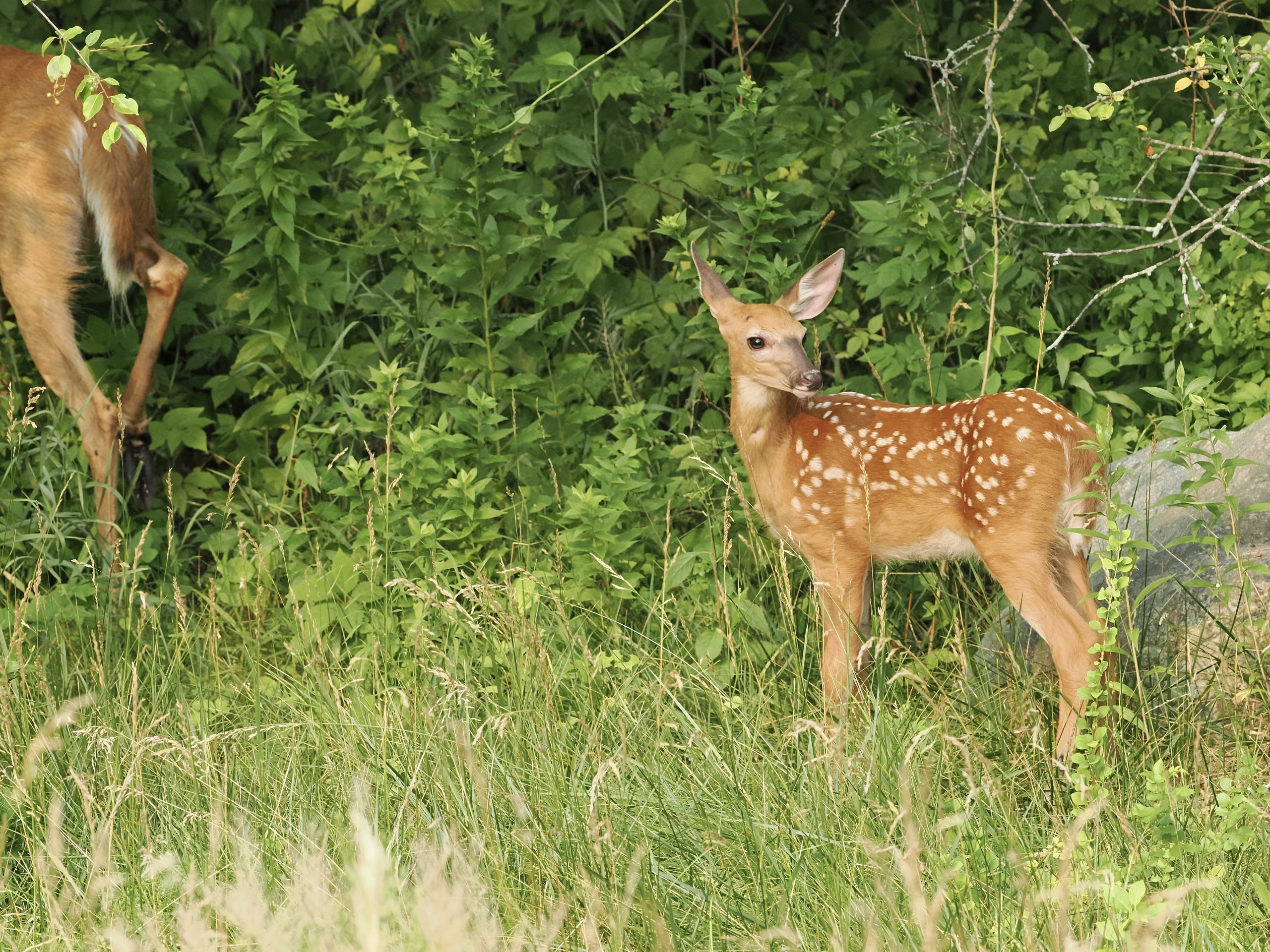
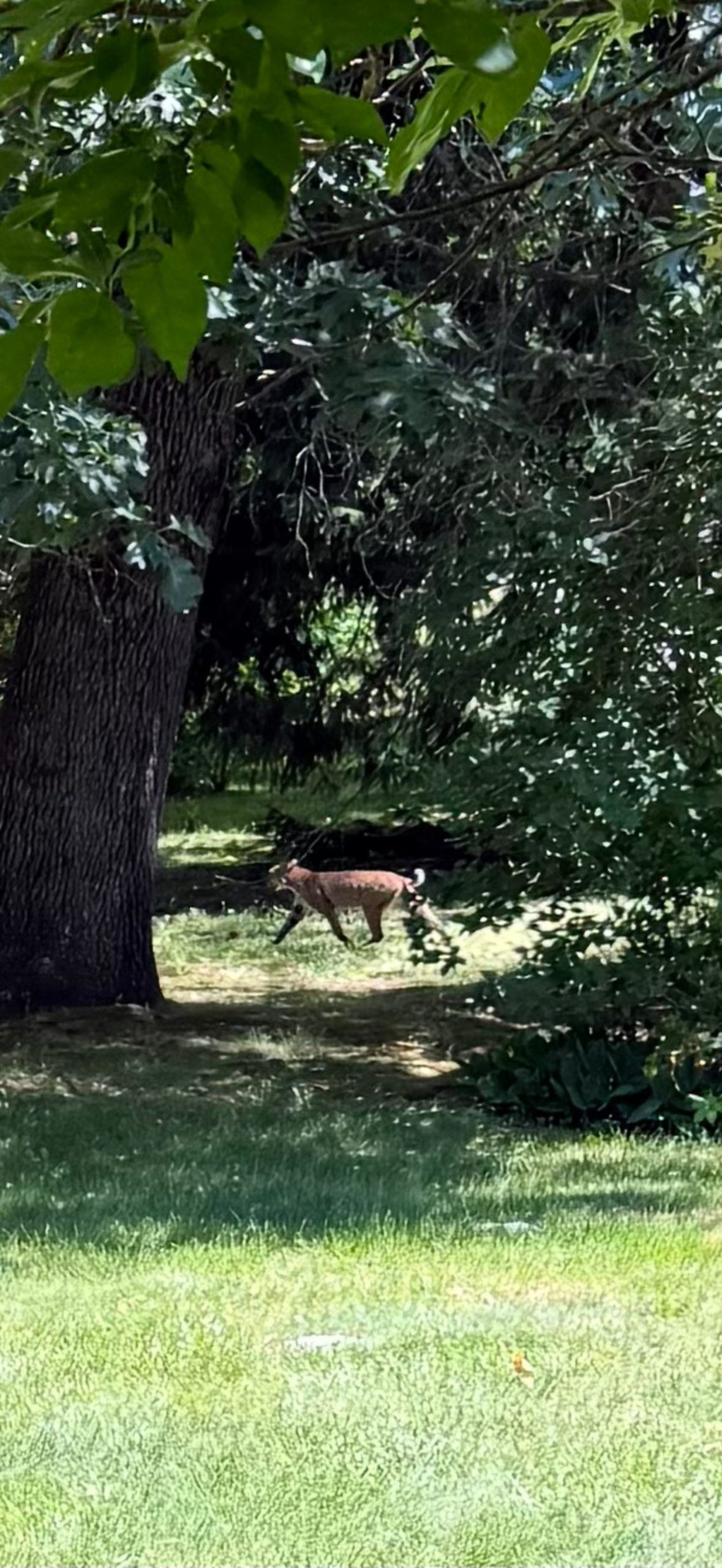
Observers have reported seeing many mammals. Readers sent photos of bobcats, this time from north Lincoln, in the Battle Farm Road area. Since I have not seen a striped skunk for a long time, I was delighted that my neighbors reported seeing young skunks. Anecdotally, it seems that rabbits are more common this summer than in the past. Carol Roede’s trail cam near Valley Brook, which flows under Conant Rd. to Valley Pond, picked up weasel, opossum, bobcat, otter, coyote, and flying squirrel. I hear coyotes yipping and howling quite often in the evening from a field across the road, and woodchucks are daily visitors to my lawn and garden. Chipmunks dash back and forth, disappearing down the holes they have made to underground burrows. It is impressive that a few of their holes are dug through the hard-packed gravel driveway; how do they do that?
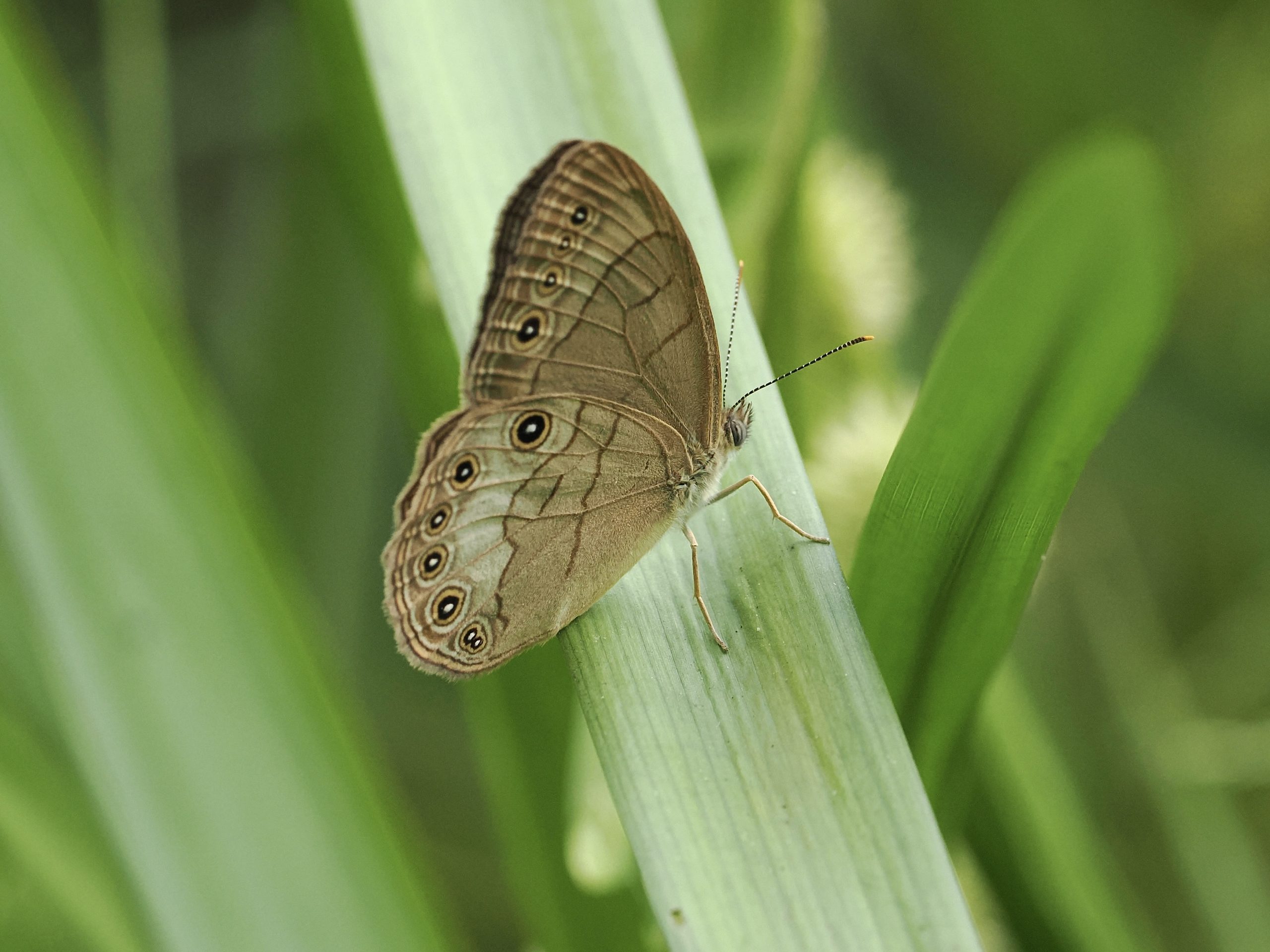
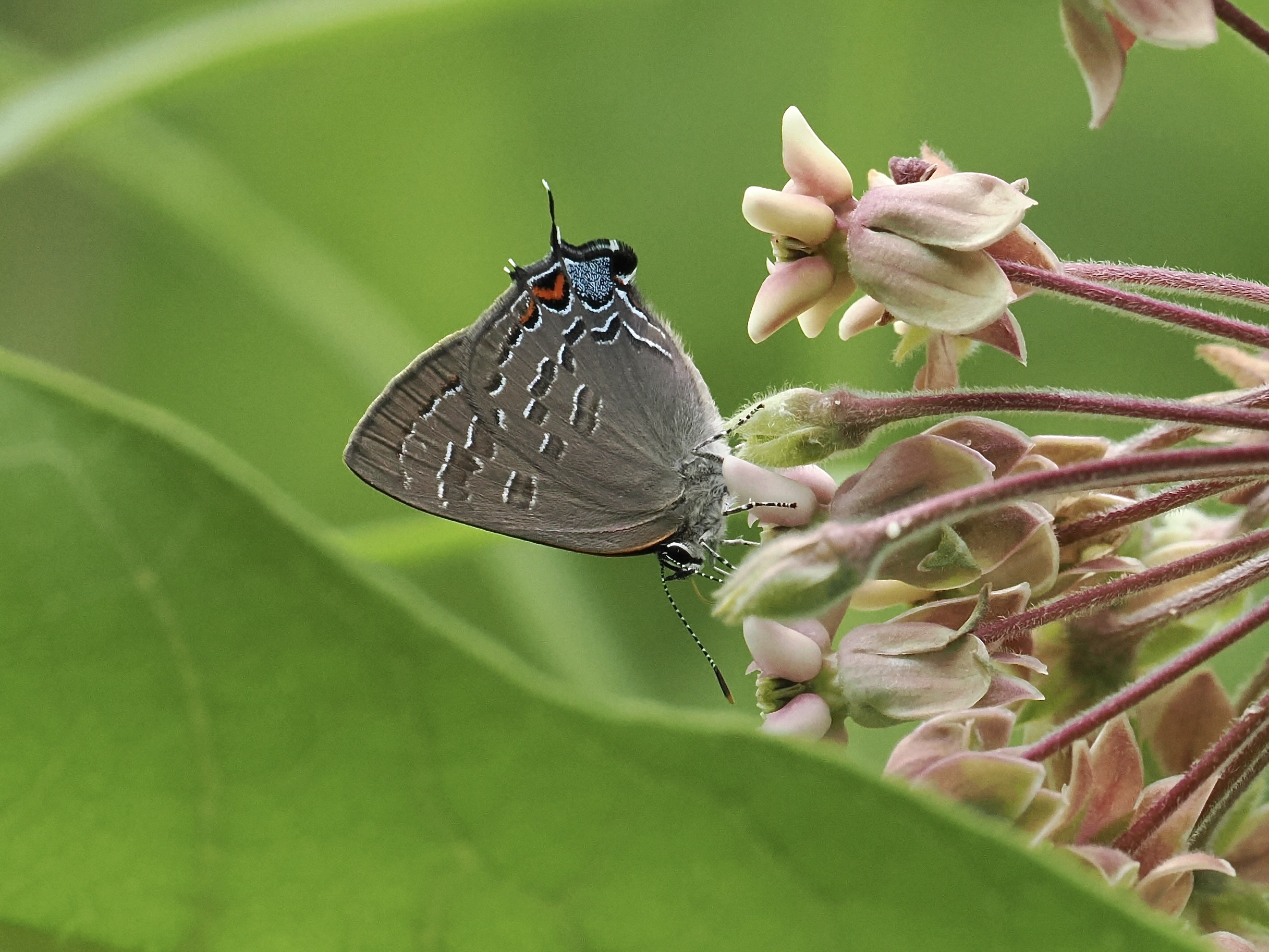
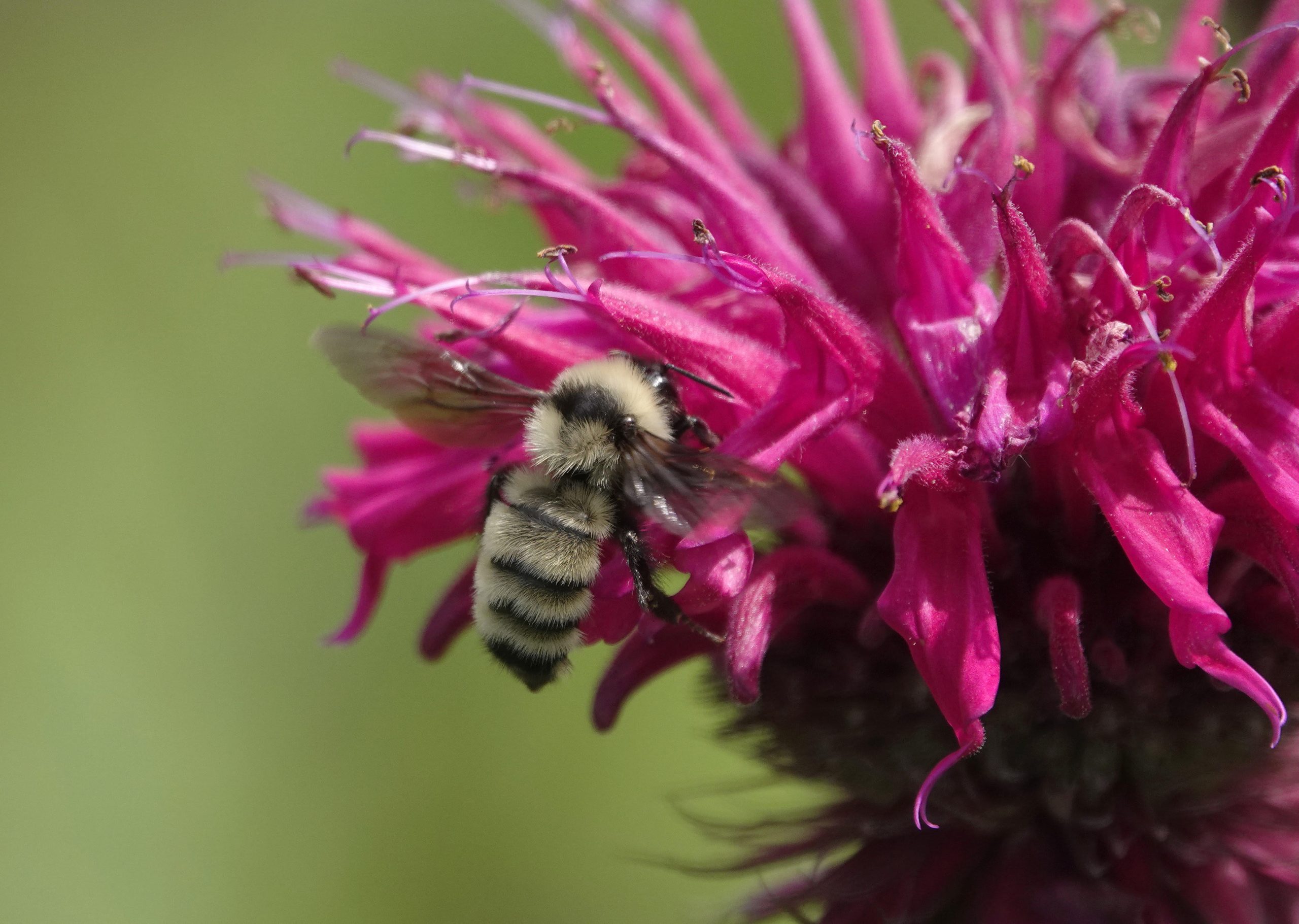
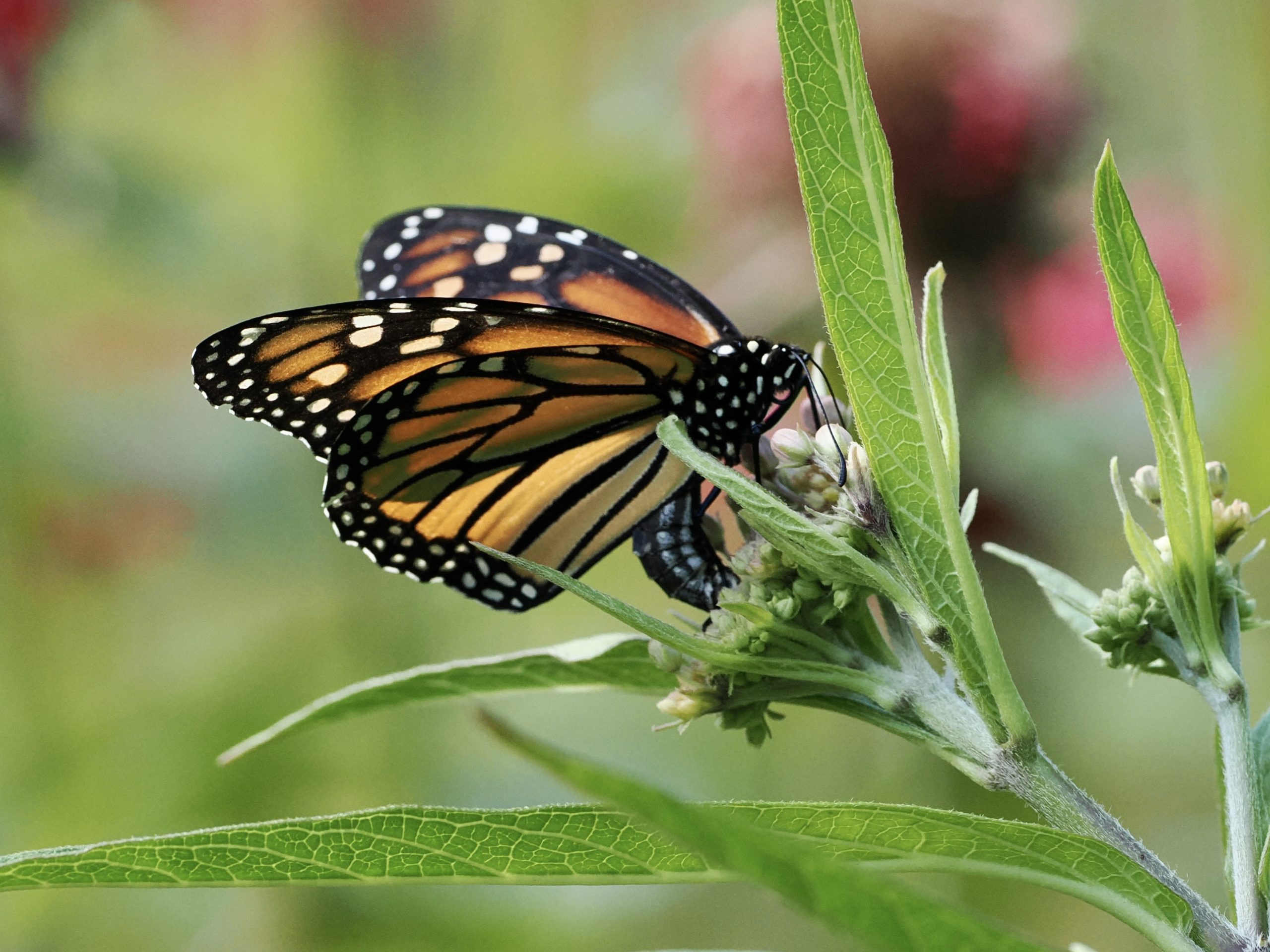
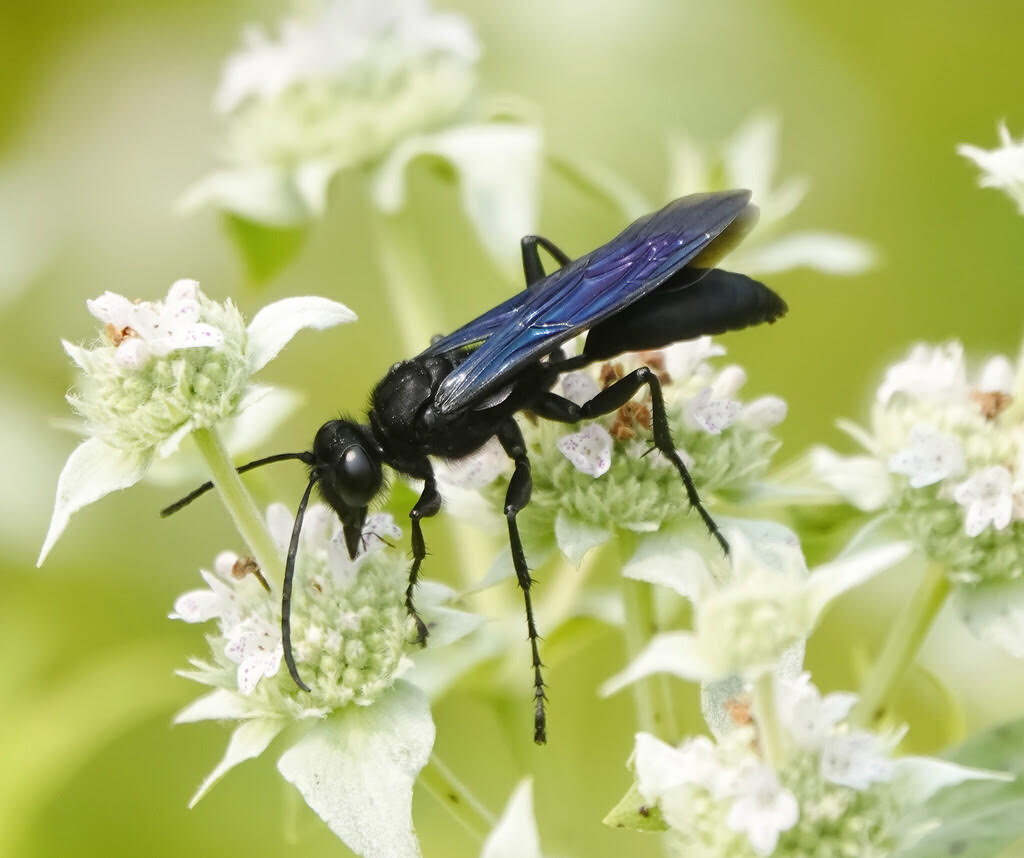
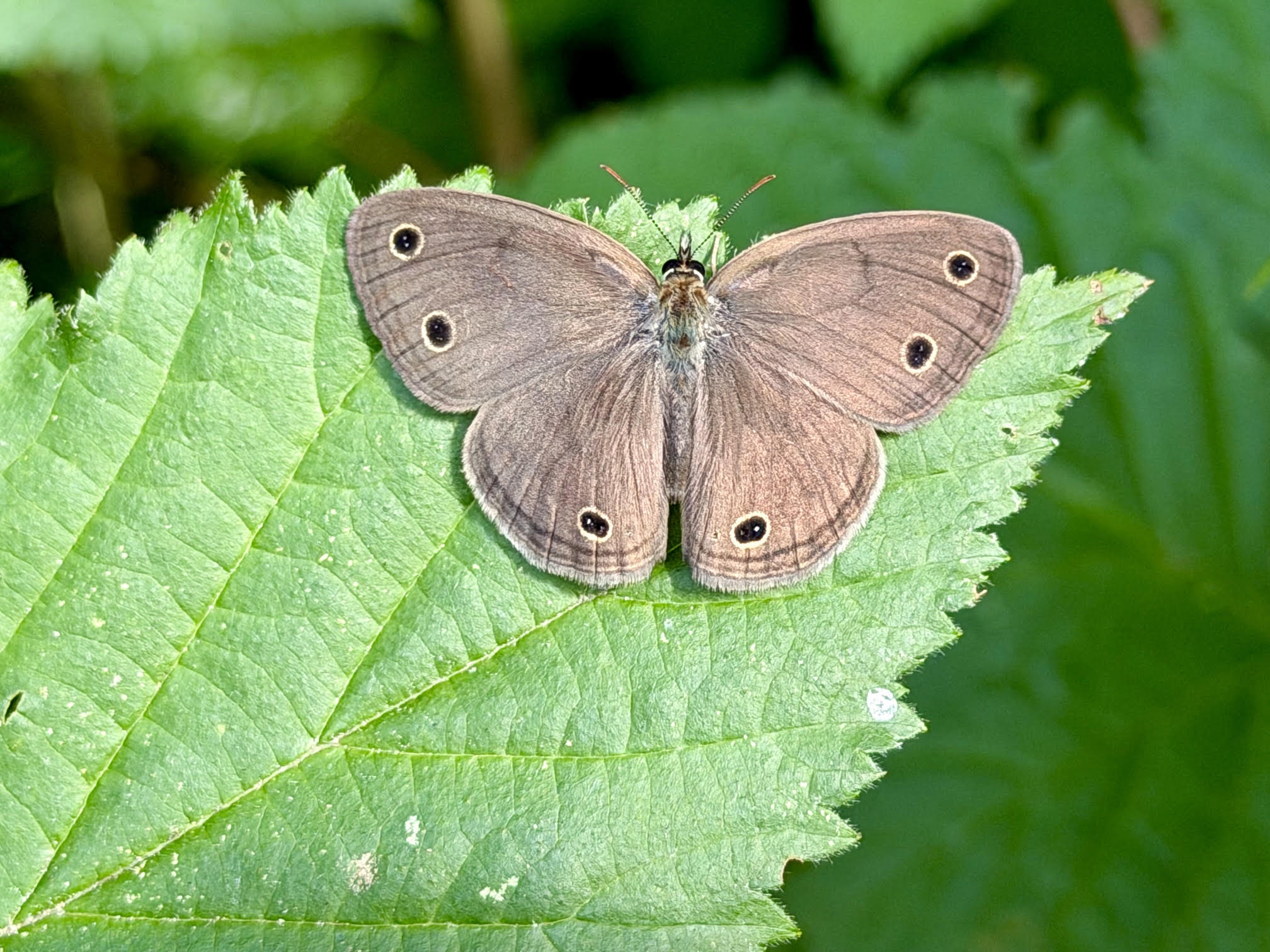
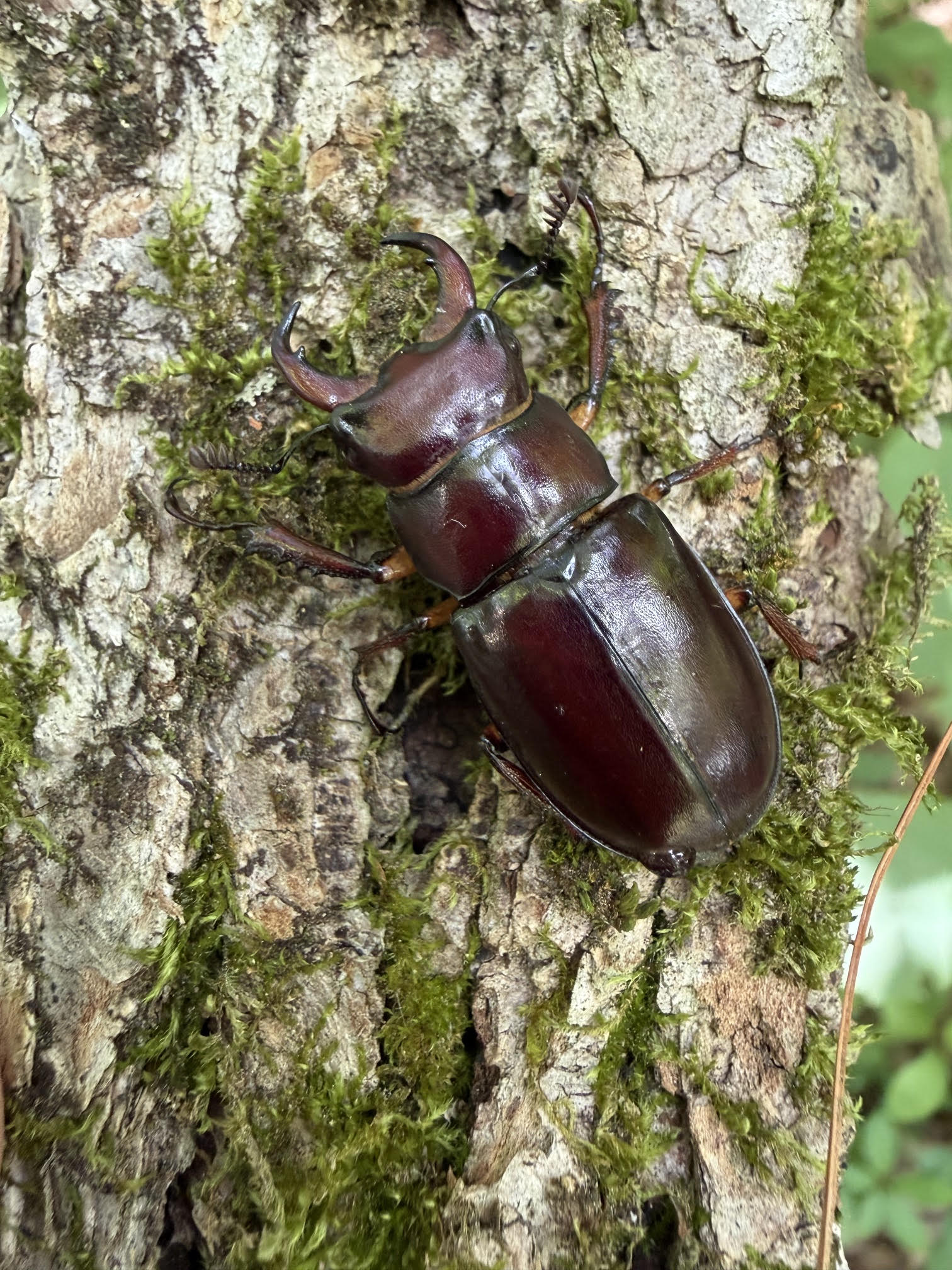
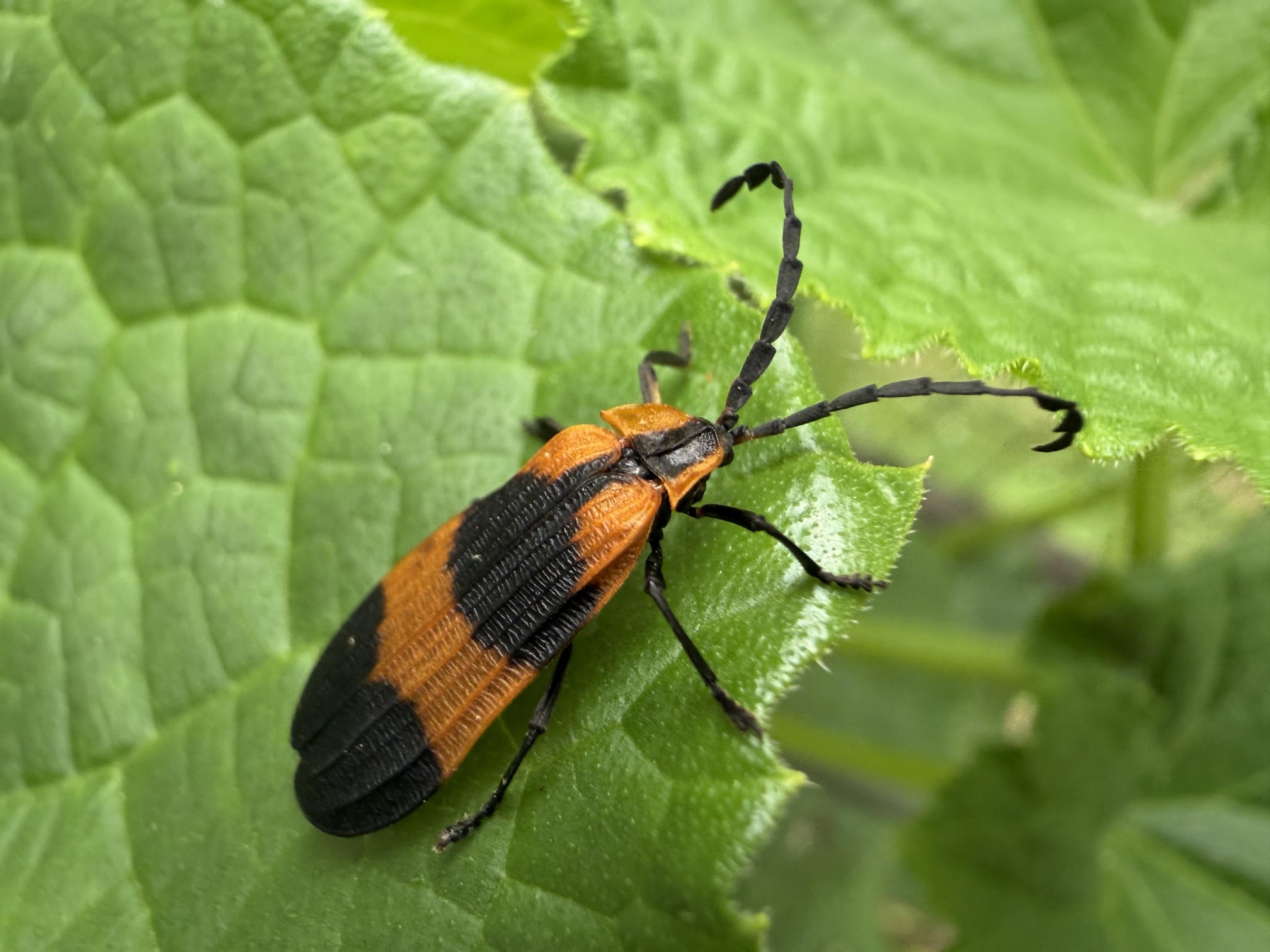
We can now hear cicadas, which have started making their buzzy sounds, using a pair of specialized organs on their abdomens called tymbals. Lincoln has two new designated firefly sanctuaries, thanks to collaboration by our Conservation Department and the LLCT. One is in Dakin Meadow and one is in Smith-Andover Field and in each area mowing will be minimal, providing necessary habitat. Many butterflies and moths are noticeable, and several monarchs have been reported, nectaring on milkweed or laying eggs. As naturalist Mary Holland explains in her blog, “Adult female monarchs lay between 300 and 500 eggs, each considerably smaller (height: 1.2mm; width: 0.9mm) than a grain of rice. The majority of eggs are laid singly, often on the underside of the youngest leaves at the top of a young milkweed plant. As females lay their eggs, they secrete a small amount of glue that attaches the eggs directly to the leaf.” Marcia Gnagey found a couple of interesting beetles. One, a reddish-brown stag beetle, was floating upside down in a water bucket. Marcia rescued it and when it dried off she put it at the base of an oak tree, where it would hopefully find tree sap, on which it feeds. They are often drawn to porch lights on summer nights. Marcia also found a reticulated net-winged beetle, which has orange and black coloration, a classic combination which warns predators that the beetle will taste foul and be toxic. The beetle is harmless to people and garden plants. In the world of bees, Norman Levey was very pleased to find two Bombus fervidus, golden northern bumble bees, which are not common. Norman writes, “This bee marks the return of fervidus to the People for Pollinators native plant meadow behind Smith School after an absence of three years. This species is our most threatened bumble bee”.
Looking skyward, quoting space.com, “Sometimes weeks go by without anything notable happening in the sky. Then along comes something spectacular, like a total solar eclipse, the peak of a major meteor shower or a bright planet reaching a landmark moment in the evening sky. On Wednesday, Aug. 12, 2026, all three occur almost simultaneously. As a bonus, if you are under a dark sky for the Perseids, the Milky Way’s bright central regions will stretch across the southern sky by around midnight.” Maybe some readers will be lucky travelers to Spain or Iceland to see the total solar eclipse. Closer to home, we can look forward to watching the annual meteor shower, the Perseids. See links for details
I hope readers will relish the sights, sounds, and scents of August; my column will return in September!
Links:
To read more about porcelain-berry
To hear Norman Levey’s Recording of a veery, with Baltimore orioles and ovenbird in the background
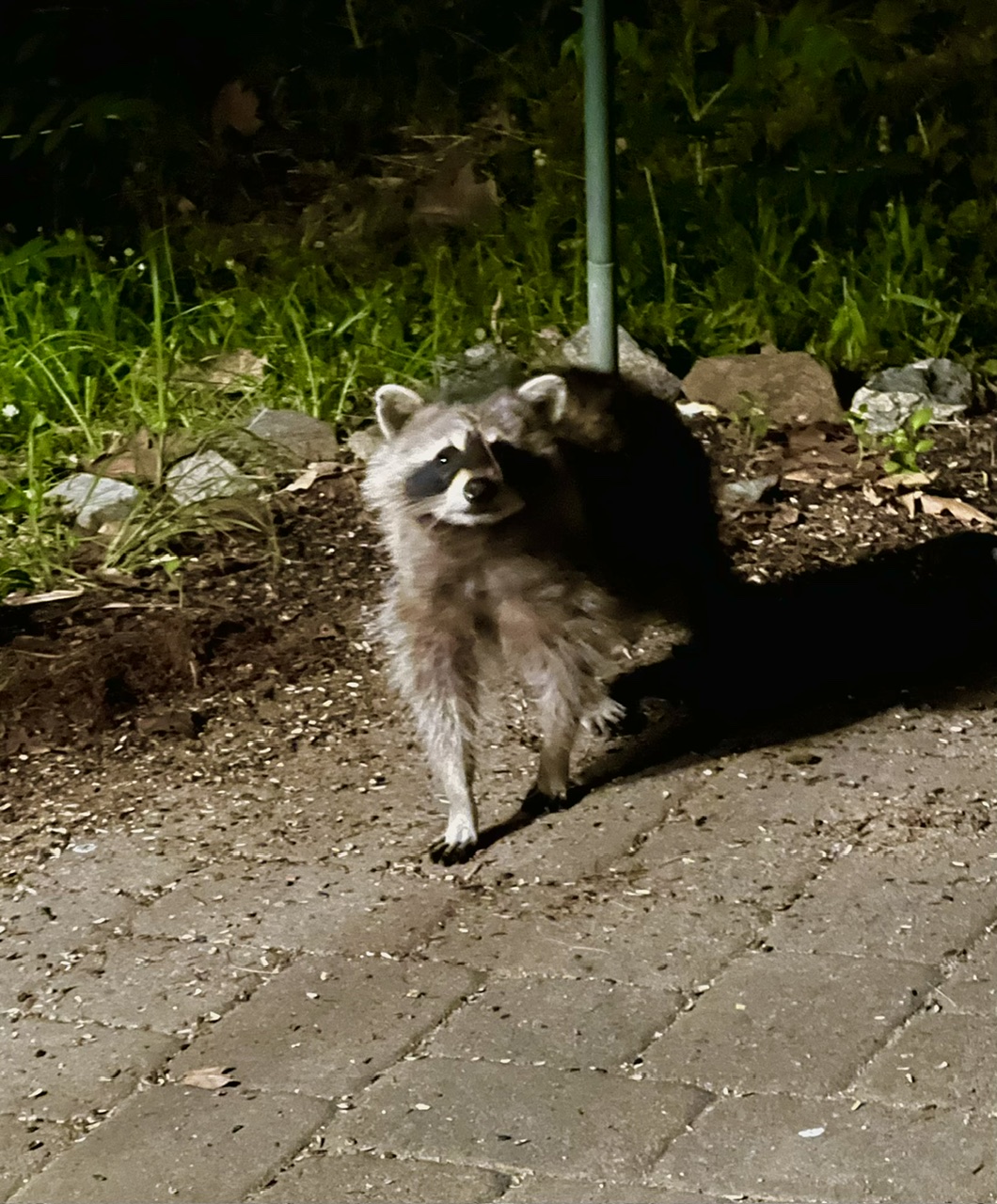
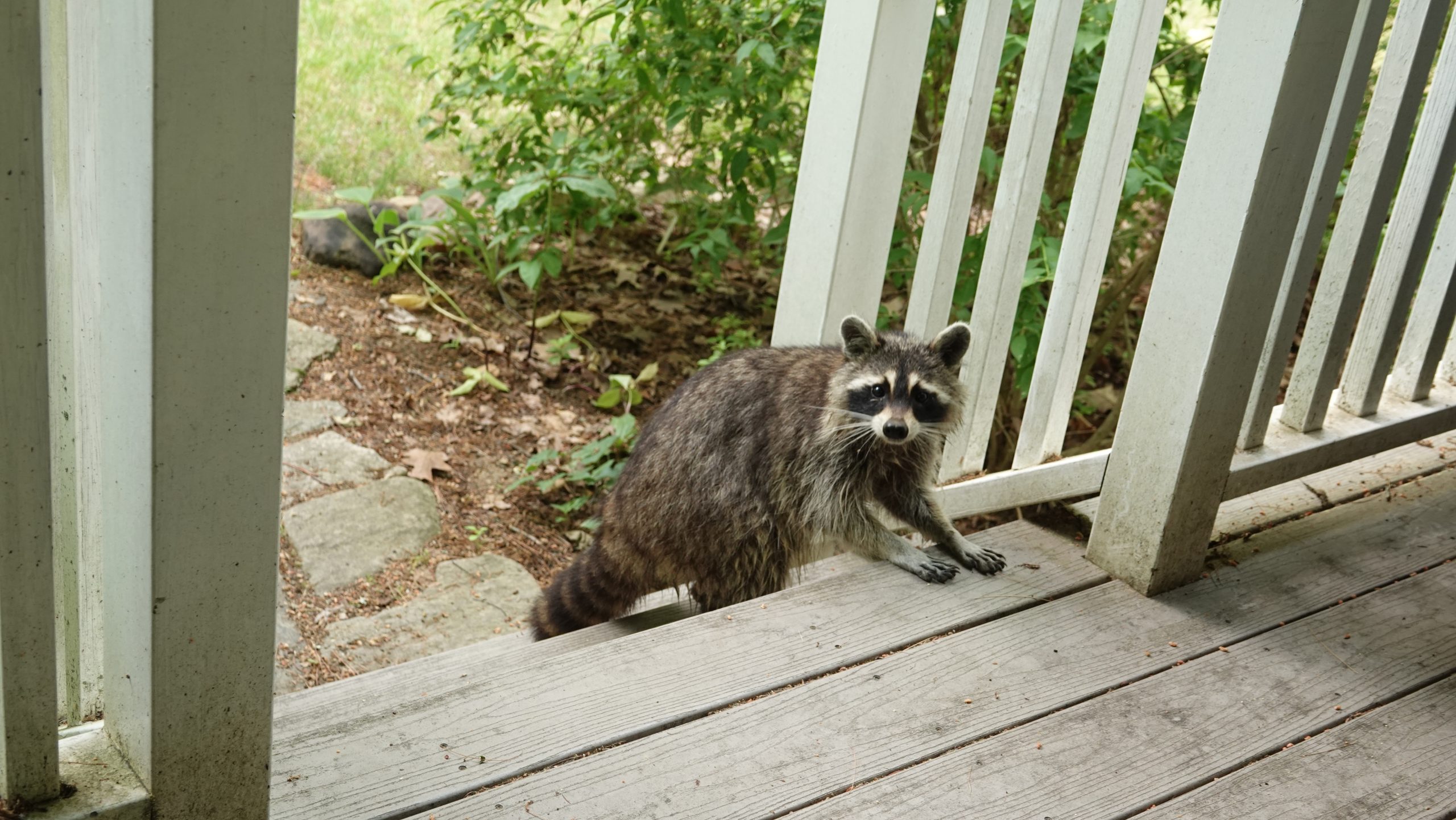
Carol Roede’s video of raccoon with kits
Carol Roede’s video of young mourning doves with mother trying to get crop milk
To read more about how cicadas make their sound
To read Mary Holland’s blog about monarch butterfly eggs
To read about astronomical events on August 12
When, where and how to watch the Perseid meteor showers