Written by Gwyn Loud for the Lincoln Land Conservation Trust. She welcomes your sightings and questions at 781-259-8690 or gwynloud555@gmail.com
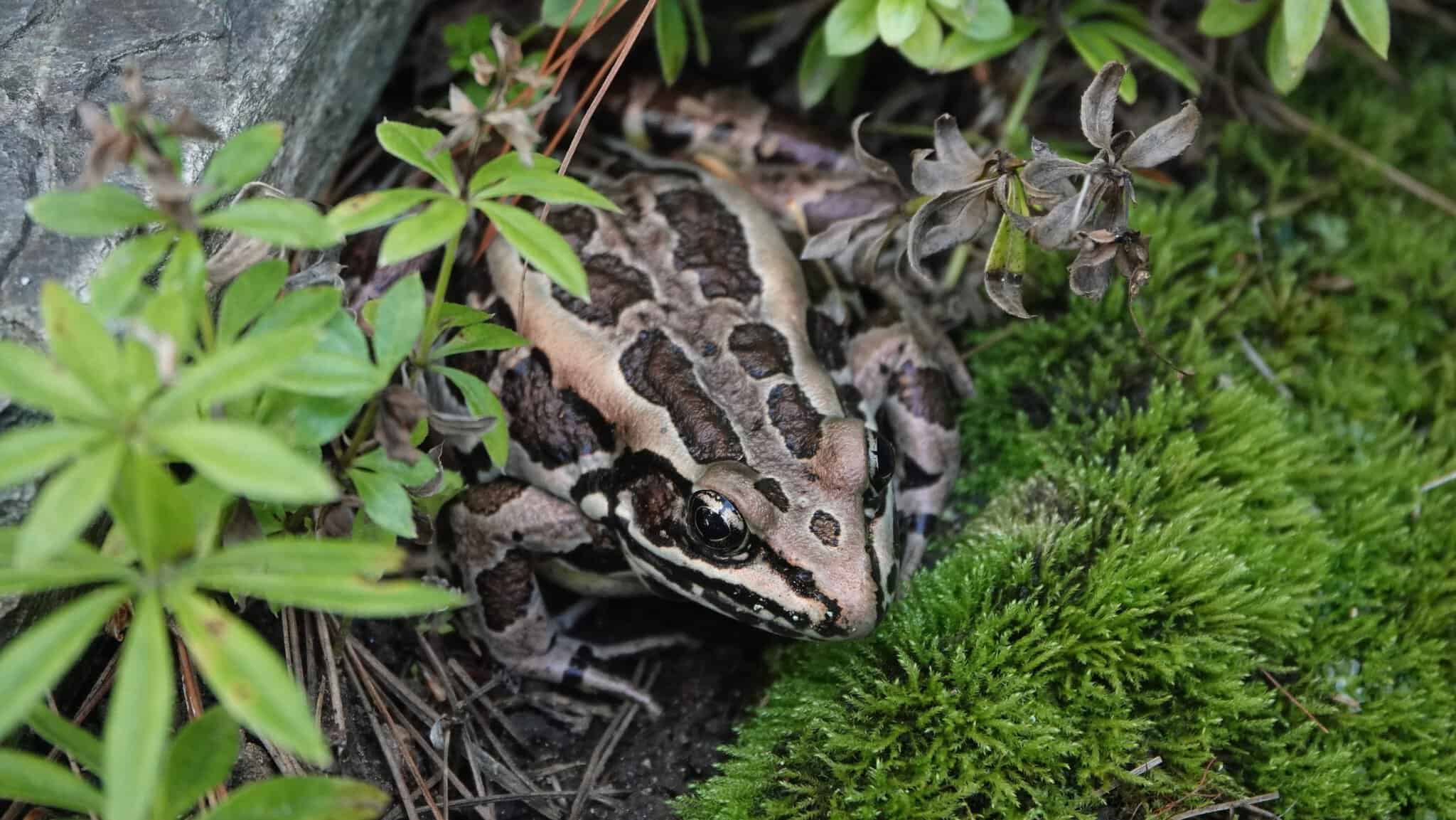
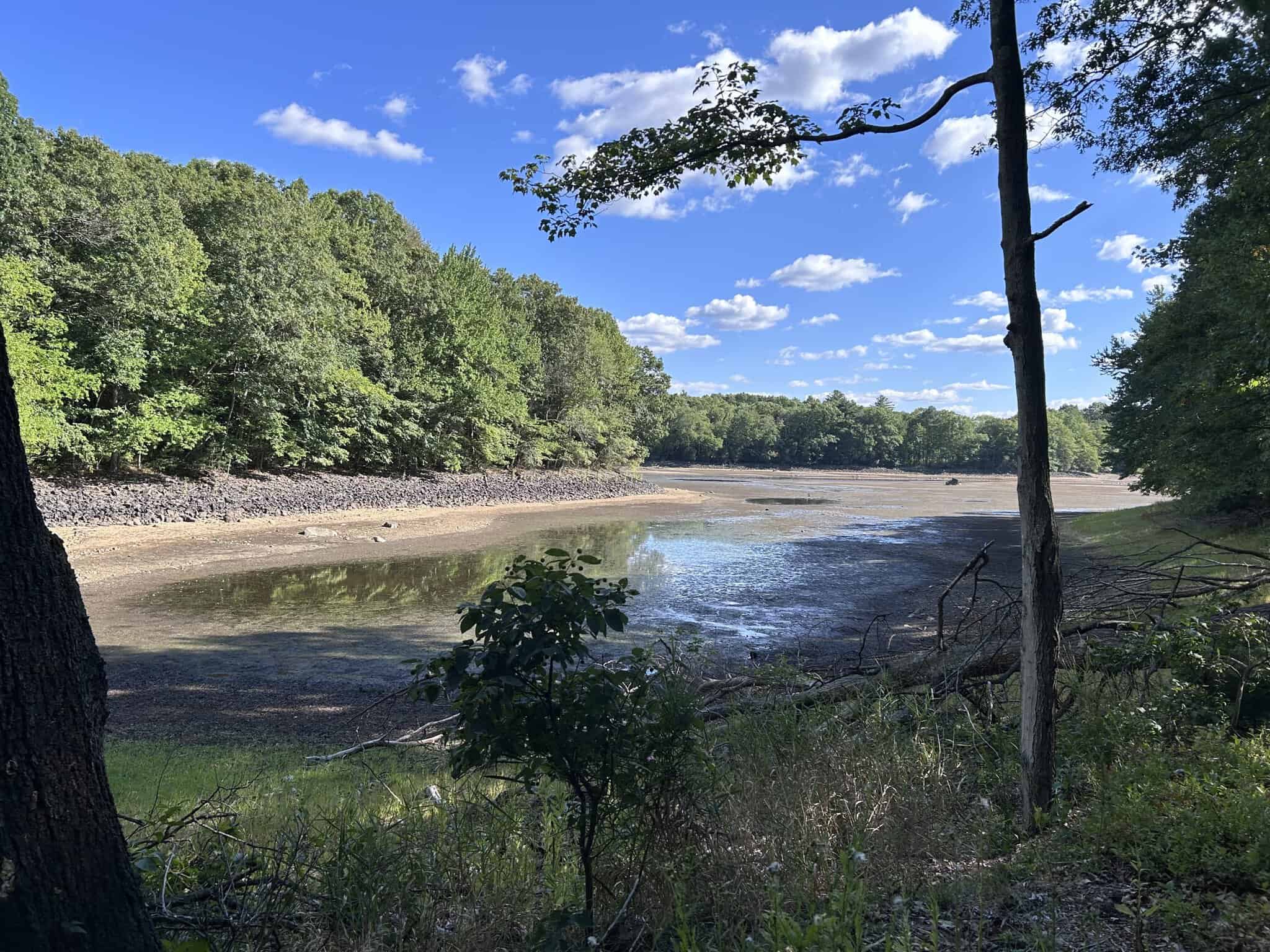
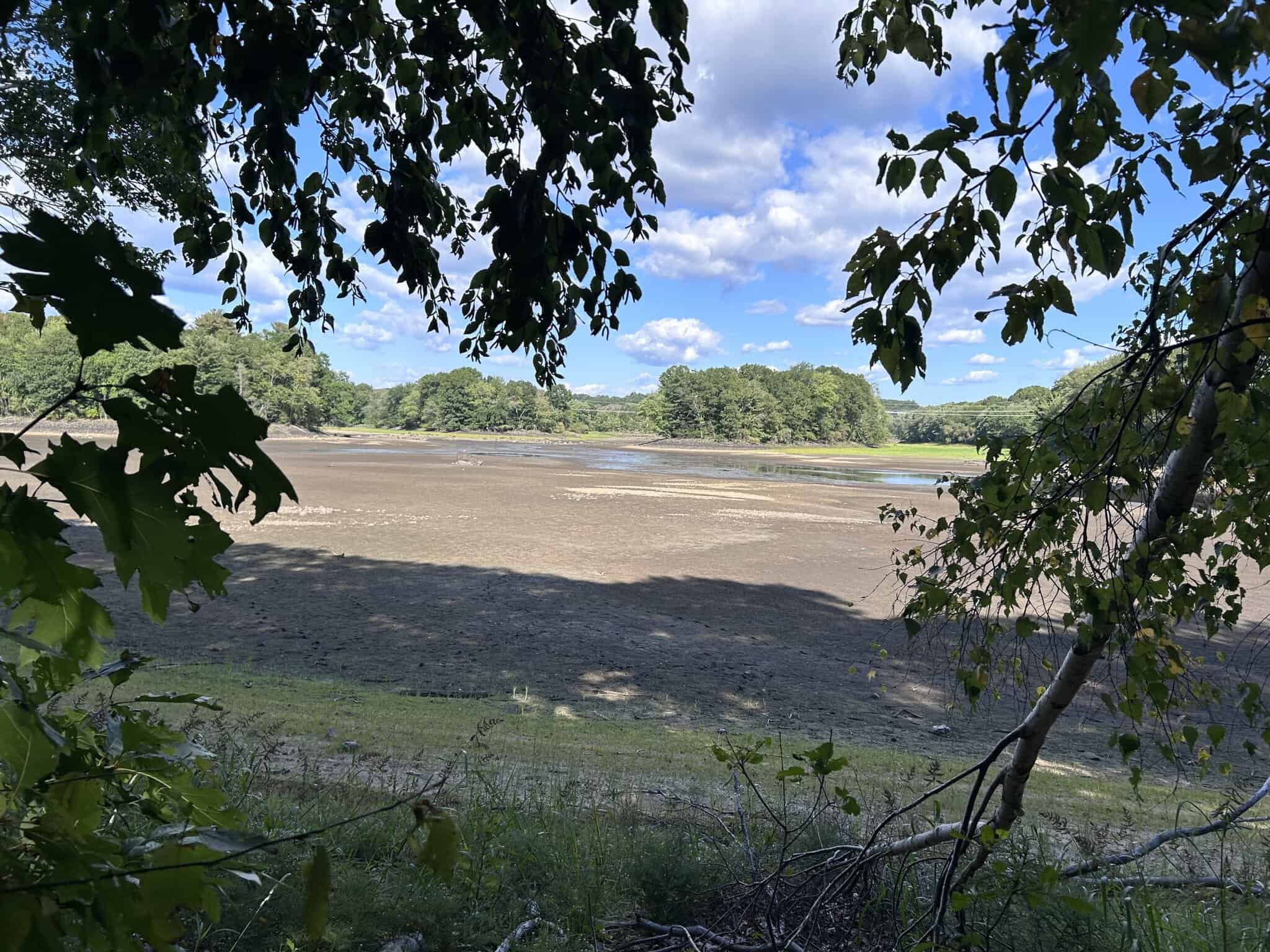
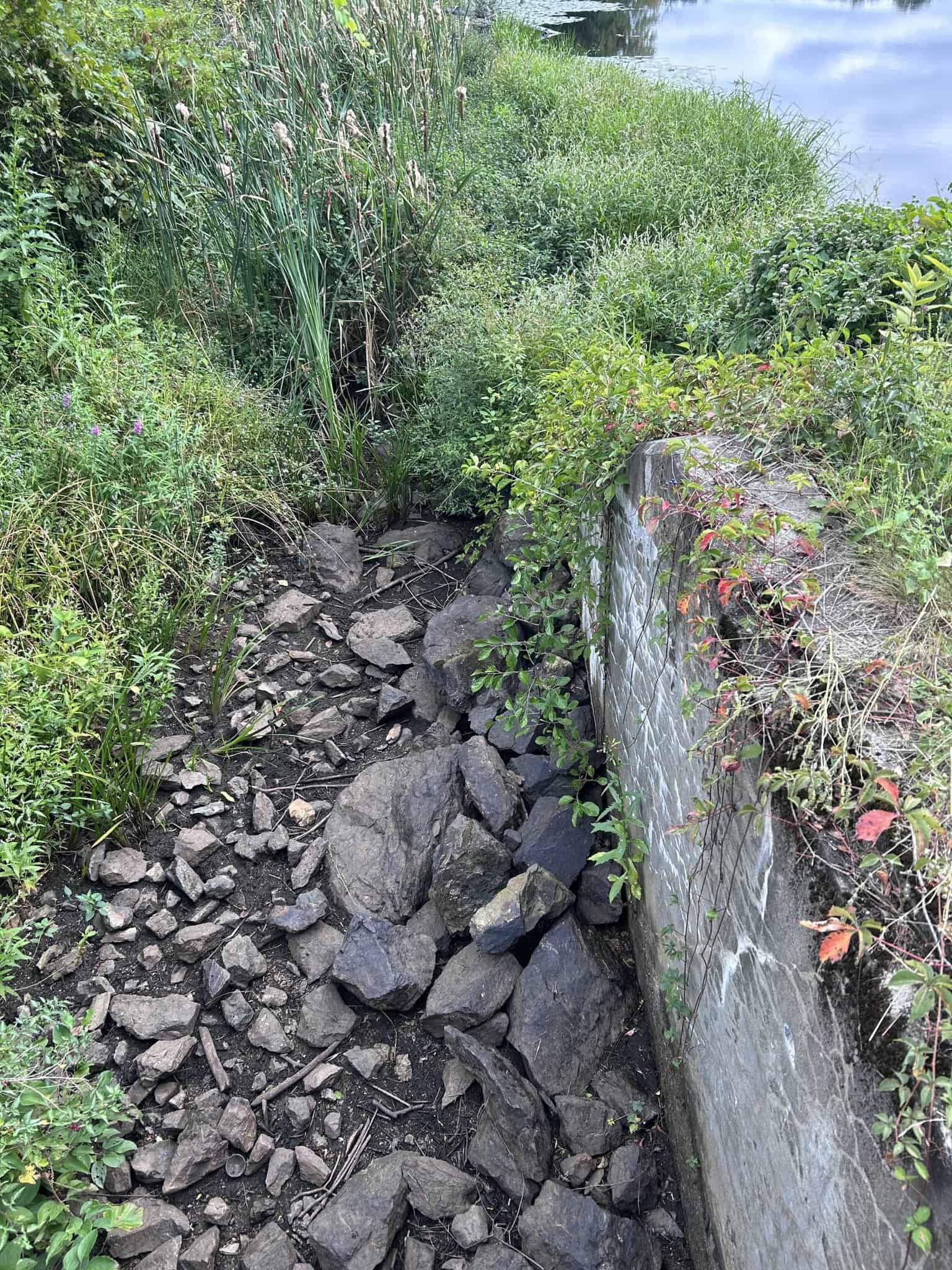
Fall is in the air, with cooler temperatures at night and hints of color to come on a few trees. Officially, the new season will arrive on September 22, the Autumnal Equinox. We have had many lovely days over recent weeks, sunny and not too hot, but the drought persists. According to the U MASS Landscape Message for the MetroWest area, “For August, the historical monthly average precipitation is 3.72” and 1.47” of rain was recorded. September’s average rainfall is 3.77” and 0.21” of precipitation was recorded (as of Sept. 4)”. My rain gauge showed that nearly an inch of rain also fell on Sept. 13, Many stream beds are dry and the Cambridge Reservoir is extremely low; Chris and Sue Klem say they have not seen it this low since moving nearby on Trapelo Road in 1979. Dave Kaplan, Watershed Manager for the Cambridge Water Department, said that the last time the Cambridge Reservoir was this low was in 2016, an extremely dry year. Cambridge might need to connect to the MWRA water system if the Cambridge Reservoir gets any lower. Ranger Will Leona was also a good source of information. Further explanation from the web:
Why the Water Level is Low
Persistent Drought: Abnormally low rainfall and dry conditions have triggered significant drought designations and water use restrictions in the region, dropping the reservoir to some of the lowest levels seen in over a decade.
Slow Natural Recharge: Because the reservoir has a vast surface area relative to its small surrounding watershed, it is naturally slow to fill back up after dry periods or winter drawdowns.
Water Supply Usage: As the primary storage reservoir for the City of Cambridge Water Department system (supplying Fresh Pond), water is continually drawn from the system for municipal drinking needs. Will added that there is more demand for water in the summer, meaning there is more draw-down at this time of year.
I spoke with Rick Nolli, Lincoln’s Water Superintendent and he told me that Flint’s Pond is about two feet lower than usual for this time of year, and that we- and the whole northeast- have been in drought for nine of the past eleven years. He praised Lincoln for being mindful of the necessary water restrictions.
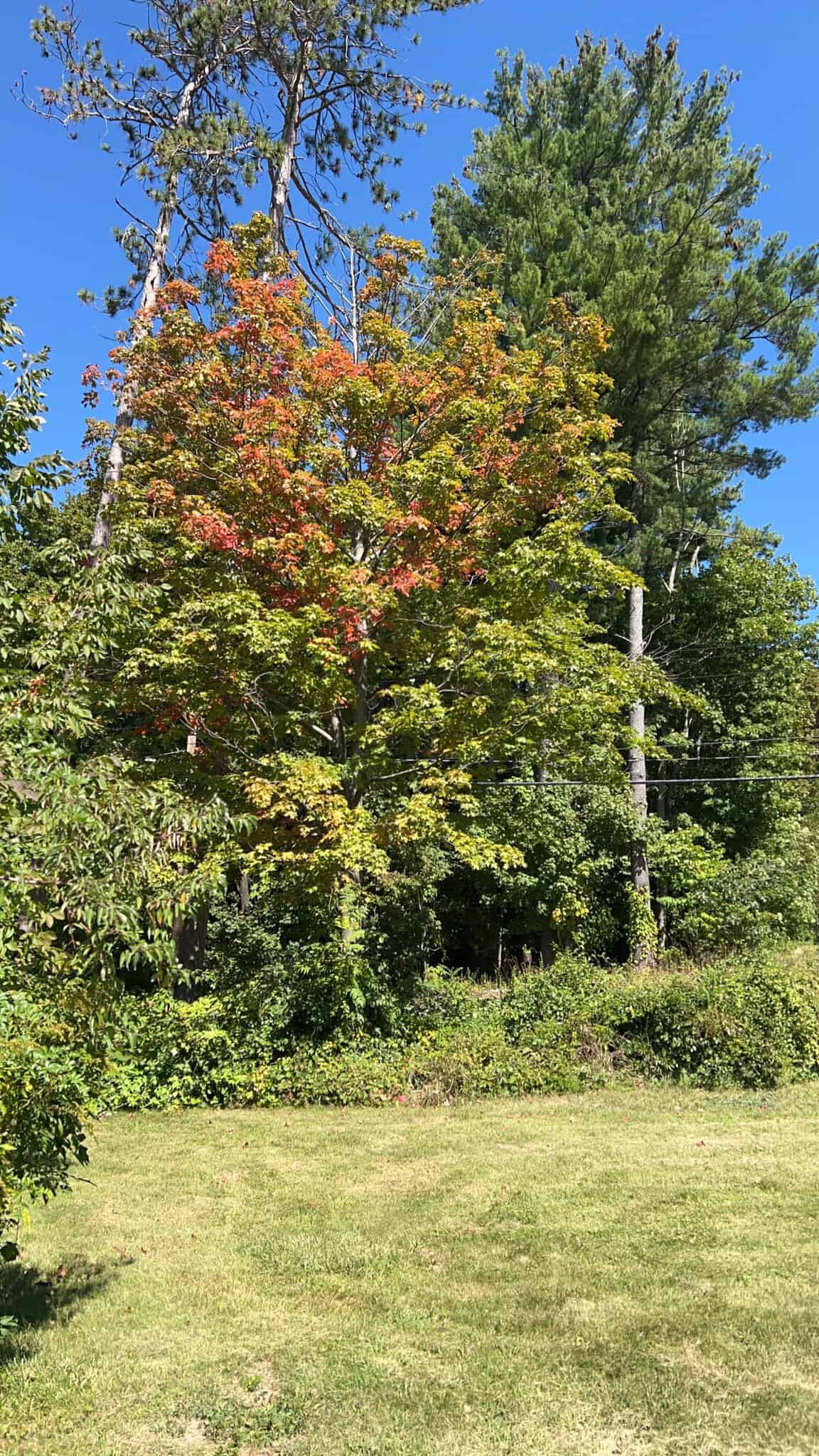
This is the season when seeds, berries, and fruits are plentiful and it looks like it will be a good mast year, given all the acorns and pine cones lying on trails and roadsides. Acorns are packed with nutrients, including protein, fat, and various minerals, providing food and energy for many birds as well as for mammals, from small rodents to deer and bears. Quoting from an article by Laurie Morrissey for Northern Woodlands magazine, “White-tailed deer are among the top acorn consumers, with acorns comprising up to 75 percent of their late fall and early winter diet. One deer may eat 300 acorns per day. In a big mast year (every two to five years), deer weigh more and are more likely to produce twin fawns. Birds such as woodpeckers, blue jays, and many species of ducks also consume acorns. Ducks swallow them whole, while smaller birds peck them apart – getting the value of the acorn as well as whatever lives inside it. And acorns are a favorite food of wild turkeys.” As for blue jays, research shows they can consume and cache from 3000-5000 acorns in one fall season, hiding them up to a mile from the mother tree. Not all the acorns will be retrieved for winter meals, resulting in the sprouting of some acorns into new young oak trees.
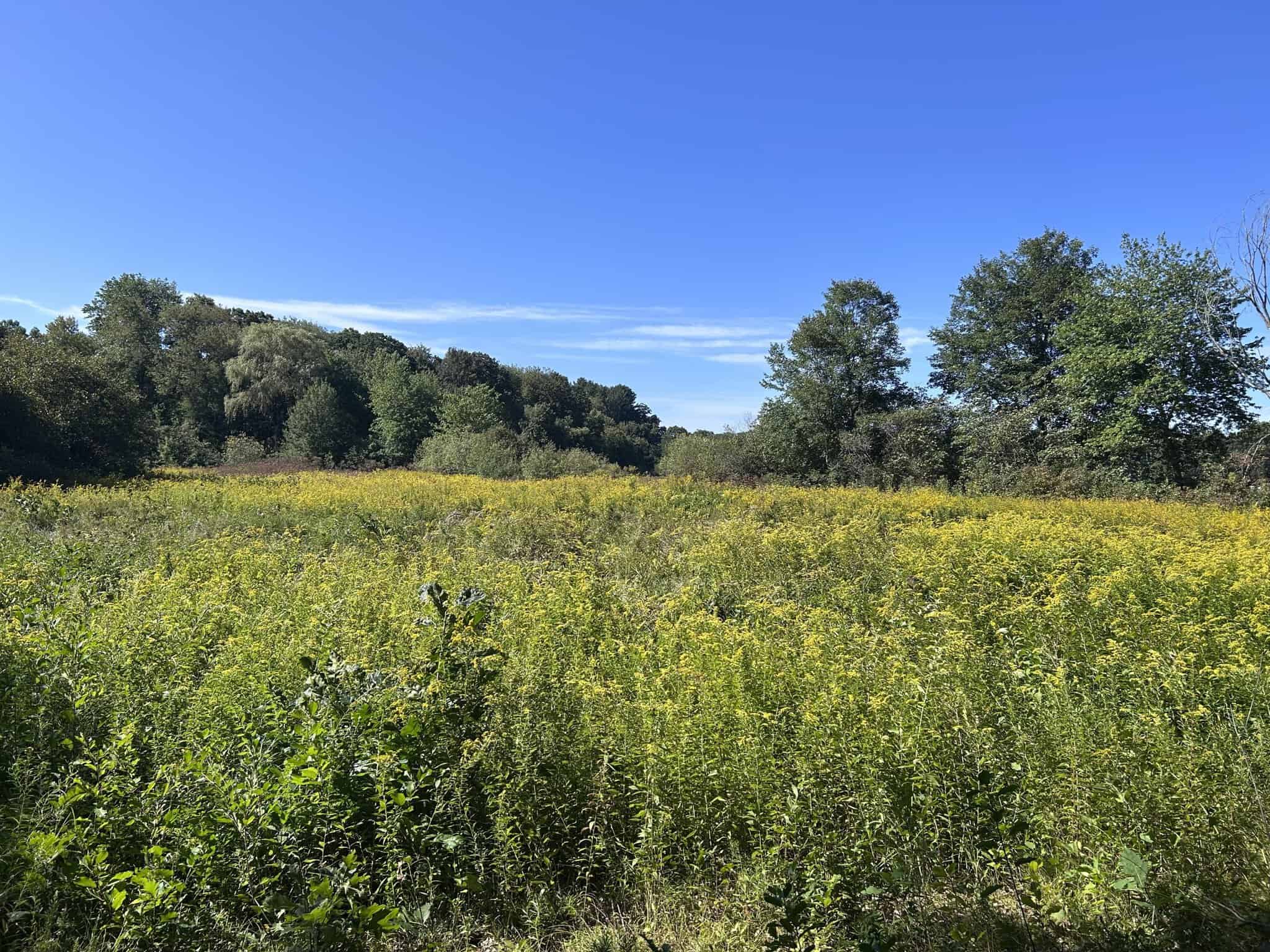
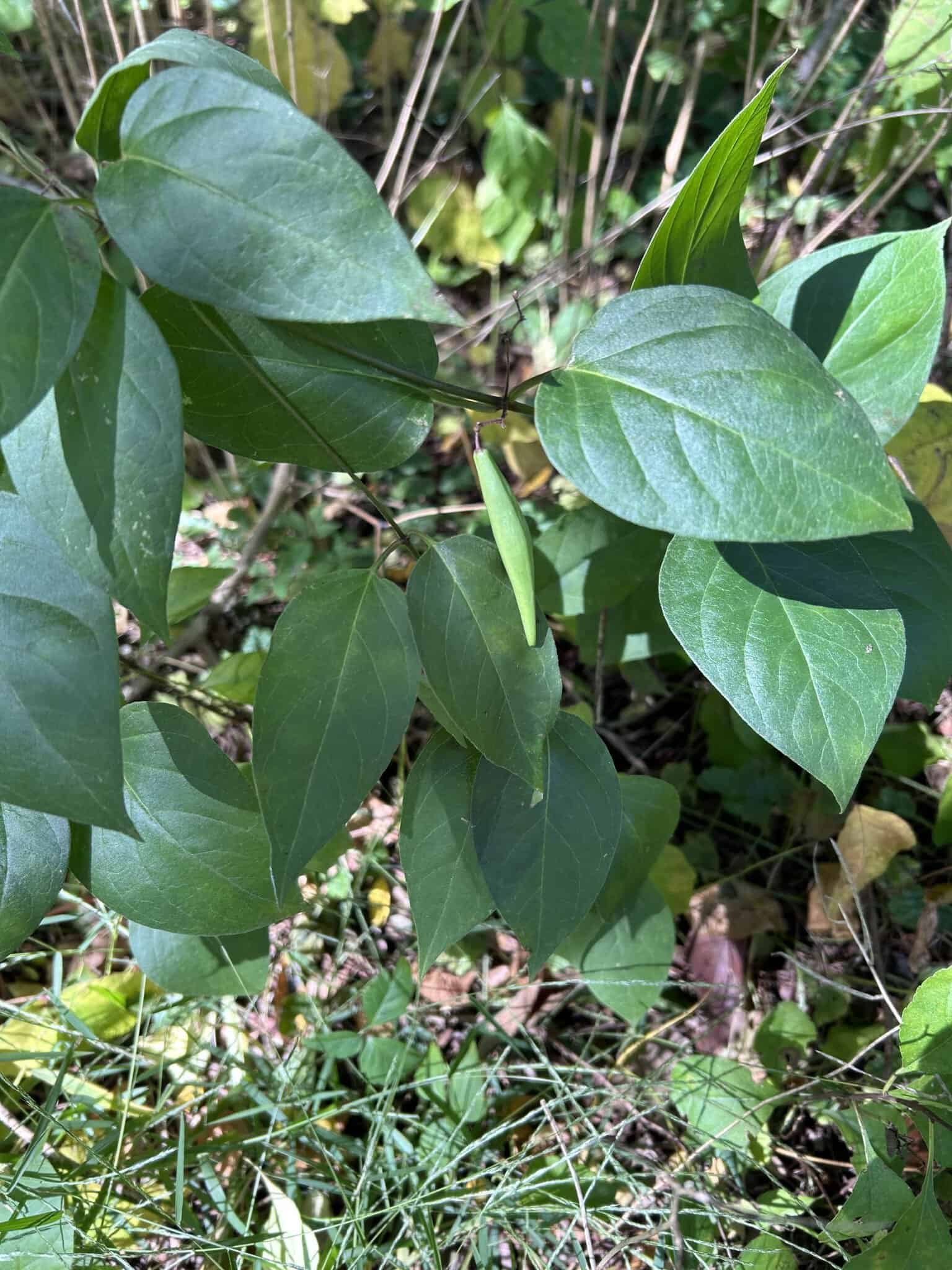
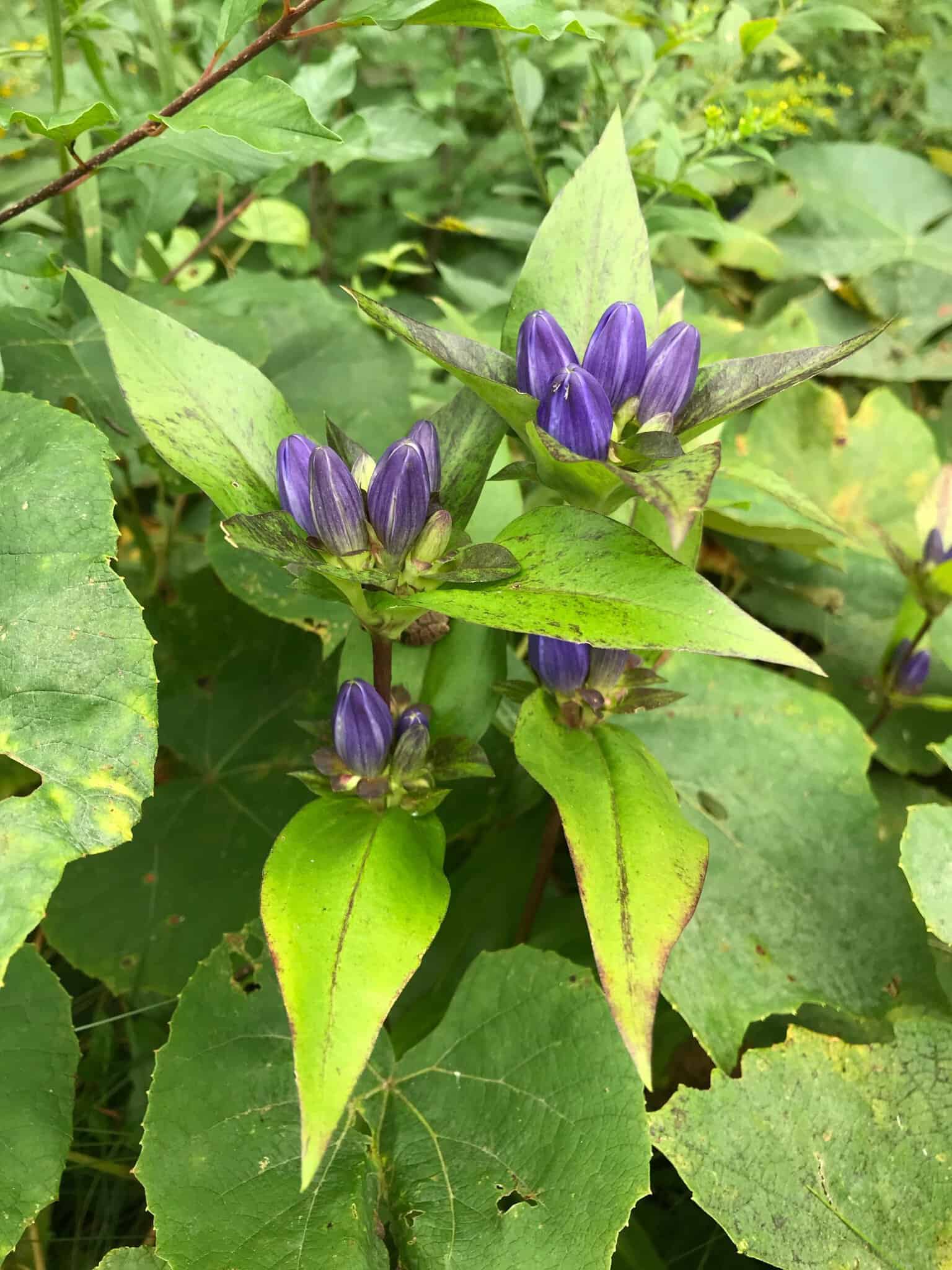
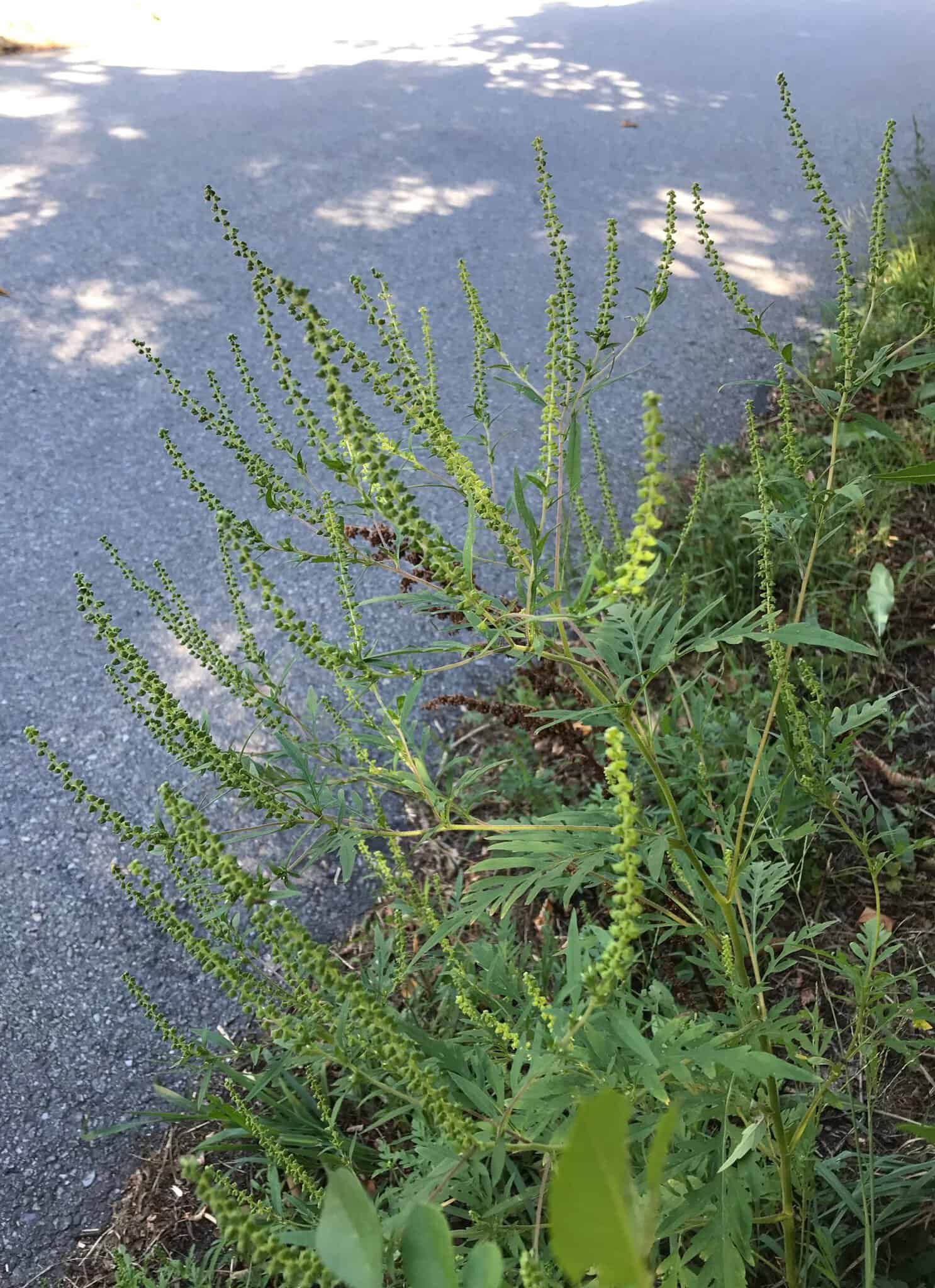
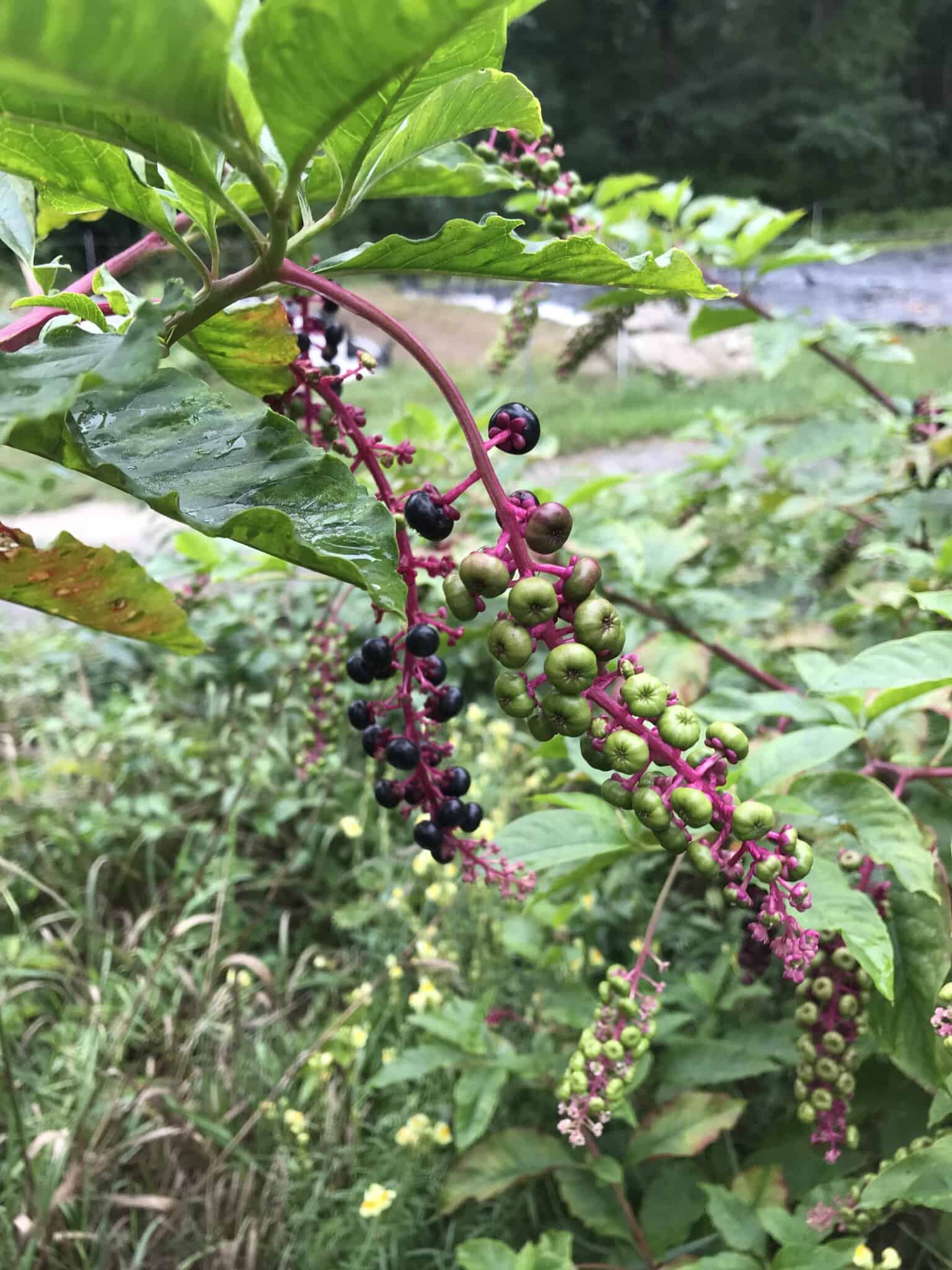
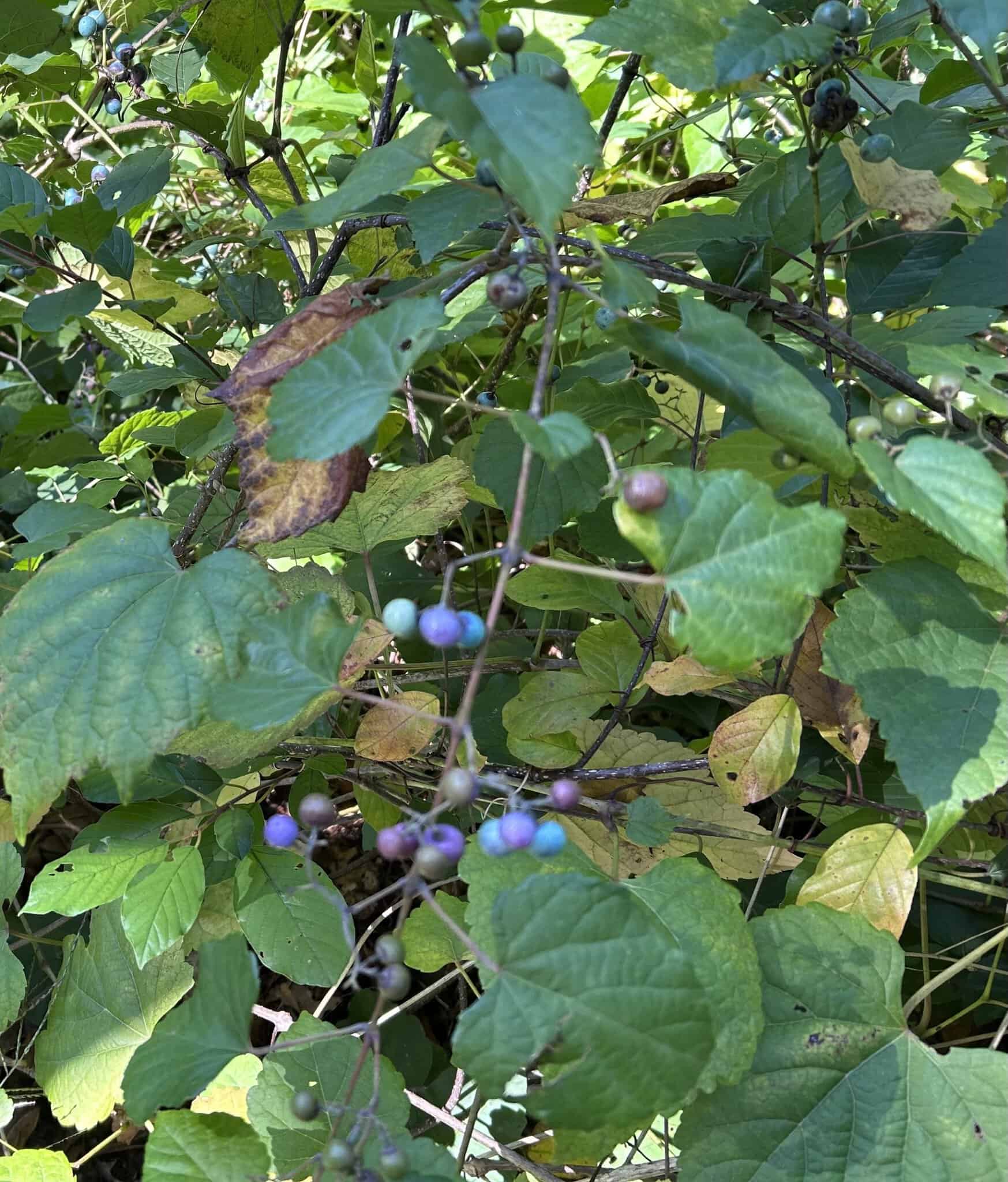
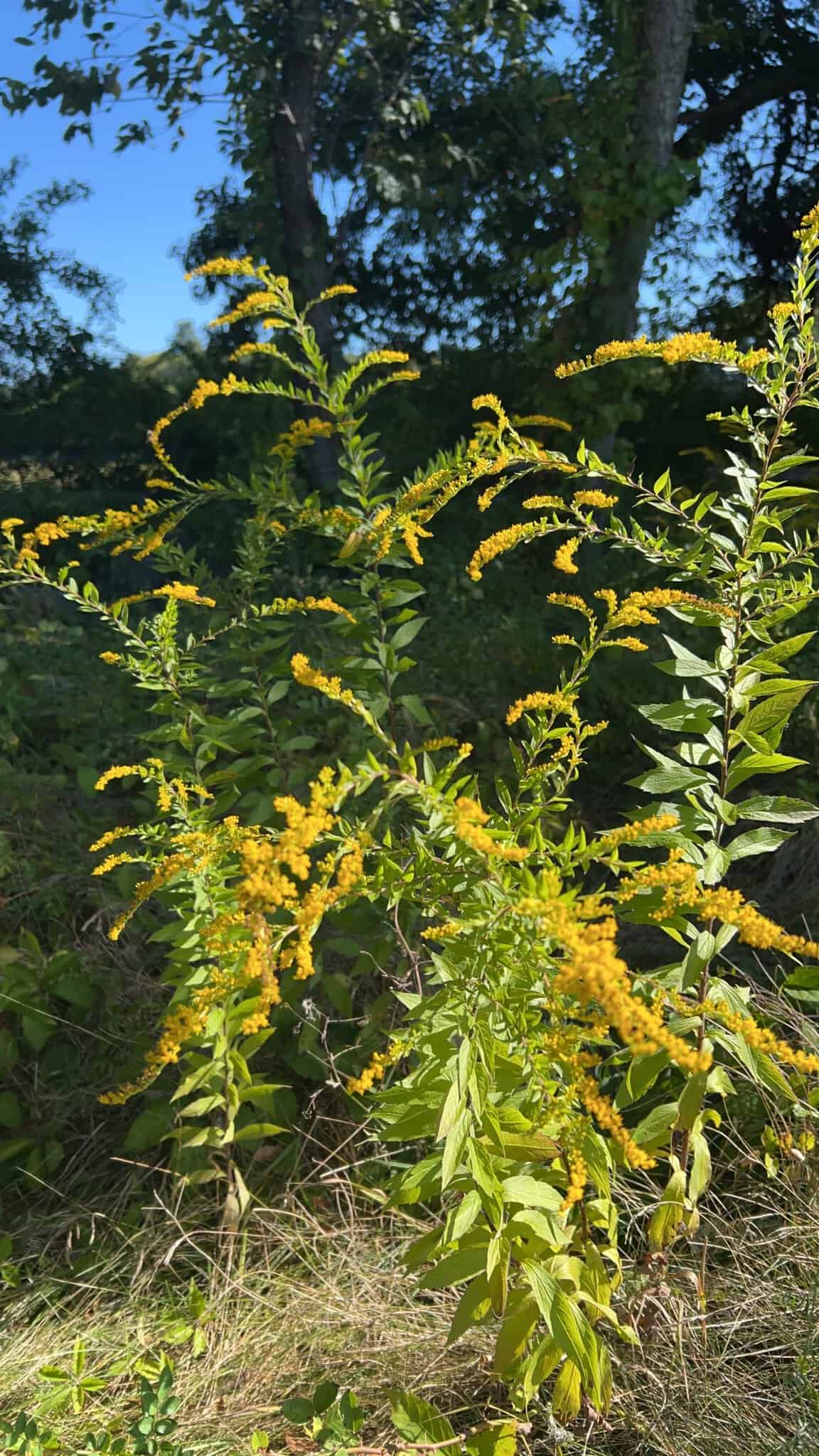
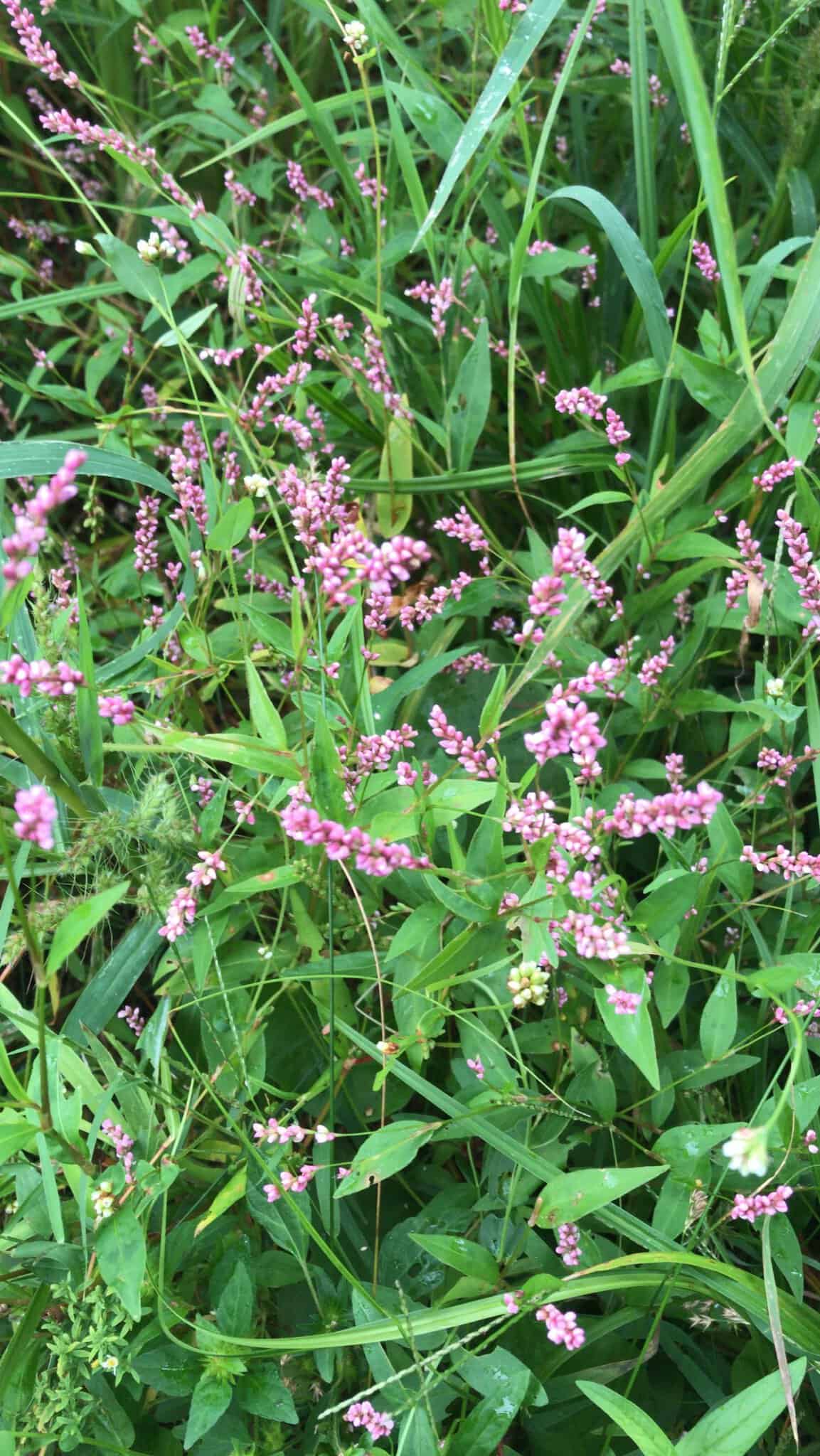
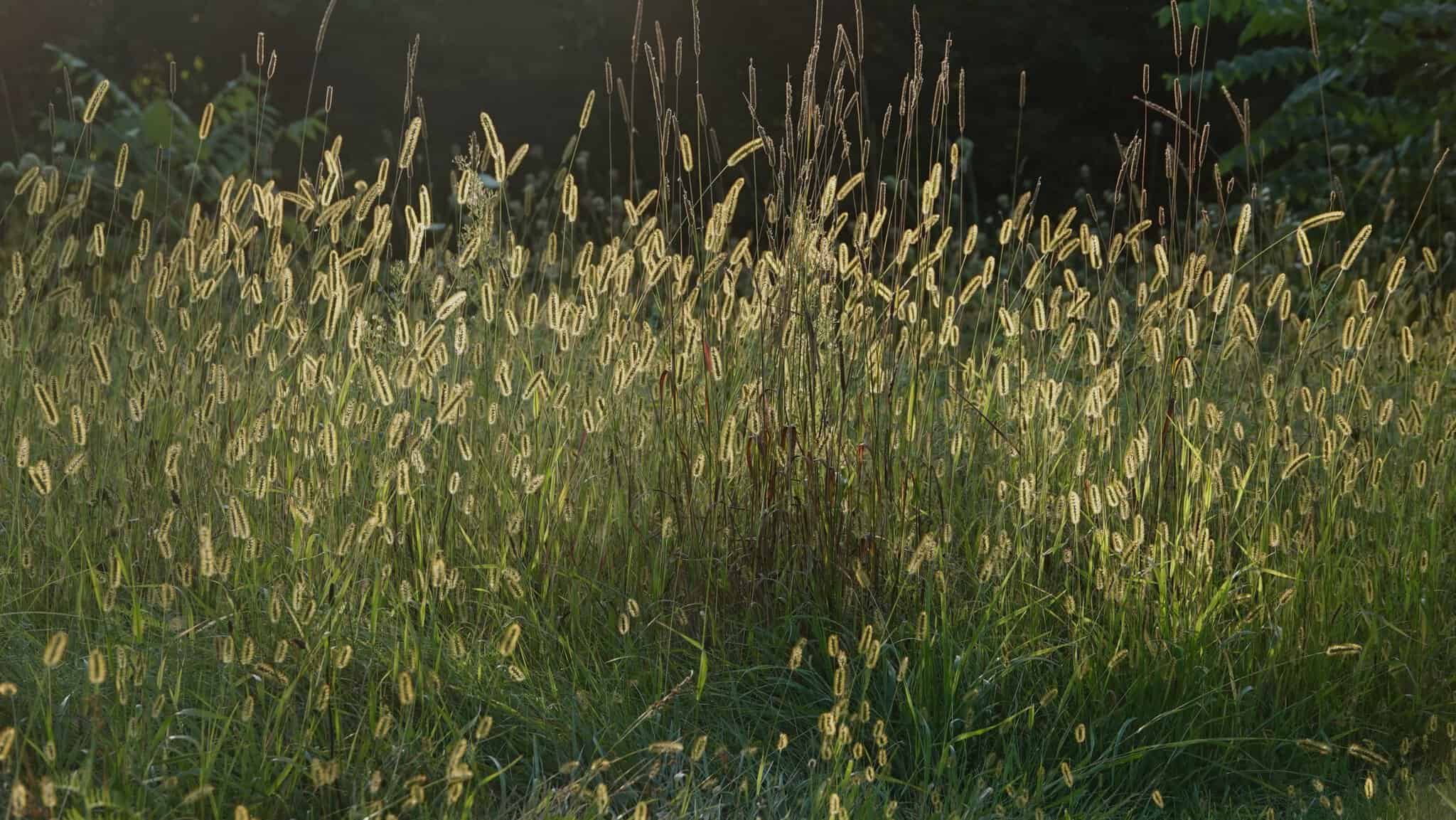
We may not love poison ivy and Virginia creeper, both native plants, but their berries are also nutritious bird food. Fields of goldenrod are frequented by pollinators this month, and on a walk through a field, you may come across red clover, Joe-Pye weed, hawkbit, smartweed, and milkweed, soon to go to seed. A closed gentian could be a happy surprise in a wet meadow. Pokeweed’s purple berries are fruiting and birds can actually get drunk if they eat berries which have fermented. Ragweed is blooming, a cause of fall allergies for many people. Porcelain-berry, a fast-growing invasive, is easy to spot now when its small pink and blue berries are fruiting. This is also the moment to tackle the invasive black swallowwort. Its green seed pods will soon burst open, sending its seeds afar on the wind like milkweed. Collect the seed pods and put them in the trash, or pull up the plant.
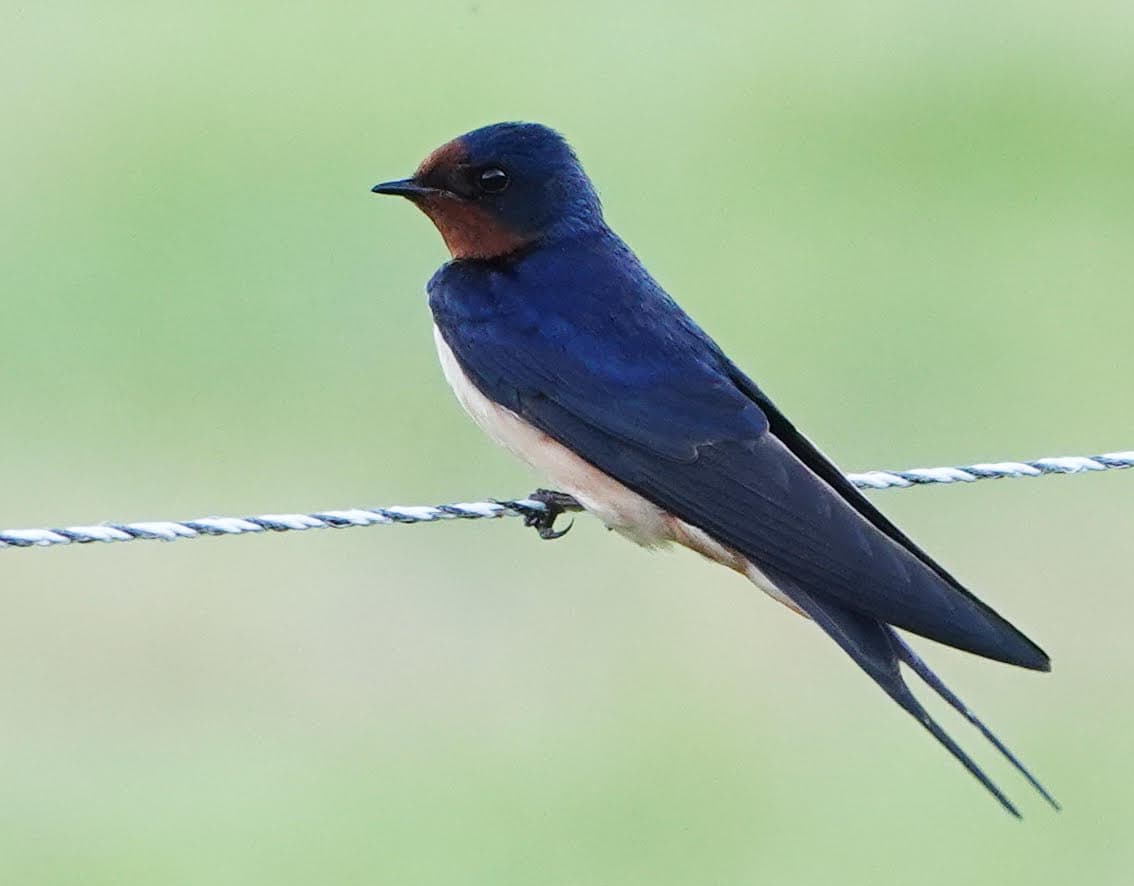
Avian nesting season is behind us, with the usual mix of successes and failures. Pam Sowizral reported that at Drumlin Farm, ”the bluebirds had a record year with 131 eggs, 100 chicks, and 87 fledglings. Since 2007, the Drumlin boxes have fledged 1261 bluebirds. But the tree swallows had a poor year – only 39 eggs resulting in 21 fledglings. One of our volunteers also monitors at another location and they, too, had a really bad tree swallow year.” It’s possible that the birds starved when there were a few wet days; aerial insectivores have a hard time catching enough insects to feed the young when it rains. Maybe that is why all the babies died in the only barn swallow nest in my barn (there was no sign of predation). It is also well known that insect populations, crucial in the food chain, are in serious decline.
Mathias Bitter monitored the bobolink enclosure in Farm Meadow for the third year and was encouraged to find evidence of successful nesting. Cowbirds do not make their own nests but lay eggs in nests of other songbirds, with the involuntary “foster parents” often raising a chick much larger than their own. Rich Rosenbaum captured this situation with a photo of a diminutive chipping sparrow feeding a large cowbird chick.
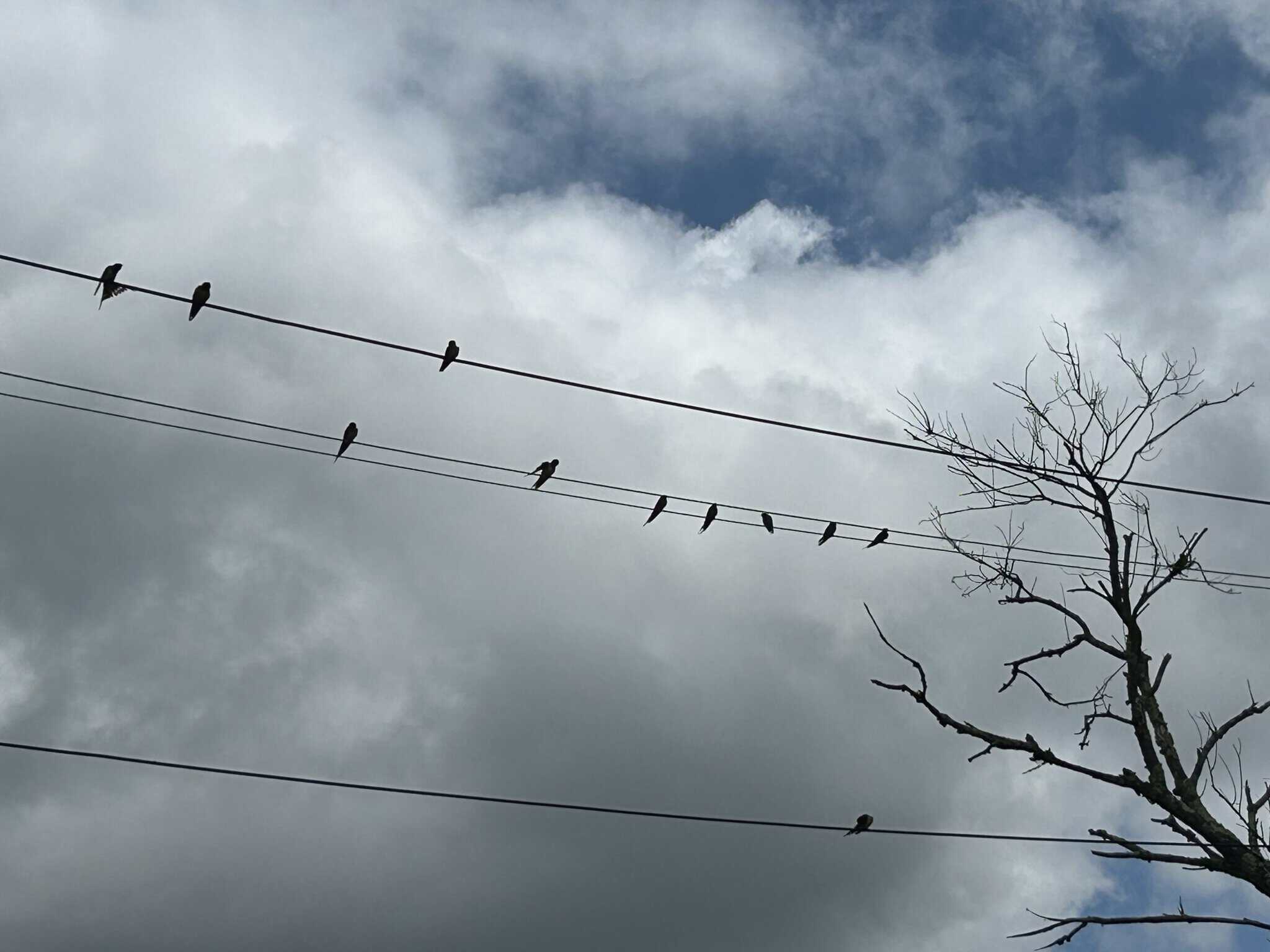
The fall bird migration is well underway. Often adult birds migrate before the young ones, leaving many of this year’s hatchlings to find their routes.to southern destinations on their own. The extra weeks allow the young to get physically stronger and to complete their molt before a long flight. Summer residents such as Baltimore orioles, scaled tanagers, and rose-breasted grosbeaks have left our gardens, and the families of barn swallows which perched on the wires by Browning Field (close to 60 observed by Bruce Campbell) have left and are on their way to South America. I last saw a ruby-throated hummingbird at my hummingbird feeder on Sept.11; they are headed to Mexico and Central America, flying non-stop across the Gulf of Mexico. This is an amazing feat, considering they beat their tiny wings up to 80 times per second and their hearts can beat up to 1200 times a minute.
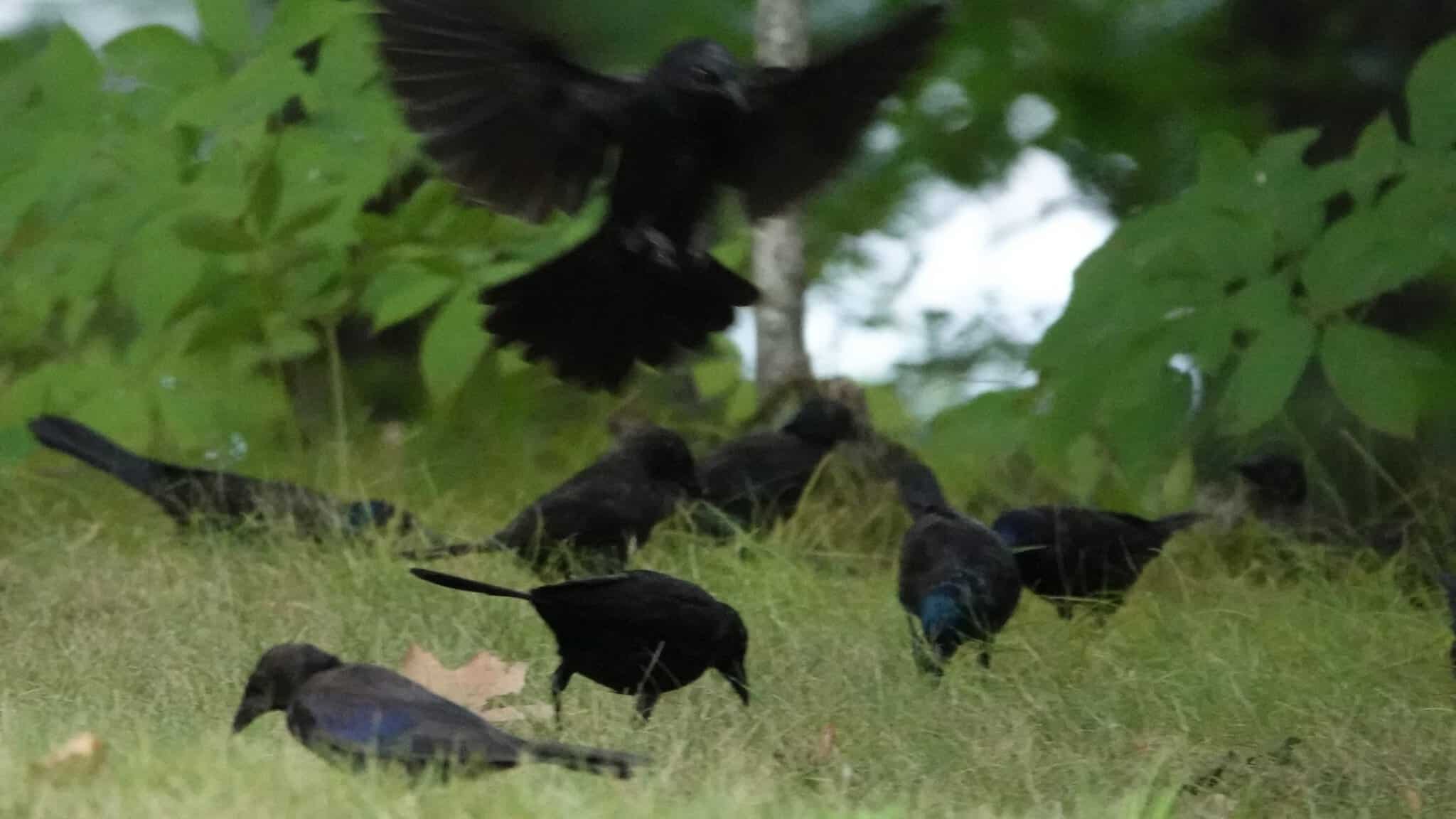
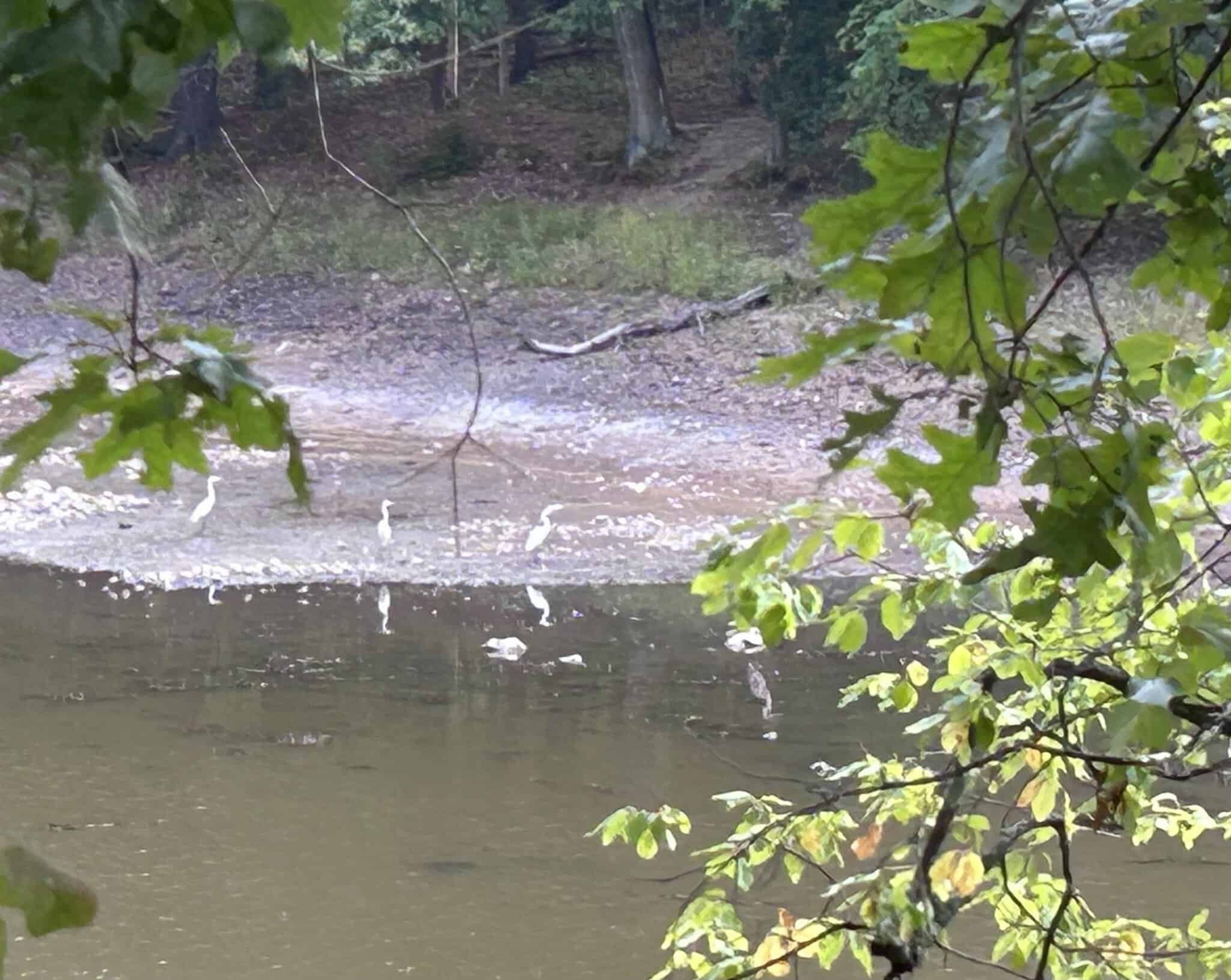
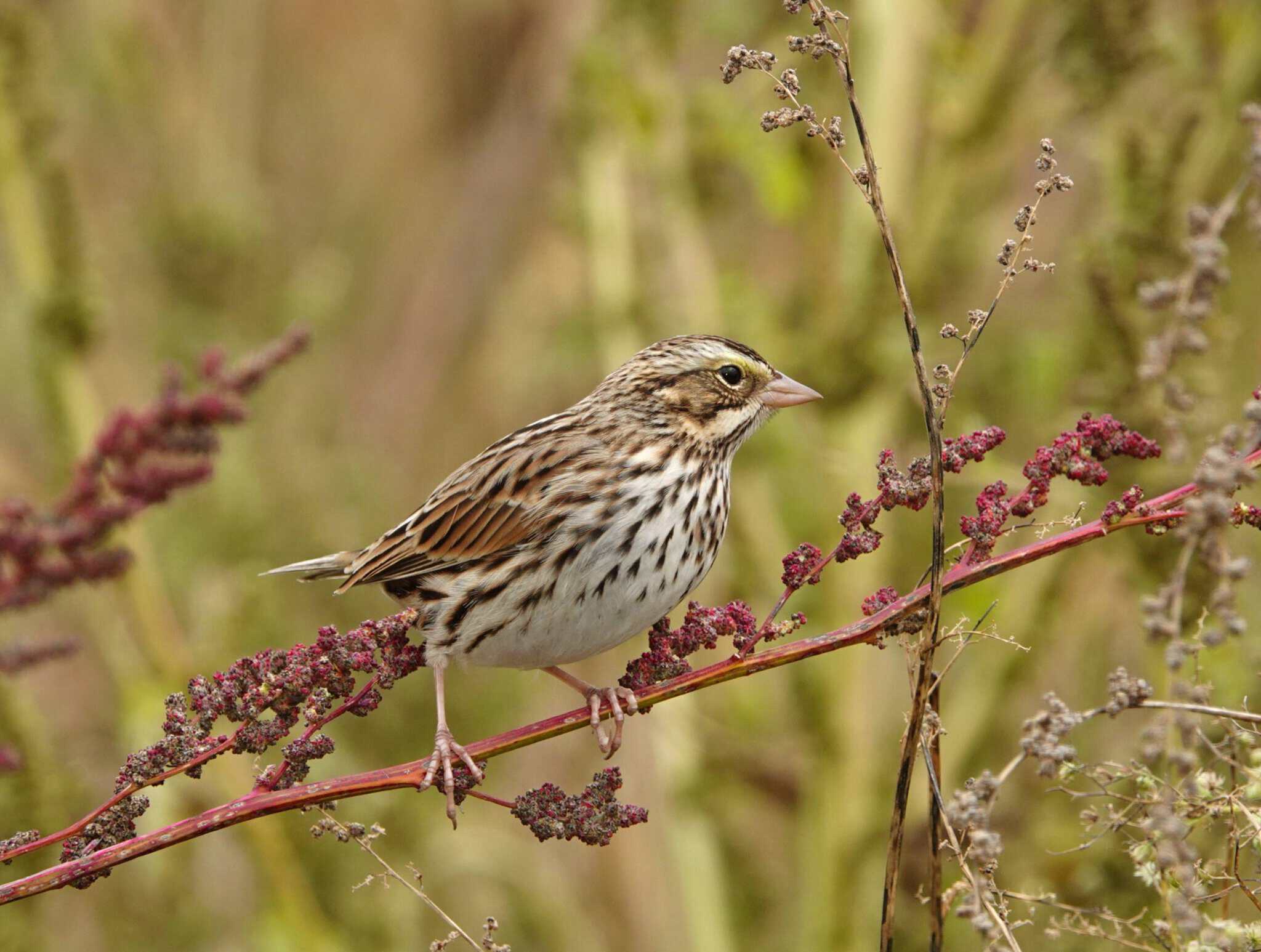
Observers are seeing flocks of common grackles migrating, and large flocks of migrating bobolinks were spotted in Boyce Field at Drumlin Farm, with a high count of 185. September is “sparrow month”, with many species passing through. Little flocks of Savannah sparrows may fly up from roadsides as you approach, and many young chipping sparrows have been eating grass seeds on my property. Some swamp sparrows will overwinter here, and the first migrating Lincoln’s sparrows have been reported. September is also hawk migration month and many birders go to high points such as Mt. Watatic or Mt. Wachusett to participate in counting hawks which are flying south, riding the updrafts of thermals. Look up, and you may see and hear broad-winged hawks or other raptors high overhead. We are fortunate to have year-round resident hawks such as red-tailed, Cooper’s, and sharp-shinned with us through the winter months. I have seen an unusual number (up to ten) of great egrets and a few great blue herons feeding on the mud flats of the Cambridge Reservoir. The fish must be easy to catch in the shallow pools.
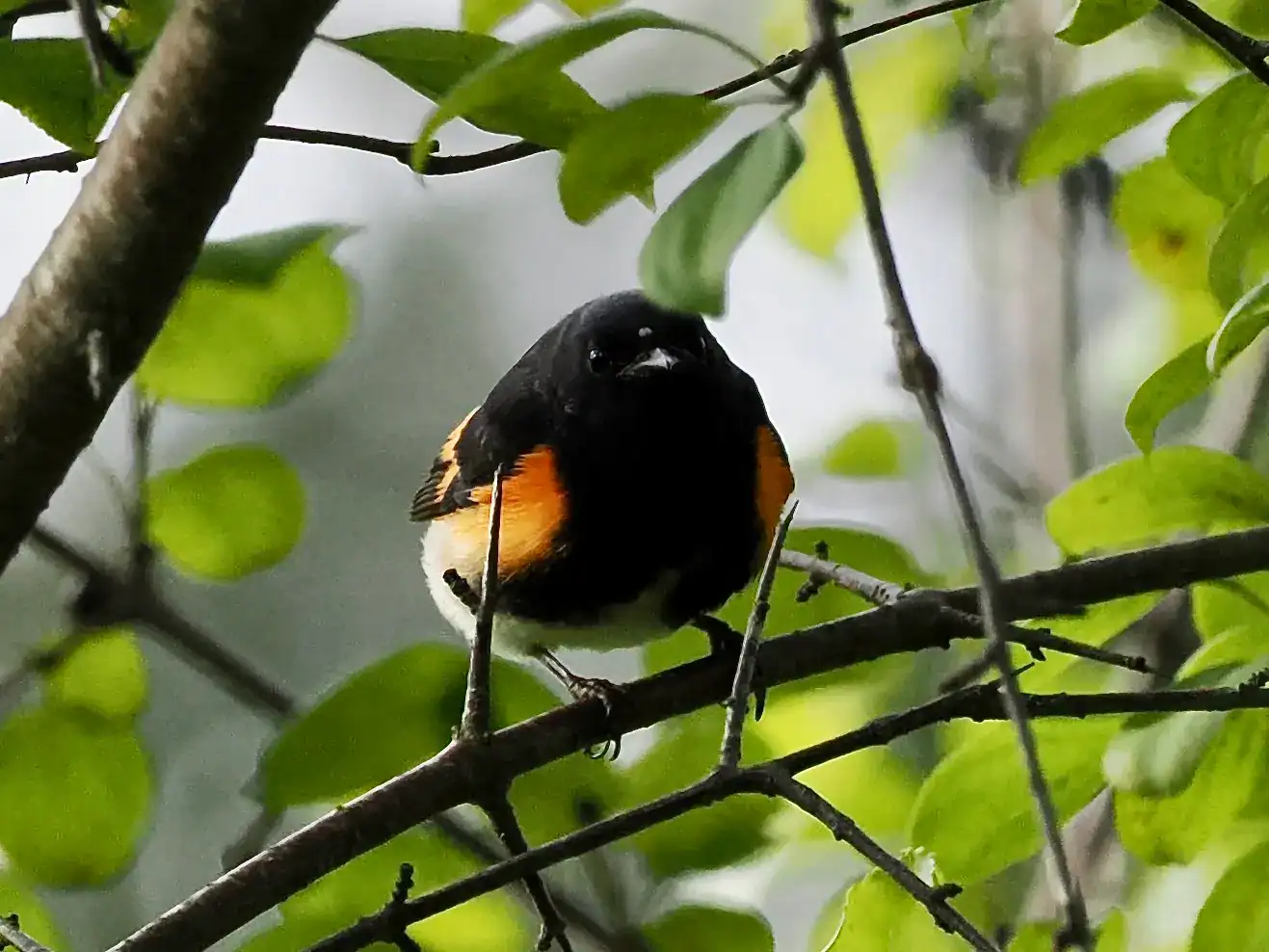
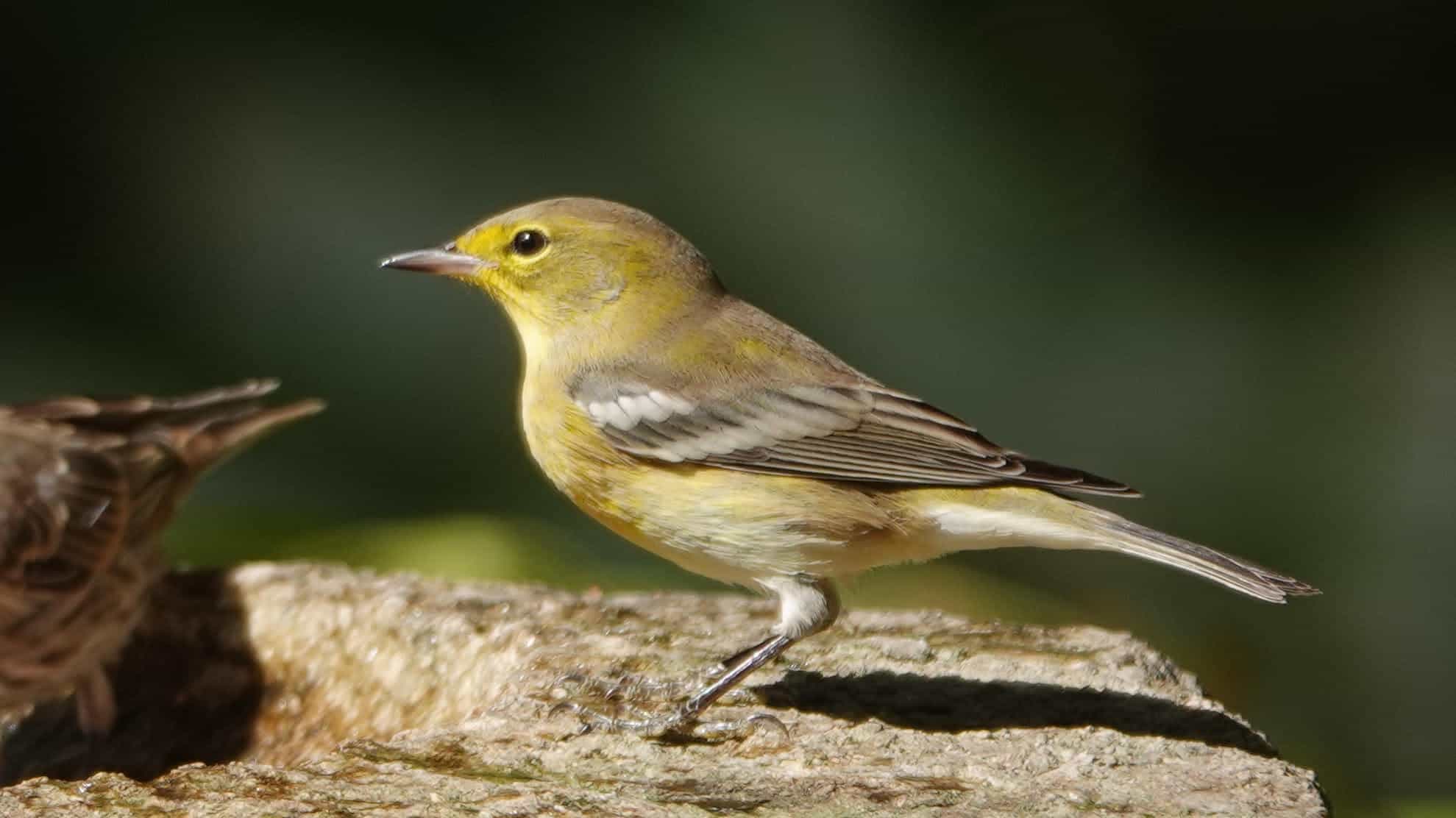
Wood warblers are passing through, often called “confusing fall warblers” by birders because many are challenging to identify. They are either in immature plumage or have molted to duller colors compared to the bright breeding plumages of spring. Warblers seen recently include black-and- white, pine, yellow, American redstart, blue-winged, Canada, northern parula, Tennessee, northern waterthrush, and yellow-rumped. Migrants such as a common nighthawk, indigo buntings, and dickcissels have also been spotted.
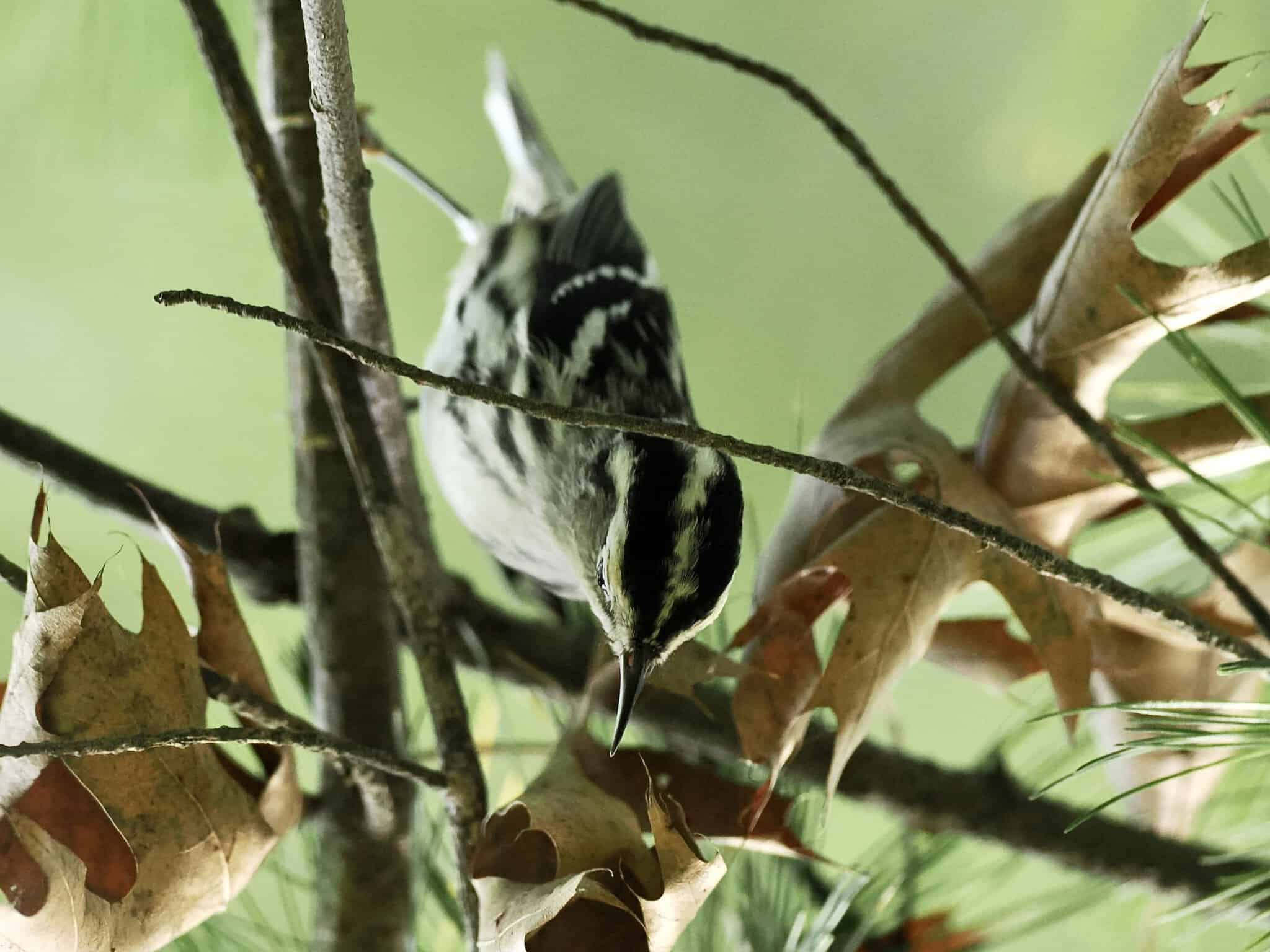
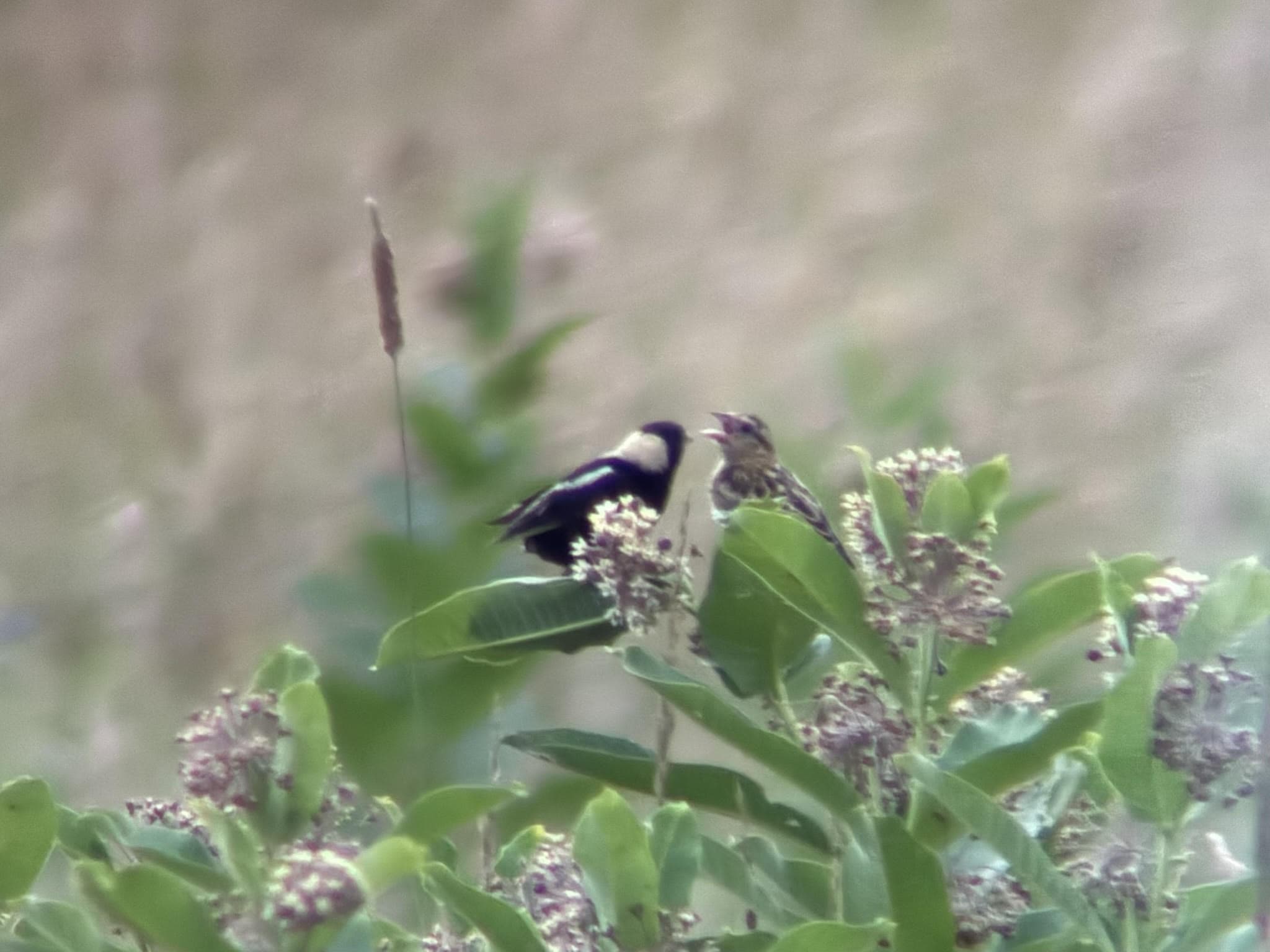
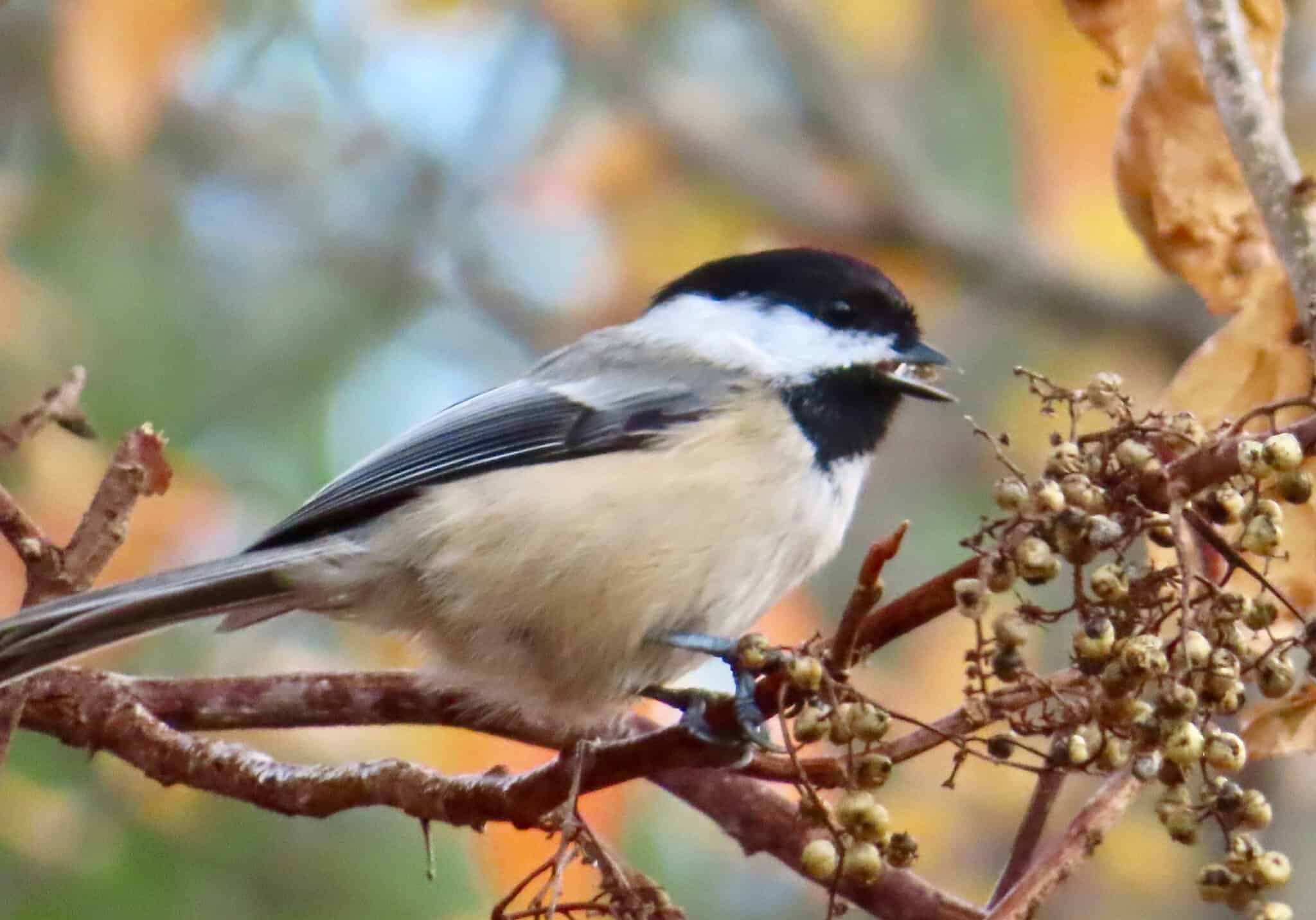
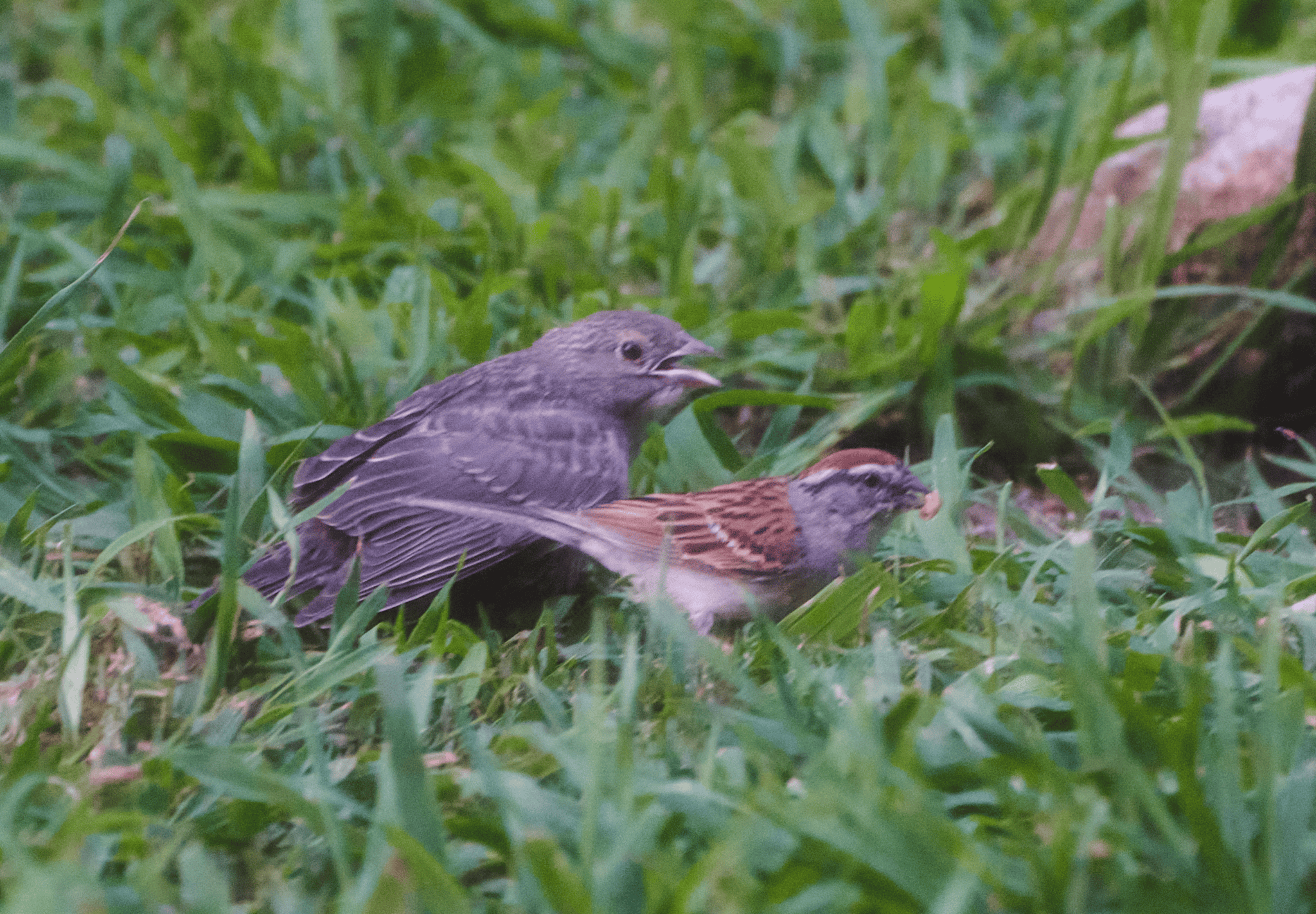
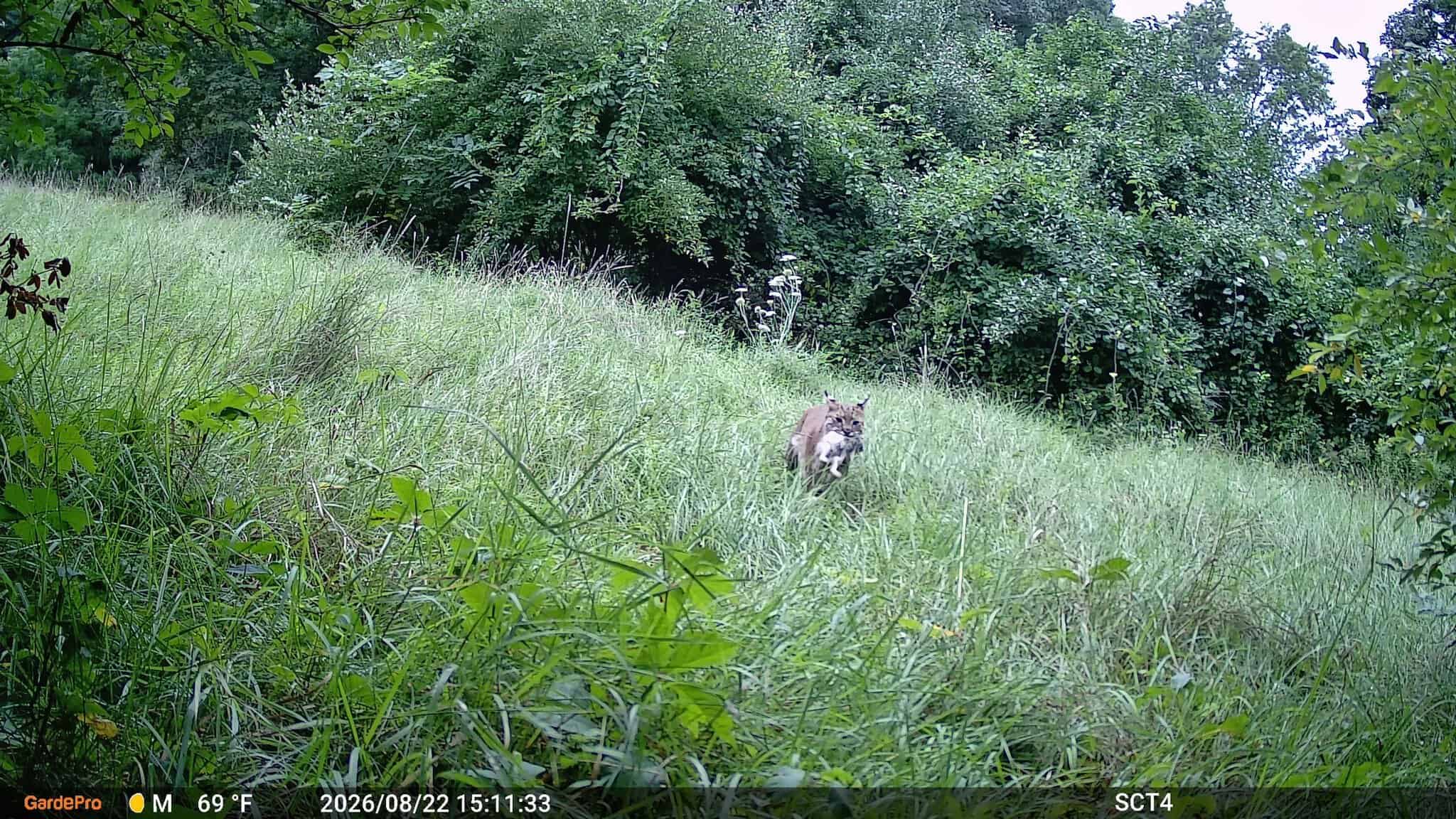
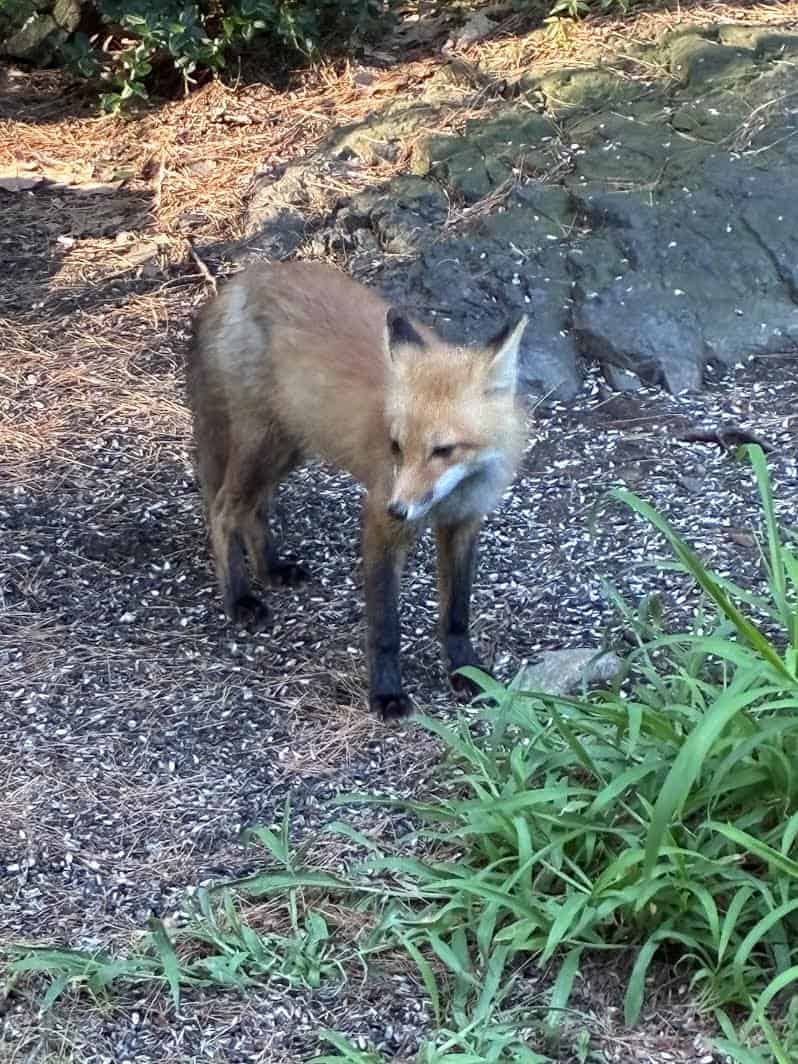
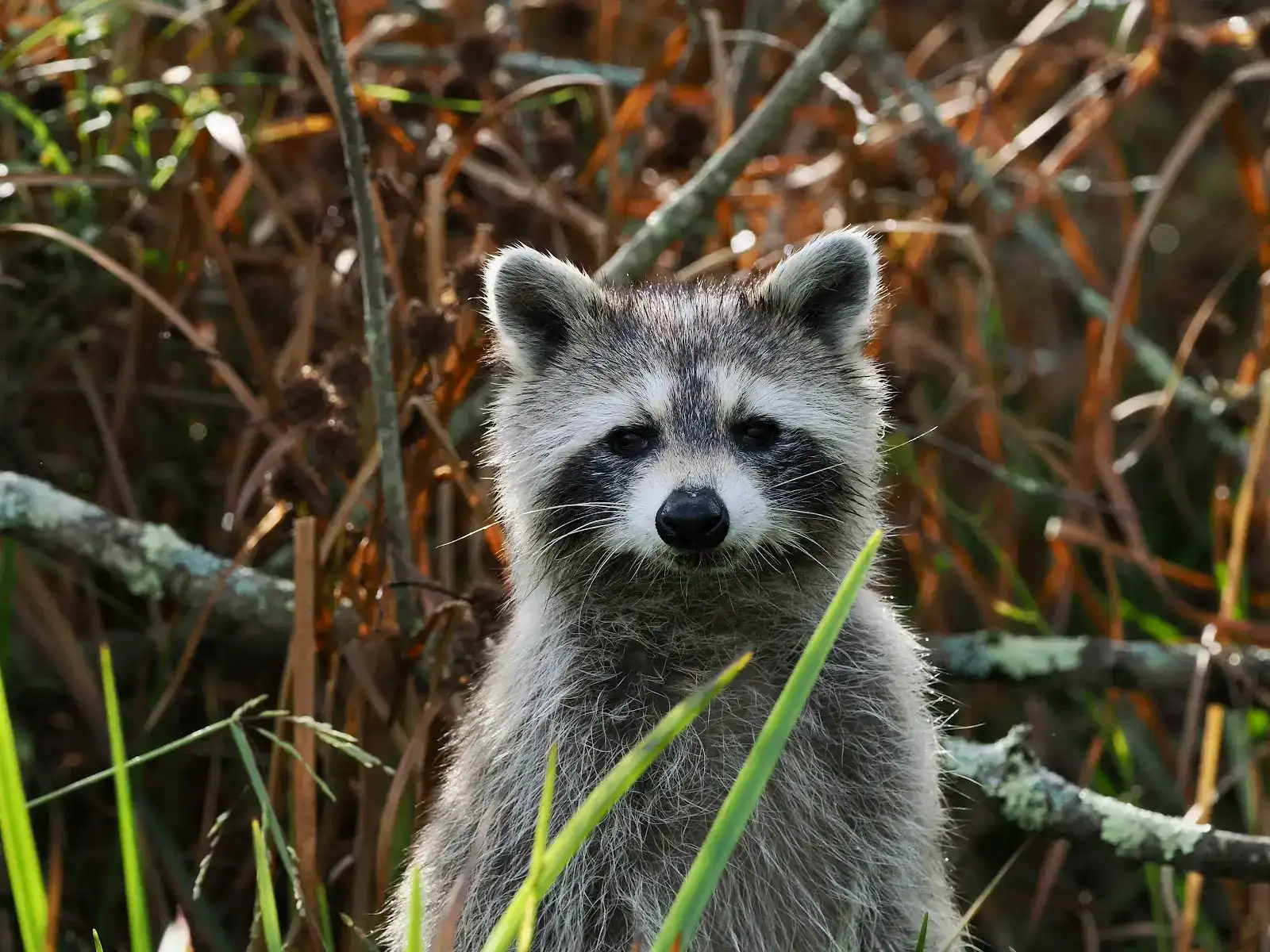
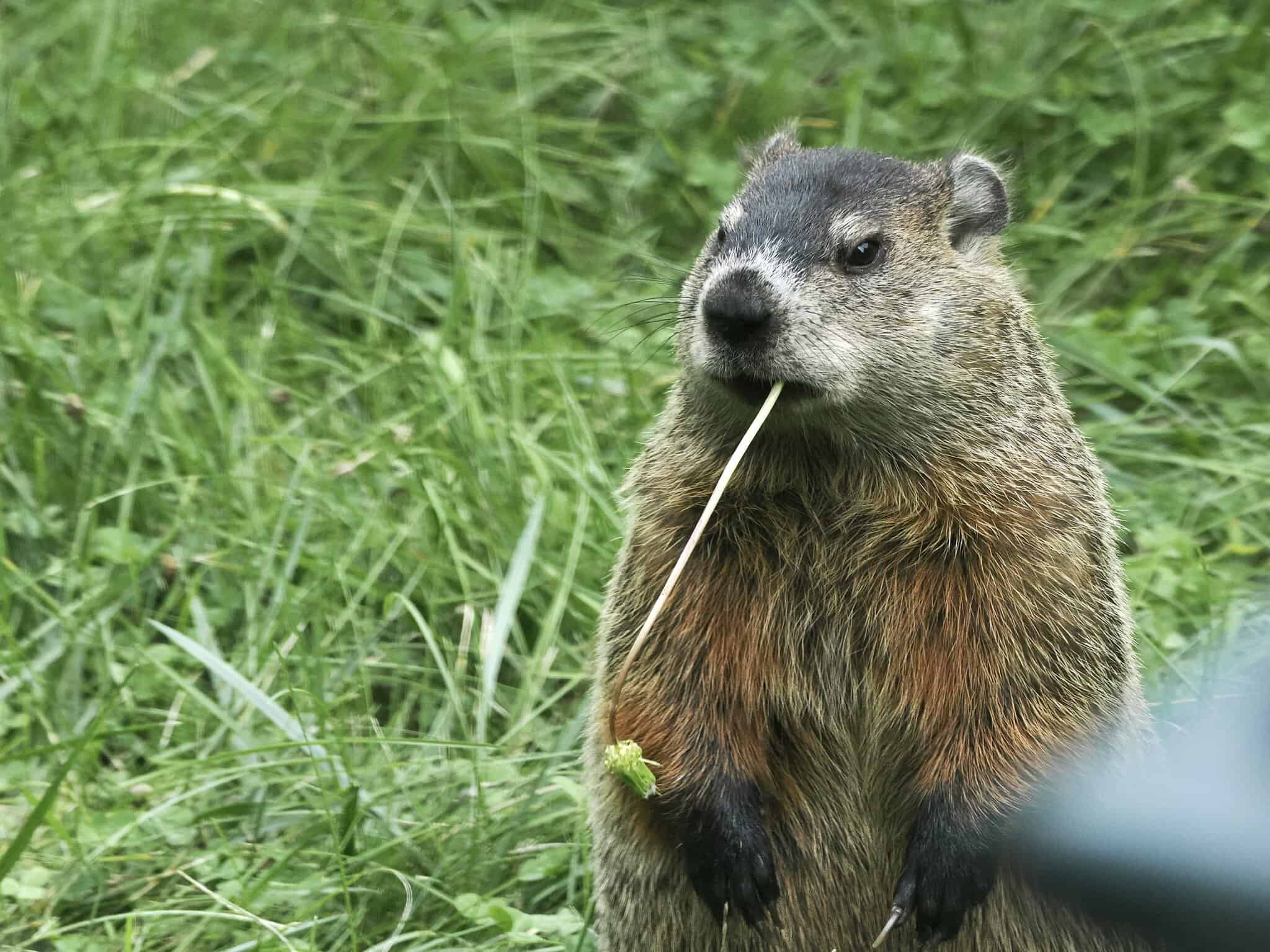
Our local mammals are getting ready for the winter season by storing food and fattening up. Woodchucks, for instance, add 30-40 percent to their body weight in preparation for hibernation. White-tailed deer bucks are in the early stages of rut which will peak in November. During this pre-rut stage the bucks build their neck muscles by making rubs on tree trunks and leaving messages through scent glands and urine. Observers have reported bobcats, a family of raccoons, mink, otters, muskrats, weasels, foxes, and coyotes. A trail cam on Birchwood Lane records a fisher which hangs out under a feeder, presumably looking for an early morning snack of chipmunks or squirrels eating the dropped seed. Norm Levey video-taped a family of beavers- one mother and five babies- feeding on buttonbush, with a family of raccoons heard in the background. See link to watch.
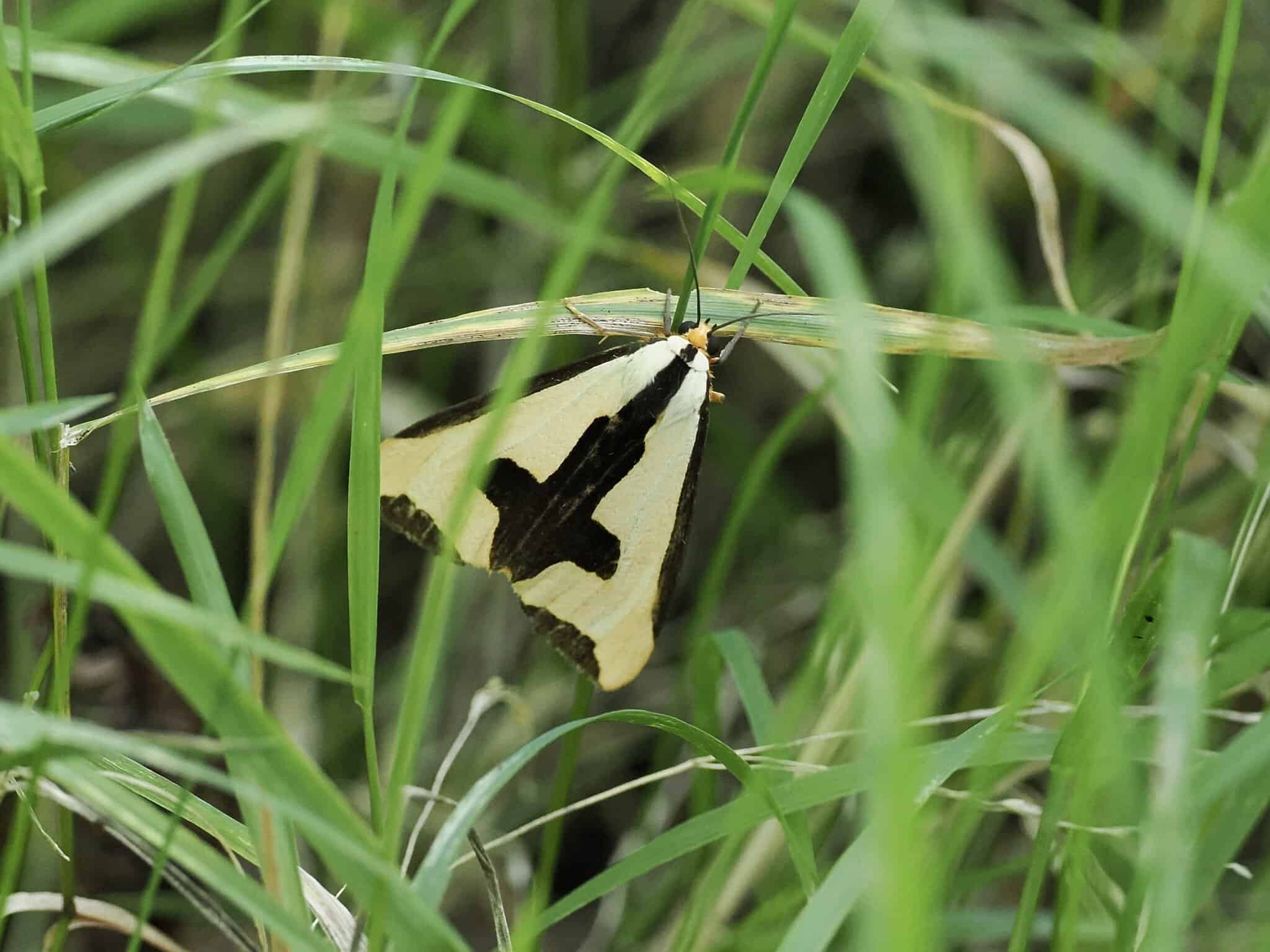
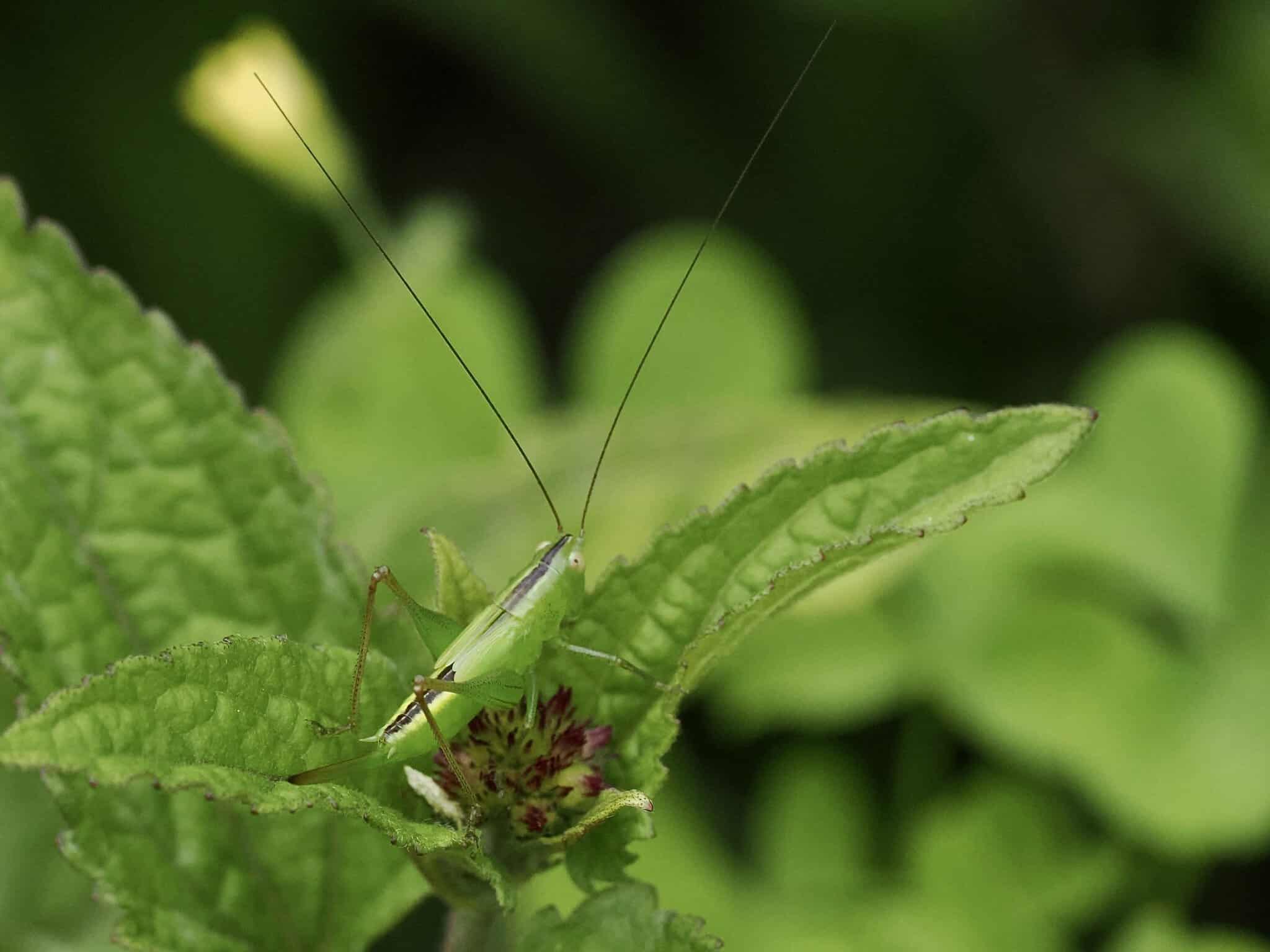
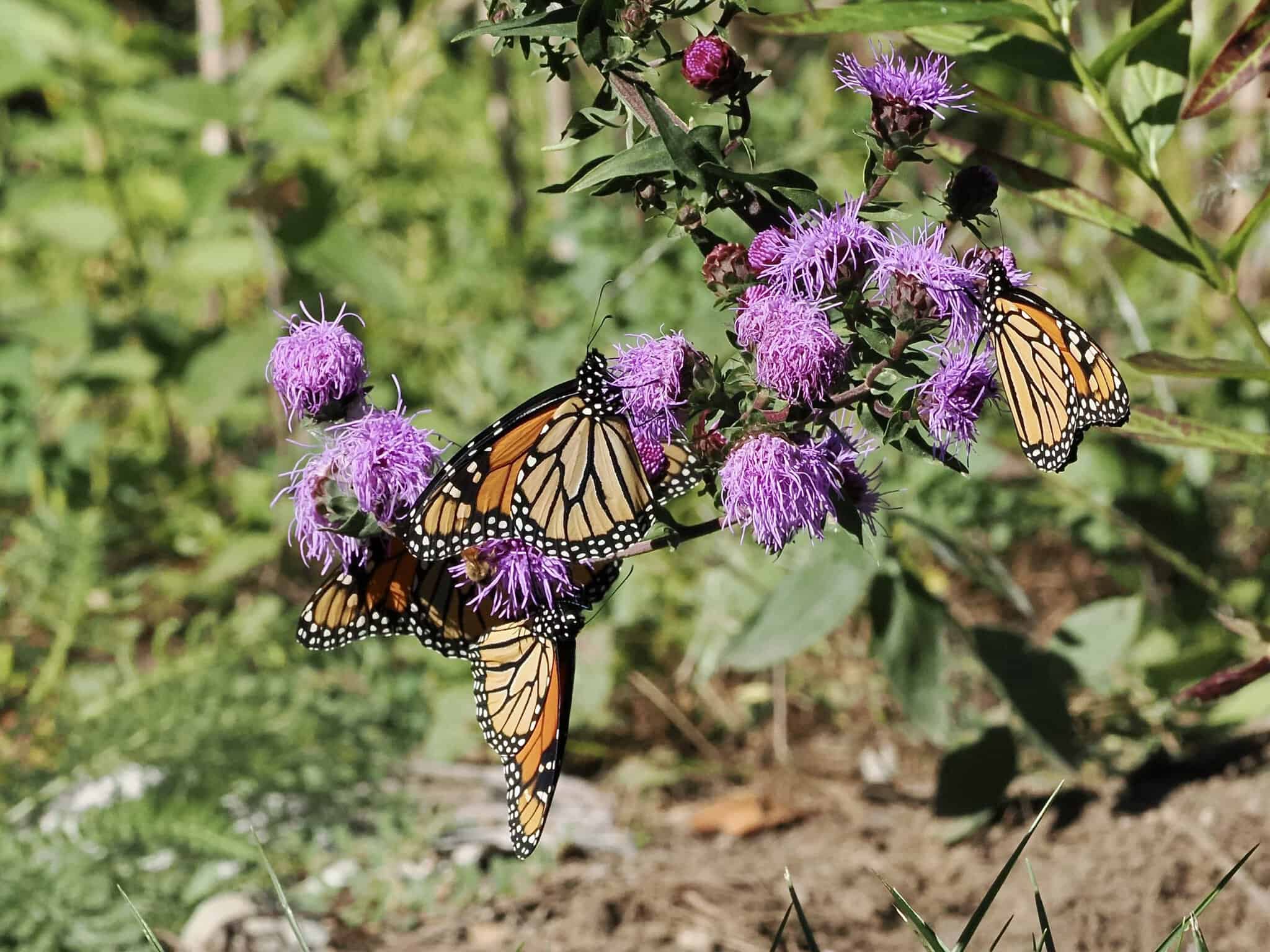
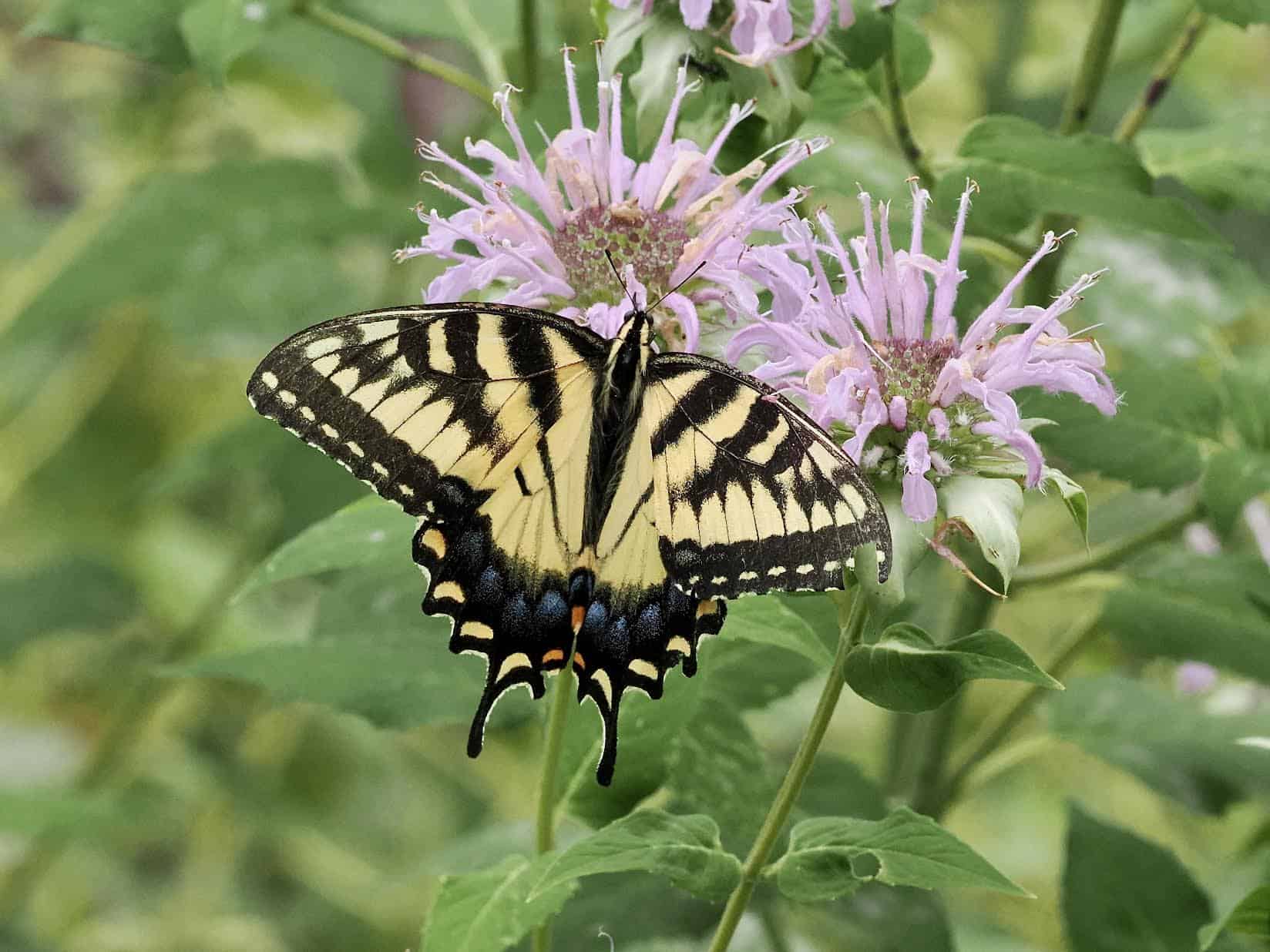
The insect chorus of crickets and grasshoppers is a background hum on warm days, with more prominent calls from cicadas and katydids. Many observers have seen monarch butterflies; these adults will make the remarkable long journey to the mountains of Mexico where they will rest for the winter months. Carol Roede found eight monarchs on one of her Blazing Star plants! I came across a fat tobacco hornworm (related to the tomato hornworm) munching on my tomato plants. Photos show other insects photographed in Lincoln this summer.
In the bad news department, the Mass.Dept. of Agricultural Resources (MDAR) recently confirmed an infestation of the invasive insect known as spotted lanternfly (Lycorma delicatula or “SLF”) in Lincoln. Spotted lanternfly is a pest that attacks tree-of-heaven, grapevines, maple trees, hop vines, and many other types of plants. This pest is known to impact grape/wine producers and other agricultural commodities, and can also interfere with outdoor recreation if infestations reach high levels, due to the swarming behavior of adult SLF in late summer and fall. That said, the insects themselves do not bite or sting – they are a nuisance because they gather in large numbers in areas where people are, and cover anything they are on with a sticky, sugary waste product known as honeydew. Michele Grzenda shared this information in the September Conservation News and also wrote,” Learn about what SLF looks like HERE (Poster is also available in Portuguese, or Spanish). Tons of information and resources can be found HERE. There’s a helpful 2 minute video about SLF in MA HERE. A Management Guide for Homeowners (PDF) can be downloaded HERE. You should report any sightings of SLF HERE. While the state is working to slow the spread of spotted lanternfly, its status in other states indicates that it cannot be eradicated.”
Finally, for my Massachusetts readers, in the upcoming election on Tues. Nov. 3 I strongly urge you to vote YES on ballot question 6. This would establish a Nature for All Fund which would enhance many aspects of natural resources conservation. For details please consult the recent booklet (red cover) entitled Information for Voters which was mailed to all residents. I am writing this now because mail-in ballots should arrive in our mailboxes in the early part of October.
LINKS