Written by Gwyn Loud for the Lincoln Land Conservation Trust. She welcomes your sightings and questions at 781-259-8690 or gwynloud555@gmail.com
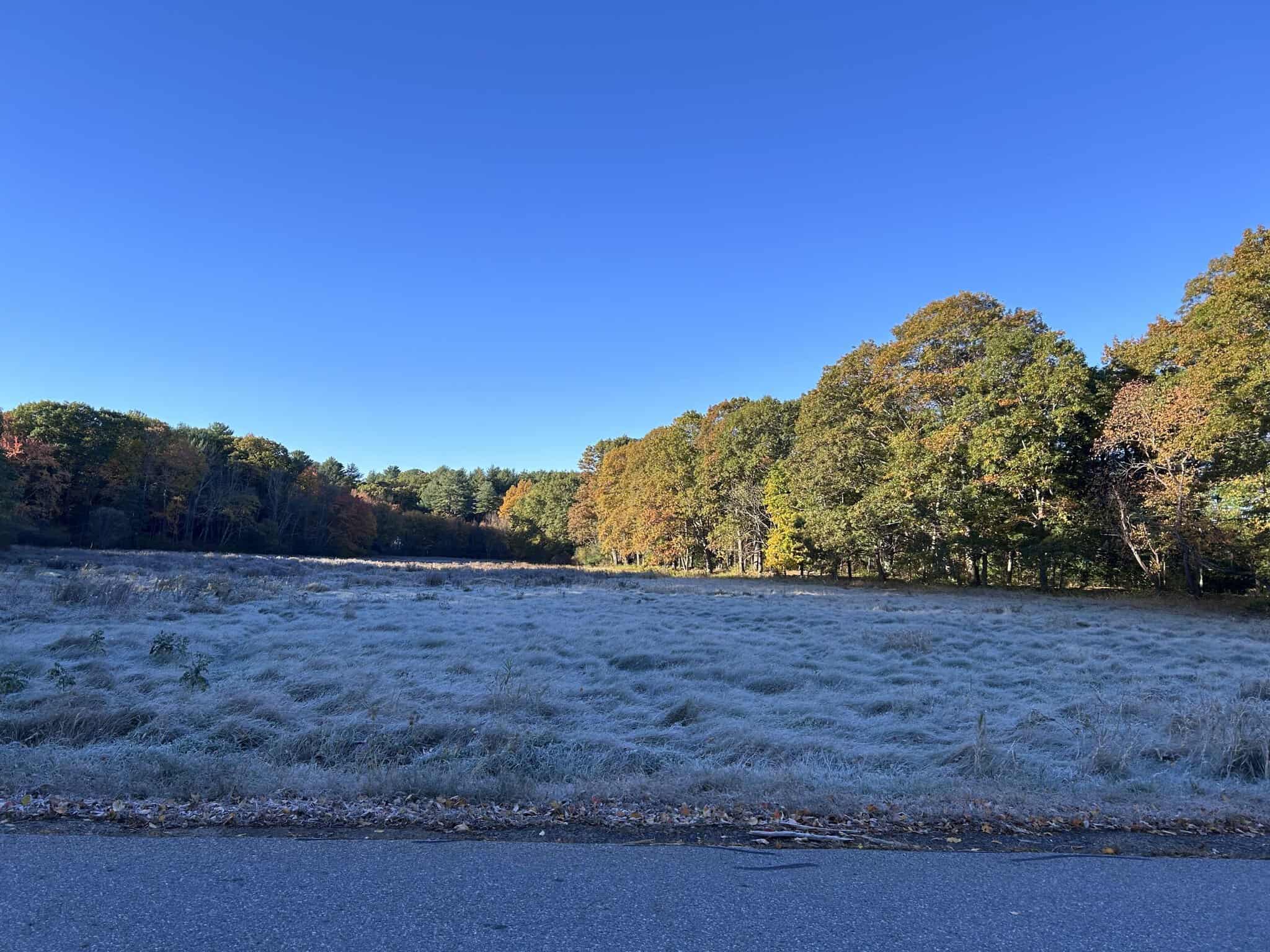
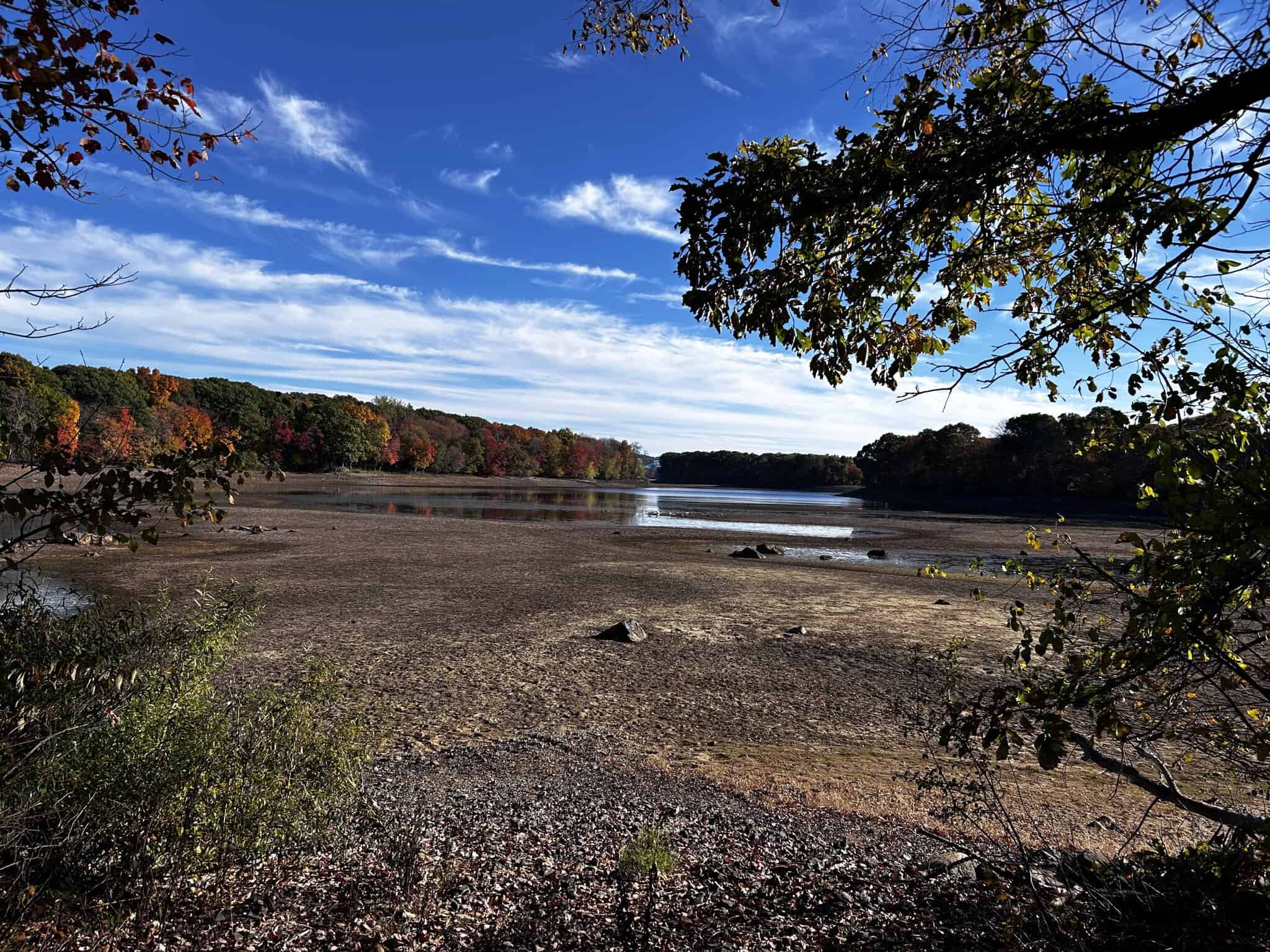
The most notable weather event of the last month was a powerful nor’easter on September 25-27, leaving many tree limbs down, power outages, and much-needed rain. Since then we have had a mix of rainy days, glorious sunny days and primarily warm weather. The water is now higher in our ponds, streams are flowing, and the Cambridge Reservoir also looks better, although some areas still resemble mud flats or grassy fields. Frost had eluded us but arrived in low-lying places early in the morning of October 18. The LLCT’s annual Scarecrow Classic road race that day was a brisk affair, with runners setting off in the 40℉s.
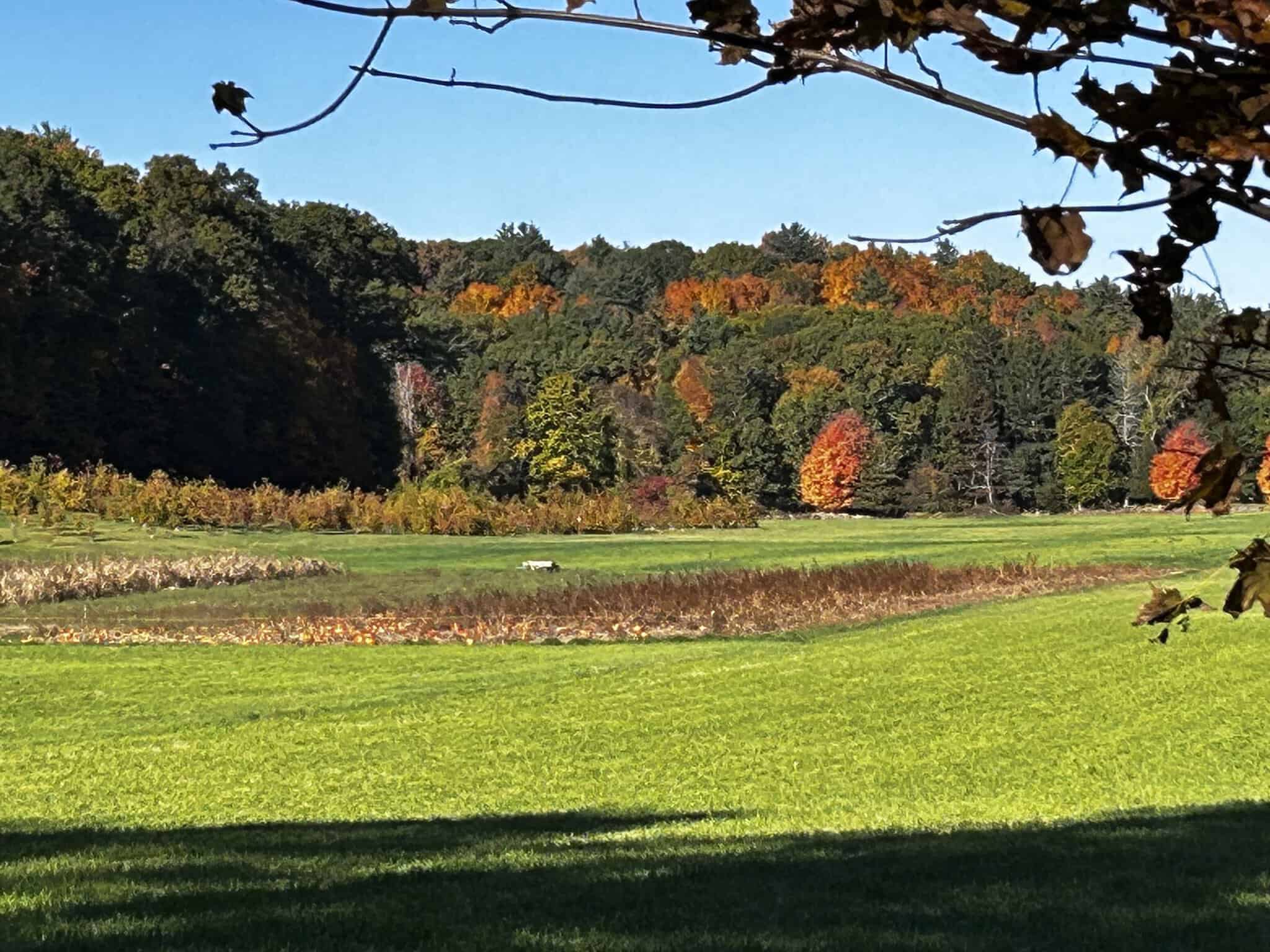
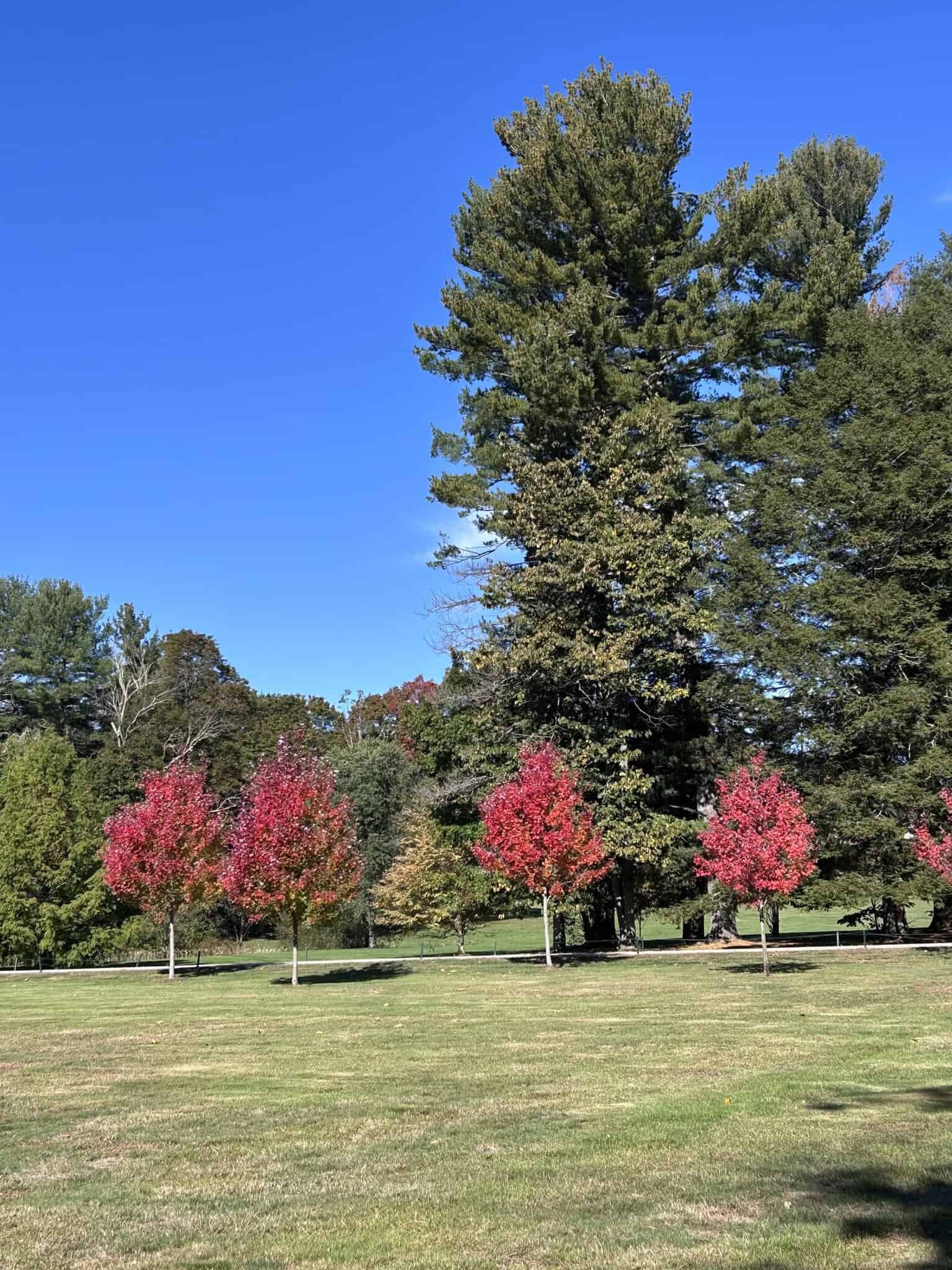
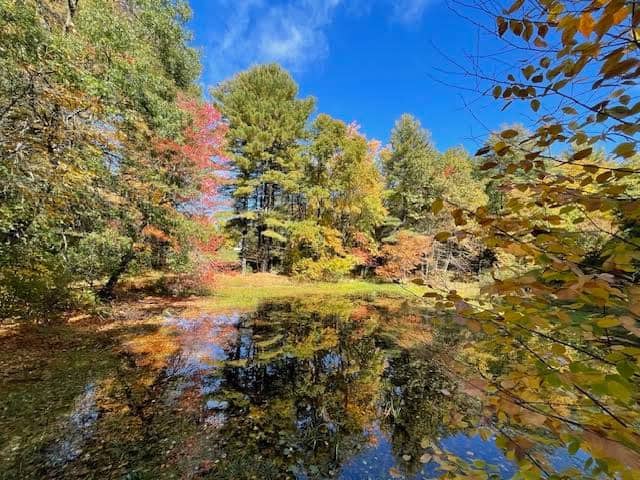
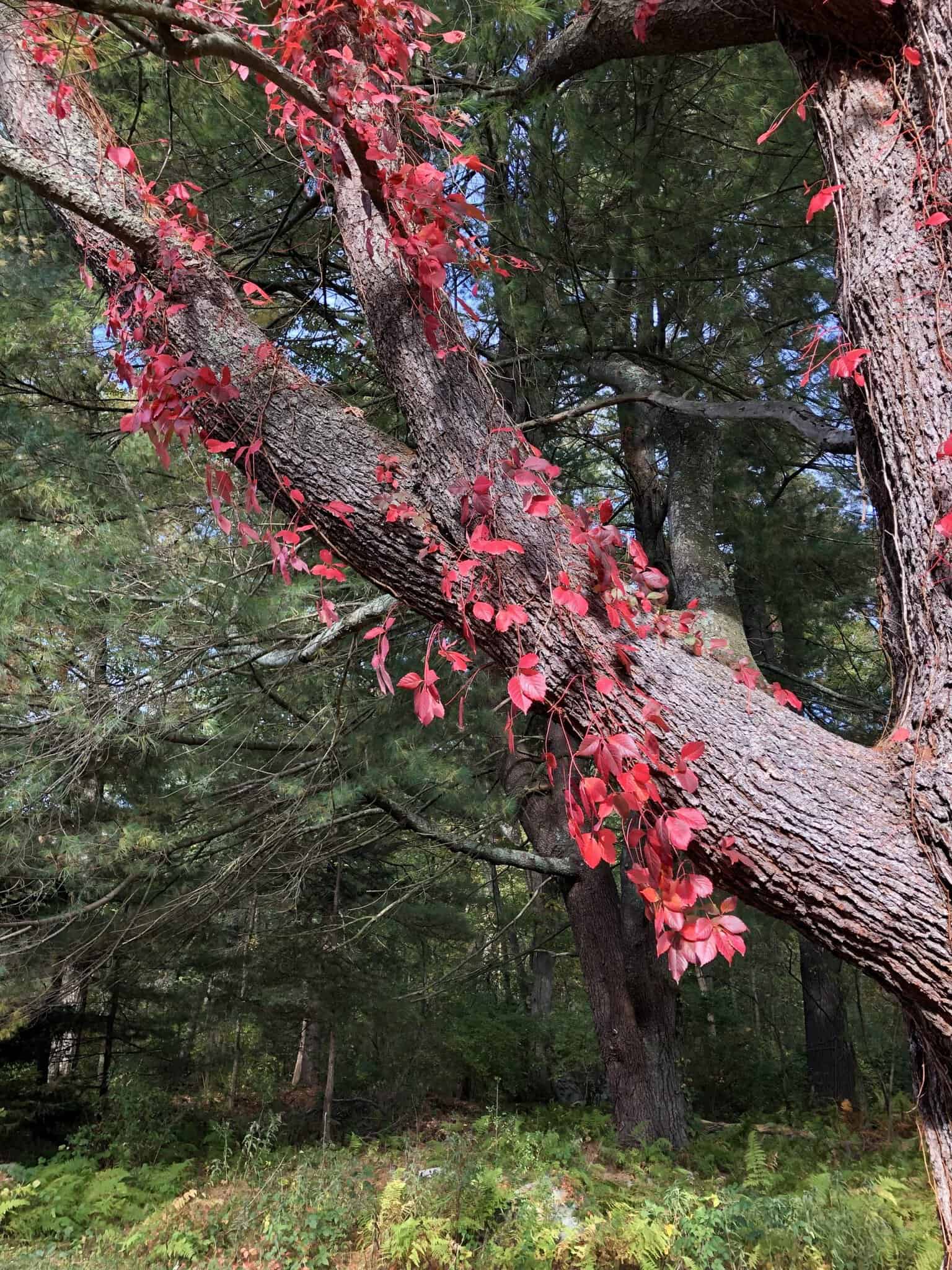
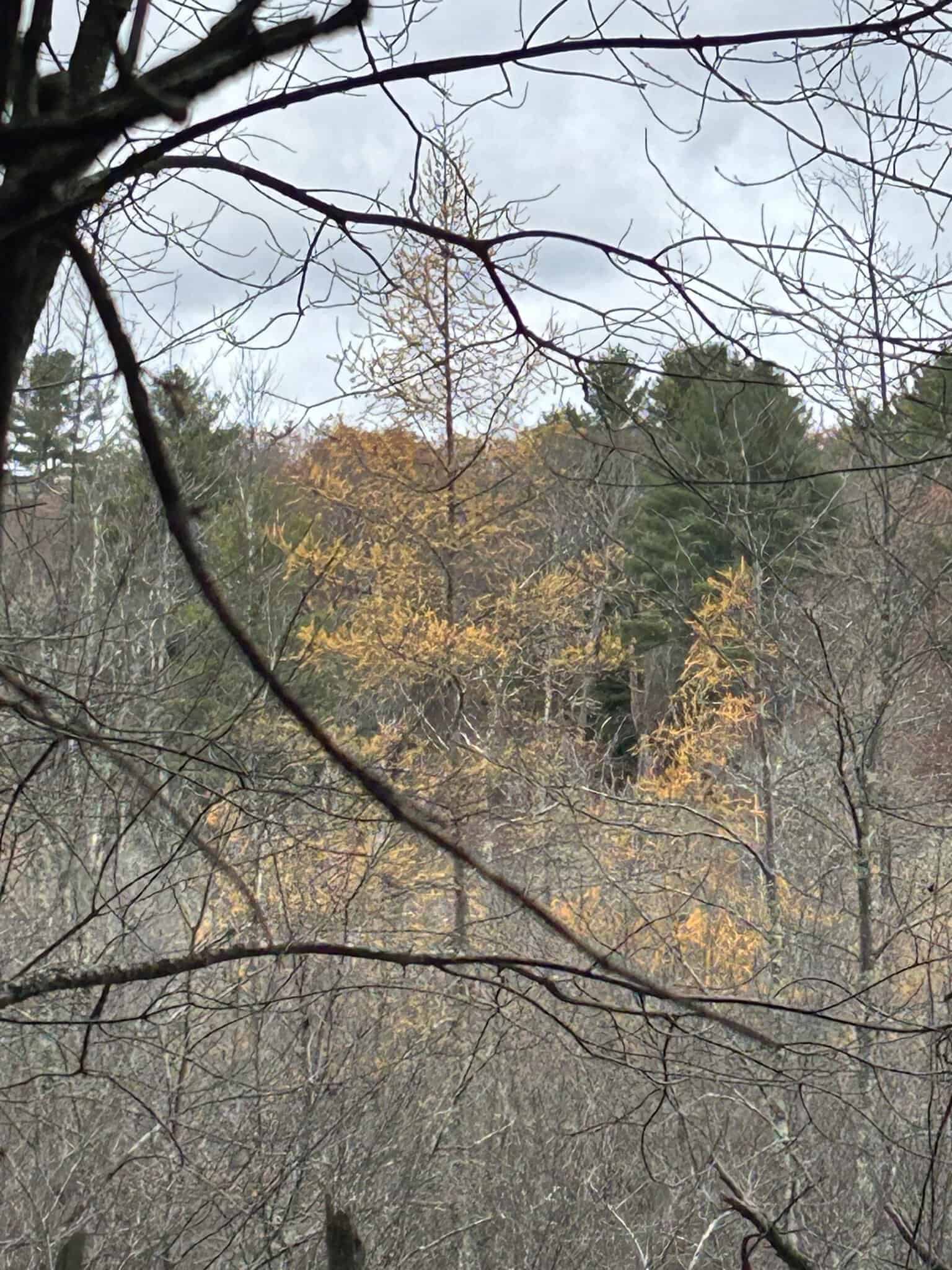
The fall foliage is painted with the beautiful colors of autumn; as the chlorophyll vanishes, the underlying pigments of yellow and orange in the leaves are revealed. Reds and purples form in the foliage in the fall when sugar gets trapped in the leaves. The “Leave the Leaves” campaign urges us to let fallen leaves decompose naturally, enriching the soil and providing over-wintering habitat for wildlife such as earthworms and insects. Likewise, leaving many stems standing in flower beds provides a winter refuge for various insects, such as native bees. On my lawn I use a free (and quiet) leaf-blower: the wind! You may notice lots of brown needles on the forest flower beneath white pines; this is a normal occurrence each year, when about a third of the tree’s needles drop. Larches (aka tamaracks) are the only deciduous members of the pine family, with their needles turning a golden yellow in the fall before they all drop.
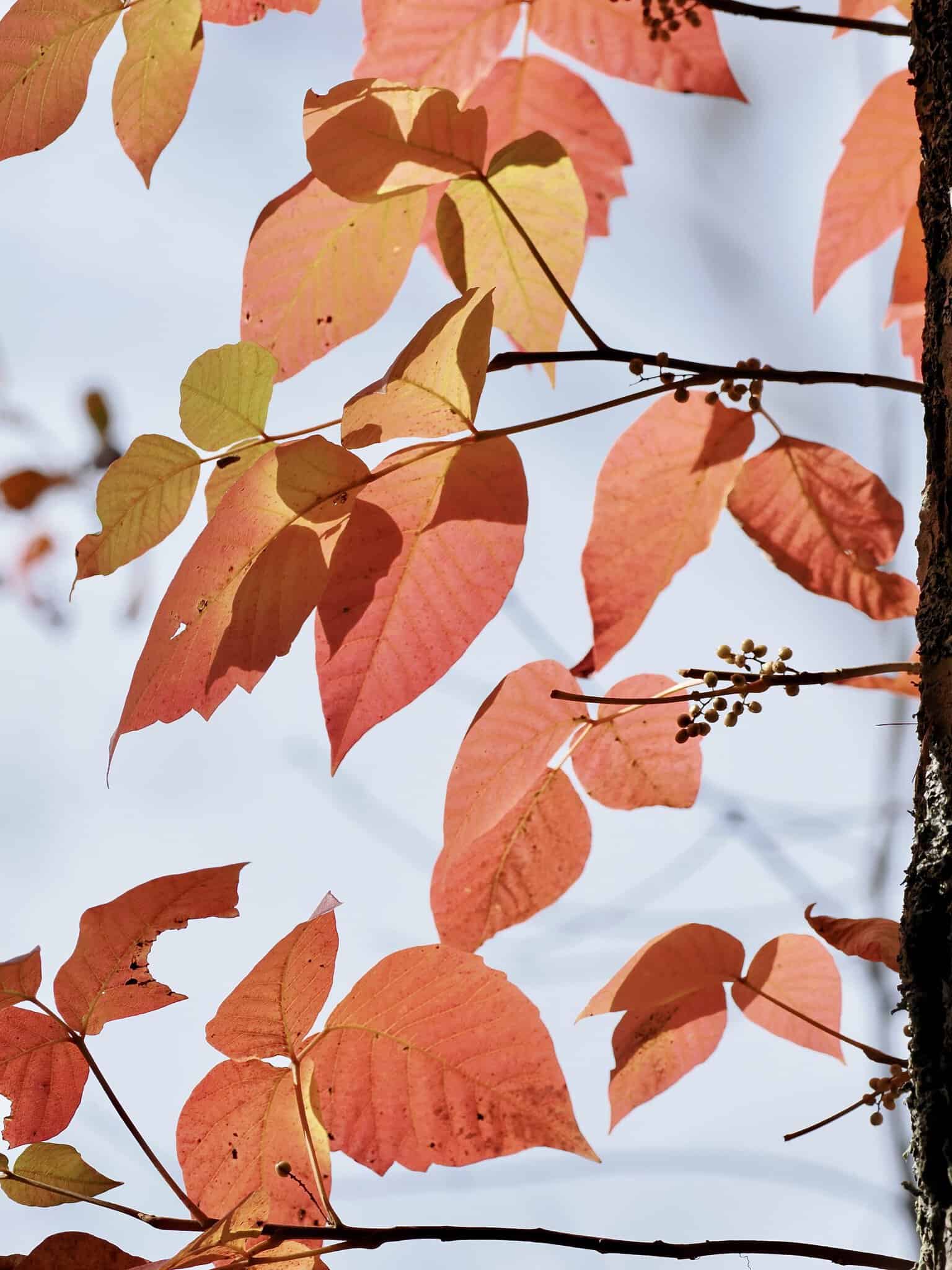
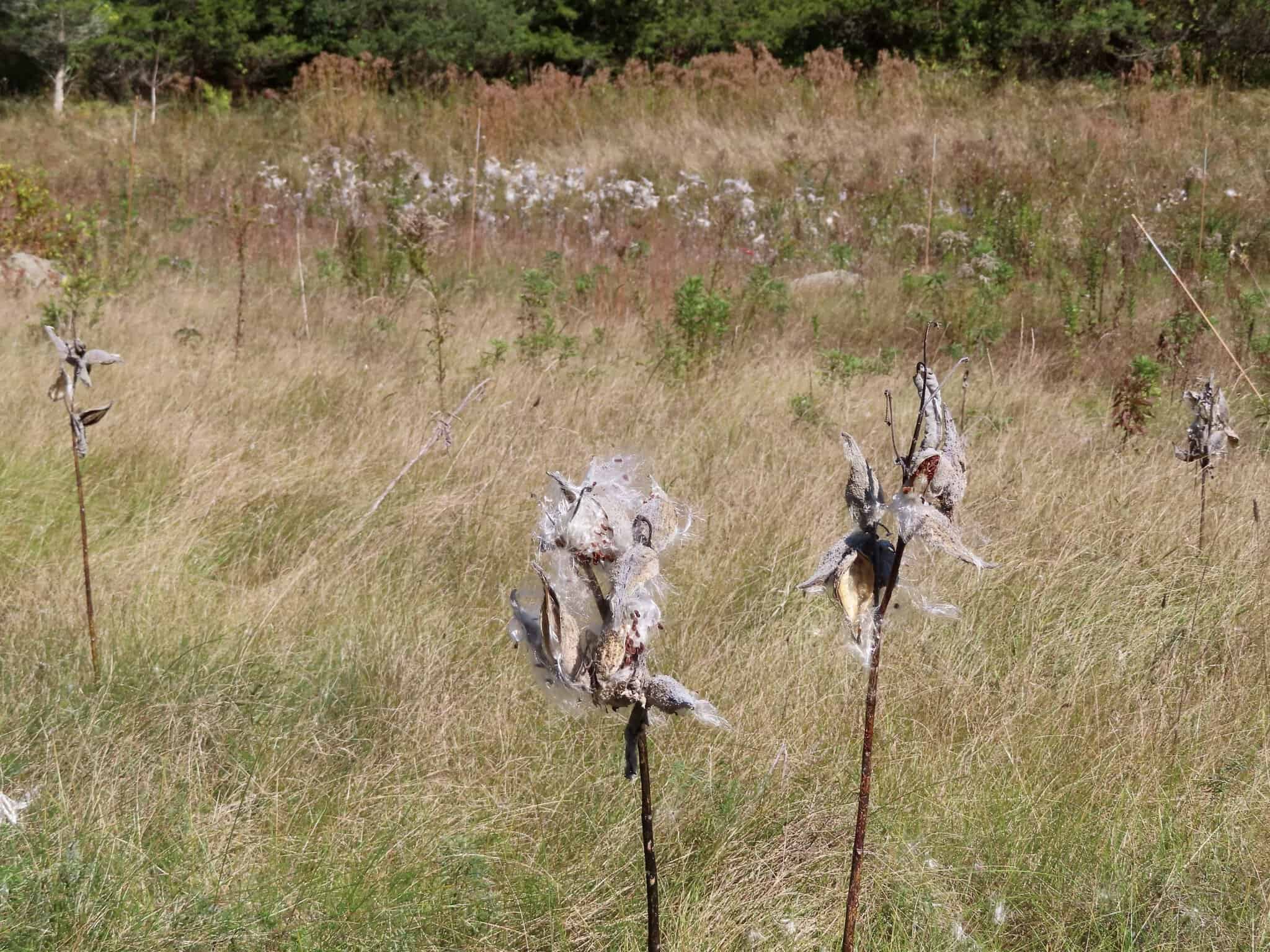
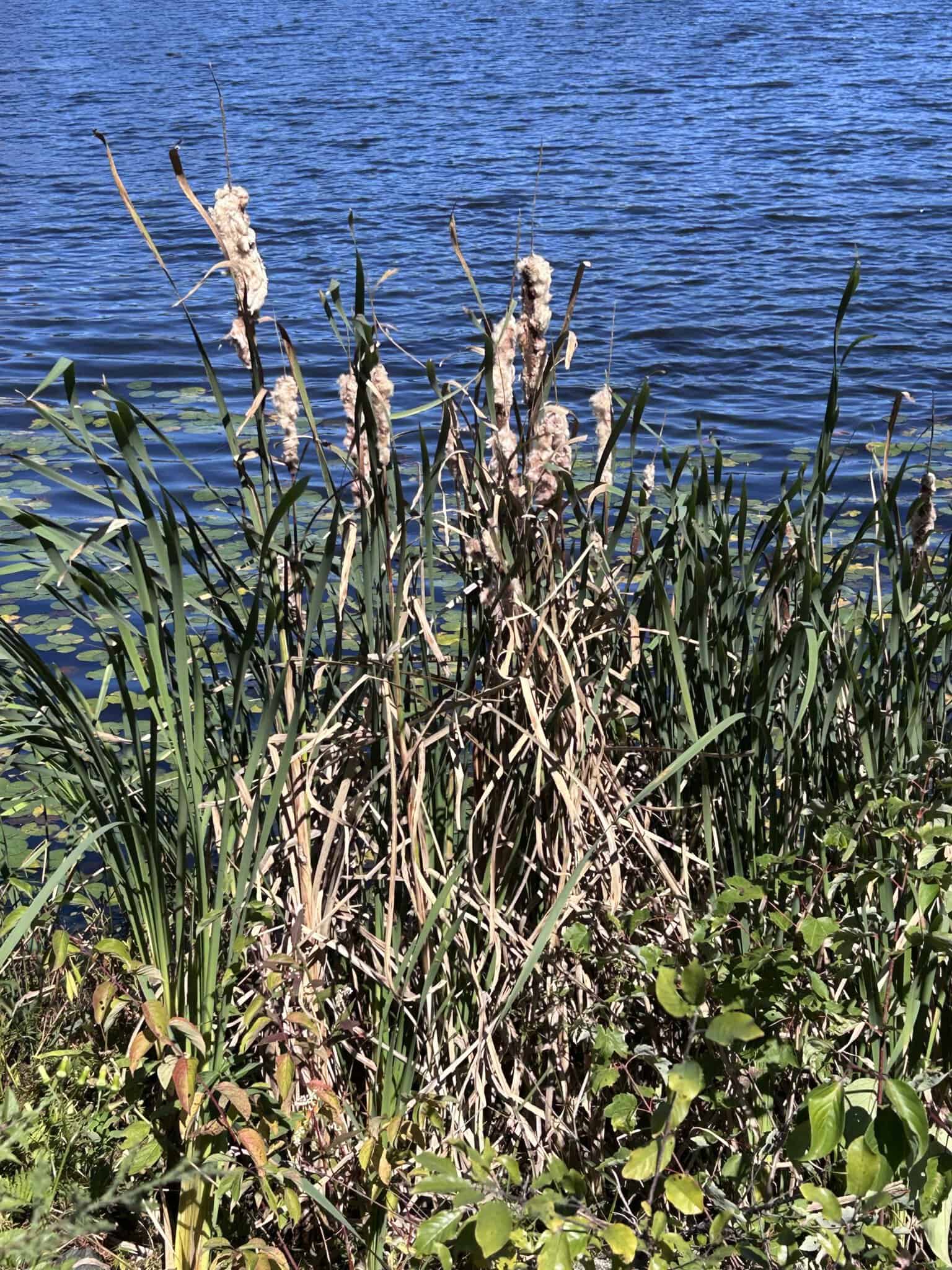
Berries, nuts and seeds abound at this season. Seeds travel in various ways, some going by wind, such as milkweed and cattails, some floating in water, some, such as burrs, “hitchhiking” by sticking to the fur of passing animals, and some becoming part of excrement after the soft part of a berry has been eaten. Poison ivy is a good example of the latter; birds eat the berries, then fly away and spread the seeds when they poop. Global trade also causes seeds to travel around the world, leading to the proliferation of non-native plant species.
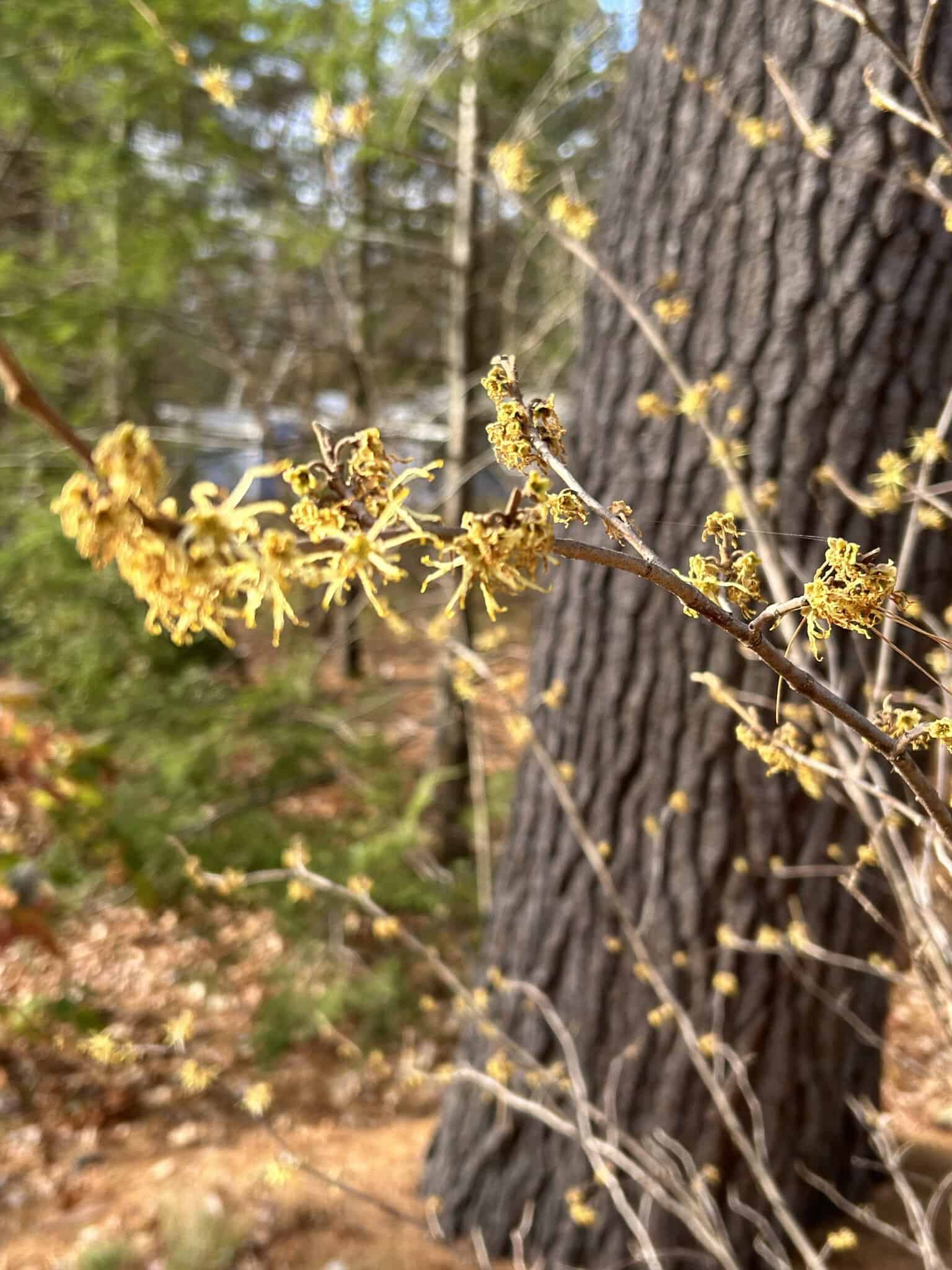
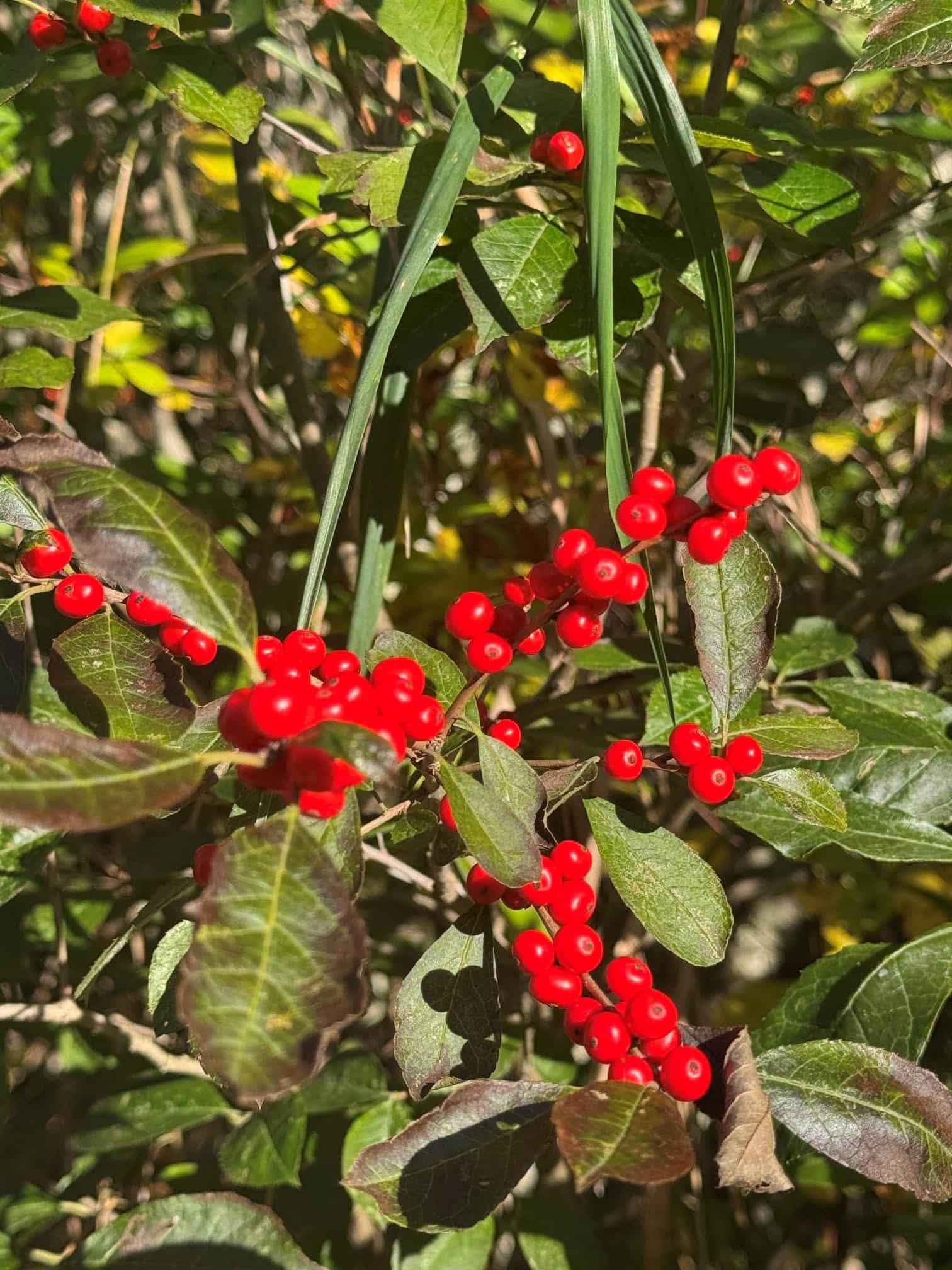
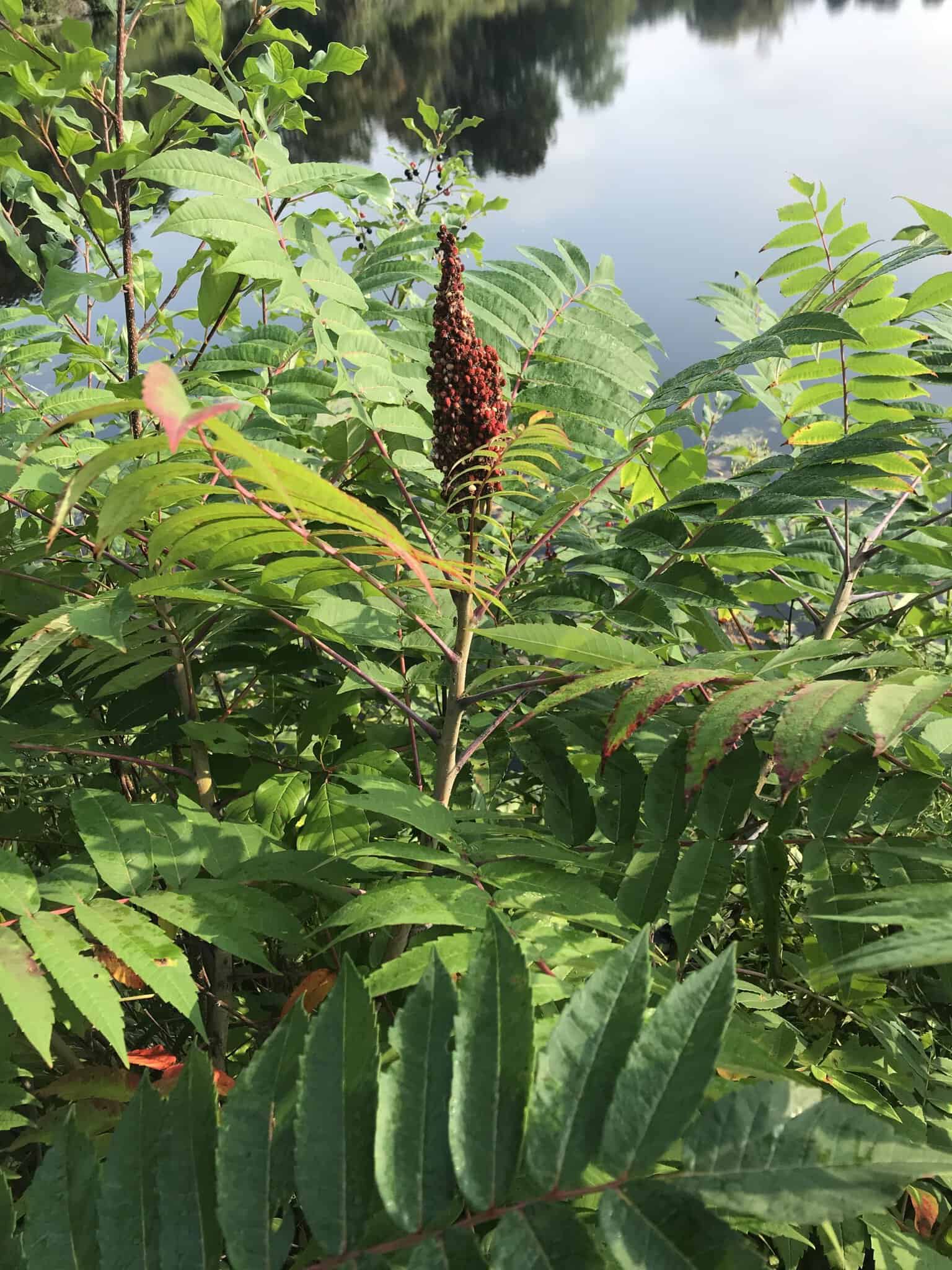
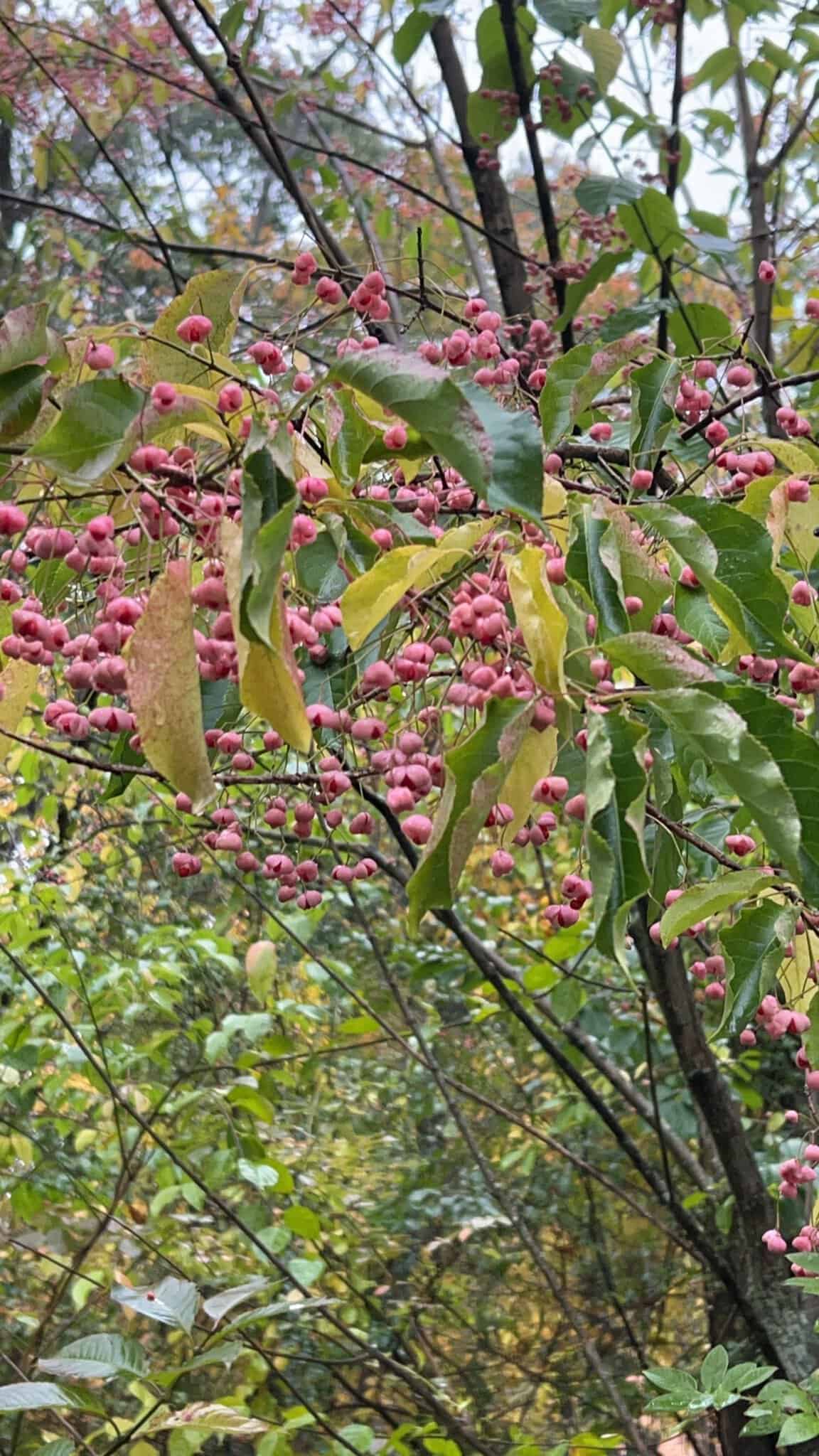
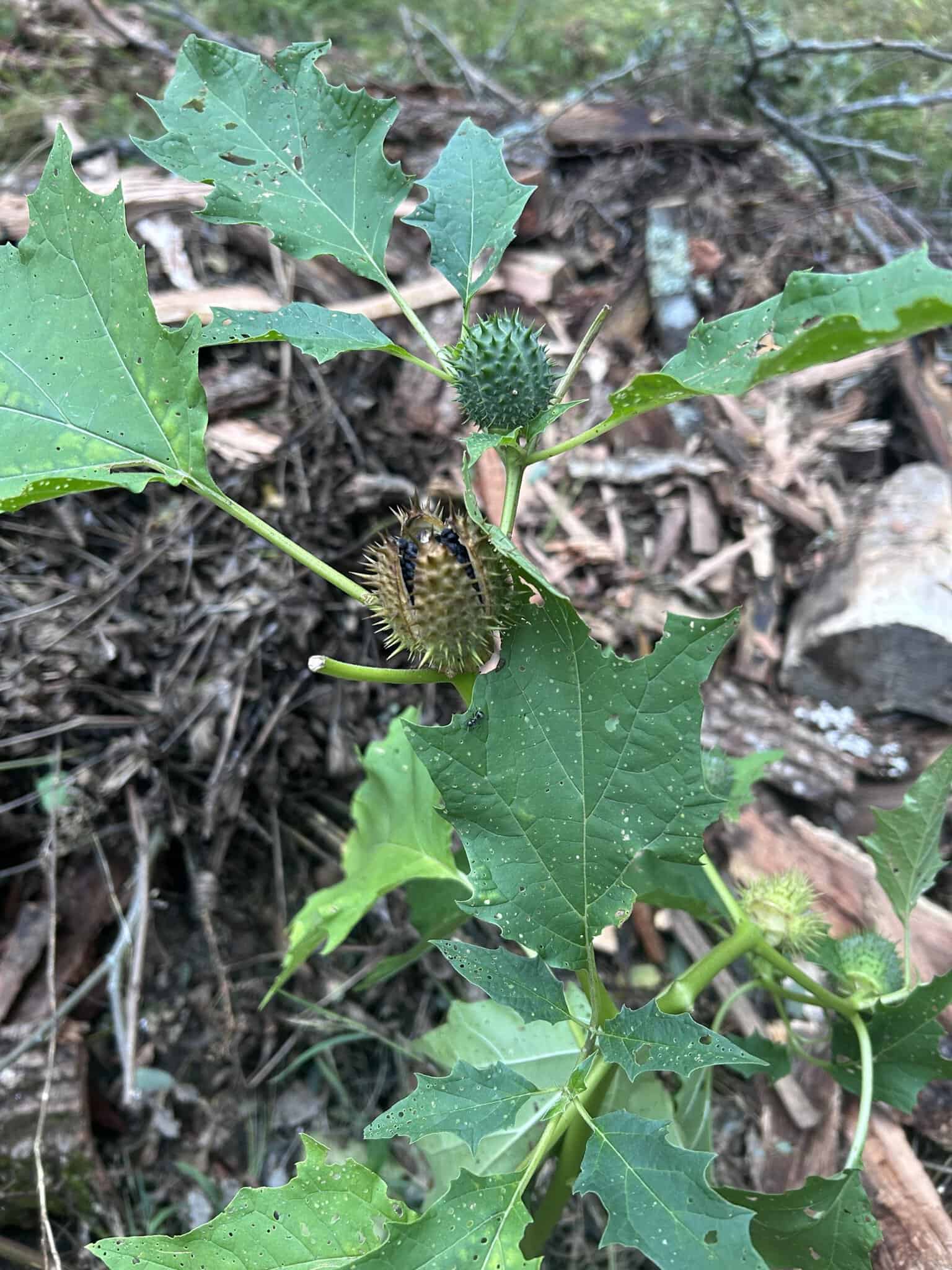
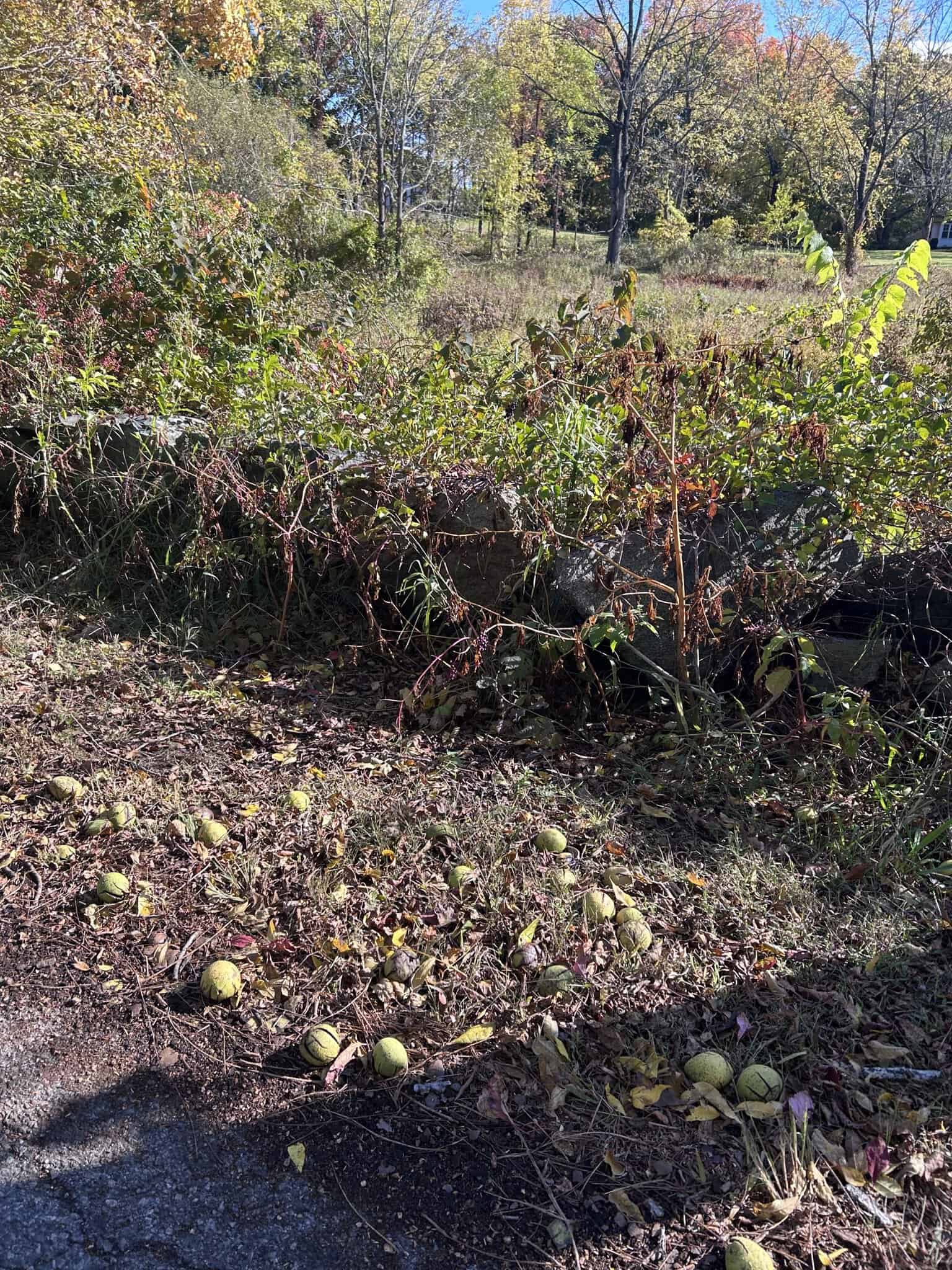
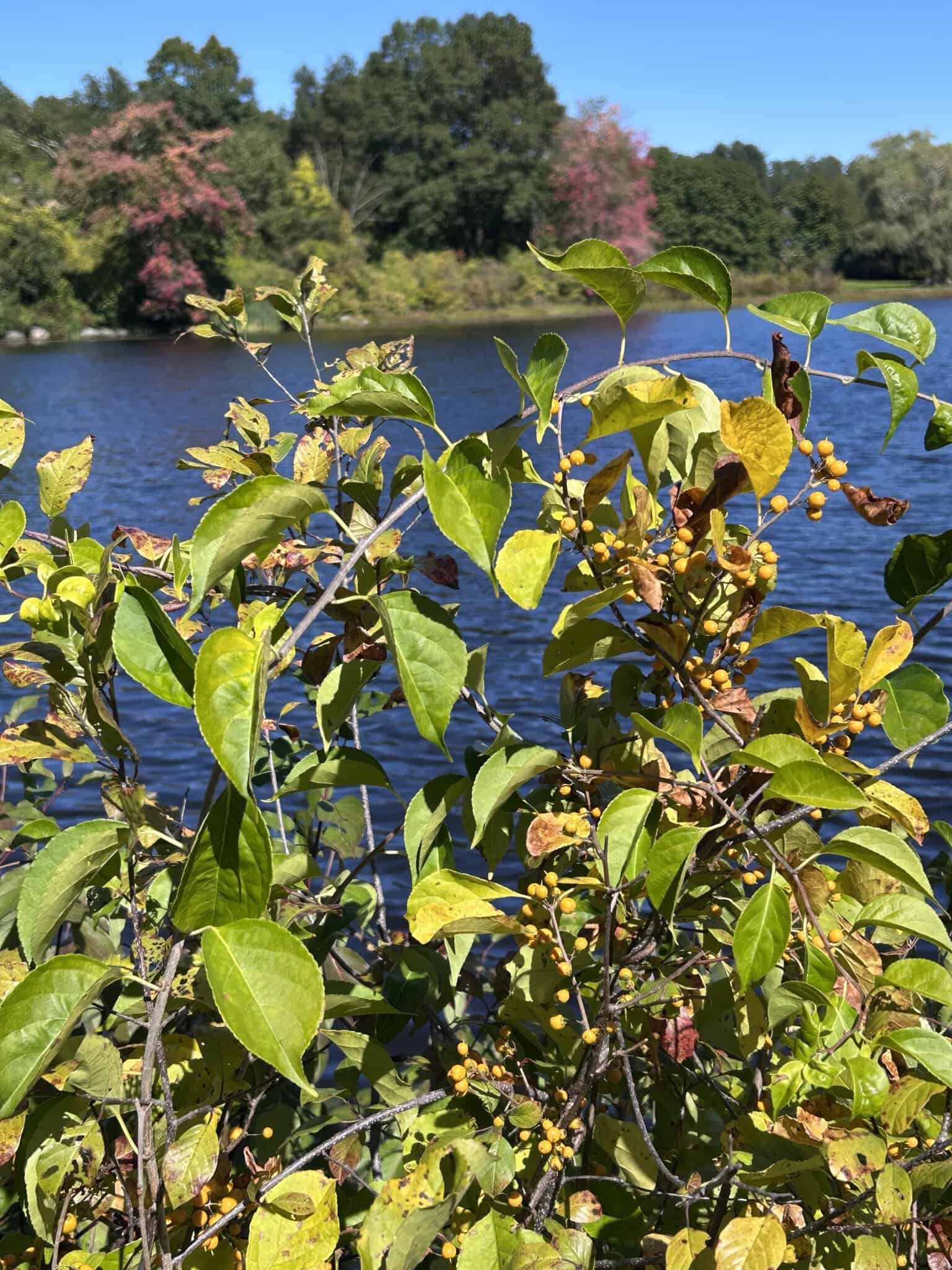
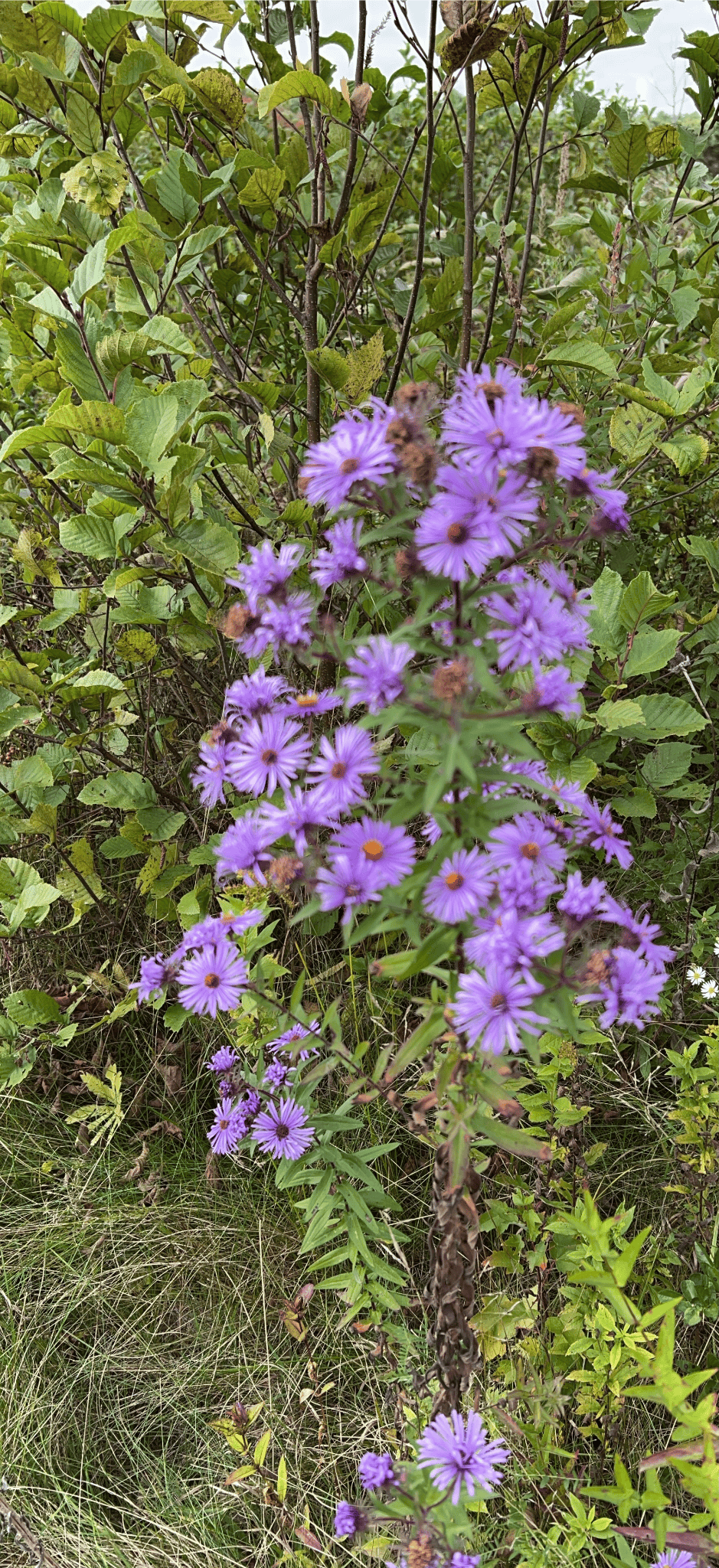
I discovered a new weed on my property recently: jimsonweed (aka thorn-apple, stinkhorn), and pulled it before its egg-shaped spiky pods opened and burst. I read that it is very toxic if ingested and can be a skin irritant. Noticeable plants producing berries and nuts include winterberry, multi-flora rose, Carolina nettle, Hamilton’s spindle, black walnuts, staghorn sumac, and, of course, acorns. Witch-hazel is blooming in our woods, showing off its spidery yellow flowers.
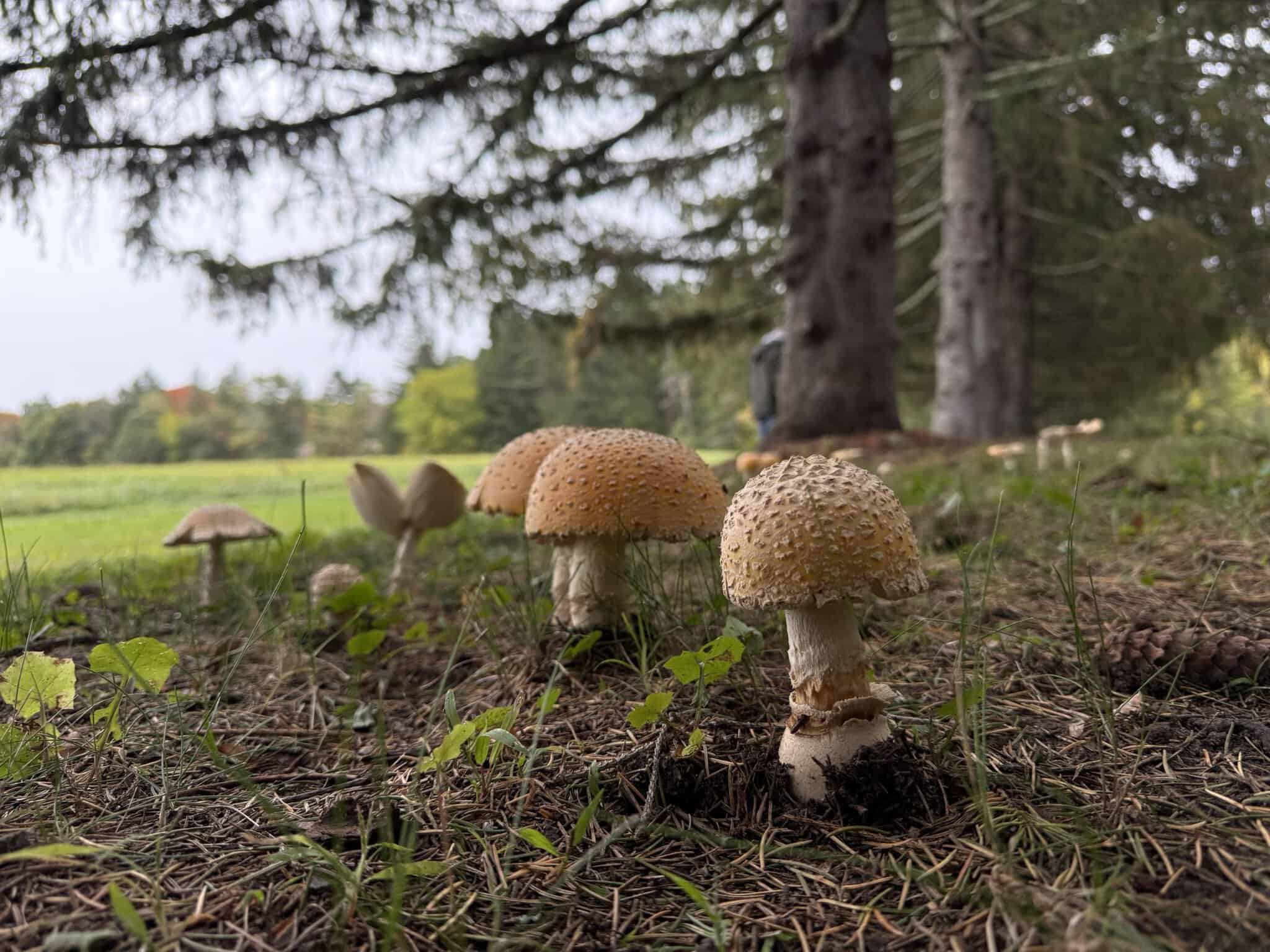
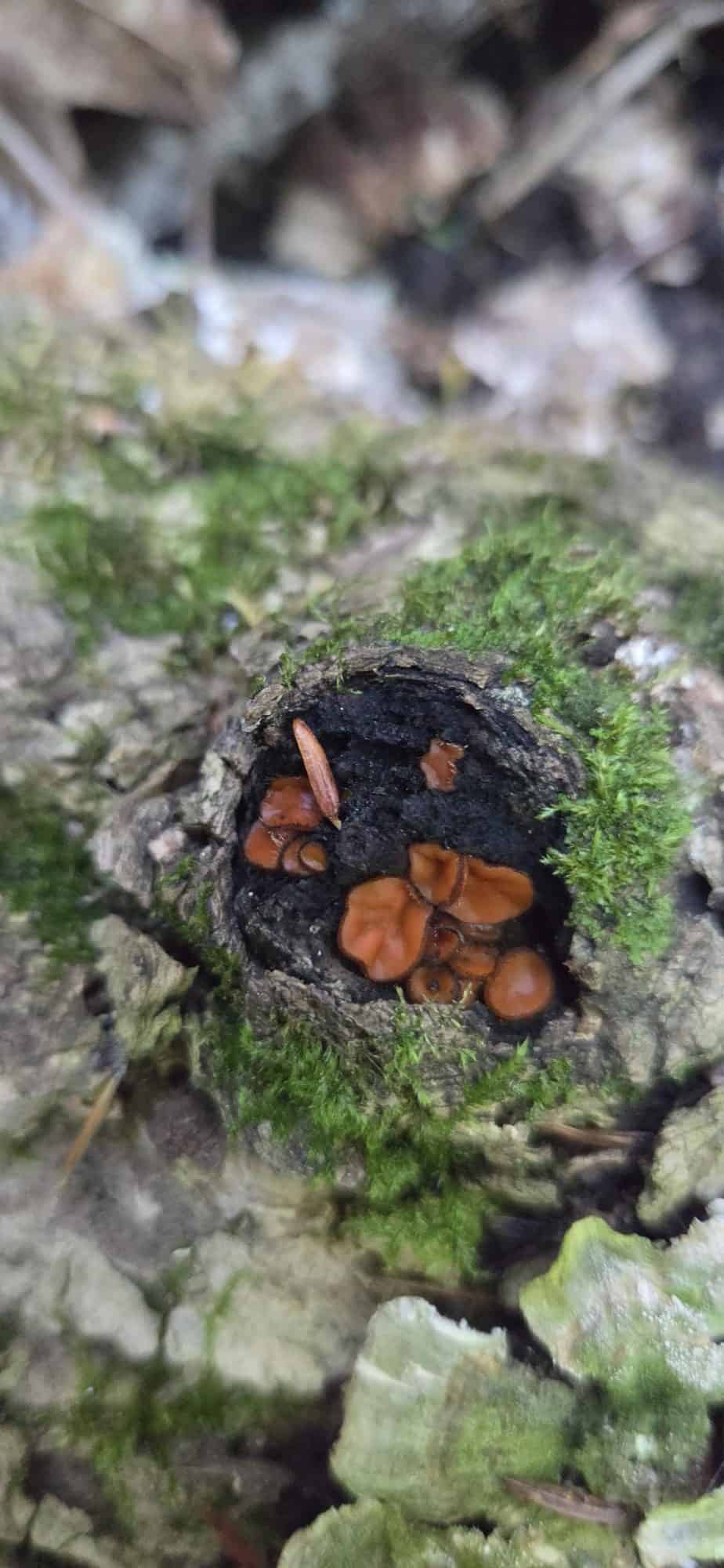
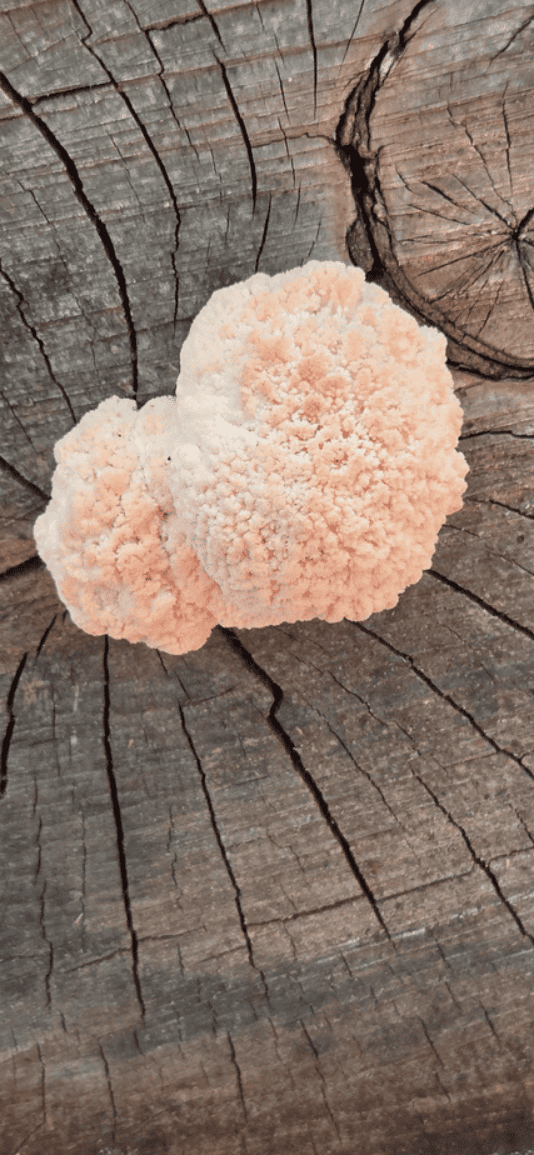
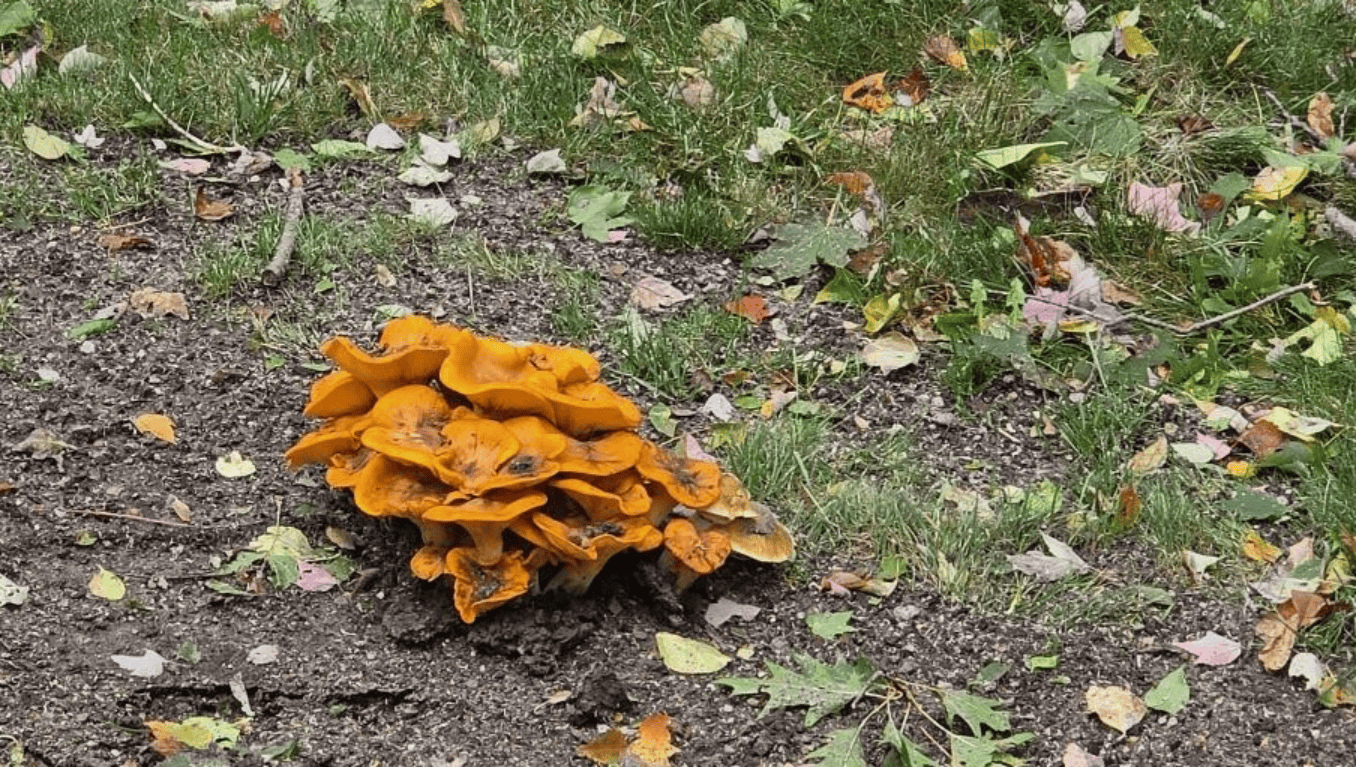
Conservation Ranger Will Leona writes, “Autumn provides a perfect mix of moisture, soil temperature, decaying matter and collected nutrients to provide us with a booming bloom of fungi and slime molds…..On a guided hike in late September, we came across a small cluster of eyelash cup fungus. These beautiful tiny, cupped fungi have small bristles on their outer edge that resemble eyelashes. These help protect the mushroom from grazing insects. On the roadside edge of someone’s lawn in Lincoln were several clusters of Jack-O’-Lantern mushrooms.The orange mushroom clusters get their name not only from their color, but from their ability to faintly glow at night. I was very excited to see a young lion’s mane mushroom growing at the end of a log on the trails of Flint’s pond. As this mushroom matures, it will grow long hanging hair-like strands resembling a lion’s mane. This is a mushroom prized for its use in cognitive function and a variety of other health benefits. Several types of slime molds have also been present. These amazing organisms are not fungi, plants or animals. Once thought of as fungi, it has been discovered that they are from the protists group. Some remain single-celled and some join together to become a super-celled organism. They all work together by slowly moving across decaying wood and food sources, signaling to each other when food sources are running out and when new sustenance is found. They come in a large variety ranging in appearance from things like the aptly named “dog vomit slime mold” to little round balls of the “insect egg slime mold” and many more.“
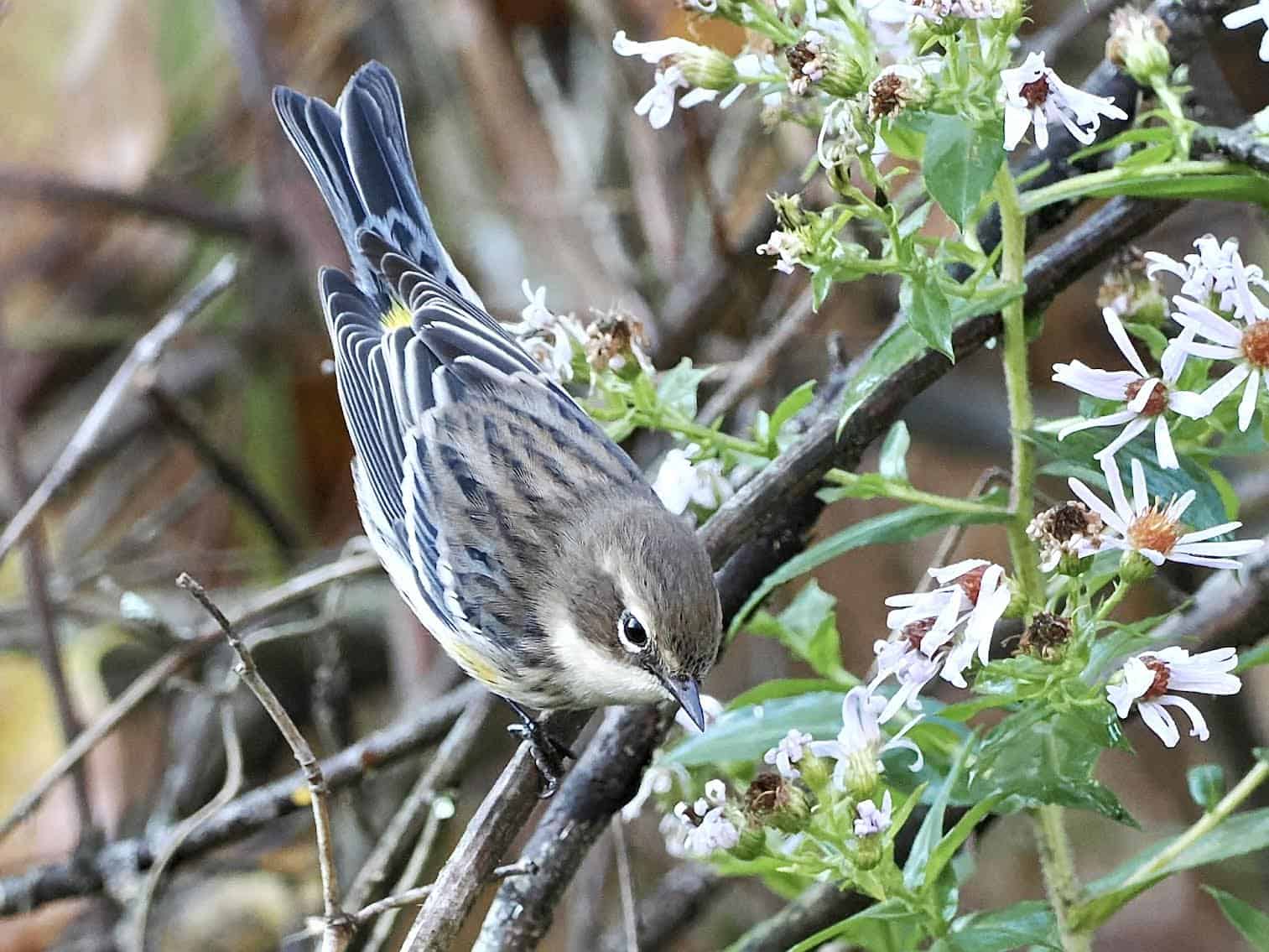
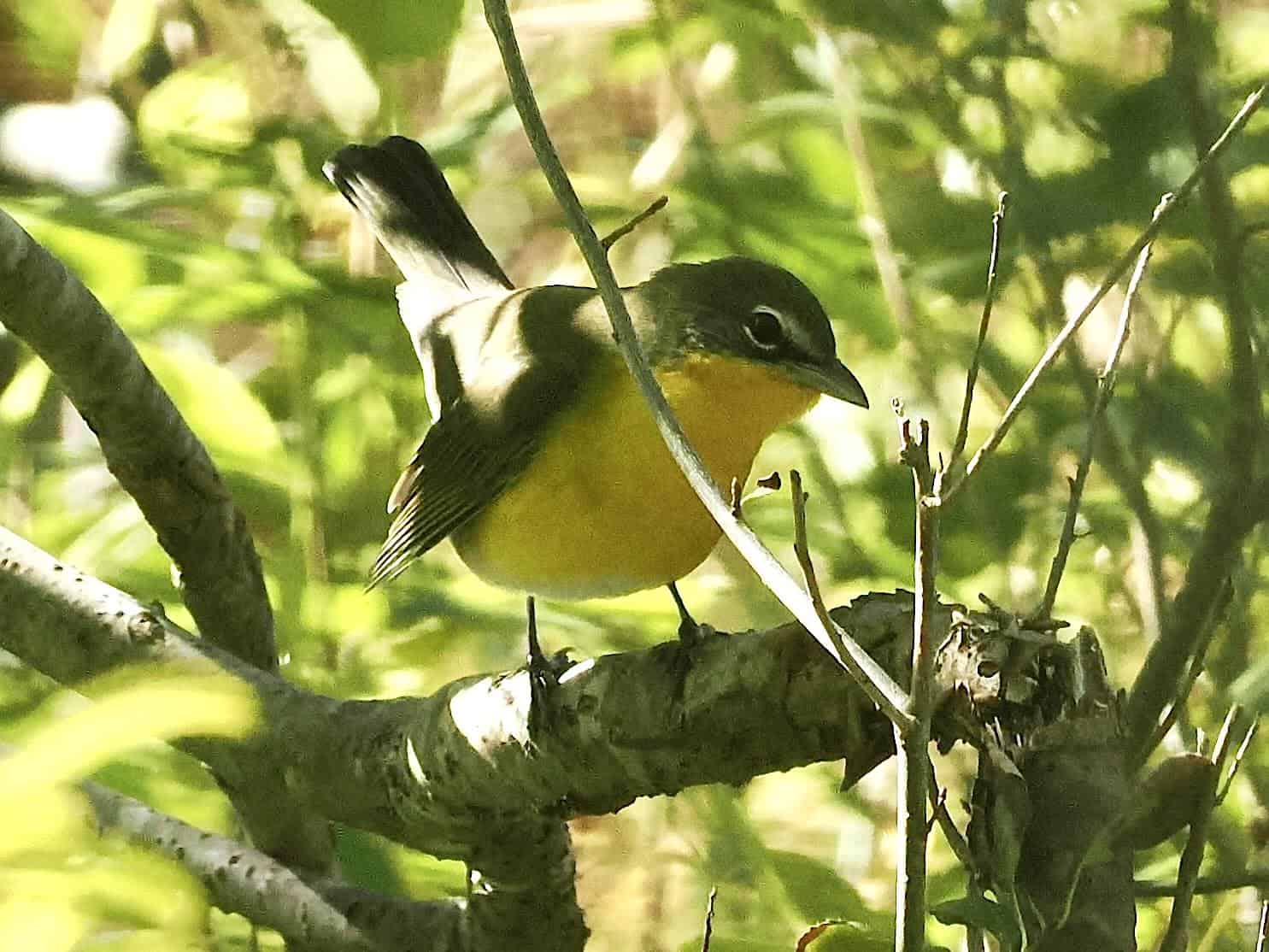
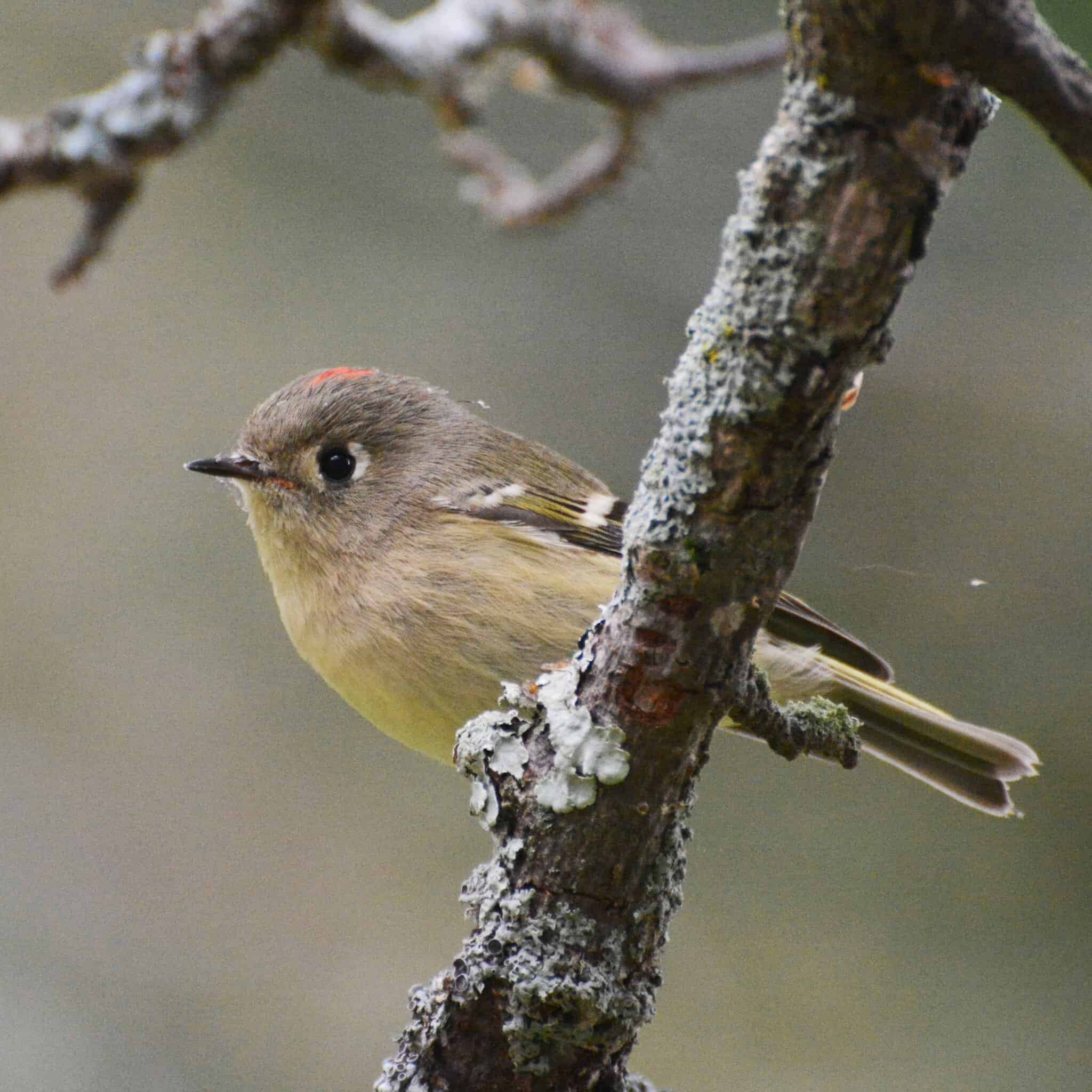
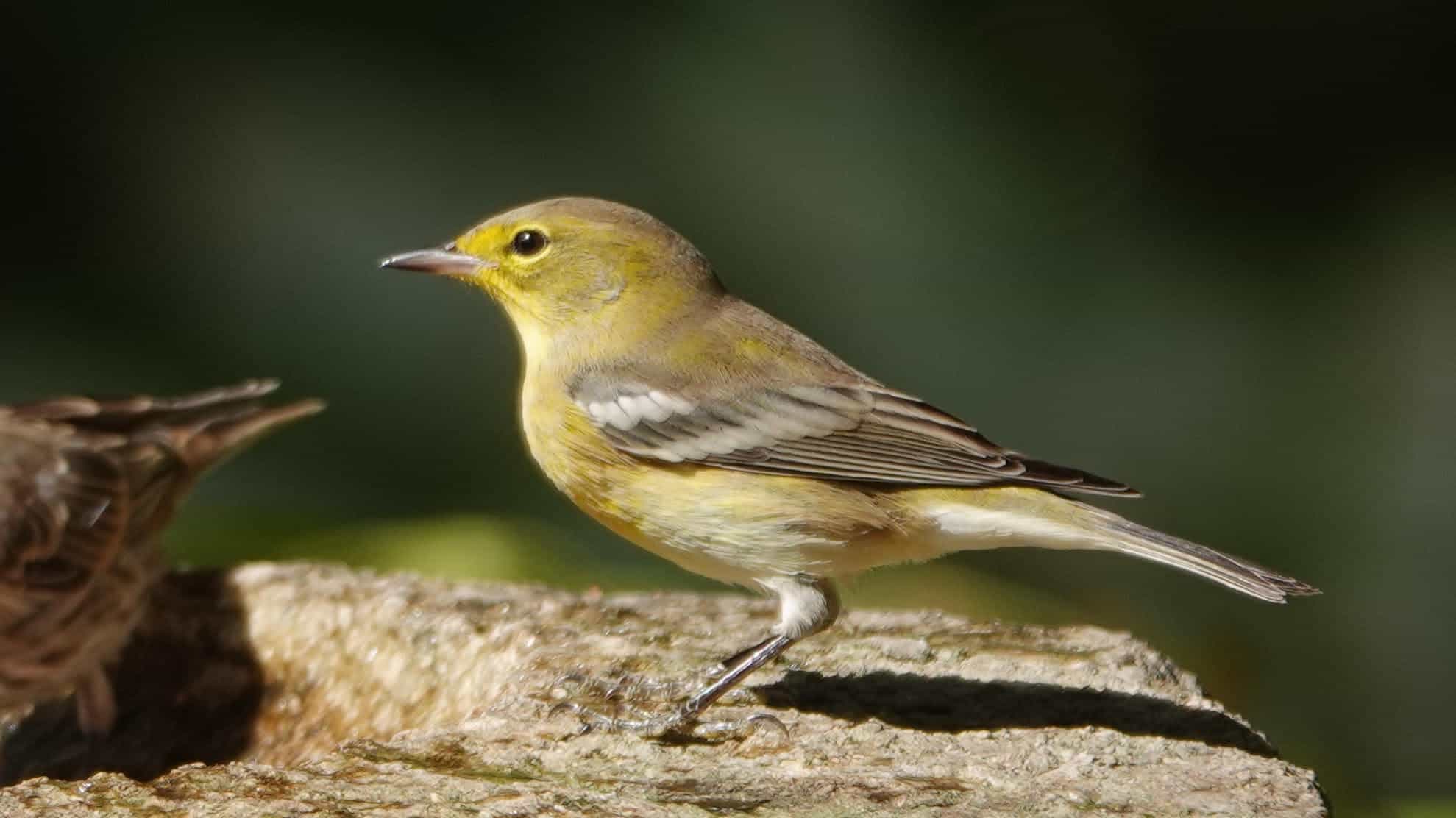
The peak of fall bird migration is behind us but there are plenty of late-comers still passing through, such as lingering bobolinks, large flocks of chipping and savannah sparrows, and American pipits. A vesper and grasshopper sparrow (unusual) were seen at Drumlin. Dickcissels, swamp sparrows, ruby-crowned kinglets, and warblers including palm, yellow-rumped, pine, and blackpoll have been reported. The tiny blackpoll warbler makes an epic fall migration, flying non-stop from the Eastern shore of the US over the Atlantic to its wintering grounds in northern South America, a journey of at least 12,000 miles roundtrip. A single yellow-breasted chat was spotted and group of teen birders at Drumlin reported a Philadelphia vireo and Cape May warbler. Walking through the Food Project fields, Norm Levey came across a flock of ten killdeer gleaning in the harvested crop areas. Pam Sowizral described a raptor drama; “One morning in Boyce, I saw a Cooper’s hawk chasing a raven. Then the Coop chased a flock of killdeer – almost got one. Moments later the Coop was being chased by a red-shouldered hawk but then a turn-around with the Cooper’s chasing the red-shouldered hawk!”
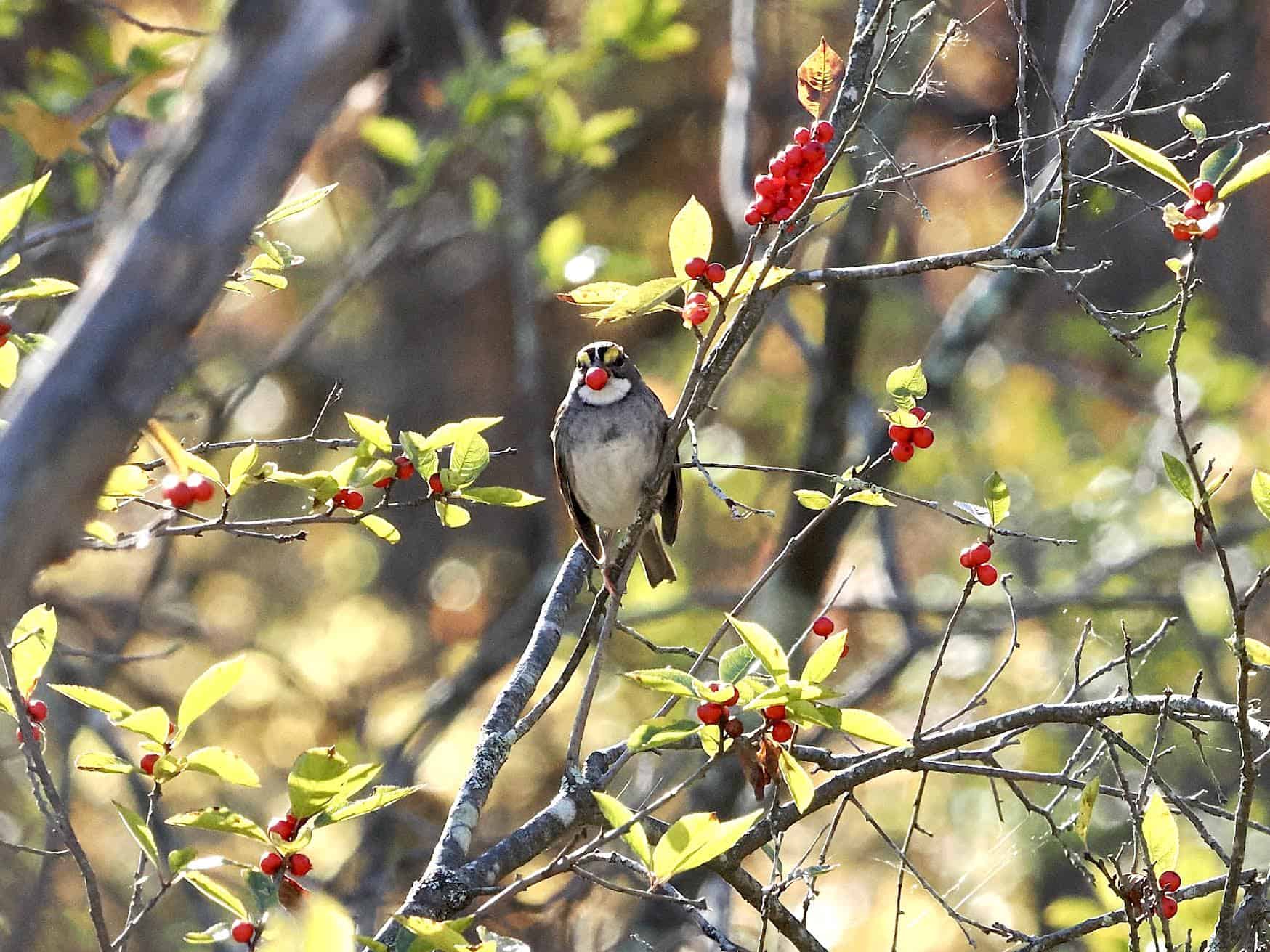
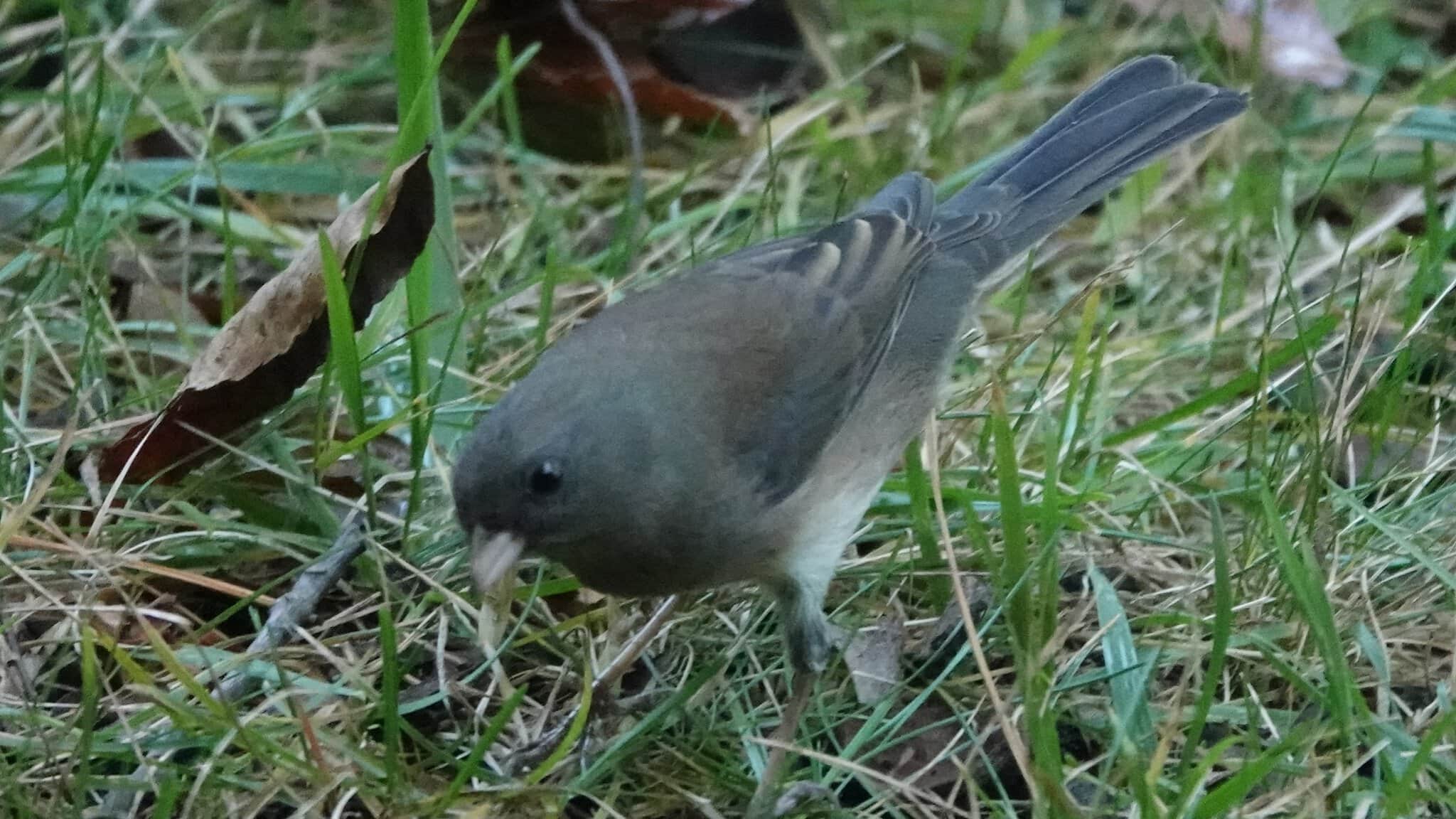
Winter residents such as the white-throated sparrow and dark-eyed junco have just arrived, coming south from their nesting grounds to spend the winter here, often found under bird feeders, as they prefer to feed on the ground. Those who feed birds are advised set up feeders by the end of the month to make sure the birds put your “restaurant” on their route. A citizen-science project sponsored by Cornell called Project Feeder Watch is an easy and enjoyable way to both observe birds and contribute to national data about avian populations. See link below for more information on how to join. I have been doing it for over twenty years and it makes me more focused on exactly who is going to the feeders (including squirrels).
Our local mammals are all preparing for winter by fattening up, storing food, and, in some cases, growing thinker fur. The woodchuck, aka groundhog, is our only true hibernator, although in its winter burrow, it actually moves between periods of deep torpor and brief warm-up. Ashley Glover, in Biology Insights, writes,”During torpor, the woodchuck’s physiology drops to extraordinary lows. Heart rate falls from a normal active rate of several hundred beats per minute down to about five beats per minute, and body temperature plunges by roughly 30°C, settling just a degree or two above the temperature of the burrow itself. Breathing slows to just a few breaths per minute. Metabolism drops to a tiny fraction of its summer rate, which is how an animal that weighs only a few kilograms can survive for months on stored fat. Each torpor bout lasts days to weeks, depending on the individual and the conditions. Then, abruptly, the animal warms itself back up. Heart rate rockets from those five beats per minute to over 400, body temperature climbs back toward 37°C, and the woodchuck spends a number of hours in a warm, awake-like state before plunging back into torpor. This pattern repeats throughout the winter.”
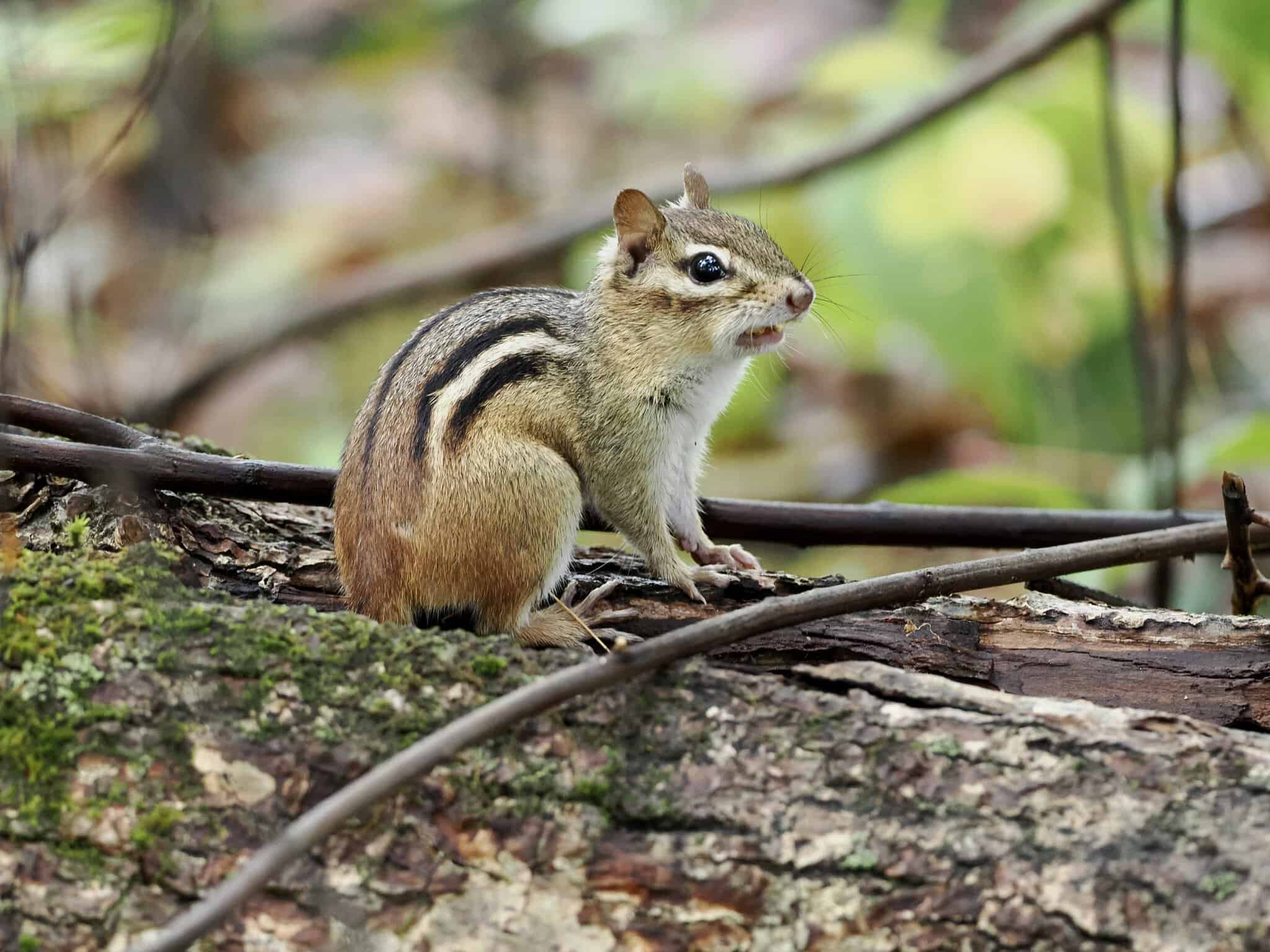
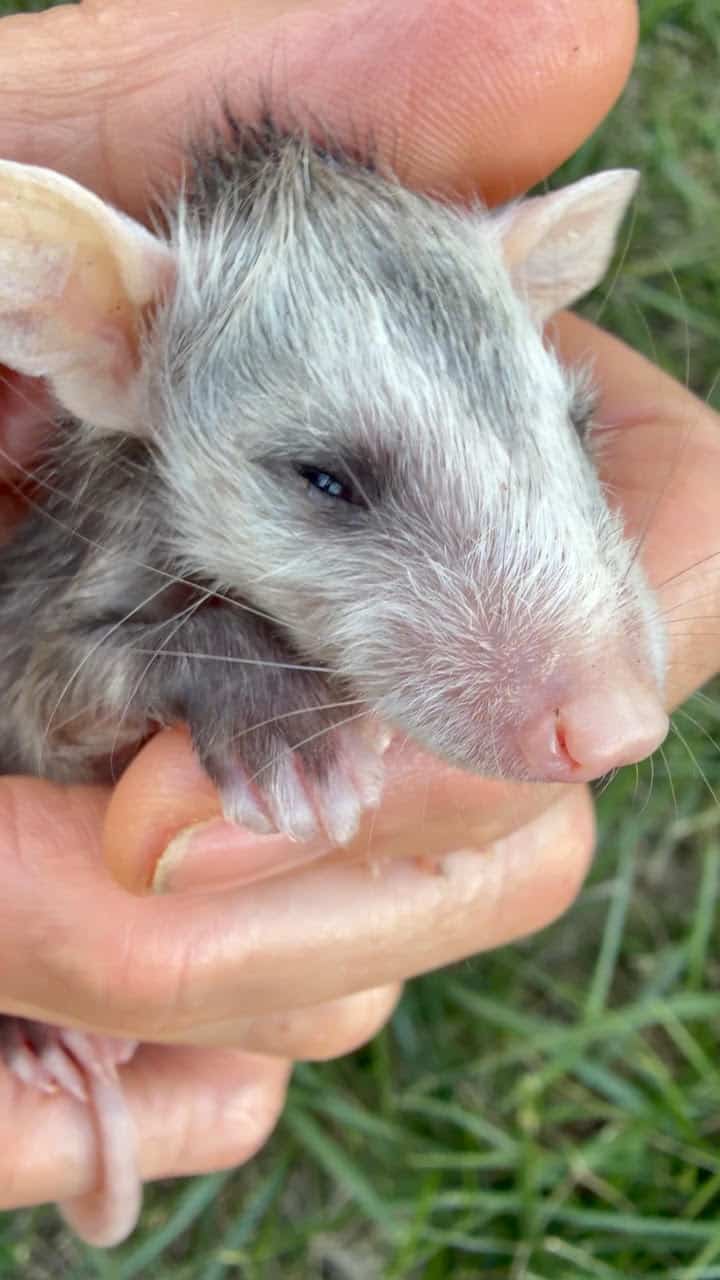
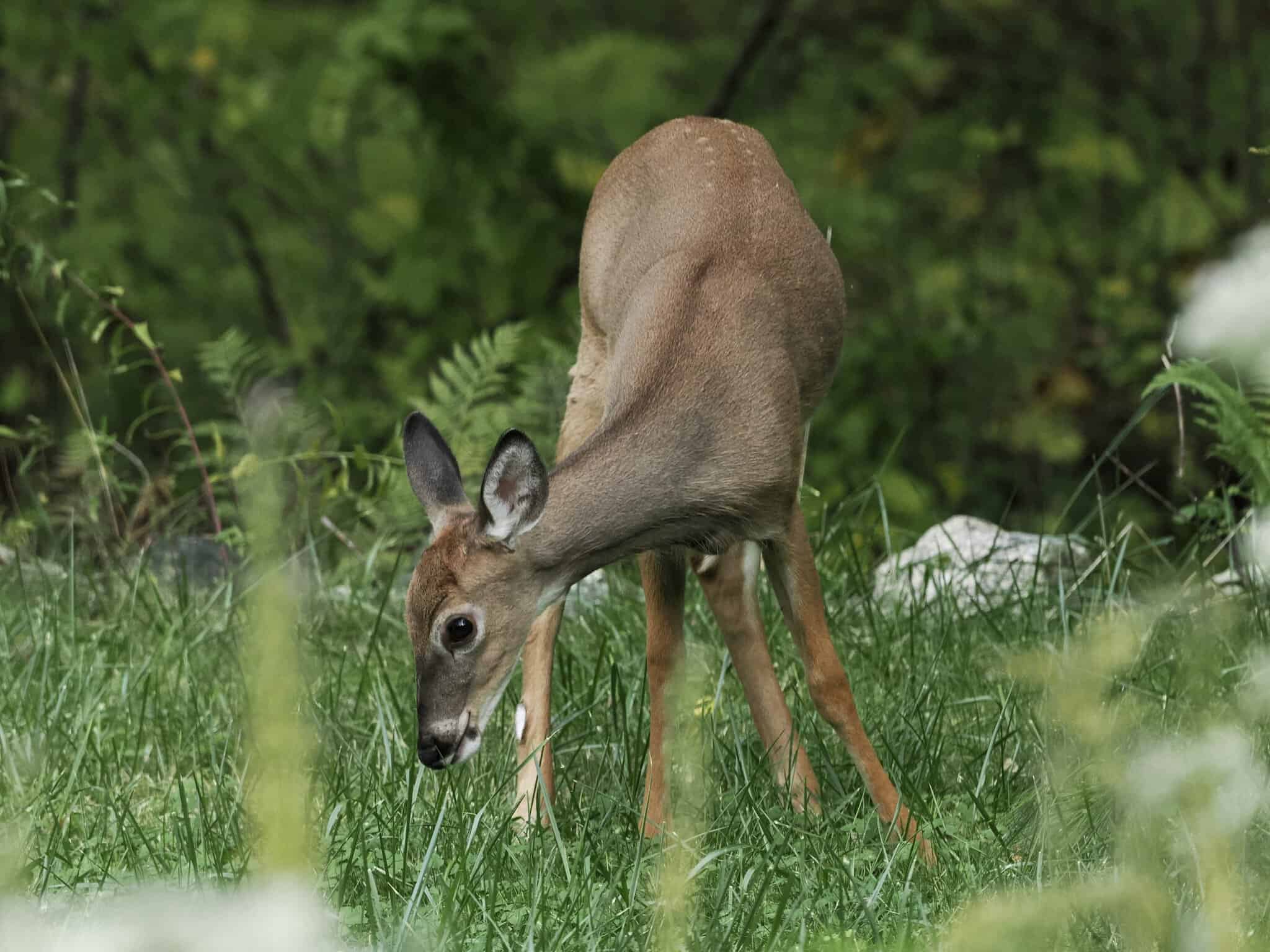
Most of our mammals are active all winter. Coyotes have been howling in the evening near my house, and trail cams in different parts of town have picked up bobcats with kits. Carole Roede’s trail cam also photographed possums, mink, and raccoons. A resident on Woodcock Lane with fruiting grapes on a second-story porch photographed a skunk eating dropped grapes on the ground below. I never seem to see (or smell) skunks anymore, dead or alive. I would be interested to hear if others see skunks in Lincoln. Naturalist Mary Holland writes in her blog that this is when young male skunks are out roaming around, aiming to set up their own winter territories and dens. A neighbor, walking by my house at dawn noticed a six-point buck in my garden. Marcia Gnagey rescued a baby possum which may have fallen from its mother’s back. She took it to the Tufts Wildlife Clinic, where it was given fluids and electrolytes, and would be cared for and rehabilitated. Chipmunks are busy stuffing their cheeks with birdseed under my feeders, filling up underground pantries.
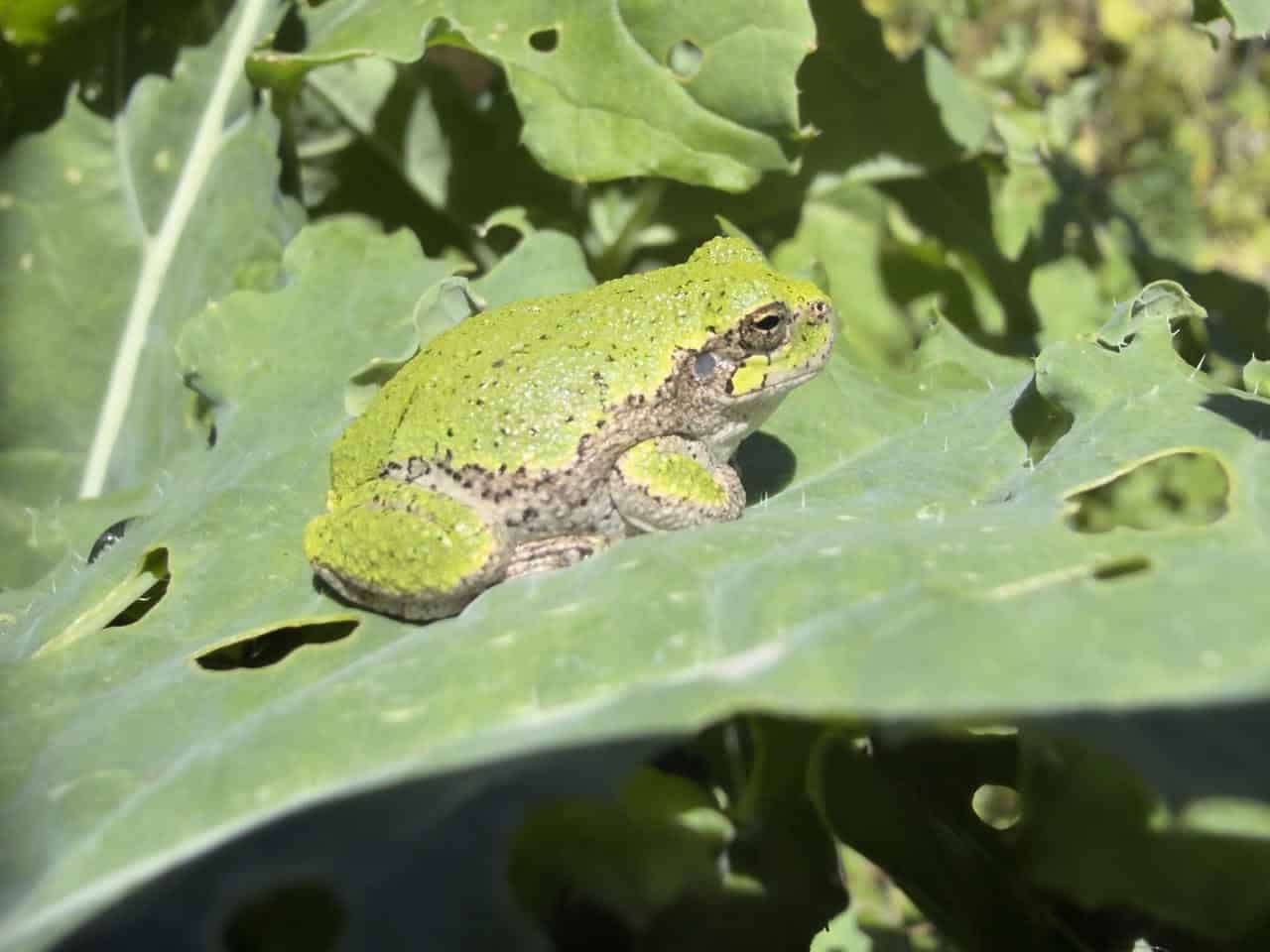
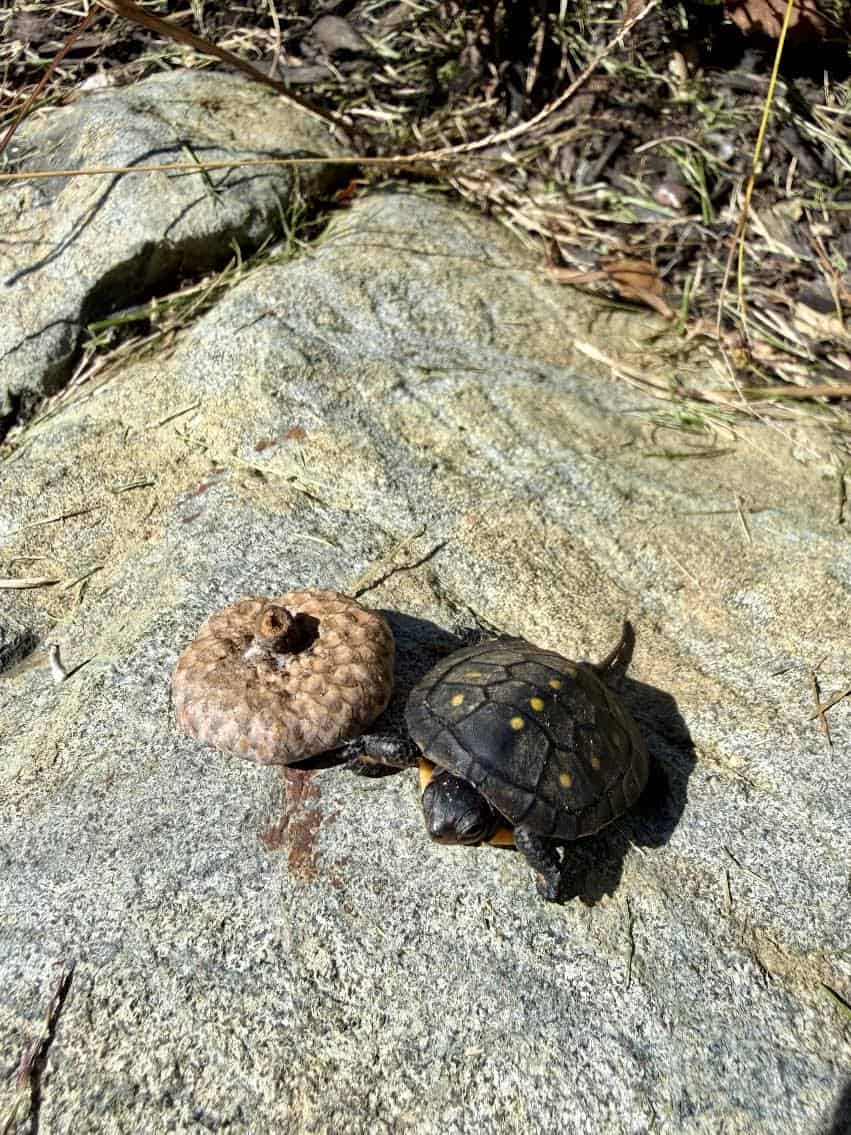
A few reports have come in about reptiles and amphibians, including one of a tiny spotted turtle, probably newly hatched, by a pond off Old Winter Street. This was exciting, as spotted turtles are uncommon. Alas, a dead ring-necked snake was found on Winter St., not far from the Cambridge Reservoir. Frogs and toads are quiet now, but still active, as winter has not yet set in.
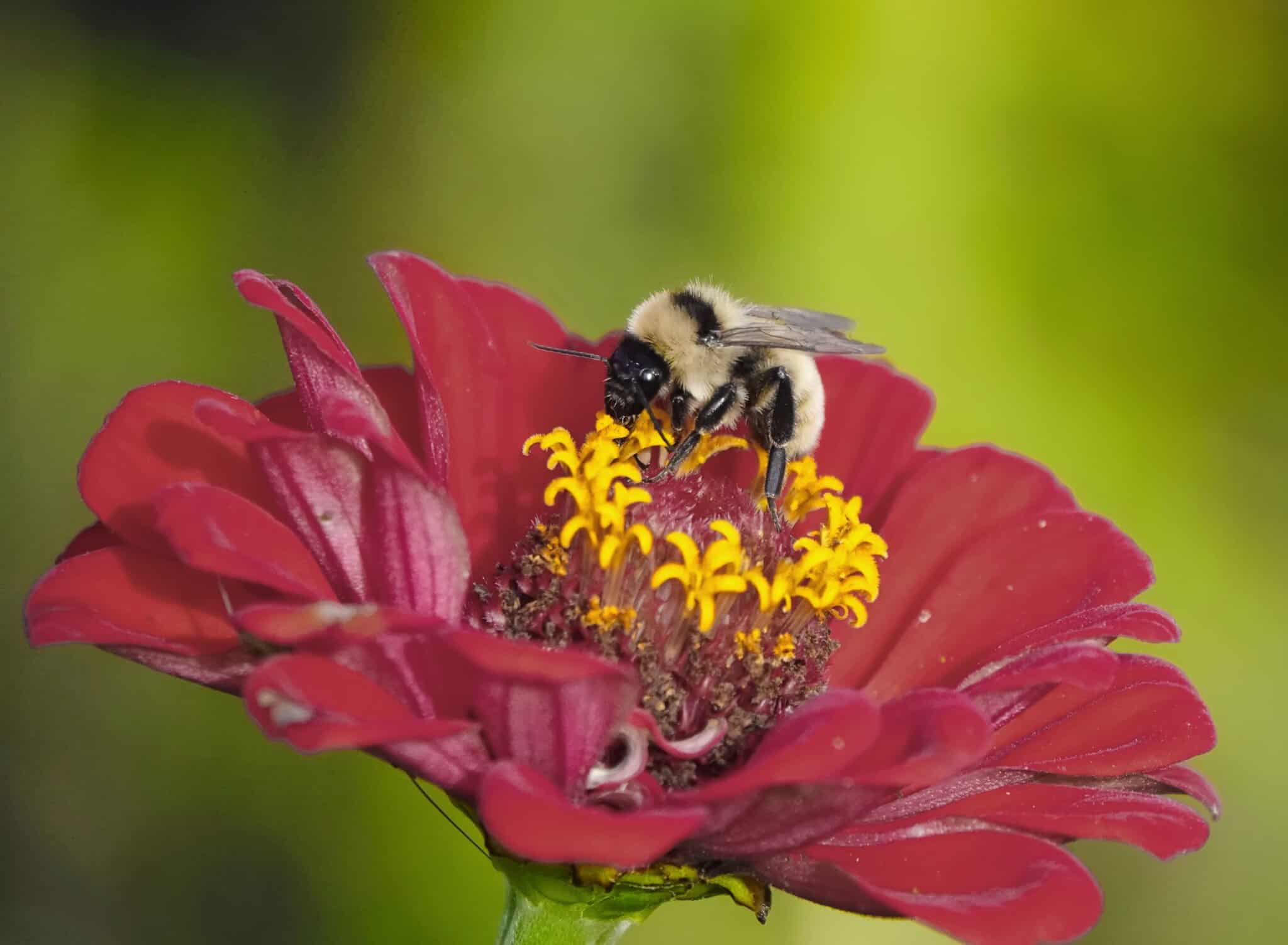
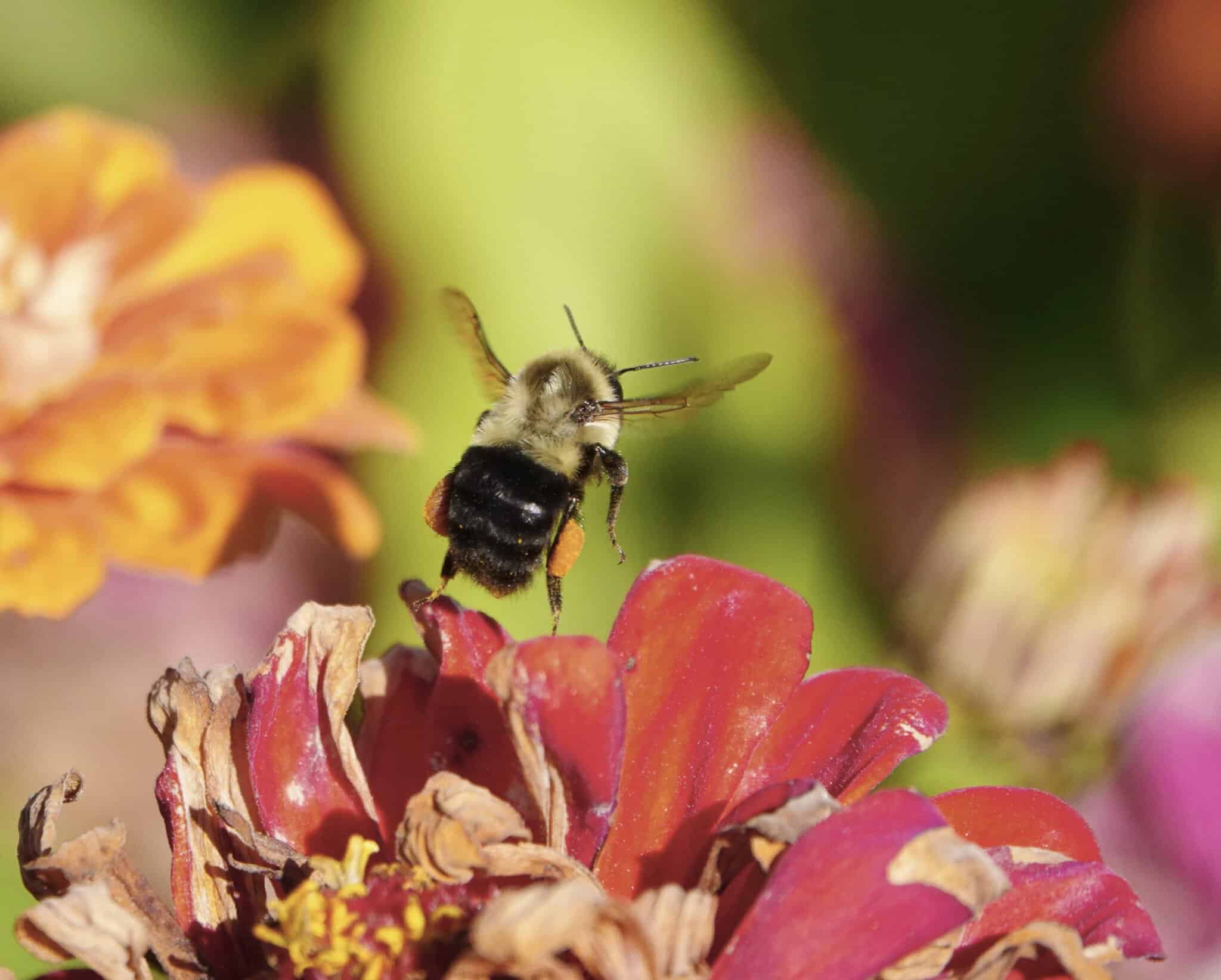
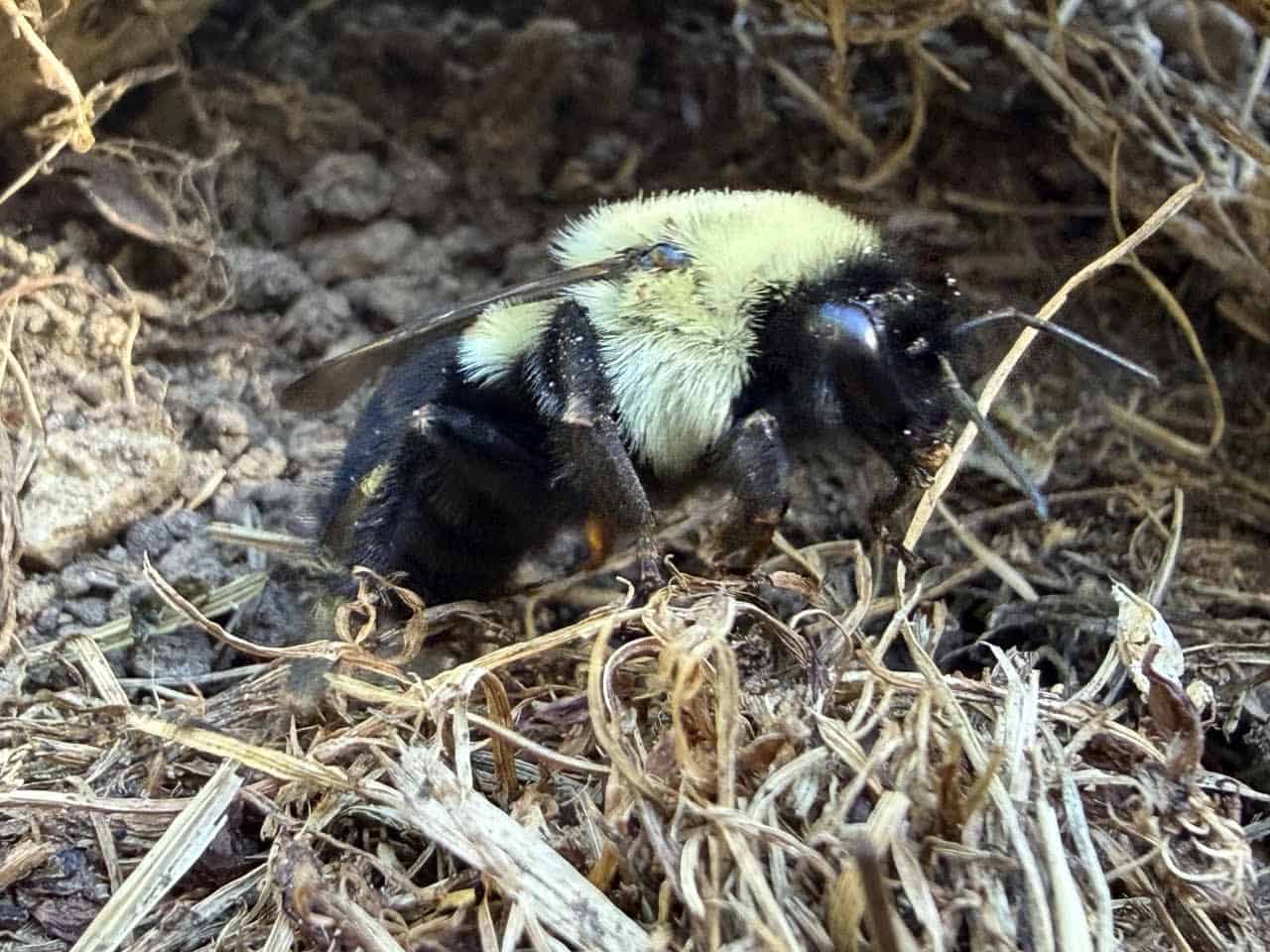
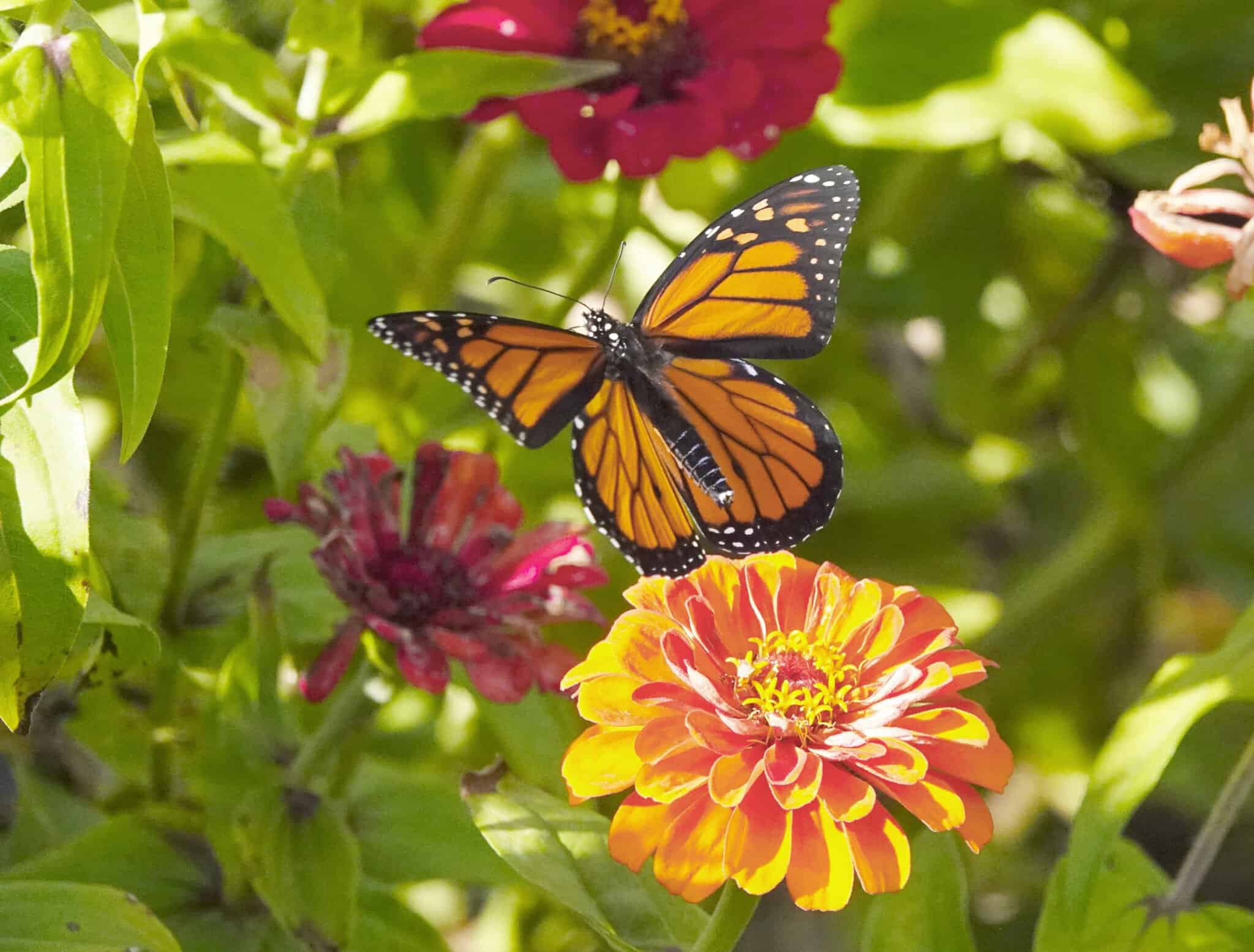
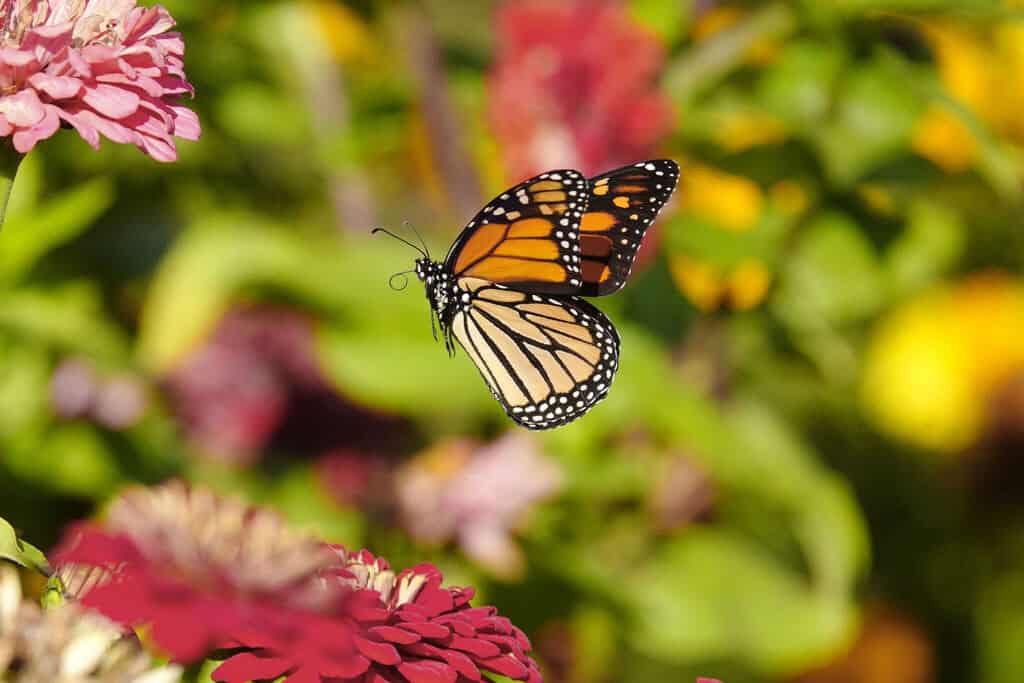
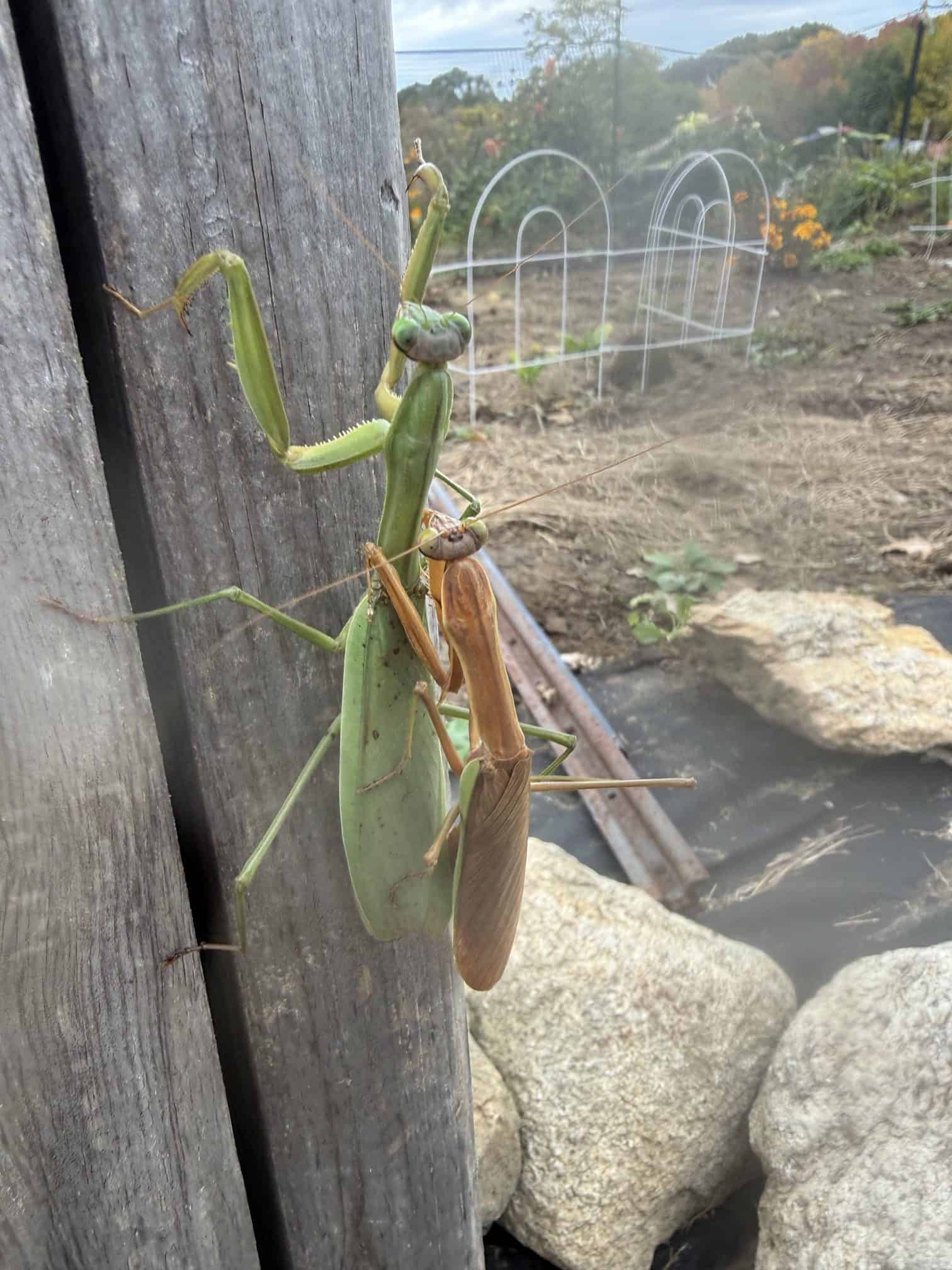
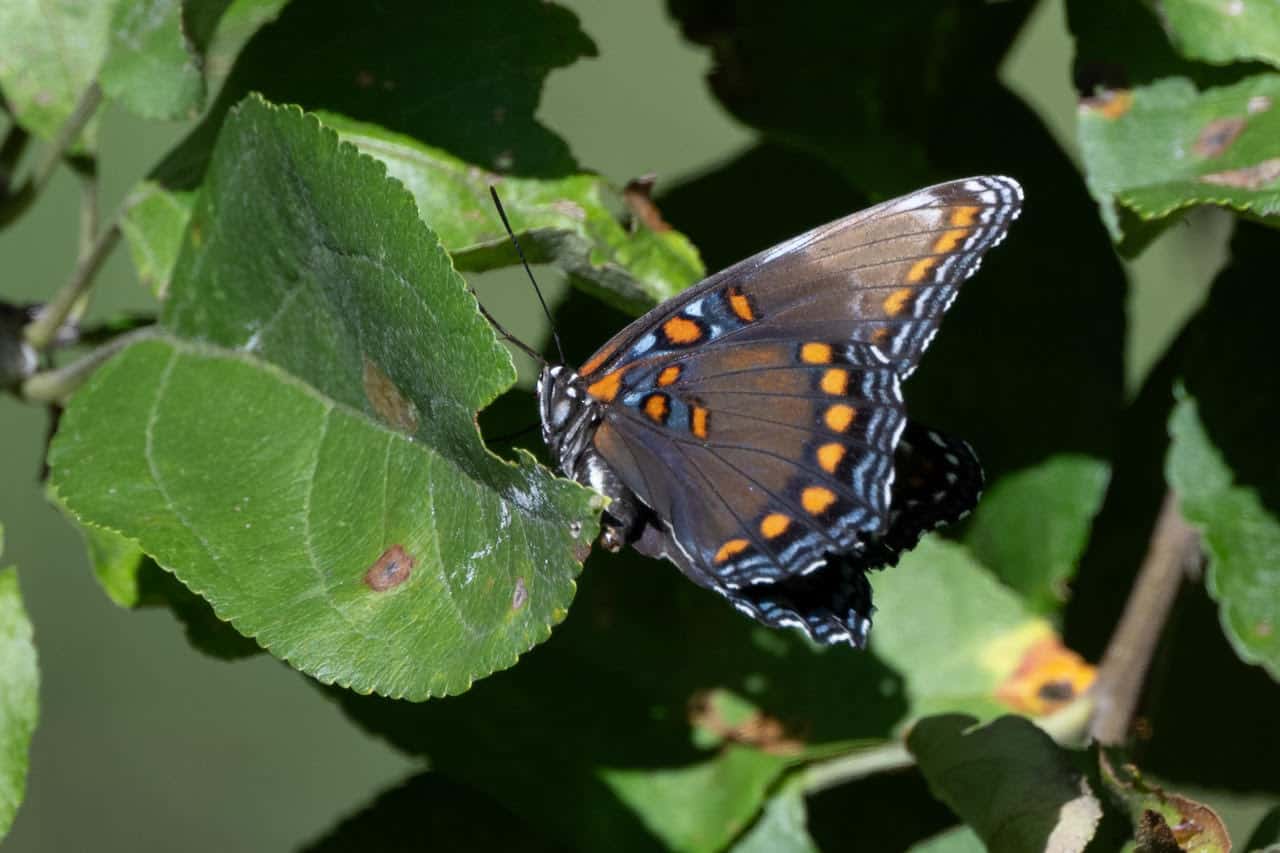
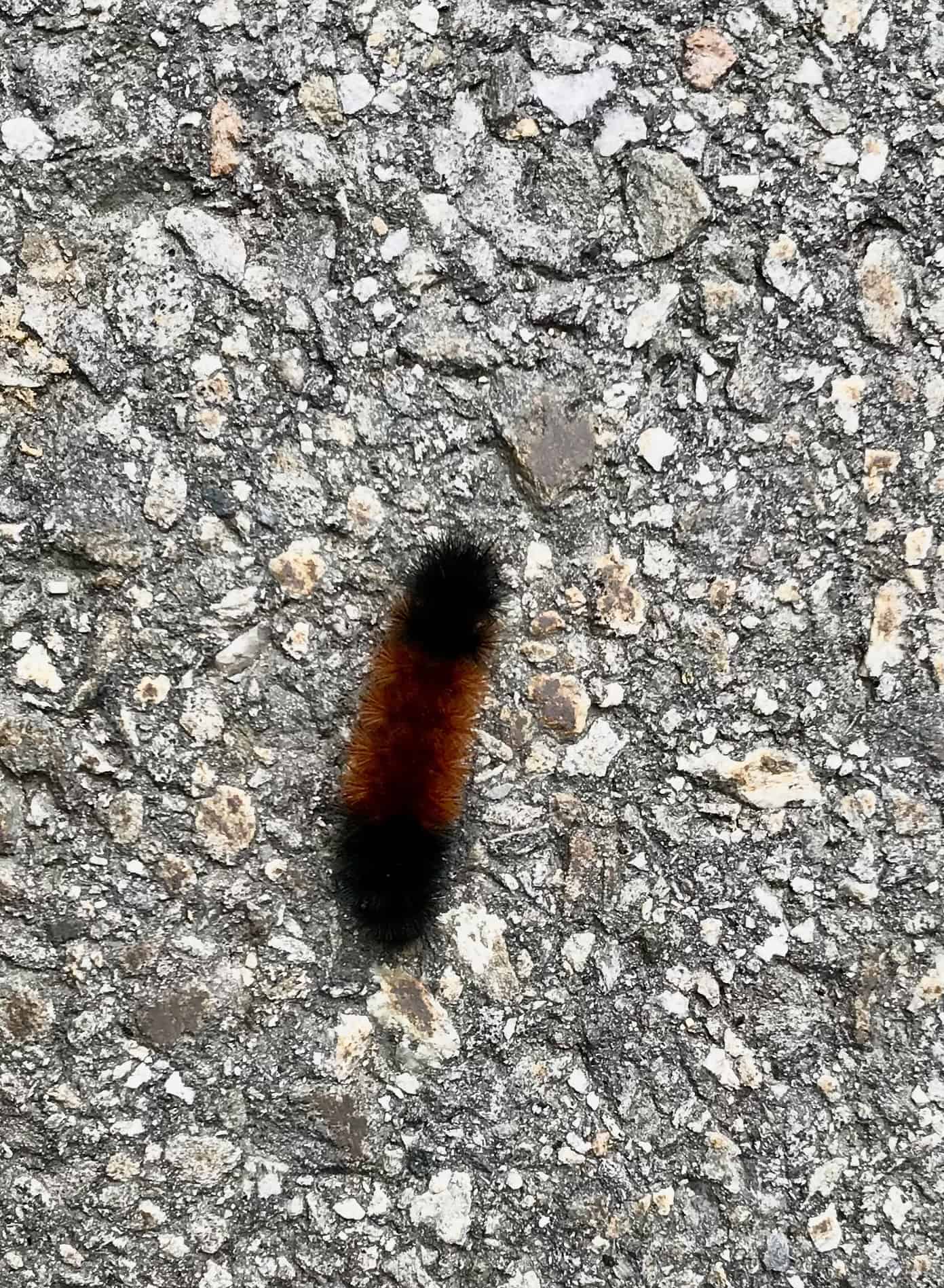
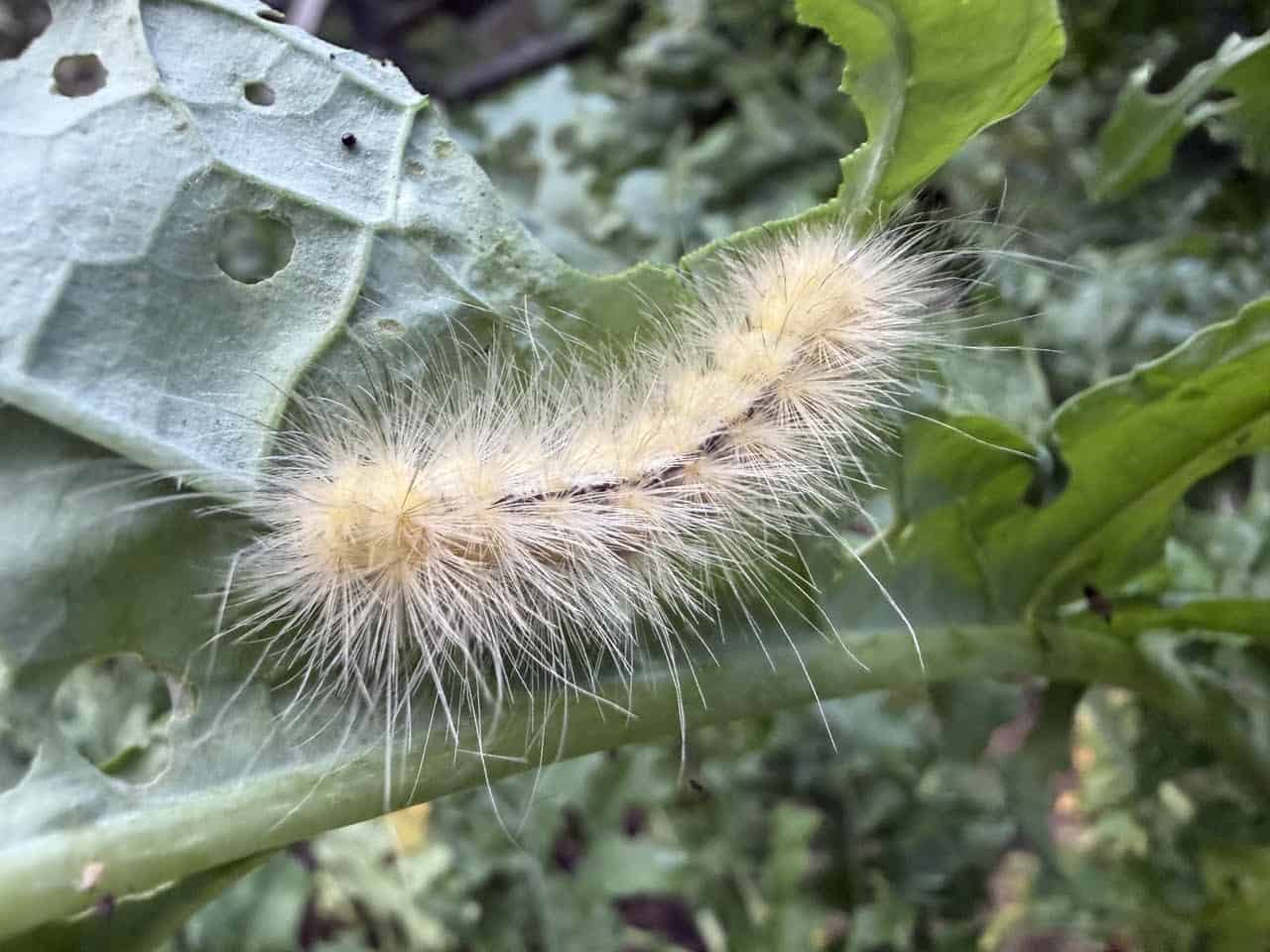
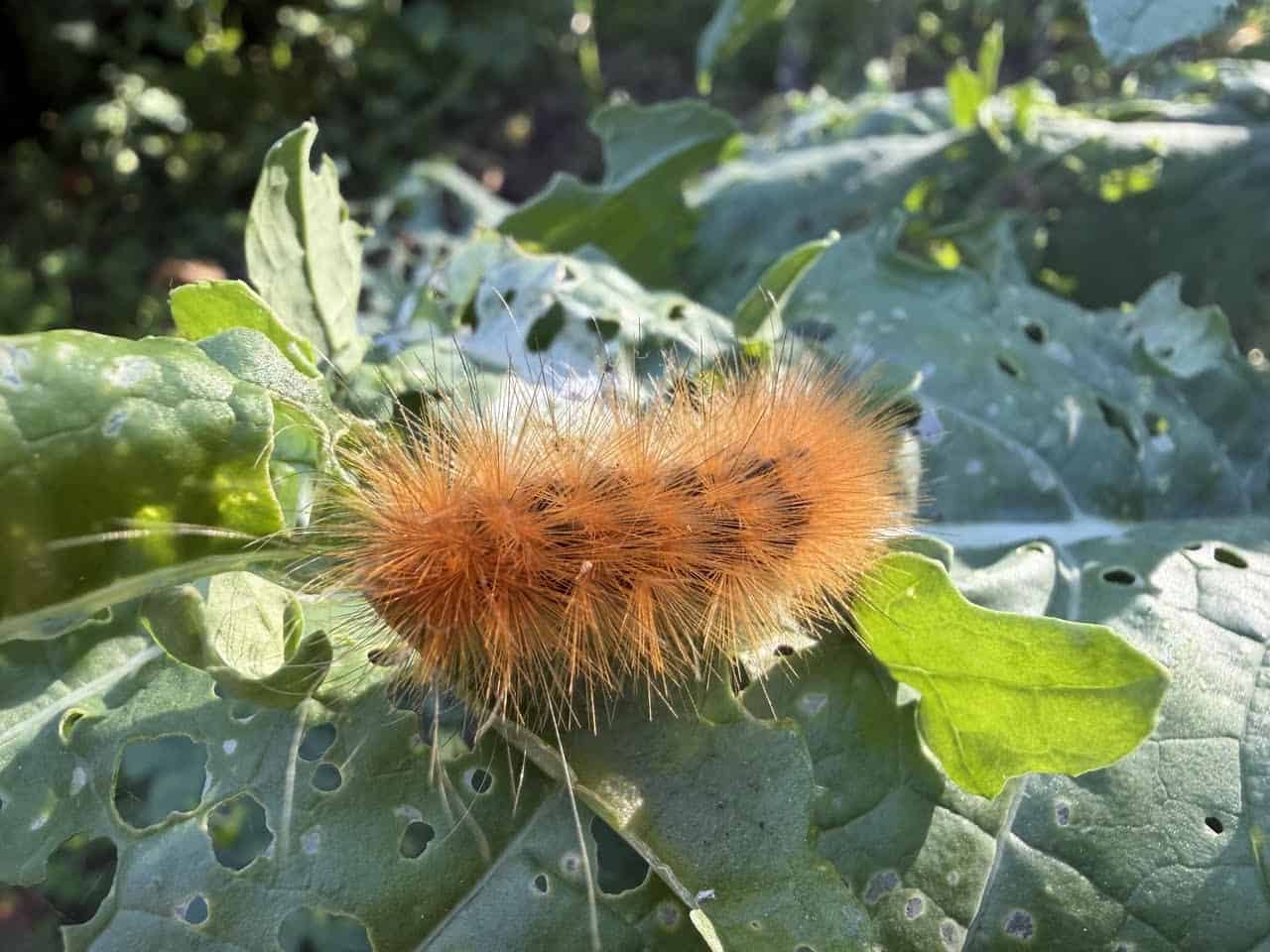
The insect chorus is only faintly heard this month, when mild temperatures occur. Annie Calhoun found a pair of mating praying mantises near her CCF garden plot. I found my first woolly bear caterpillar of the season; unlike most moths, it will remain in its larval stage until spring, at which time it will spin a fuzzy white cocoon and emerge as an Isabella Tiger moth. Marcia Gnagey photographed a Yellow Bear caterpillar, which starts out as light-colored but darkens as it sheds and grows. It overwinters as a pupa and will emerge as a Virginia tiger moth. A few butterflies can still be observed, and on October 8, a late monarch, en route to Mexico, was reported by Norm Levey, who wrote, “I admire their graceful flight with brief pauses to glide like swallows. Their fine legs and long tarsal claws dangle. The control they have and coiling their probosci is remarkable. (They do not have mouth-parts but can absorb need minerals from soil and organic material).” Norm also wrote about bees: “I saw my final (male) fervidus bumble bee mid September leaving the impatiens bumble bees which are the only and most abundant at season’s end and still have workers collecting nectar and pollen indicating active nests.” The queen bumblebees are the only ones who will survive the winter, hiding in a protected spot (hibernacum). Marcia Gnagey photographed a queen common eastern bumblebee (Bombus impatiens) looking for a possible hibernaculum. I often have lunch outdoors and still have curious yellow jackets coming to check out my sandwich.
On October 22 a Lincoln resident found a spotted lantern fly adult on her property, The MA Dept. of Agriculture is trying to stop the spread of this very invasive insect. Tons of information and resources can be found HERE. There’s a helpful 2 minute video about SLF in MA HERE. A Management Guide for Homeowners (PDF) can be downloaded HERE. You should report any sightings of SLF HERE. While the state is working to slow the spread of spotted lanternfly, its status in other states indicates that it cannot be eradicated.
Readers of this column would probably enjoy reading the monthly tips and events in the Lincoln Conservation Department’s newsletter. I find it very informative. To subscribe, sign up HERE.
Links
To Watch Carol Roede’s Trail Cam Footage of a Bobcat and her Kitten