
December 2025 Wildlife Column 

The Long Winter Watch 

Written by Gwyn Loud for the Lincoln Land Conservation Trust. She welcomes your sightings and questions at 781-259-8690 or gwynloud555@gmail.com. 

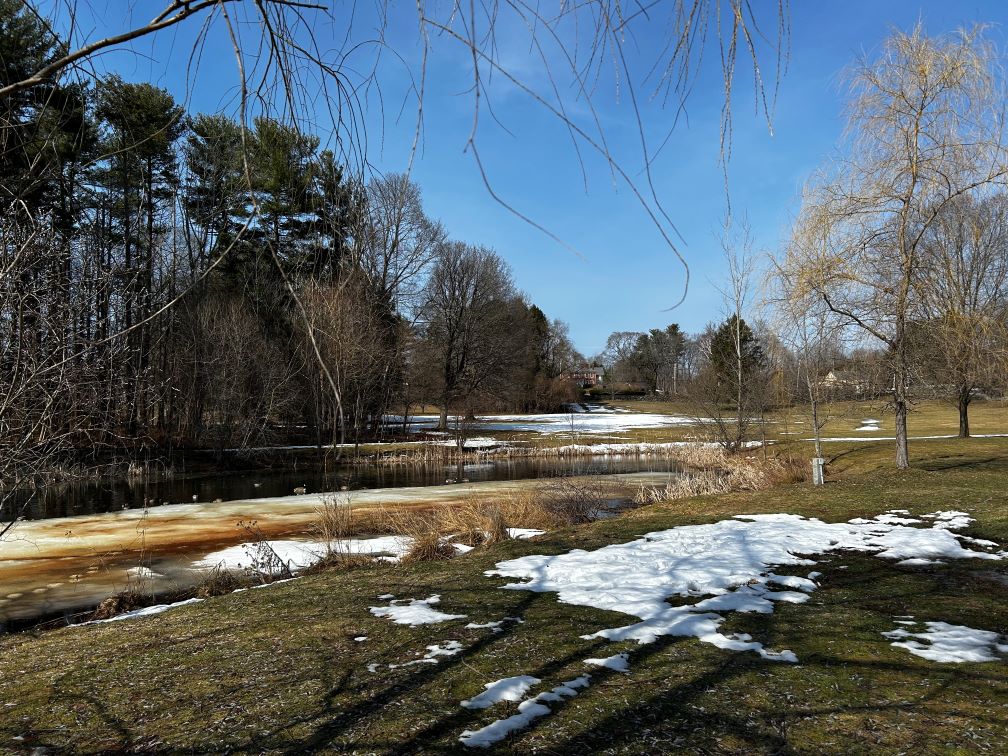
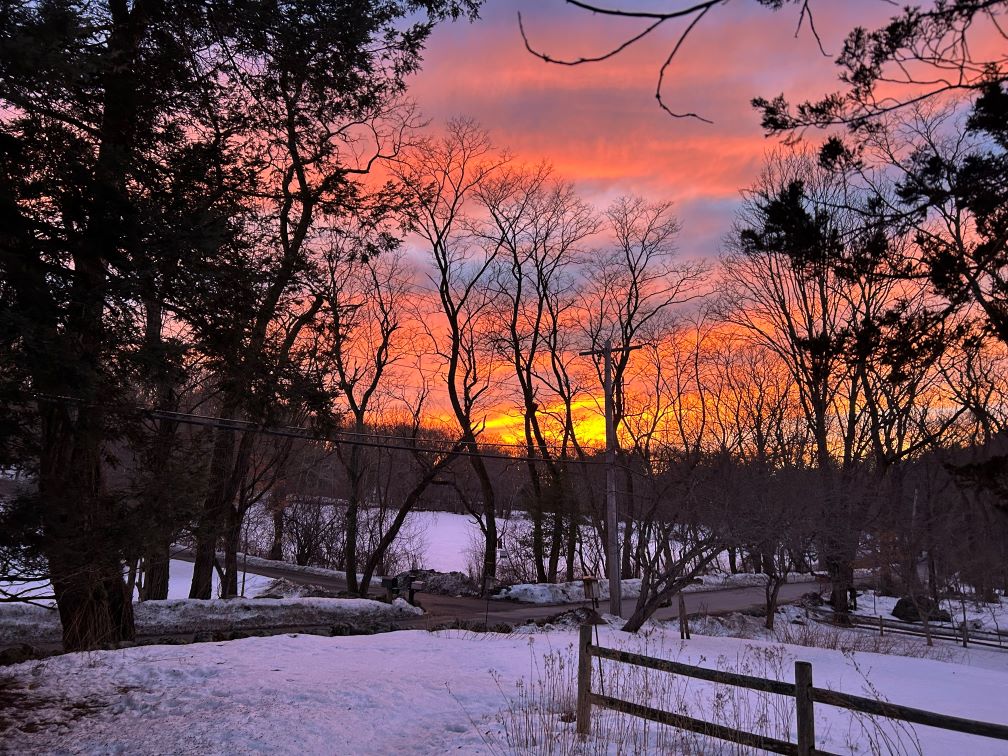
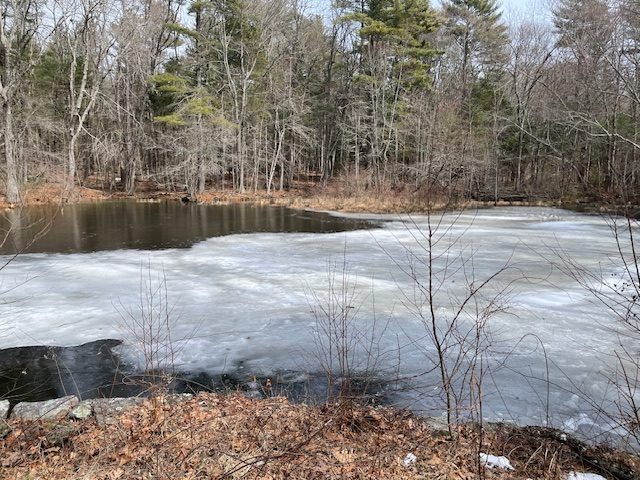
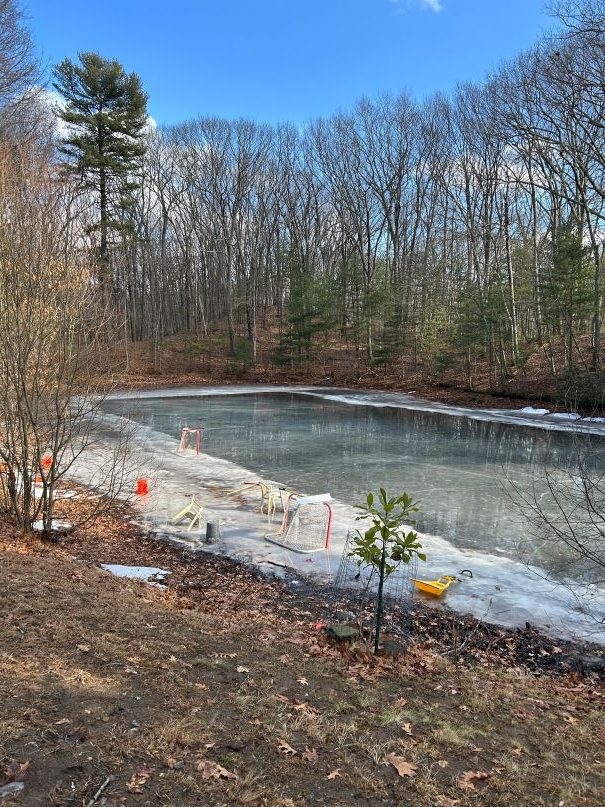
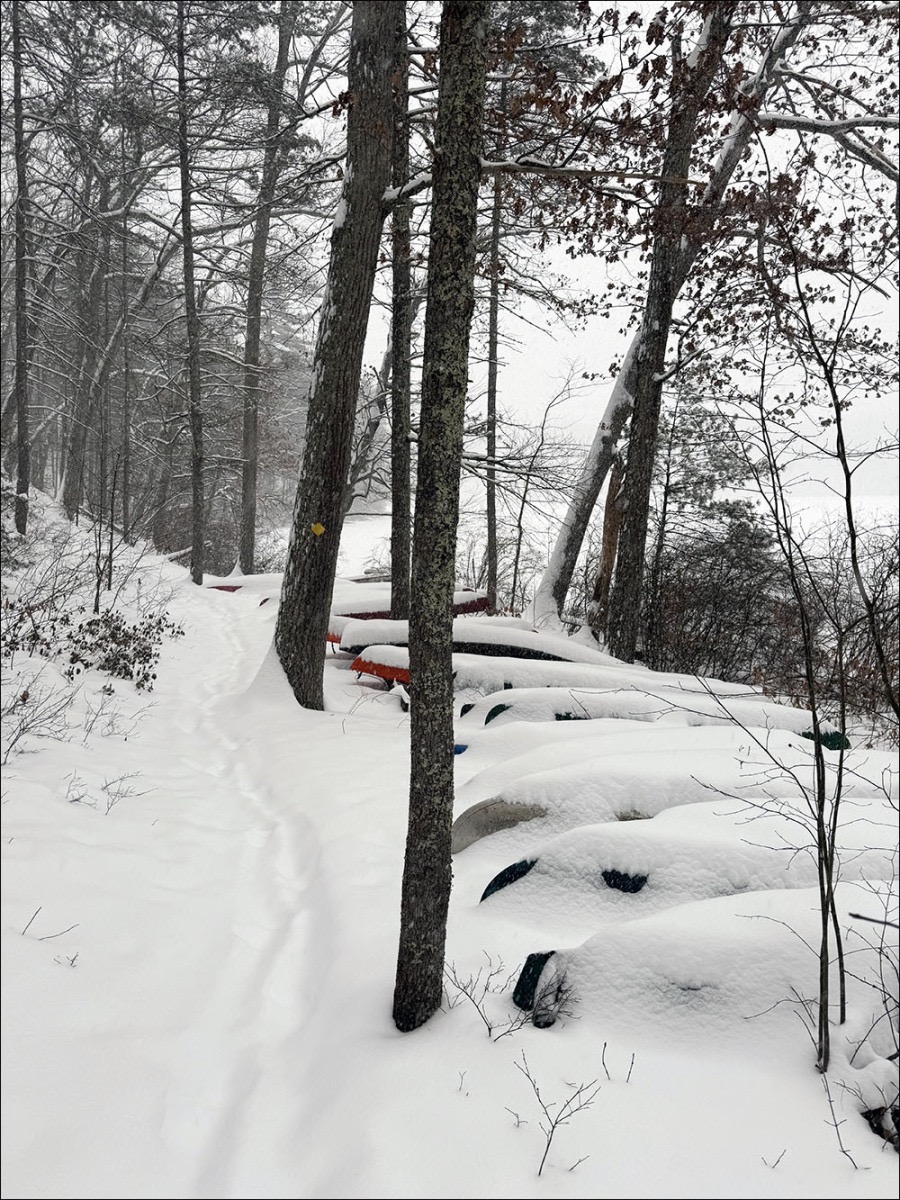
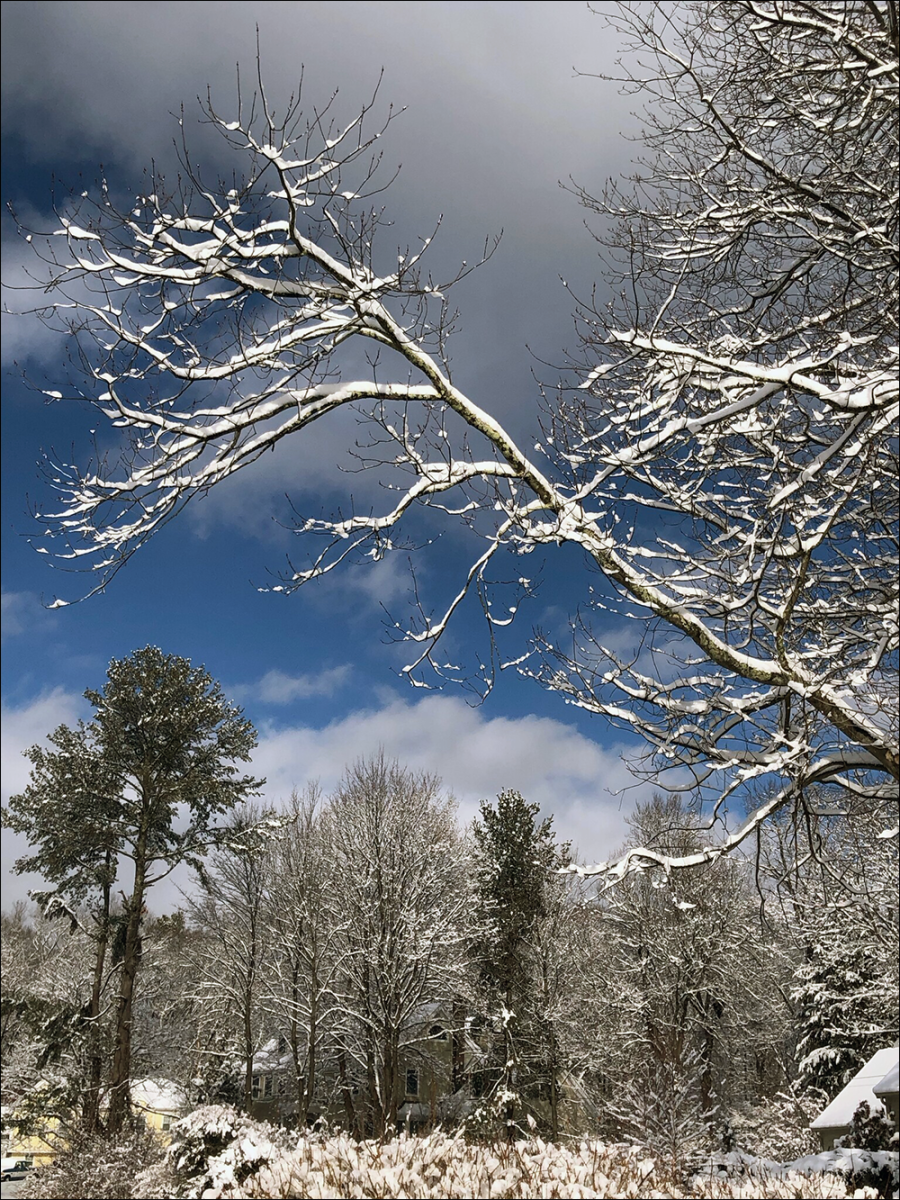
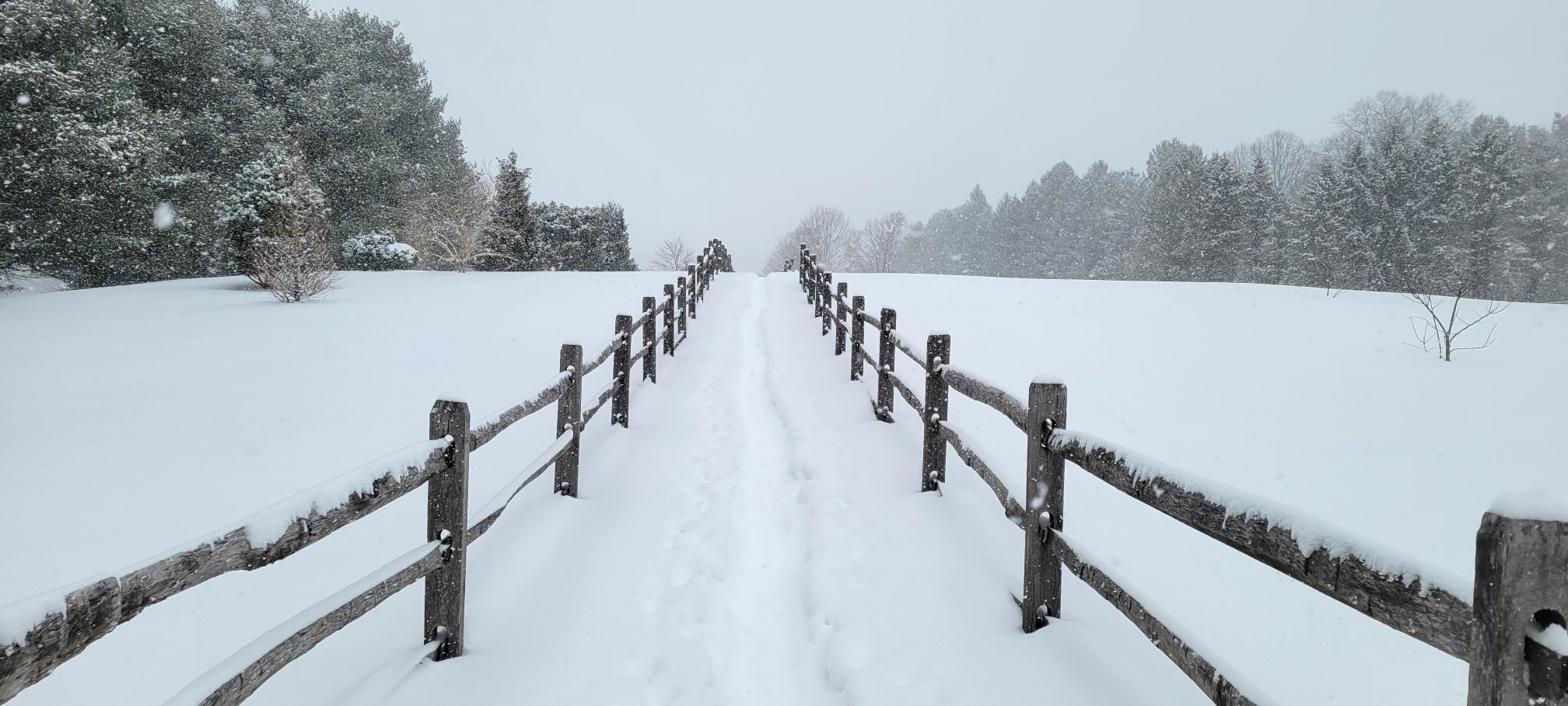
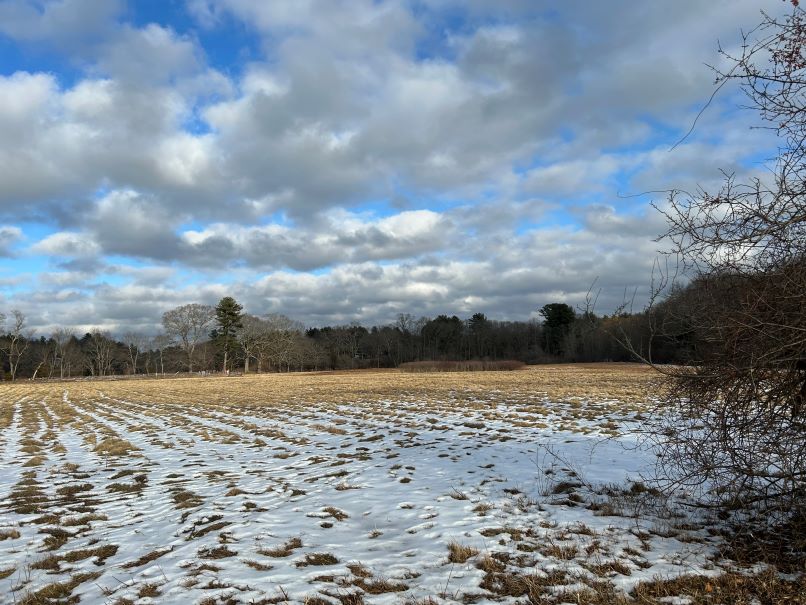
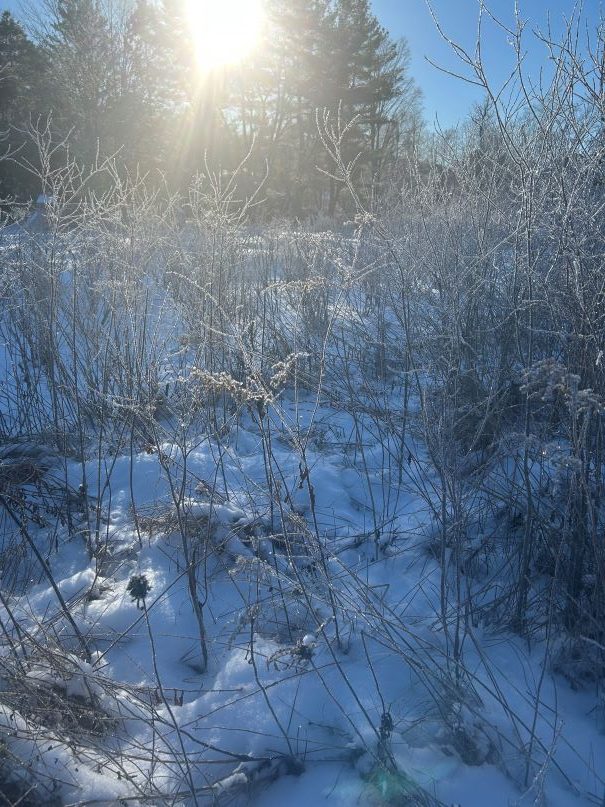
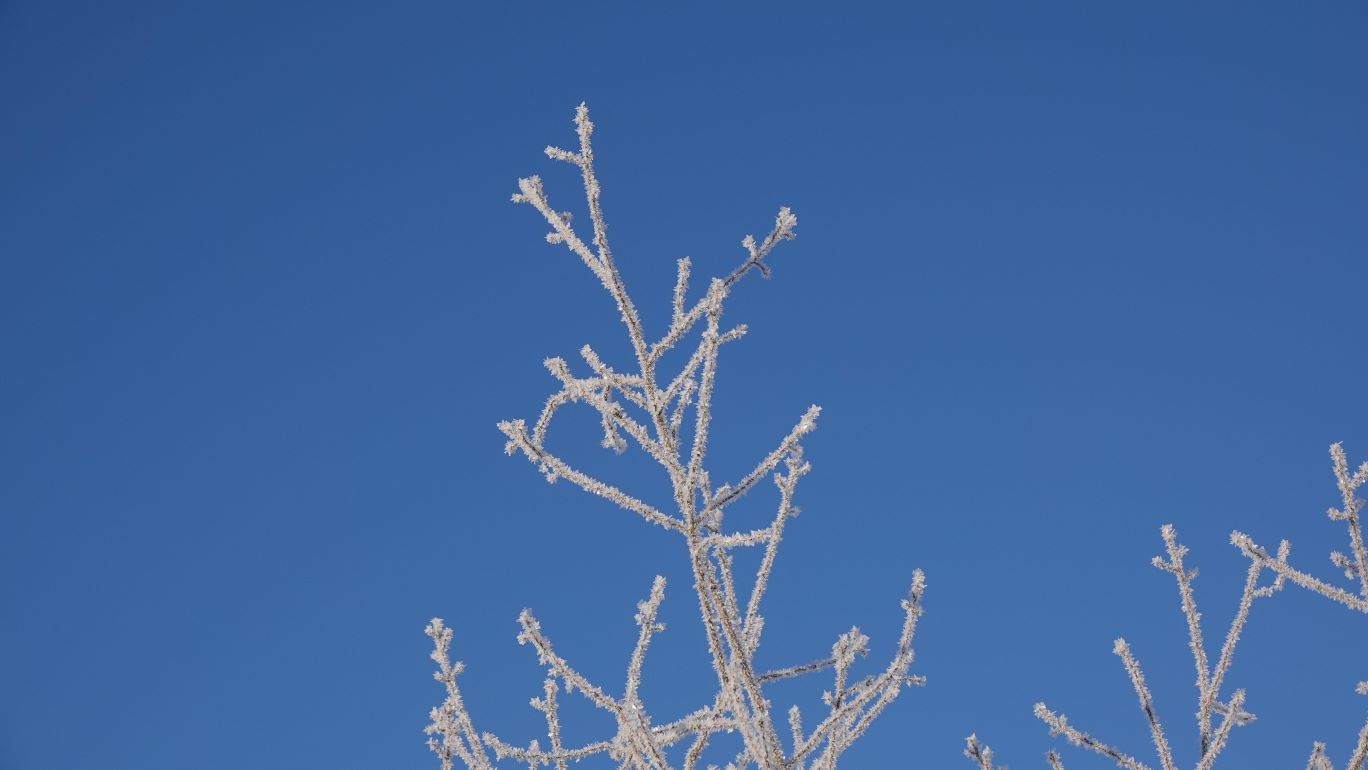
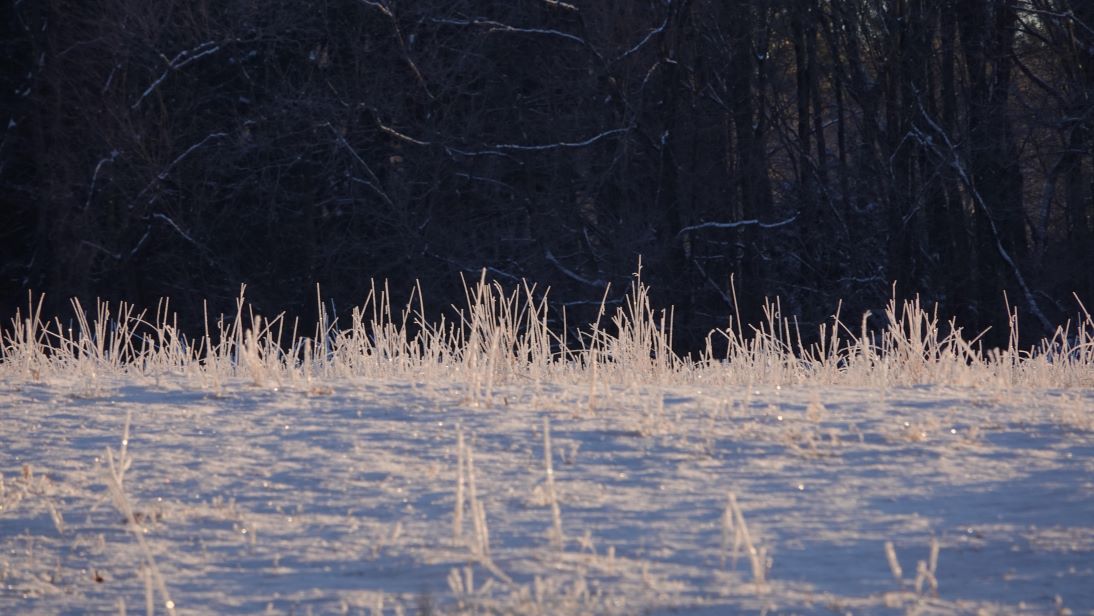
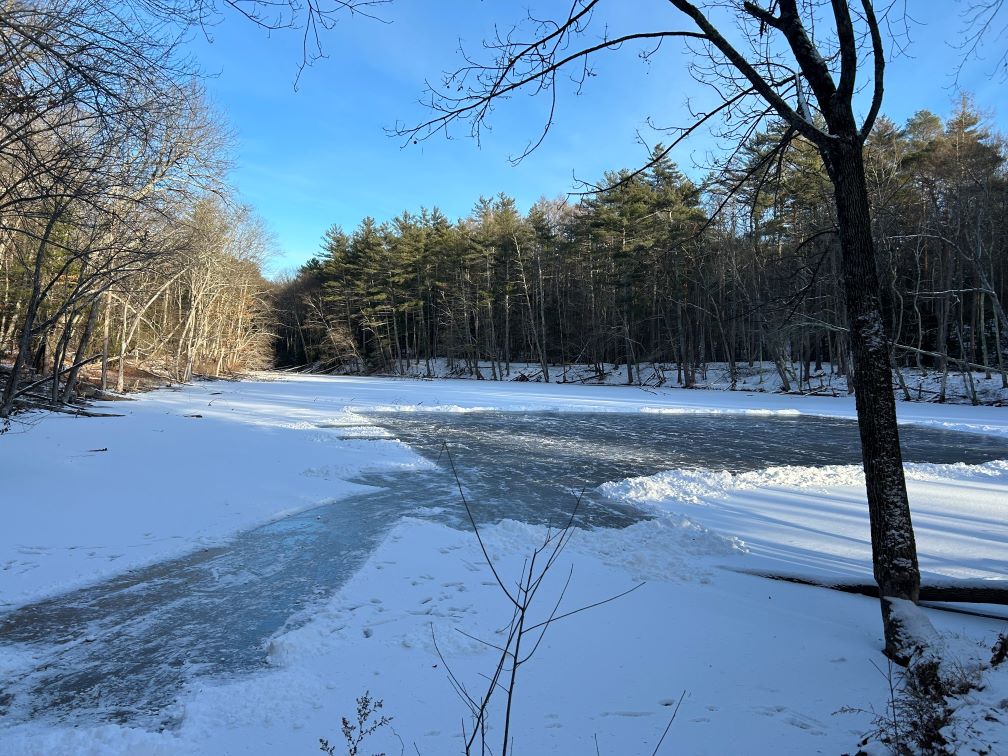
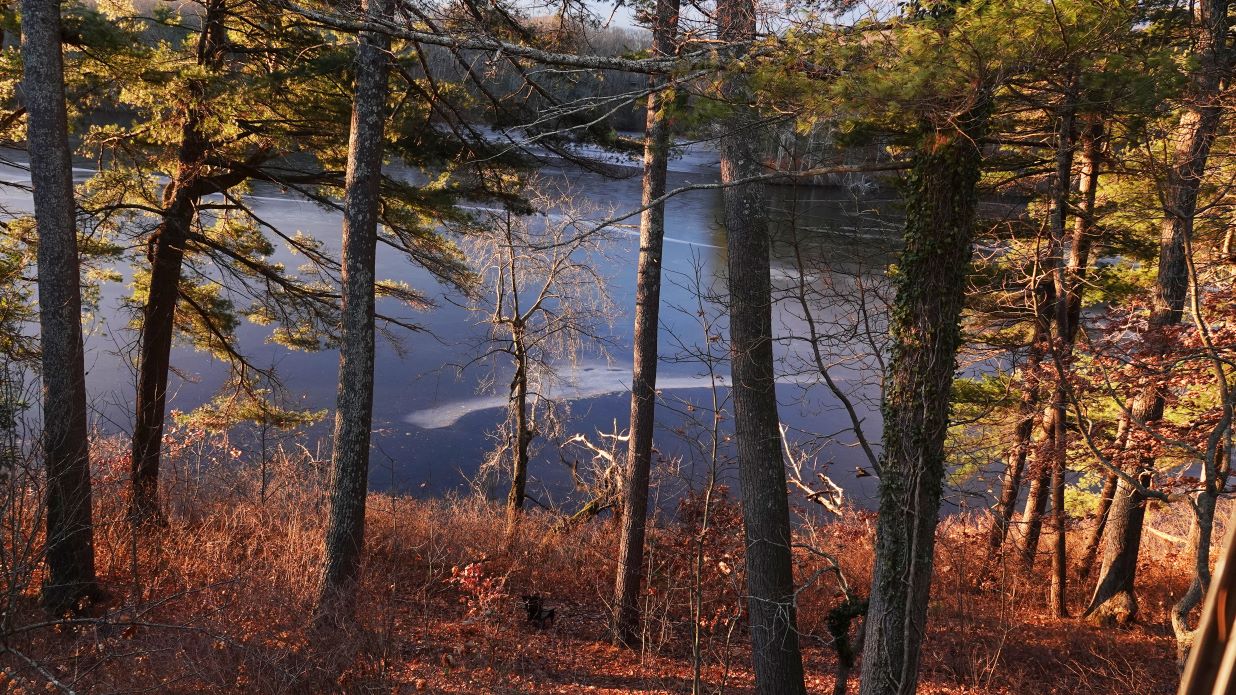
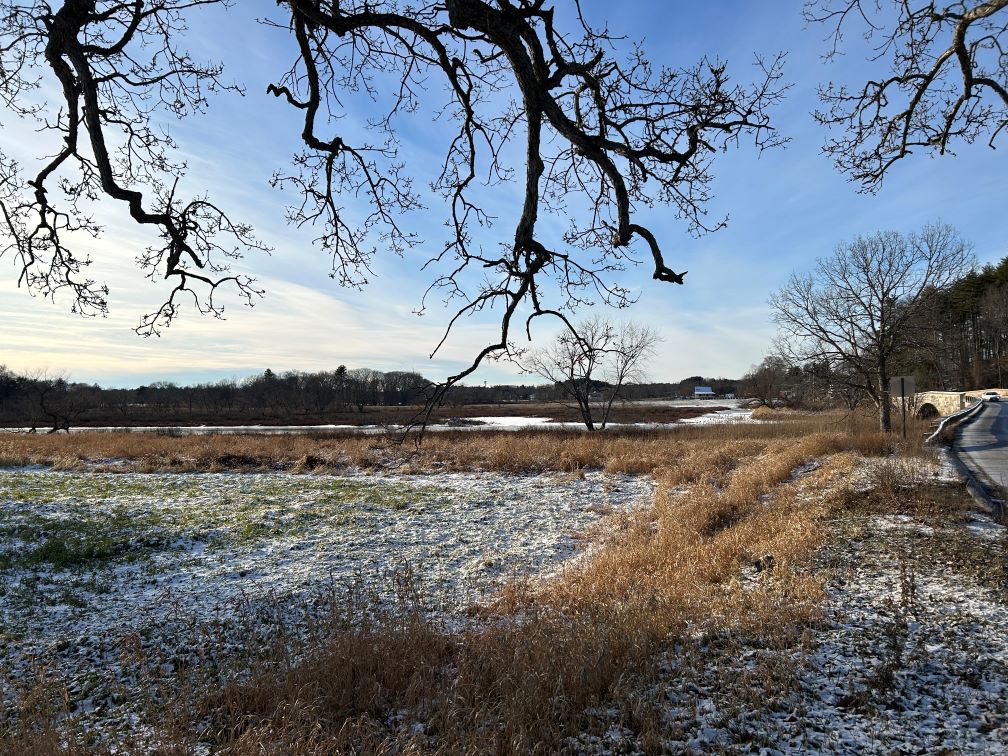
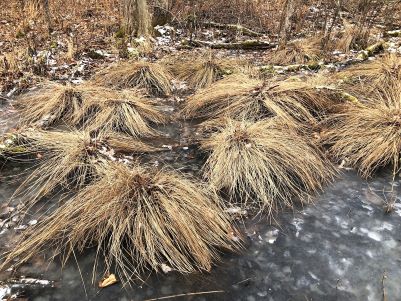
Winter officially arrives on December 21, the solstice, but recent biting cold and winds have made it feel as if the new season is already with us. Single- digit temperatures overnight led to partially frozen streams and ice on the ponds. On Dec. 12/13 people were sailing ice boats on Farrar Pond and skating on Cemetery Pond. The winter solstice marks the shortest day of the year in the Northern hemisphere; thereafter the hours of daylight gradually lengthen. The Climate Prediction Center predicts a warmer than normal winter for most of the east coast; “Here in Boston, our average high temperature is 46° in early December, bottoms out near 36° in mid January, and climbs back toward the low 40s by late February. Above normal trends could mean fewer prolonged cold snaps and more “mild” stretches breaking up the cold air. Precipitation for New England is forecast to be “near normal.” This “doesn’t mean a snow-free winter, though. On average, Boston picks up about 7.6 inches of snow in December, 12.3 inches in January, and 12.8 inches in February. Even with above-average temperatures, we can still see impactful snow events, they are just more difficult to achieve. They will have to align with overnight colder temperatures or a system comes in during a cold snap.” We’ll find out in March what happened.

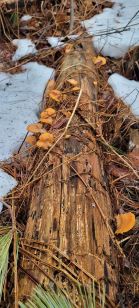
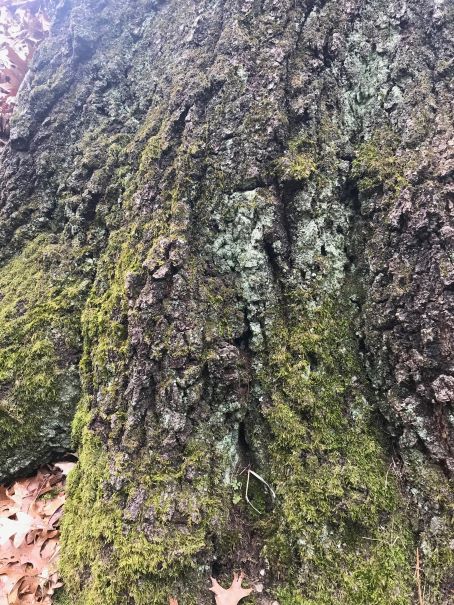
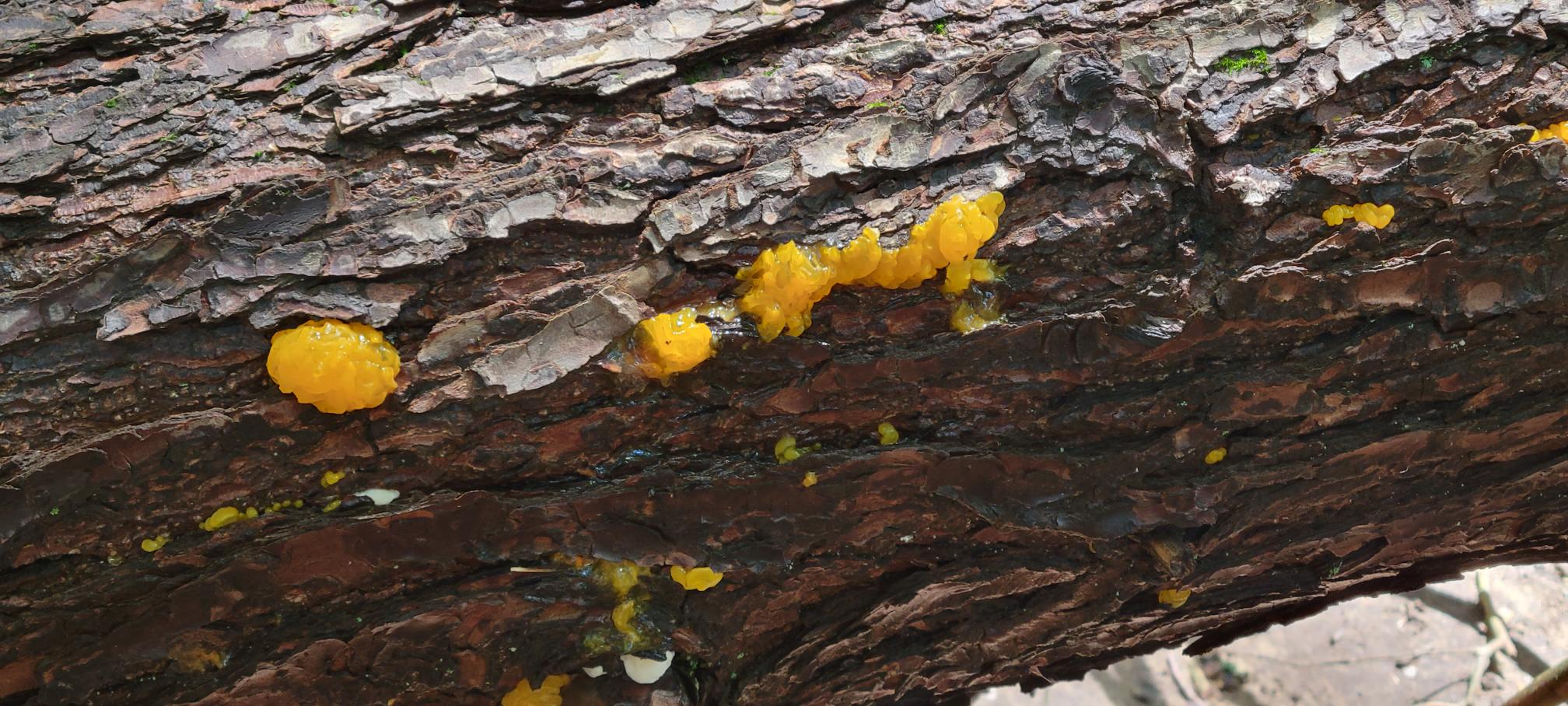
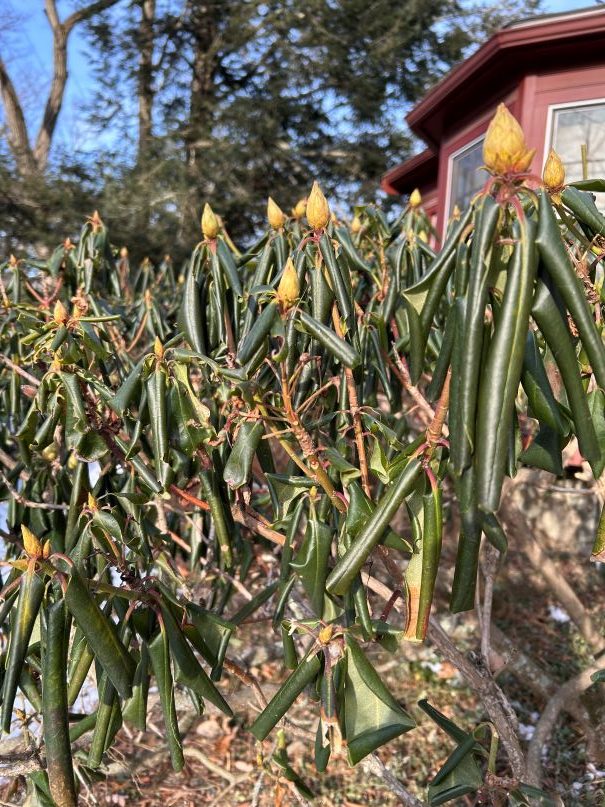
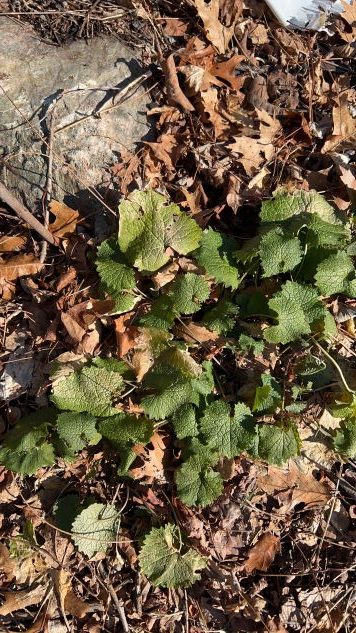
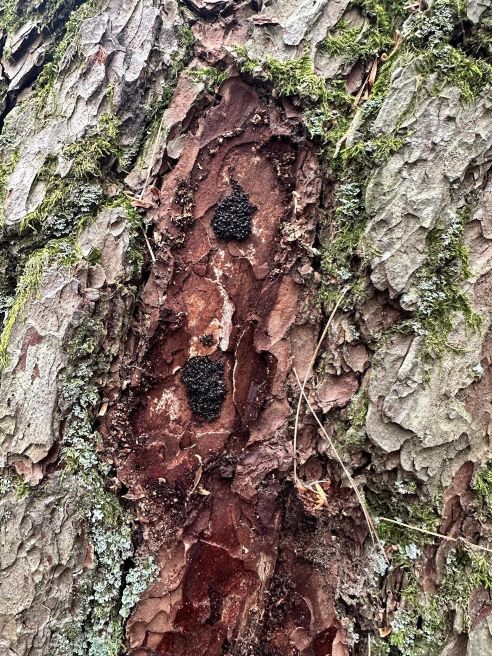
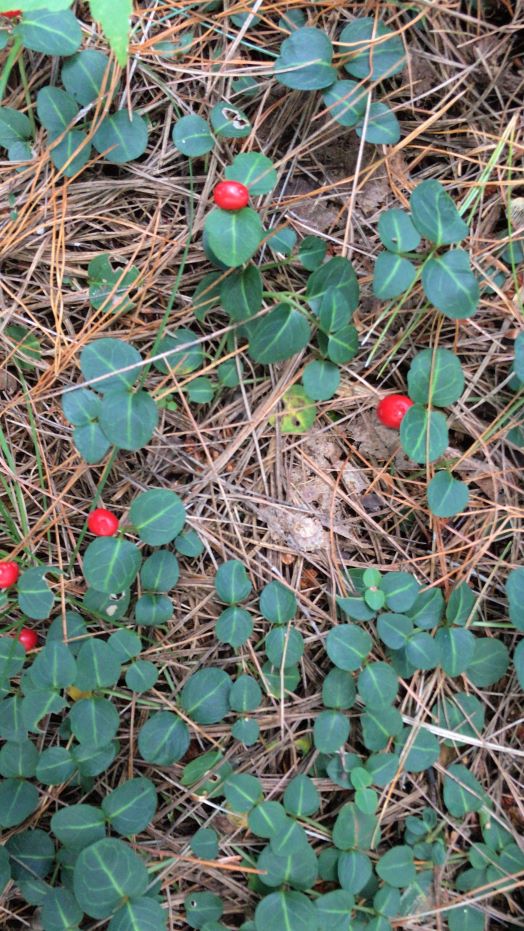
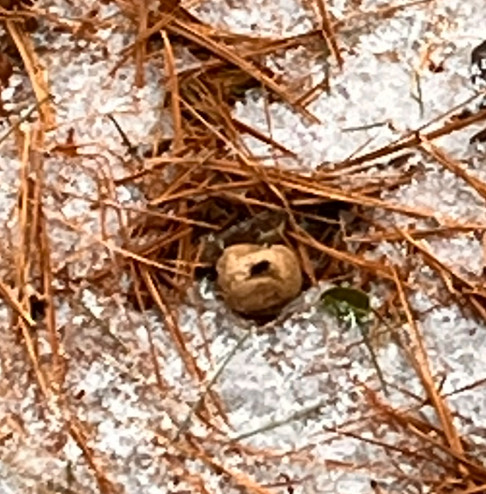
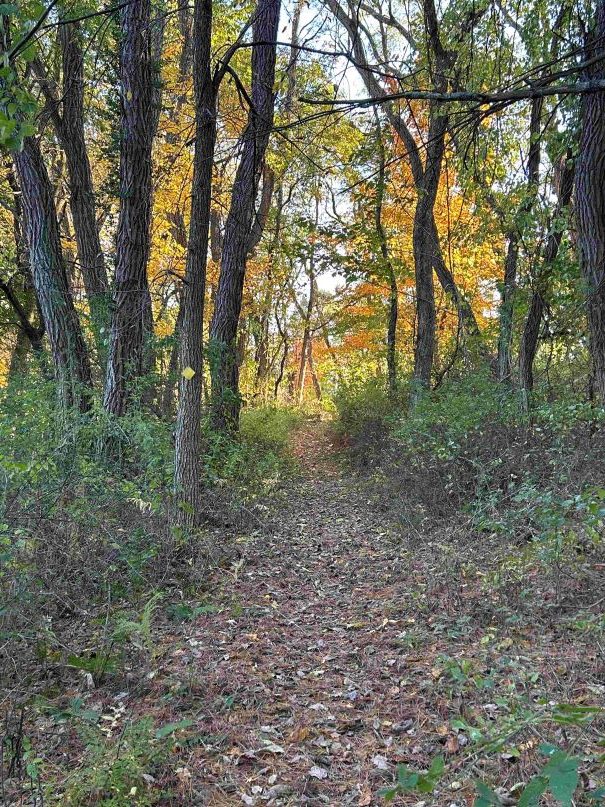
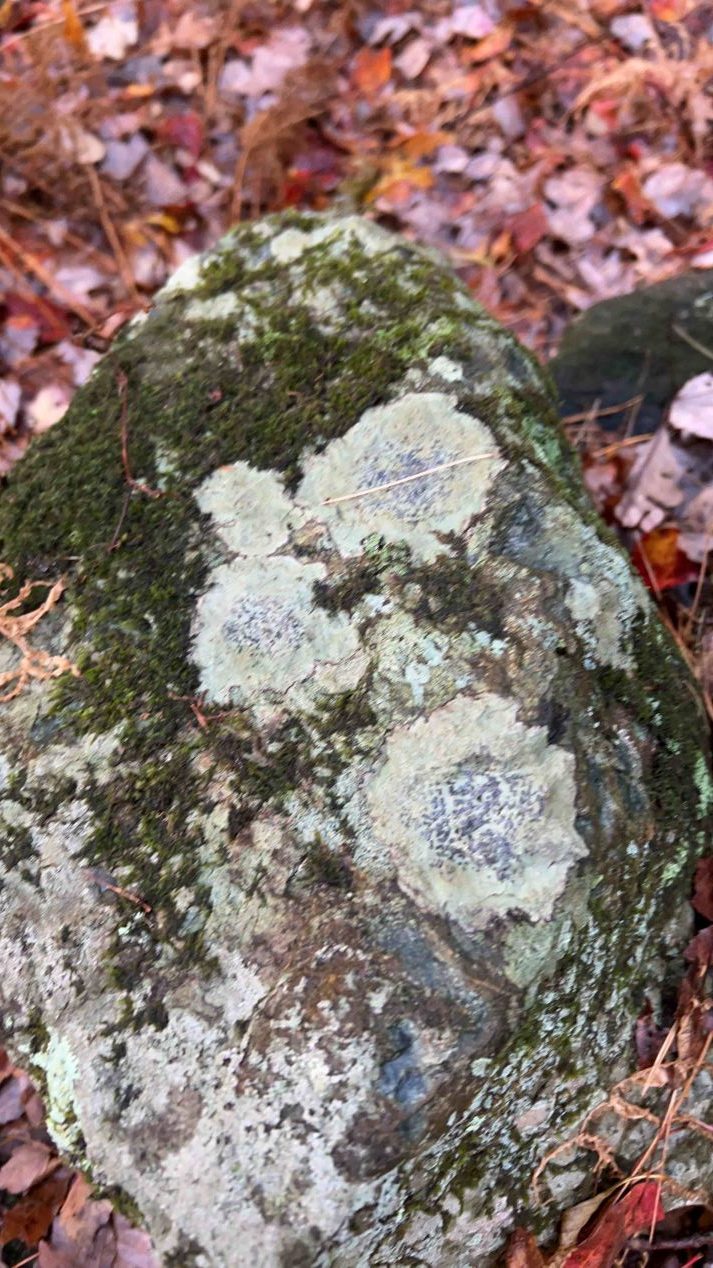
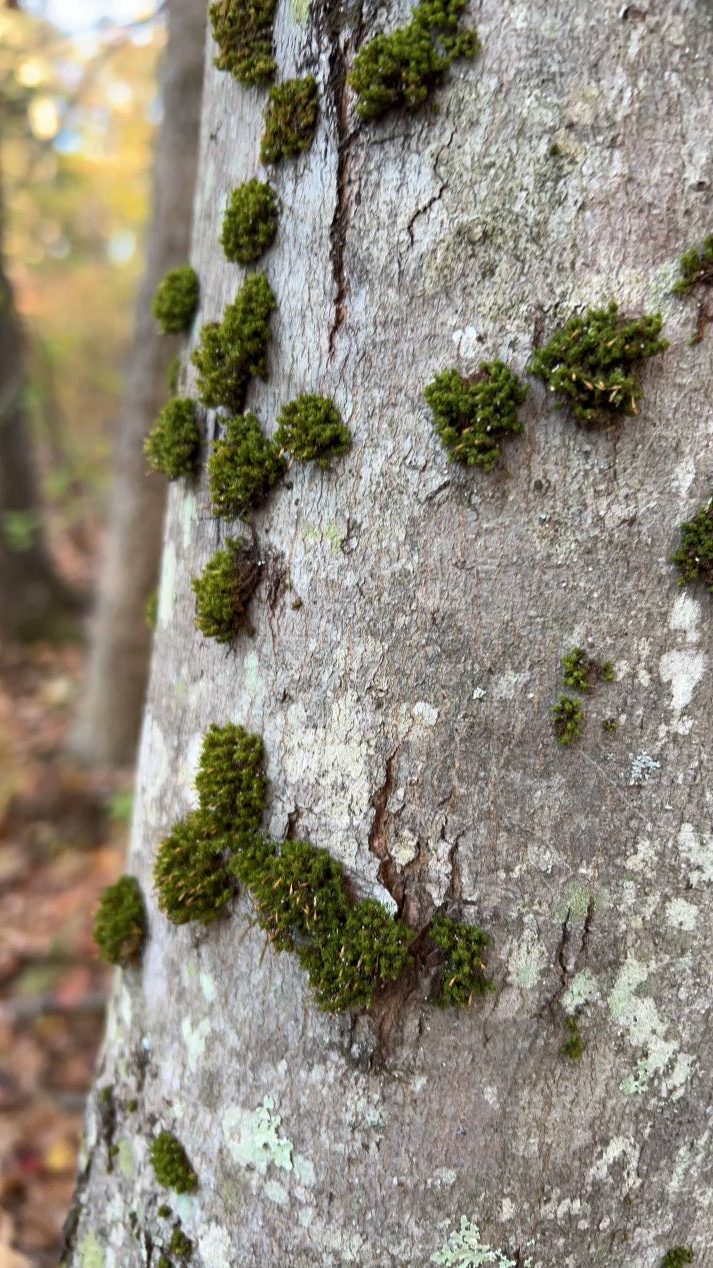
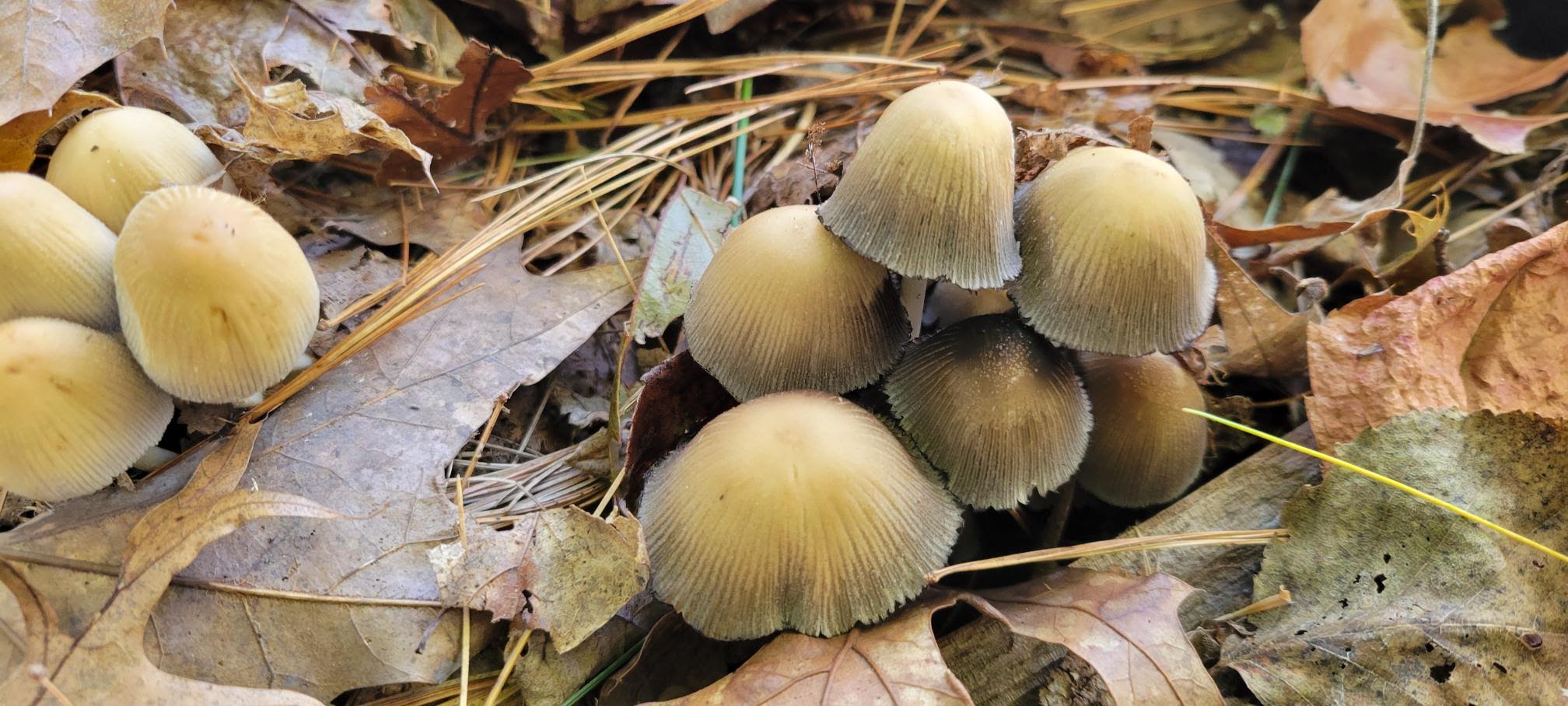
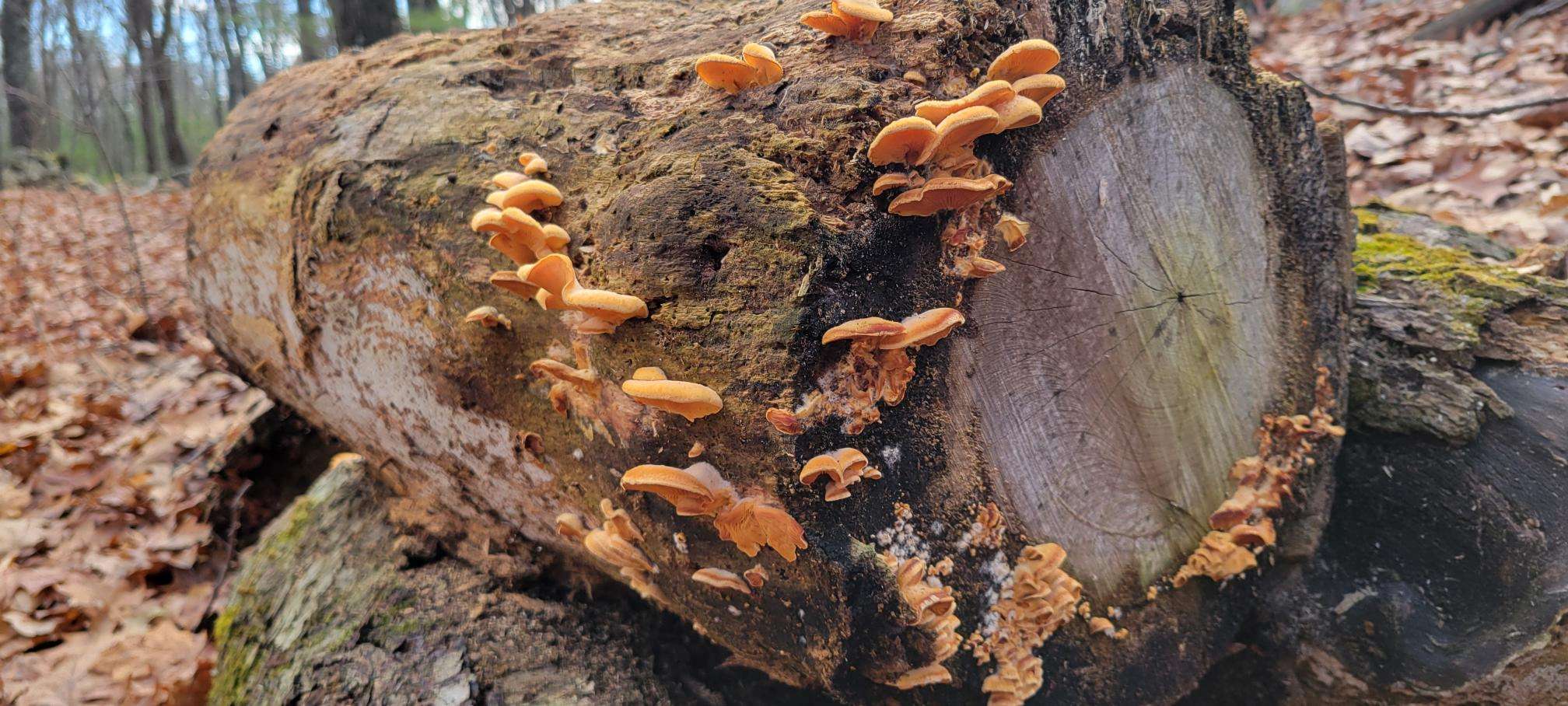
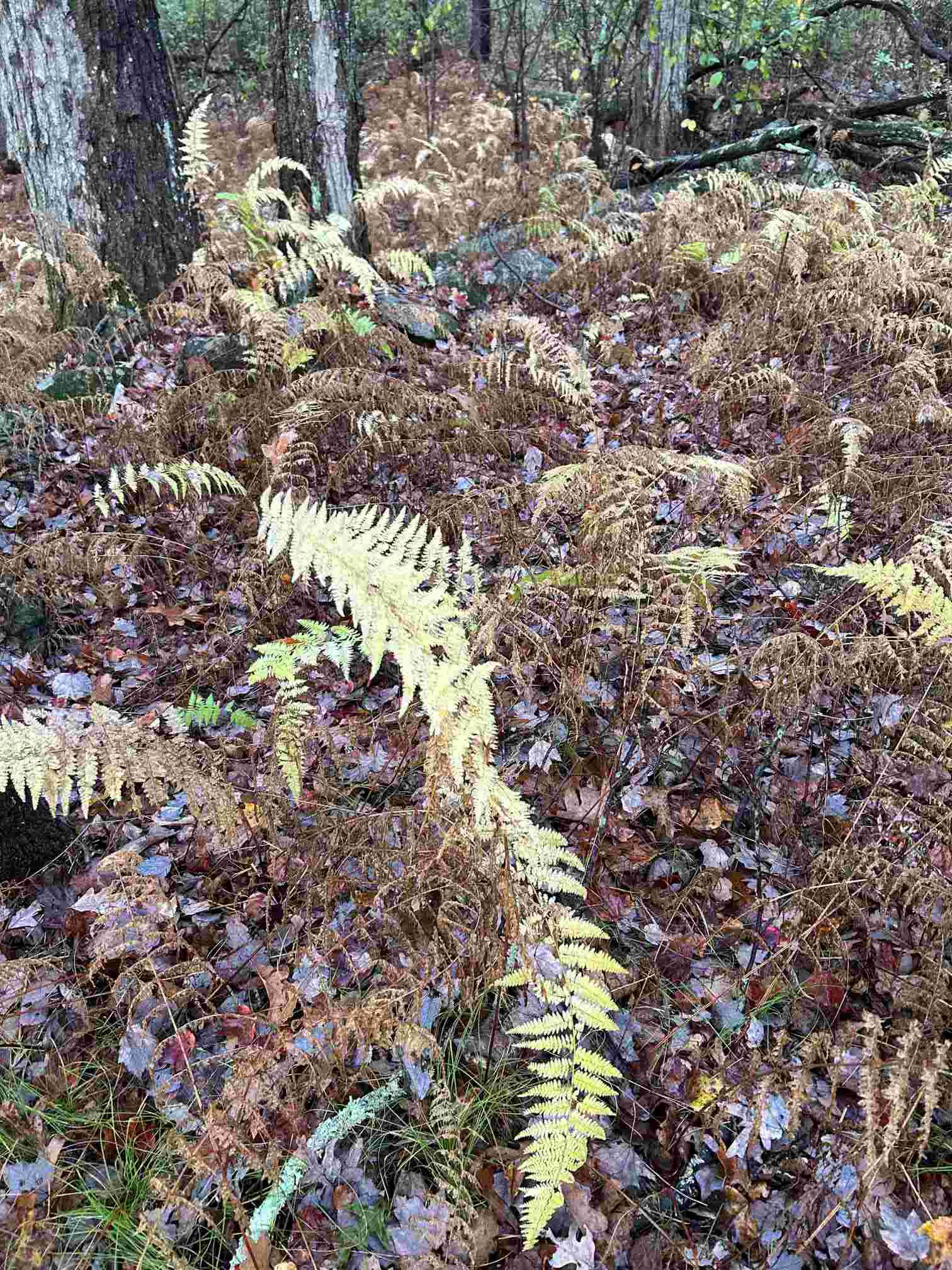
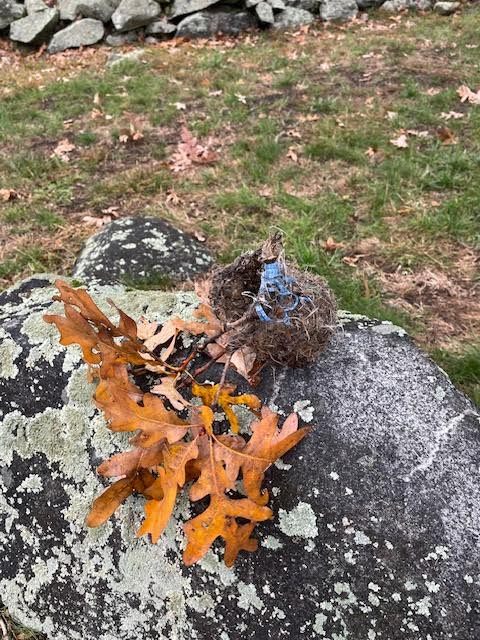
Winter walks are opportunities to observe and appreciate the less showy aspects of flora, the variety of subdued colors, shapes, and textures. Weeds display their seeds, which are important wildlife food, along with berries from holly, multiflora rose, and other shrubs. The woodland floor retains greenery in plants such as Christmas ferns, club mosses, and partridgeberry. Participants on a walk led by Ranger Will Leona came across what looked very similar to an oak apple gall, but no, it was a lonely pear-shaped puffball (they are usually seen in clusters), with the common name of wolf fart mushroom. As Will explains, thanks to AI, “Pear-shaped puffball” (Apioperdon pyriforme, formerly Lycoperdon pyriforme) is a common mushroom named for its shape, but also nicknamed the “wolf fart mushroom” because its scientific name Lycoperdon combines Greek words for “wolf” (lycos) and “breaking wind” (perdon), referring to the powdery spores released like gas from mature fungi. These small, edible (when young and pure white inside) mushrooms grow in clusters on decaying wood, releasing clouds of spores when mature, and are a fun find for foragers and nature lovers.’

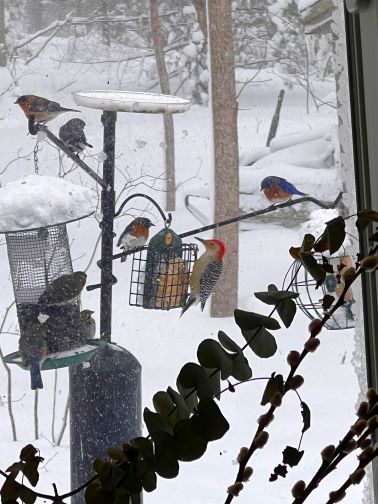
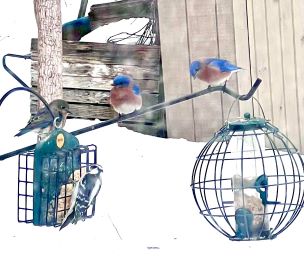
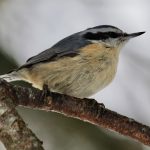
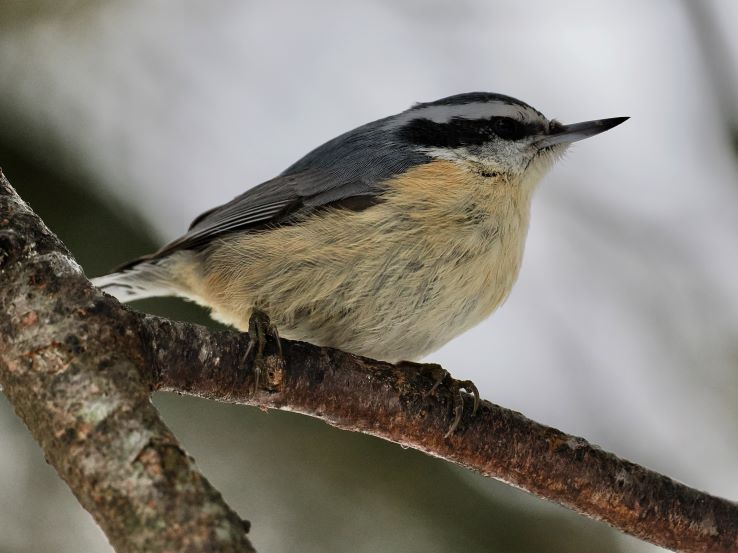
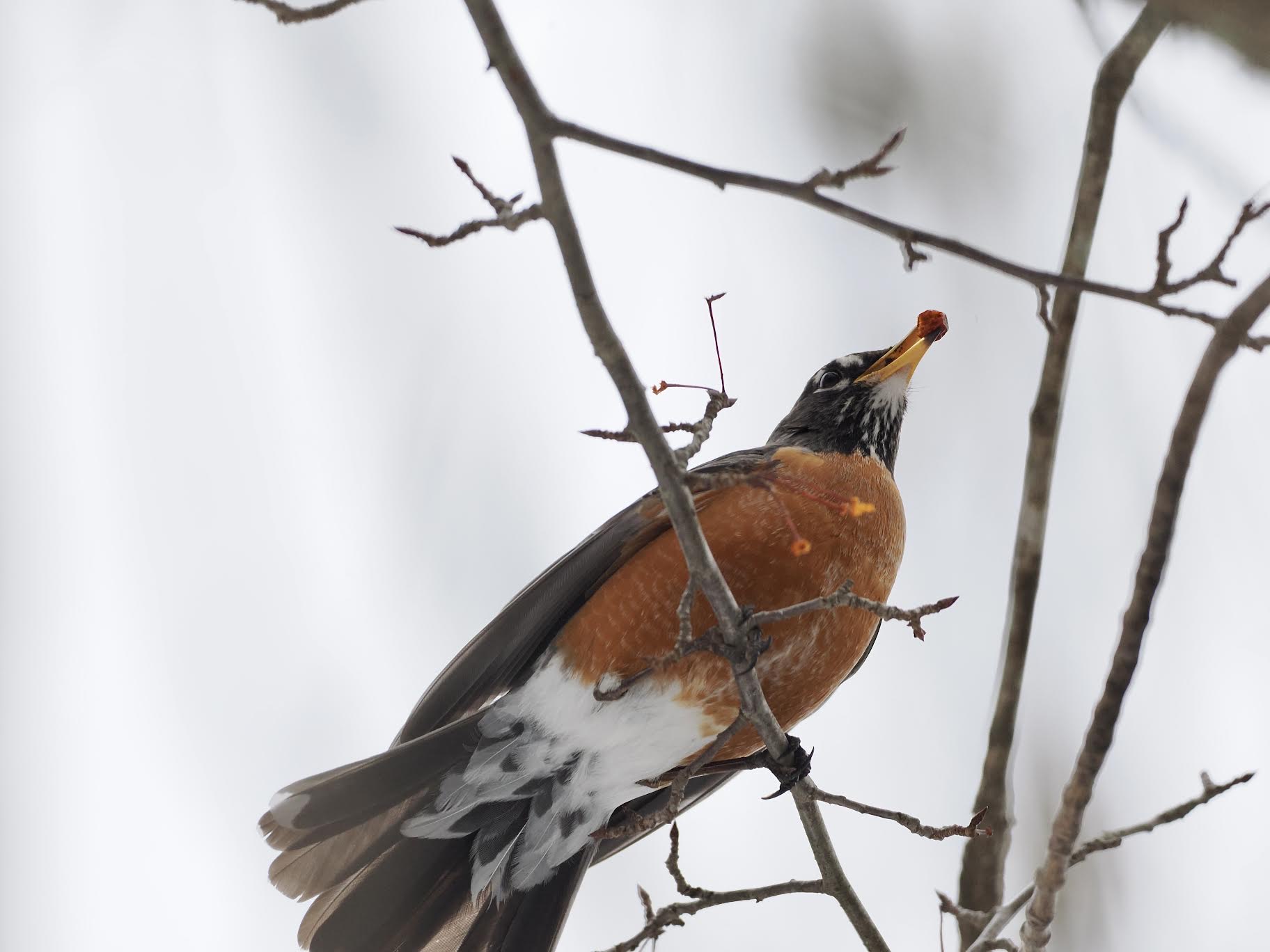
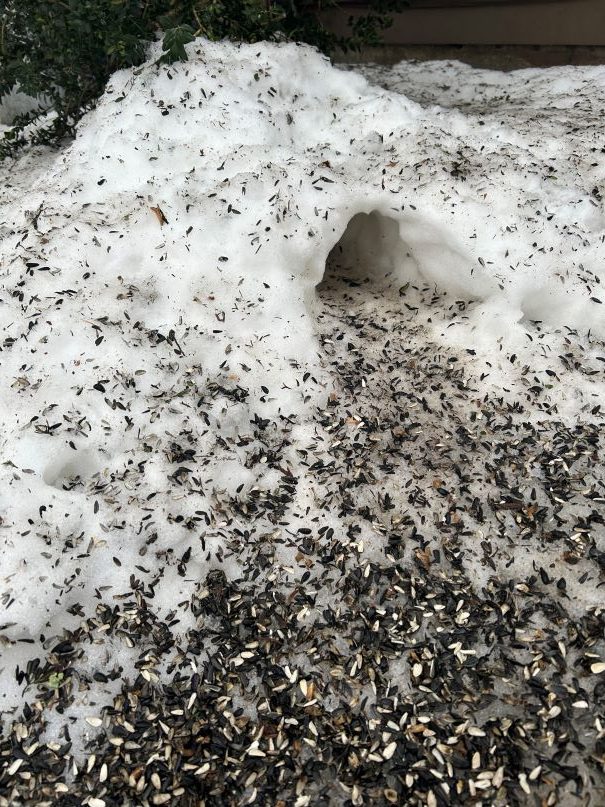
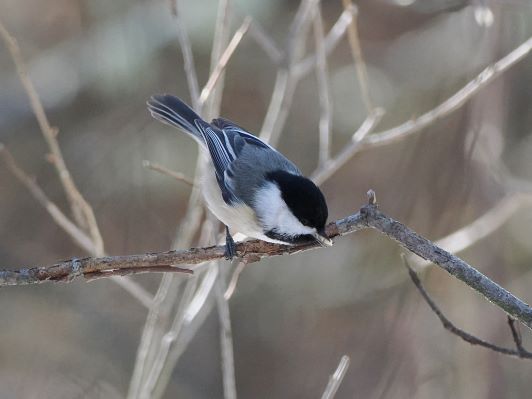
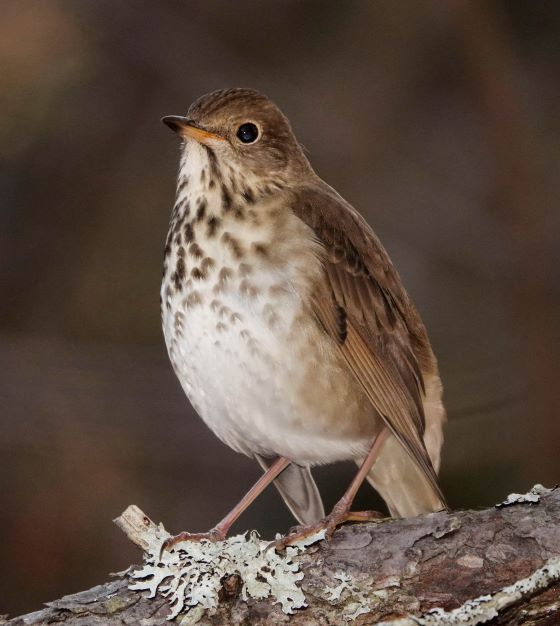
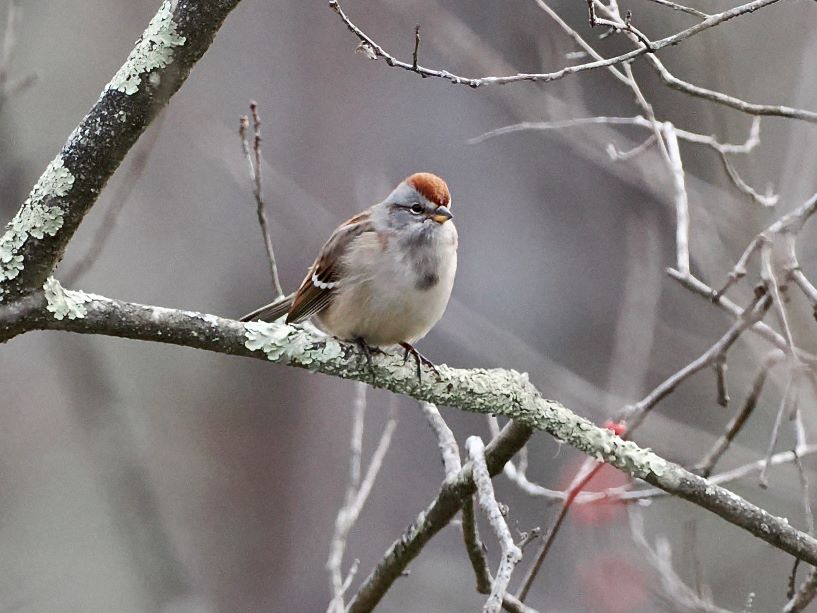
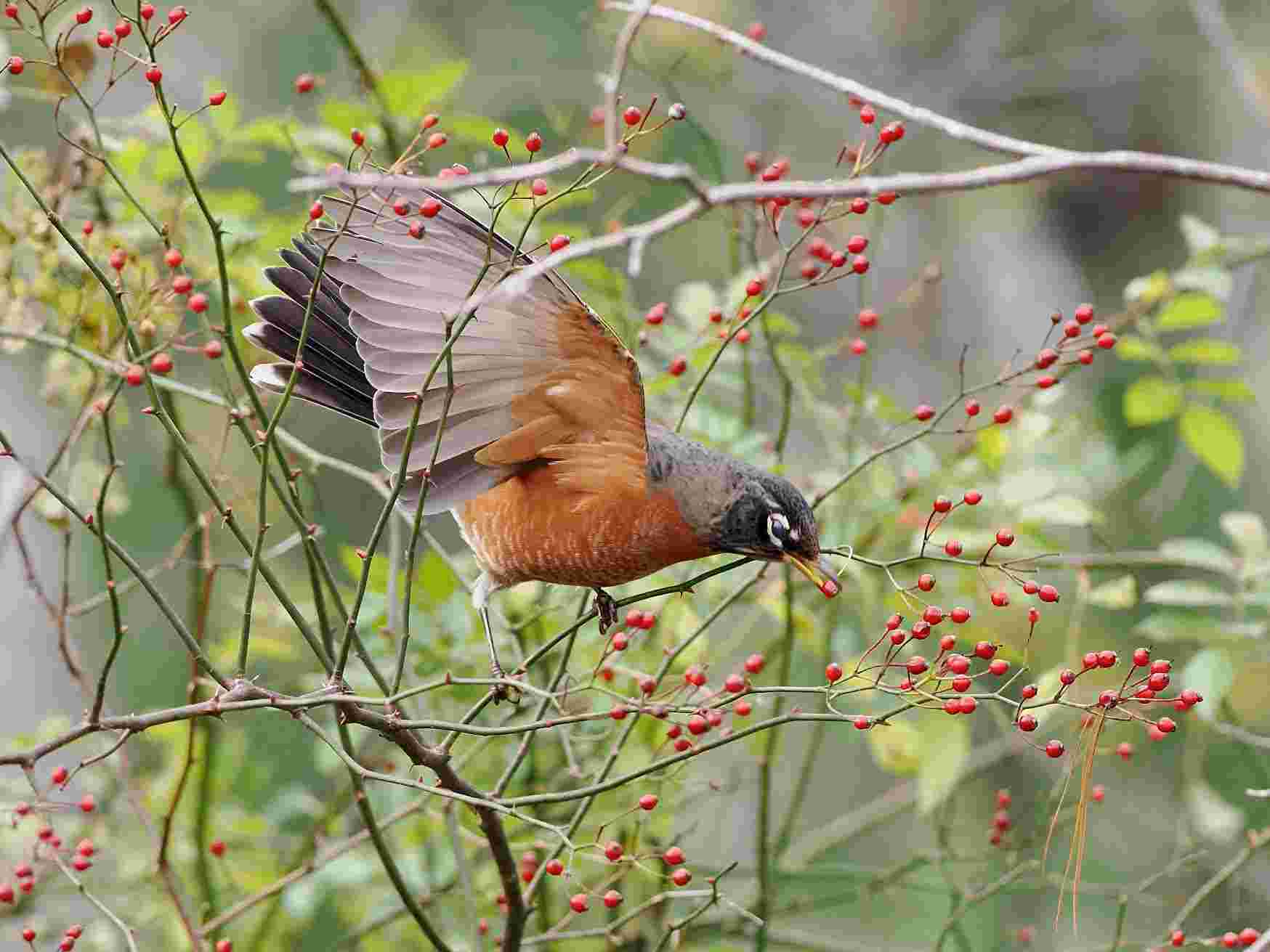
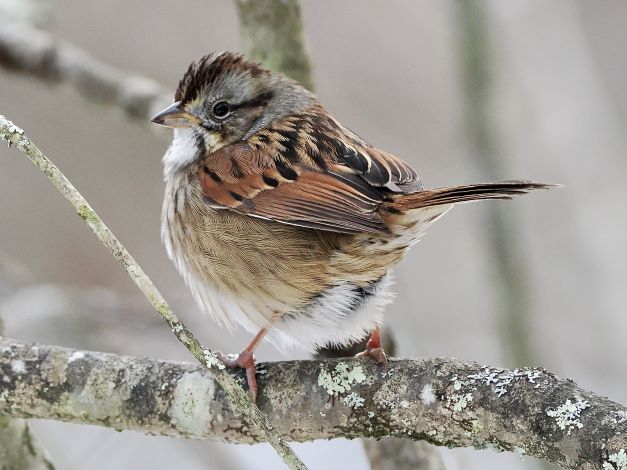
Birds are dining on all sorts of wild food, and flocking to bird feeders. They need water year-round and seem to be grateful for the open water in my birdbath, thanks to a heater. A dusting of snow on December 14 brought even more ground-feeding birds such as white-throated sparrows and dark-eyed juncos to the seed I scattered. Supposedly this will be a good winter to see irruptive species from Canada; so far only one red-breasted nuthatch has turned up at my feeder but they, as well as pine siskins have been reported from Drumlin Farm, where a single red-crossbill and evening grosbeak were also seen. Tree sparrows are winter residents here, and a few swamp sparrows and savannah sparrows have still not migrated south. Robins and bluebirds are examples of birds which have two populations, one staying with us through the winter but another heading south to warmer climes. They usually turn up in moderate numbers on the Christmas Bird Count, which will be held on Dec. 28 this year. Lincoln is included in the “Concord Circle,” which Norman Levey coordinates. We have birding teams lined up to go out in the field but we could use more counters at feeders; please contact me if you are interested in participating. The Count is run by National Audubon and encompasses all of North America, with thousands of circles, each fifteen miles in diameter. The counts, which are always held in a two-week window around Christmas, are a huge citizen-science project and the data collected provides important information on bird populations.
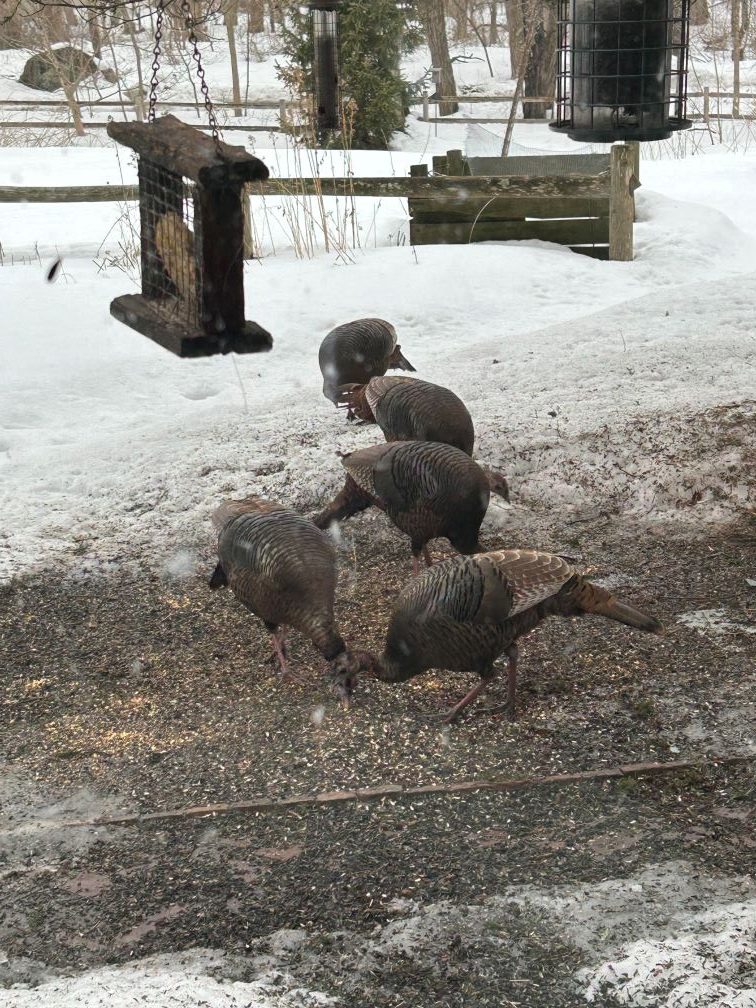
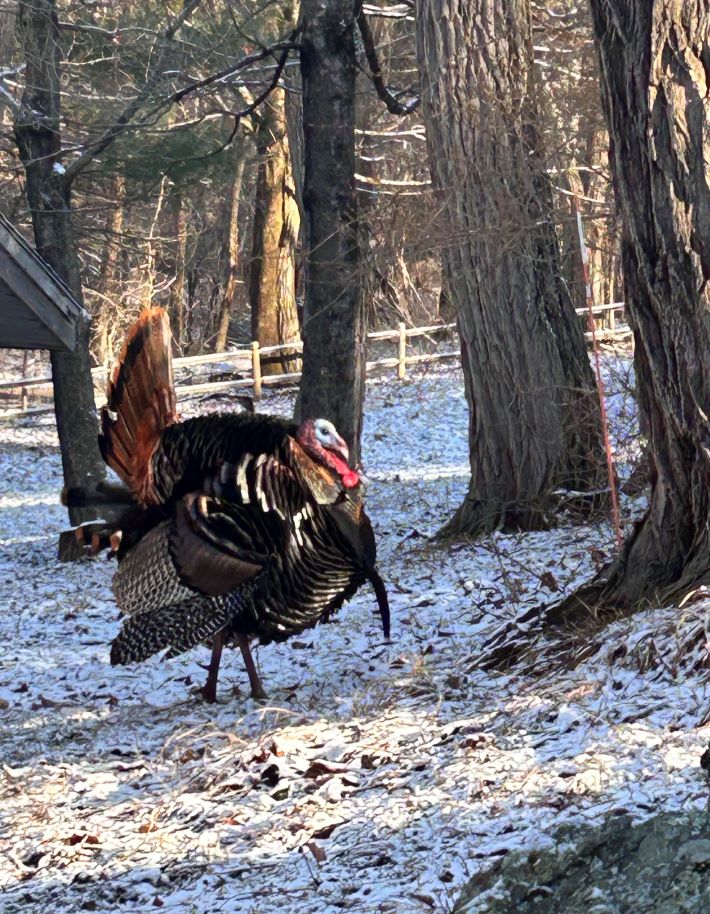
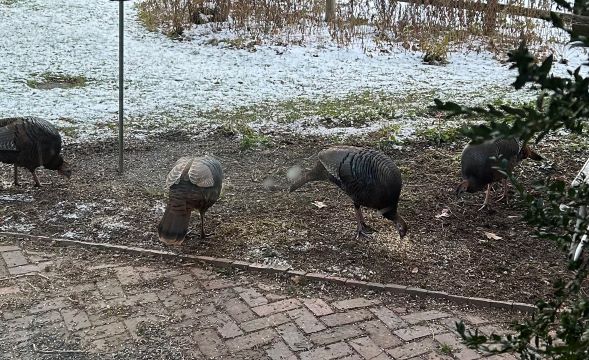
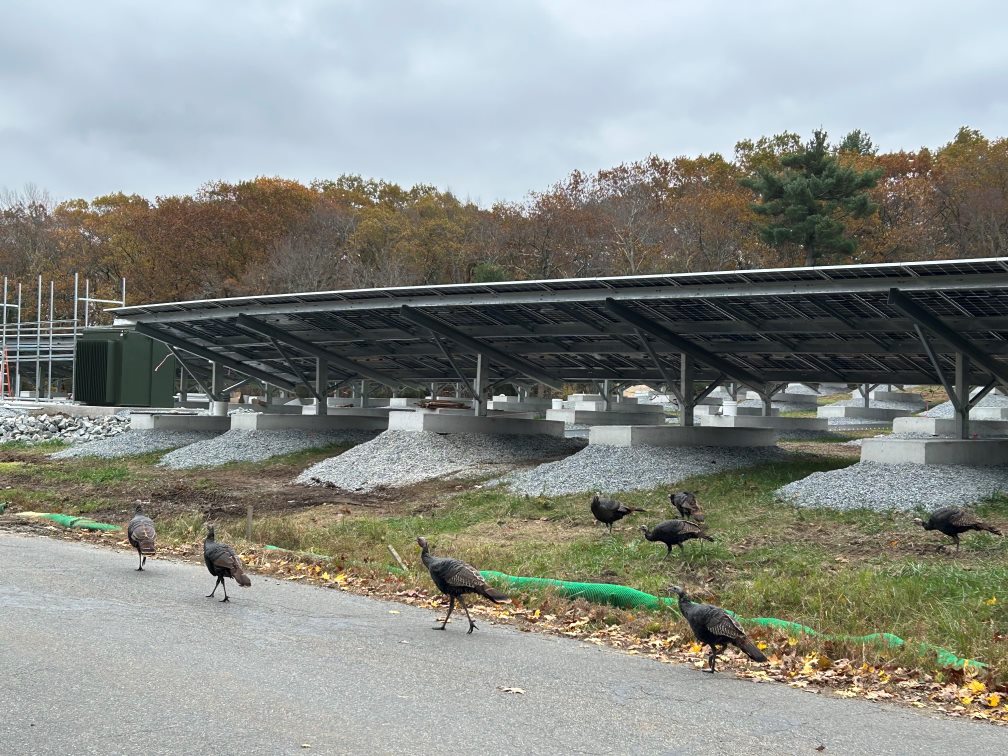
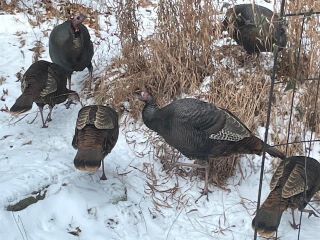
A small flock of wild turkeys appeared under my bird feeders last week, to my surprise. They were all hens, and cleaned out the scattered bird seed in a short time. So far they have not returned, to my relief. The winter flocks separated by sex, comprise large flocks of hens and small flocks of toms. I was amused back in November to witness turkeys exploring the new solar panel installation at the transfer station.

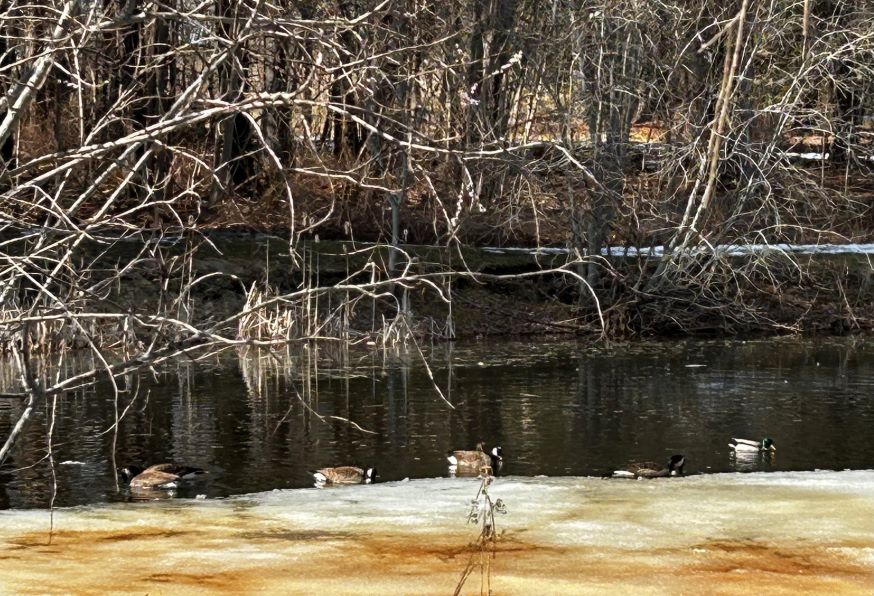
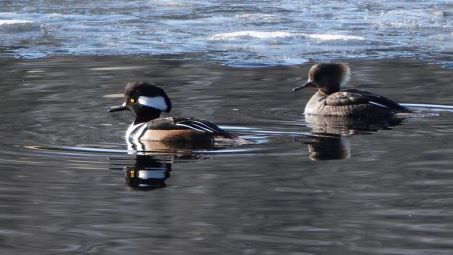
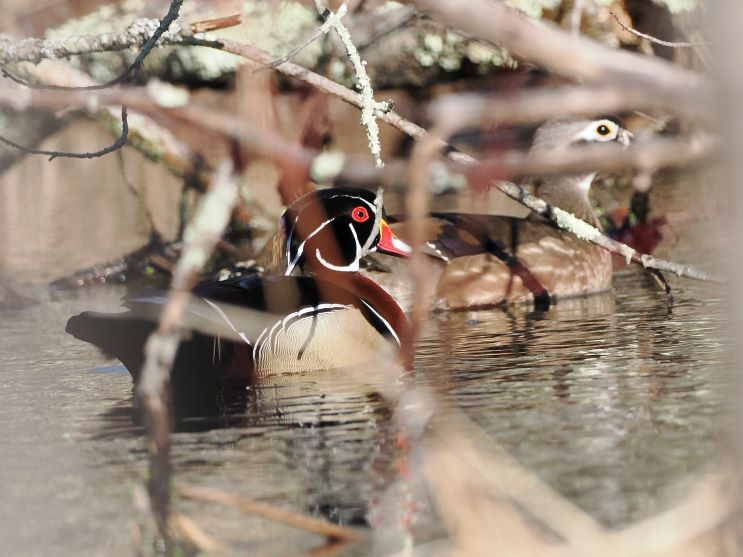
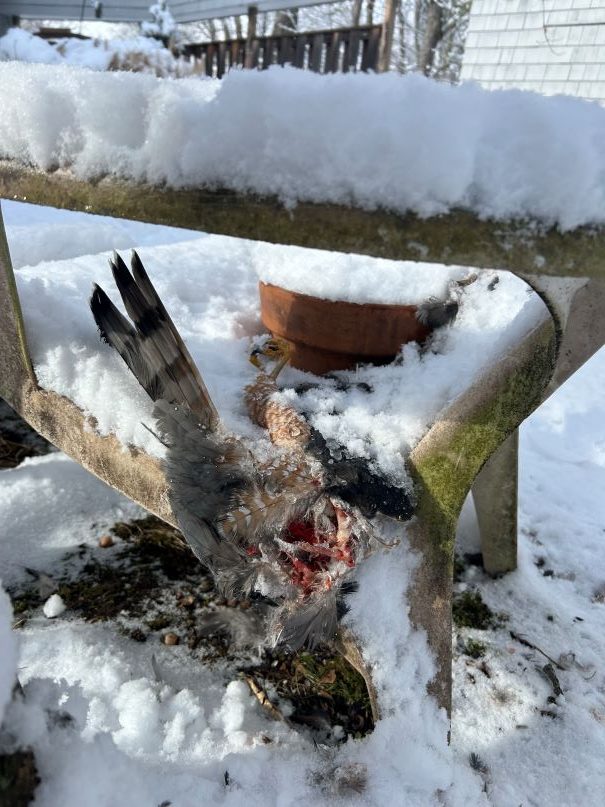
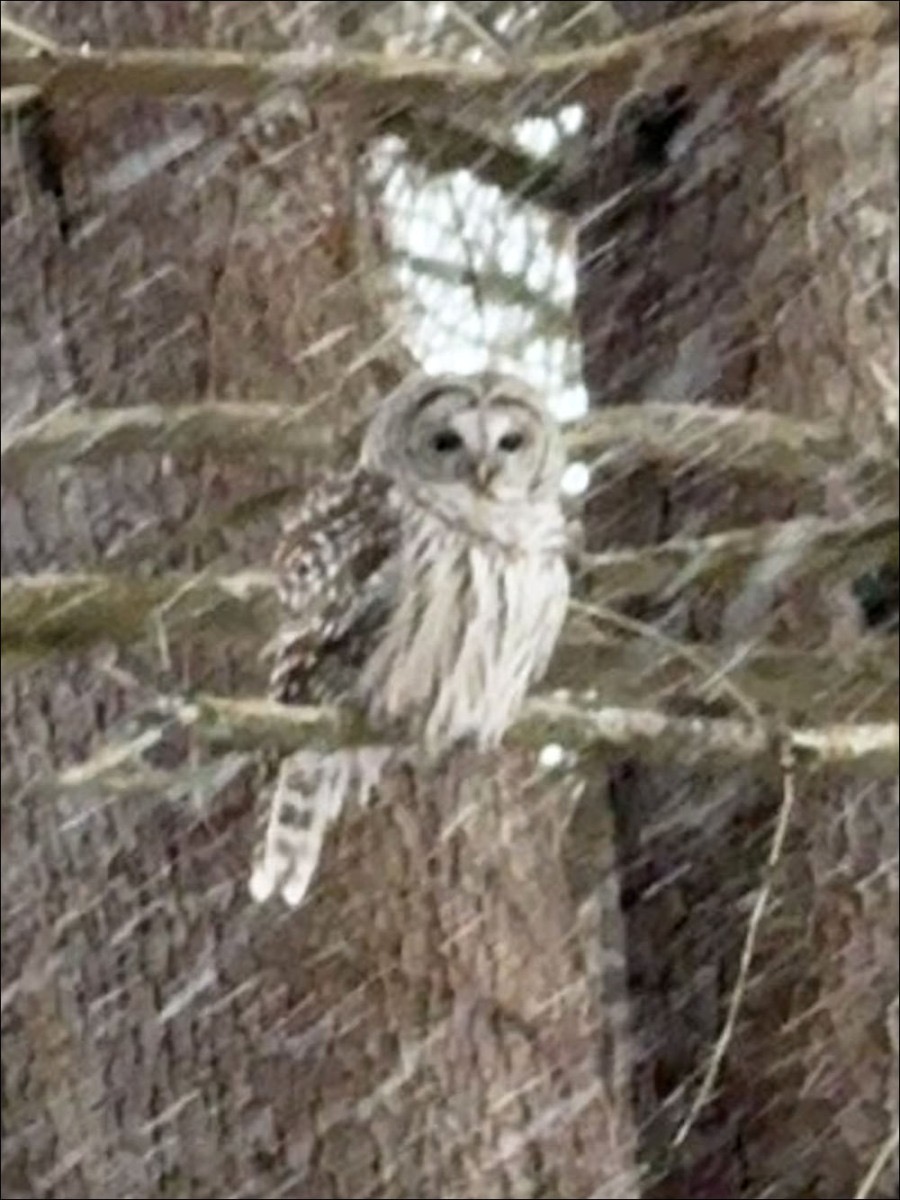
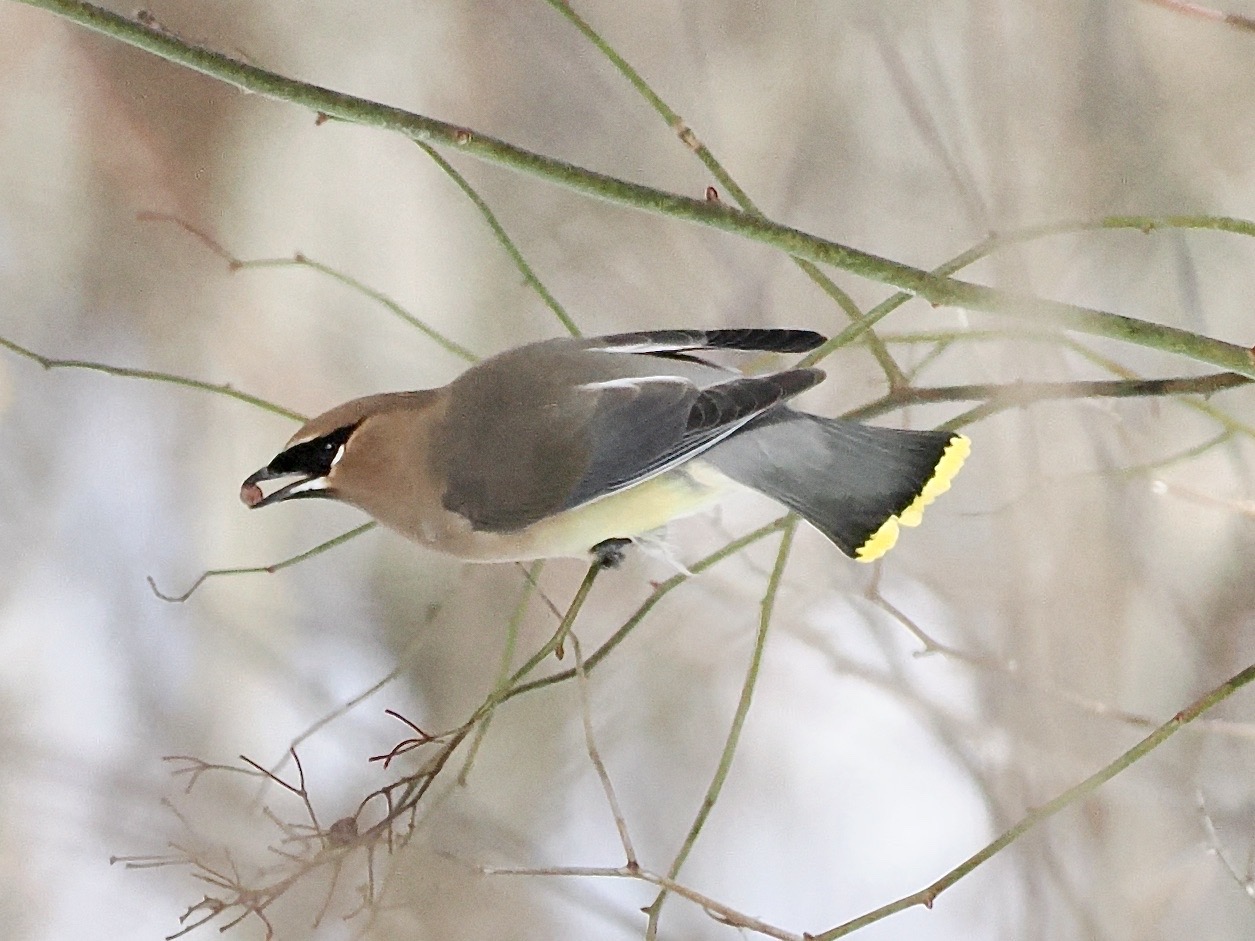
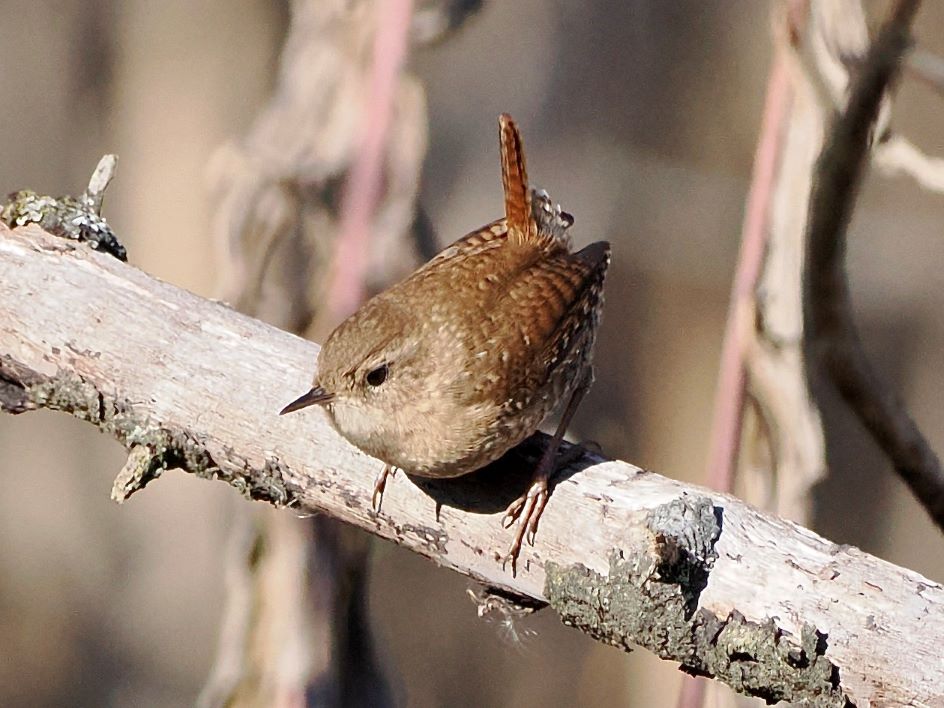
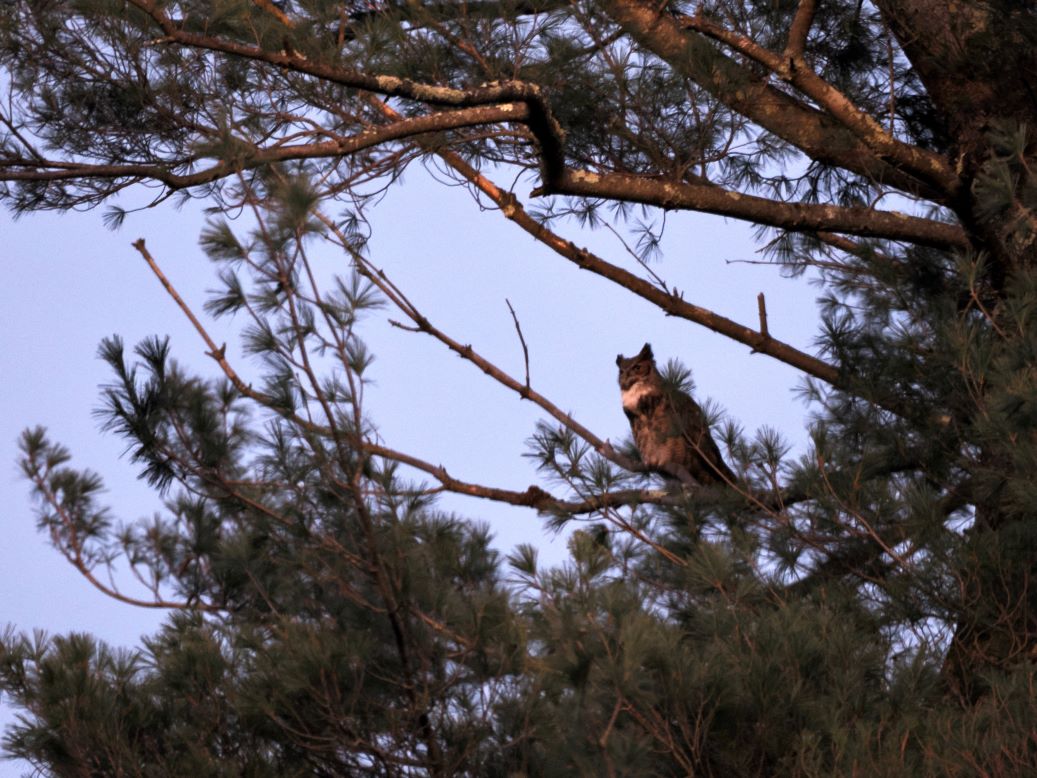
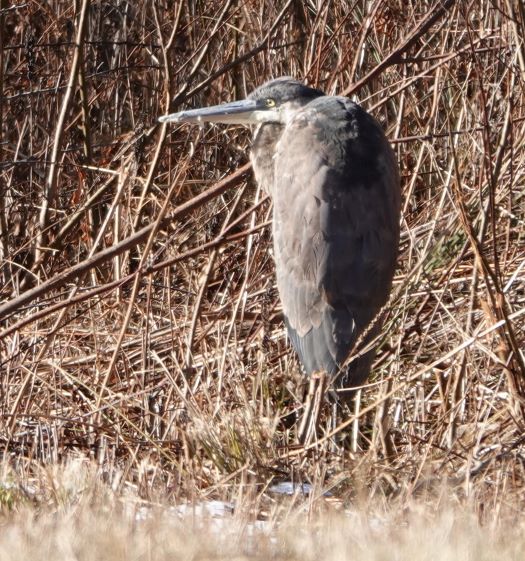
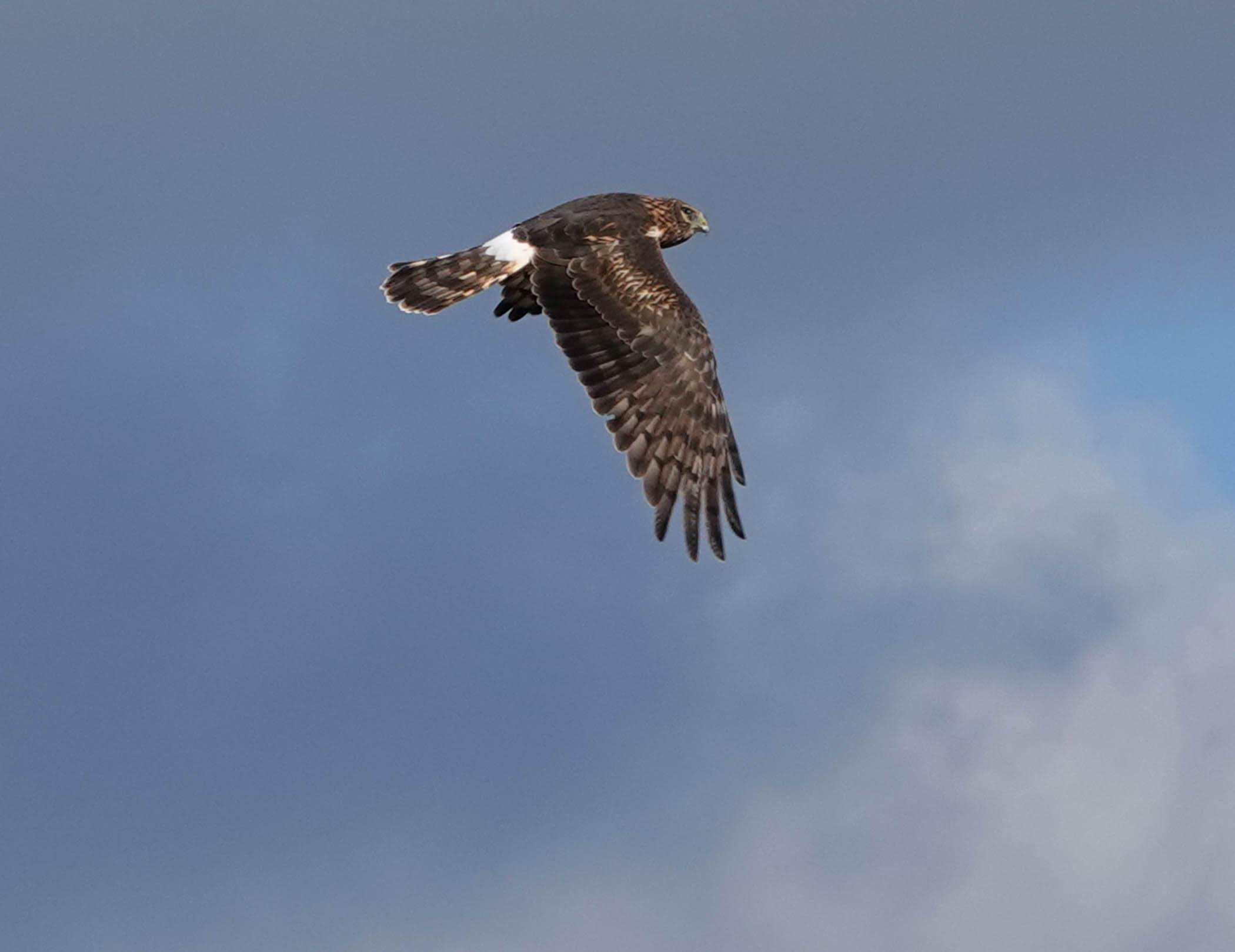
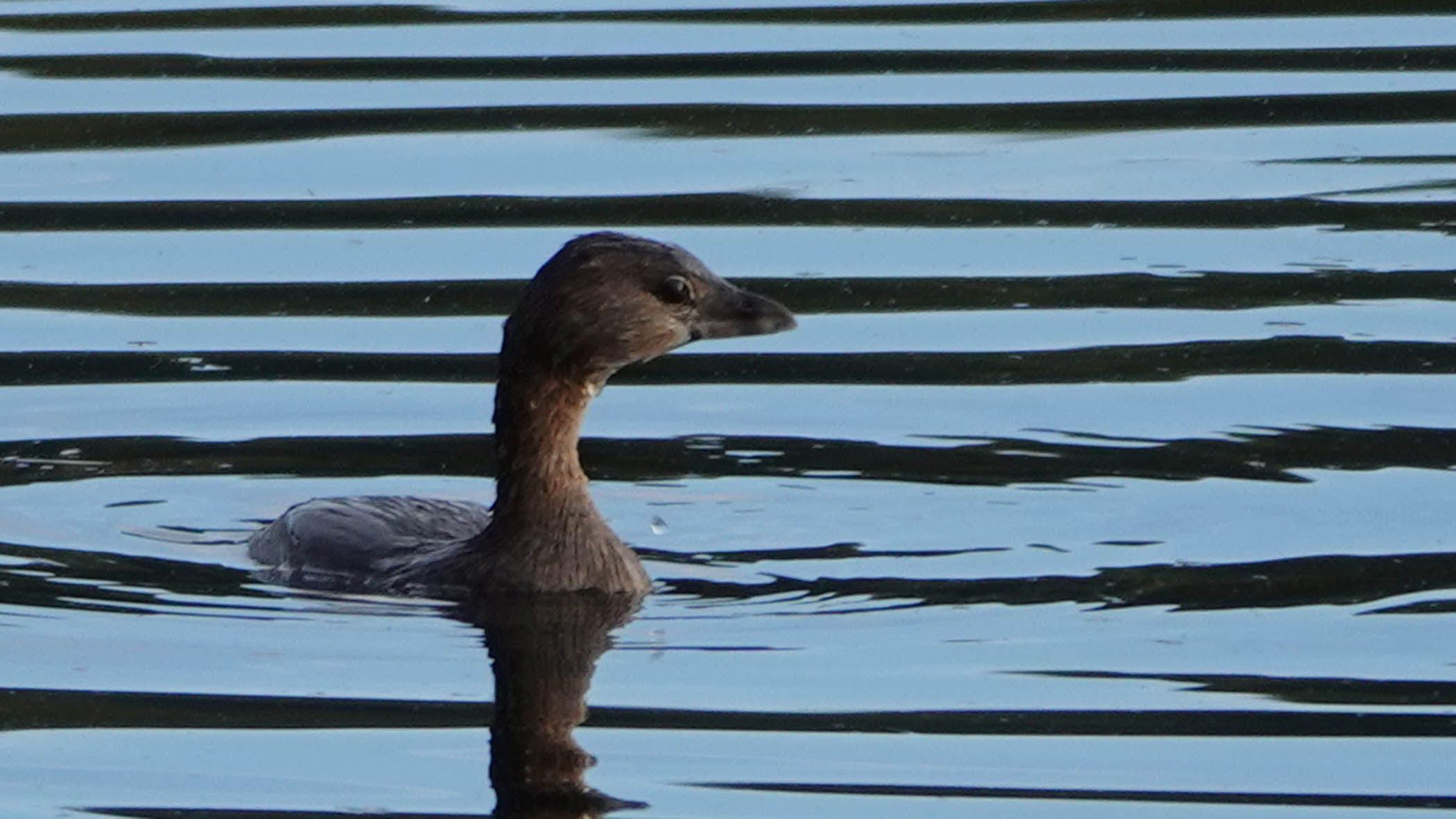
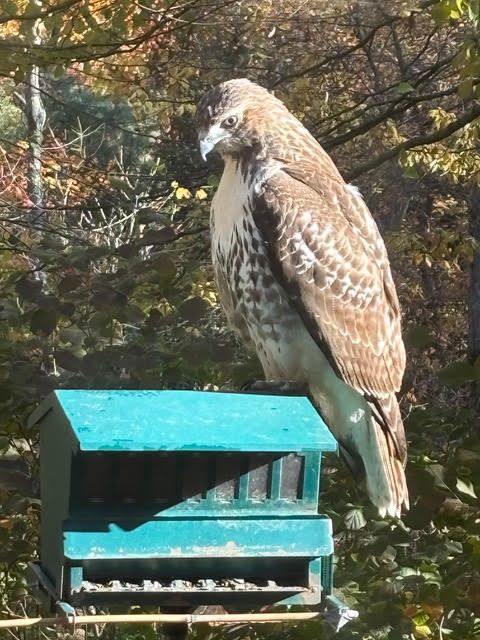
Other recent notable bird sightings include winter wrens, cedar waxwings, fox sparrows, and at Drumlin Farm, a “gray-ghost male northern harrier” which has been cruising over Boyce Field. Cooper’s hawks swoop through backyards with bird feeders, hoping to snatch a meal. In my November column I wrote about a possible bald eagle nest site on the Cambridge Reservoir. It turns out that the staff at the Reservoir have seen bald eagles nesting along the Reservoir for three years! The nest is not in Lincoln, but on the Waltham side, close to I-95. Great horned owls continue to hoot; I am thrilled when I can see an owl silhouetted on a moonlit night high in my neighbors’ Norway spruce. On December 6, before ponds iced over, Norm Levey spotted a ring-necked duck, common goldeneye, common mergansers (81), hooded mergansers, and a single common loon, and ring-billed gull on Flint’s Pond. A great blue heron looked cold in the wet meadow behind St. Anne’s Church. A few hardy great blue herons will stick around as long as they can find fish, even in small pools of unfrozen water. Will Leona saw two bald eagles by Flint’s Pond, and caught one on camera after it spooked ducks in the pond.

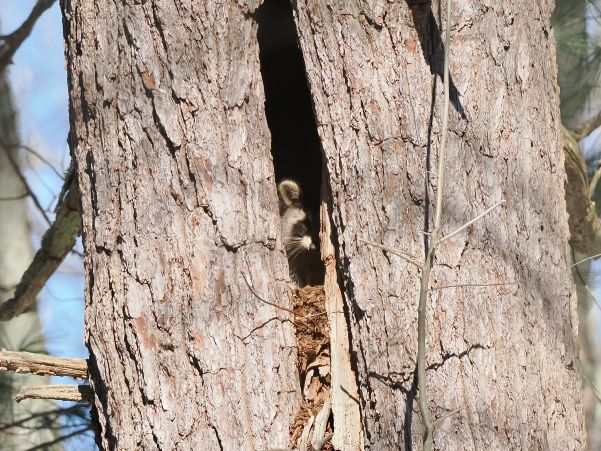
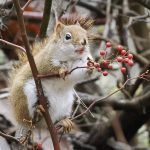
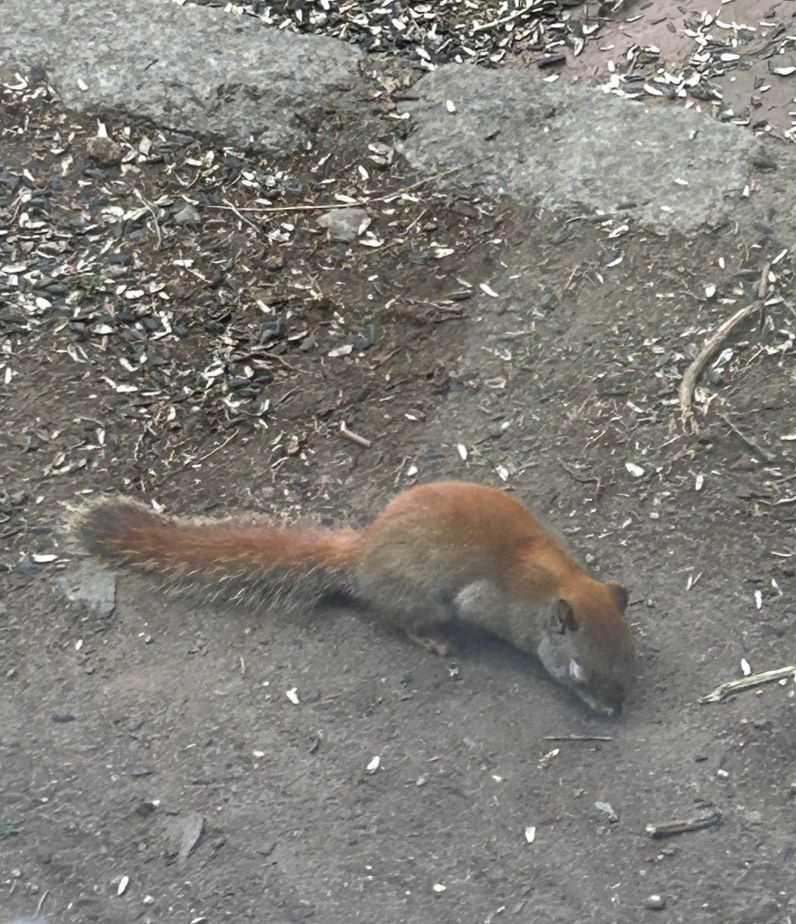
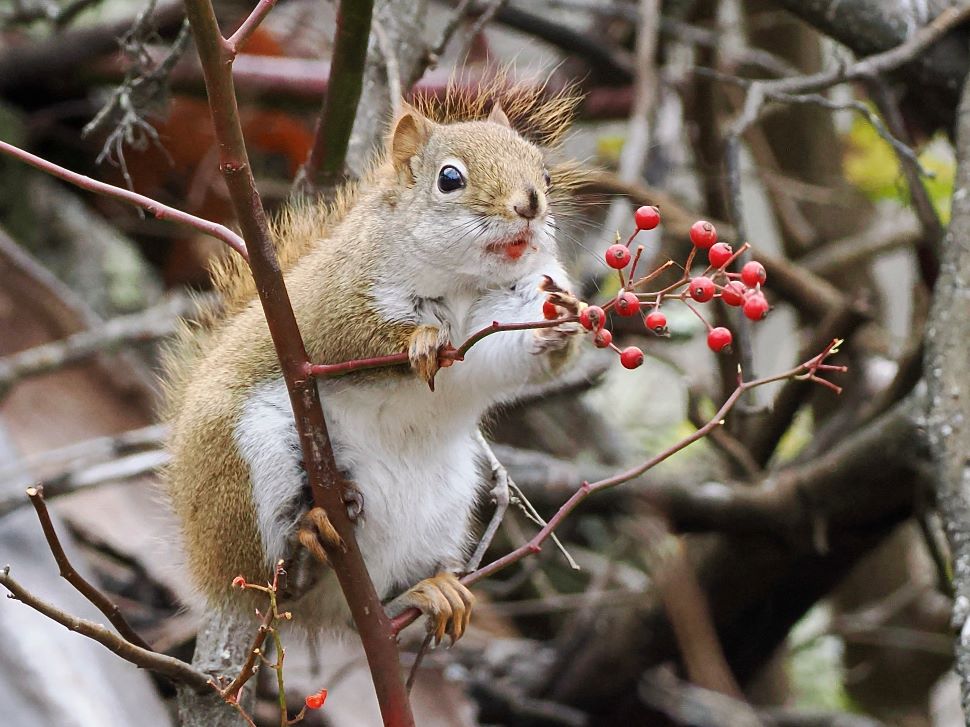
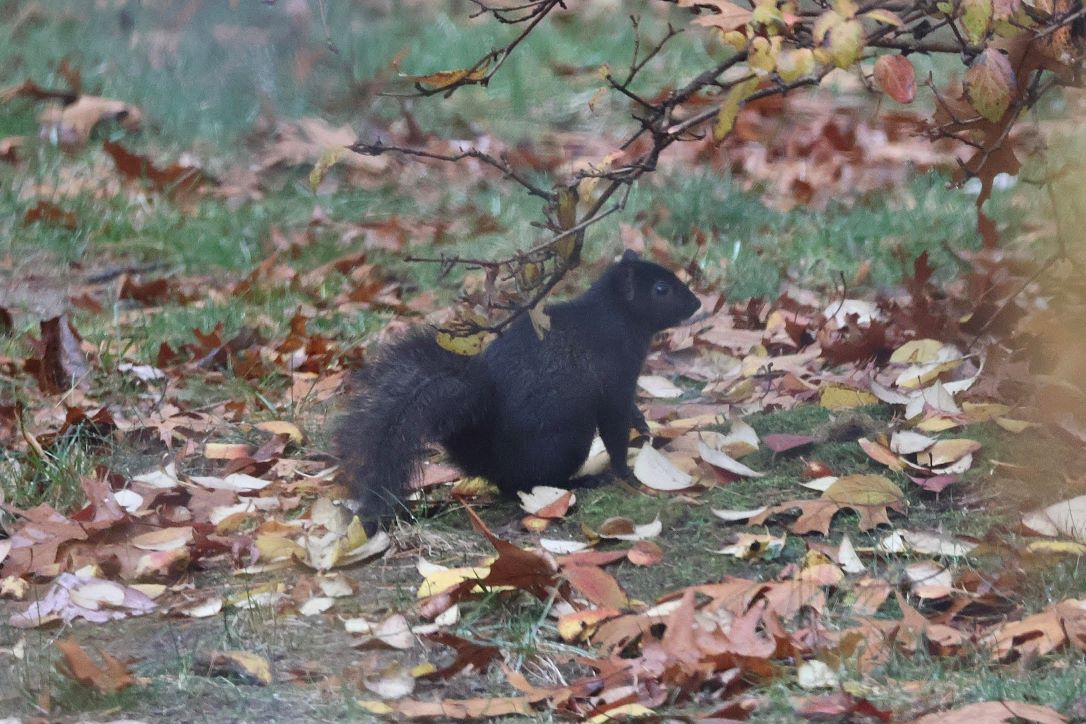
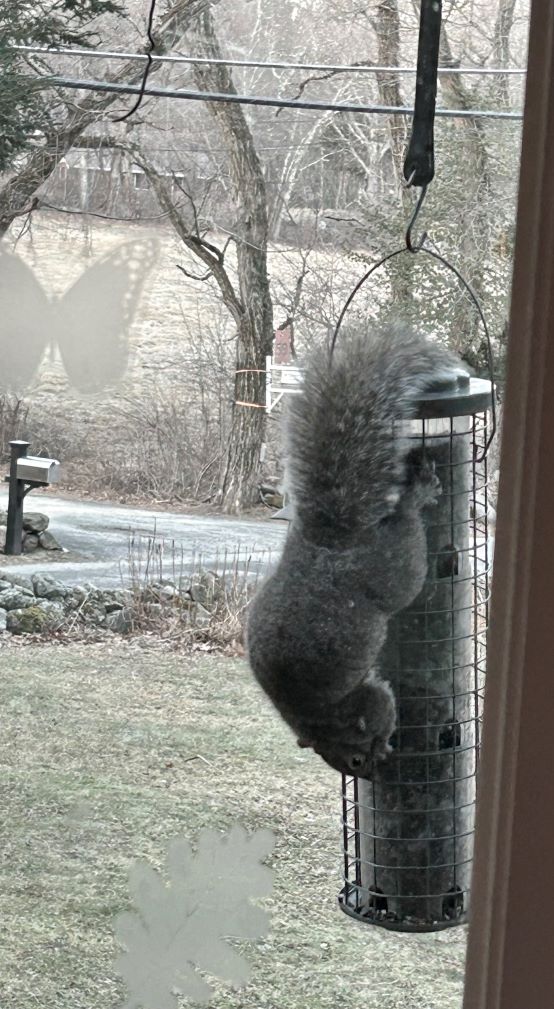
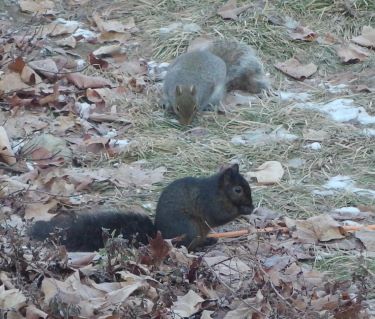
Last month I invited readers to tell me if they had seen black-morph gray squirrels. So far I have heard about sightings on Trapelo Rd. in Lincoln (near intersection with Lexington Rd.), three on Dugan Rd. in Concord, two at Drumlin Farm, and at least two along Oxbow and Farrar Roads on the Lincoln-Wayland line. Feel free to send me other sightings. Gray squirrels are active all winter, searching for food in the day and finding nighttime protection in tree cavities. I see nine squirrels regularly under my bird feeders, looking fat and happy. A lot of chasing is going on, with several males competing for a female, indicating this is the winter mating season. After a gestation period of about six weeks, up to six kits will be born in the tree cavity, with the females doing all the care of the young. Gray squirrels have a second mating season in May-June. Red squirrels are also active in the winter and one of their winter adaptations is to molt to a thicker winter cost, including ear tufts. There is a noticeable red band of fur down the back, which changes to a more grayish color when the summer fur molt occurs.

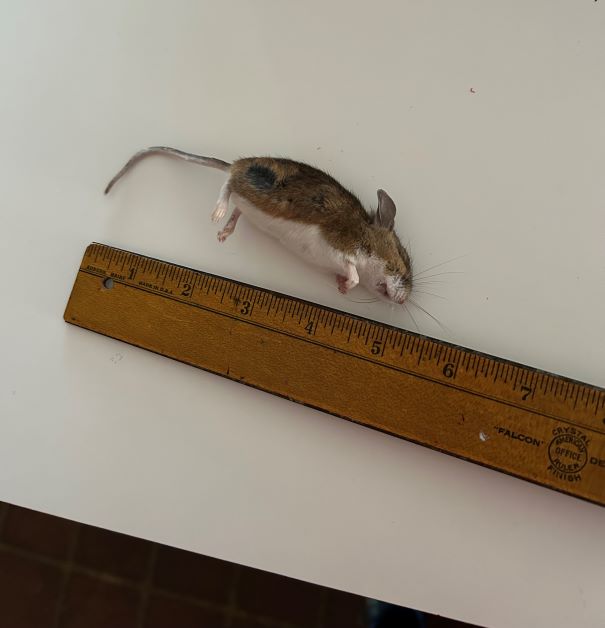
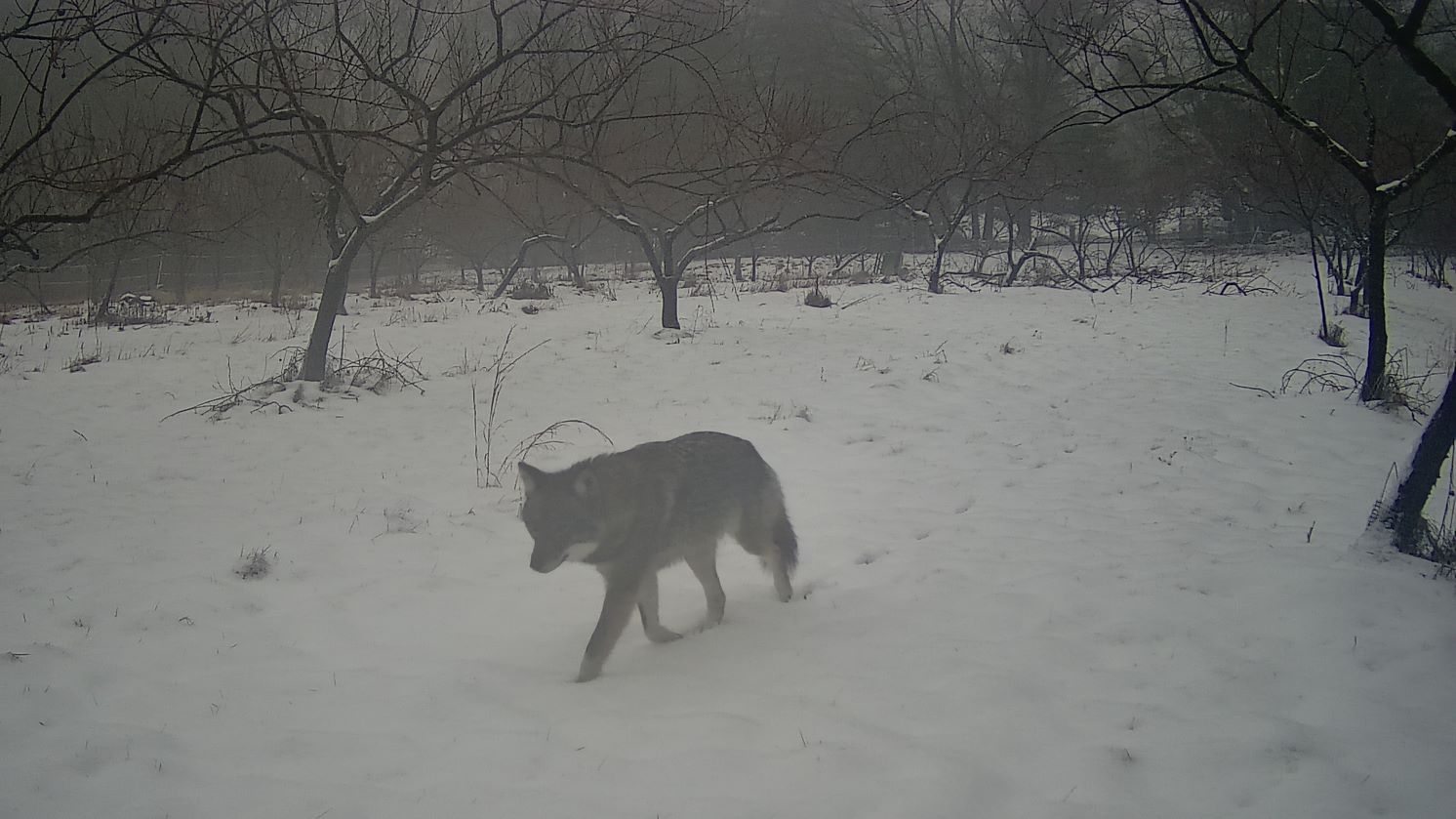
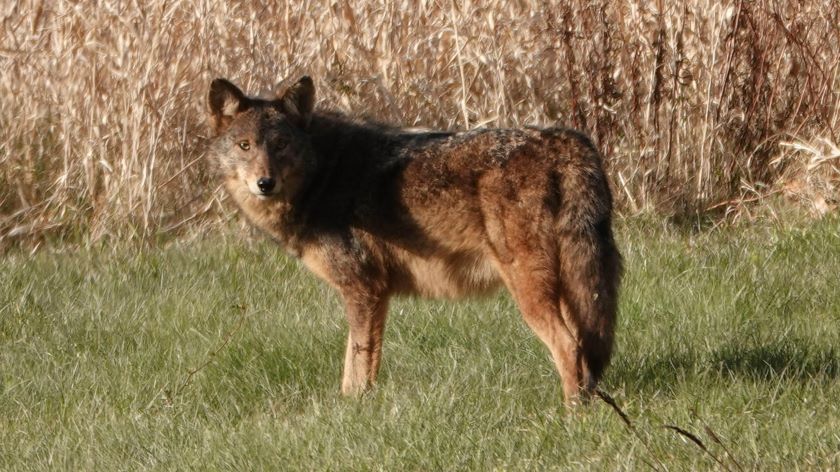
Several people have reported hearing coyotes howling, and Kathleen Lomatoski wrote, “Very late one recent cold night I walked to Pierce Park. As I was approaching the adjacent soccer field behind town hall, a lone coyote came racing down & across the park from Lincoln Rd. At first, due to its swiftness, I thought the creature had to be a deer, then noticing its stride and size more clearly, as it passed closer to me, I could see it was a long legged, dark colored coyote—with breath-taking speed and a smooth gait. Otherwise, during the cold stretches I have frequently seen voles emerge from fields or from beneath small leaf piles then running with impressive velocity—where they were heading, I was not ever sure. I am still finding deceased wildlife on trails, likely the victims of rodenticide. Usually I find chipmunks, mice, or red squirrels. I always bag the critters and put them in the trash. I hope Lincoln residents know there are now poisons with corn meal that impact only the creature who has died and not other creatures who may eat the carcass. Of course, it is ideally preferable not to kill wildlife at all.”

Save Lincoln Wildlife are a group of caring Lincoln residents who treasure Lincoln’s amazing wildlife. SLW hopes to educate the community on the harms of Anticoagulant Rodenticides (ARs), encourage the use non-toxic alternatives, and hopefully ban the use of ARs completely in Lincoln. Want to learn more about the impacts rodent poison is having on Lincoln’s predators and how you can help? Check out their website in the link below or contact info@savelincolnwildlife.org to get more involved.

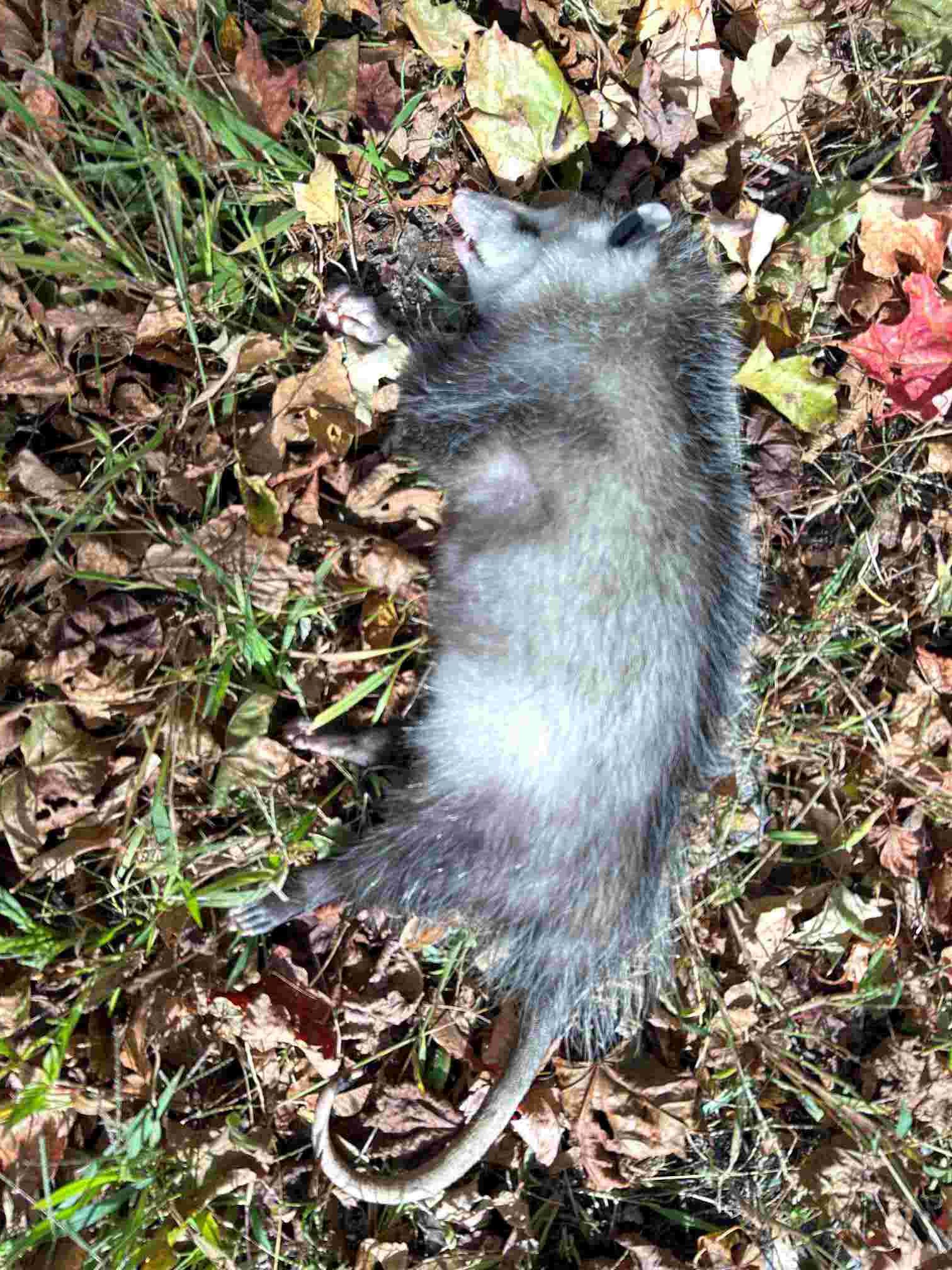
Kathleen also spotted an opossum crossing Weston Rd., almost exactly where I f found a dead one last month, just south of Pierce House. Opossums are active all winter but take shelter in burrows or other protected spots. Their ears and tails, without fur, are susceptible to frostbite. One of the many ways opossums benefit our ecosystem is by eating a lot of ticks.
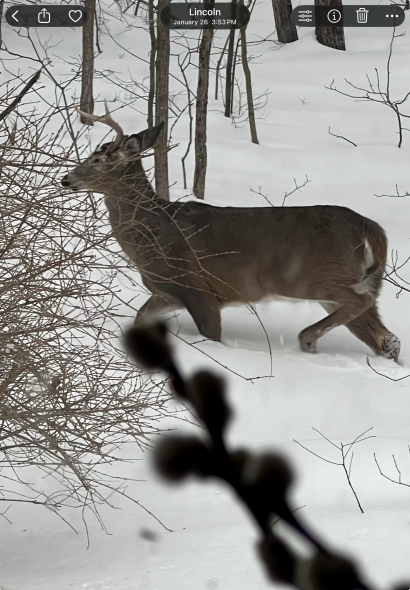
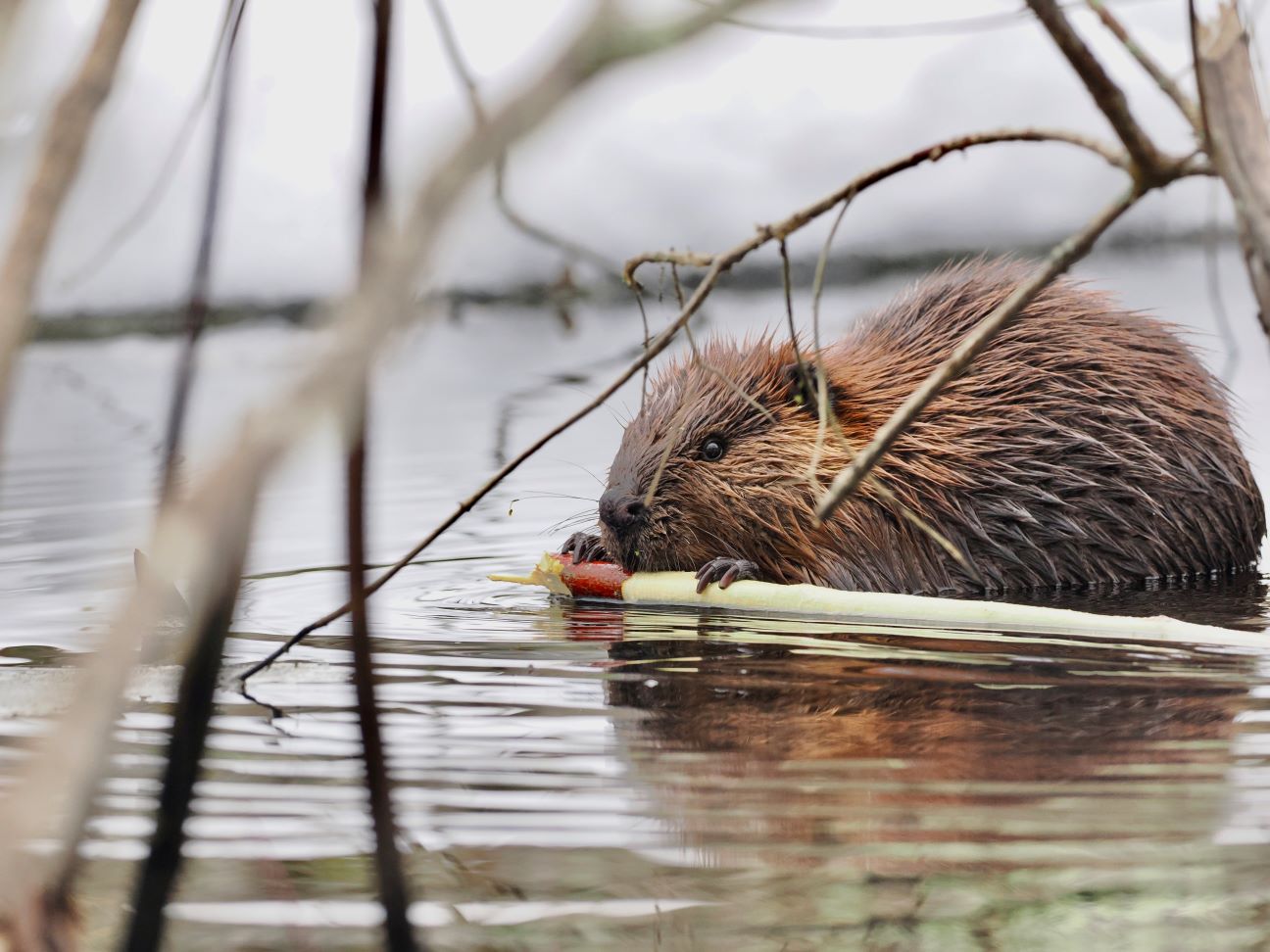
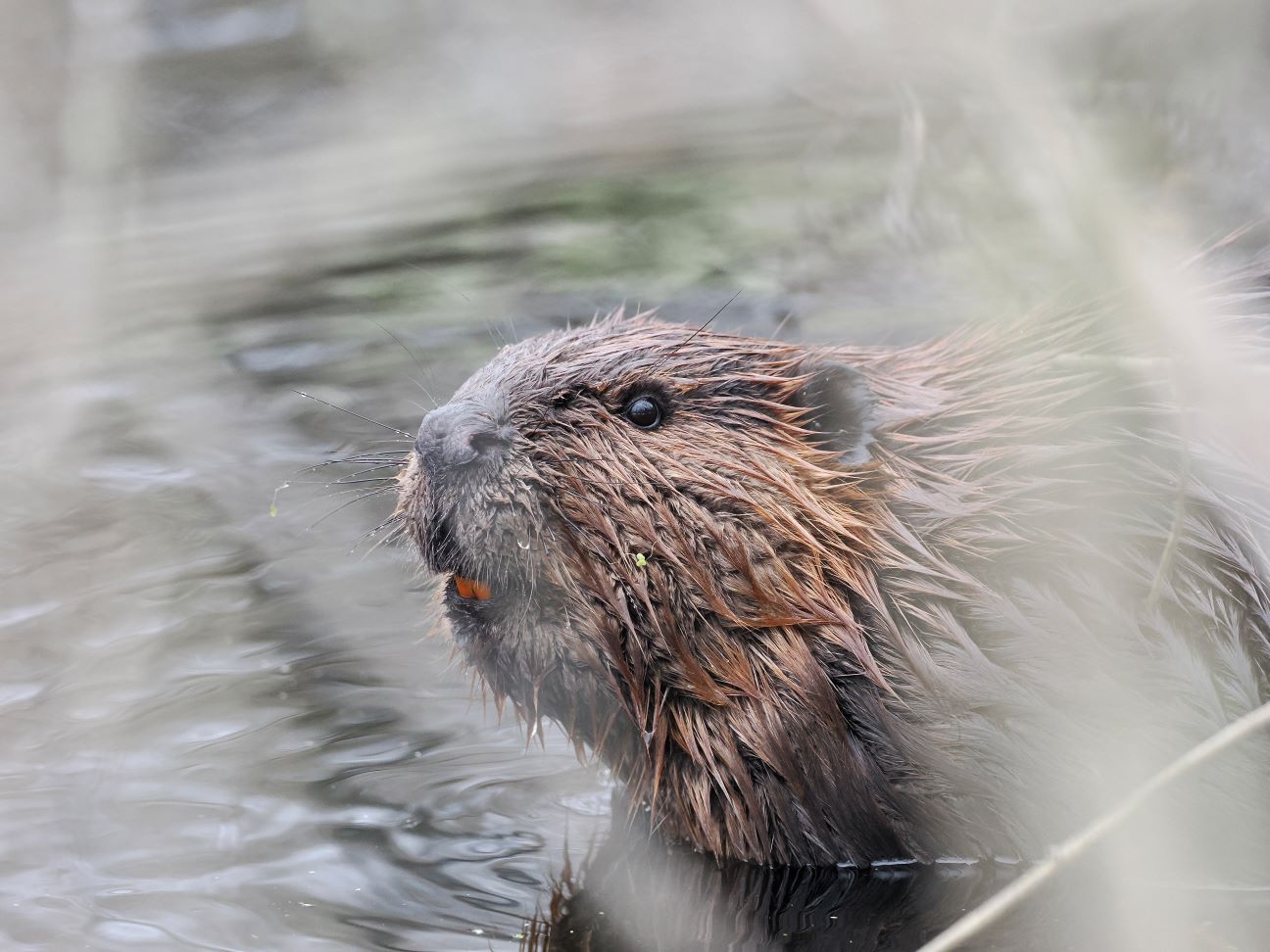
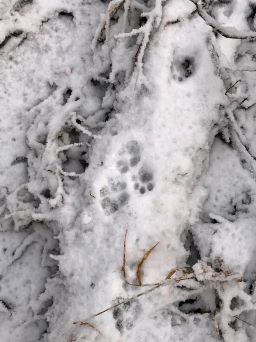
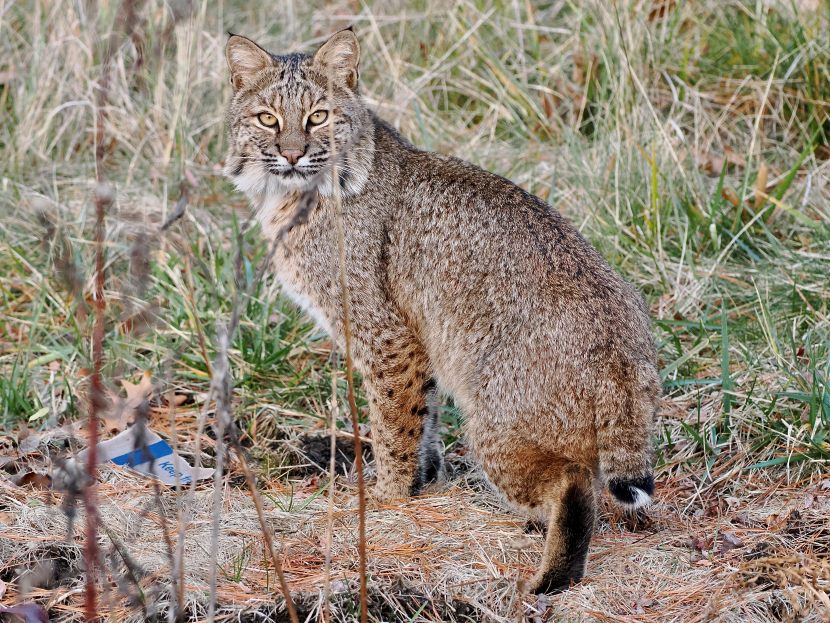
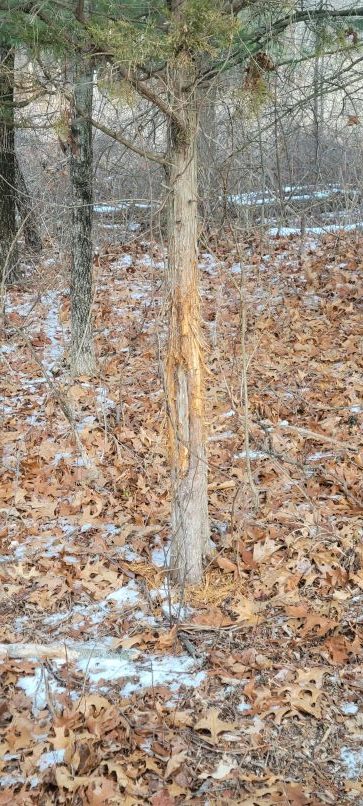
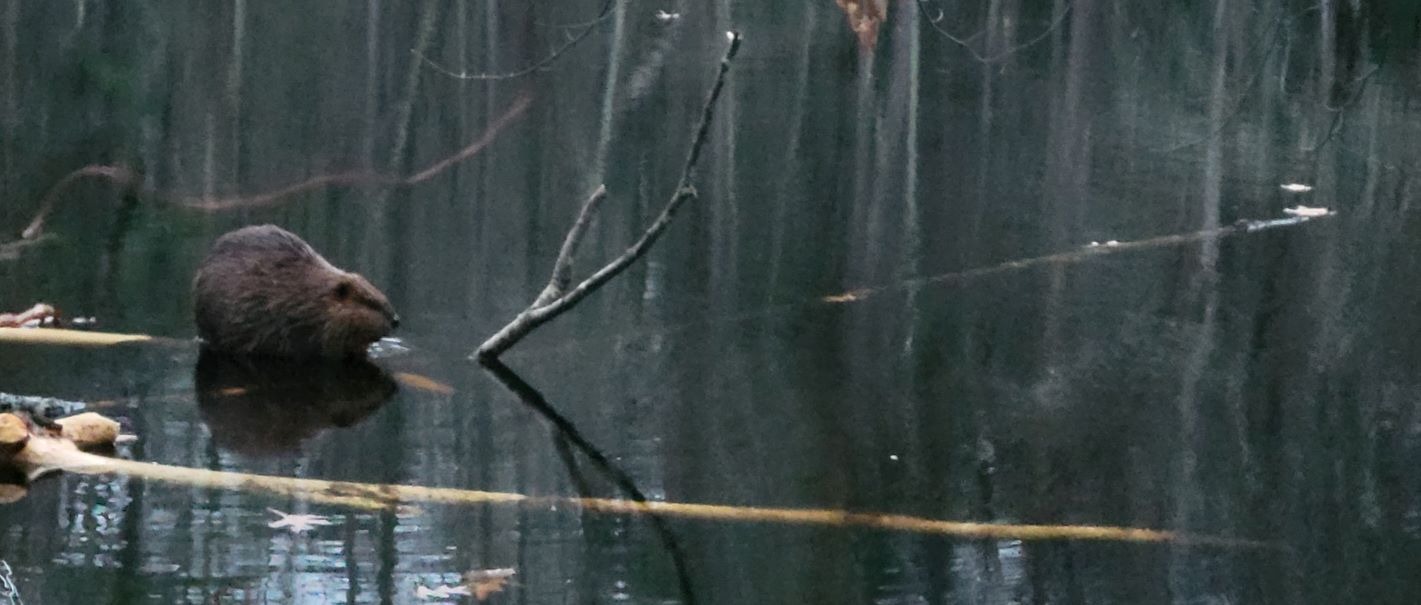
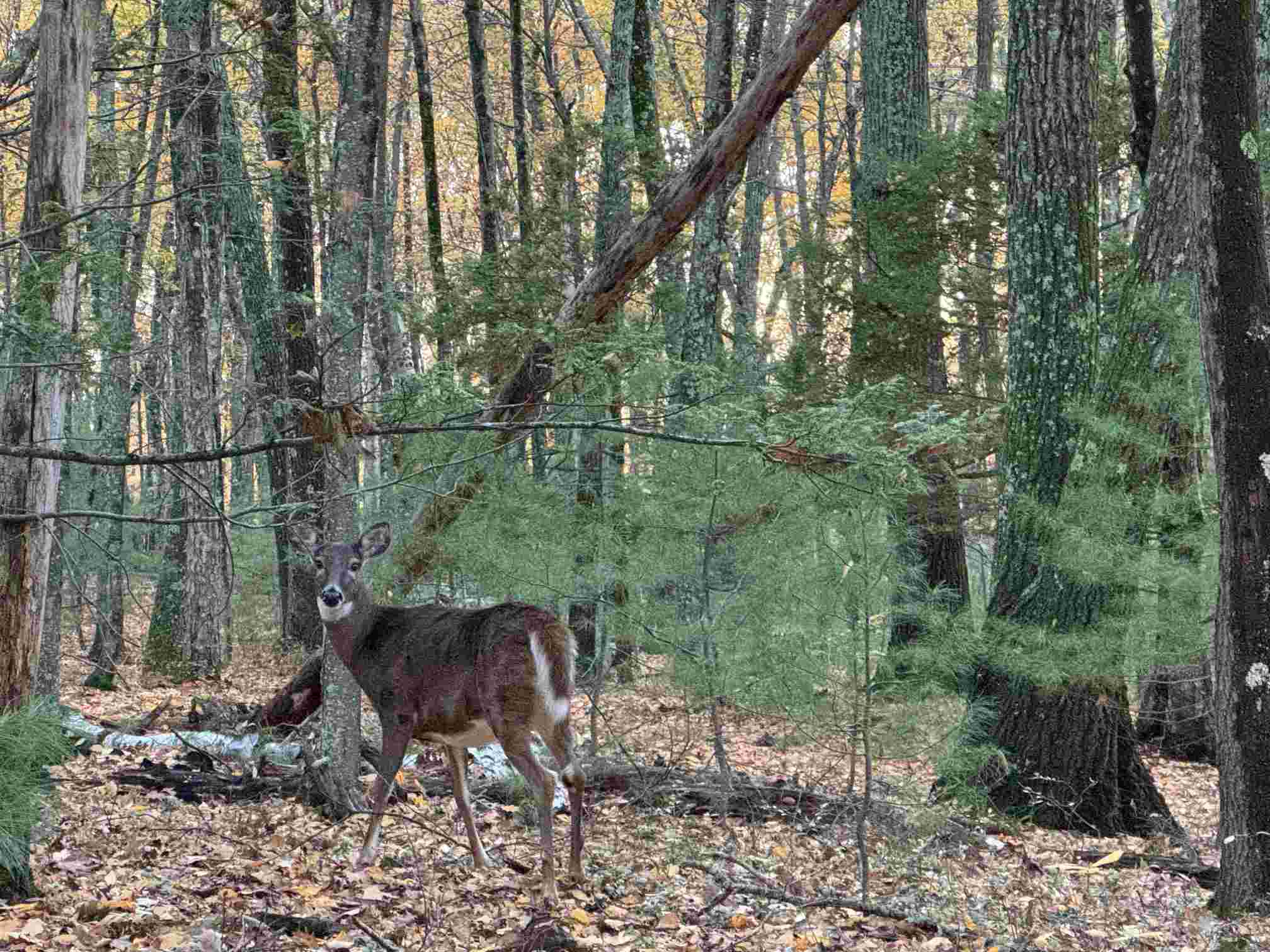
Bobcats have been reported from various parts of town and Will Leona wrote, “Beaver continued to prepare for the winter before the ice set in. They stocked their caches and fortified their lodges and now are ready to hunker down….. I have seen many deer browses and buck rubs lately.” Bucks rub their antlers on tree trunks, removing some of the bark, and then they rub their scent glands on the exposed wood. As Susan Morse, tracker and naturalist, writes, “Researchers have recognized that rubs serve as visual and olfactory “bulletin boards”, enabling the maker as well as other deer to communicate their social and sexual status”.

As this is my final wildlife column of 2025 I would like to take the opportunity to thank my “official team” of wildlife observers: Mathias Bitter, Ryan Brown, Stacy Carter, Vin Durso, Marcia Gagney, Michele Grzenda, Sue Klem, Jane Layton, Will Leona, Norman Levey, Kathleen Lomatoski, Ron McAdow, Ellen Meadors, Corey Flint, Tia Pinney, Carol Roede, Nancy Soulette, Pam Sowizral, Rob Todd, Fred Winchell, and Robin Wilkerson. I am also grateful for the calls and e-mails from other observant townspeople who appreciate the many forms of wildlife around us. Thanks go as well to Miranda Loud for proofreading and to Bryn Gingrich, who put the column and photos on the LLCT website, until Danielle Proulx took on the job in November.

I wish all readers a happy holiday season, with ongoing enjoyment of the natural wonders around us in 2026.

Links:

To learn more about harm done by Anticoagulant Rodenticides

Watch Will Leona’s video of a bald eagle flying over Flint’s Pond

November 2025 Wildlife Column 

November 2025 Wildlife Column 

Written by Gwyn Loud for the Lincoln Land Conservation Trust. She welcomes your sightings and questions at 781-259-8690 or gwynloud555@gmail.com. 

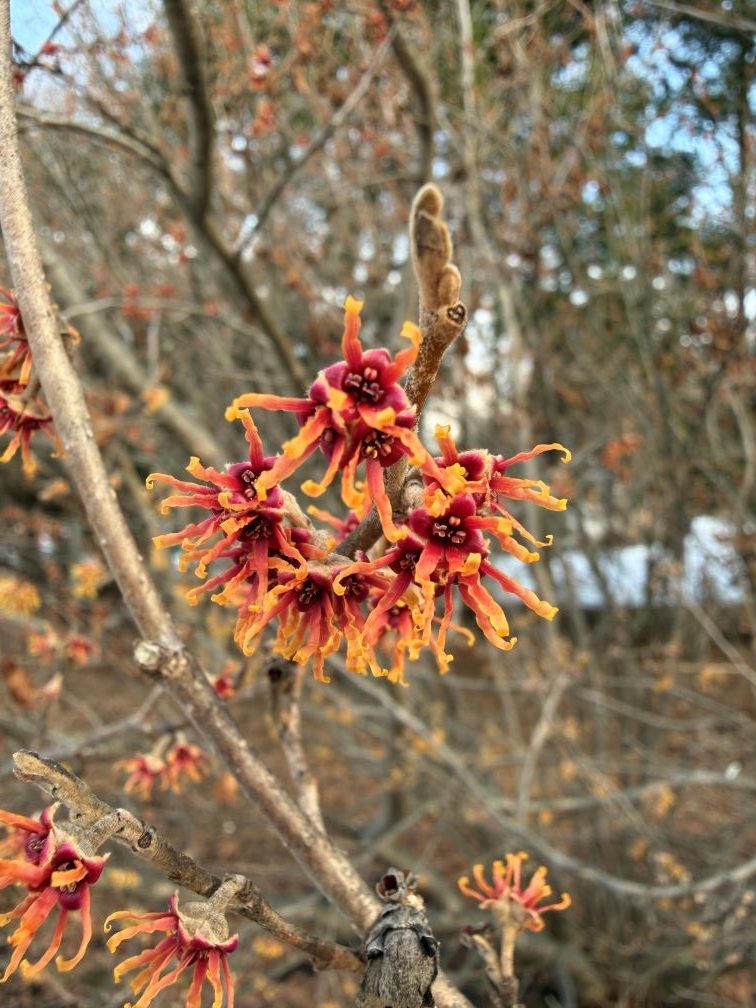
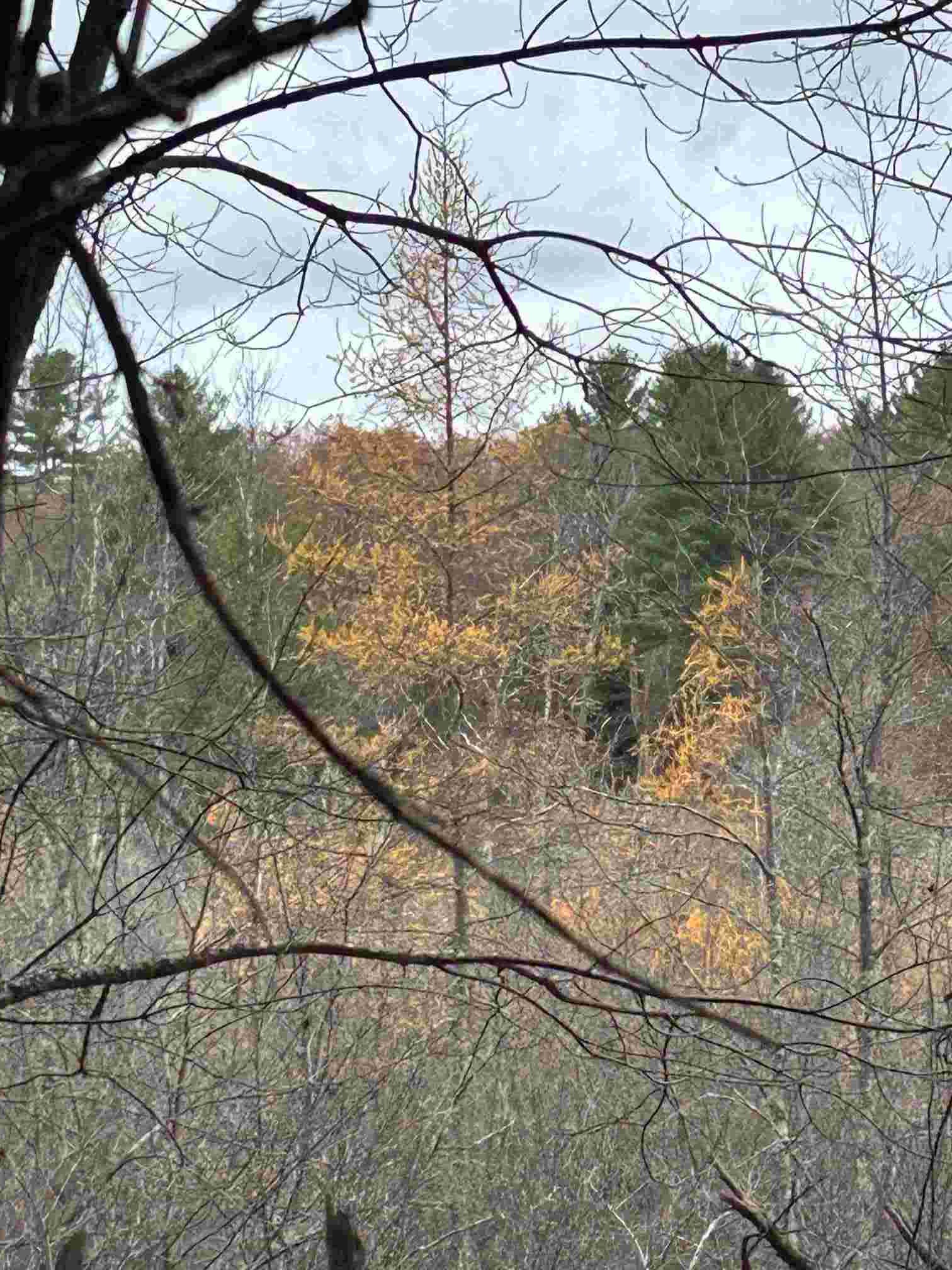
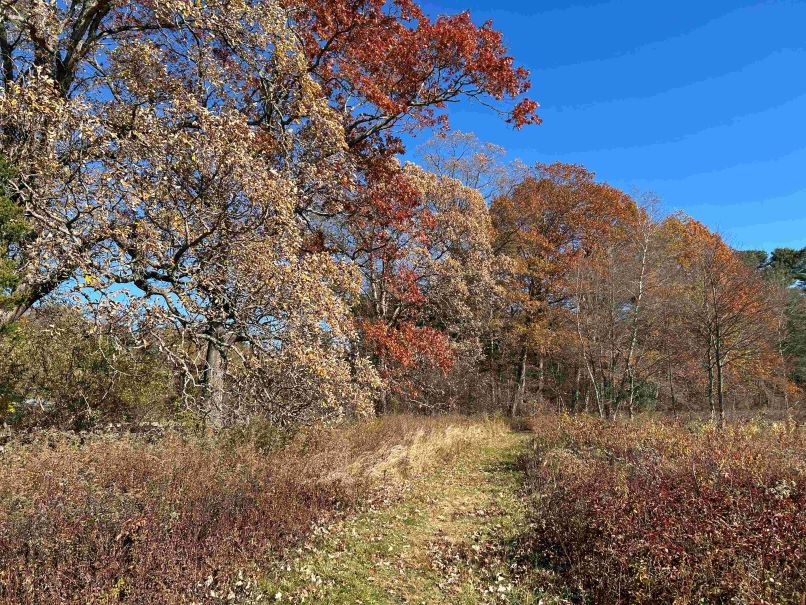
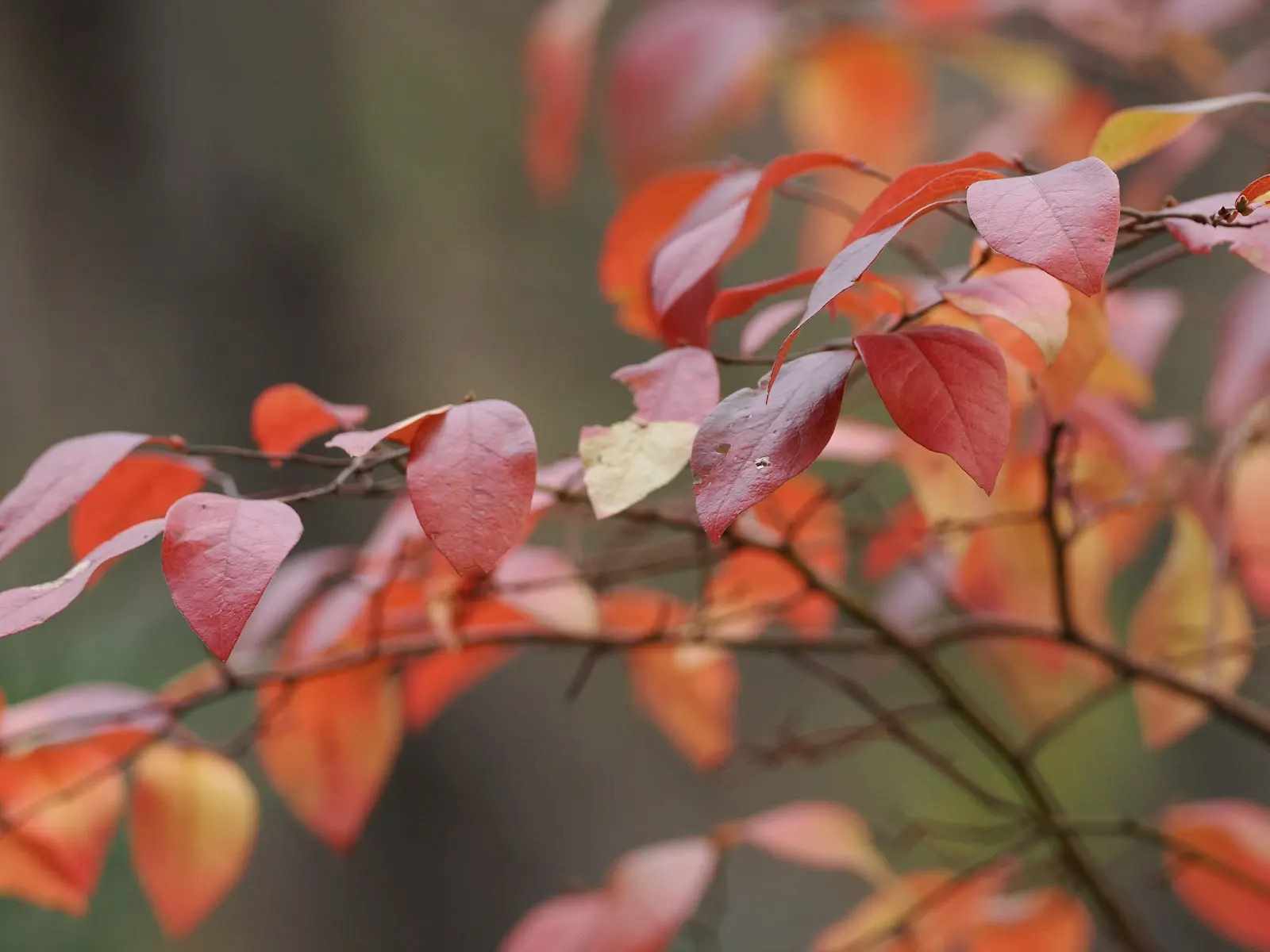
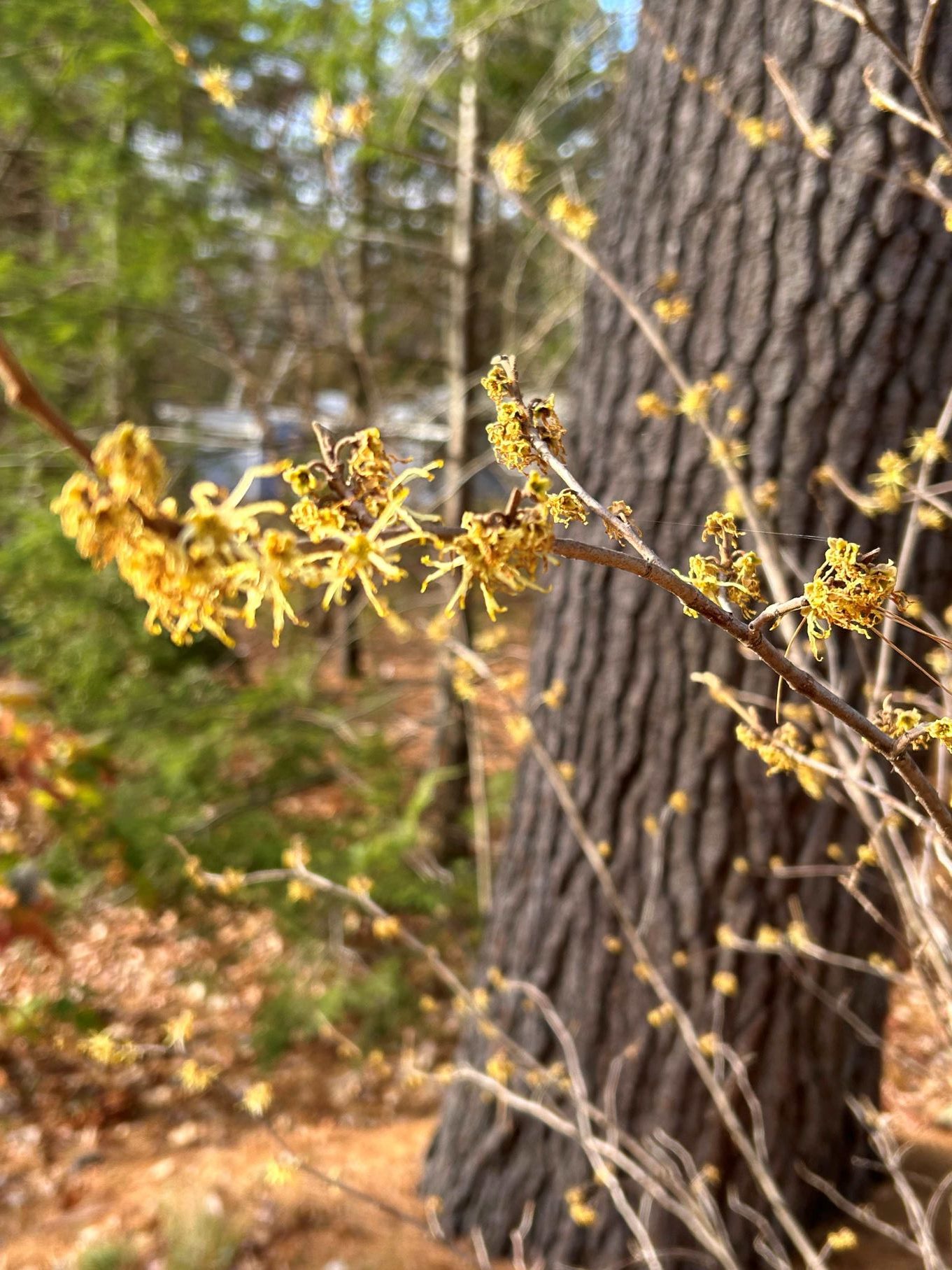
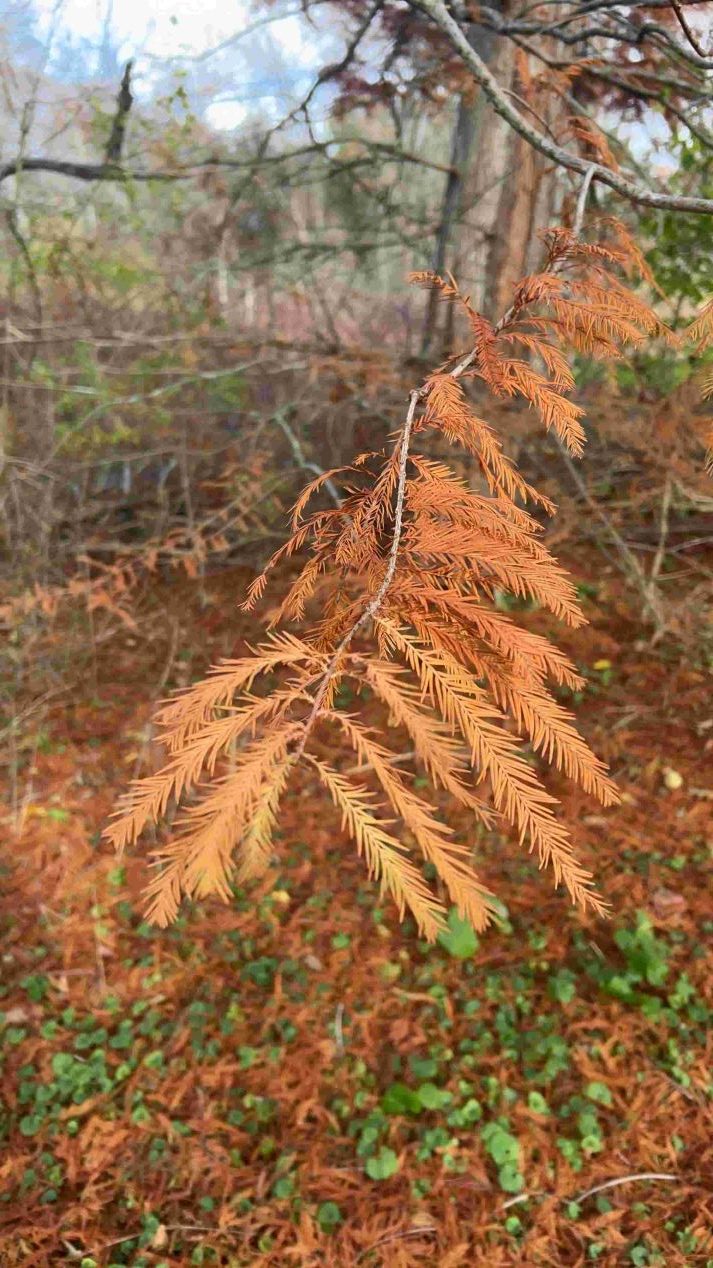
As the the hours of daylight shorten and the sun sets by late afternoon, we sense that winter is around the corner. The weather over the past month has been generally mild, although winter chill arrived in the last week, with early morning temperatures dipping below freezing. In spite of a few inches of rain in October, Middlesex County is still considered “abnormally dry” according to the US Drought Monitor. Rain and wind on October 30 brought down many leaves, so now the landscape is dominated by browns and bare gray branches. The fall foliage color peaked here late in October, but some beautiful yellow leaves still remain on various shrubs and trees such as Norway maples. I was glad to find several tamaracks (aka larches) along trails by Beaver Pond. They are among just a few conifers which are deciduous, meaning they drop all their needles each fall, with the tamaracks turning golden in the process. Their name comes from the Abenaki, meaning “wood for making snowshoes.”  On Hawk Hill I came across another deciduous conifer, a bald cypress, displaying rich brown needles, soon to fall. When walking in the woods, this is a good season to admire mosses, lichens, and plants such as club mosses. Fungi in different hues and shapes are also very visible and you might come across witch-hazel, which blooms in November and has spidery yellow flowers. Hay-scented ferns are turning brown and  partridgeberries near to the ground add dots of red to the palette. White pine cones litter the forest floor, as the trees have produced a bumper crop this year.

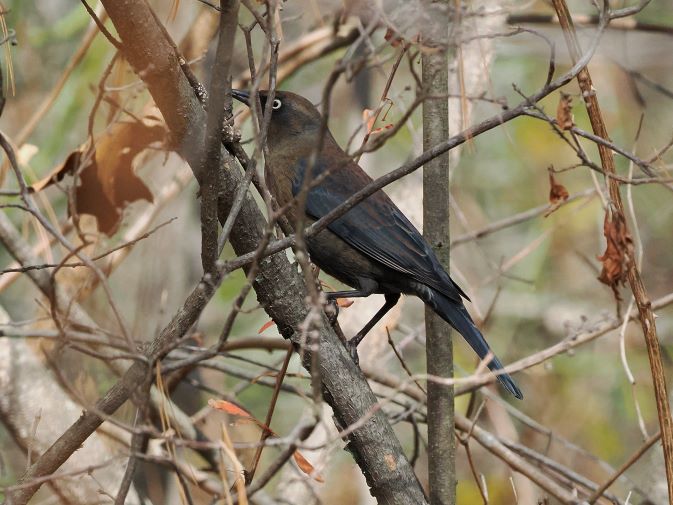
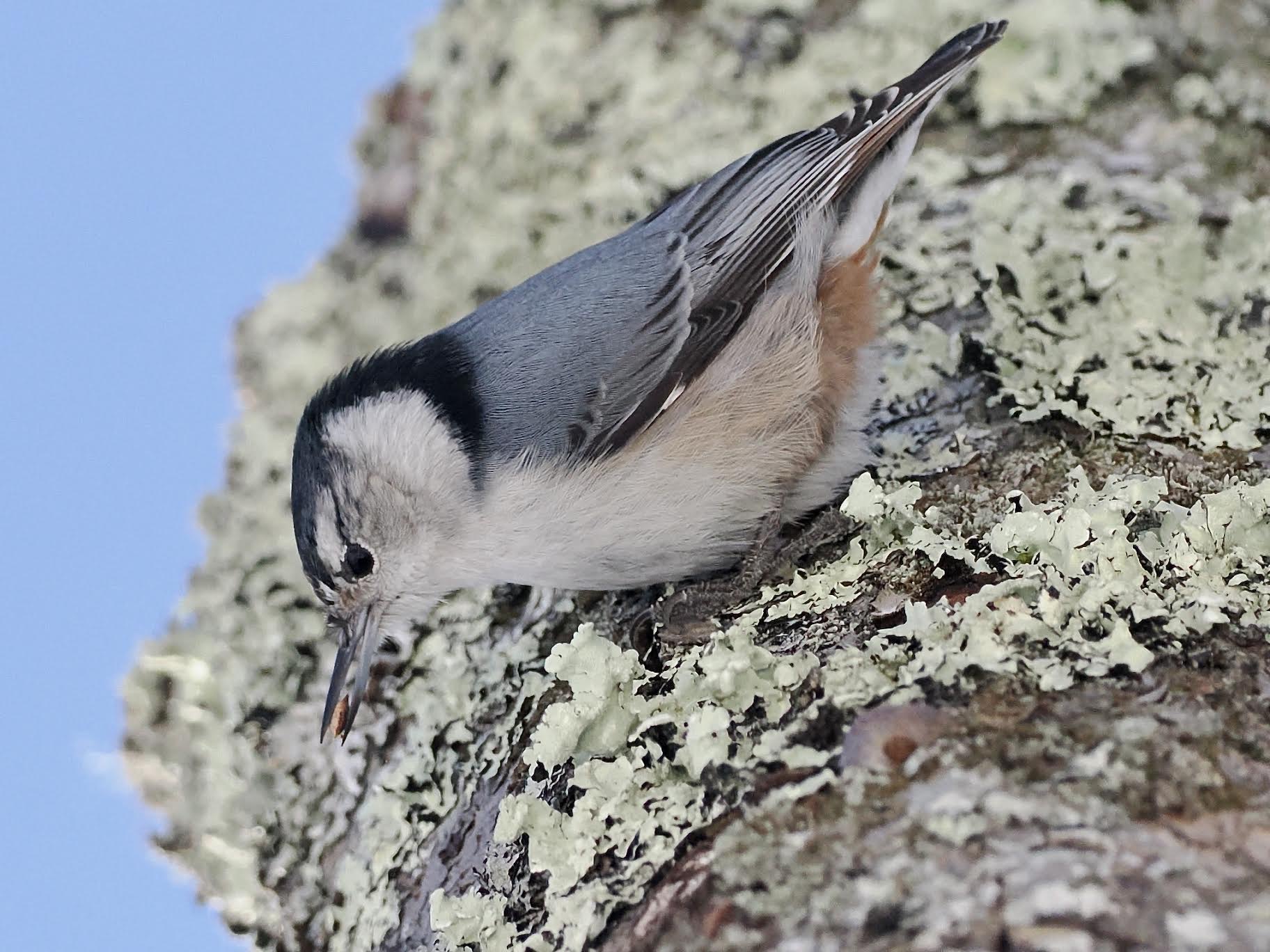
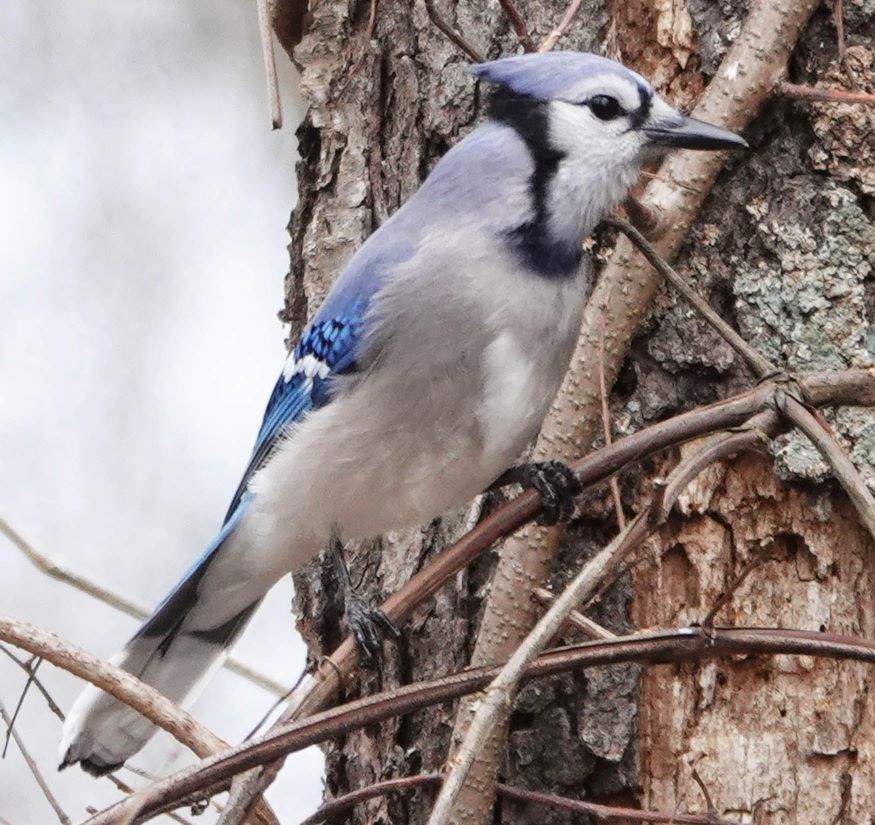
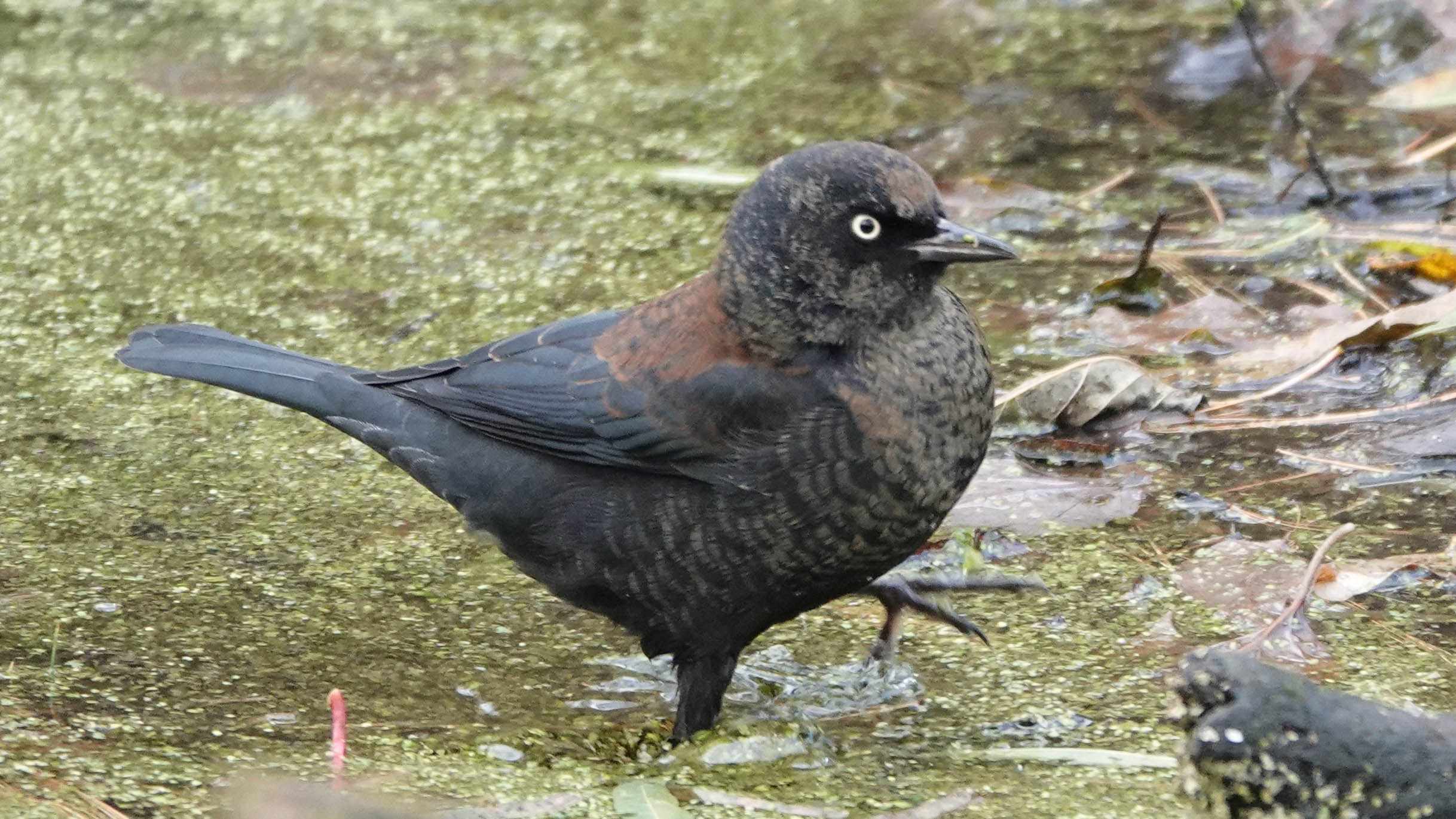
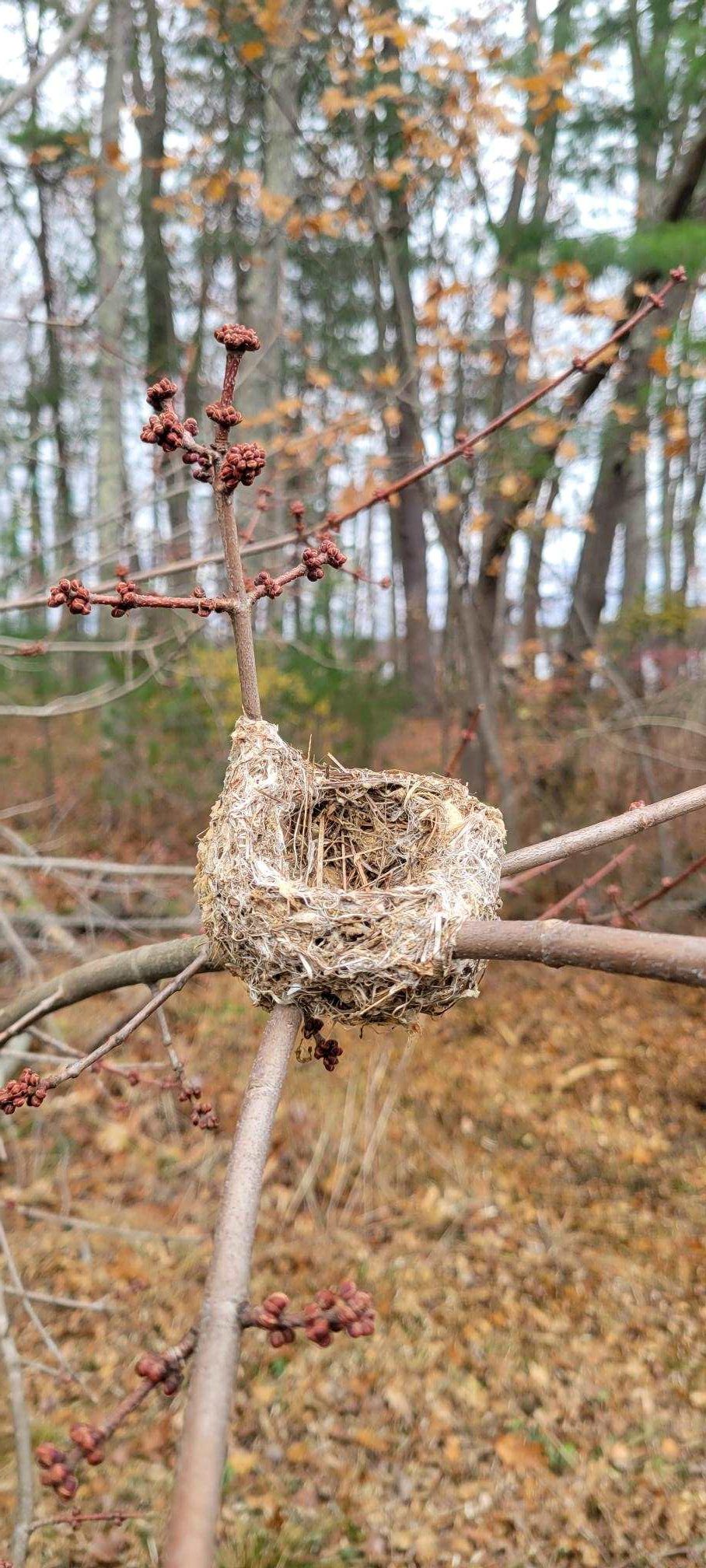
The fall bird migration is basically over, although a few late migrants such as fox sparrows, rusty blackbirds, and turkey vultures have been spotted this month. A surprise discovery by Norm Levey on Nov. 16 was a magnolia warbler, flitting about and feeding in a weedy area off Virginia Rd.  It should be in Central America by now! Birds continue to find plenty of wild food in the form of berries, seeds, and insects, either as eggs, pupae, or hidden adults. Birds’ nests from the warm months are easy to observe now that the leaves have fallen, and often bits of trash such as plastic are visible in the nests. Our winter visitors such as dark-eyed juncos and white-throated sparrows are turning up at bird feeders, joining the regular Northern cardinals, black-capped chickadees, white-breasted nuthatches, blue jays, house finches, mourning doves, and downy, hairy, and red-bellied woodpeckers. At my feeders a gang of blue jays instantly gobbles up seeds I put out. This year there is only a modest crop of acorns, an important food for many birds and mammals; perhaps that is why the jays are so hungry at the feeder. Quoting Mass Audubon, “Blue Jays cache their acorns and collect a whopping 3,000 to 5,000 acorns in one autumn. And not just any acorns. These skilled jays can determine if the acorn is infested with pesky weevils—a process that still puzzles scientists—by simply picking one up in their beaks.  Blue Jays can hold up to three acorns in the gular pouch located in their throat, along with one in their mouth and one in the tip of their beak, for a total of five acorns per trip.  They store the acorns in the ground, and the ones that don’t get eaten by the jay, or any other creature looking for a snack, are left to germinate and grow.  Because of this, Blue Jays are often credited with spreading oak tree populations after the last glacial period.” Red-bellied woodpeckers also cache food in tree holes and crevices under bark, returning to eat their stored supply throughout the winter. I am impressed that birds and mammals which cache food can remember where the food was hidden. They are smart! I urge us all to delete the disparaging term “bird brain” from conversation.

This is duck season. On the Cambridge Reservoir observers have seen hooded mergansers and up to 300 ring-necked ducks, and on Flint’s Pond, hooded and common mergansers, bufflehead,  common goldeneye, and an occasional common loon. I watched a skein of Canada geese overhead, probably only heading to the middle Atlantic states. Many Canada geese remain here year-round.

Our most common winter raptor is the red-tailed hawk. Conservation Ranger, Will Leona, writes, “It’s no surprise about the abundant number of red-tailed hawks that have been present as we start our late Fall field mowing routine.  Every year they are patiently perched on tree limbs at field edges waiting for the passing tractor to rustle up some tasty voles and other field critters.”  Cooper’s hawks often swoop through bird-feeding stations, hoping to pluck a plump mourning dove (or anything else) for a meal; feathers on the ground tell the story. Bald eagles have become more common in our area and one was spotted carrying large sticks along the western edge of the Cambridge reservoir, heading south. We know bald eagles have nested regularly on Fairhaven Bay, but maybe another nest on the Cambridge Reservoir lies ahead. Time will tell. Norm Levey had what he called a ‘“two falcon day”  when he  saw “a low flying merlin that shot by me like a bullet in the early morning over the softball park behind my village and that very afternoon at Ricci Farm a peregrine falcon appeared over the crop field to hunt and perch on the north tree line for about five minutes. The airfield is a good hunting area for falcons.”  Other raptor sightings include a northern harrier over Lindentree Farm and a sharp-shinned hawk at Drumlin Farm.

Owls have been hooting recently, especially great horned owls, who are staking out territories before they start nesting in January/February. Great horned owls are monogamous and I have been captivated  hearing a male and female calling back and forth in the evening, the female’s call higher pitched than the male’s. Carol Roede’s trail cam has also picked up a screech owl and a barred owl.

Additional bird reports of note from Drumlin Farm include American pipits and a flock snow burnings, golden-crowned and ruby-crowned kinglets, American tree sparrows, and a clay-colored sparrow (uncommon).  As I wrote last month, this is predicted to be a good winter to see winter finches and other irruptives from the Canadian boreal forest, as the poor cone supply there is pushing the birds south. Already pine siskins, red-breasted nuthatches, and purple finches have been seen, and a flock of twelve evening grosbeaks were observed on Nov.9 by Ponyhenge on Old Sudbury Rd.
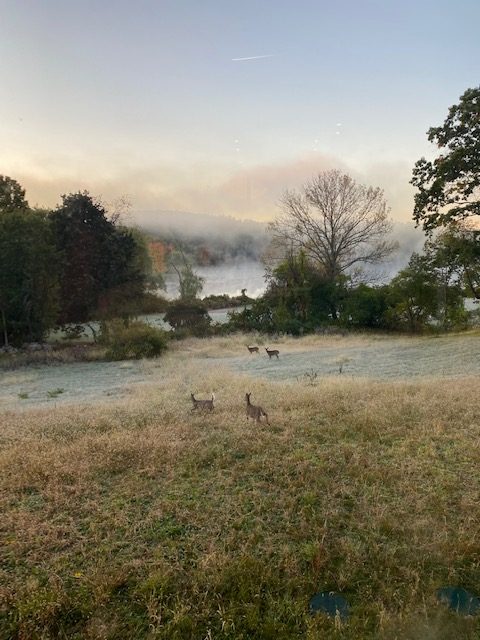
Except for the woodchuck, who has gone into hibernation, our local mammals are out and about, although chipmunks will soon disappear underground to nap in their tunnels. Mammals’ strategies to survive the oncoming cold include gathering and storing food, putting on more layers of fat, or growing thicker fur. White-tailed deer, for instance, as well as building up fat reserves in the fall, shed their reddish summer coats and grow darker gray-brown fur with hollow air shafts. A dense layer of wool-like under fur provides insulation and special muscles allow the deer to change the angle of its airshafts to give maximum insulation. Walter Gundy photographed a buck,”chewing his cud in our backyard after girdling the adjacent sapling by using it to rub velvet off his antlers.” 

Beavers are busy dragging branches to store underwater near their winter lodges; the food must be accessible when the pond freezes over. Mary Holland explains, “ Beavers eat two pounds of bark a day and there can be up to ten beavers occupying a lodge over the winter, so an ample supply of food is essential.” Will Leona writes about beavers in Lincoln, “The beaver population continues to grow!  It’s incredible just how many beaver lodges and colonies are popping up around town if you look hard enough.” 

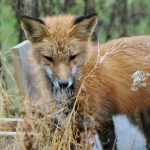
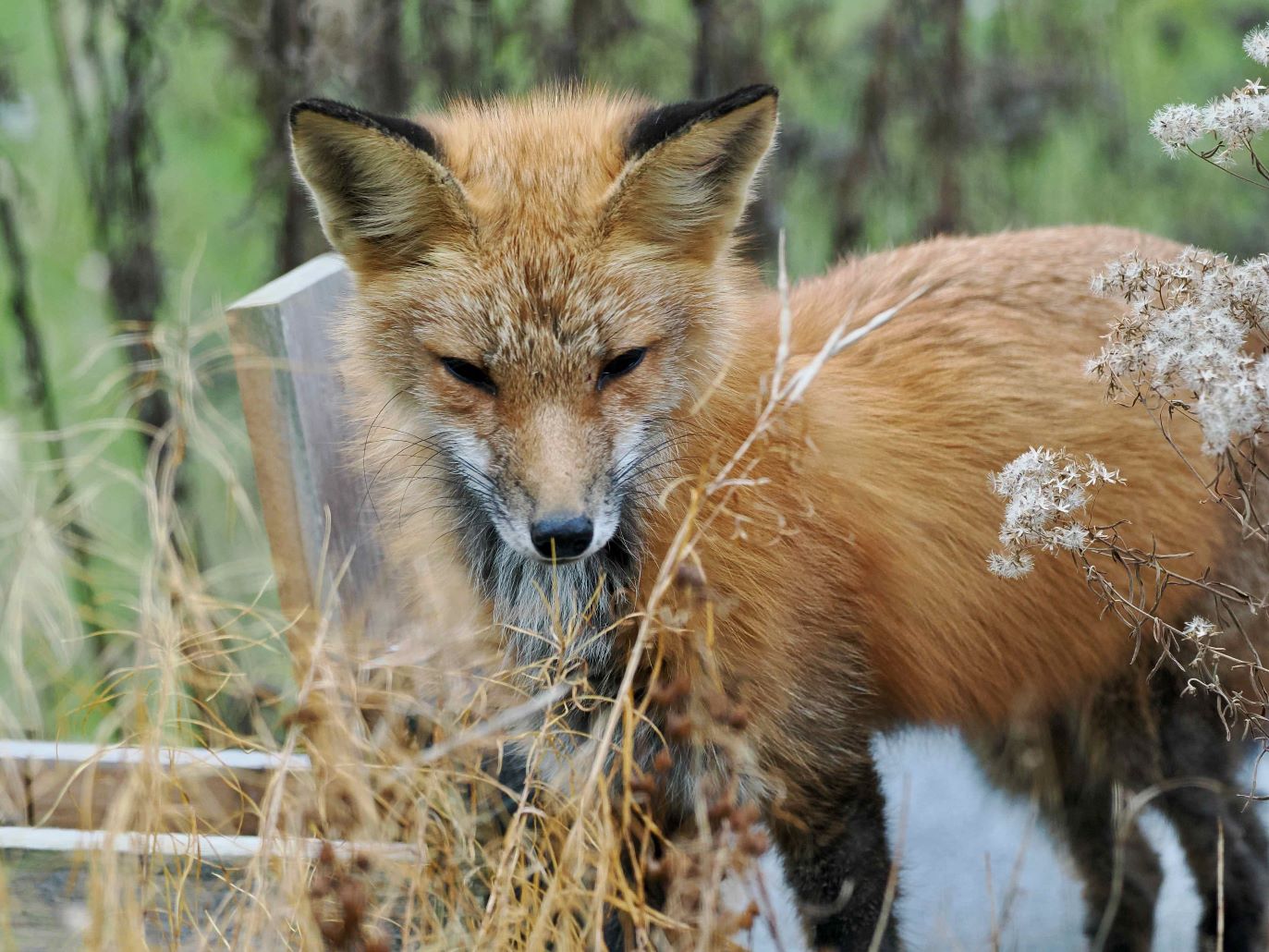
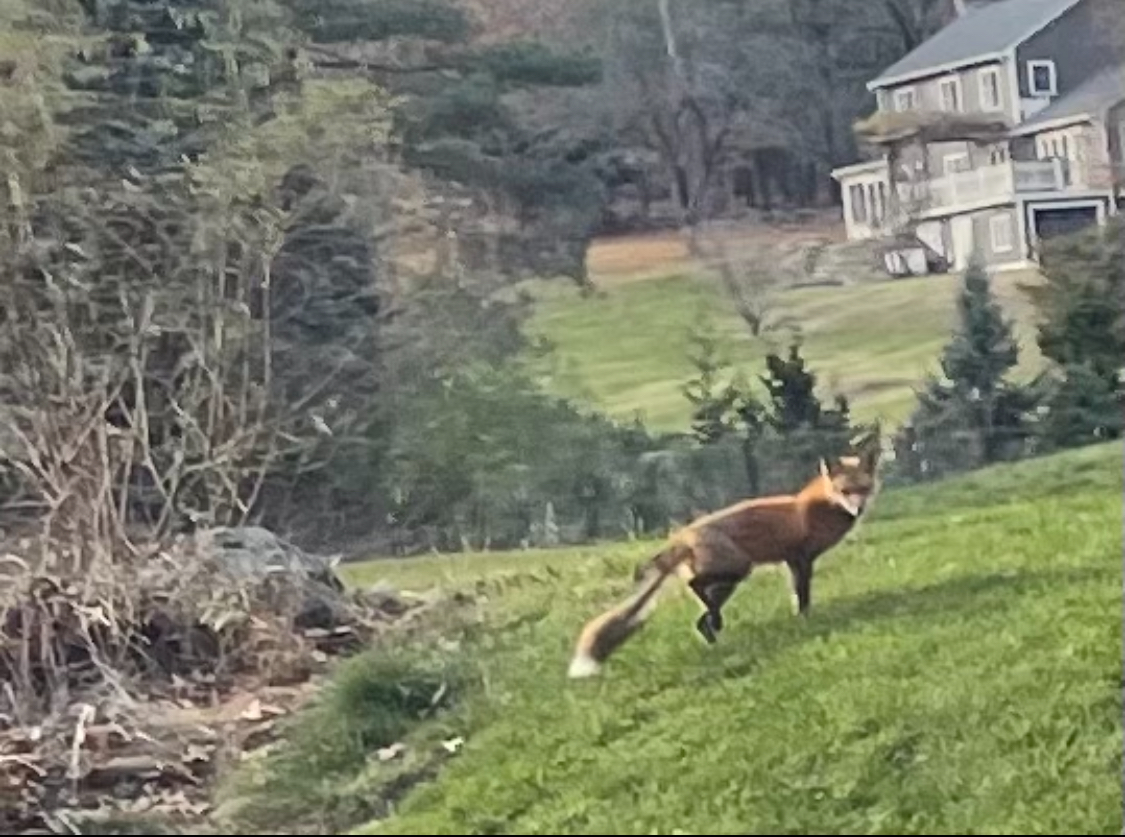
Other mammals reported this month include a Virginia opossum which I found, dead, on Weston Rd. ,obviously hit by a car. They are the only marsupial in North America, closely related to kangaroos, are primarily nocturnal and move slowly. Their hairless ears, tails, and paws are susceptible to frostbite, partly because their instinct tells them to move to several nesting spots during a week, thus exposing them to the elements. Several people have reported red foxes, and a very large coyote has been observed in fields along Conant Rd. Otters have been sighted, including one in a small pond off Old Winter St. Hathaway Ellis commented, “Never had this fellow before but he spent all day Saturday in our little pond! Seems to be eating snails and such. The heron who comes everyday is incensed- keeps showing up and then leaving after seeing he’s still here!” There have been several sightings of black squirrels recently. They are actually gray squirrels, but called “black morph” because they have a genetic variant producing more melanin. I observed a black morph squirrel near the riding ring in Upper Browning Field, and Ron McAdow photographed one on a trail behind St. Anne’s Church. I invite readers to let me know if and where you have seen them.  Another observer commented that she had seen many more rabbits than usual, looking healthy and hopping away speedily. As always, Carol Roede’s trail cam reveals the night life of mammals around us, including mink, muskrat, otters, weasel, a flying squirrel, bobcats (including kits), and lots of mice activity.

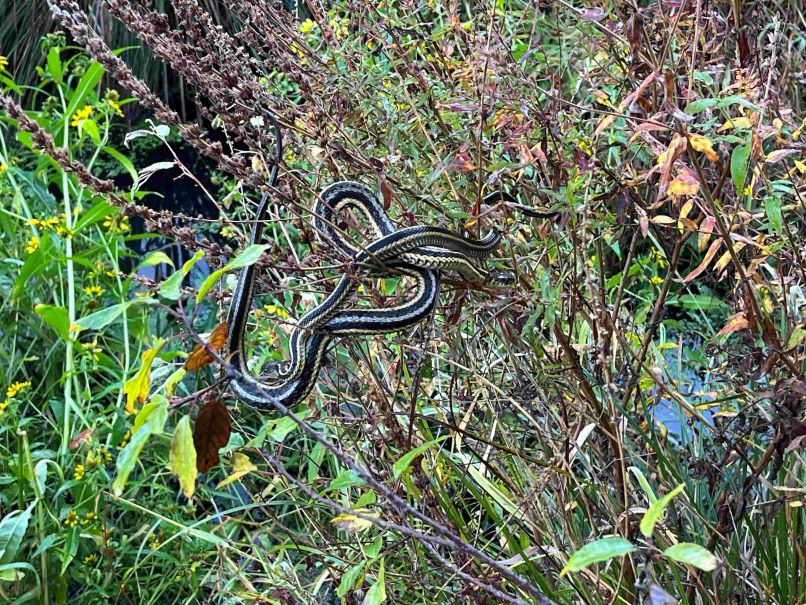
Snakes are now out of sight in their winter brumation but In mid-October Doug Elmendorf snapped a photo of a handsome Eastern ribbon snake soaking up warmth as it basked atop weeds in a swampy area at the end of Farrar Pond.

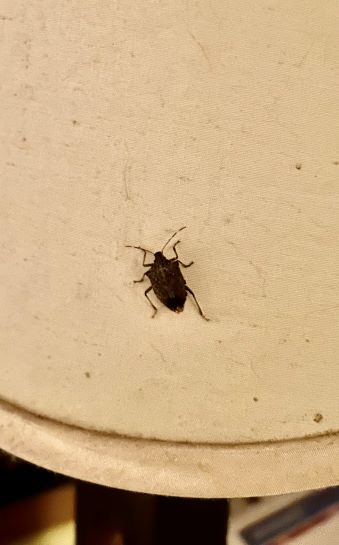
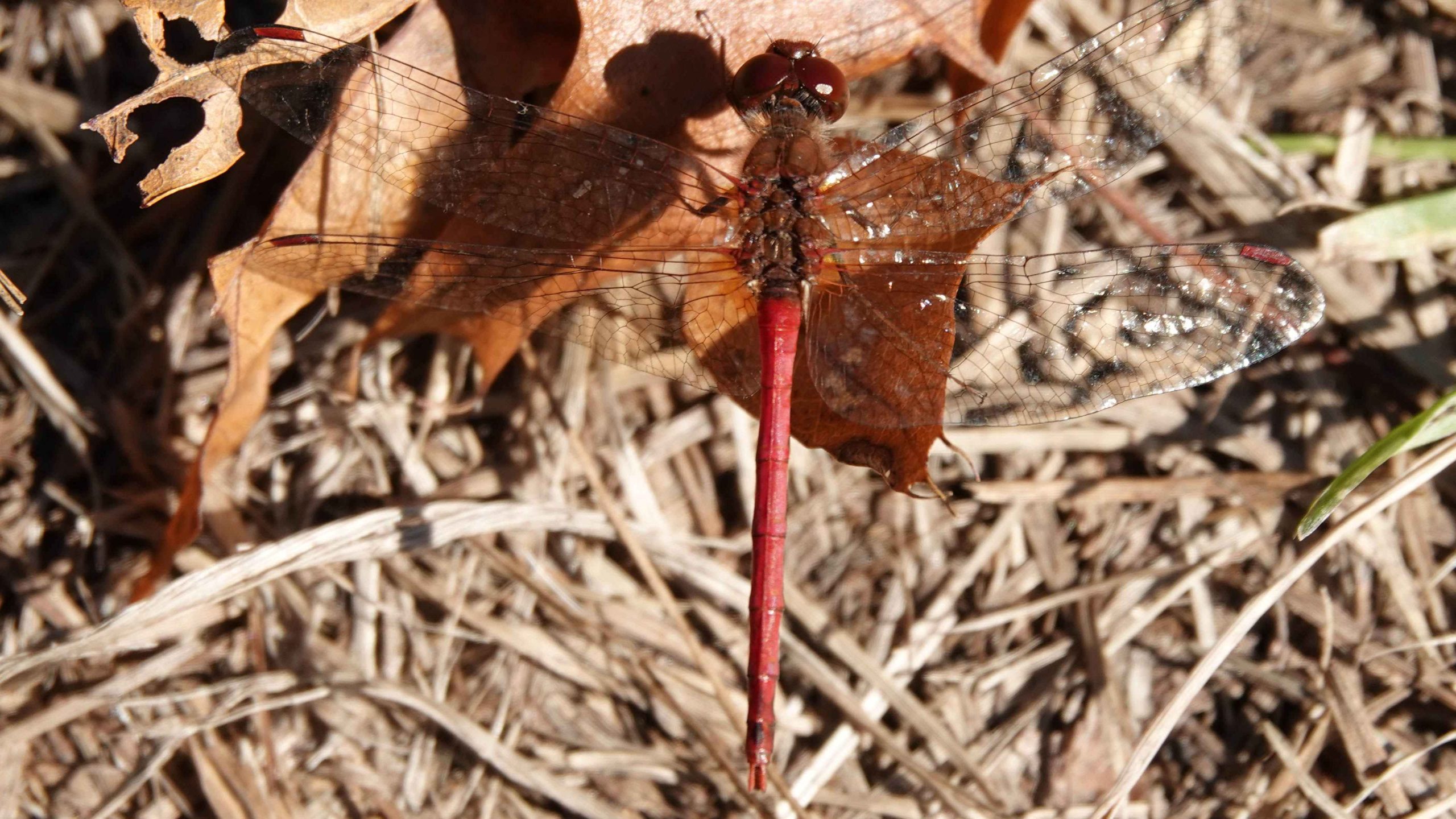
Most insects are in a state of diapause but you may see a few winter moths in your headlights in the dark. They used to be a big problem when the caterpillars defoliated many trees in the spring. Now their population is minimal, thanks to biocontrol, but entomologists (including my brother)  from UMass Amherst who solved the problem continue to monitor the situation. Several people observed autumn meadowhawk dragonflies well into November. They are a genus of about fifteen species, the last to emerge in the fall and can be found getting warm in the sun on rocks, giving them enough energy to fly even when the temperature dips to 50F. Friends have mentioned finding numerous ticks on their dogs, so be sure to check for them even in chilly weather. One resident found a lone star tick, identified by a prominent white dot in the middle of its cephalothorax; lone star ticks are increasing in Massachusetts due to a warming climate.

Looking skyward, I quote a friend, Tim Sterrett, who writes a monthly column much like mine, in Pennsylvania. He writes about constellations: “Orion with his belt of three bright stars appears in the east late in the evening. Orion is our most easily recognized constellation. Betelgeuse, a red giant star larger than Earth’s orbit around the Sun, marks Orion’s shoulder and Rigel his knee. Orion is followed by his dog, Canis Major (“Big Dog” in Latin) including Sirius, the brightest star we can see at night.”  And from Night Sky This Week, ‘This week brings one of November’s best sky shows: the Leonid meteor shower peaks under dark skies, offering up to 15 shooting stars per hour before dawn. A few days later, the new moon gives us ideal dark skies for trying to find Uranus as it reaches opposition on Friday (Nov. 21) and shines bright enough to spot with binoculars just beneath the Pleiades. “
 To read more about Virginia opossums

https://www.massaudubon.org/nature-wildlife/mammals-in-massachusetts/opossums

Read a post from The Bug Lady about Autumn Meadowhawks

https://uwm.edu/field-station/bug-of-the-week/autumn-meadowhawk-dragonfly/

Watch Norm Levey’s video of a magnolia warbler foraging in the weeds:

Watch Carol Roede’s trail cam video of bobcat kits:

October 2025 Wildlife Column

Written by Gwyn Loud for the Lincoln Land Conservation Trust. She welcomes your sightings and questions at 781-259-8690 or gwynloud555@gmail.com.  Very dry conditions continued through September until a Nor’easter arrived on October 12-13. A few “teaser” showers occurred earlier in the past month, but they did not give us any significant rainfall. Dry streams and … Read more

September 2025 Wildlife Column

Written by Gwyn Loud for the Lincoln Land Conservation Trust. She welcomes your sightings and questions at 781-259-8690 or gwynloud555@gmail.com. Although we have had some brief periods of rain, the last two months have been very dry. In Metro-west the historical monthly average precipitation in August is 3.72” but a mere 0.86” of rain was … Read more

2025 Summer Land Steward Highlights

  LLCT had a fantastic summer with three summer land stewards helping on various projects, from invasive plant monitoring and management, to trail repair and native plantings. Iain Corkhill graduated from St. Lawrence University in 2024 where he majored in Environmental Studies and Philosophy and minored in Outdoor Studies. With a strong background in landscaping, … Read more

July 2025 Wildlife Column: Birds Fledging and Insects Buzzing

Written by Gwyn Loud for the Lincoln Land Conservation Trust. She welcomes your sightings and questions at 781-259-8690 or gwynloud555@gmail.com. “Dry and hot” describes July. We have had three heat waves so far, with temperatures in the 90s, and accompanying high humidity, making sleep elusive without air conditioning. The mass.gov drought map says that Massachusetts, … Read more
June 2025 Wildlife Column

Written by Gwyn Loud for the Lincoln Land Conservation Trust. She welcomes your sightings and questions at 781-259-8690 or gwynloud555@gmail.com  The song “June is Bustin’ Out All Over”, from the musical Carousel has been going through my head this month, thanks to being surrounded by new growth everywhere, whether blossoms, animal babies, or every shade … Read more
May 2025 Wildlife Column: Spring is Sprung

Written by Gwyn Loud for the Lincoln Land Conservation Trust. She welcomes your sightings and questions at 781-259-8690 or gwynloud555@gmail.com Significant rain over the past month has lead the official status of drought in the Northeast region of MA to be lowered to “mild drought”. Ponds are full, streams and brooks are flowing fast, and … Read more

The Nature Link Conservation Project

RLF was pleased to announce at new conservation acquisition project at the April 14, 2024 Select Board meeting. This project is the result of a multi-year collaboration between the Rural Land Foundation of Lincoln (RLF), Farrington Memorial Nature Linc, and the Panetta Family. With this project, RLF, Nature Linc, and the Panetta Family seek to permanently … Read more

April 2025 Wildlife Column: Spring Migrations, Black Bears, and More

Written by Gwyn Loud for the Lincoln Land Conservation Trust. She welcomes your sightings and questions at 781-259-8690 or gwynloud555@gmail.com If “April showers bring May flowers”, we should relish gorgeous blossoms next month. Although we had summer-like temperatures in the sixties the first week of April, since then it became chilly, windy, and wet. It … Read more